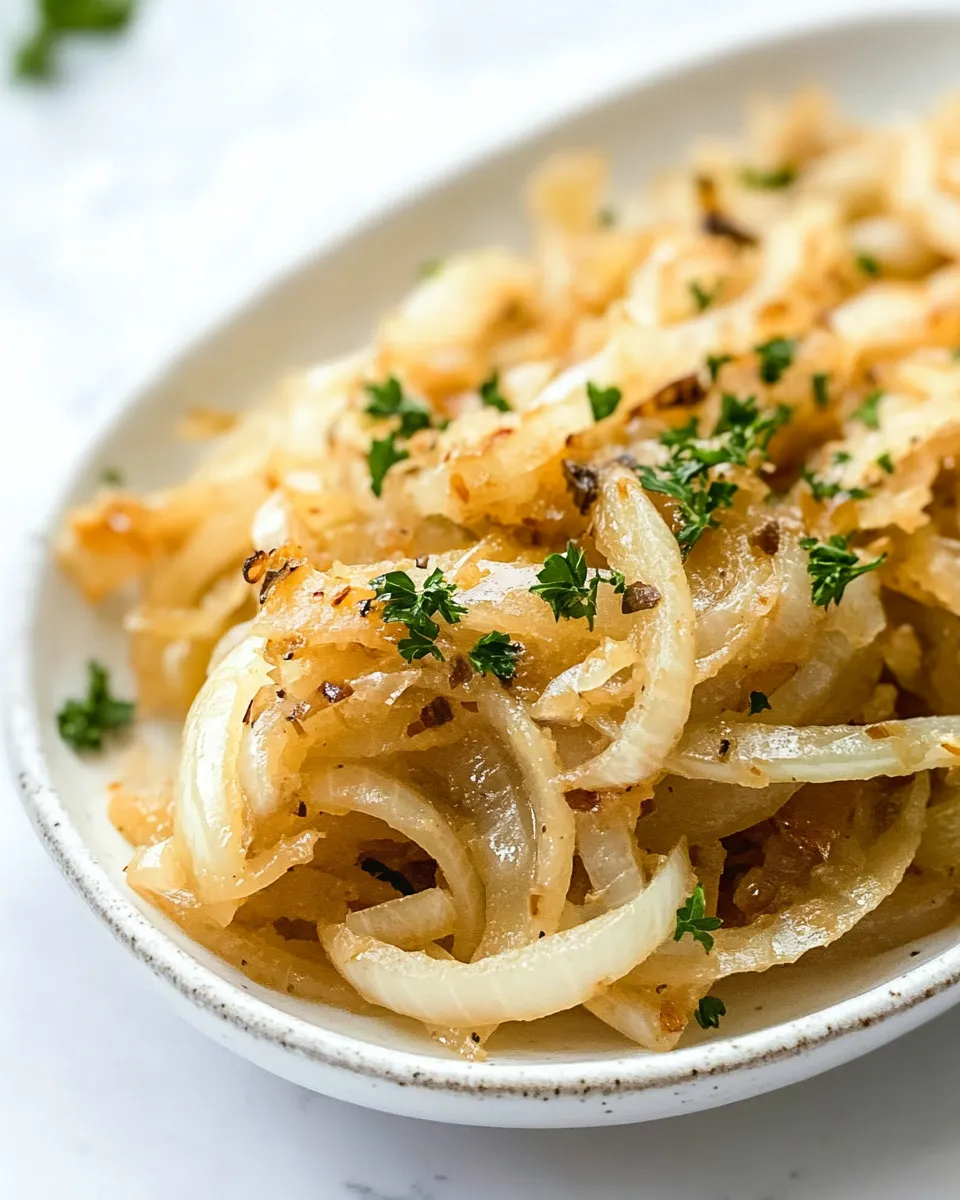
Sauted onions are the unsung heroes of the culinary world, bringing depth, flavor, and a touch of sweetness to countless dishes. Whether you’re cooking up a comforting pasta, a hearty stew, or a simple breakfast omelet, these golden, caramelized beauties elevate your meals to a whole new level. With just three medium yellow onions, a splash of olive oil, and a few seasonings, you can create a versatile ingredient that enhances everything from savory to sweet dishes. Let’s dive into the art of making perfect sauted onions!
Why This Recipe Works
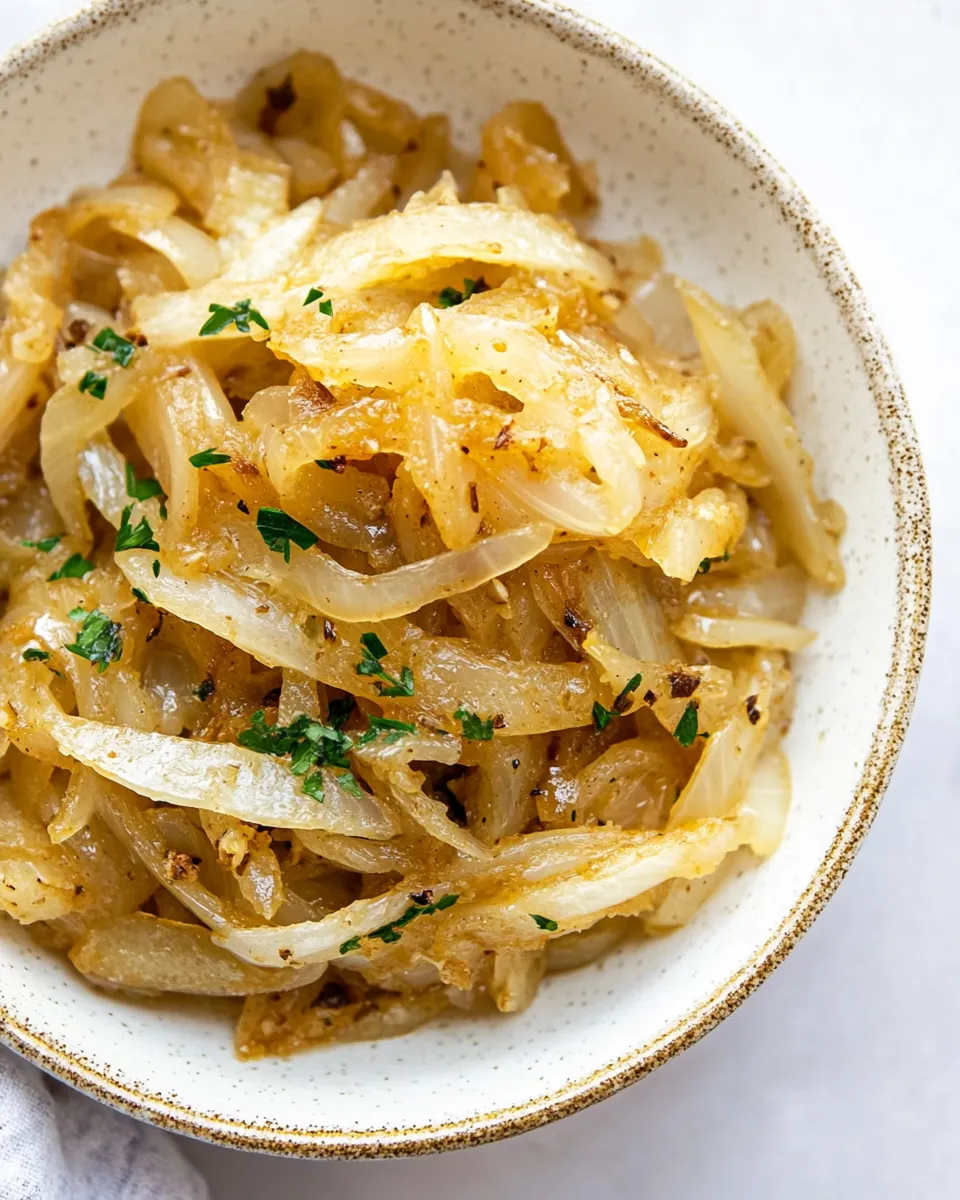
The beauty of sauted onions lies in the simplicity of the ingredients and the technique. Yellow onions are naturally sweet, and when cooked slowly in olive oil, they soften and caramelize, releasing their sugars and transforming into a rich, flavorful condiment. The kosher salt and black pepper enhance the natural taste of the onions without overpowering them. This recipe focuses on achieving the perfect texture and flavor balance, making it an essential skill for home cooks of all levels.
What Goes Into Sauted Onions
To create your sauted onions, you’ll need the following ingredients:
- 3 medium yellow onions
- 2 tablespoons olive oil
- 1/2 teaspoon kosher salt
- 1/4 teaspoon black pepper
These simple ingredients combine to create a foundation for countless meals. The yellow onions provide sweetness, while the olive oil adds richness and helps with the cooking process. The seasonings are minimal yet essential, allowing the onions to shine.
Setup & Equipment
Before you begin, gather the following equipment:
- Cutting board: For chopping the onions.
- Sharp knife: To slice the onions evenly.
- Large skillet or frying pan: A wide surface helps the onions cook evenly.
- Wooden spoon or spatula: For stirring the onions as they cook.
- Measuring spoons: To measure out the olive oil and seasonings.
Having everything prepped and ready will make the cooking process smooth and enjoyable.
Cook Sauted Onions Like This
Step 1: Prepare the Onions
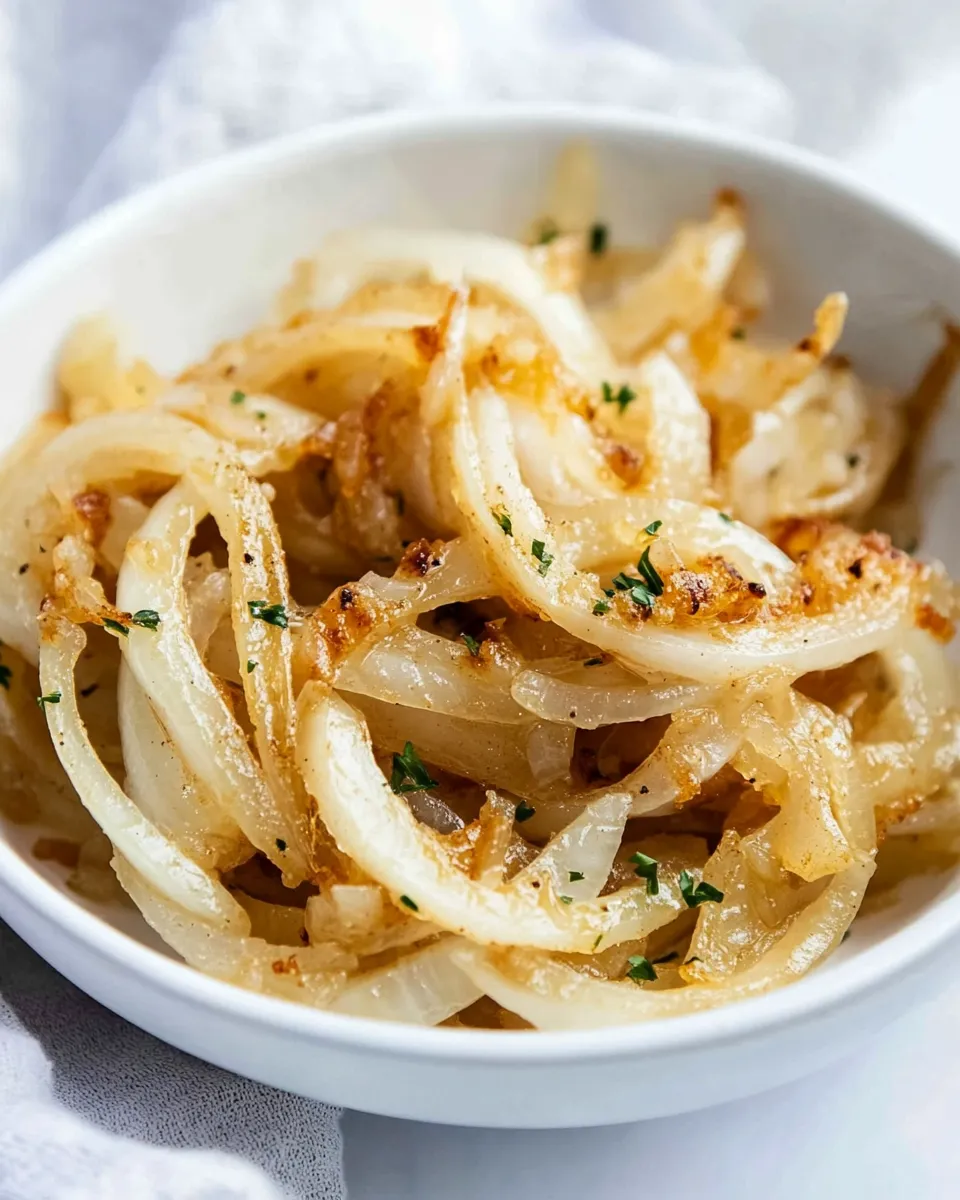
Begin by peeling the outer skin off each of the yellow onions. Once peeled, slice them in half from top to bottom, then lay each half flat on the cutting board and slice them into thin half-moons. Aim for uniform slices to ensure even cooking.
Step 2: Heat the Skillet
Place your skillet over medium heat and add the olive oil. Allow the oil to heat for about a minute. You want the oil to shimmer but not smoke, as this indicates it’s too hot.
Step 3: Add the Onions
Carefully add the sliced onions to the hot oil. Stir them gently with your wooden spoon to coat them evenly in the oil.
Step 4: Season the Onions
Sprinkle the kosher salt and black pepper over the onions. This seasoning will help draw out the moisture from the onions and enhance their flavor.
Step 5: Sauté and Stir
Let the onions cook for about 10-15 minutes, stirring occasionally. You want to keep an eye on the heat; if they start to brown too quickly, lower the heat. The goal is to slowly coax out their sweetness.
Step 6: Continue Cooking
After the initial 10-15 minutes, the onions should be soft and beginning to caramelize. Continue cooking for another 10-15 minutes, stirring frequently. You’re looking for a deep golden color and a sweet aroma.
Step 7: Adjust Seasoning
Once the onions have reached your desired level of caramelization, taste and adjust the seasoning if necessary. You can add a pinch more salt or pepper to enhance the flavor.
Step 8: Serve or Store
Once cooked, you can serve your sauted onions immediately or store them for later use. They can be used in a variety of dishes, adding a rich flavor that is simply irresistible.
Ingredient Swaps & Substitutions
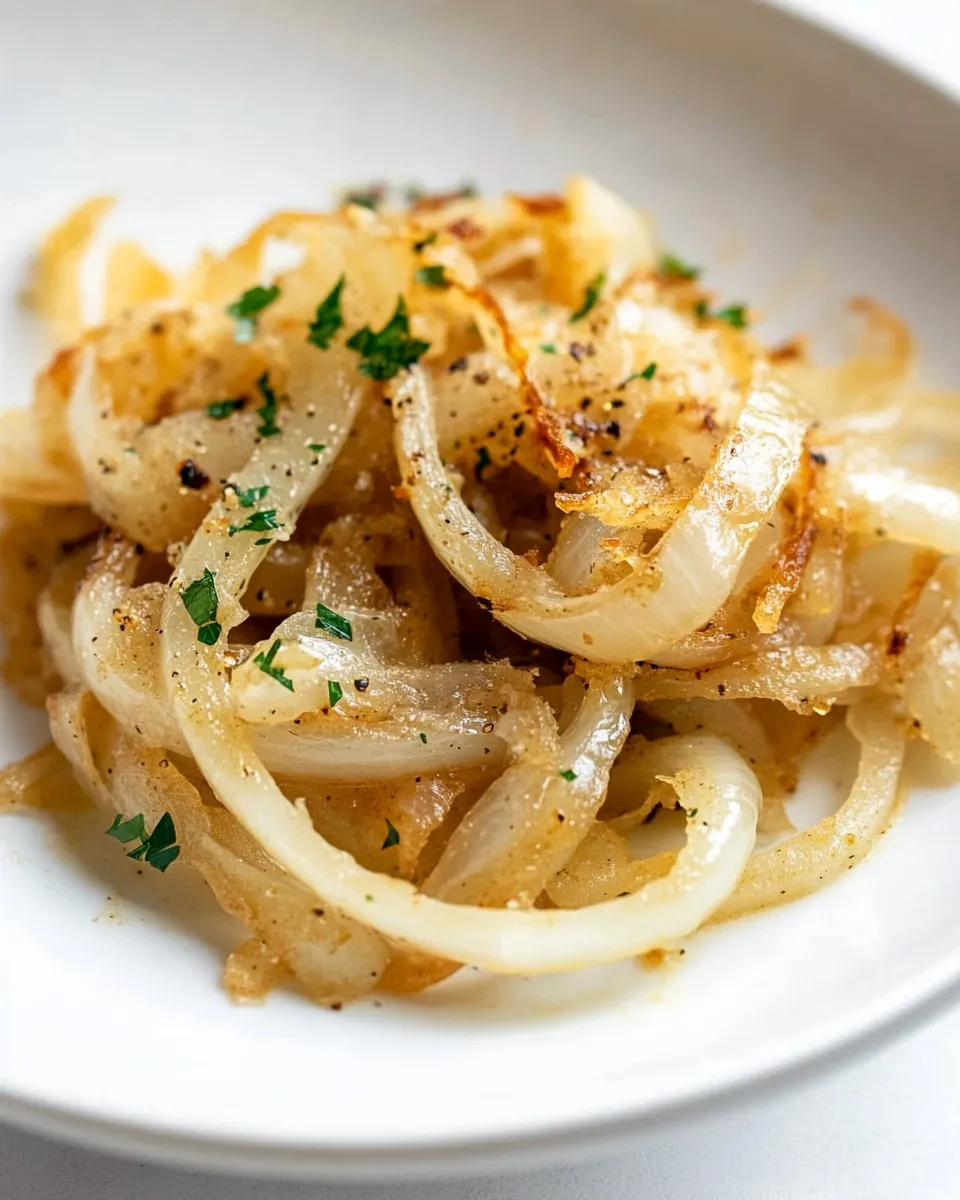
If you’re looking to experiment or if you have dietary restrictions, consider these swaps:
- Olive oil: Feel free to use avocado oil or butter for a different flavor profile.
- Yellow onions: Sweet onions or red onions work well if you prefer a milder taste.
- Seasonings: Add garlic powder or fresh herbs like thyme for an additional layer of flavor.
These substitutions can create unique variations of sauted onions, allowing you to tailor the taste to your preferences.
Frequent Missteps to Avoid
When making sauted onions, it’s easy to make a few common mistakes. Here are some pitfalls to avoid:
- Cooking on too high heat: This can cause your onions to burn rather than caramelize.
- Not stirring often: Stirring helps distribute the heat evenly and prevents sticking.
- Overcrowding the pan: If your skillet is too full, the onions will steam instead of sauté.
- Rushing the process: Sautéing onions takes time. Patience is key to achieving that perfect caramelization.
By steering clear of these missteps, you’ll be well on your way to perfect sauted onions every time.
Meal Prep & Storage Notes
Sauted onions are a fantastic make-ahead ingredient. Here are some tips for meal prep and storage:
- Make a large batch: You can easily double or triple the recipe to have more on hand for various meals.
- Storage: Allow the onions to cool completely before transferring them to an airtight container. They can be stored in the refrigerator for up to a week.
- Freezing: For longer storage, sauted onions can be frozen in portions. Place them in freezer-safe bags or containers, and they will keep for up to three months.
- Reheating: Simply reheat in a skillet over low heat, adding a splash of water or oil to help them regain moisture.
Having sauted onions ready to go makes weeknight dinners a breeze!
Quick Questions
Can I use other types of onions for sauted onions?
Absolutely! While yellow onions are the most commonly used for their sweetness, you can also use sweet onions or red onions for different flavor profiles.
How do I know when my onions are done cooking?
Your onions are done when they are soft, golden brown, and have a sweet, rich aroma. This usually takes around 20-30 minutes over medium heat.
Can I add other vegetables to the sauted onions?
Yes! Feel free to add bell peppers, mushrooms, or even garlic to the mix for added flavor and texture.
What dishes can I use sauted onions in?
Sauted onions are incredibly versatile. Use them in burgers, soups, stews, pasta dishes, omelets, or as a topping for pizzas and flatbreads.
If you’re inspired to continue cooking with sauted onions, consider trying these delicious recipes:
Each of these recipes showcases the wonderful flavor of sauted onions in unique and delicious ways.
Serve & Enjoy
Now that you’ve mastered the art of sauted onions, the culinary possibilities are endless! Whether you serve them alongside grilled meats, stir them into your favorite soups, or use them as a topping for your favorite dishes, you’ll find that they bring a comforting and delicious touch to everything. Don’t be afraid to experiment and incorporate this simple yet essential ingredient into your cooking repertoire. Enjoy the rich flavors and elevate your meals with perfectly sauted onions. Happy cooking!
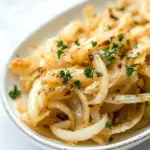
Sauted Onions
Ingredients
- 3 medium yellow onions
- 2 tablespoons olive oil
- 1/2 teaspoon kosher salt
- 1/4 teaspoon black pepper
Instructions
- Begin by peeling the outer skin off each of the yellow onions. Once peeled, slice them in half from top to bottom, then lay each half flat on the cutting board and slice them into thin half-moons.
- Place your skillet over medium heat and add the olive oil. Allow the oil to heat for about a minute.
- Carefully add the sliced onions to the hot oil. Stir them gently with your wooden spoon to coat them evenly in the oil.
- Sprinkle the kosher salt and black pepper over the onions. This seasoning will help draw out the moisture from the onions and enhance their flavor.
- Let the onions cook for about 10-15 minutes, stirring occasionally. If they start to brown too quickly, lower the heat.
- After the initial 10-15 minutes, the onions should be soft and beginning to caramelize. Continue cooking for another 10-15 minutes, stirring frequently.
- Once the onions have reached your desired level of caramelization, taste and adjust the seasoning if necessary.
- Once cooked, you can serve your sauted onions immediately or store them for later use.
Equipment
- Cutting Board
- Sharp Knife
- Large Skillet
- Wooden spoon or spatula
- Measuring Spoons
Notes
- Cooking on too high heat can cause your onions to burn rather than caramelize.
- Make a large batch and store for later use in various dishes.
- Feel free to experiment with different types of onions for varied flavors.