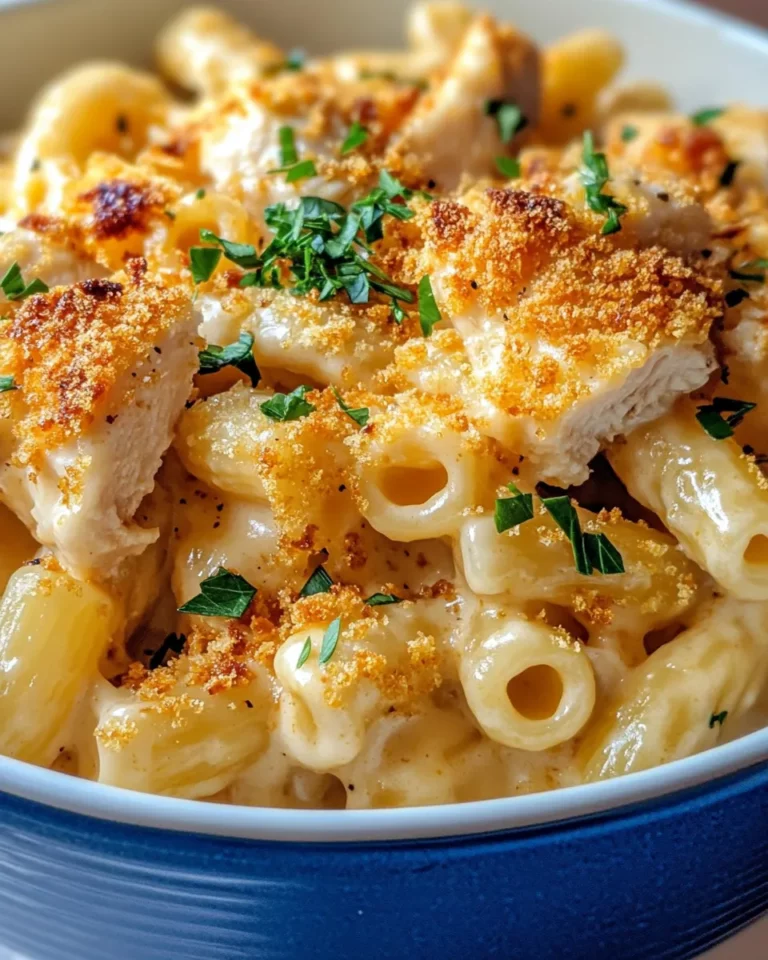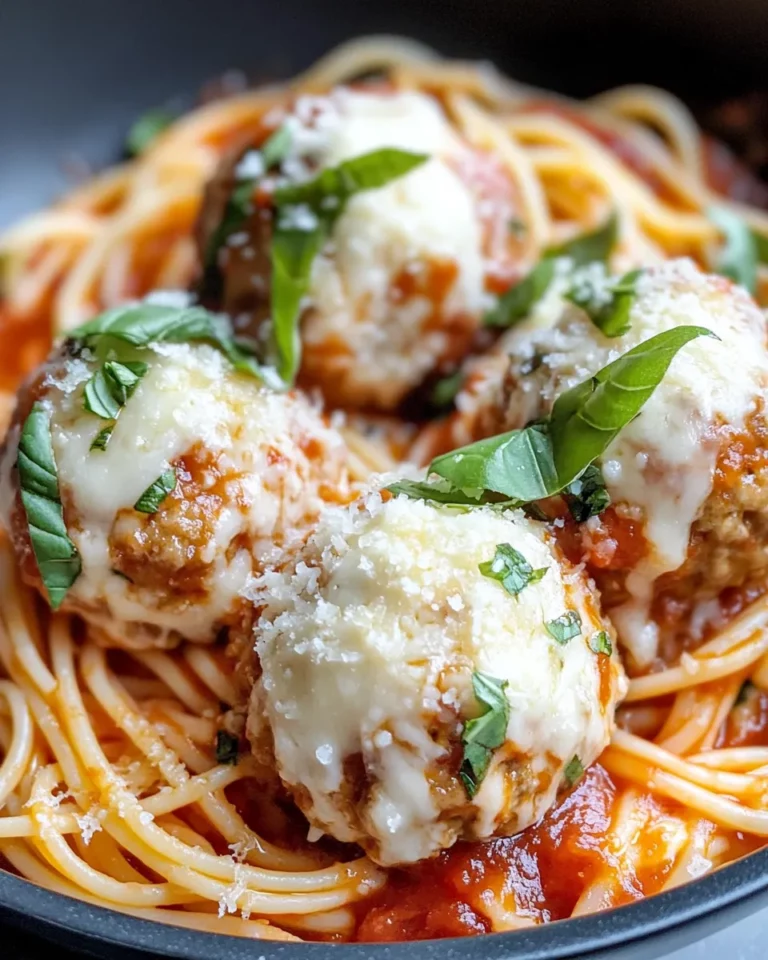
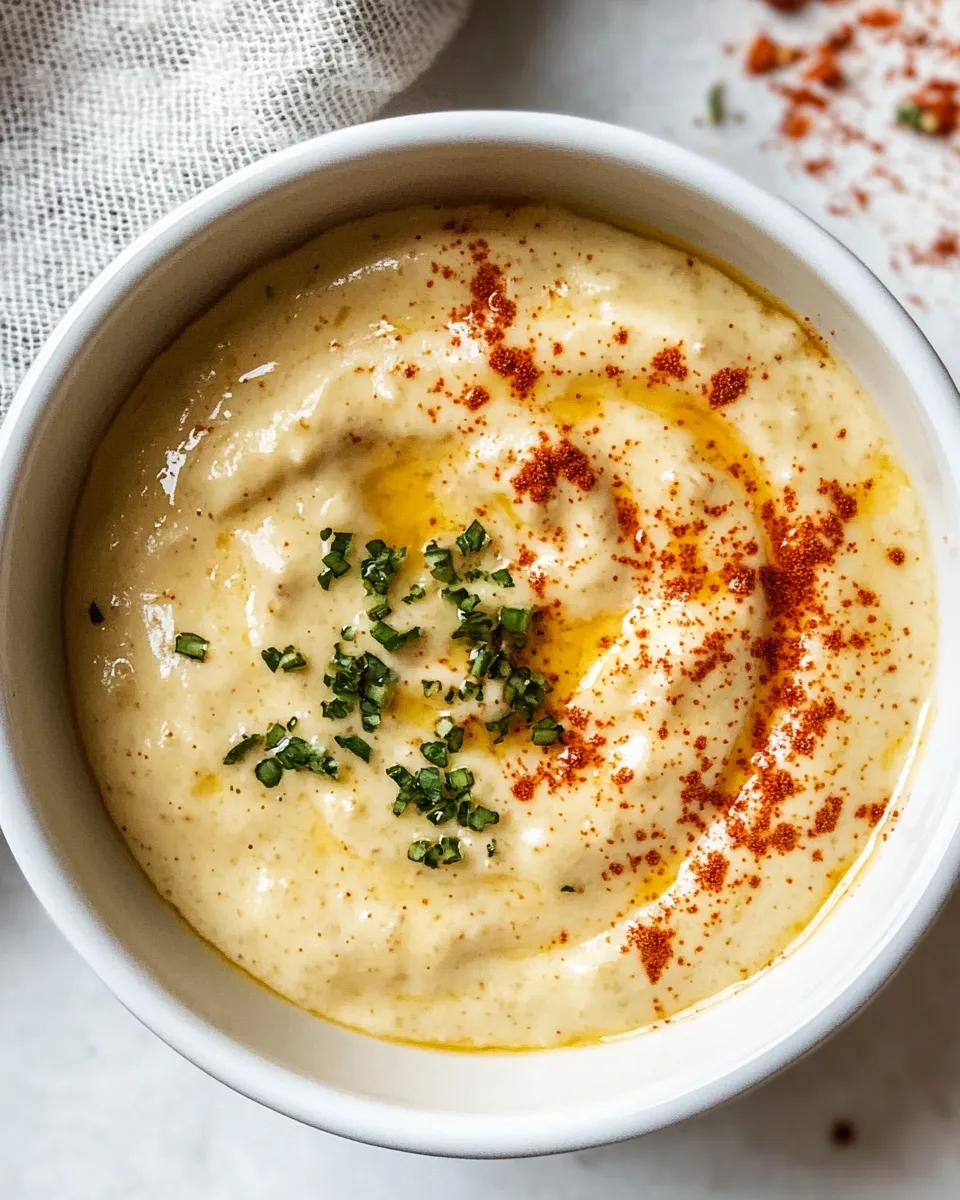
This Garlic Parmesan Sauce is exactly the kind of sauce I reach for when dinner needs a little lift. It’s rich, creamy, and straightforward — the kind of recipe that rewards attention rather than effort. A few minutes at the stove and you have a silky sauce that clings to pasta, crowns roasted vegetables, or dresses chicken with minimal fuss.
I write recipes I use on busy weeknights, and this one fits that bill: clear steps, predictable results, and room to adjust to your taste. The sauce builds from a classic roux, adds garlic for bite, and finishes with Parmesan for umami. It holds up well if you make it ahead and reheat gently.
Ingredient Checklist

Ingredients
- 6 tablespoons butter — the fat for the roux; gives a glossy mouthfeel and carries flavor.
- 6 tablespoons all-purpose flour — thickens the sauce; cook it into the butter to avoid a raw flour taste.
- 4–6 cloves garlic, minced — primary aromatic; adjust to your garlic comfort level.
- 1 tablespoon Italian seasoning — adds herb backbone without needing fresh herbs.
- 1 teaspoon onion powder — deepens savory notes without changing texture.
- 3 cups chicken broth — the liquid base; provides savory depth and keeps the sauce from being too heavy.
- 1 cup heavy cream — enriches and smooths the sauce; use full-fat for best texture.
- 1 ½ cups grated Parmesan cheese — the star flavor; melt it in off-heat to keep the sauce smooth.
- Salt and pepper — to taste; season at the end so you don’t over-salt before the cheese goes in.
Garlic Parmesan Sauce — Do This Next
- Place a sauté pan over medium-low heat and add 6 tablespoons butter. Melt the butter completely.
- Add 6 tablespoons all-purpose flour and whisk continuously until smooth and foamy. Continue stirring and cook the roux for 3–4 minutes, until it is a light golden brown.
- Add 4–6 cloves minced garlic and cook, stirring, for 2–3 minutes until the garlic is softened and fragrant but not browned.
- Stir in 1 tablespoon Italian seasoning and 1 teaspoon onion powder. While whisking, slowly pour in 3 cups chicken broth to incorporate the roux and prevent lumps. Increase the heat to medium and bring the mixture to a gentle boil.
- Once boiling, reduce the heat to low and stir in 1 cup heavy cream and 1½ cups grated Parmesan cheese. Stir continuously until the cheese has completely melted and the sauce is smooth.
- Taste the sauce and season with salt and pepper as needed. Keep warm over low heat, stirring occasionally, until ready to serve.
Why This Recipe Works
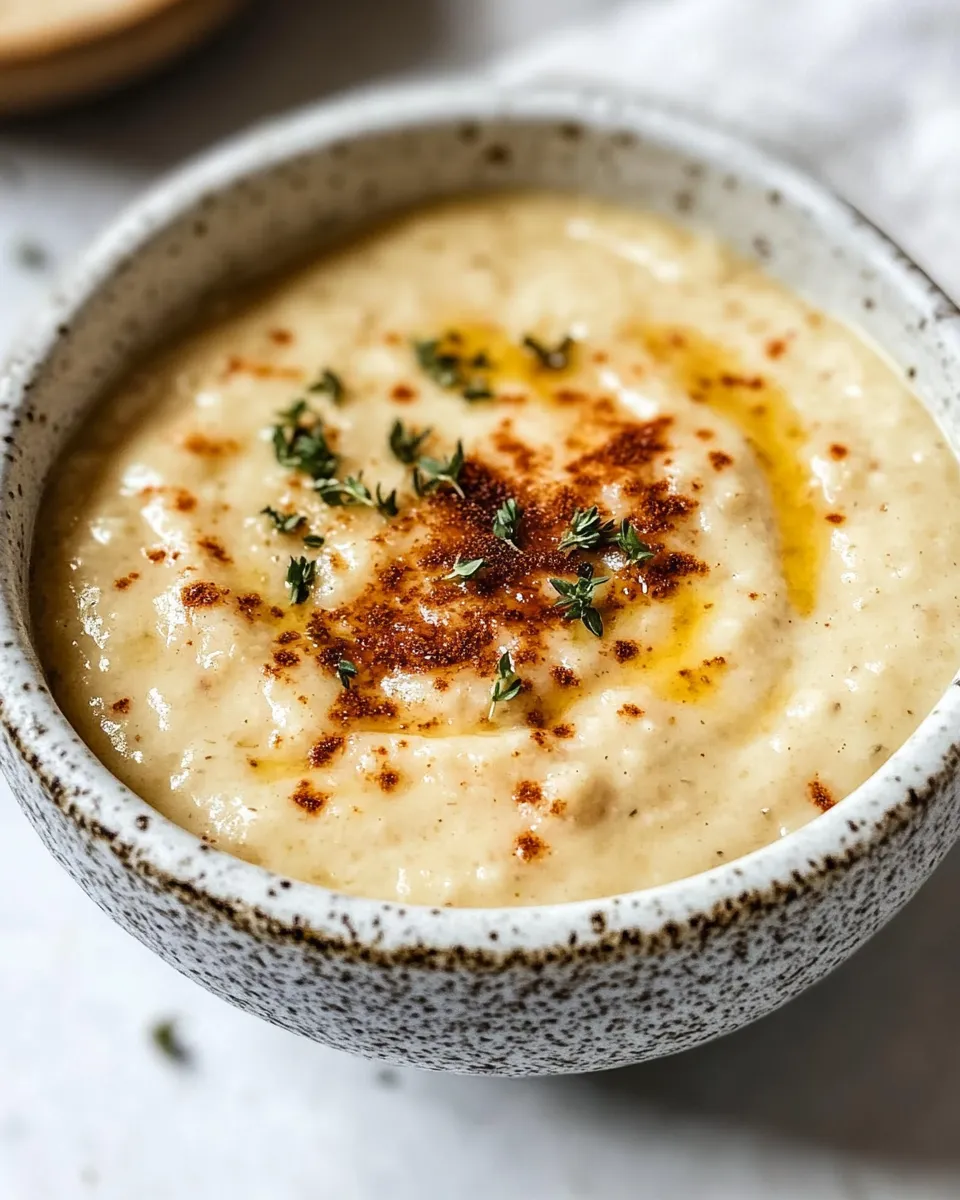
Two fundamentals make this sauce reliable: a properly cooked roux and gradual liquid incorporation. Cooking the butter and flour together until foamy removes that raw starch flavor and builds a stable thickening base. Whisking while adding the broth keeps the sauce lump-free and silky.
The garlic is added after the roux so it softens and perfumes the fat without burning. Parmesan finishes the sauce with savory sharpness; combined with heavy cream, it produces a smooth, clingy texture that coats pasta and proteins nicely. The Italian seasoning and onion powder are small but important layering elements — they round out the flavors so the sauce never tastes one-note.
If You’re Out Of…
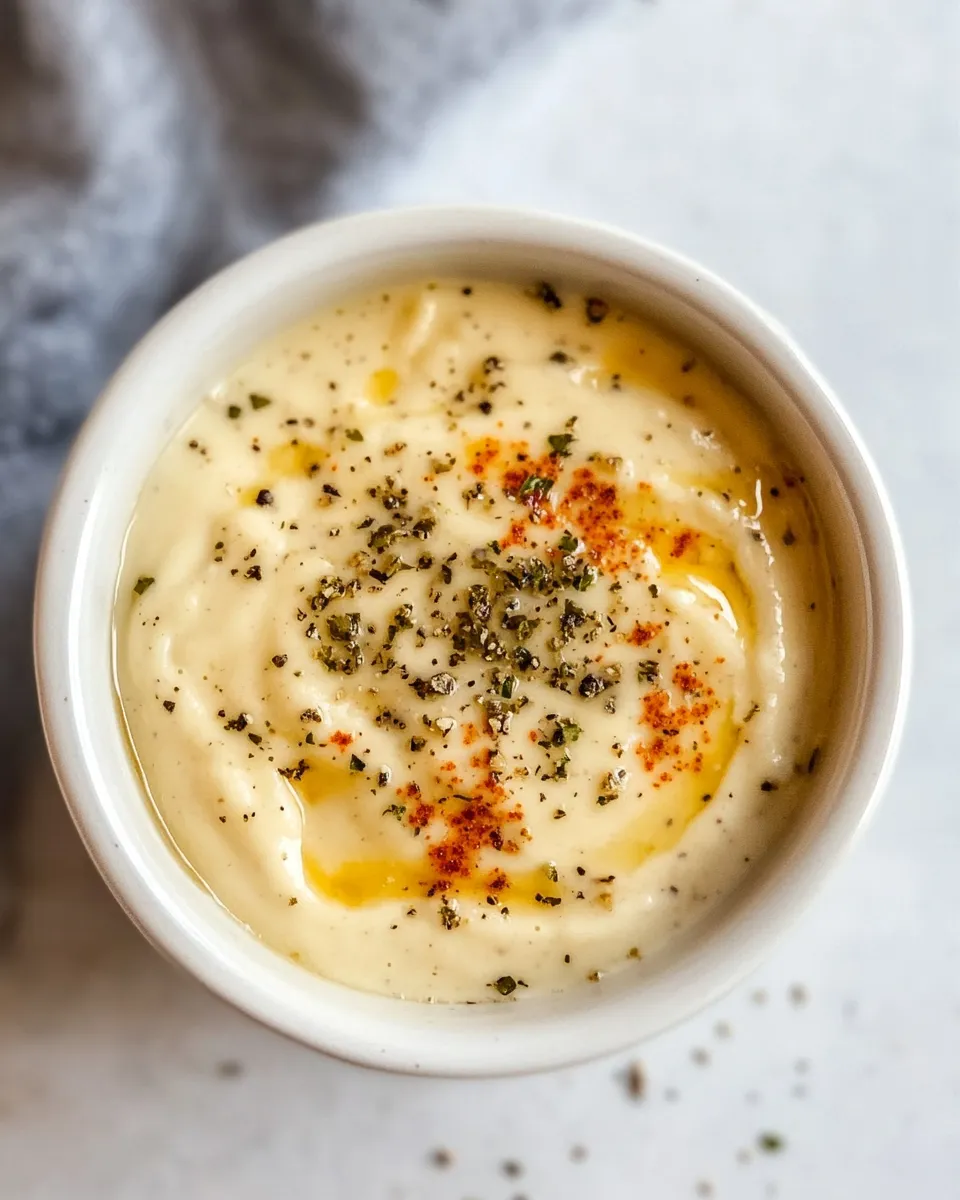
If you run into a missing item mid-cook, here are practical swaps and work-arounds that won’t derail dinner.
- Chicken broth — you can use a clear, flavorful stock from a carton or homemade stock. If neither is available, a lighter-flavored broth will work; taste and adjust seasoning at the end.
- Heavy cream — lower-fat creams or a combination of whole milk plus a small knob of butter can work in a pinch, though the sauce will be lighter and less rich.
- Parmesan cheese — a hard, aged grating cheese with salty, nutty notes will do; grate it finely so it melts into the sauce smoothly.
- Fresh garlic — garlic powder will add some aroma if you have to substitute, but fresh minced garlic gives the best flavor and texture.
Cook’s Kit
These tools make the process smooth and predictable. Keep them within reach before you start.
- A heavy-bottomed sauté pan — helps maintain even heat when making the roux.
- A whisk — essential for blending the roux and avoiding lumps when adding broth.
- A microplane or fine grater — for finely grating Parmesan so it melts quickly and evenly.
- A wooden spoon or heatproof spatula — useful for scraping the pan corners while stirring the sauce.
- A measuring cup and spoons — accurate amounts matter here; the structure of the sauce depends on the ratio of fat, flour, and liquid.
Avoid These Traps
Common mistakes and how to fix them
- Burning the garlic — garlic can go from fragrant to bitter quickly. Keep the heat gentle once you add it to the roux and stir constantly.
- Lumpy sauce — if the broth goes in too fast or the roux is too cool, lumps form. Whisk continuously and pour the liquid slowly while whisking.
- Grainy texture after adding cheese — high heat or adding cold cheese can cause the sauce to separate. Reduce heat to low before adding the Parmesan and stir until it melts gently.
- Over-thickening — if the sauce thickens too much as it cools, whisk in a splash of warm broth or cream to loosen it.
Adaptations for Special Diets
With small changes, this sauce can fit different preferences. Keep notes of texture and flavor differences as you adapt.
- Lower-fat option — use a lighter cream substitute and reduce the butter slightly; the sauce will be thinner and less glossy but still tasty.
- Lactose-sensitive — aged Parmesan typically has low lactose, but the heavy cream and butter do contain lactose. Try lactose-free cream and a lactose-free butter alternative if needed.
- Vegetarian tweak — swap the chicken broth for a robust vegetable stock to keep it meat-free while retaining depth of flavor.
Flavor Logic
Understanding why each ingredient is there helps you tweak with confidence. Butter and flour form a roux — that’s your texture. Garlic and Italian seasoning supply the aromatic top notes that make this sauce distinct. Chicken broth brings savory depth; heavy cream smooths and rounds the mouthfeel, and Parmesan supplies salt, umami, and a slightly granular melt that gives the sauce character.
If the sauce tastes flat, it usually needs salt or acidity — a squeeze of lemon or a splash of white wine before adding the cream brightens it. If it’s too sharp, a little more cream or a touch of butter softens the edge.
Keep It Fresh: Storage Guide
Cool the sauce to room temperature, then transfer it to an airtight container.
- Refrigerator — store for up to 3–4 days. Reheat gently over low heat, stirring and adding a splash of broth or cream if it tightens up.
- Freezing — the texture of cream-based sauces can change after freezing; freezing is possible, but expect some separation. Thaw in the refrigerator and re-emulsify over low heat with gentle whisking.
- Reheating tips — bring it back to life over low heat. Don’t rush with high heat; instead, add a tablespoon or two of warm broth and whisk until smooth.
Garlic Parmesan Sauce FAQs
Will the sauce thicken as it cools?
Yes. The starches and cheese tighten when cold. If it becomes too thick, stir in a small amount of warm broth or cream while reheating.
Can I make this ahead?
Absolutely. Make it up to two days ahead and cool, store, and reheat gently. For best texture, reheat slowly and add a splash of warm liquid if needed.
Why did my sauce separate?
Separation usually happens if the sauce gets too hot after adding the cheese or if cold cheese is added to a hot pan. Keep the heat low and add cheese gradually, stirring until melted.
Can I use pre-grated Parmesan?
Pre-grated cheeses often contain anti-caking agents that can prevent a smooth melt. Freshly grated Parmesan melts more evenly and gives a better texture.
Next Steps
Serve this Garlic Parmesan Sauce over freshly boiled pasta, spoon it over seared chicken breasts, or drizzle it on roasted cauliflower. It’s versatile, forgiving, and elevates simple ingredients. If you liked this recipe, take a minute to note any adjustments you made — a little extra garlic, a touch less salt — and keep it in your go-to folder. Cooking becomes easier when the notes are yours.
Make it once, taste, and tweak. The more you cook this sauce, the better you’ll get at judging the little adjustments that make it perfect for your table.

Garlic Parmesan Sauce
Ingredients
Ingredients
- 6 tablespoonsbutter
- 6 tablespoonsall-purpose flour
- 4-6 clovesgarlicminced
- 1 tablespoonsItalian seasoning
- 1 teaspoononion powder
- 3 cupschicken broth
- 1 cupheavy cream
- 1 1/2 cupsgrated parmesan cheese
- Salt and pepper
Instructions
Instructions
- Place a sauté pan over medium-low heat and add 6 tablespoons butter. Melt the butter completely.
- Add 6 tablespoons all-purpose flour and whisk continuously until smooth and foamy. Continue stirring and cook the roux for 3–4 minutes, until it is a light golden brown.
- Add 4–6 cloves minced garlic and cook, stirring, for 2–3 minutes until the garlic is softened and fragrant but not browned.
- Stir in 1 tablespoon Italian seasoning and 1 teaspoon onion powder. While whisking, slowly pour in 3 cups chicken broth to incorporate the roux and prevent lumps. Increase the heat to medium and bring the mixture to a gentle boil.
- Once boiling, reduce the heat to low and stir in 1 cup heavy cream and 1½ cups grated Parmesan cheese. Stir continuously until the cheese has completely melted and the sauce is smooth.
- Taste the sauce and season with salt and pepper as needed. Keep warm over low heat, stirring occasionally, until ready to serve.
Equipment
- sauté pan
- Whisk
Notes
Either serve warm, or cool and store in jars, in the refrigerator, for up to two weeks.
Reheat in a microwave in short bursts or in a saucepan over medium-low heat.