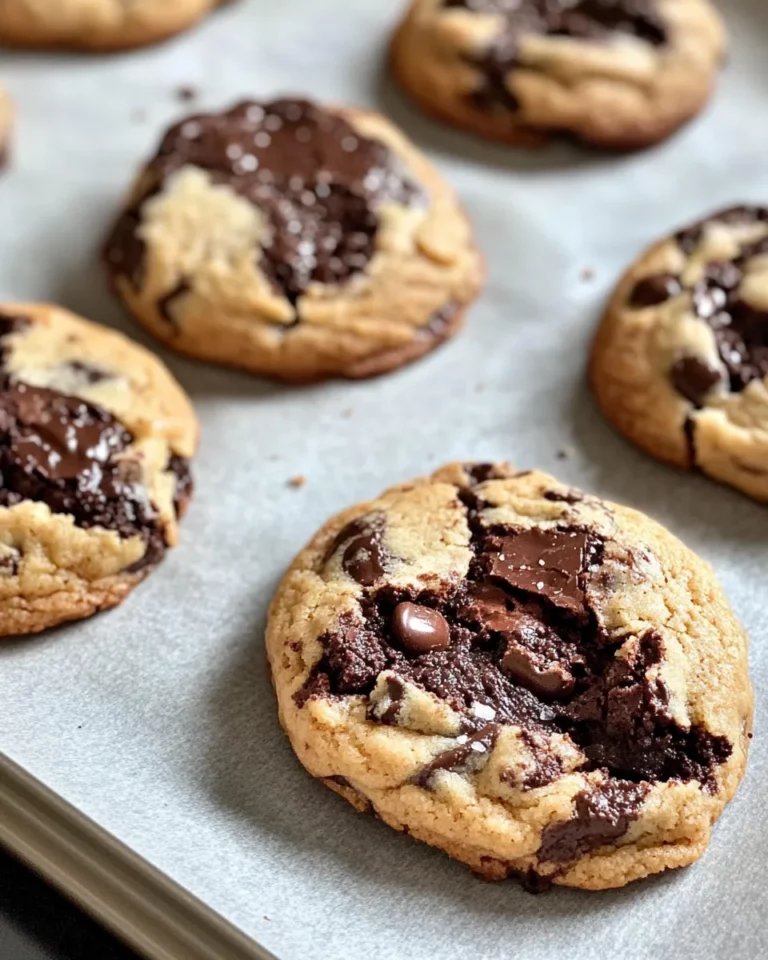
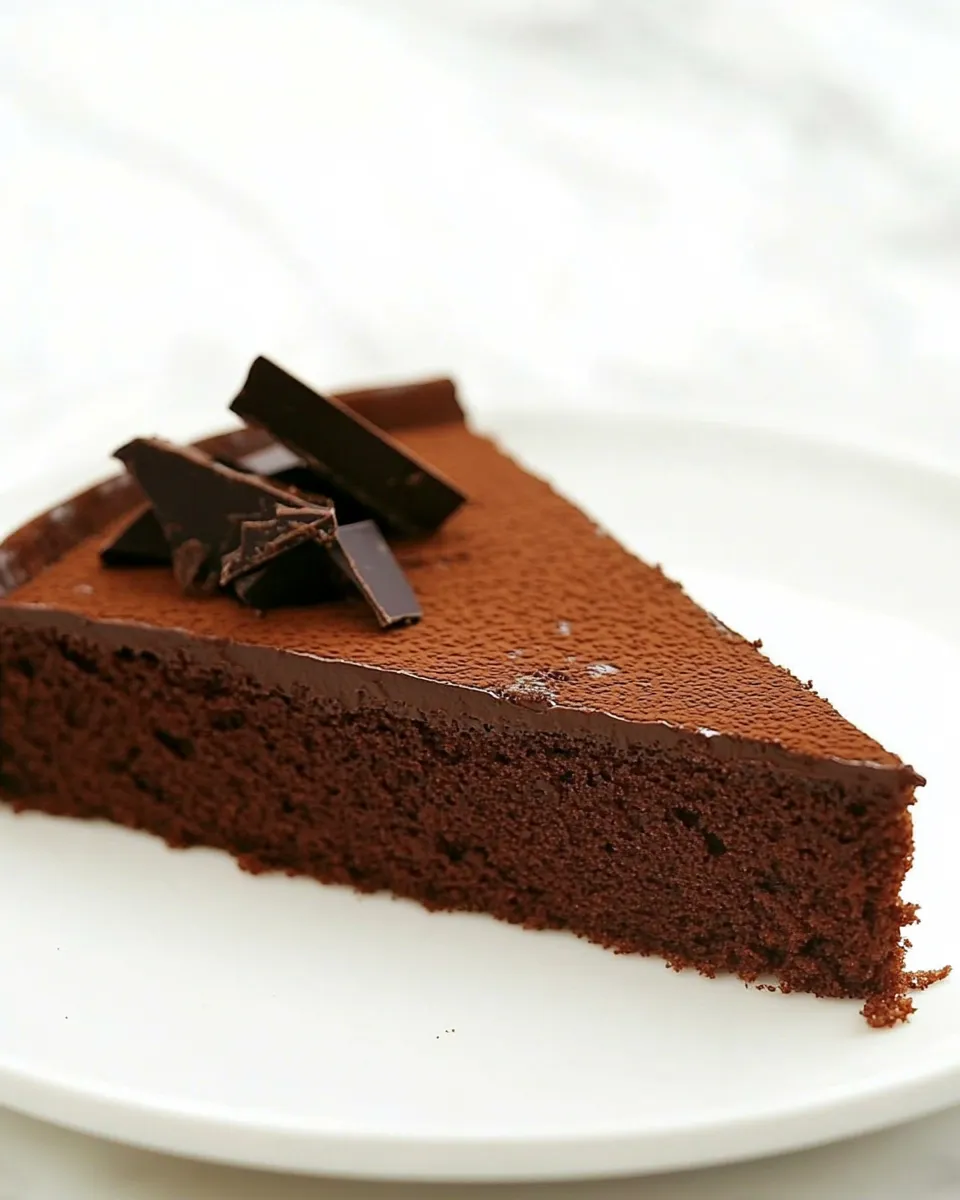
This Chocolate-Espresso Mousse Cake is the kind of dessert I make when I want something that looks elegant but is forgiving in the kitchen. It relies on simple technique—melting chocolate, whipping eggs, and a gentle water bath—to produce a cake that’s silky, deeply chocolatey, and has a clear espresso lift. The texture sits somewhere between a dense flourless cake and a light mousse; it’s rich without being heavy.
You’ll like that it uses basic ingredients and a straightforward oven-baked mousse method. The espresso sharpens the chocolate and keeps the sweetness from feeling cloying. Timing matters, but most of the work is passive: melting, whipping, folding, and a patient cool-down. Serve at room temperature for a softer center or chilled for a firmer, sliceable cake.
Ingredients at a Glance
- 12 ounces (340 g) bittersweet or semisweet chocolate, chopped — the backbone of flavor; use a good-quality bar for real depth.
- 1/4 cup (60 ml) heavy cream — softens the chocolate and makes the mousse glossy and smooth.
- 2/3 cup (160 ml) brewed espresso or strong coffee — heightens chocolate notes and adds an adult bitterness.
- 5 large eggs, at room temperature — provide structure and the mousse-like lift when whipped.
- pinch of salt — balances sweetness and enhances chocolate flavor.
- 1/2 cup (100 g) sugar — sweetens and stabilizes the whipped eggs.
Chocolate-Espresso Mousse Cake in Steps
- Preheat the oven to 325ºF (160ºC). Lightly butter a 9-inch (23 cm) springform pan and wrap the outside of the pan with aluminum foil to make it watertight. Set the wrapped springform pan inside a larger roasting pan or other pan that will hold a water bath.
- Place the chopped chocolate, 1/4 cup (60 ml) heavy cream, and 2/3 cup (160 ml) brewed espresso or strong coffee together in a large heatproof bowl.
- Set the bowl over a saucepan of simmering water (bain-marie), making sure the bowl does not touch the water. Stir gently until the chocolate is completely melted and the mixture is smooth. Remove the bowl from the heat and let it cool until it is warm but not hot to the touch (a few minutes).
- In a standing electric mixer fitted with the whisk attachment (or using a hand mixer), combine the 5 large eggs (room temperature), a pinch of salt, and 1/2 cup (100 g) sugar. Whip on high speed until the mixture is thick, pale, and holds soft peaks or ribbons when the whisk is lifted, about 5 minutes.
- Fold one-third of the whipped egg mixture into the warm chocolate mixture to lighten it, using a rubber spatula and gentle strokes to combine.
- Gently fold in the remaining whipped eggs in two additions, scraping the bowl sides and folding until no streaks remain. Do not overmix; keep the motion gentle to retain air.
- Scrape the batter into the prepared springform pan and smooth the top with a spatula.
- Pour warm (not boiling) water into the larger roasting pan until it reaches about halfway up the outside of the wrapped springform pan, creating the water bath.
- Carefully transfer the roasting pan with the springform pan into the preheated oven and bake for 50 minutes to 1 hour, until the cake is set at the edges but still slightly soft and jiggly in the center.
- When baking is complete, remove the roasting pan from the oven. Using oven mitts, lift the springform pan out of the water bath and place it on a cooling rack. Discard the water and unwrap the foil if desired.
- Let the cake cool completely to room temperature on the rack. To release, run a thin knife around the inside edge of the springform ring, then unlatch and remove the outer ring. Serve at room temperature or chill before serving, as desired.
What Sets This Recipe Apart
This cake is not a layered mousse or a heavy flour-based torte. It’s an oven-baked mousse: the whipped eggs create air and lift while the chocolate binds the structure. The water bath is the secret to the smooth, custard-like center and the gentle set at the edges. The espresso is small in volume, but it plays a big role: it amplifies chocolate flavor without making the cake taste like coffee.
Another distinction is technique over gadgets. You don’t need an elaborate tempering or a stand-alone chocolate ganache. Exactly the ingredients listed and a careful fold yield a glossy, silky cake that looks more technical than it actually is. That’s a win when you want something impressive with a calm kitchen process.
Swap Guide
- Chocolate — bittersweet or semisweet is specified. If you prefer less bitterness, choose a higher-sugar semisweet bar, but avoid milk chocolate; it will alter texture.
- Espresso or strong coffee — instant espresso dissolved in hot water can replace brewed espresso if you have no espresso maker.
- Heavy cream — stick to the quantity shown. Replacing with milk will change texture; if necessary, use a lighter cream but expect a slightly less glossy finish.
- Eggs — size matters for structure. If you must substitute eggs, adjust treatments carefully; this recipe relies on five large eggs for lift.
Tools of the Trade
- 9-inch (23 cm) springform pan — essential for unmolding cleanly.
- Large roasting pan or baking dish — to hold the water bath.
- Heatproof mixing bowl and saucepan — for the bain-marie.
- Electric mixer with whisk attachment or hand mixer — to whip the eggs to ribbon stage.
- Rubber spatula — gentle folding without deflating the batter.
- Oven mitts and cooling rack — for safe handling and cooling.
What Not to Do
- Do not skip the water bath. Baking without it will cook the edges too fast and leave the center uneven and grainy.
- Don’t overheat the chocolate mix. If it’s too hot when you fold in the whipped eggs, you’ll cook the eggs and lose volume.
- Avoid over-whipping the eggs. You want thick, ribbon-like whipped eggs; if they’re dry or grainy, the cake will be dense.
- Do not rush unmolding. Let the cake cool to room temperature. Unmolding while very warm increases the chance of collapse or tearing.
Health-Conscious Tweaks
If you want a lighter version, keep in mind this dessert is inherently rich. Small adjustments can help without wrecking the final texture:
- Reduce sugar slightly — try 1/3 cup (67 g) instead of 1/2 cup (100 g). The chocolate and espresso will still provide flavor. Expect a slightly less sweet result; check to your taste.
- Use lower-fat cream substitutes cautiously — they thin the melted chocolate mixture. If swapping heavy cream, increase chocolate slightly to maintain body.
- Portion control is effective: serve smaller slices with a fresh berry garnish to balance richness.
Flavor Logic
Every ingredient has a purpose. The chocolate is the structural and flavor base—its cocoa solids set the tone. Heavy cream loosens the chocolate just enough to create a glossy, smooth matrix that envelops the whipped eggs. Espresso emphasizes the chocolate’s darker notes; it’s not meant to make the cake taste like coffee, but to lift and sharpen chocolate flavors.
Eggs provide both aeration and binding. When whipped, they trap air; folding them into the chocolate distributes that air and creates the mousse texture. Sugar stabilizes the whipped eggs and sweetens without overwhelming the bittersweet chocolate. The pinch of salt is tiny but important: it rounds out flavor and reduces any flatness.
Make-Ahead & Storage
This cake shines made a day ahead. Bake it, cool completely, then refrigerate (unmolded or still in the pan) overnight. Chilled, the cake firms and slices cleanly. If you prefer a softer center, bring slices to room temperature for 20–30 minutes before serving.
- Refrigerator: Store covered for up to 4 days. If left in the springform base, wrap lightly in plastic to avoid picking up other fridge smells.
- Freezer: You can freeze slices individually wrapped for up to 1 month. Thaw in the refrigerator overnight and bring to room temperature before serving.
Popular Questions
Can I use milk chocolate?
Milk chocolate will change sweetness and structure. It contains more sugar and milk solids, which can make the cake less stable and less deeply chocolatey. If you must, blend some bittersweet in to maintain cocoa intensity.
What if my center is soupy after baking?
If the center is very liquid, it likely needs more time in the oven. The cake should be set at the edges and slightly jiggly in the center. If it’s excessively unset after an hour, bake in 5–10 minute increments until it reaches the described texture.
Why is the chocolate mixture cooled before folding?
Cooling prevents the warm chocolate from cooking the whipped eggs. If the chocolate is too hot, the eggs will scramble when combined and you’ll lose the aeration that makes the mousse light.
Can I substitute the espresso with liqueur?
Yes, a tablespoon of coffee liqueur can be added for flavor, but it won’t replace the full 2/3 cup of liquid espresso called for. If you reduce brewed liquid and replace with liqueur, be mindful of texture changes.
Let’s Eat
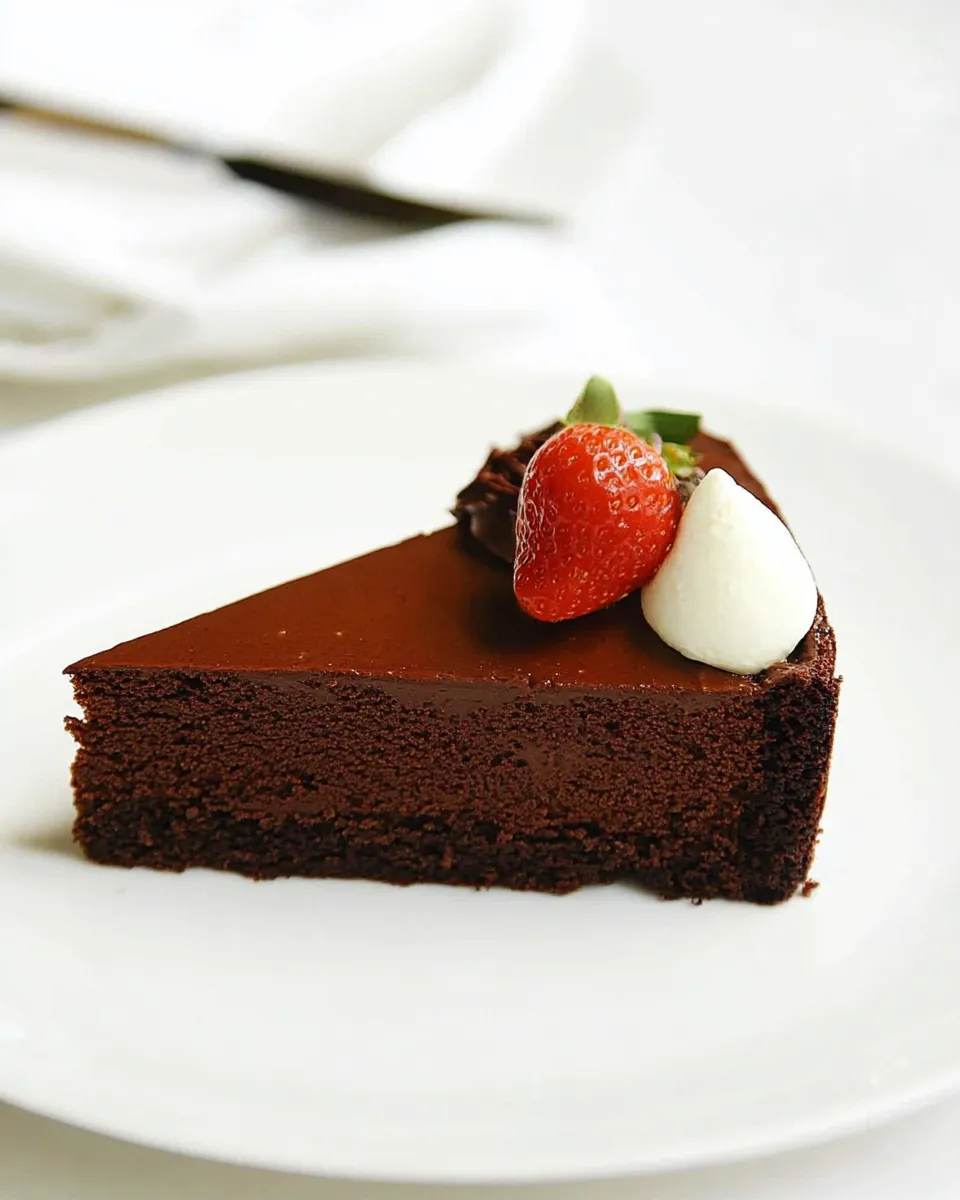
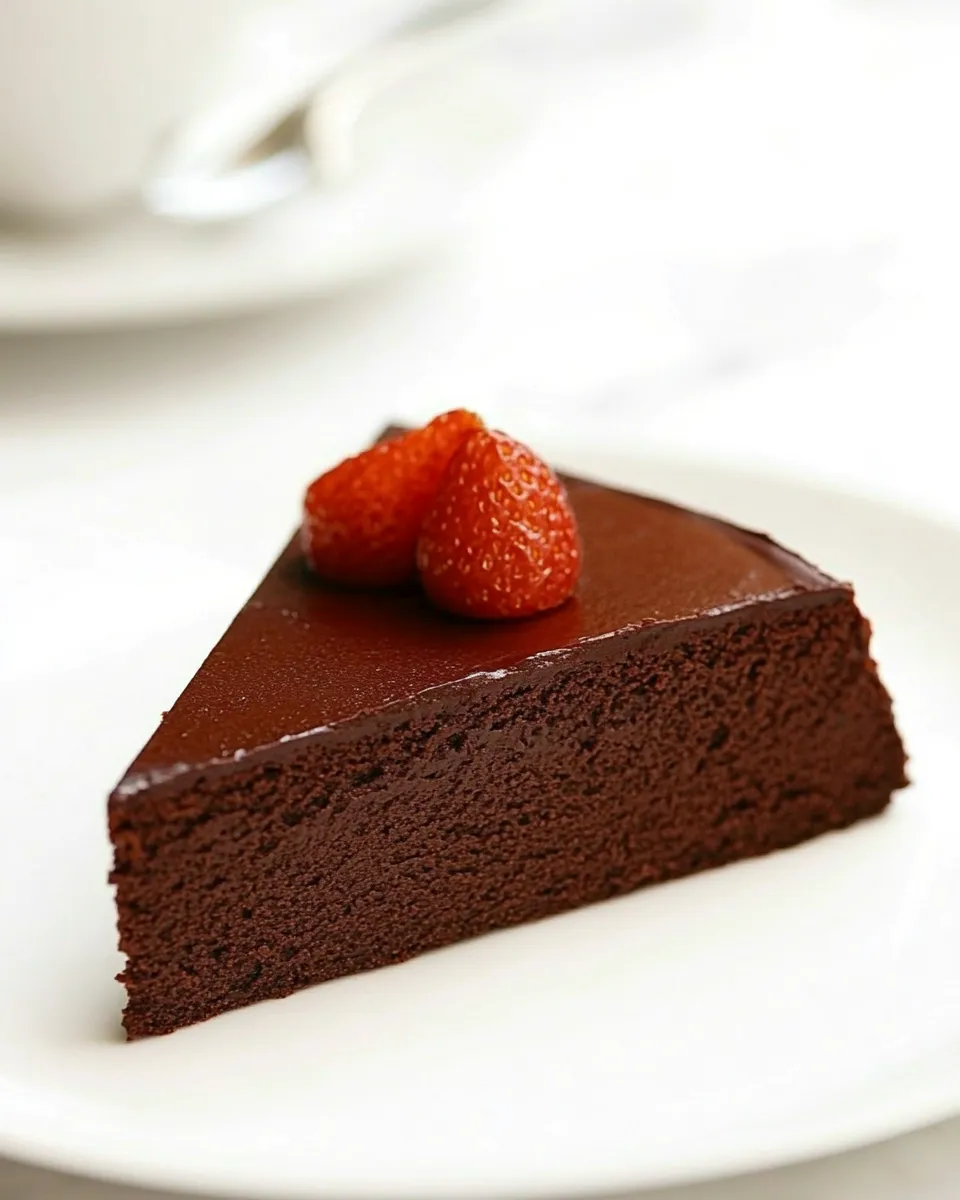
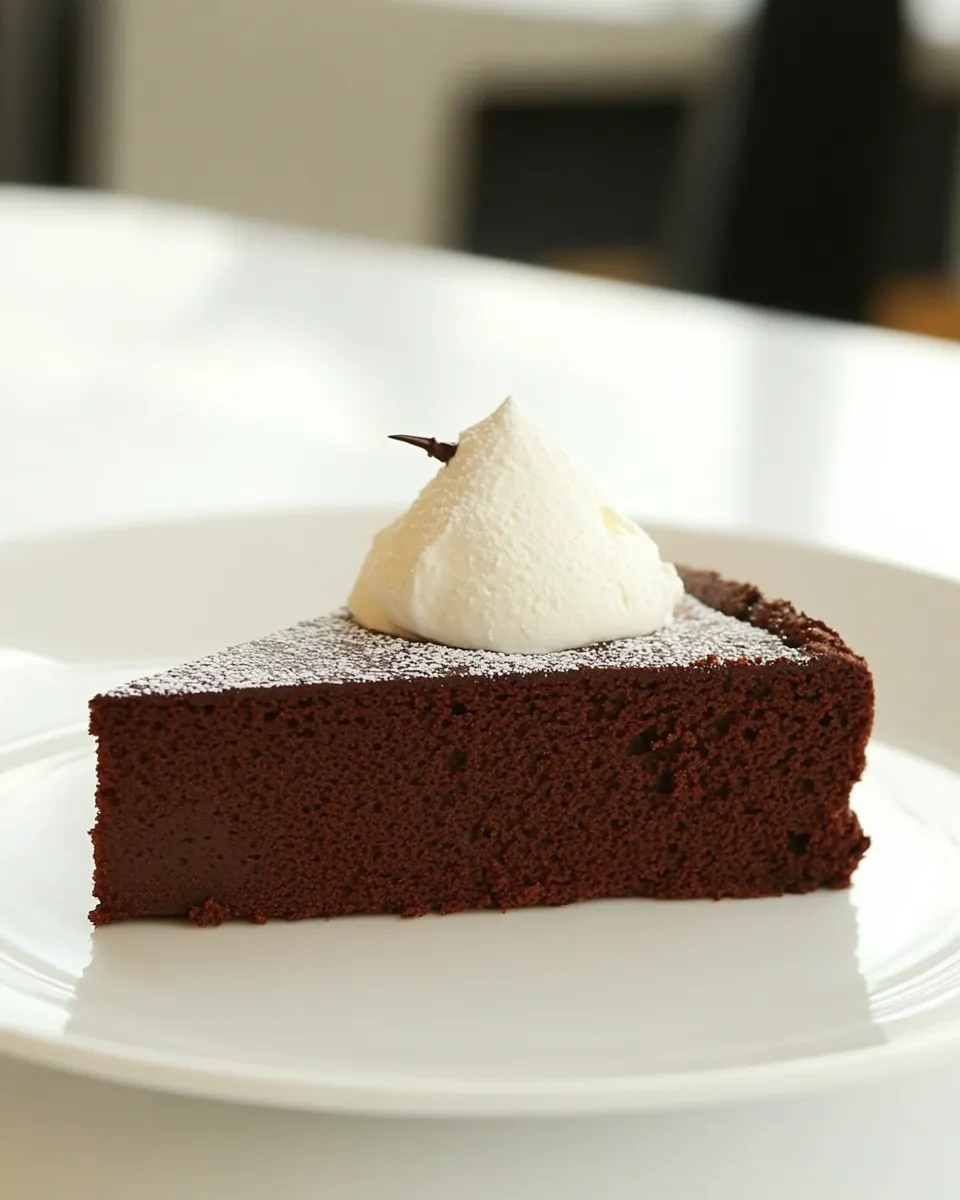
Serve this cake simply: a dusting of cocoa or powdered sugar, a few fresh raspberries, or a light dollop of unsweetened whipped cream. Each option cuts through richness in a different way. Raspberries bring bright acidity, whipped cream adds a cloud of softness, and a thin salted caramel drizzle will deepen the dessert if you’re going for indulgence.
Cut clean slices with a hot, dry knife for polished presentation. Wipe the blade between cuts. Offer small portions; this cake is meant to be savored. Whether you’re ending a dinner party or indulging on a quiet evening, the blend of chocolate and espresso delivers a satisfying finish without fuss.
Chocolate-Espresso Mousse Cake Recipe
Ingredients
Ingredients
- 12 ounces 340 gbittersweet or semisweet chocolate, chopped
- 1/4 cup 60 mlheavy cream
- 2/3 cup 160 mlbrewed espresso or strong coffee
- 5 large eggs at room temperature
- pinchof salt
- 1/2 cup 100 gsugar
Instructions
Instructions
- Preheat the oven to 325ºF (160ºC). Lightly butter a 9-inch (23 cm) springform pan and wrap the outside of the pan with aluminum foil to make it watertight. Set the wrapped springform pan inside a larger roasting pan or other pan that will hold a water bath.
- Place the chopped chocolate, 1/4 cup (60 ml) heavy cream, and 2/3 cup (160 ml) brewed espresso or strong coffee together in a large heatproof bowl.
- Set the bowl over a saucepan of simmering water (bain-marie), making sure the bowl does not touch the water. Stir gently until the chocolate is completely melted and the mixture is smooth. Remove the bowl from the heat and let it cool until it is warm but not hot to the touch (a few minutes).
- In a standing electric mixer fitted with the whisk attachment (or using a hand mixer), combine the 5 large eggs (room temperature), a pinch of salt, and 1/2 cup (100 g) sugar. Whip on high speed until the mixture is thick, pale, and holds soft peaks or ribbons when the whisk is lifted, about 5 minutes.
- Fold one-third of the whipped egg mixture into the warm chocolate mixture to lighten it, using a rubber spatula and gentle strokes to combine.
- Gently fold in the remaining whipped eggs in two additions, scraping the bowl sides and folding until no streaks remain. Do not overmix; keep the motion gentle to retain air.
- Scrape the batter into the prepared springform pan and smooth the top with a spatula.
- Pour warm (not boiling) water into the larger roasting pan until it reaches about halfway up the outside of the wrapped springform pan, creating the water bath.
- Carefully transfer the roasting pan with the springform pan into the preheated oven and bake for 50 minutes to 1 hour, until the cake is set at the edges but still slightly soft and jiggly in the center.
- When baking is complete, remove the roasting pan from the oven. Using oven mitts, lift the springform pan out of the water bath and place it on a cooling rack. Discard the water and unwrap the foil if desired.
- Let the cake cool completely to room temperature on the rack. To release, run a thin knife around the inside edge of the springform ring, then unlatch and remove the outer ring. Serve at room temperature or chill before serving, as desired.
Equipment
- Oven
- 9-inch springform pan
- Aluminum Foil
- Roasting pan
- Heatproof bowl
- Saucepan
- Electric Mixer
- whisk attachment
- Hand Mixer
- Rubber spatula
- Spatula
- Cooling rack
Notes
Because the cake is delicate, I slice it with a thin, sharp knife dipped in very hot water and wiped clean before making the next slice. Or you can also use a length of dental floss (unflavored, please…) pulled taut and drawn across the diameter of the cake, to make wedges.
This cake can also be frozen and sliced icy-cold with a hot knife, right out of the freezer. It tastes pretty darn good cold with a scoop of ice cream or frozen yogurt—a great warm weather dessert for summer.