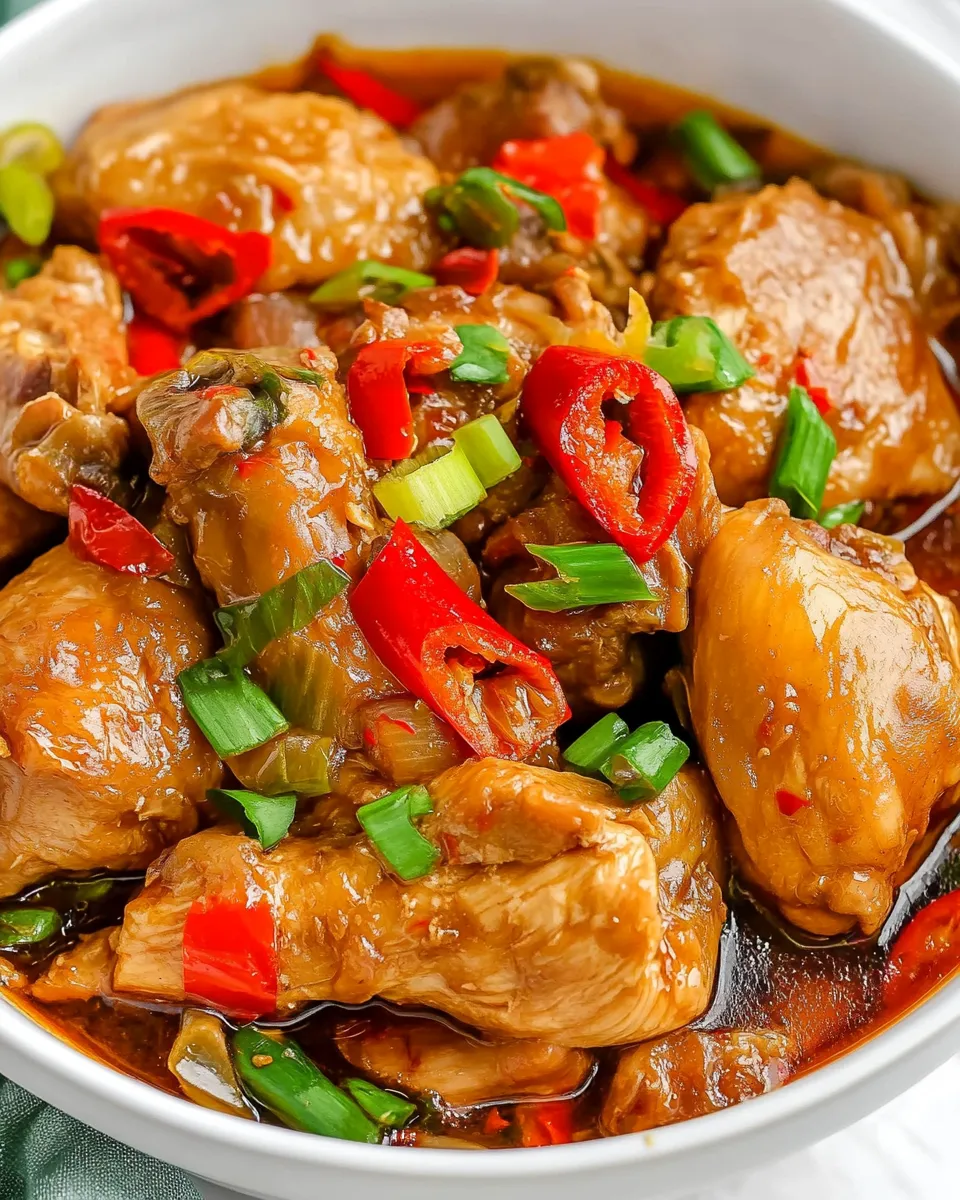
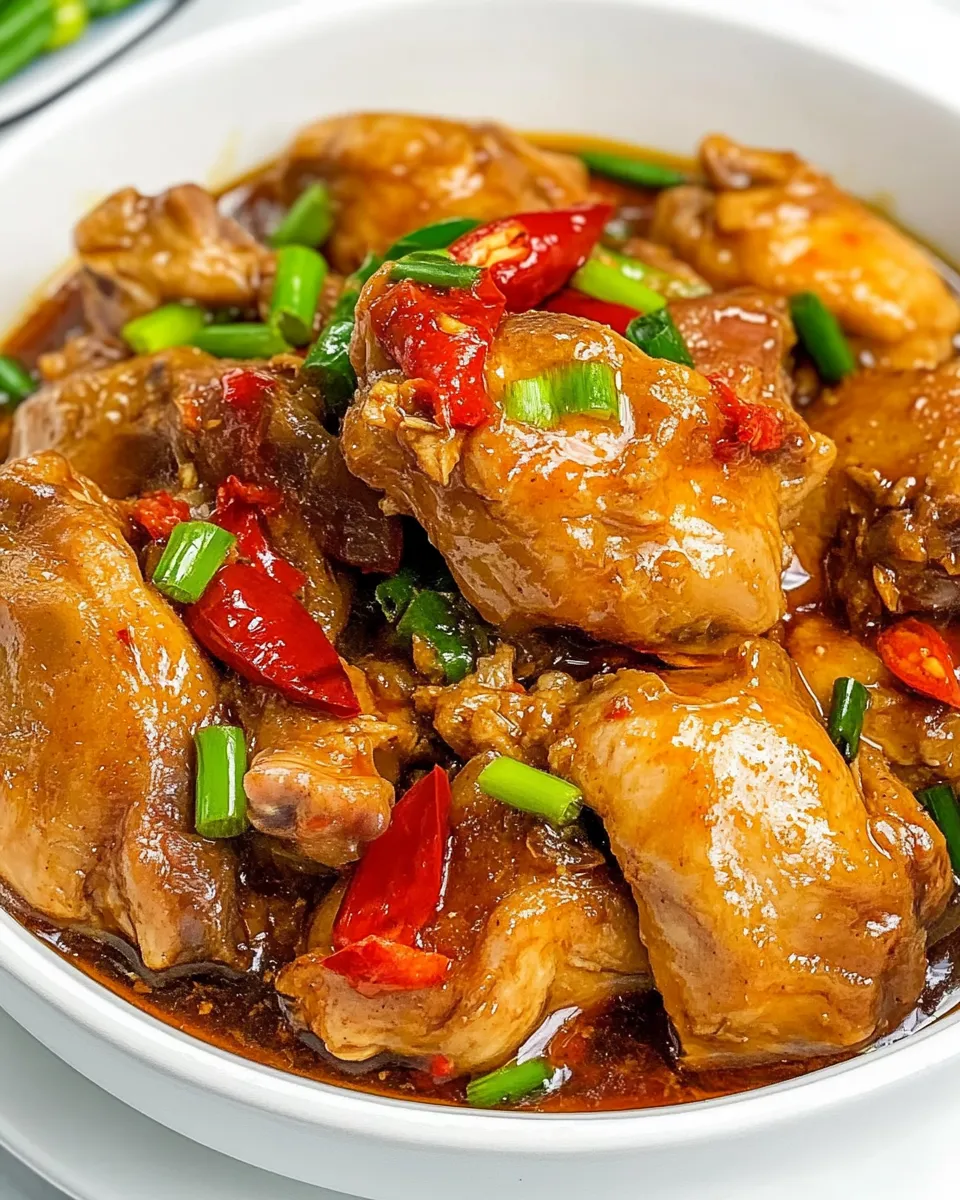
This Instant Pot Chicken Adobo is the kind of weeknight dinner that feels intentional while staying fast. The flavors are straightforward: salty soy, bright rice vinegar, bay leaves for depth, and a brief sauté to build a little caramelized sweetness. If you want comfort food that doesn’t require babysitting, this is it.
I developed this version to live in the pressure cooker so the chicken stays tender and the sauce infuses every bite. You’ll still finish by reducing the sauce on “Sauté” to concentrate flavors and thicken things slightly—small effort, big payoff. I write recipes I cook repeatedly, and this one has earned a permanent slot in my rotation.
Below you’ll find a precise shopping list, the ingredients as written, step-by-step Instant Pot directions (unchanged), troubleshooting and storage notes, vegetarian swaps, and quick answers to common questions. Practical, predictable, and flavorful—let’s get cooking.
Shopping List
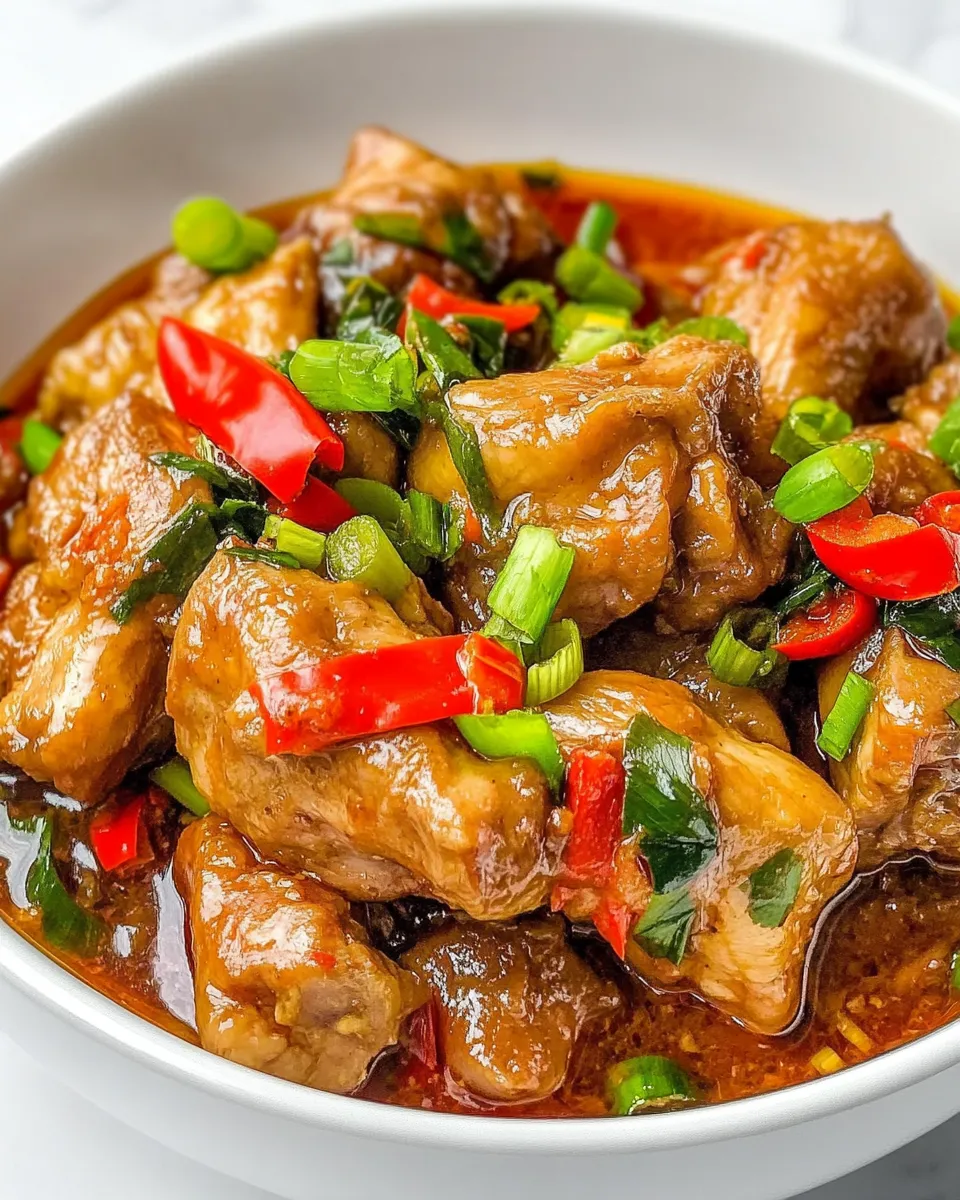
- Boneless, skinless chicken thighs or legs
- Unsalted butter
- Onion
- Red bell pepper
- Green bell pepper
- Garlic
- Low-sodium soy sauce
- Rice vinegar
- Bay leaves
- Kosher salt
- Ground black pepper
- Rice (for serving)
Ingredients
- 1½-2 pounds boneless, skinless chicken thighs or legs — dark meat holds up well under pressure and stays moist; thighs are forgiving if you don’t time things perfectly.
- 1 tablespoon unsalted butter (⅛ stick) — for sautéing the aromatics and adding a touch of richness.
- ½ cup chopped onion — builds savory body in the sauce; yellow or sweet onion both work.
- 1 red bell pepper (sliced) — adds color and a mild sweet note.
- 1 green bell pepper (sliced) — balances sweetness and gives texture contrast.
- 1 tablespoon minced garlic — flavor backbone; add more if you love garlic.
- ½ cup low-sodium soy sauce — the primary seasoning and source of salt and umami.
- ¼ cup rice vinegar — the acid that defines adobo; balances the soy sauce.
- 2-3 bay leaves — simmered in the sauce to add herbal depth; remove before serving.
- 1 teaspoon kosher salt — adjusts seasoning; taste near the end and add if needed.
- ½ teaspoon ground black pepper — warms and brightens the sauce.
Stepwise Method: Instant Pot Chicken Adobo
- Turn the Instant Pot to “SAUTE”. Add 1 tablespoon unsalted butter. When the butter melts, add ½ cup chopped onion, 1 red bell pepper (sliced), 1 green bell pepper (sliced), and 1 tablespoon minced garlic. Sauté, stirring occasionally, until softened, about 3–4 minutes.
- Turn off “SAUTE”. Add 1½–2 pounds boneless, skinless chicken thighs or legs to the pot in a single layer if possible.
- Pour in ½ cup low-sodium soy sauce and ¼ cup rice vinegar. Add 2–3 bay leaves, 1 teaspoon kosher salt, and ½ teaspoon ground black pepper.
- Close the lid and set the valve to “SEALING”. Cook on “HIGH” pressure for 15 minutes.
- When the cook time ends, let the pressure sit (natural release) for 5 minutes, then carefully move the valve to “VENTING” to release the remaining steam. Wait until the float valve drops and it is safe to open the lid.
- Open the lid away from your face. Stir the chicken and vegetables to coat with the sauce. Remove and discard the bay leaves.
- Select “SAUTE” again. Using a spoon or fork, turn the chicken pieces so they cook evenly and let the sauce simmer and reduce, stirring once or twice to prevent burning, about 5–8 minutes.
- Turn off the Instant Pot. Serve the chicken and sauce over rice.
Why It Deserves a Spot
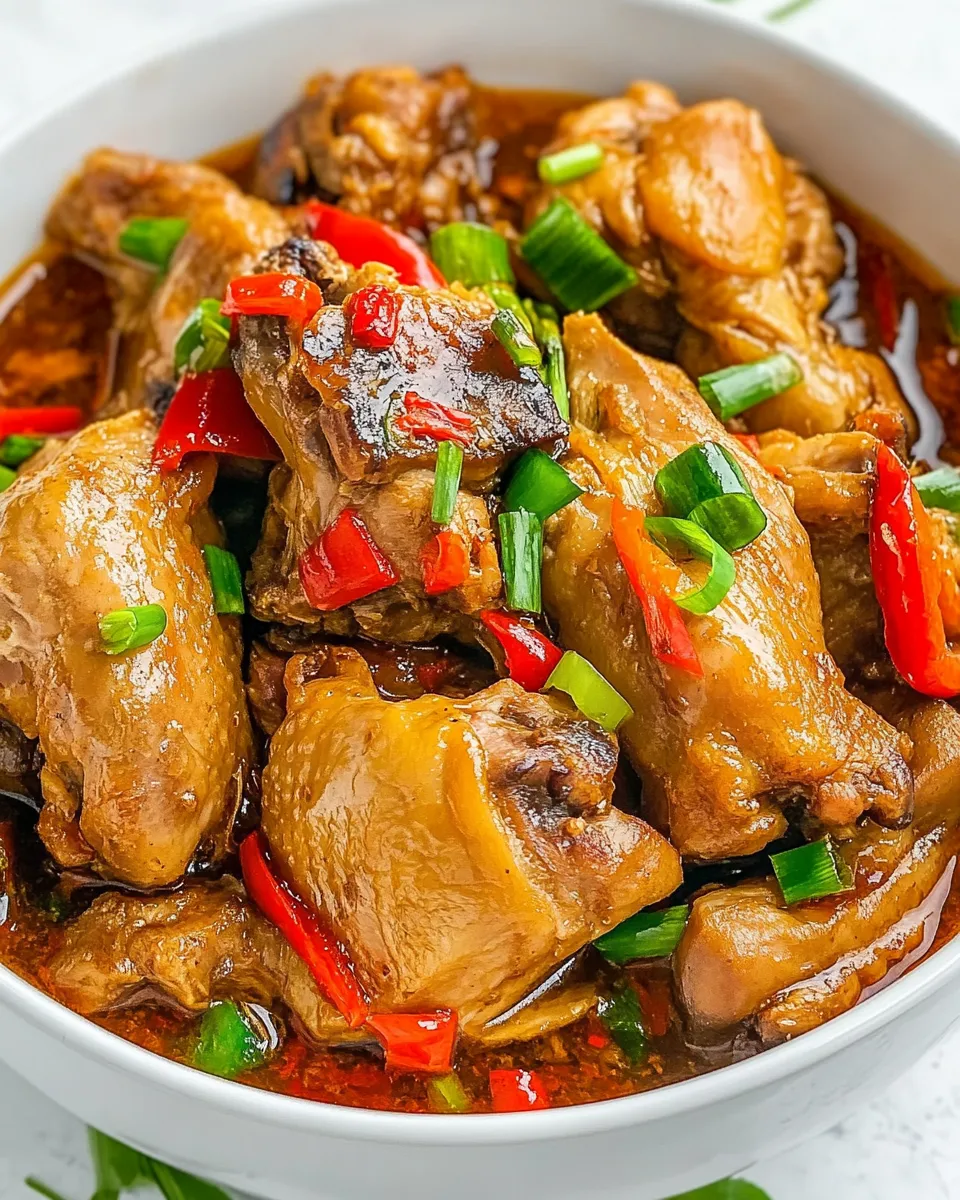
This is reliable comfort food that scales well and cooks fast with the Instant Pot. The timing is intentionally short: pressure cooking concentrates flavor and makes even budget-friendly chicken tender. The ingredient list is pantry-friendly—soy sauce, rice vinegar, bay leaves—things many home cooks already have. Finally, the finishing sauté is where the sauce thickens and deepens; it separates this from a quick dump-and-go recipe and gives you texture and glossy sauce without fuss.
It’s also forgiving. If your peppers are larger or you prefer extra garlic, the main structure won’t break. Because the dish balances salt and acid, it pairs easily with plain steamed rice and quick sides like sautéed greens or roasted vegetables.
Vegan & Vegetarian Swaps
If you want to replicate the adobo flavor without chicken, here are good options:
- Firm tofu — press well, cut into large cubes, brown first in a skillet for texture, then pressure-cook briefly (or skip pressure and simmer) to absorb the sauce.
- Tempeh — slice or cube and either pan-fry or bake first to develop a firmer bite; it soaks up soy-vinegar flavors nicely.
- Mushrooms (portobello or shiitake) — give good umami and meaty texture; sauté before pressure-cooking to concentrate flavor.
- Jackfruit — if you want a shredded, pulled texture, use young green jackfruit and simmer in the sauce until tender (may not need pressure-cooking).
When swapping, reduce pressure time significantly or skip it and simmer—plant proteins require less cook time; the goal is to let them soak up the soy-rice vinegar sauce without becoming mushy.
Tools of the Trade
- Instant Pot or any electric pressure cooker — required for the timed high-pressure stage.
- Sharp knife and cutting board — for uniform slices of peppers and chopping onion.
- Wooden spoon or silicone spatula — for sautéing and stirring without scratching the pot.
- Tongs or a slotted spoon — to turn chicken pieces during the finishing sauté.
- Measuring cups and spoons — precise amounts matter for balance between soy and vinegar.
Things That Go Wrong
Sauce too salty
If the sauce tastes too salty when you open the pot, add a splash of water or unsalted stock and simmer on “Sauté” a few minutes to dilute. Serve over more rice to spread the seasoning across additional starch.
Chicken dry or overcooked
Overcooked chicken usually comes from cooking too long or using white-meat breast without adjusting time. This recipe uses thighs/legs because they remain moist. If you ever use breasts, cut pressure time and do a quick release instead of a natural release.
Sauce not reduced enough / too thin
If the sauce remains thin after the finishing sauté, continue simmering on “Sauté”, stirring regularly. You can remove chicken pieces temporarily to reduce the sauce faster, then return the chicken to coat before serving.
Burn notice on Instant Pot
Burn warnings happen when the sauce has stuck to the bottom. Prevent it by stirring well before sealing, scraping browned bits into the liquid, and ensuring you didn’t use the “SAUTE” step too long without deglazing. If you get a burn notice, turn off, let pressure release and cool, then open and deglaze the bottom before restarting cooking.
Customize for Your Needs
Make it spicier: add red pepper flakes or sliced bird’s eye chiles during the initial sauté or right before sealing. Add sweetness: a teaspoon or two of brown sugar or honey during finishing sauté will caramelize and balance acidity. Make it tangier: a splash more rice vinegar after cooking will brighten the dish; add gradually and taste.
Texture tweaks: for a thicker glaze, remove the chicken after pressure cooking and reduce the sauce until syrupy, then toss the chicken back in. For a saucier result, serve immediately over a bed of steamed rice and spoon extra pan juices on top.
Bulk it up: toss in quartered potatoes or carrot chunks with the chicken in step 2; note they will cook under pressure and soak up flavors. For quicker veg that you don’t want soft, add them after pressure cooking and sauté briefly with the sauce.
Cook’s Commentary
What I love about this version is the carrot-free, back-to-basics approach that relies on soy and vinegar as the central players. The peppers are optional for color and mild sweetness, but they also hold up under pressure and give a nice contrast to the dark sauce. I don’t peel the onion; I just chop it and let it melt into the sauce.
Timing matters in the Instant Pot—not because the pressure cooking is fussy, but because over-cooking plant add-ins or breast meat can undo the texture. Using thighs or legs streamlines weeknight cooking: toss it together, set it, and finish with a quick reduction. I usually serve this with jasmine rice and a simple cucumber salad for freshness.
Storing, Freezing & Reheating
Store: Cool to room temperature (no more than 2 hours at room temp) then refrigerate in an airtight container for up to 3–4 days. The sauce will continue to penetrate the chicken, which actually deepens flavor.
Freeze: Portion into freezer-safe containers or heavy-duty freezer bags. Lay flat to freeze for easier storage. Freeze up to 3 months. Thaw overnight in the refrigerator before reheating.
Reheat: For stovetop, gently rewarm in a skillet on medium-low with a splash of water or stock to loosen the sauce, stirring occasionally until heated through. In the microwave, cover loosely and reheat in 60–90 second intervals, stirring between intervals to keep the sauce even. If sauce thickened in the fridge, add a tablespoon of water or stock while reheating.
Quick Q&A
Q: Can I use chicken breasts?
A: You can, but reduce cook time and avoid long natural release. Cook breasts on high pressure for 8–10 minutes depending on size and do a quick release to prevent drying out.
Q: Can I double the recipe?
A: Yes, you can double for larger Instant Pots, but be mindful of the max fill line. The pressure cook time stays the same; you may need a slightly longer reduction on “Sauté” at the end.
Q: Do I have to remove the bay leaves?
A: Yes—bay leaves are aromatic but not edible. Remove them before serving.
Q: Why rice vinegar and not white vinegar?
A: Rice vinegar is milder and slightly sweet, which complements soy sauce in adobo. Stronger vinegars will change the balance and can taste harsh.
In Closing
Instant Pot Chicken Adobo is dependable, bright, and forgiving—perfect for nights when you want bold flavor without a lot of fuss. Follow the steps exactly for consistent results, use thighs for the easiest outcome, and remember the finishing sauté: it’s the small step that makes the sauce sing. Make extra rice, stash leftovers in the fridge, and don’t hesitate to tweak acidity or sweetness to match your palate.
If you try this, let me know how you finished the sauce and what side you paired it with—I always love hearing practical adjustments people make at home. Happy cooking.

Instant Pot Chicken Adobo
Ingredients
Ingredients
- 1 1/2-2 poundsboneless skinless chicken thighs or legs(*)
- 1 tablespoonunsalted butter 1/8 stick
- 1/2 cupchopped onion
- 1 red bell pepper sliced
- 1 green bell pepper sliced
- 1 tablespoonminced garlic
- 1/2 cuplow-sodium soy sauce
- 1/4 cuprice vinegar
- 2-3 bay leaves
- 1 teaspoonkosher salt
- 1/2 teaspoonground black pepper
Instructions
Instructions
- Turn the Instant Pot to "SAUTE". Add 1 tablespoon unsalted butter. When the butter melts, add ½ cup chopped onion, 1 red bell pepper (sliced), 1 green bell pepper (sliced), and 1 tablespoon minced garlic. Sauté, stirring occasionally, until softened, about 3–4 minutes.
- Turn off "SAUTE". Add 1½–2 pounds boneless, skinless chicken thighs or legs to the pot in a single layer if possible.
- Pour in ½ cup low-sodium soy sauce and ¼ cup rice vinegar. Add 2–3 bay leaves, 1 teaspoon kosher salt, and ½ teaspoon ground black pepper.
- Close the lid and set the valve to "SEALING". Cook on "HIGH" pressure for 15 minutes.
- When the cook time ends, let the pressure sit (natural release) for 5 minutes, then carefully move the valve to "VENTING" to release the remaining steam. Wait until the float valve drops and it is safe to open the lid.
- Open the lid away from your face. Stir the chicken and vegetables to coat with the sauce. Remove and discard the bay leaves.
- Select "SAUTE" again. Using a spoon or fork, turn the chicken pieces so they cook evenly and let the sauce simmer and reduce, stirring once or twice to prevent burning, about 5–8 minutes.
- Turn off the Instant Pot. Serve the chicken and sauce over rice.
Equipment
- Instant Pot
Notes
Properly cooked chicken should read165°F on an instant-read thermometer.
Taste and adjust the sauce at the end of cooking. Add a splash more vinegar if you like it tangier, stir in a teaspoon of brown sugar or honey for extra sweetness, or add a dash of fish sauce for more umami depth.
This meat is so tender, it can also be shredded if you prefer.
After cooking, let the sauce sit for a few minutes, then skim off excess fat with a spoon or use a fat separator before serving. It makes the sauce silkier and lighter.