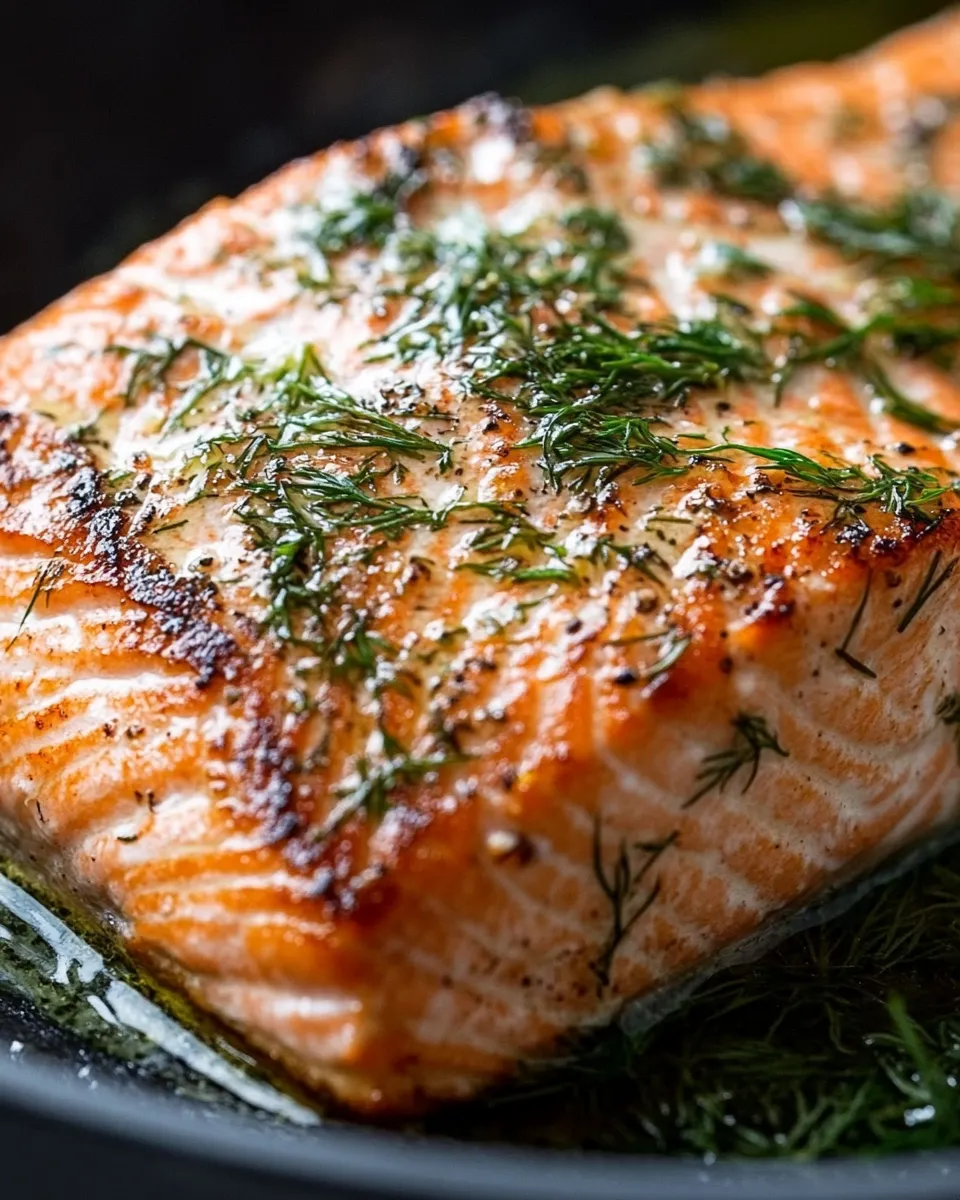
This is a clean, bright salmon recipe that lives on a bed of lemon and herbs. It feels like a weekday dinner that behaves like a celebration: fresh dill, a hit of oregano and lemon, and olive oil that keeps the fillets glossy but never greasy. It takes little time and gives a lot of flavor—exactly what I reach for when I want food that’s straightforward and memorable.
There’s nothing fussy here. The marinade is citrus-forward and herb-driven; the pan technique builds a golden exterior while keeping the center tender. A short rest at the end lets the juices redistribute and keeps the fillet silkier on the palate.
I write recipes I cook regularly in my kitchen, then simplify the notes so you can reproduce them without guesswork. This one is especially forgiving: a short marinade, quick sear, and a minute of patience before you serve. Read on for ingredient notes, the exact process, and sensible variations you can rely on.
Ingredient Notes

Ingredients
- 3 tablespoons extra virgin olive oil — Builds the marinade, adds fruitiness and helps transfer the lemon and herbs’ flavor into the fish.
- 1 tablespoon fresh dill — see note 1 — Use finely chopped; dill brings the characteristic fresh, slightly anise-like lift that makes this dish Greek-inspired.
- 1 tablespoon fresh oregano — see note 1 — Chopped oregano adds savory, almost peppery depth; fresh is preferable for brightness.
- ½ teaspoon black pepper — Ground black pepper seasons the fish without overpowering the lemon and herbs.
- 1 lemon — Zest and juice are both used; zest gives aromatic oils, juice brings acidity that balances the oil and herbs.
- 4 fresh salmon fillets — see note 2 — Choose evenly sized fillets for uniform cooking; skin-on or skinless both work but adjust handling slightly if skin is present.
- ½ teaspoon salt — Seasons the fillets after marinating; don’t salt too early or it can draw out moisture.
Cooking (Greek Salmon with Lemon and Dill): The Process
- In a non-metallic bowl, combine 3 tablespoons extra virgin olive oil, ½ teaspoon black pepper, 1 tablespoon fresh dill (chopped), and 1 tablespoon fresh oregano (chopped). Stir, then add the zest and juice of 1 lemon and mix to combine.
- Add 4 fresh salmon fillets to the bowl and turn them to coat thoroughly in the marinade. Cover and refrigerate for at least 30 minutes and up to 3 hours.
- When ready to cook, remove the salmon from the refrigerator. Preheat a heavy-based frying pan or skillet over medium-high heat until hot (about 2–3 minutes).
- Remove the fillets from the marinade and let excess marinade drip back into the bowl; gently pat off large pools with a paper towel if needed.
- Season both sides of the fillets with ½ teaspoon salt.
- Place the salmon presentation side down into the hot pan. Cook undisturbed for 3 minutes.
- Carefully flip each fillet and cook for an additional 3 minutes, or until cooked to your preferred doneness.
- Transfer the salmon to a plate and let rest briefly before serving.
What Sets This Recipe Apart
This recipe is all about balance and timing. The lemon zest and juice layer acidity in two forms—aromatic oils from the zest and bright acidity from the juice—so the fish tastes lively without tasting solely of lemon. Fresh dill and oregano together create a Mediterranean profile that’s aromatic rather than heavy. The short marinade time is intentional: it seasons without cooking the fish’s surface or making it mushy.
The cooking method is simple pan-searing with a strict timing rhythm—3 minutes presentation-side down, 3 minutes after flipping. That rhythm produces a golden exterior and a tender interior for average-thickness fillets. The result is a fish that looks restaurant-finished and plates quickly.
Low-Carb/Keto Alternatives
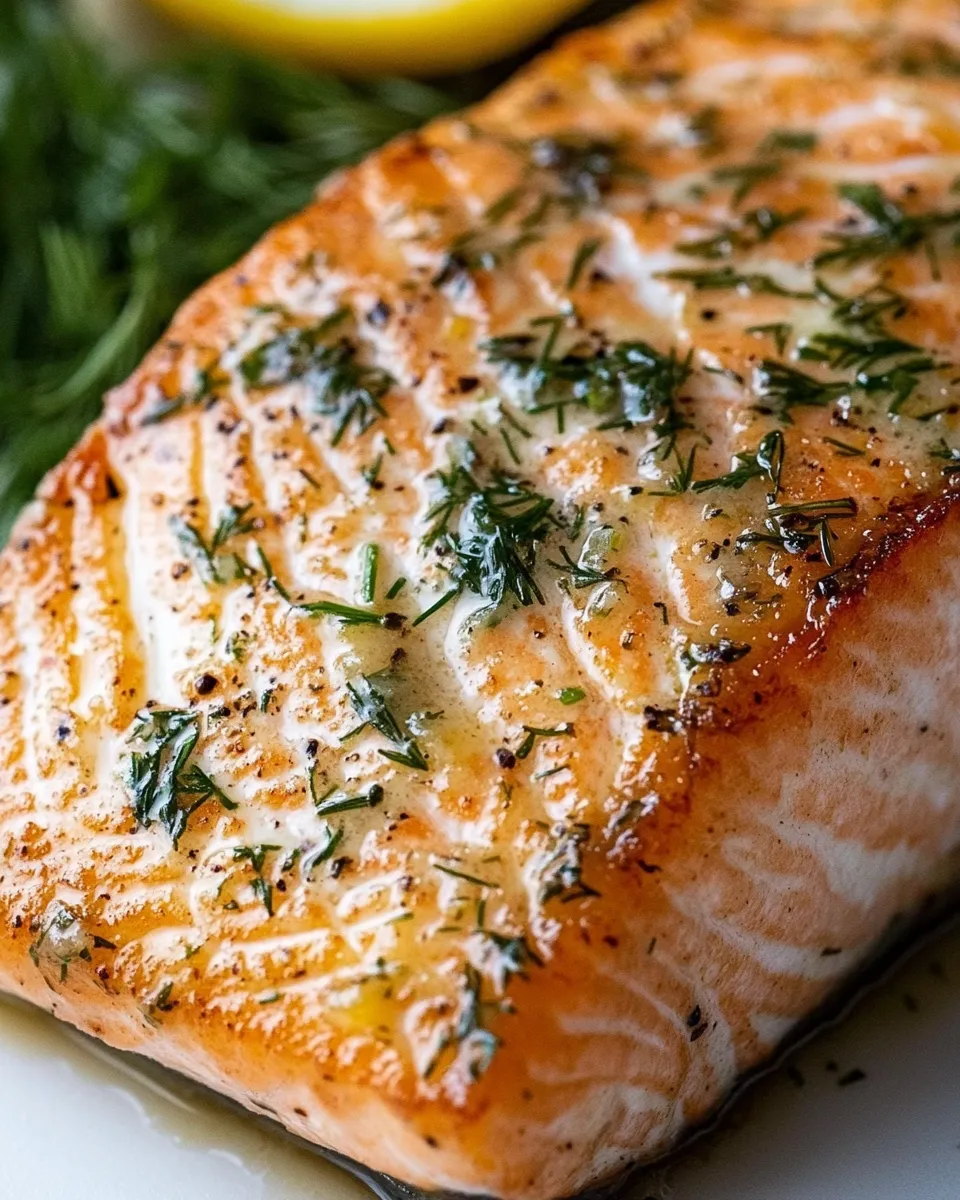
The base recipe is already low-carb and keto-friendly: salmon and olive oil are perfect for both. If you want to make it into a full low-carb plate, consider these companion ideas.
- Serve on a bed of sautéed spinach or zucchini ribbons — Both add volume and soak up the pan juices.
- Add a side of roasted Brussels sprouts or cauliflower — Toss them with olive oil, salt, and a little lemon before roasting.
- Skip any sweet glazes or sugary sides — The lemon and herbs provide all the brightness you need.
Prep & Cook Tools
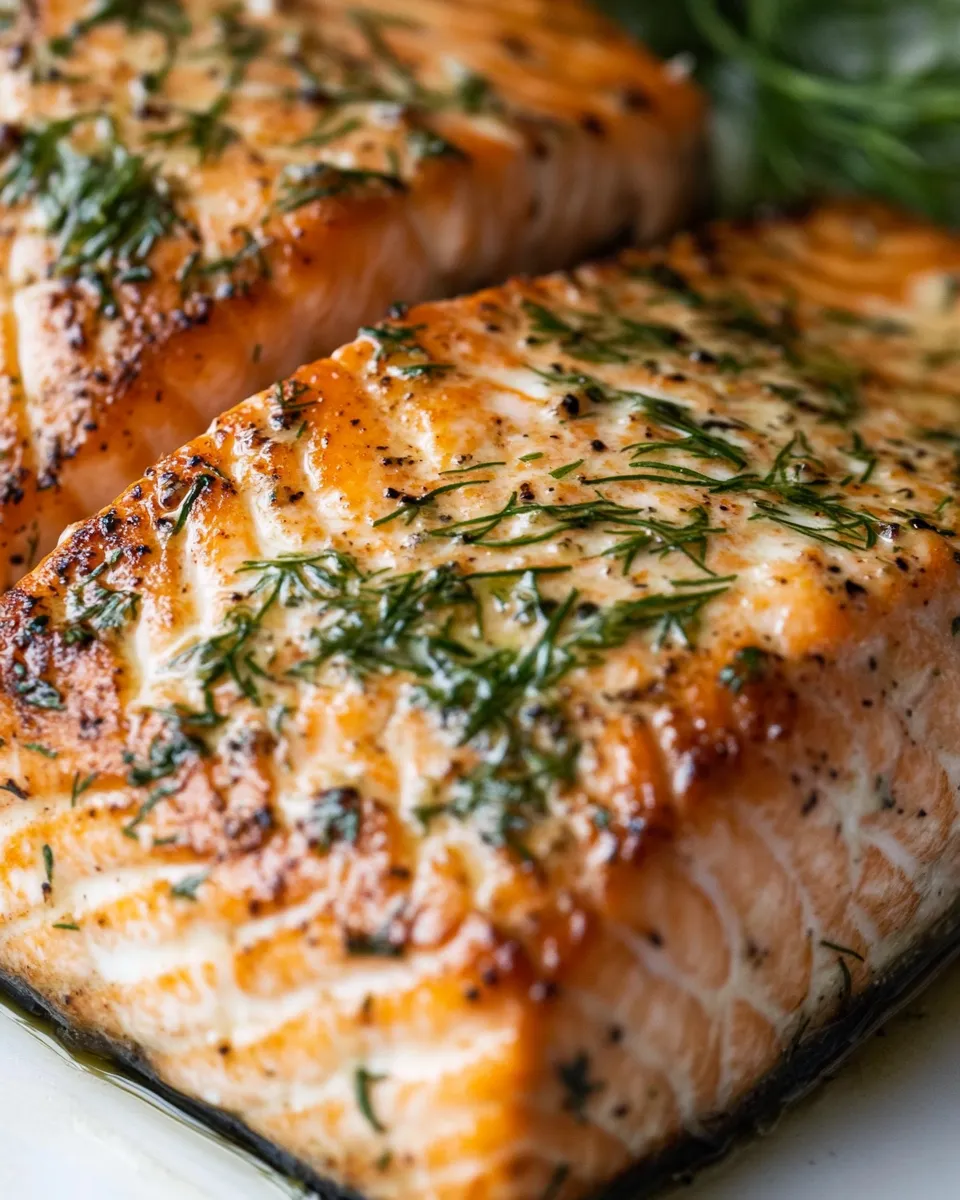
Good tools cut down on fuss and keep this recipe clean and consistent. You don’t need specialty equipment—just a few reliable items.
- Non-metallic bowl — For marinating; prevents metallic reactions with lemon.
- Sharp knife and chopping board — For zesting the lemon and chopping dill and oregano finely.
- Heavy-based frying pan or skillet — A stainless or cast-iron pan retains heat and promotes a good sear.
- Tongs or fish spatula — For carefully flipping the fillets without breaking them.
- Paper towels — To blot excess marinade before the pan to avoid hot splatter and steaming.
What Not to Do
These are common mistakes that can undermine the final result.
- Don’t over-marinate the salmon — Leaving it beyond the recommended 3 hours risks the acid beginning to break down the flesh and altering texture.
- Don’t put cold fish straight into a hot pan without resting briefly — Letting it sit at room temperature for a few minutes after removing from the fridge helps it cook more evenly; but don’t exceed safe time limits.
- Don’t crowd the pan — Crowding lowers the pan temperature and prevents a proper sear. Cook in batches if necessary.
- Don’t salt before marinating — Salting before the lemon can draw out moisture; the recipe seasons with salt after removing most of the marinade.
Make It Your Way
Small tweaks let you personalize the profile while keeping the recipe’s spirit.
Herb swaps and additions
If you want a slightly different herbal note, try substituting part of the oregano with fresh thyme or flat-leaf parsley. Parsley keeps the dish bright; thyme adds a deeper earthy aroma. Keep the total herb quantity similar so the marinade coating remains balanced.
Heat and finishing
For a touch of heat, add a pinch of crushed red pepper to the marinade. For a glossy finish, spoon a little of the reserved, unused marinade onto the fillets after they rest (only if it hasn’t been contaminated by raw fish—use reserved marinade only if you set some aside before adding the fillets).
Method to the Madness
Why this works: olive oil carries and distributes flavor, the lemon zest releases essential oils that are aromatic without making the fish overly acidic, and the short cooking time prevents dryness. Fresh herbs add volatile aromas that evaporate and bloom under heat, so using fresh rather than dried keeps the final bite lively.
Timing matters more than precise temperature numbers here. A preheated, hot pan gives you a confident sear in three minutes. Flip gently and finish for three more. Adjust a minute or two if your fillets are particularly thick or thin, but use the timings as your baseline.
Meal Prep & Storage Notes
Salmon keeps well when stored correctly, but texture will change over time.
- Refrigerate — Store cooked salmon in an airtight container for up to 3 days. Keep it chilled and consume promptly.
- Freeze — You can freeze cooked fillets for up to 1 month; wrap tightly to minimize freezer burn. Thaw in the fridge overnight before reheating gently.
- Reheating — Warm gently in a low oven (300°F / 150°C) for 8–10 minutes or until just warmed through. Pan-reheat briefly skin-side down to preserve the exterior texture. Avoid microwaving if possible, which can dry the fish.
- Make-ahead options — Marinate the fillets up to 3 hours ahead as directed, then cook when ready. Do not marinate longer than 3 hours.
Your Questions, Answered
Q: Can I use dried herbs?
A: Fresh herbs give the best result here. If you must use dried, reduce the quantity—use a third of the fresh-herb amount and add early so they can rehydrate in the oil.
Q: What about grilling instead of pan-searing?
A: Grill over medium-high heat with the same timing approach, but watch closely. Grills can be hotter than pans; a minute less per side may be enough depending on your grill.
Q: Skin-on or skinless fillets?
A: Both work. For skin-on, sear skin-side down first (presentation side down if the skin will be the bottom when you plate) and leave it crisp; for skinless, handle gently and use the same timings.
Hungry for More?
If you like this bright, herb-forward salmon, try pairing it with a chilled cucumber-yogurt salad for a Greek-accented meal, or roast some Mediterranean vegetables for a heartier plate. Bookmark this one—it’s a reliable go-to when you want something fast, fresh, and satisfying.
Cooking is a practice of small choices. Stick to good ingredients, respect the timing, and you’ll get a dish that’s simple, clean, and polished every time.
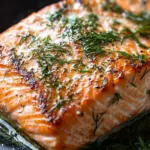
Greek Salmon with Lemon and Dill
Ingredients
Ingredients
- 3 tablespoonextra virgin olive oil
- 1 tablespoonfresh dill- see note 1
- 1 tablespoonfresh oregano- see note 1
- 1/2 teaspoonblack pepper
- 1 lemon
- 4 fresh salmon fillets- see note 2
- 1/2 teaspoonsalt
Instructions
Instructions
- In a non-metallic bowl, combine 3 tablespoons extra virgin olive oil, ½ teaspoon black pepper, 1 tablespoon fresh dill (chopped), and 1 tablespoon fresh oregano (chopped). Stir, then add the zest and juice of 1 lemon and mix to combine.
- Add 4 fresh salmon fillets to the bowl and turn them to coat thoroughly in the marinade. Cover and refrigerate for at least 30 minutes and up to 3 hours.
- When ready to cook, remove the salmon from the refrigerator. Preheat a heavy-based frying pan or skillet over medium-high heat until hot (about 2–3 minutes).
- Remove the fillets from the marinade and let excess marinade drip back into the bowl; gently pat off large pools with a paper towel if needed.
- Season both sides of the fillets with ½ teaspoon salt.
- Place the salmon presentation side down into the hot pan. Cook undisturbed for 3 minutes.
- Carefully flip each fillet and cook for an additional 3 minutes, or until cooked to your preferred doneness.
- Transfer the salmon to a plate and let rest briefly before serving.
Equipment
- non-metallic bowl
- frying pan or skillet
- paper towel
Notes
We prefer this dish with skin off salmon fillets because the marinade stops the skin from crisping up and soggy fish skin is gross!