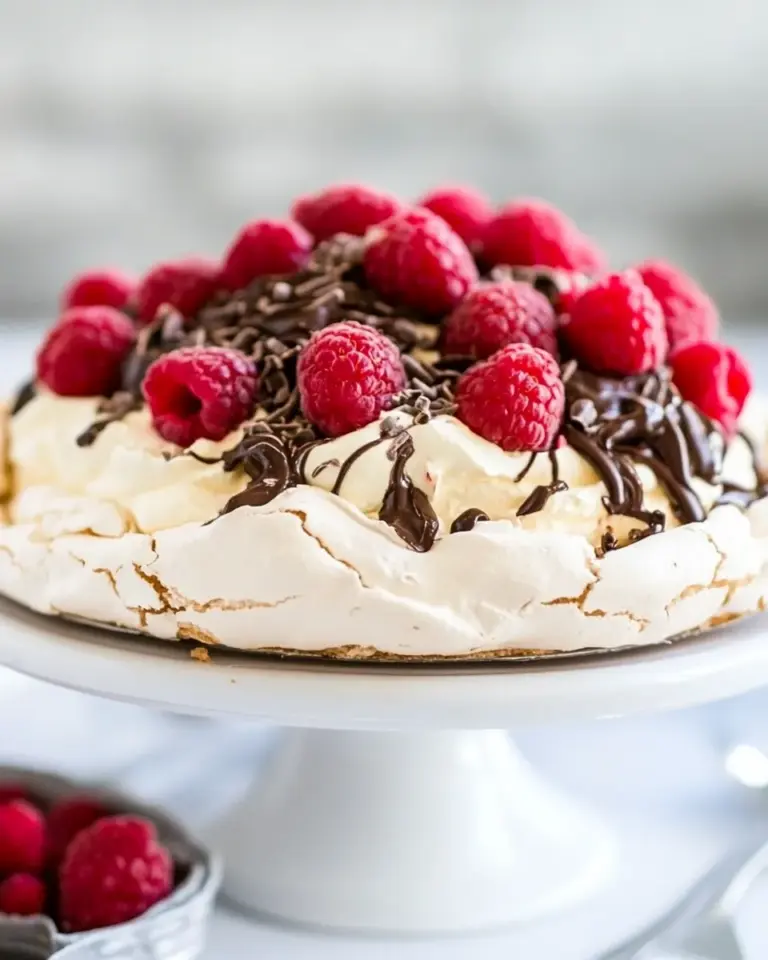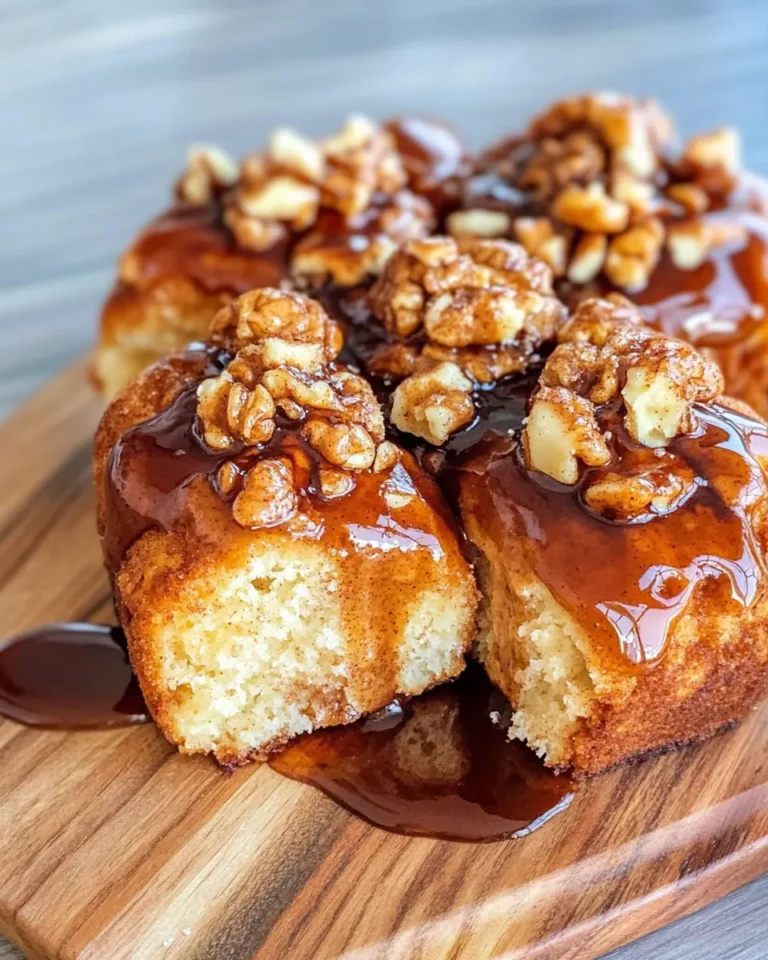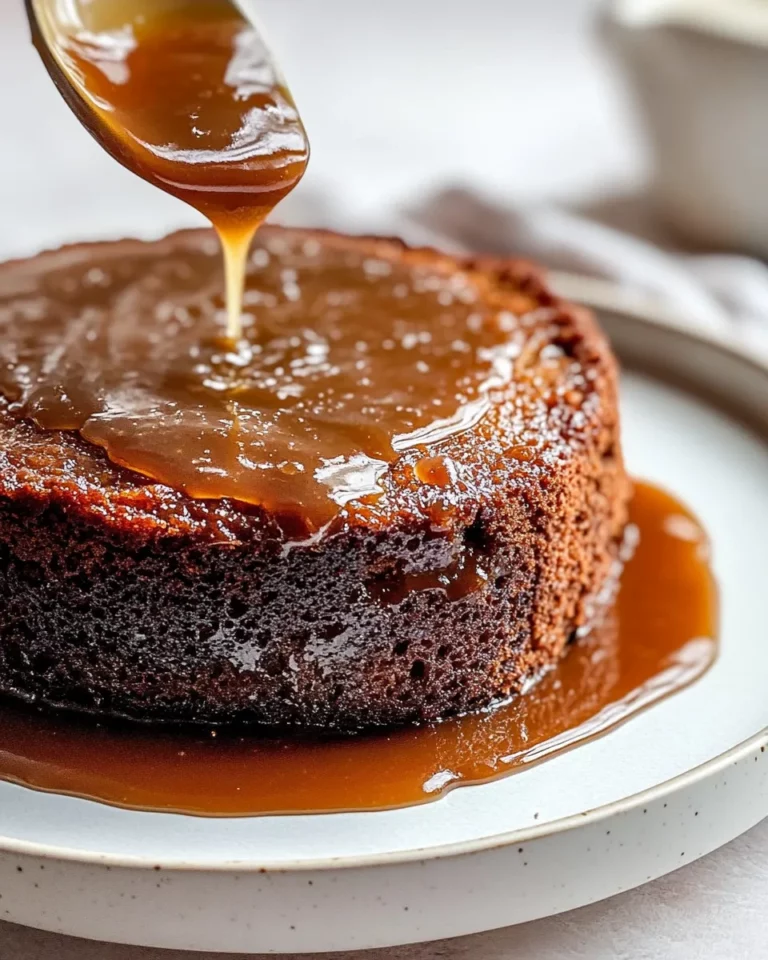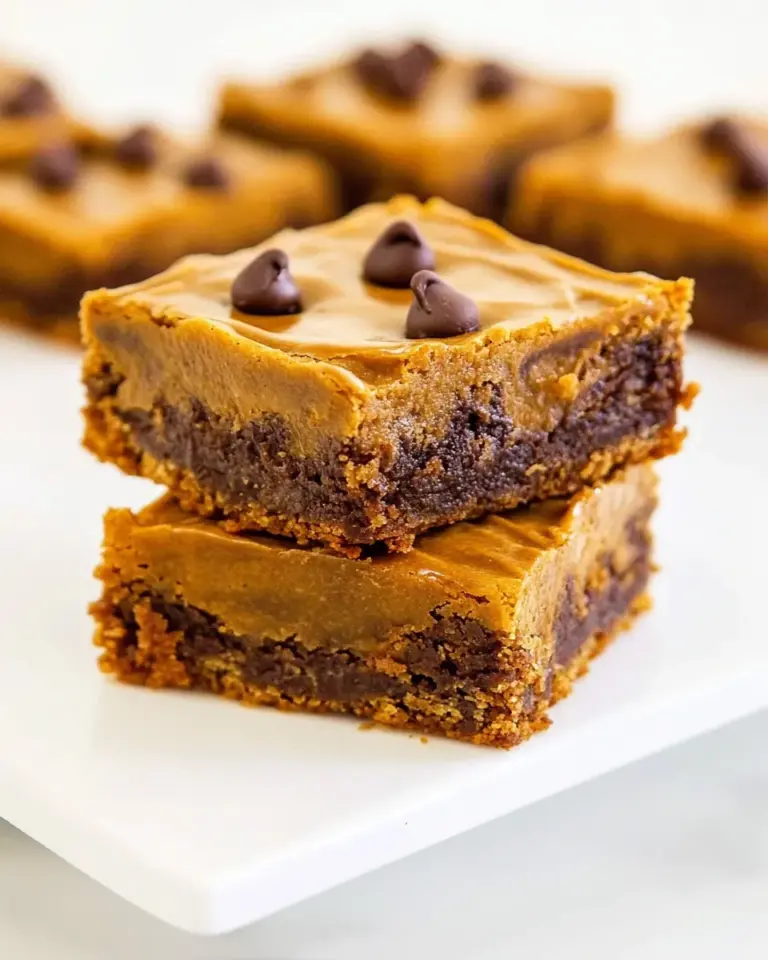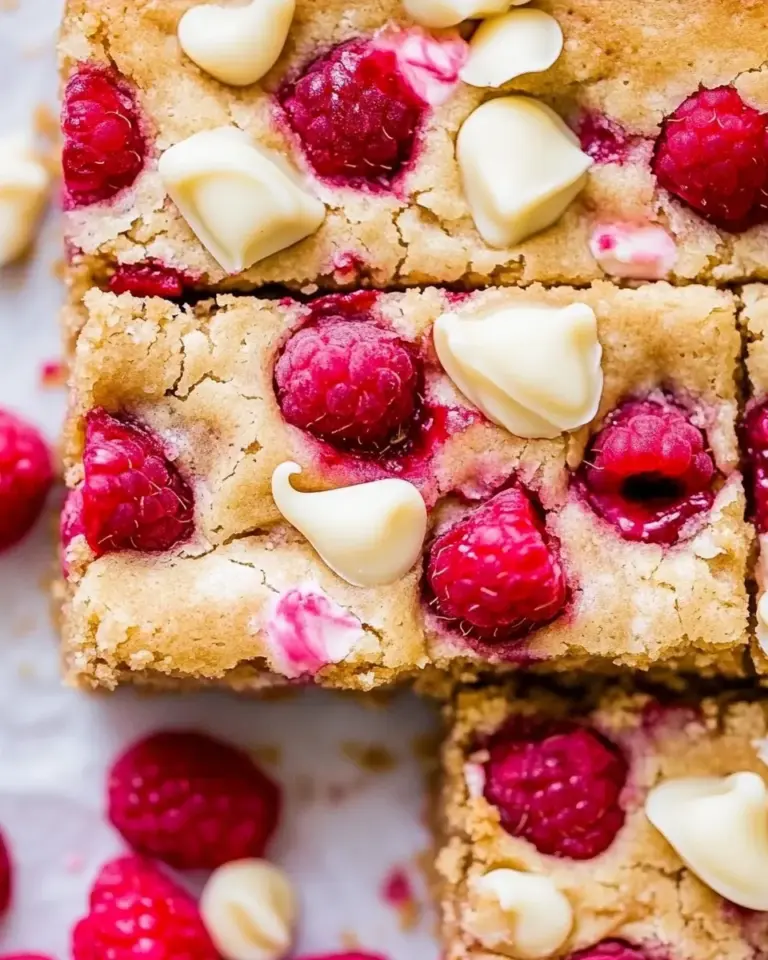
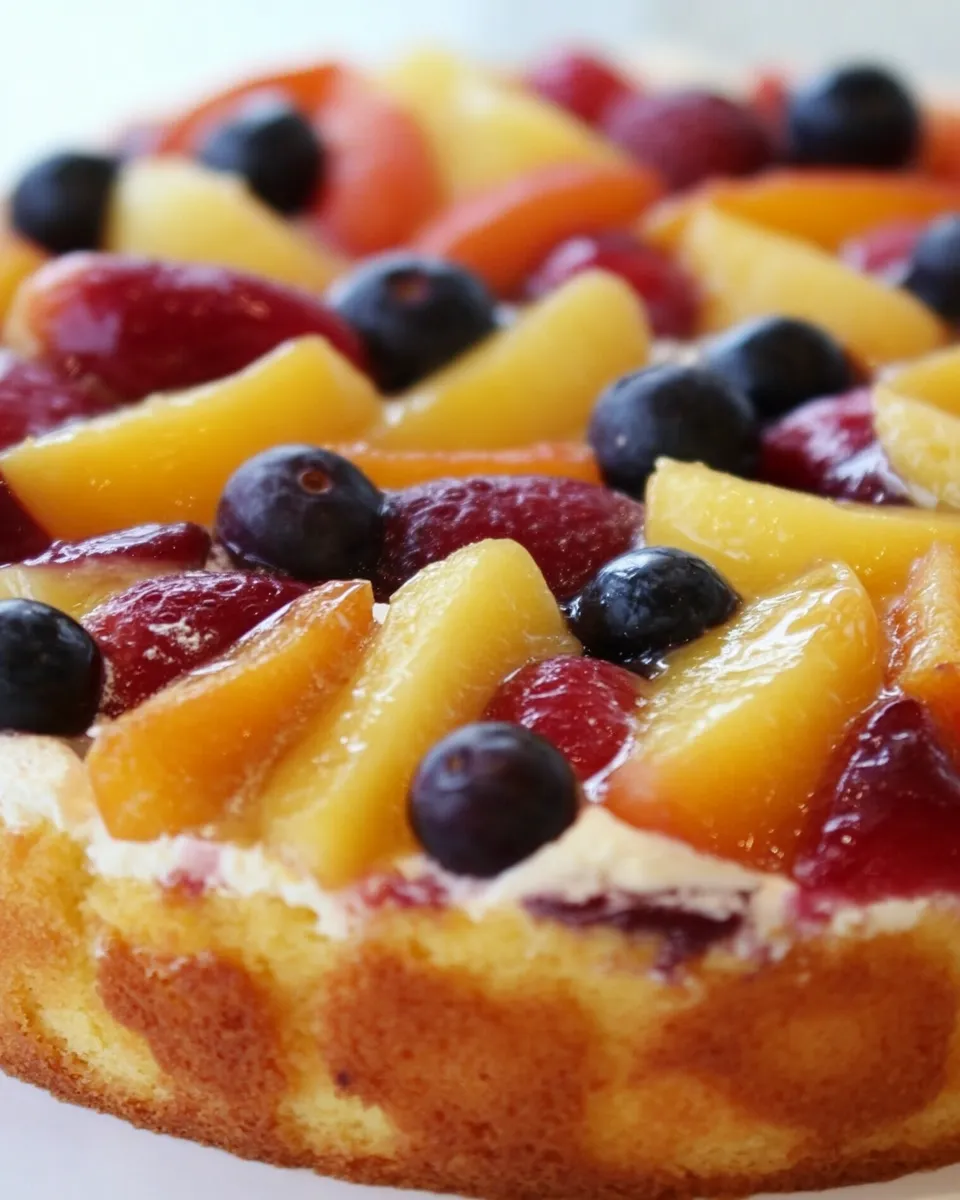
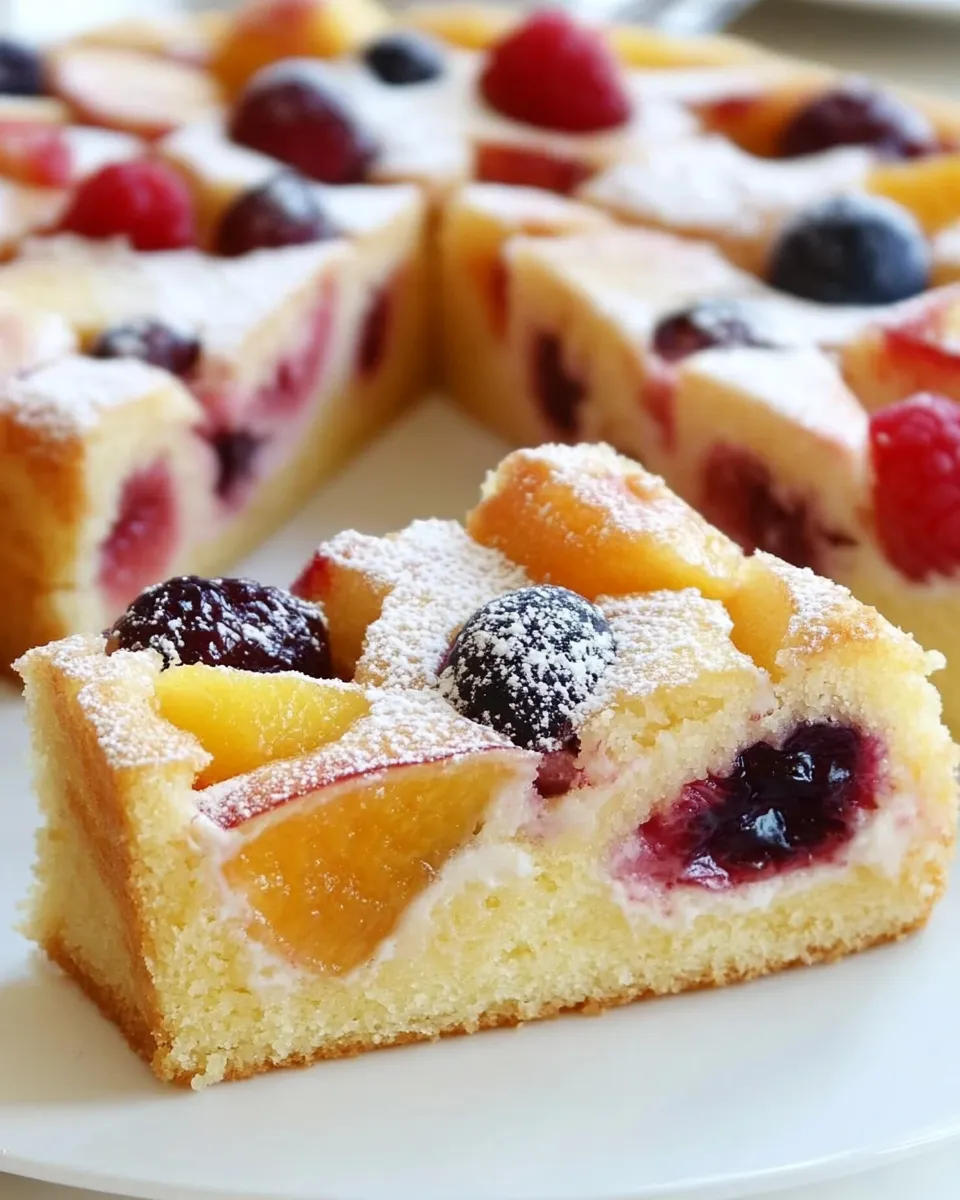
This is the kind of cake I reach for when I want something unfussy but satisfying — a tender, buttery cake crowned with bright fruit. It behaves like a humble everyday cake but looks special on the table because fresh or canned fruit arranged on top gives it instant charm. No complicated layers, no temperamental techniques. Just a straightforward batter and whatever fruit you have on hand.
I like this Fruit Pastry Cake because it tolerates a little improvisation: seasonal berries, sliced stone fruit, or even drained canned peaches all work. The texture is soft and homey thanks to the butter, sour cream (or low-fat yogurt), and gentle folding of the flour. The method below keeps the steps simple and reliable — especially the part about the batter possibly looking curdled after adding the eggs. That’s normal; the cake will still bake beautifully.
What’s in the Bowl
Ingredients
- 100g (3½ oz) unsalted butter, softened — provides richness and structure; bring to room temperature so it creams smoothly.
- 180g (6⅓ oz) castor sugar — sweetens and helps the cake brown evenly; castor dissolves quickly for a fine crumb.
- 50g (1¾ oz) sour cream, or replaced with same amount of low fat yogurt — keeps the cake tender and adds a slight tang; yogurt is a lighter swap.
- 3 large eggs, lightly beaten, room temperature — bind the batter and add lift; room temperature eggs incorporate more evenly.
- 1 teaspoon vanilla extract — warms and rounds flavor.
- 1 teaspoon lemon zest, or orange zest — brightens the cake; choose lemon for a sharper lift or orange for a sweeter note.
- 210g (7⅖ oz) all-purpose flour, or plain flour — the base; measure accurately (spoon and level) to avoid a dense cake.
- 1 teaspoon baking powder — provides rise; make sure it’s fresh for best lift.
- 500g (1 lb) fruits, tossed with 2 tbsp sugar, optional — fresh fruit should be washed and drained; toss with sugar if you prefer a sweeter topping. If using canned, rinse and drain well and do not add the 2 tbsp sugar.
Make Fruit Pastry Cake: A Simple Method
- Preheat the oven to 180°C (350°F). Grease the sides and base of a 9″ (23 cm) round pan or an 8″ (20 cm) square pan, line the base with parchment paper, then lightly flour the sides and tap out any excess flour.
- Prepare the fruit: wash and cut fresh fruit into chunks or slices as desired, then drain. Toss 500 g fruit with 2 tbsp sugar if you want them sweeter and set aside. If using canned fruit, rinse and drain well to remove syrup and do not add the 2 tbsp sugar.
- In a large bowl, place 100 g softened unsalted butter, 180 g castor sugar, and 50 g sour cream (or the same amount of low-fat yogurt). Using an electric mixer, cream these together on medium-high speed until the mixture is light and fluffy (about 2–3 minutes).
- Lightly beat the 3 large eggs and ensure they are at room temperature. With the mixer running on low, add the eggs gradually in 2–3 additions, drizzling them in and beating until each addition is incorporated. The batter may look slightly curdled—this is normal.
- Add 1 teaspoon vanilla extract and 1 teaspoon lemon or orange zest, and mix briefly to combine.
- Sift together 210 g all-purpose (plain) flour and 1 teaspoon baking powder directly over the bowl. Fold or mix on low speed until the dry ingredients are just incorporated and the batter is smooth—do not overmix.
- Pour the batter into the prepared pan and smooth the top with a spatula. Arrange the prepared fruit on top of the batter without pressing the fruit into the batter.
- Bake in the preheated oven at 180°C (350°F) for 60–70 minutes, or until a skewer inserted into the center comes out clean. If the top is browning too quickly, loosely cover the cake with aluminum foil for the last 15 minutes of baking.
- Remove the cake from the oven and let it cool in the pan for 5–10 minutes. Run a knife around the edge, invert the cake onto a wire rack, remove the parchment, and allow the cake to cool completely before slicing and serving.
Why This Recipe is a Keeper
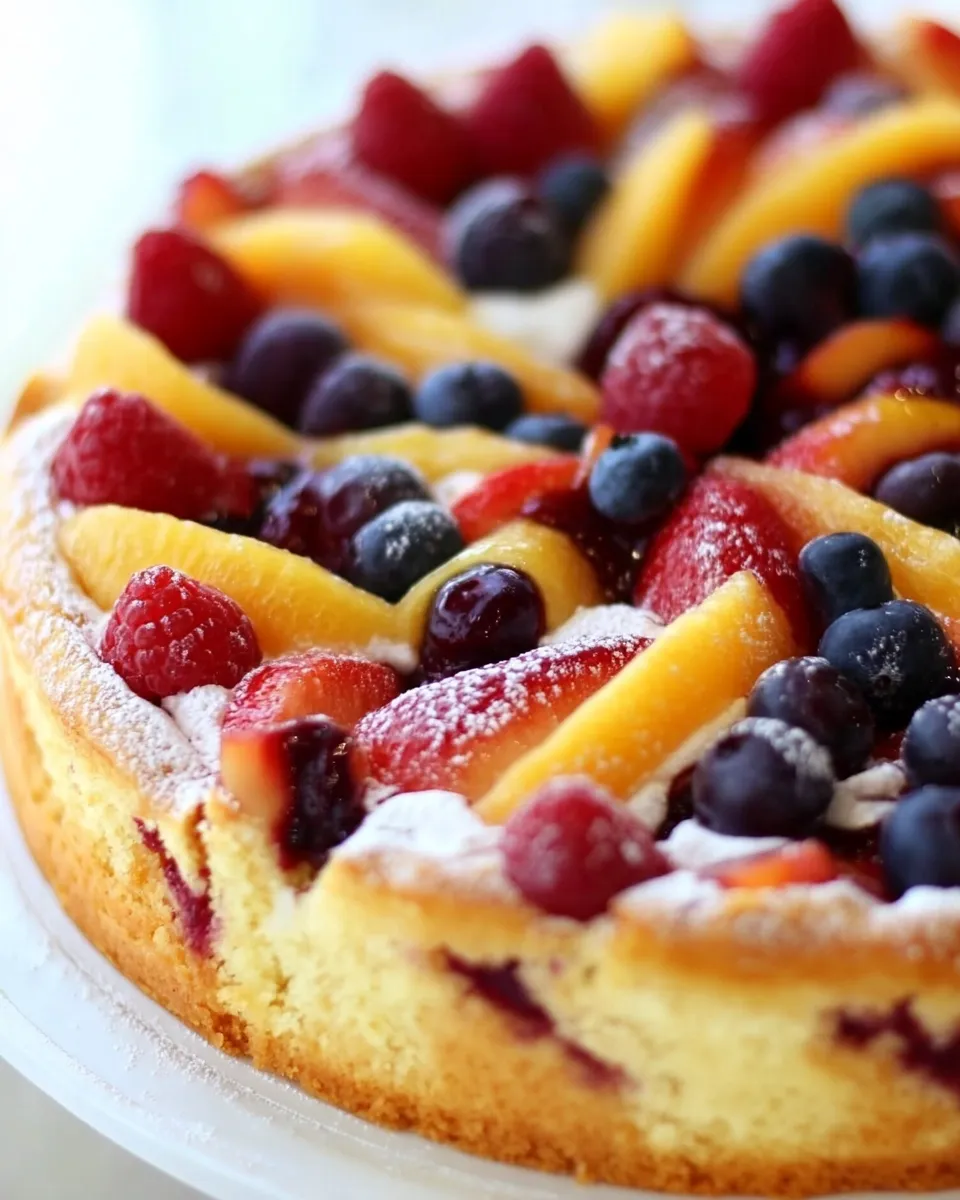
There are cakes you make for technique and cakes you make for comfort. This is firmly in the comfort category — but it rewards attention to a few simple details. The butter and sour cream create a tender crumb; the sugar-and-fruit topping melts into the batter slightly while maintaining a fresh burst of flavor. It’s forgiving with the fruit selection and forgiving with small timing or temperature variations, which is why it’s become a weekday favorite for me.
It’s also versatile. Serve it warm with a spoonful of yogurt or cream, or cool it completely and slice it for lunchboxes. The method scales reasonably well and can handle both delicate berries and sturdier stone fruit.
Substitutions by Category
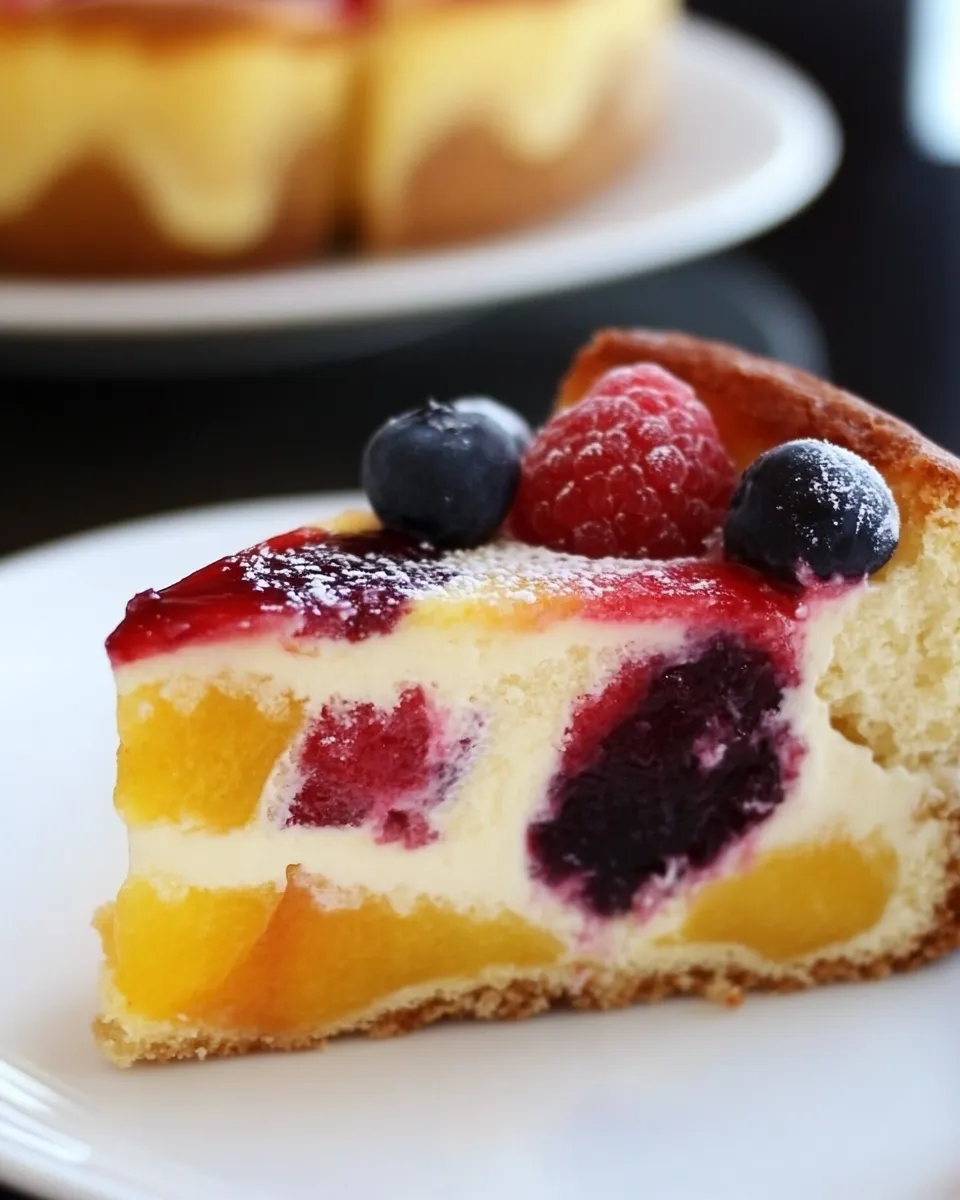
- Dairy: Swap sour cream for the same amount of low-fat yogurt (the recipe notes this) for a lighter texture. Full-fat yogurt works if you prefer a richer mouthfeel.
- Fat: Unsalted butter gives the best flavor. If salted butter is all you have, reduce any extra salt elsewhere. I don’t recommend replacing all the butter with oil here because the creaming step builds structure as well as flavor.
- Fruit: Use 500 g total of whatever you have—berries, sliced peaches, plums, apples (thinly sliced) or pears. If fruit is watery, drain well to avoid thinning the batter.
- Flour: The recipe calls for all-purpose/plain flour. If you need to use a different flour (e.g., a 50:50 mix of all-purpose and whole wheat), expect a slightly denser crumb and adjust expectations rather than the amounts.
Equipment Breakdown
- 9″ round or 8″ square pan: Either size works; the round is shallower and gives a slightly different bake profile. Use the sizes specified to match baking time.
- Parchment paper: Makes removing the cake painless and prevents sticking on the base.
- Electric mixer: Helpful for creaming butter, sugar, and sour cream to the right consistency. Hand whisking is possible but requires more elbow grease.
- Sifter or fine-mesh sieve: Sifting the flour and baking powder helps incorporate air and avoids lumps.
- Spatula and wire rack: A spatula for smoothing and a rack for even cooling are small tools that make a difference.
Avoid These Traps
- Overmixing after adding flour: Once the flour goes in, mix only until combined. Overmixing develops gluten and tightens the crumb.
- Skipping parchment or under-greasing: With fruit on top, the cake can cling to the pan. Grease and line the base carefully.
- Not draining fruit: Wet fruit can water down the batter and create pockets of sogginess. Drain well, especially canned fruit. Fresh fruit should be patted dry or briefly drained after tossing with sugar.
- Baking too hot or too long: If the top colors too quickly, tent with foil for the last 15 minutes as instructed. Ovens vary; test with a skewer to check doneness.
Dietary Swaps & Alternatives
- Lower-fat option: Use low-fat yogurt in place of the sour cream as noted in the ingredient list.
- Egg-free/vegan: This recipe relies on eggs for structure; I don’t recommend trying a straight egg substitution without re-developing the formula. If you need an egg-free version, look for recipes designed to be egg-free to ensure texture.
- Gluten-free: Use a tested 1:1 gluten-free flour blend that includes a binding agent. Expect a different crumb and check doneness earlier.
- Less sugar: You can reduce the sugar slightly in the batter, but the balance is tuned to the fruit’s tartness. If you reduce batter sugar, keep the option to toss fruit with a small amount of sugar or honey to taste.
Little Things that Matter
- Room-temperature ingredients: Bring eggs and butter to room temperature for even mixing and better rise.
- Fruit placement: Arrange fruit on top without pressing into the batter. If you press pieces down, the fruit can sink fully and create dense pockets.
- Zest, not juice: Use the zest specified (lemon or orange) rather than juice to avoid altering batter hydration.
- Skewer testing: Insert a skewer into the center only — fruit can make the skewer come out moist even when the cake is done. Test between fruit pieces if possible.
Storage Pro Tips
- Room temperature: Wrapped well, the cake keeps 1–2 days at room temperature. If your kitchen is warm, store it covered in the fridge.
- Refrigeration: Because of the fruit topping, refrigeration can extend life to 3–4 days. Bring slices back to room temperature or warm briefly before serving for best flavor.
- Freezing: Slice the cake and freeze in single layers separated by parchment in airtight containers for up to 2 months. Thaw overnight in the fridge or at room temperature for a few hours.
- Refreshing stale slices: Warm a slice in a low oven (about 150°C / 300°F) for 8–10 minutes or microwave briefly to restore tenderness.
Your Top Questions
- Can I put the fruit in the batter instead of on top? You can, but arranging fruit on top keeps the fruit intact and prevents heavy pieces from sinking. If you fold fruit into the batter, chunk the pieces small and coat them lightly in flour so they distribute more evenly.
- What if the center collapses? A center that sinks is usually due to underbaking or opening the oven door too early. Make sure the cake is set and pulls away slightly from the pan before removing; use the skewer test.
- How do I stop the edges from overbrowning? Tent loosely with foil for the final 15 minutes if the top is coloring too fast. Also check that your oven temperature is accurate with an oven thermometer.
- Can I use frozen fruit? Yes, but do not thaw fully. Add frozen fruit on top and increase baking time slightly. Be sure the fruit is well drained if there is ice glaze.
Wrap-Up
Fruit Pastry Cake is a workhorse recipe: elegant enough for unexpected guests, simple enough for an afternoon bake. Follow the steps above — especially the creaming, gradual egg addition, and the careful folding of flour — and you’ll end up with a reliably tender cake topped with fruit that keeps every slice bright and satisfying. Once you’re comfortable with the base method, try different fruit combos and citrus zests to make it your own.
If you bake it today, I’d recommend a mix of soft berries and a scattering of halved stone fruit for color and texture contrast. Serve slightly warm with a spoonful of yogurt or a light dusting of icing sugar, and enjoy the kind of everyday pleasure that good, simple baking brings.
Fruit Pastry Cake
Ingredients
Ingredients
- 100 g 3 1/2 ozunsalted butter, softened
- 180 g 6 1/3 ozcastor sugar
- 50 g 1 3/4 ozsour cream, or replaced with same amount of low fat yogurt
- 3 large eggs lightly beaten, room temperature
- 1 teaspoonvanilla extract
- 1 teaspoonlemon zest or orange zest
- 210 g 7⅖ ozall-purpose flour, or plain flour
- 1 teaspoonbaking powder
- 500 g 1 lbfruits, tossed with 2 tbsp sugar, optional
Instructions
Instructions
- Preheat the oven to 180°C (350°F). Grease the sides and base of a 9" (23 cm) round pan or an 8" (20 cm) square pan, line the base with parchment paper, then lightly flour the sides and tap out any excess flour.
- Prepare the fruit: wash and cut fresh fruit into chunks or slices as desired, then drain. Toss 500 g fruit with 2 tbsp sugar if you want them sweeter and set aside. If using canned fruit, rinse and drain well to remove syrup and do not add the 2 tbsp sugar.
- In a large bowl, place 100 g softened unsalted butter, 180 g castor sugar, and 50 g sour cream (or the same amount of low-fat yogurt). Using an electric mixer, cream these together on medium-high speed until the mixture is light and fluffy (about 2–3 minutes).
- Lightly beat the 3 large eggs and ensure they are at room temperature. With the mixer running on low, add the eggs gradually in 2–3 additions, drizzling them in and beating until each addition is incorporated. The batter may look slightly curdled—this is normal.
- Add 1 teaspoon vanilla extract and 1 teaspoon lemon or orange zest, and mix briefly to combine.
- Sift together 210 g all-purpose (plain) flour and 1 teaspoon baking powder directly over the bowl. Fold or mix on low speed until the dry ingredients are just incorporated and the batter is smooth—do not overmix.
- Pour the batter into the prepared pan and smooth the top with a spatula. Arrange the prepared fruit on top of the batter without pressing the fruit into the batter.
- Bake in the preheated oven at 180°C (350°F) for 60–70 minutes, or until a skewer inserted into the center comes out clean. If the top is browning too quickly, loosely cover the cake with aluminum foil for the last 15 minutes of baking.
- Remove the cake from the oven and let it cool in the pan for 5–10 minutes. Run a knife around the edge, invert the cake onto a wire rack, remove the parchment, and allow the cake to cool completely before slicing and serving.
Equipment
- 9-inch (23 cm) round pan or 8-inch (20 cm) square pan
- Parchment Paper
- Mixing Bowl
- Electric Mixer
- Spatula
- Wire Rack
- Aluminum Foil
- Knife
Notes
You can use strawberries, blueberries, peaches, bananas, oranges, pears, apples, pineapple, or any other fruits that are not too juicy. I omitted the sugar and used as much fruits, either fresh or canned, as needed to fill the top of the cake.