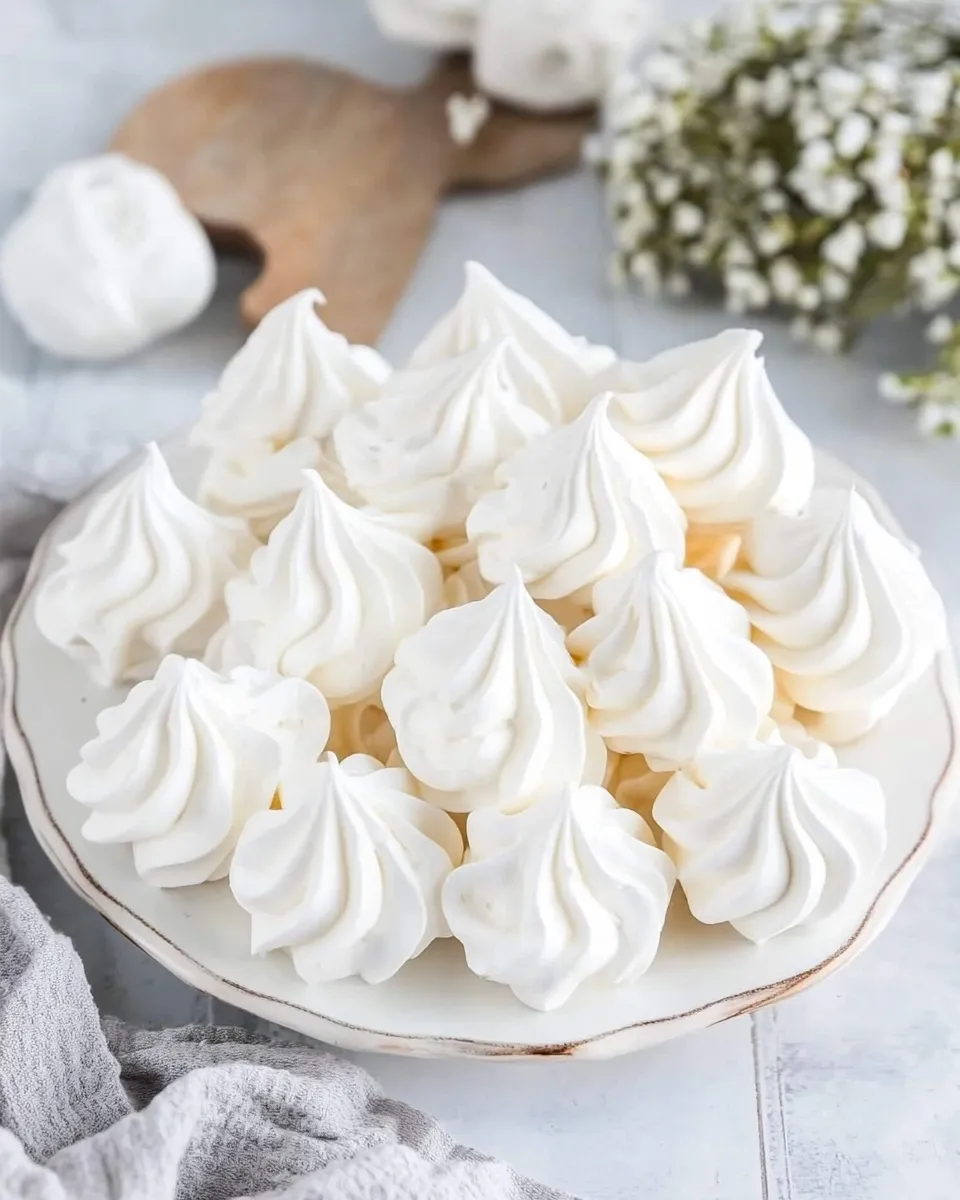
Meringue cookies are one of those baking wins you can pull off with very little fuss and a lot of payoff. They’re crisp, sweet, and delightfully simple to make when you follow a few clear steps. This recipe takes the guesswork out of the process so you can focus on technique, not guesswork.
I like these for a low-stress treat: they store well, travel easily, and they make a pretty plate with minimal effort. The core idea is straightforward—whip clean egg whites with a bit of acid and sugar, then dry them in a low oven—so once you know the signs of a good meringue you can scale, shape, and flavor to your taste.
Below you’ll find a clear shopping guide, the step-by-step directions (kept exactly as written), ingredient notes, troubleshooting, and practical tips to get crisp, glossy cookies every time.
Your Shopping Guide
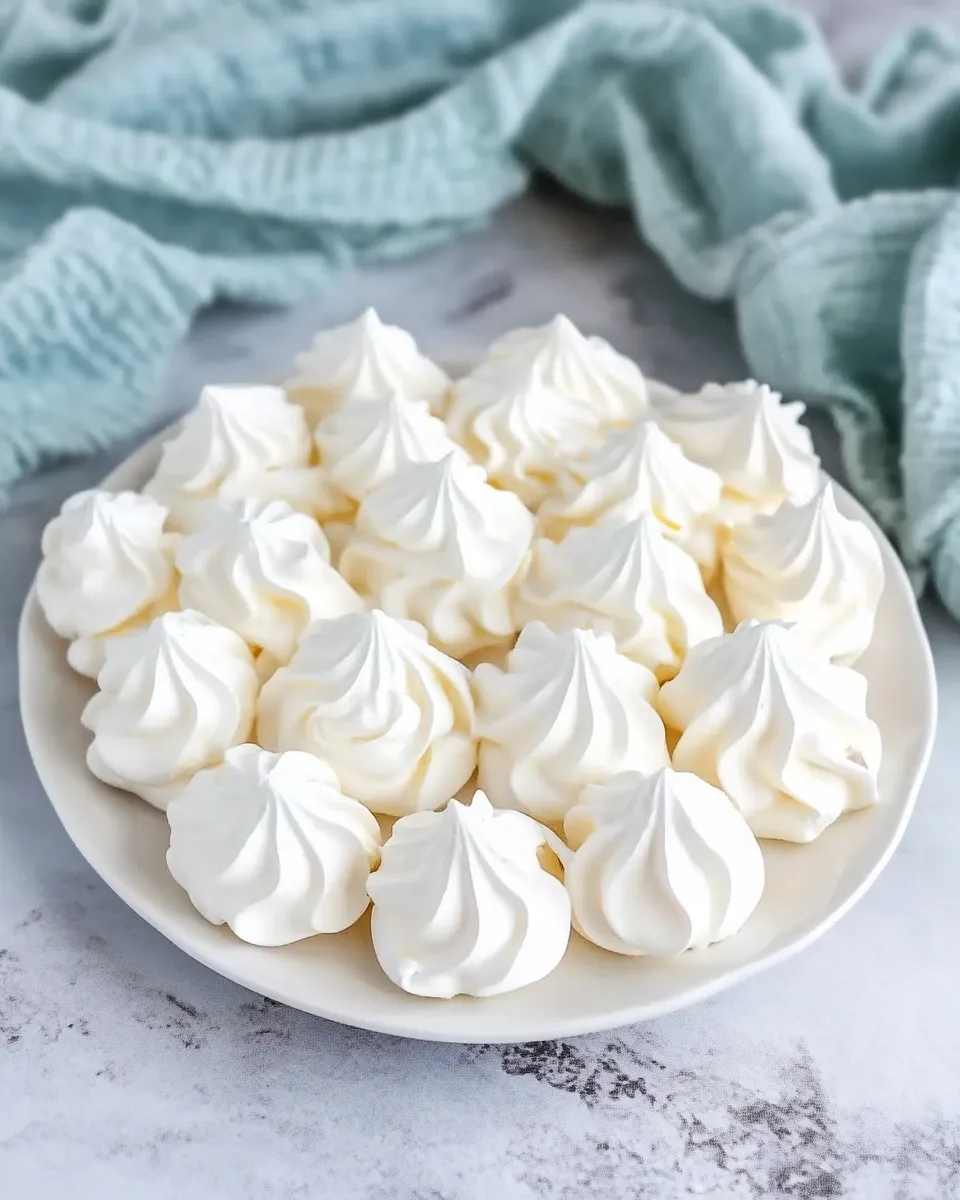
Buy the freshest eggs you can find; while freshness isn’t as critical as it is for some dishes, fresher whites whip up with more volume and stability. Pull the eggs out of the fridge an hour before you start so they reach room temperature—that helps the whites whip more easily.
For sugar, plain granulated sugar is the recipe’s source of truth. If you prefer, you can pulse the sugar briefly in a clean spice grinder to approach superfine consistency; that dissolves faster and helps avoid a gritty texture. Cream of tartar is inexpensive and keeps the whites stable as they whip, so don’t skip it unless you have a tested alternative on hand.
Finally, you’ll need a piping bag or a spoon and a sturdy sheet of parchment paper. A bowl free of any grease or yolk is crucial—metal or glass bowls work best. If you’ll be piping stars, buy a large open star tip; otherwise a plain round tip or a spoon will do.
Meringue Cookies: How It’s Done
- Preheat the oven to 225°F (110°C) and line a baking sheet with parchment paper.
- In a large bowl or the bowl of a stand mixer, combine 4 large egg whites, ½ teaspoon cream of tartar, and a pinch of salt. Beat on low speed until the mixture becomes foamy.
- Increase the mixer to high speed. Gradually add 1 cup sugar, 1 tablespoon at a time, waiting 15–20 seconds between each addition.
- Continue beating on high until the meringue is thick, glossy, and holds stiff peaks and the sugar is fully dissolved (test a small amount between your fingers—there should be no grit).
- Add 1 teaspoon vanilla extract and mix briefly just to combine.
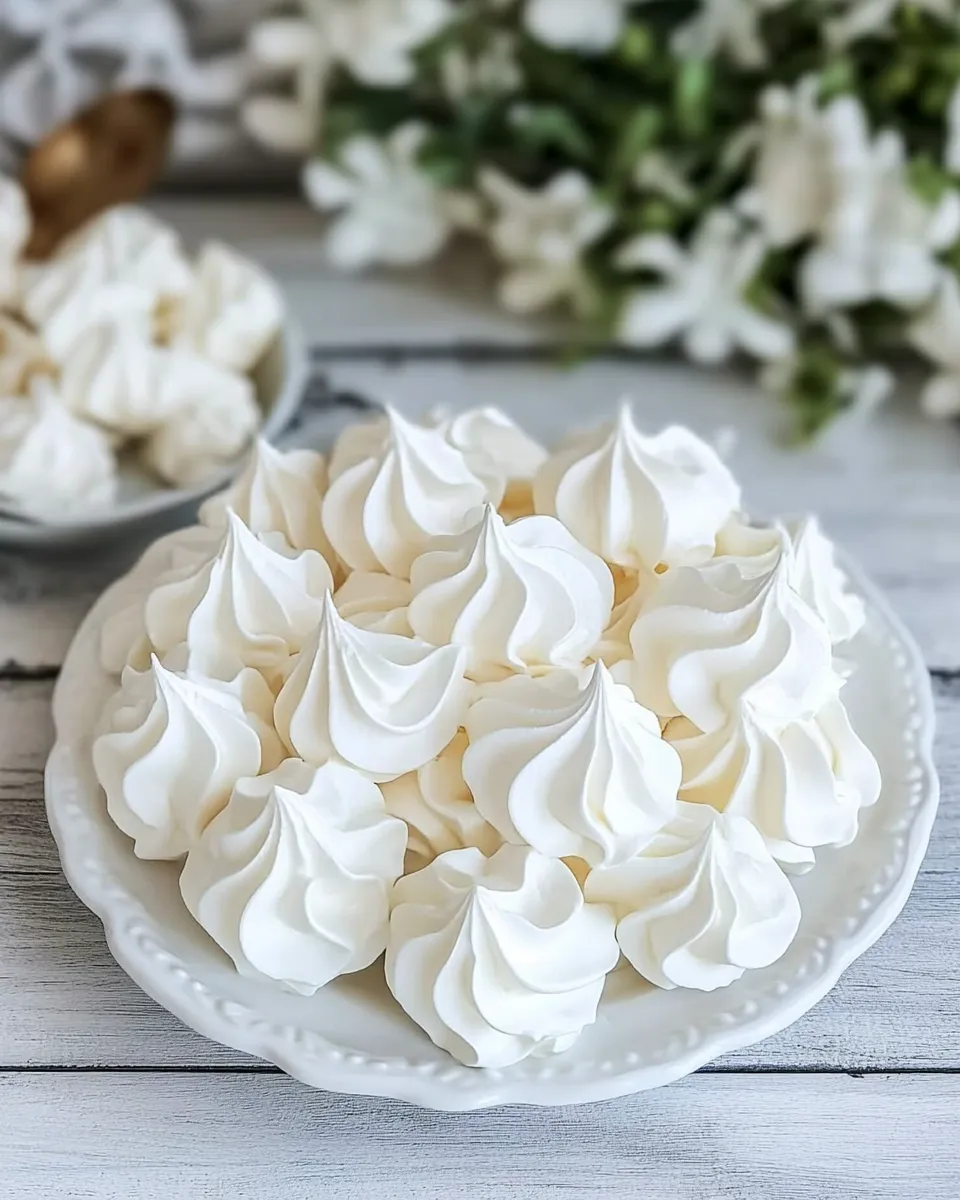
- Transfer the meringue to a large piping bag fitted with a large open star tip (or use a spoon). Pipe meringues onto the prepared baking sheet, spacing them 1½–2 inches apart.
- Bake at 225°F for 1 hour. After 1 hour, turn off the oven and leave the meringues in the oven to cool completely for 1–2 hours (do not remove them while they cool). The finished cookies should be crisp.
- If beads of moisture form on the meringues while they are baking, the oven temperature may be too low. Once fully cool, store the cookies in an airtight container to keep them from getting soggy.
Ingredients
- 4 large egg whites — room temperature egg whites whip more easily and give more volume.
- ½ teaspoon cream of tartar — stabilizes the egg whites so they hold their peaks and don’t weep.
- pinch salt — enhances flavor and helps the sugar balance the sweetness.
- 1 cup sugar — provides structure and the classic crisp, sweet texture of meringues; add slowly so it dissolves fully.
- 1 teaspoon vanilla extract — adds warm, familiar flavor; fold in at the end so it doesn’t deflate the meringue.
Why Cooks Rave About It
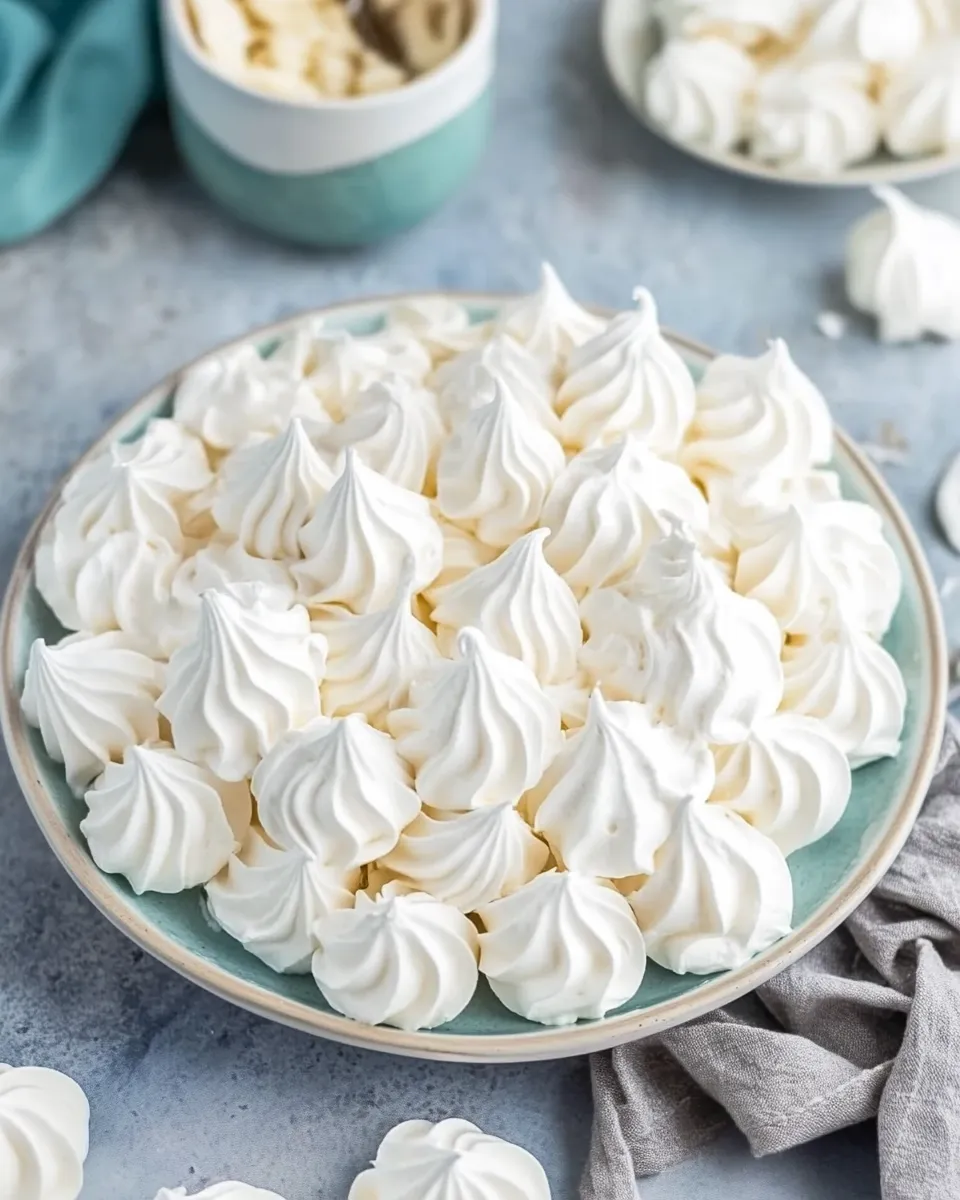
People love meringue cookies because a tiny ingredient list yields an elegant result: crisp exterior, light interior, and a sweet melt-in-your-mouth finish. They’re visually appealing and easy to portion, so they’re perfect for parties, bake sales, or an everyday treat with coffee. The technique is repeatable—get the basics right and you’ll have consistent results every time.
They’re also forgiving in terms of timing. Unlike butter-rich cookies, you don’t need to chill dough, and the slow-dry bake means you can make a batch and leave them in the oven to cool without babysitting. That low-and-slow method is what creates the crisp shell while keeping the interior tender.
Ingredient Flex Options
Keep in mind the recipe’s core chemistry: egg white + sugar + acid (cream of tartar) = structure. If you want to tweak anything, do it in a way that preserves those roles.
- Work with sugar as written; if your sugar is very coarse, briefly pulse it to a finer texture so it dissolves fully. This doesn’t change the ingredient, only the form.
- Vanilla is optional; omit it if you prefer no added flavor. Adding it at the end preserves volume.
- If you choose to scale the recipe, keep the same ratios—especially the sugar-to-white balance—to maintain stability.
Appliances & Accessories
Stand mixer or hand mixer: either works. A stand mixer is hands-off and consistent; a good-quality hand mixer will also get you to stiff peaks if you’re patient. Use a clean, dry metal or glass bowl—any trace of oil or yolk will prevent proper whipping.
Piping bag and tips: a large open star tip creates classic ridged meringues; a plain round tip or a spoon creates simple rounds. Parchment paper is essential for easy removal. A reliable oven thermometer is useful—oven temps vary, and meringues demand steady low heat.
Troubles You Can Avoid
Common problems and how to fix them
- Sticky or gummy centers — usually from not baking long enough or oven temperature too high. Follow the low 225°F bake and the cool-in-oven step exactly.
- Weeping or beads of moisture during baking — this can mean the oven temperature is too low or humidity is high. The recipe notes this: if beads form, raise the oven slightly or ensure a stable temperature.
- Grainy texture — sugar not fully dissolved. Add sugar slowly, one tablespoon at a time, and test a bit between fingers for grit.
- Whites won’t whip — check for any fat contamination. Use a fresh, clean bowl and make sure no yolk is present. Room temperature whites whip more readily.
- Collapsed meringue — overbeating can break the structure. Stop when you have thick, glossy peaks that hold shape.
Better-for-You Options
Meringues are primarily air and sugar with a little egg white, so they’re already a light dessert. If you’re watching portions, pipe smaller cookies—smaller meringues give the same pleasure with less sugar per serving. You can also use the recipe for plating: pair a small meringue with fresh fruit to add natural sweetness and portion control.
Because the ingredient list is short, small changes in portion size are the easiest way to make this feel lighter without altering the chemistry that gives meringues their texture.
Pro Perspective
Professional bakers focus on three things for perfect meringues: bowl cleanliness, sugar integration, and patience. Wipe the mixing bowl with a paper towel—no oil, cream, or even a speck of yolk. Add sugar slowly so it dissolves. And when it comes to baking, the long cool-down in the oven is non-negotiable; that last hour or two is what dries them out properly.
Tip: when testing for dissolved sugar, rub a little meringue between your thumb and forefinger. If it feels smooth there’s no grit. If it still feels grainy, keep beating. Also, pipe a small test meringue first to check oven behavior—especially handy if you’re trying a new oven or baking at a different altitude.
Cooling, Storing & Rewarming
Follow the bake + cool in oven method exactly. After the hour at 225°F, turning the oven off and leaving the meringues inside to cool slowly for 1–2 hours lets them dry out without cracking from rapid temperature change. Do not remove them until they’re completely cool.
Store completely cool meringues in an airtight container at room temperature. Keep them away from humidity and heat sources—moisture is the main enemy and will soften them quickly. If they soften over time, use them within a day or two for best texture.
Meringue Cookies Q&A
- Can I make these ahead? — Yes. Once fully cool, keep them airtight. Make them the day before a party for convenience.
- Can I color them? — Small amounts of gel color can be swirled into the piping bag. Use sparingly so you don’t disturb the structure.
- What size should I pipe? — Pipe 1–1½ inch rounds for bite-sized cookies, spacing 1½–2 inches apart as the recipe instructs.
- How do I know the sugar is dissolved? — The recipe gives the best test: rub a small bit between your fingers—no grit should remain.
- Why does the recipe call for slow cooling in the oven? — The gentle cool-down continues drying the meringue without shocking it, which prevents cracks and helps achieve a consistently crisp cookie.
The Last Word
Meringue cookies are a small investment for a big reward: minimal ingredients, straightforward technique, and a truly elegant result. Follow the steps carefully—clean bowl, gradual sugar addition, and the cool-in-oven finish—and you’ll have reliable, crisp cookies every time. Pipe them small for casual snacks or larger for plated desserts; either way, these meringues are a dependable, charming addition to your baking repertoire.

Easy Meringue Cookies
Ingredients
Ingredients
- 4 large egg whites room temperature
- 1/2 teaspooncream of tartar
- pinchsalt
- 1 cupsugar
- 1 teaspoonvanilla extract
Instructions
Instructions
- Preheat the oven to 225°F (110°C) and line a baking sheet with parchment paper.
- In a large bowl or the bowl of a stand mixer, combine 4 large egg whites, ½ teaspoon cream of tartar, and a pinch of salt. Beat on low speed until the mixture becomes foamy.
- Increase the mixer to high speed. Gradually add 1 cup sugar, 1 tablespoon at a time, waiting 15–20 seconds between each addition.
- Continue beating on high until the meringue is thick, glossy, and holds stiff peaks and the sugar is fully dissolved (test a small amount between your fingers—there should be no grit).
- Add 1 teaspoon vanilla extract and mix briefly just to combine.
- Transfer the meringue to a large piping bag fitted with a large open star tip (or use a spoon). Pipe meringues onto the prepared baking sheet, spacing them 1½–2 inches apart.
- Bake at 225°F for 1 hour. After 1 hour, turn off the oven and leave the meringues in the oven to cool completely for 1–2 hours (do not remove them while they cool). The finished cookies should be crisp.
- If beads of moisture form on the meringues while they are baking, the oven temperature may be too low. Once fully cool, store the cookies in an airtight container to keep them from getting soggy.
Equipment
- Large Bowl
- Stand mixer or hand mixer
- Baking Sheet
- Parchment Paper
- piping bag or spoon
- large open star tip (optional)
Notes
Use a large round tip to make smooth meringue kisses.
Use a large Ziploc with the corner snipped off if you don’t have a piping set.
Use a spoon to drop meringue mounds.