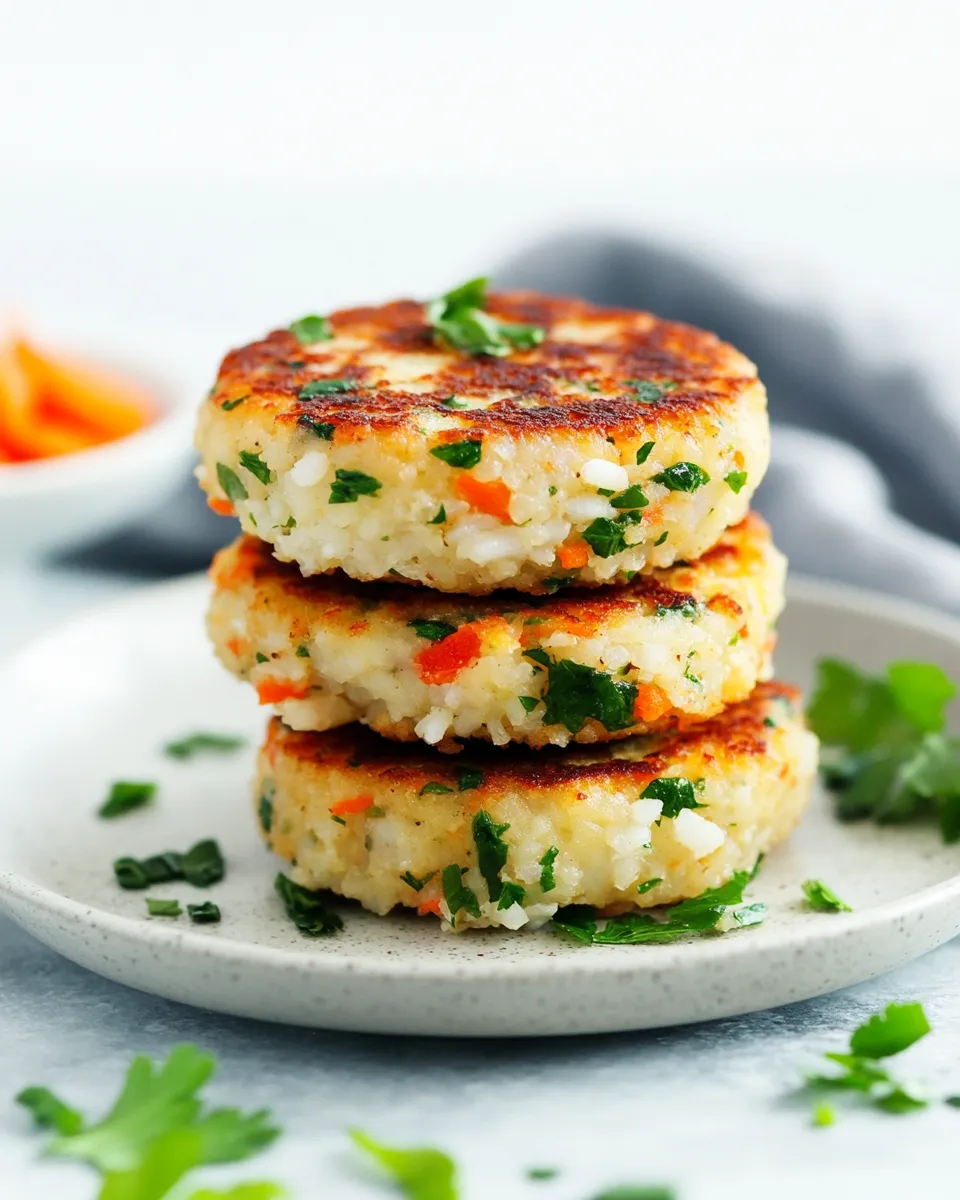
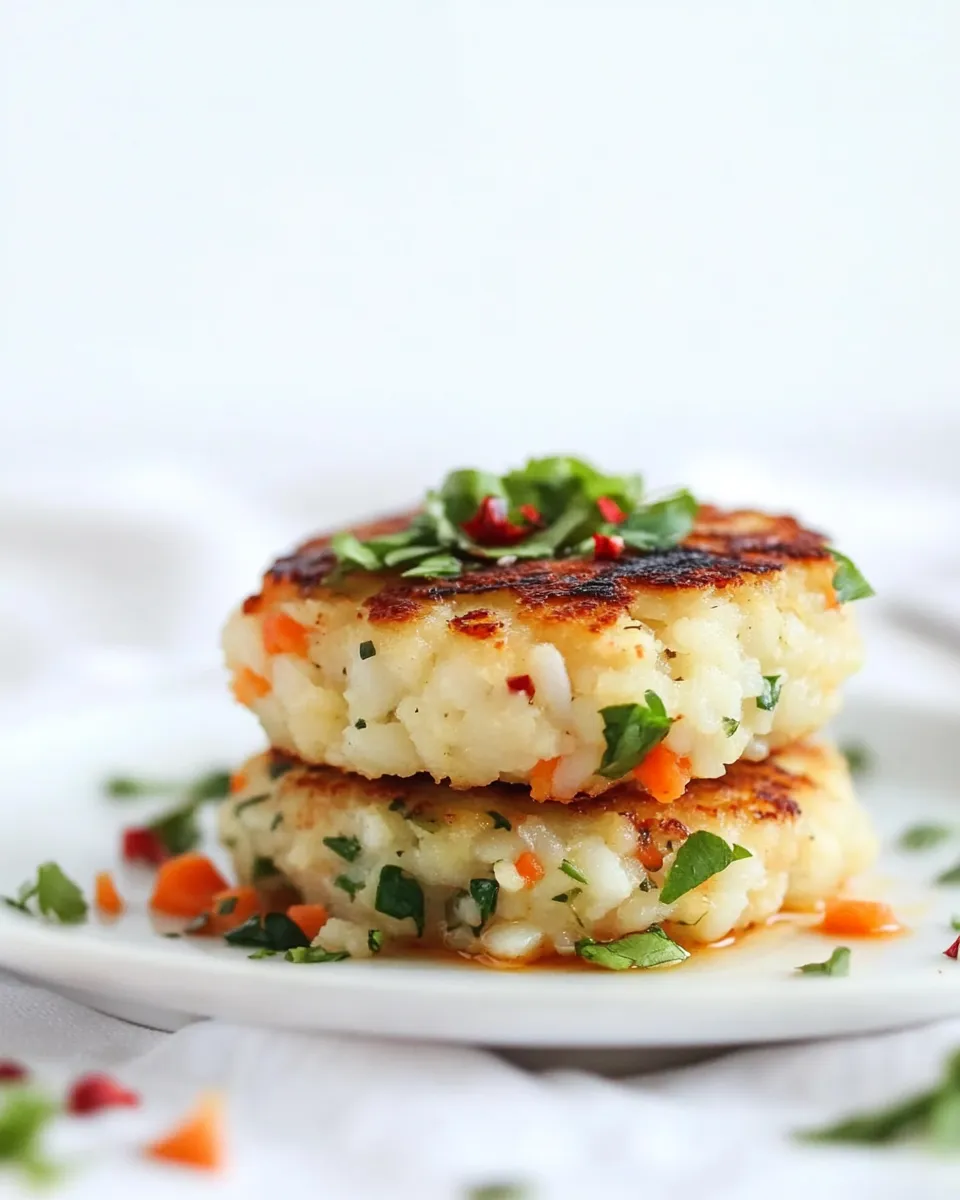
These potato cakes are my go-to when I want something comforting, simple, and plant-based that still feels special. They come together with pantry basics—potatoes, rice, carrots and onions—and finish with a golden, crispy exterior that makes everyone look twice. No complicated binders, no fuss. Just a little time and a hot skillet.
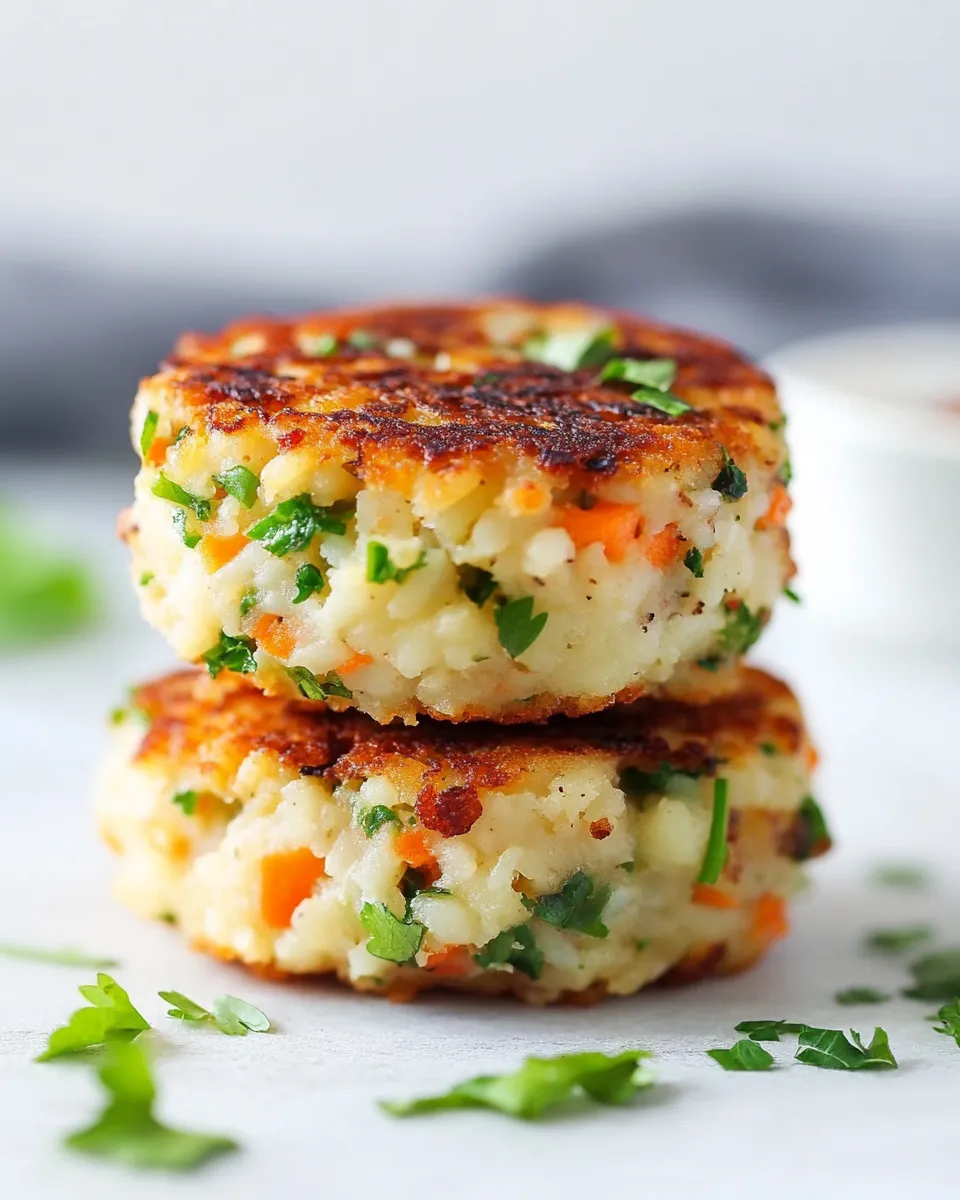
I love how forgiving this recipe is. The texture is soft inside and crisp outside; the carrots add sweetness and color, the rice gives a slight chew that keeps the cakes from turning mushy. They’re perfect for a quick weeknight, a weekend brunch, or packed in a lunchbox cold.
Below you’ll find a clear ingredient rundown, a step-by-step cooking guide using the exact method I follow, and plenty of practical tips: equipment, swaps, troubleshooting, and storing. Read once, then keep this bookmarked—these cakes will become a staple.
Ingredient Rundown
Ingredients
- 1 pound(450g)potatoesrussets, peeled — Starchy russets give the best texture for mash and help the cakes hold together.
- ½ cup(100g)riceuncooked — Short or long grain works; cooked rice adds body and a little chew to the cakes.
- 4teaspoonsvegetable oildivided — Divided for sautéing and frying; a neutral oil with a high smoke point is ideal.
- 2smallyellow onionsdiced — Sweetness and aromatics; sautéed until soft to blend into the mix.
- 2carrotspeeled and grated — Adds moisture, color, and natural sweetness.
- 5tablespoonsfresh parsley leaveschopped — Brightness and a fresh finish; fold in at the end so it stays vibrant.
- Saltto taste — Essential for seasoning; add gradually and taste as you mix.
Vegan Potato Cakes with Carrot and Rice Cooking Guide
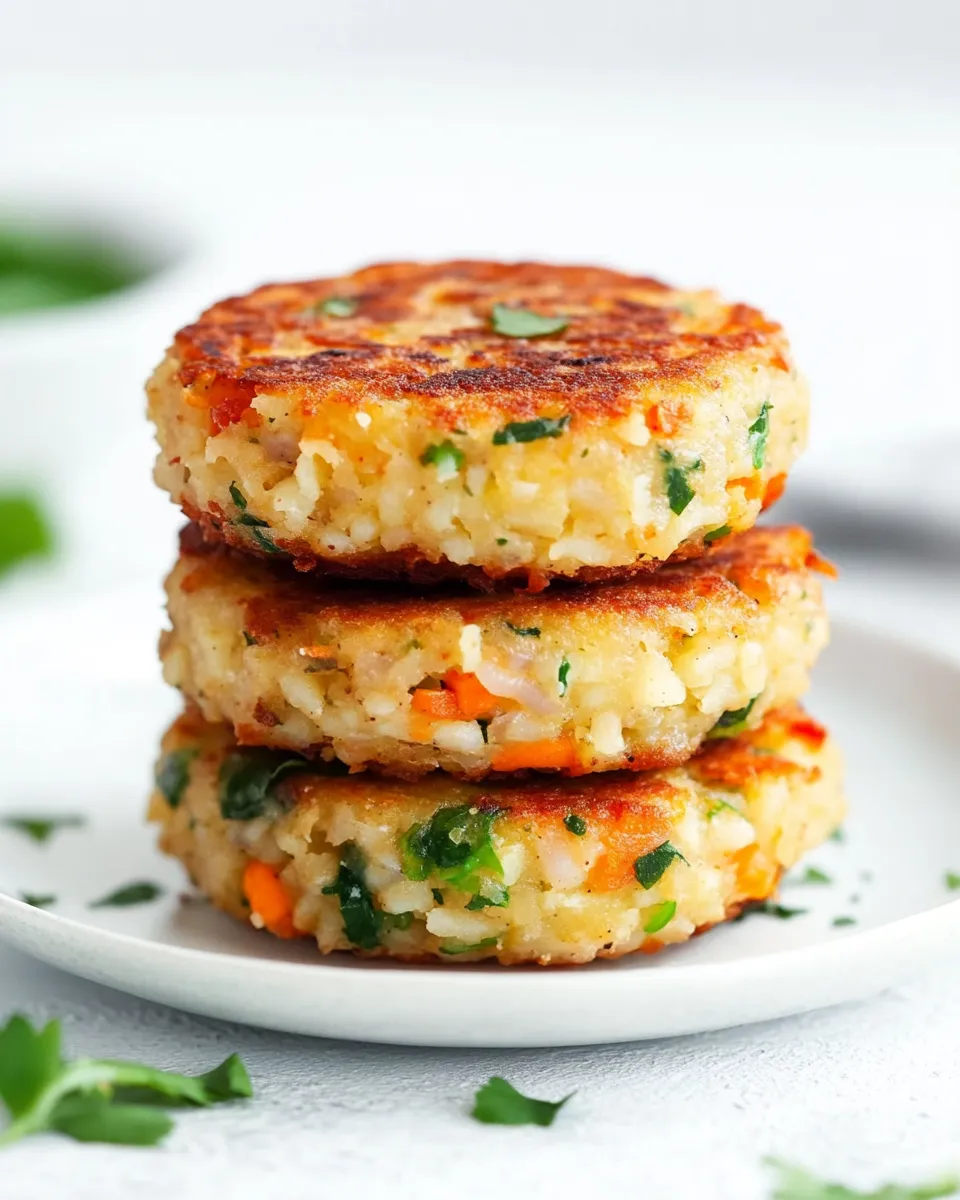
- Put the peeled potatoes in a saucepan, cover with cold water, bring to a boil, add salt to the boiling water, and cook until the potatoes are fork-tender (about 15–20 minutes depending on size). Drain and mash until smooth; set aside to cool slightly.
- Cook the ½ cup (100 g) uncooked rice following the package instructions. When done, drain any excess water if needed and let the rice cool slightly.
- Heat 2 teaspoons of the vegetable oil in a frying pan over medium heat. Add the diced onions and grated carrots and sauté until softened, about 5–7 minutes. Remove from heat and let cool slightly.
- In a large bowl, combine the mashed potatoes, cooked rice, sautéed onions and carrots, and the 5 tablespoons chopped parsley. Season with salt to taste. Mix gently but thoroughly until evenly combined.
- Divide the mixture into 14–16 equal portions. Shape each portion into a ball, then flatten each ball with your hands to form a patty (cake) about 3/4 inch thick. If the mixture feels very soft, you can chill the shaped cakes in the refrigerator for 15–20 minutes to firm them before frying (optional).
- Heat the remaining 2 teaspoons of vegetable oil in a nonstick or well-seasoned skillet over medium heat until shimmering.
- Fry the cakes in batches (do not overcrowd the pan) for 3–4 minutes on the first side, carefully flip, and cook for another 3 minutes on the second side, until both sides are golden and crispy. Handle gently to avoid breaking the soft cakes.
- Transfer cooked cakes to a paper towel–lined plate to drain briefly if desired. Serve warm or cold.
The Upside of Vegan Potato Cakes with Carrot and Rice
There’s a long list of reasons I keep this recipe in rotation. First, it’s economical—the ingredients are inexpensive and often already in the pantry. Second, it’s flexible: the mild base accepts herbs, spices, and sauces without overpowering them. Third, the texture is reliably pleasing; starchy potatoes plus rice keep the cakes from collapsing while staying tender.
They’re also versatile for serving. Eat them hot with a simple squeeze of lemon and chopped herbs, stack them with greens for a light lunch, or pair them with a tangy vegan yogurt or chutney at a weekend brunch. They reheat well and travel easily, which makes them great for meal prep or picnics.
What to Use Instead
- Potatoes: If you don’t have russets, you can use other starchy potatoes (e.g., Yukon Gold) for a creamier mash. Avoid waxy potatoes if you want a fluffy interior.
- Rice: Cooked grains like quinoa or millet can be used in place of rice for a nuttier bite—use cooked, cooled grains and fold in gently.
- Oil: Any neutral, high-smoke-point oil works for frying; choose oils you already enjoy for savory cooking.
- Onions/Carrots: Swap in shallots or leeks for a different aromatic profile; grated zucchini can substitute for carrots if squeezed of excess water first.
Equipment Breakdown
No fancy tools required. Here’s what I find helpful:
- Medium saucepan — For boiling potatoes. A snug fit prevents excess water loss.
- Small saucepan or rice cooker — For the rice. A rice cooker makes this step hands-off.
- Nonstick or well-seasoned skillet — Essential for frying so the cakes release easily.
- Mixing bowl — Large enough to fold everything without spilling.
- Potato masher — Smooth mash avoids lumps that can break the cakes.
- Grater — For the carrots. A box grater or food processor works fine.
Watch Outs & How to Fix
Too soft to shape
If your mixture won’t hold together when forming patties, chill the shaped cakes in the refrigerator for 15–20 minutes as suggested in the recipe. Cold firms the starches and makes handling easier.
Falling apart in the pan
Let the cakes set undisturbed for the full 3–4 minutes on the first side so they form a crust before flipping. Use a thin spatula and flip gently. If they still fall apart, they likely needed more chill time or the pan wasn’t hot enough to create that initial crust.
Burning before cooked through
If the exterior is browning too fast, lower the heat slightly. You want a medium heat that crisps but still allows the center to warm through without overbrowning.
Soggy texture
Overly wet ingredients can lead to soggy cakes. Make sure cooked rice is drained well, and if using zucchini or a watery vegetable, squeeze out excess moisture before mixing.
Dietary Swaps & Alternatives
- To make gluten-free: The base is naturally gluten-free as written. Just ensure no cross-contaminated ingredients in your pantry.
- To reduce oil: Pan-fry with less oil and finish in a 400°F (200°C) oven for a few minutes to crisp the top.
- To boost protein: Fold in cooked lentils or finely chopped tempeh, but do this without adding liquid and adjust seasoning.
- To increase greens: Stir in chopped spinach, kale, or chard that’s been wilted and squeezed dry.
What Could Go Wrong
Even a simple recipe has pitfalls. The most common issues are texture-related: too loose, too dry, or uneven frying. These usually come down to temperature, moisture control, and timing.
Another risk is underseasoning. Potatoes and rice are bland on their own. Be generous with salt while mashing and taste the mixture before shaping. If additions like herbs or acid (lemon) are missing, the cakes will taste flat.
Finally, overcrowding the pan is a frequent mistake. Too many cakes at once drops the pan temperature and prevents a crisp crust. Fry in batches and keep cooked ones on a wire rack or paper towel-lined plate while you finish the rest.
Storing, Freezing & Reheating
Storing: Cool cakes completely before storing. Refrigerate in a sealed container for up to 3–4 days. Lay parchment between layers to stop sticking.
Freezing: Flash-freeze the shaped or cooked cakes on a tray until solid, then transfer to a freezer-safe bag or container. They hold well for up to 2 months. Freeze uncooked or cooked—both work. If freezing uncooked, thaw overnight in the fridge before frying; if frozen cooked, reheat from frozen.
Reheating: For best texture, reheat in a skillet over medium heat with a splash of oil until warmed through and crisp. You can also oven-reheat at 375°F (190°C) for 8–10 minutes. Microwaving is fastest but will soften the crust; if you must use a microwave, finish in a hot skillet for a minute to restore some crispness.
Your Questions, Answered
- Can I make these ahead? Yes. Shape and refrigerate up to a day before frying, or fully cook and refrigerate or freeze for later.
- Can I bake instead of frying? You can bake them on a lined sheet at 400°F (200°C) until golden, flipping once. Expect less browning than pan-frying but an easier hands-off method.
- Do I need to peel the potatoes? The recipe calls for peeled potatoes for a smoother mash. Leaving skins on will change texture and color but is fine if you prefer more rustic cakes.
- How do I keep them crisp after frying? Drain briefly on paper towels or a wire rack. Serve soon after frying. If holding for a short period, keep in a warm oven (about 200°F / 95°C) on a rack so steam escapes and they stay crisp.
- Are these freezer-friendly? Yes—see the freezing section above. They reheat well from frozen or thawed.
That’s a Wrap
These Vegan Potato Cakes with Carrot and Rice are the kind of recipe I make when I want something honest and satisfying without a fuss. They’re straightforward to scale, forgiving to tweak, and comforting enough to serve any time of day. Keep salt handy, don’t rush the crust, and be bold with toppings and herbs.
If you try them, let me know how you served them—stacked with greens, dolloped with a bright chutney, or packed cold in a lunchbox. Small changes make them feel new every time.
Vegan Potato Cakes with Carrot and Rice
Ingredients
Ingredients
- ?1 pound 450 gpotatoesrussets, peeled
- ?1/2 cup 100 griceuncooked
- ?4 teaspoonsvegetable oildivided
- ?2 smallyellow onionsdiced
- ?2 carrotspeeled and grated
- ?5 tablespoonsfresh parsley leaveschopped
- ?Saltto taste
Instructions
Instructions
- Put the peeled potatoes in a saucepan, cover with cold water, bring to a boil, add salt to the boiling water, and cook until the potatoes are fork-tender (about 15–20 minutes depending on size). Drain and mash until smooth; set aside to cool slightly.
- Cook the ½ cup (100 g) uncooked rice following the package instructions. When done, drain any excess water if needed and let the rice cool slightly.
- Heat 2 teaspoons of the vegetable oil in a frying pan over medium heat. Add the diced onions and grated carrots and sauté until softened, about 5–7 minutes. Remove from heat and let cool slightly.
- In a large bowl, combine the mashed potatoes, cooked rice, sautéed onions and carrots, and the 5 tablespoons chopped parsley. Season with salt to taste. Mix gently but thoroughly until evenly combined.
- Divide the mixture into 14–16 equal portions. Shape each portion into a ball, then flatten each ball with your hands to form a patty (cake) about 3/4 inch thick. If the mixture feels very soft, you can chill the shaped cakes in the refrigerator for 15–20 minutes to firm them before frying (optional).
- Heat the remaining 2 teaspoons of vegetable oil in a nonstick or well-seasoned skillet over medium heat until shimmering.
- Fry the cakes in batches (do not overcrowd the pan) for 3–4 minutes on the first side, carefully flip, and cook for another 3 minutes on the second side, until both sides are golden and crispy. Handle gently to avoid breaking the soft cakes.
- Transfer cooked cakes to a paper towel–lined plate to drain briefly if desired. Serve warm or cold.
Equipment
- Saucepan
- Frying Pan
- Large Bowl
- skillet (nonstick or well-seasoned)
- Paper Towels
Notes
Fully cook the rice before adding it to the mixture.
Make patties that are not too big. Big patties start to break and won’t easily cook through.
You could add different herbs to the patties, I’ve added parsley this time but I also add dill or chives sometimes.
When shallow frying the potato cakes, fry on medium heat until the patties start to crisp as the crispy exterior is what’s so special about these potato fritters.