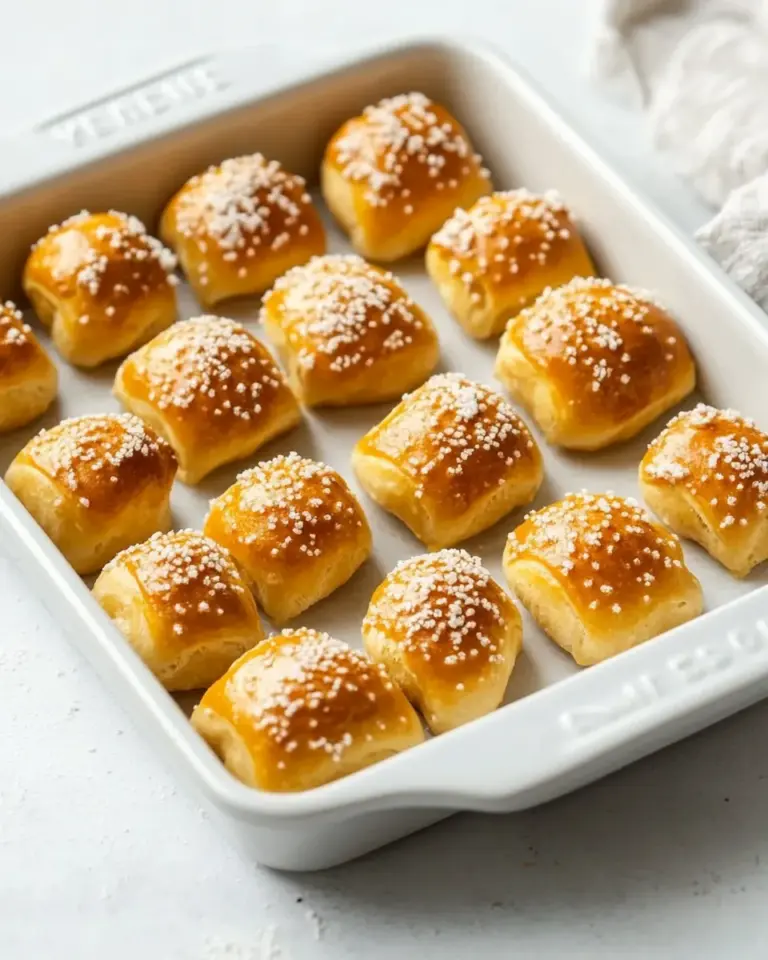
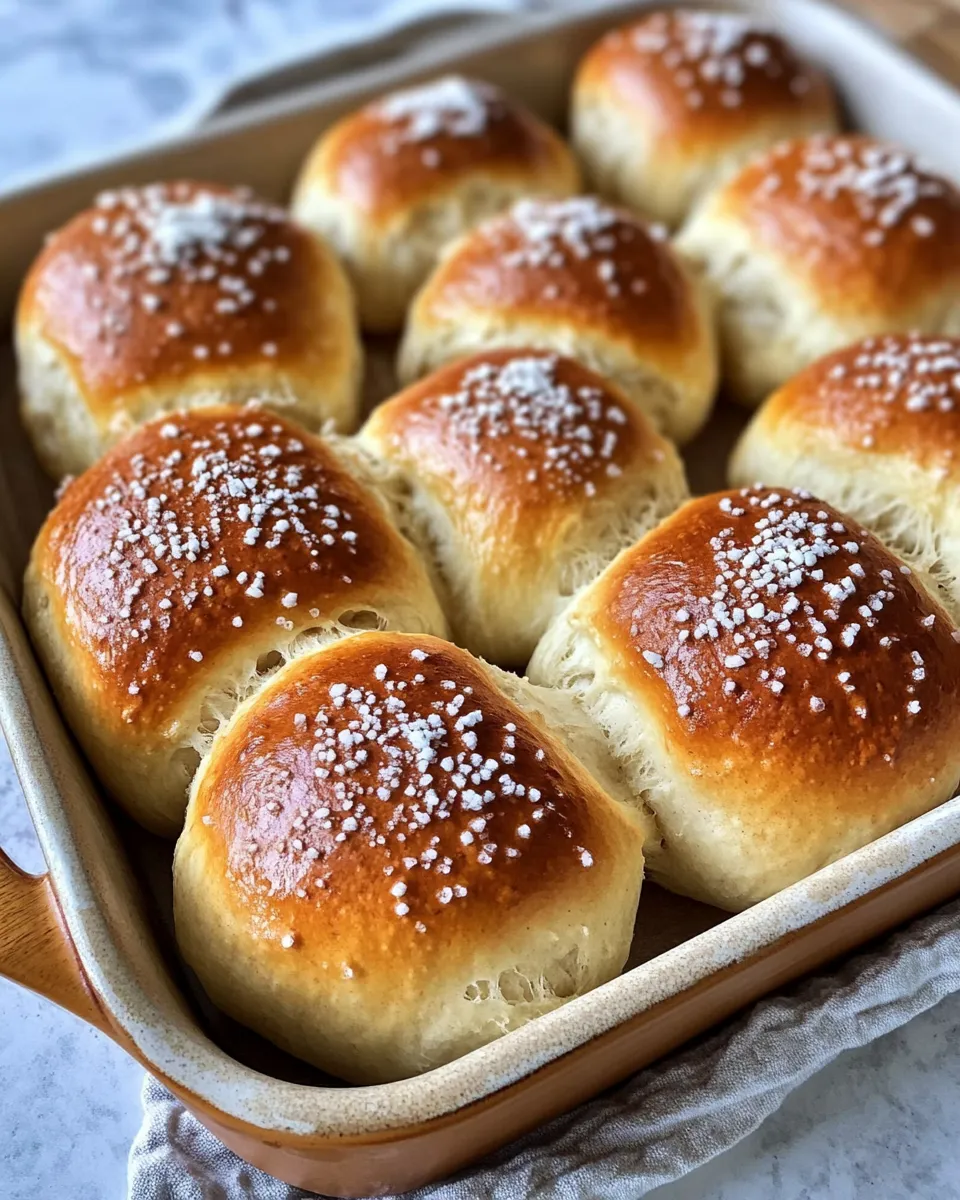
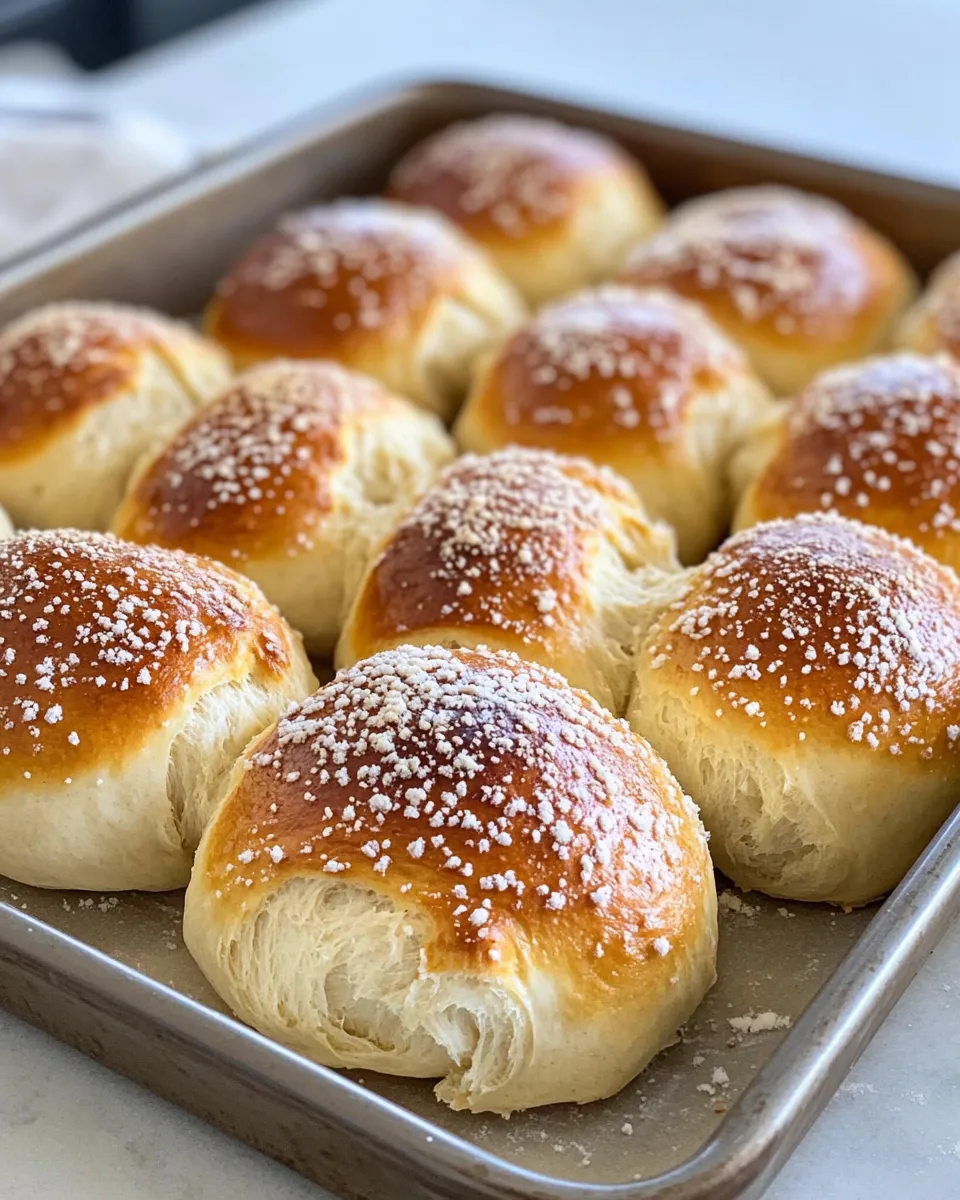
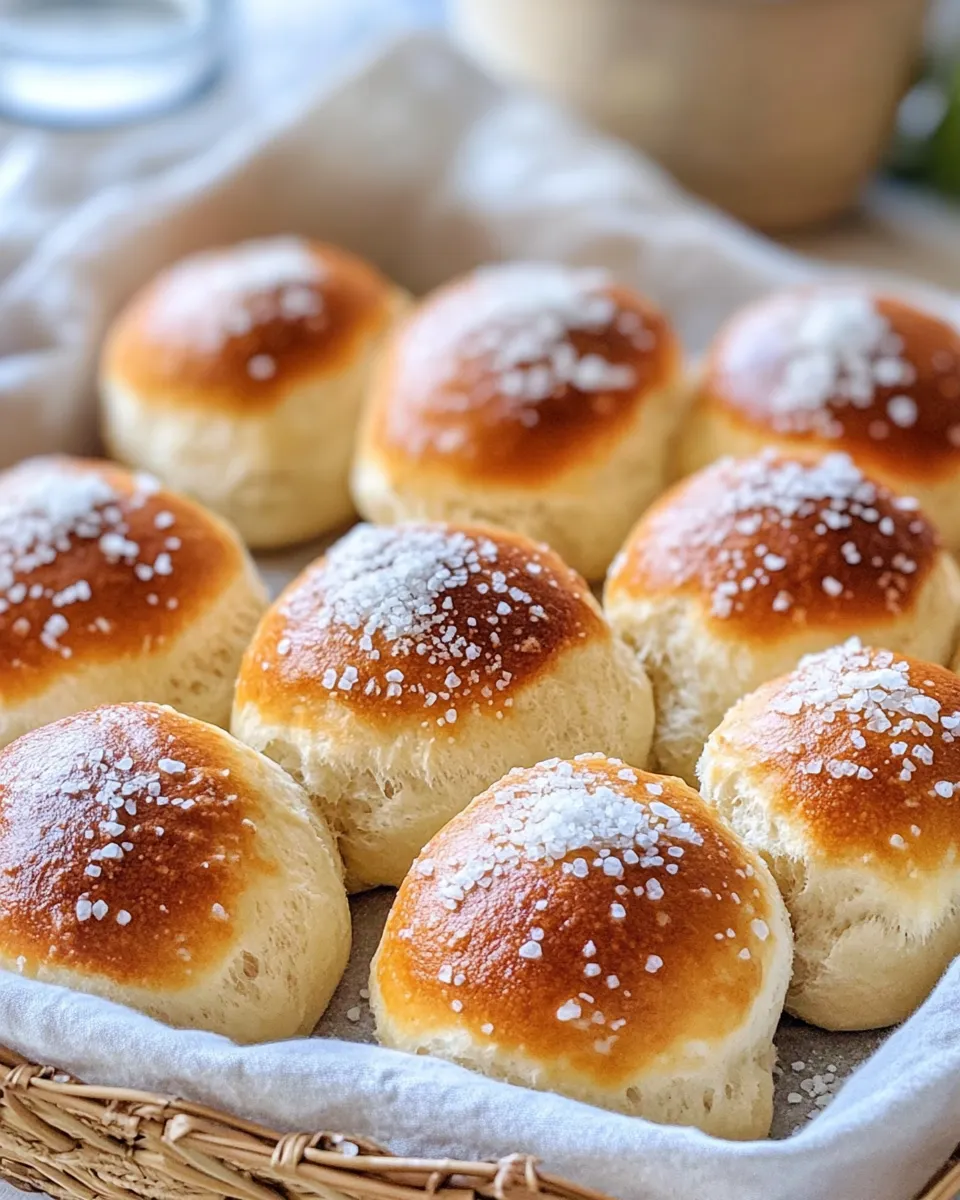
These pretzel rolls are the kind of bread I reach for when I want something with a glossy, chewy crust and a soft, yielding interior. They take a bit of hands-on time, but the method is straightforward: an enriched dough, a quick rise, a baking-soda boil for that classic pretzel crust, and a golden egg wash. The result is bakery-style rolls that work for sandwiches, dinner sides, or just warm with butter.
I’ll walk you through the exact recipe I use, step by step, and why each stage matters. There are no tricks here—just clear instructions and practical tips so your rolls come out consistent and delicious every time. If you bake often, you’ll appreciate how reliably these behave; if you’re newer to bread, I’ll point out the moments to pay attention to.
Keep this post handy while you bake. I’ve included the ingredient list with short notes, the full method verbatim from the source directions, equipment suggestions, common pitfalls to avoid, and sensible storage and adaptation ideas. Ready? Let’s get to the dough.
Ingredient Breakdown
Ingredients
- 1 1/2 cups warm water — hydrates the dough and activates the yeast; warm (not hot) is important for yeast activation.
- 2 tablespoons light brown sugar — feeds the yeast and adds a slight caramel note to the crust.
- 1 package active dry yeast (2 1/4 teaspoons) — the leavening agent; ensure it’s not expired for reliable rise.
- 6 tablespoons unsalted butter, melted — enriches the dough for tenderness and flavor; melted butter mixes in easily.
- 2 1/2 teaspoons kosher salt — seasons the dough; keeps gluten structure balanced.
- 4 1/2 to 5 cups all-purpose flour — the bulk of the structure; start with 4 1/2 and add up to 5 cups as needed for dough consistency.
- Oil, for greasing bowl — prevents the dough from sticking during the first rise.
- 1/3 cup baking soda, for boiling the pretzel rolls — creates the alkaline bath that gives pretzels their distinctive crust and color.
- 1 large egg — makes the egg wash that helps the rolls brown nicely.
- 1 tablespoon cold water — thins the egg for an even brush-on glaze.
- Coarse sea salt, for sprinkling on top of the rolls — the classic finishing touch; add to taste after the egg wash.
Cook Pretzel Rolls Like This
- In the bowl of a stand mixer fitted with the dough hook, combine 1 1/2 cups warm water, 2 tablespoons light brown sugar, 1 package active dry yeast (2 1/4 teaspoons), and 6 tablespoons unsalted butter, melted. Mix briefly until combined, then let sit 5 minutes to allow the yeast to begin activating.
- Add 2 1/2 teaspoons kosher salt and 4 1/2 to 5 cups all-purpose flour to the mixer. Mix on low speed until the flour is incorporated.
- Increase the mixer speed to medium and knead until the dough is smooth and begins to pull away from the sides of the bowl, about 3 to 4 minutes. If the dough seems too wet, add additional flour, 1 tablespoon at a time, until it reaches the described consistency.
- Turn the dough out onto a clean work surface and knead briefly by hand to form a smooth ball.
- Grease a large bowl with oil. Place the dough in the greased bowl, turning once to coat all sides with oil. Cover the bowl with a clean towel or plastic wrap and place in a warm, draft-free spot until the dough doubles in size, about 1 hour.
- Preheat the oven to 400°F. Line the bottom of a 9×13-inch baking pan with parchment paper and spray or grease the pan; set aside.
- Once the dough has doubled, punch it down and transfer it to a lightly floured surface. Using a sharp knife or bench scraper, divide the dough into 12 equal pieces (about 3 ounces each). Shape each piece into a smooth round roll.
- Fill a large pot with enough water so the rolls can float, add 1/3 cup baking soda, and bring to a rapid boil.
- Working in batches (about 2 rolls at a time to avoid crowding), carefully lower the rolls into the boiling baking-soda water and boil for 30 seconds. Remove each roll with a slotted spoon, let excess water drip off, and transfer to a wire rack or a lightly floured surface while you boil the remaining rolls.
- Place the boiled rolls in the prepared baking pan, arranging them close together. With a very sharp knife or a bread lame, score an X on the top of each roll.
- In a small bowl, whisk together 1 large egg and 1 tablespoon cold water. Brush the tops of the rolls with the egg wash, then sprinkle generously with coarse sea salt.
- Bake in the preheated 400°F oven for 22 to 27 minutes, or until the rolls are deep golden brown.
- Remove the pan from the oven and let the rolls sit for 5 minutes. Serve warm.
Why I Love This Recipe
These rolls hit the sweet spot between soft interior and chewy, glossy crust. The baking-soda bath is the magic step: it gelatinizes the surface starches and helps the Maillard reaction produce that deep brown color and slightly chewy bite. Because the rolls are placed close together in the pan they bake into wonderfully soft-sided buns—perfect for sandwiches where you want a tender interior rather than a fully crusted roll.
The recipe is forgiving. The dough comes together quickly in a mixer and needs only a brief knead. The timing is practical for a weekend bake: about an hour for the first rise and minimal hands-on time for shaping and boiling. And once you have these rolls down, you’ll find yourself using the method for all kinds of enriched breads.
Easy Ingredient Swaps
Small, sensible swaps can be made without changing the method:
- Replace unsalted butter with salted butter if that’s what you have; you may want to reduce the kosher salt slightly to taste.
- If you only have instant yeast, it will work—add it directly with the flour and skip the 5-minute activation step. (The rise will be similar in most kitchens.)
- For a softer crumb, substitute up to half of the all-purpose flour with bread flour for a bit more chew and structure.
- Swap coarse sea salt for pretzel salt, kosher flake, or even flaky Maldon for a different finishing texture—use as much or as little as you like.
Before You Start: Equipment
- Stand mixer with dough hook — makes kneading quick and consistent (you can knead by hand if needed).
- Large mixing bowl — for the first rise; greased lightly with oil.
- 9×13-inch baking pan and parchment paper — that close arrangement helps the rolls rise upward and stay soft on the sides.
- Large, heavy pot — for the baking-soda boil; it should fit a few rolls at a time without crowding.
- Slotted spoon or spider — for lowering and removing rolls from the boiling water.
- Wire rack — to drain rolls briefly between boiling and baking.
- Sharp knife or bread lame — for scoring the X on each roll cleanly.
- Basting brush — to apply the egg wash evenly.
Steer Clear of These
Don’t skip the baking-soda bath. It’s essential for the signature pretzel crust and color. Boiling the rolls in plain water will not produce the same result.
Avoid overcrowding the boiling pot. If rolls are jammed together they won’t develop an even surface or may stick. Boil in batches so each roll can float freely for the full 30 seconds.
Don’t bake at a much higher temperature to “speed things up.” The 400°F oven and the 22–27 minute window are tuned to develop the interior crumb while giving the crust time to color deeply. Higher heat risks an underbaked center or burnt surface.
Adaptations for Special Diets
Vegan
Swap melted unsalted butter for a neutral vegetable oil or vegan butter. Replace the egg wash with a plant-based milk (soy or oat) thinned with a little water, or use a mix of aquafaba and water to mimic the sheen. Keep in mind the egg wash contributes to browning, so plant-based alternatives won’t be identical but will still yield tasty rolls.
Gluten-Free
Traditional pretzel rolls rely on gluten for structure, so a direct 1:1 swap won’t produce the same texture. If you need gluten-free rolls, use a trusted gluten-free bread flour blend and follow a recipe formulated for that flour, including any recommended binders like xanthan gum. Expect a different crumb and adjust liquid as required by the blend.
Lower Sodium
Reduce the 2 1/2 teaspoons kosher salt in the dough slightly, and be conservative with the coarse finishing salt. Remember that pretzels often have a salty topping—omit or lightly sprinkle if you’re watching sodium.
Behind-the-Scenes Notes

The baking-soda bath does two things: it raises surface pH and gelatinizes the exterior starch, which primes the crust for deep browning once it hits the oven. That chemical change is what separates a pretzel crust from an ordinary roll crust.
Shaping into smooth rounds matters because a tight surface tension encourages a neat rise and a uniform crust. When you score the X on top, you’re giving a controlled release point so the roll expands predictably rather than bursting in random spots.
If your dough seems very sticky after mixing, resist adding large amounts of flour at once. Add a tablespoon at a time and rely on a slightly tacky dough—the 3–4 minute mixer knead described will develop gluten quickly. Over-flouring leads to dense rolls.
Storing Tips & Timelines
Room temperature: Store cooled rolls at room temperature in a sealed container or resealable bag for up to 2 days. They’ll lose some surface crispness but remain soft inside.
Refrigerator: Not recommended for longer storage; refrigeration can dry bread out and accelerate staling.
Freezer: Cool completely, then wrap individually in plastic and place in a freezer-safe bag for up to 3 months. Reheat from frozen in a 350°F oven for 10–12 minutes, or thaw at room temperature and refresh in a warm oven for 5–8 minutes.
Reheat: For best results, briefly warm rolls in a 350°F oven for 5–8 minutes or microwave for 10–15 seconds if you’re short on time. For a refreshed crust, mist lightly with water and heat in the oven for a couple of minutes.
Quick Q&A
Q: Can I make the dough the night before?
A: Yes. After kneading, place the dough in an oiled bowl, cover tightly, and refrigerate overnight. Bring it to room temperature and let it finish the rise before shaping. Cold retardation can improve flavor.
Q: Why is the baking soda amount so much (1/3 cup)?
A: Pretzel baths require a higher alkalinity than typical cooking uses. The 1/3 cup in a large pot of water produces a surface reaction that creates the signature crust and color. Use the quantity specified for best results.
Q: My rolls are browning unevenly—what gives?
A: Check oven temperature accuracy with a thermometer. Also make sure the egg wash was applied evenly and that rolls were spaced uniformly in the pan. Rotate the pan halfway through baking for consistent color if your oven has hot spots.
Serve & Enjoy
These rolls are versatile. Serve them warm with salted butter, use them for classic deli sandwiches, or pair with strong mustard for dipping. They also make excellent sliders—fill with roasted vegetables and melted cheese or sliced roast beef for a crowd-pleasing plate.
Make a simple meal of them: a bowl of soup and a pretzel roll is deeply satisfying. Or split one and add ham, Swiss, and a smear of mustard for a quick lunch. Whatever you choose, warm them slightly before serving for the best experience.
Pretzel Rolls
Ingredients
Ingredients
- 1 1/2 cupswarm water
- 2 tablespoonslight brown sugar
- 1 package active dry yeast 2 1/4 teaspoons
- 6 tablespoonsunsalted butter melted
- 2 1/2 teaspoonskosher salt
- 4 1/2 to 5 cupsall-purpose flour
- Oil for greasing bowl
- 1/3 cupbaking soda for boiling the pretzel rolls
- 1 large egg
- 1 tablespooncold water
- Coarse sea salt for sprinkling on top of the rolls
Instructions
Instructions
- In the bowl of a stand mixer fitted with the dough hook, combine 1 1/2 cups warm water, 2 tablespoons light brown sugar, 1 package active dry yeast (2 1/4 teaspoons), and 6 tablespoons unsalted butter, melted. Mix briefly until combined, then let sit 5 minutes to allow the yeast to begin activating.
- Add 2 1/2 teaspoons kosher salt and 4 1/2 to 5 cups all-purpose flour to the mixer. Mix on low speed until the flour is incorporated.
- Increase the mixer speed to medium and knead until the dough is smooth and begins to pull away from the sides of the bowl, about 3 to 4 minutes. If the dough seems too wet, add additional flour, 1 tablespoon at a time, until it reaches the described consistency.
- Turn the dough out onto a clean work surface and knead briefly by hand to form a smooth ball.
- Grease a large bowl with oil. Place the dough in the greased bowl, turning once to coat all sides with oil. Cover the bowl with a clean towel or plastic wrap and place in a warm, draft-free spot until the dough doubles in size, about 1 hour.
- Preheat the oven to 400°F. Line the bottom of a 9×13-inch baking pan with parchment paper and spray or grease the pan; set aside.
- Once the dough has doubled, punch it down and transfer it to a lightly floured surface. Using a sharp knife or bench scraper, divide the dough into 12 equal pieces (about 3 ounces each). Shape each piece into a smooth round roll.
- Fill a large pot with enough water so the rolls can float, add 1/3 cup baking soda, and bring to a rapid boil.
- Working in batches (about 2 rolls at a time to avoid crowding), carefully lower the rolls into the boiling baking-soda water and boil for 30 seconds. Remove each roll with a slotted spoon, let excess water drip off, and transfer to a wire rack or a lightly floured surface while you boil the remaining rolls.
- Place the boiled rolls in the prepared baking pan, arranging them close together. With a very sharp knife or a bread lame, score an X on the top of each roll.
- In a small bowl, whisk together 1 large egg and 1 tablespoon cold water. Brush the tops of the rolls with the egg wash, then sprinkle generously with coarse sea salt.
- Bake in the preheated 400°F oven for 22 to 27 minutes, or until the rolls are deep golden brown.
- Remove the pan from the oven and let the rolls sit for 5 minutes. Serve warm.
Equipment
- stand mixer fitted with dough hook
- Large Bowl
- 9x13-inch baking pan
- Parchment Paper
- Large Pot
- Slotted Spoon
- Wire Rack
- sharp knife or bread lame
- Small Bowl
- Pastry Brush
- bench scraper (optional)
Notes
Store pretzel rolls in an airtight container for up to 3 days. You can also freeze the rolls for up to 2 months.