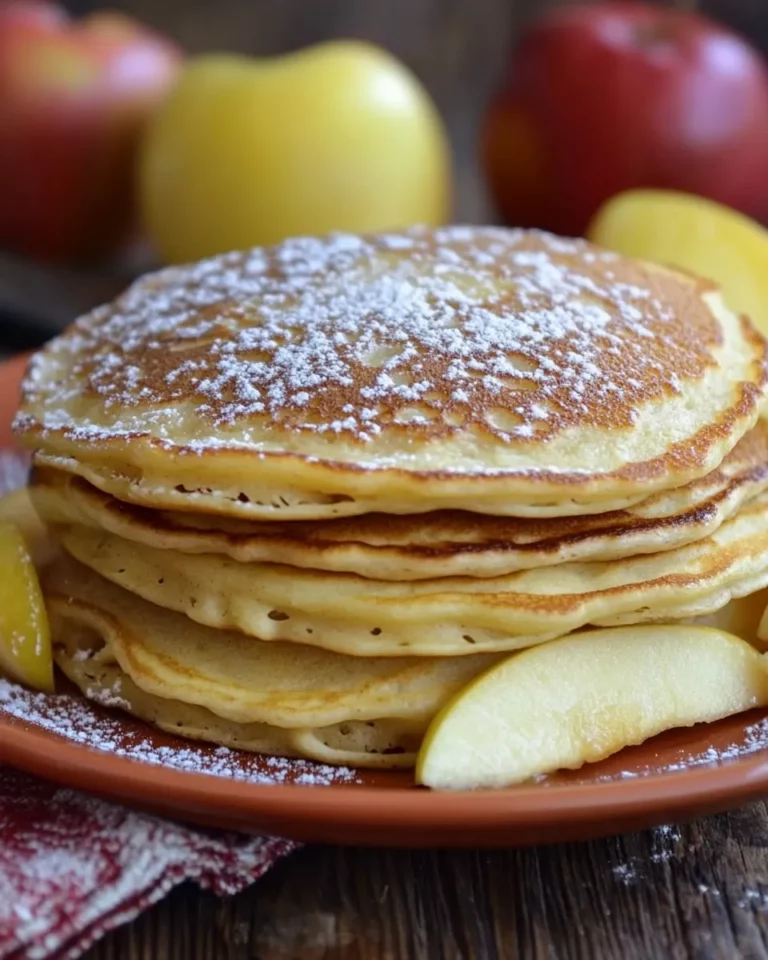
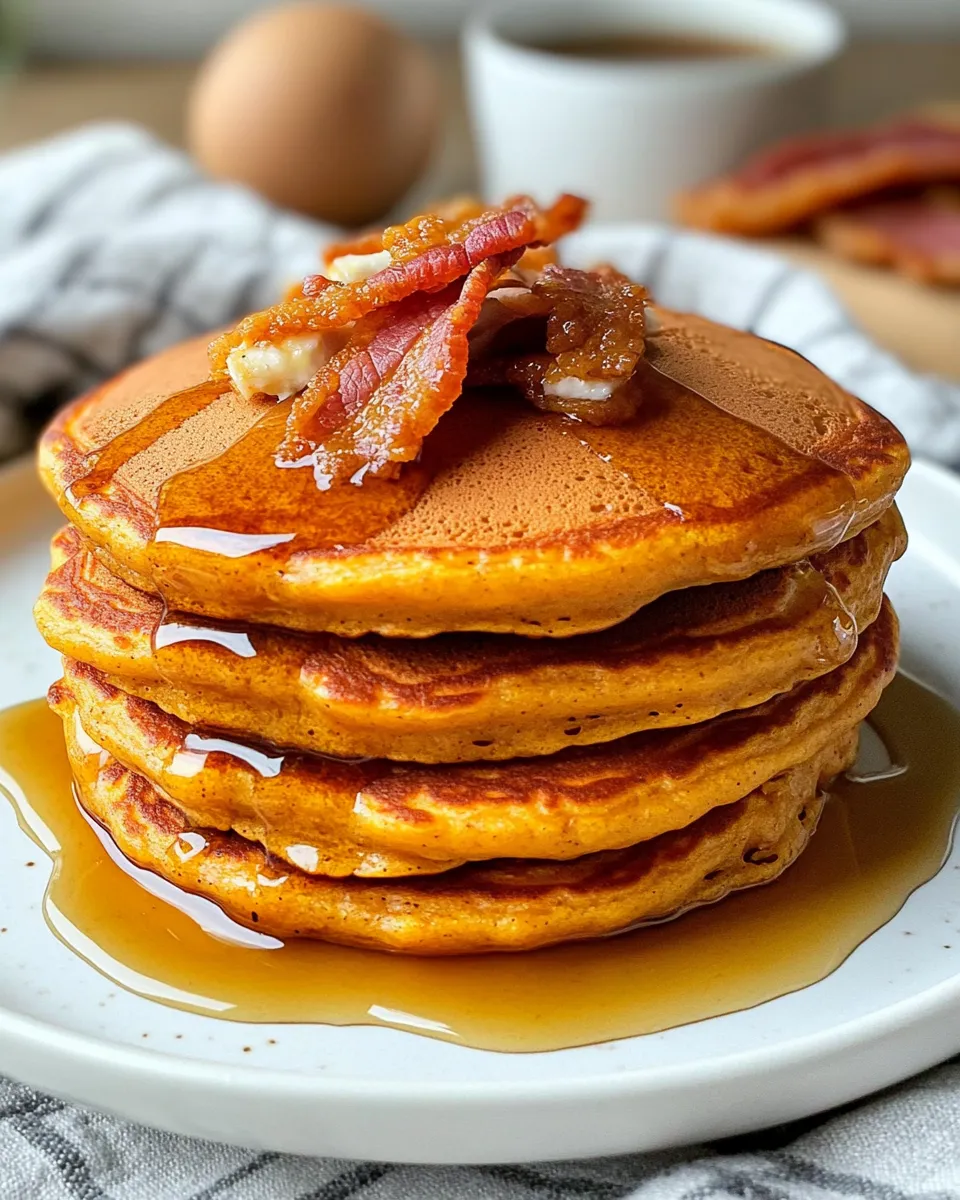
These pancakes are the kind of recipe I turn to when I want something cozy, fast, and reliably delicious. They bring together the warm spices of fall with the tang of buttermilk and a tender crumb that holds up to maple syrup, butter, or a dollop of yogurt. No gimmicks—just a straightforward batter and a hot skillet.
I like recipes that respect the home cook’s time and pantry. This one uses a handful of common ingredients and a couple of smart techniques: resting the batter briefly, keeping cooked pancakes warm in a low oven, and using a bit of melted butter both in the batter and for greasing the pan. Those simple choices make a noticeable difference.
Follow the steps below as written and you’ll get consistent results. I’ll also walk through shopping, tools, tweaks for diets, and the missteps I see most often. Let’s get to it.
Ingredients
- 1 cup all-purpose flour — the foundation; provides structure for a tender pancake.
- 1 1/2 tablespoons light or dark brown sugar — adds depth and a touch of caramelized sweetness.
- 1 teaspoon baking powder — primary leavening to help pancakes rise and stay fluffy.
- 1 teaspoon baking soda — reacts with the buttermilk for lift and a light crumb.
- 1/4 teaspoon kosher salt — balances sweetness and enhances flavor.
- 1 teaspoon cinnamon — warm spice note that defines the pumpkin pancake profile.
- 1/4 teaspoon nutmeg — adds warmth and a slightly nutty aroma.
- 1/8 teaspoon ground cloves — a little goes a long way; use sparingly for complexity.
- 1/8 teaspoon ground ginger — brightens the spice mix without overpowering it.
- 1 cup buttermilk, shaken — tangy liquid that reacts with baking soda and keeps pancakes tender.
- 1 large egg — binds the batter and contributes to structure and color.
- 1/4 cup pumpkin puree — the star ingredient; adds moisture, flavor, and color.
- 2 tablespoons unsalted butter, melted and cooled slightly — enriches the batter; reserve a little for greasing the skillet.
Cook Pumpkin Pancakes Like This
- Preheat the oven to 200°F and place a baking sheet inside to keep cooked pancakes warm.
- In a medium bowl, sift together 1 cup all-purpose flour, 1 1/2 tablespoons light or dark brown sugar, 1 teaspoon baking powder, 1 teaspoon baking soda, 1/4 teaspoon kosher salt, 1 teaspoon cinnamon, 1/4 teaspoon nutmeg, 1/8 teaspoon ground cloves, and 1/8 teaspoon ground ginger.
- In a measuring cup or small bowl, combine 1 cup buttermilk (shaken) and 1 large egg; whisk lightly until blended.
- Add 1/4 cup pumpkin puree to the buttermilk mixture and stir until smooth.
- Melt 2 tablespoons unsalted butter and let it cool slightly. Reserve a small amount of the melted butter to grease the pan, then pour the remaining melted butter into the wet mixture and stir to combine.
- Add the wet mixture to the dry ingredients in two additions, stirring gently after each addition until just combined. The batter should remain slightly lumpy—do not overmix.
- Let the batter rest for 5 minutes.
- Heat a nonstick or well‑seasoned griddle or skillet over medium heat until hot (a few drops of water should sizzle). Lightly grease the surface with the reserved melted butter.
- Using a 1/4‑cup measure, pour batter onto the hot griddle. Cook until small bubbles form on the surface and the edges look set (about 1½–2 minutes), then flip and cook the other side for about 40 seconds or until golden brown.
- Transfer cooked pancakes to the baking sheet in the oven to keep warm. Continue cooking the remaining batter, re-greasing the skillet with the reserved butter as needed.
- Serve the pancakes warm.
Why This Recipe is a Keeper
This recipe hits a sweet spot between convenience and flavor. The batter comes together quickly, requires no separating of eggs beyond a light whisk, and uses pantry spices to create a distinct pumpkin profile without an overload of ingredients. Buttermilk and baking soda work together to make pancakes that are tender and light rather than dense.
It’s forgiving. A short rest helps hydrate the flour so you get a consistent texture, and cooking on a medium-hot surface gives you time to monitor browning without burning. The method of keeping cooked pancakes in a low oven is a small step that keeps breakfast warm and stress-free when cooking for more than one person.
No-Store Runs Needed
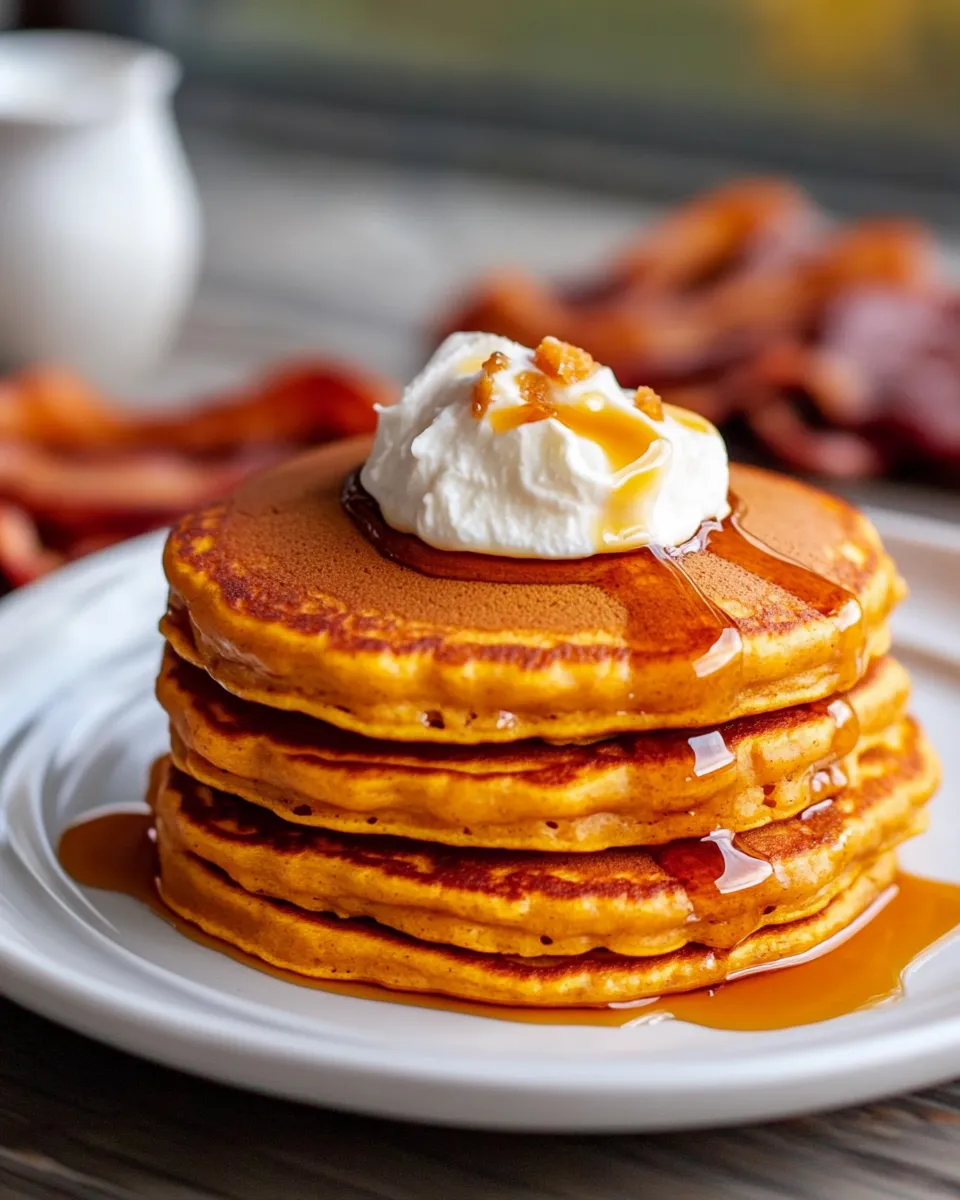
Most of these ingredients are staples in a well-stocked kitchen. If you have flour, sugar, baking powder, baking soda, salt, basic spices, buttermilk (or milk plus lemon if you prefer to make your own), an egg, butter, and pumpkin puree, you’re set. The spices are forgiving—if you’re low on one, balance the others carefully rather than skipping the whole blend.
If you don’t have commercial buttermilk and don’t want to run out, mix 1 cup milk with 1 tablespoon lemon juice or vinegar and let it sit for 5–10 minutes. It won’t be an exact match, but it produces the acidity needed to react with the baking soda.
Recommended Tools
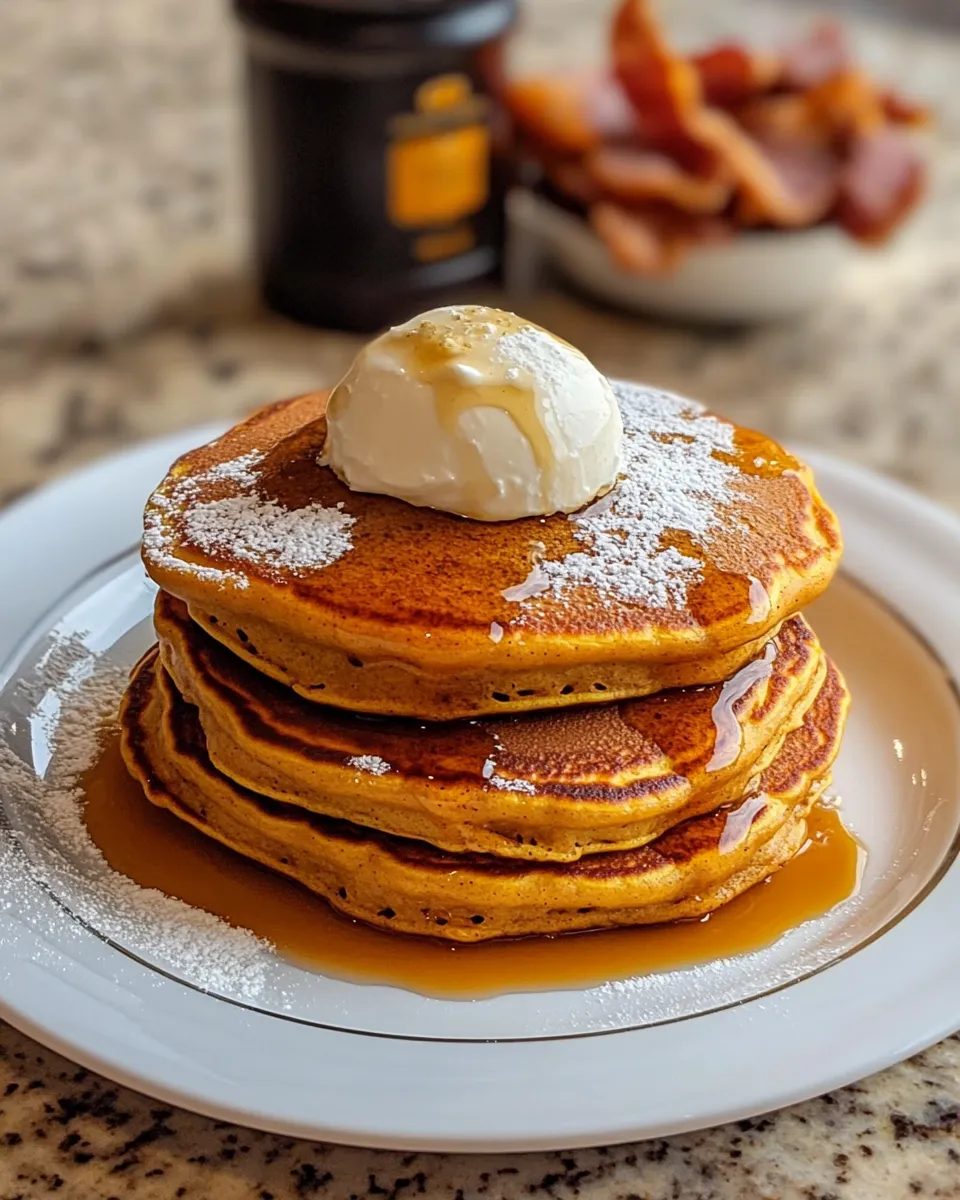
- Medium mixing bowl — for combining dry ingredients comfortably.
- Measuring cups and spoons — accurate measurements improve consistency.
- Whisk or fork — to blend wet ingredients smoothly.
- Nonstick or well-seasoned skillet/griddle — the surface matters for even browning and easy flipping.
- 1/4-cup measure — for uniform pancake size and even cooking times.
- Spatula — thin, flexible turner helps flip without deflating pancakes.
- Baking sheet and oven set to 200°F — keeps pancakes warm while you finish the batch.
Frequent Missteps to Avoid
- Overmixing the batter — stirring until smooth develops gluten and yields tough pancakes. Stop when the batter is just combined and still slightly lumpy.
- Using too-hot a pan — an overly hot skillet will brown the outside before the center sets. Aim for medium heat and watch the first pancake as a test.
- Skipping the reserved butter — a little melted butter greases the pan and keeps each batch from sticking. Reapply as needed rather than overly oiling the surface at once.
- Letting batter sit too long — five minutes is enough. A long rest can make the leavening less effective, producing flatter pancakes.
- Incorrect measuring — spoon flour into the measuring cup and level it off; packing flour can make the batter too dense.
Dietary Customizations
Here are practical swaps and what to expect when you make them.
- To make them dairy-free: replace buttermilk with a plant-based milk plus 1 tablespoon vinegar or lemon juice to mimic acidity, and use a vegan butter or neutral oil. Expect a slightly different mouthfeel—less richness but still flavorful.
- To reduce sugar: you can lower the brown sugar slightly. Because pumpkin adds moisture and flavor, the pancakes remain satisfying even with less sugar. If you reduce sugar, consider a robust topping like spiced compote or Greek yogurt with a drizzle of syrup to balance flavors.
- Gluten-free option: substitute a 1:1 gluten-free flour blend that contains xanthan gum. Texture will be different—handle the batter gently and check doneness as cooking times may vary.
- Egg-free: use an egg replacer like a flax egg (1 tablespoon ground flaxseed + 2.5 tablespoons water, let sit) or a commercial binder. Results will be slightly denser; proceed with care.
Pro Tips & Notes
Batter and Cook
Keep the batter slightly lumpy; it prevents toughness. Scoop with a 1/4-cup measure for uniform pancakes—this keeps the cook time predictable so the first pancake can be your gauge. If the first pancake takes too long to brown, lower the heat; if it browns too fast, raise it slightly.
Flavor and Serving
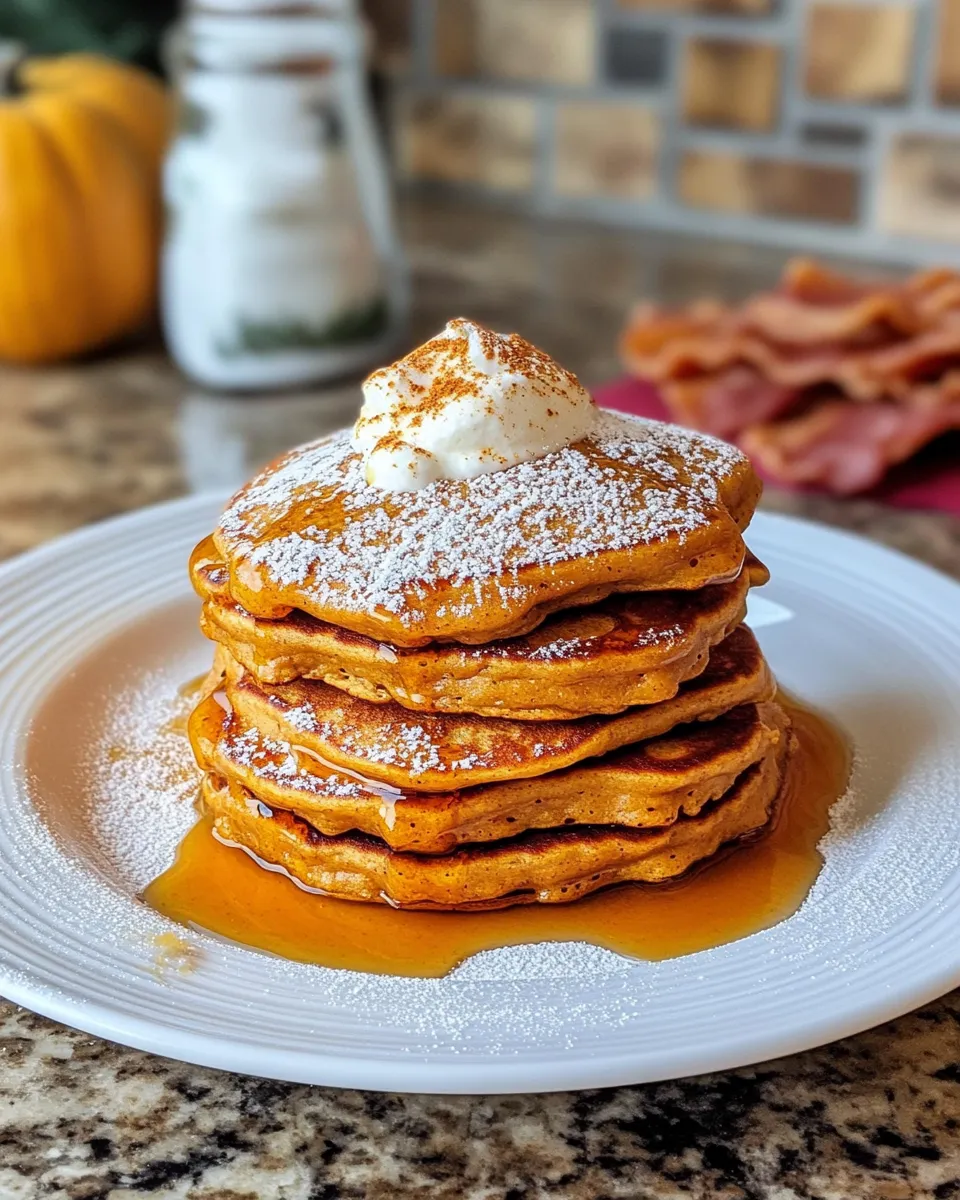
Maple syrup is a classic, but think beyond it: browned butter and powdered sugar, plain yogurt with a pinch of cinnamon, or a chestnut honey add layers. If you serve with crispy bacon or maple-glazed nuts, the contrast in textures makes the meal feel elevated.
Batch Cooking
Use the 200°F oven trick to keep finished pancakes warm and soft. Place them single-layer on the baking sheet so steam doesn’t make them soggy.
Save for Later: Storage Tips
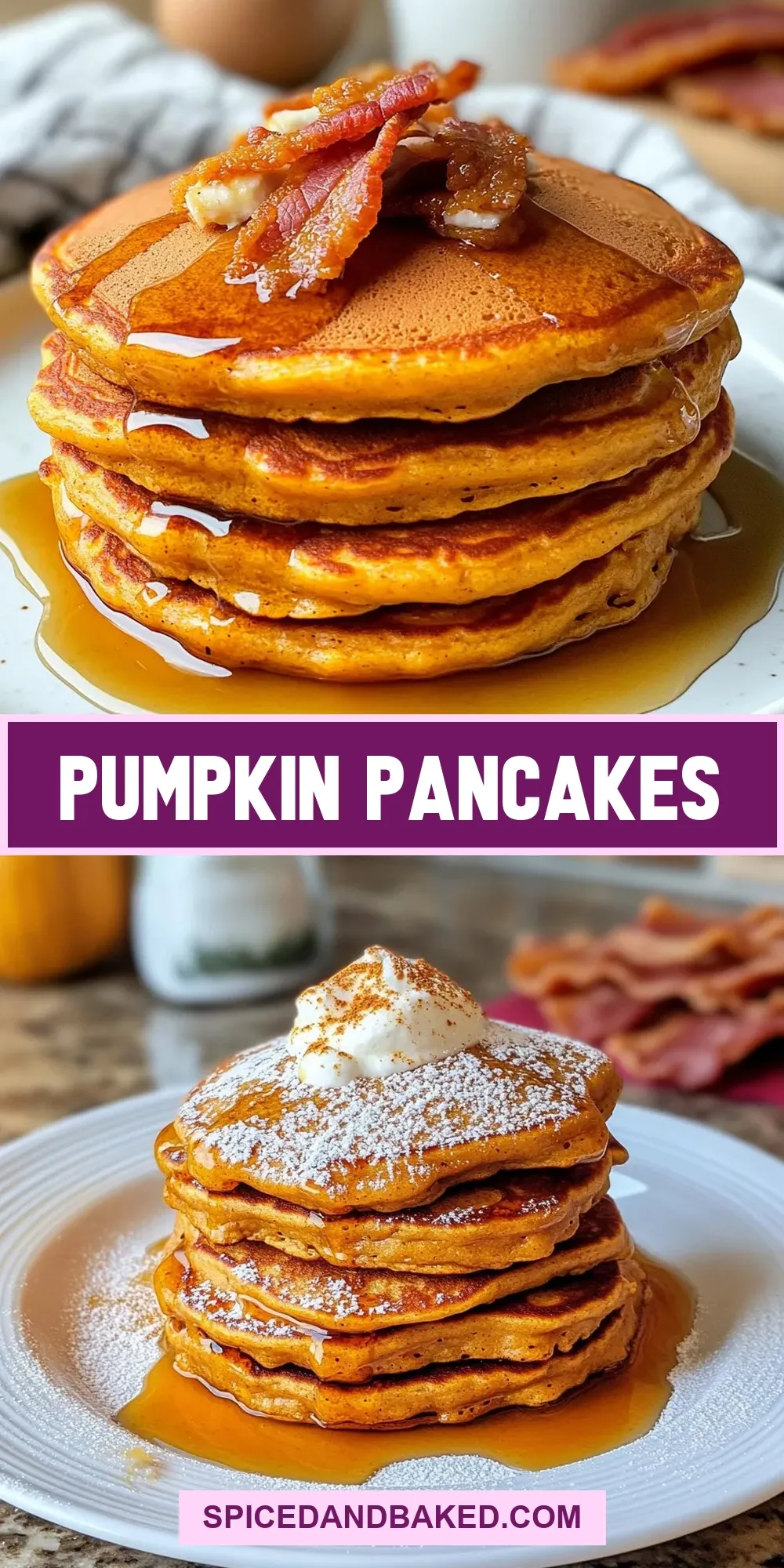
Cool pancakes completely before storing. For the fridge, stack with a sheet of parchment between layers and keep in an airtight container for up to 3 days. To freeze, arrange in a single layer on a baking sheet until firm, then transfer to a freezer bag with parchment between pancakes for up to 2 months.
Reheat from frozen in a toaster or oven at 350°F for about 8–10 minutes, or until warm. If you use a microwave, cover and heat in short bursts to avoid rubbery texture.
Helpful Q&A
Q: My pancakes are turning out flat. Why?
A: Common reasons are overmixing the batter, old baking powder/baking soda, or letting the batter sit too long. Use fresh leavening agents, stir gently, and cook promptly after the brief rest.
Q: Can I make a larger batch and keep the batter in the fridge?
A: I don’t recommend storing the mixed batter overnight. The leavening action begins as soon as wet and dry ingredients combine, so pancakes will lose lift and become dense. Mix only what you plan to cook within an hour.
Q: My first pancake always comes out weird. Any tricks?
A: The first pancake is a test pancake. Use it to adjust pan temperature and amount of fat. Don’t worry if it’s imperfect—subsequent pancakes usually improve.
Q: Can I use canned pumpkin pie filling instead of plain pumpkin puree?
A: No. Canned pie filling contains spices and added sweeteners which will change the batter’s balance. Stick to plain pumpkin puree for predictable results.
Q: What’s the best way to tell when to flip?
A: Look for small bubbles forming across the surface and the edges looking set—not wet or shiny. That’s your cue to flip for a quick second side cook.
Final Bite
These Pumpkin Pancakes are a dependable, homey morning treat. They come together with little fuss, scale well for company, and respond nicely to small adjustments. Keep your spices balanced, mind the batter texture, and don’t rush the cook—those steps deliver pancakes that are tender, warmly spiced, and worth making again and again.
Pumpkin Pancakes
Ingredients
Ingredients
- ?1 cupall-purpose flour
- ?1 1/2 tablespoonslight or dark brown sugar
- ?1 teaspoonbaking powder
- ?1 teaspoonbaking soda
- ?1/4 teaspoonkosher salt
- ?1 teaspooncinnamon
- ?1/4 teaspoonnutmeg
- ?1/8 teaspoonground cloves
- ?1/8 teaspoonground ginger
- ?1 cupbuttermilk shaken
- ?1 largelarge egg
- ?1/4 cuppumpkin puree
- ?2 tablespoonsunsalted butter melted and cooled slightly
Instructions
Instructions
- Preheat the oven to 200°F and place a baking sheet inside to keep cooked pancakes warm.
- In a medium bowl, sift together 1 cup all-purpose flour, 1 1/2 tablespoons light or dark brown sugar, 1 teaspoon baking powder, 1 teaspoon baking soda, 1/4 teaspoon kosher salt, 1 teaspoon cinnamon, 1/4 teaspoon nutmeg, 1/8 teaspoon ground cloves, and 1/8 teaspoon ground ginger.
- In a measuring cup or small bowl, combine 1 cup buttermilk (shaken) and 1 large egg; whisk lightly until blended.
- Add 1/4 cup pumpkin puree to the buttermilk mixture and stir until smooth.
- Melt 2 tablespoons unsalted butter and let it cool slightly. Reserve a small amount of the melted butter to grease the pan, then pour the remaining melted butter into the wet mixture and stir to combine.
- Add the wet mixture to the dry ingredients in two additions, stirring gently after each addition until just combined. The batter should remain slightly lumpy—do not overmix.
- Let the batter rest for 5 minutes.
- Heat a nonstick or well‑seasoned griddle or skillet over medium heat until hot (a few drops of water should sizzle). Lightly grease the surface with the reserved melted butter.
- Using a 1/4‑cup measure, pour batter onto the hot griddle. Cook until small bubbles form on the surface and the edges look set (about 1½–2 minutes), then flip and cook the other side for about 40 seconds or until golden brown.
- Transfer cooked pancakes to the baking sheet in the oven to keep warm. Continue cooking the remaining batter, re-greasing the skillet with the reserved butter as needed.
- Serve the pancakes warm.
Equipment
- 1medium bowl
- 1 Measuring cup
- 1 cast iron skillet or griddle
Notes
You can make a double batch of pancakes because they freeze really well. I put them in a freezer bag after they’ve cooled and freeze them for up to two months. To reheat them, I use my toaster or oven but microwaving works too!
For the fluffiest pancakes, let your batter rest for five minutes before cooking. This gives the leavening agents time to properly activate.
Preheat your griddle! This is so important for even heating.
If you find yourself having trouble flipping your pancakes, use an additional spatula on the other side of the pancake. Sometimes two’s better than one.
If your pancakes are browning too quickly, reduce the heat.