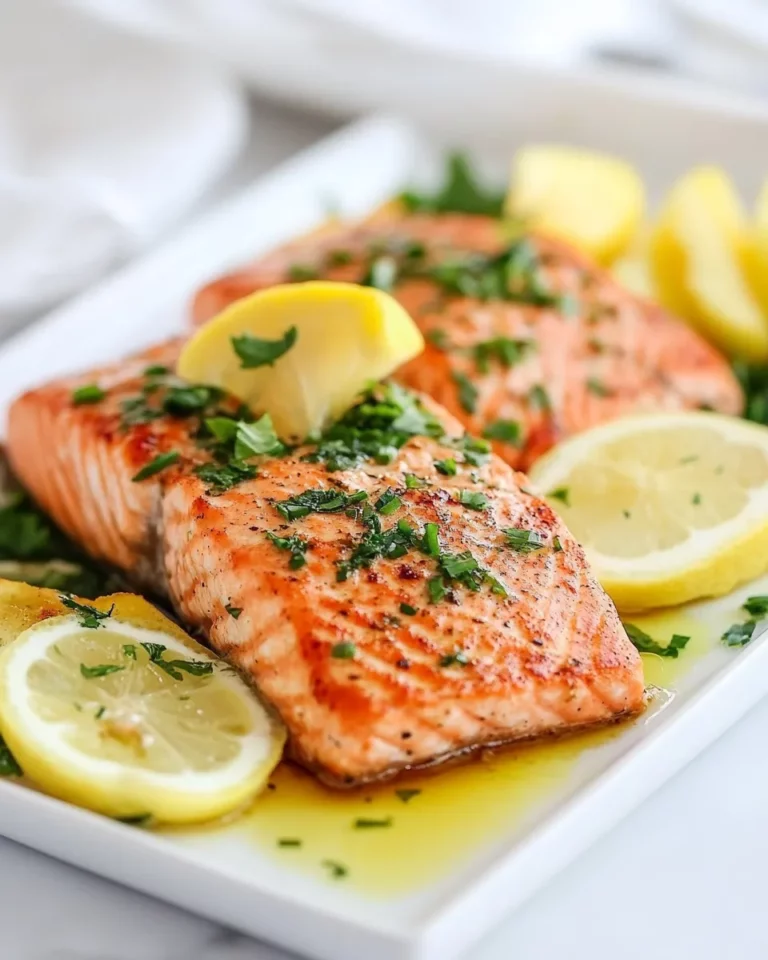
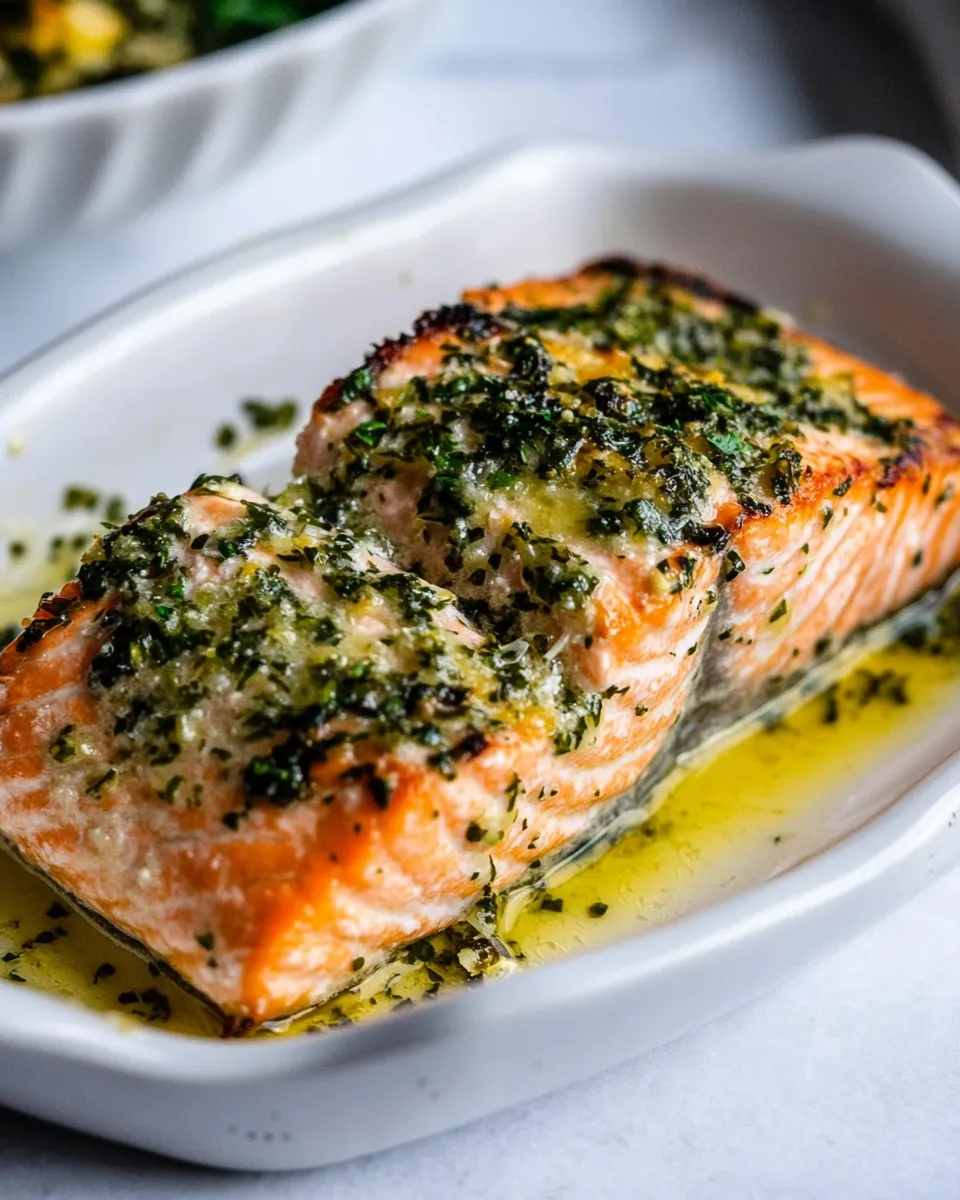
This is my go-to salmon when I want something that looks and tastes like a restaurant dish but takes almost no time and very little fuss. It’s a simple formula: quality fish, bright lemon, fresh parsley, and a garlicky butter that melts into the flesh as the oven does its work. The result is a flaky, glossy fillet with a buttery, savory top that everyone at the table will reach for first.
I test this version repeatedly because consistency matters. Whether you’re feeding two or six, the technique scales cleanly and the flavors hold. There’s room to tweak finish and timing depending on the size of your filet, but the base recipe is reliably excellent: lemon zest for lift, minced garlic for depth, and softened butter to carry the aromatics across the top.
I’ll walk you through the ingredients and why they matter, step-by-step baking instructions (kept exactly as written), helpful equipment notes, common mistakes I see, and practical storage and reheat tips so leftovers stay good. No fluff—just the kind of practical guidance I use when I cook this multiple nights a month.
Ingredient Notes
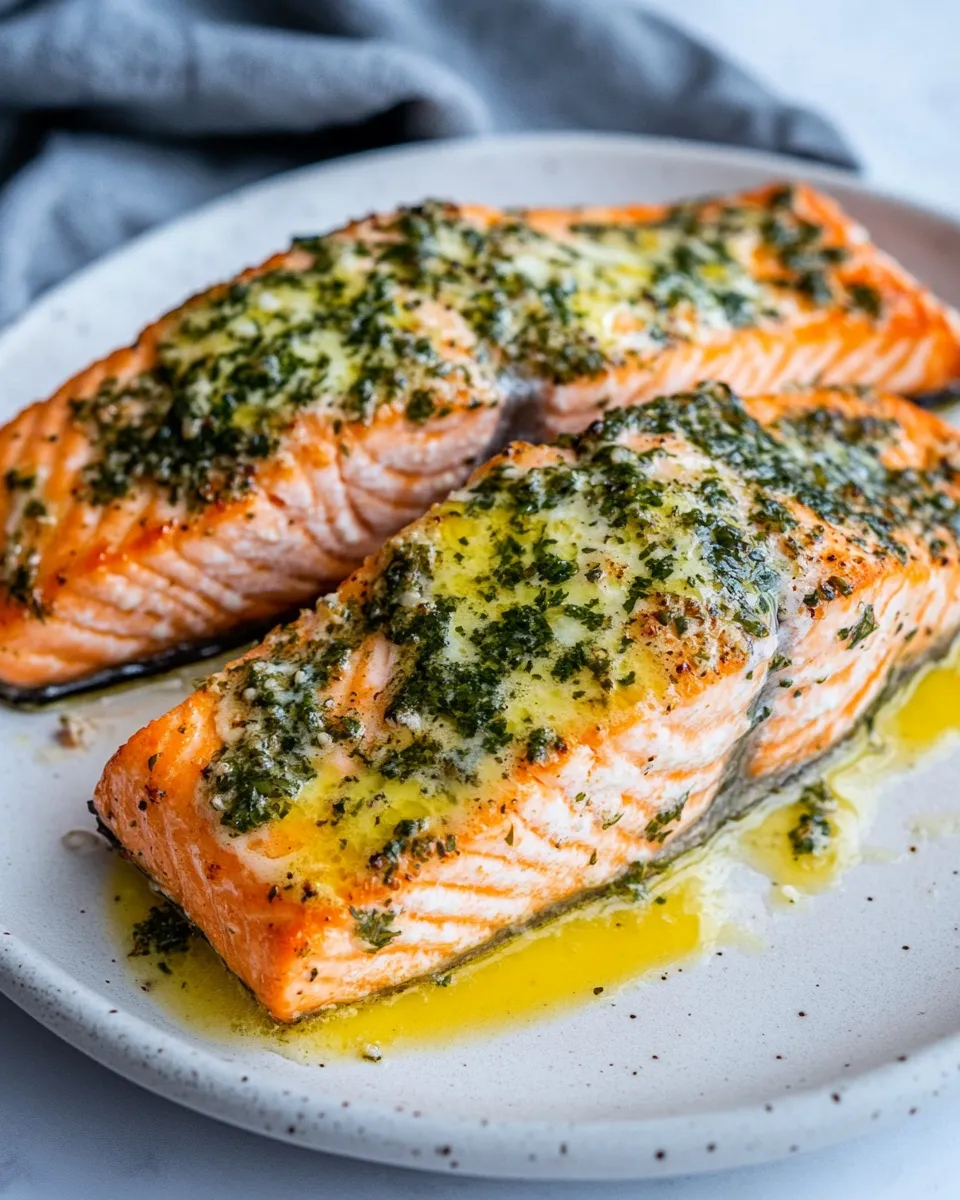
Before you start, a quick note about the ingredients and how they behave so you get the best result every time. Salmon is forgiving, but small choices—like patting the filet dry and zesting the lemon—make a real difference. The butter delivers moisture and richness while the garlic and parsley add aromatic depth without overwhelming the fish.
Use room-temperature butter so it spreads easily and forms an even coating. Zesting the lemon rather than squeezing it into the butter preserves a bright citrus perfume in the mix; you’ll squeeze the wedges only after baking to add a fresh burst of acid. The salt and pepper listed are the simple seasoning backbone, so don’t skip them.
Ingredients
- 1.5 lb salmon filet — the main protein; pat dry so the butter mixture adheres and the surface roasts evenly.
- 4 tbsp unsalted butter (softened) — carries the garlic and zest, keeps the top moist and glossy.
- 4 Garlic cloves (minced) — provides savory depth; mince finely so it distributes through the butter.
- 1 tsp salt — seasons the fish through; a baseline amount for balance.
- 1/2 tsp pepper — adds a subtle bite; adjust to taste if you prefer more heat.
- 1 tbsp fresh parsley (chopped) — adds freshness and color; fold in last so it stays bright.
- 1 lemon (zested, then cut into wedges) — zest goes in the butter for aroma; wedges are for finishing the cooked fish.
Garlic Butter Baked Salmon: How It’s Done
- Preheat the oven to 425°F (218°C).
- Pat the 1.5 lb salmon filet dry with paper towels. Line a baking sheet with foil for easy cleanup and place the salmon on the prepared sheet.
- Zest 1 lemon and set the zest aside, then cut the zested lemon into wedges and set the wedges aside for serving.
- In a small bowl, combine 4 tbsp unsalted butter (softened), 4 garlic cloves (minced), 1 tsp salt, 1/2 tsp pepper, 1 tbsp fresh parsley (chopped), and the lemon zest. Mix until evenly combined.
- Spread the butter mixture evenly over the top of the salmon.
- Bake the salmon in the preheated oven for 12–15 minutes, or until the internal temperature at the thickest part reaches 145°F (63°C).
- Remove the salmon from the oven and squeeze the reserved lemon wedges over the salmon before serving.
Top Reasons to Make Garlic Butter Baked Salmon
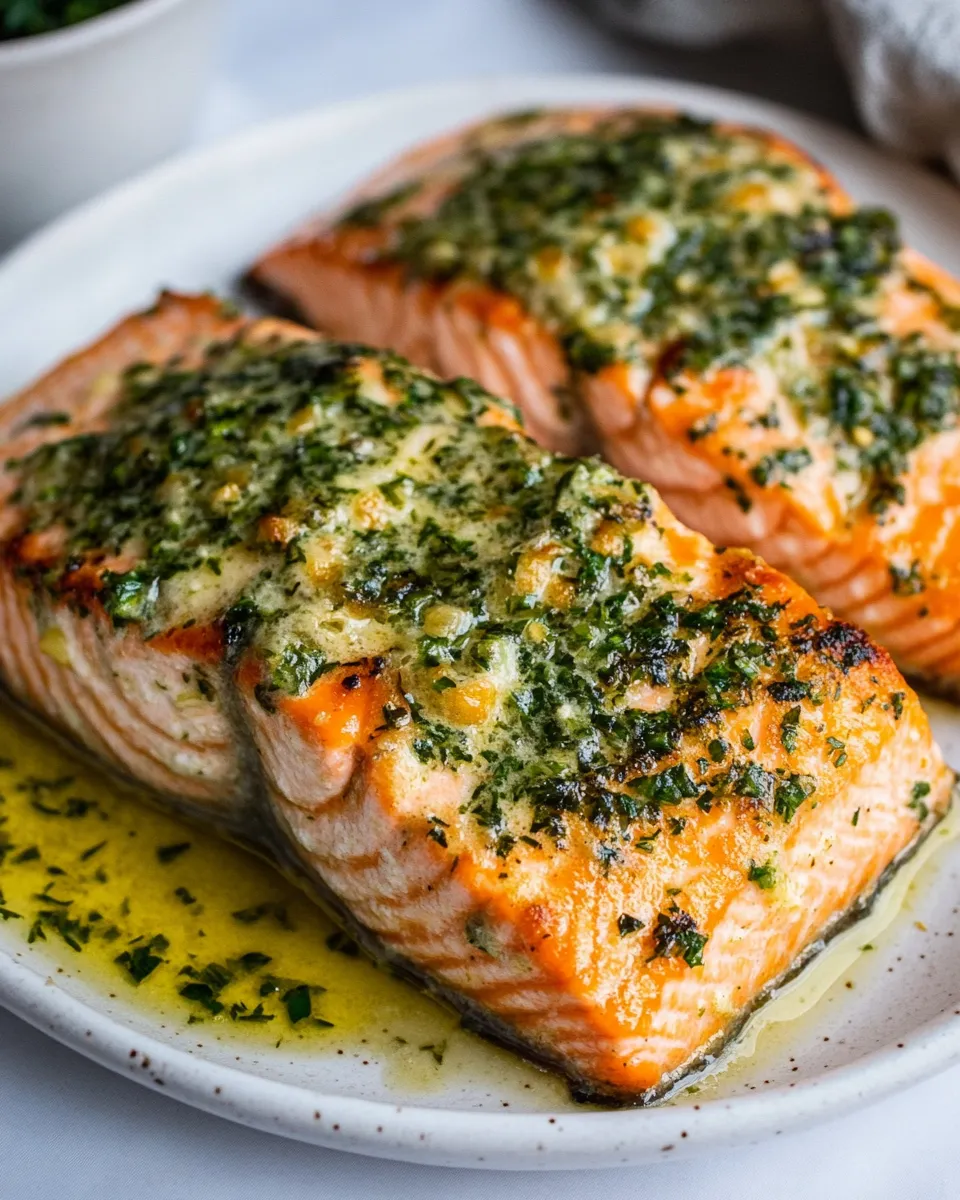
- Speed: It takes roughly 15–20 minutes from oven to table including prep—perfect for weeknights.
- Reliability: The method produces consistent texture and flavor without fiddly steps.
- Low cleanup: Lining the pan with foil and finishing with lemon keeps tools and trim minimal.
- Flavor depth: Garlic, butter, and lemon zest work together to make simple salmon taste elevated.
- Versatility: The finished fish pairs with everything from grains to quick salads and simple roasted vegetables.
Texture-Safe Substitutions
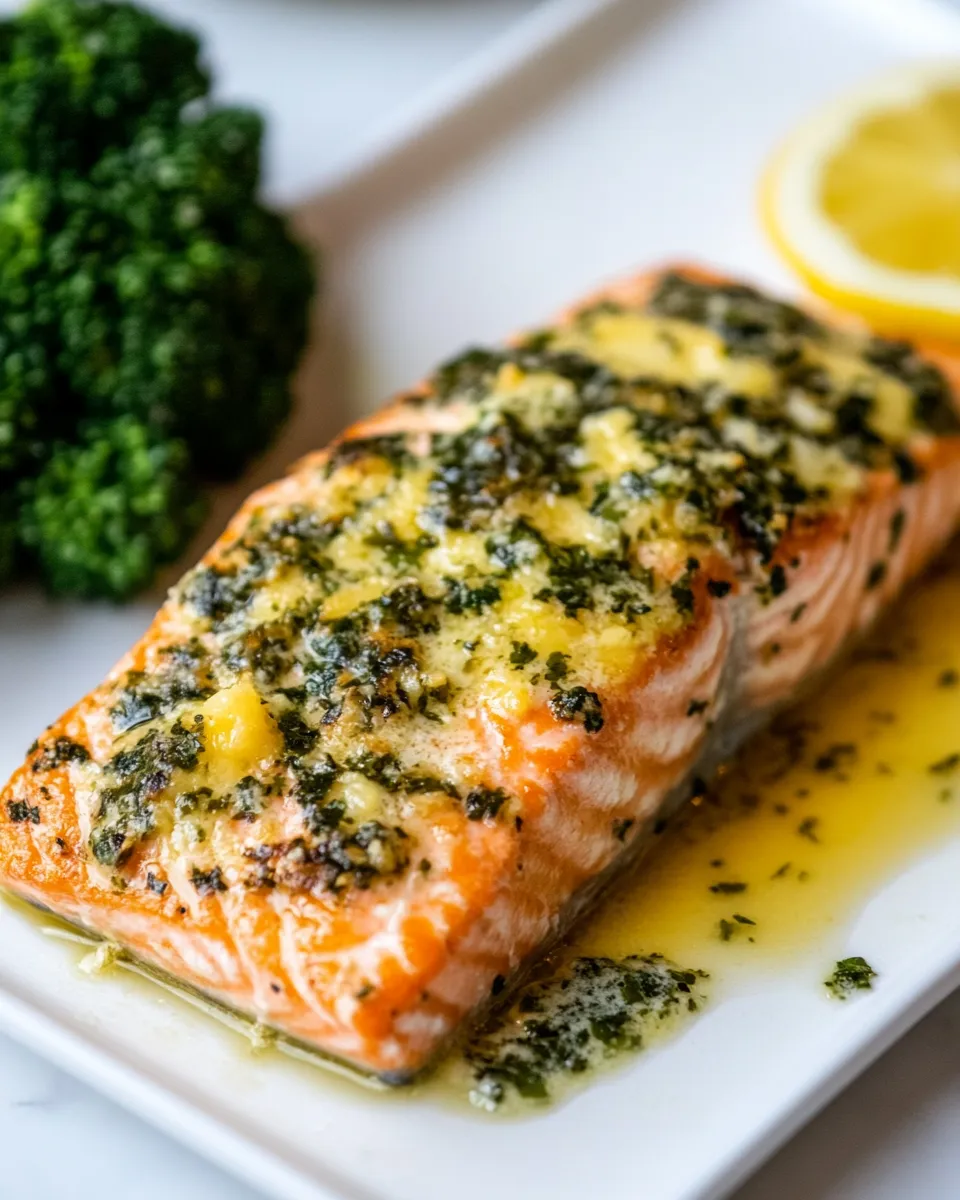
If you’re sensitive to texture, focus on small technique tweaks rather than swapping ingredients. For a moister, flakier center, remove the salmon from the oven at the first sign of flaking and let it rest under tented foil for a few minutes—the carryover heat finishes the interior. If you prefer a firmer texture, give it the full 15 minutes and check the thickest section with a thermometer.
Instead of changing elements in the butter, adjust how much you spread on top: a thinner layer will produce a more restrained finish, while more butter gives greater gloss and richness. The lemon zest in the butter is a low-impact way to add brightness without altering texture.
Setup & Equipment
Good organization before you start makes a six-step bake feel effortless. Have your baking sheet, foil, a small mixing bowl, measuring spoons, a knife for zesting, and a thermometer on hand. Softening butter ahead is important—take it out 20–30 minutes before you begin, or gently soften it in short bursts in the microwave (check often).
Small staging checklist
- Preheat oven to 425°F (218°C).
- Pat salmon dry and place on a foil-lined sheet.
- Prepare butter mixture and lemon wedges so you can spread and bake without stopping.
Learn from These Mistakes
Here are the common missteps I’ve seen and how to avoid them:
- Not drying the salmon: If the fish is damp, the butter won’t adhere and the top won’t roast evenly. Pat it well.
- Butter too cold: If butter is hard, you’ll get clumps that don’t melt uniformly. Use softened butter and mix until smooth.
- Overbaking: Salmon continues to cook after you pull it out. Aim for the lower end of the time range and check for flake; use a thermometer for precision.
- Skipping lemon: The squeeze of fresh lemon at the end brightens the whole dish—don’t skip it.
- Crowding the pan: If you bake multiple filets, leave space between pieces so heat circulates evenly.
Season-by-Season Upgrades
Keep the core recipe the same and lean on small seasonal touches to vary the plate. In spring and summer, a handful of fresh herbs (the recipe already uses parsley) and a crisp salad provide contrast. In fall and winter, a warm grain or roasted root vegetables complements the buttered richness. The lemon and parsley from the recipe pull through in every season, so those core flavors always feel appropriate.
Small seasonal details—serving with something cool and acidic in warm months, or something warm and hearty in cold months—make the same salmon feel fresh without changing the main ingredients or quantities.
What I Learned Testing
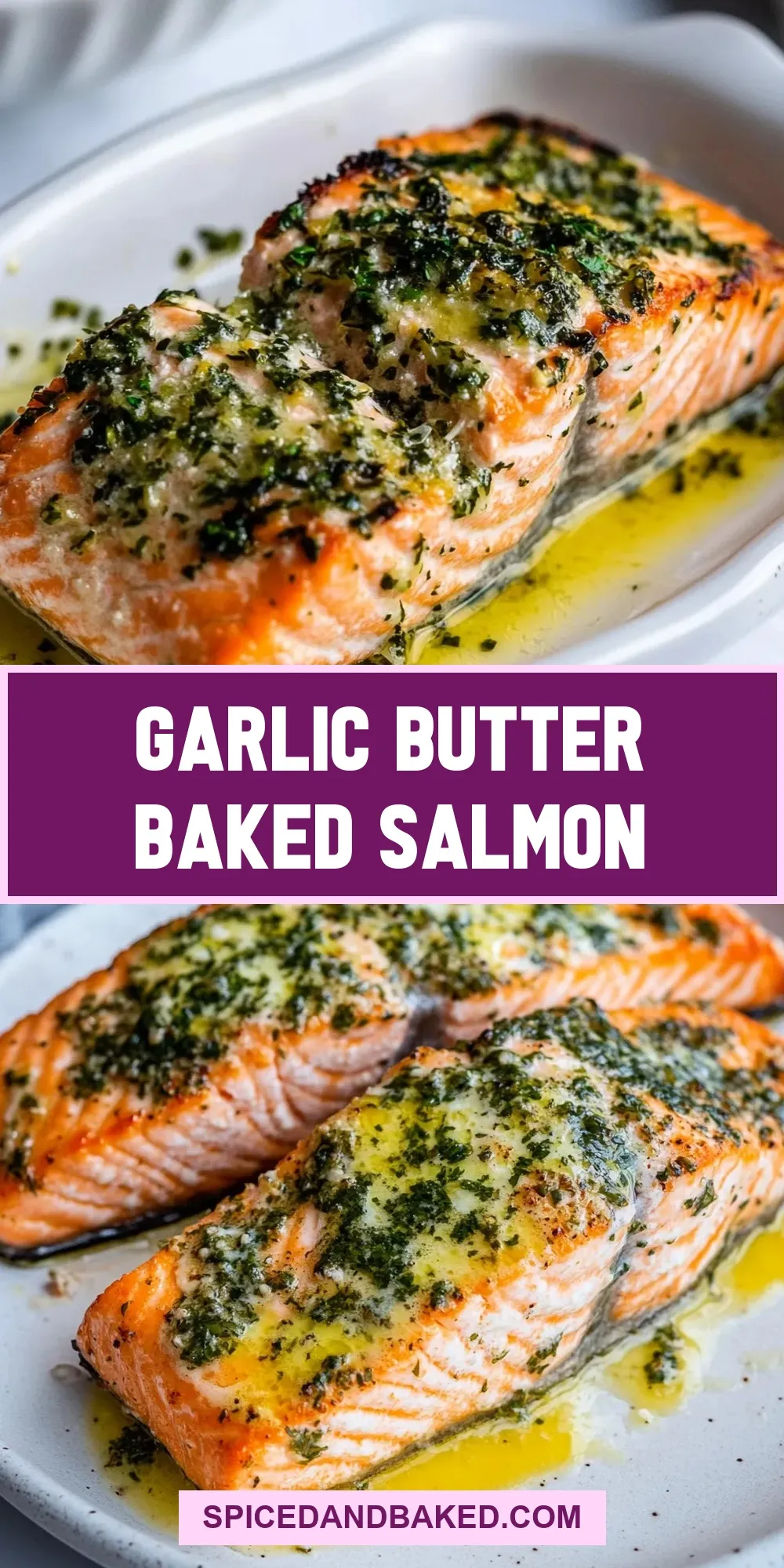
Testing this recipe repeatedly taught me to trust the simple ratios. Four cloves of garlic and four tablespoons of butter create a pronounced garlic-butter profile without overpowering the salmon; the lemon zest lifts the mixture so it never feels heavy. Baking at 425°F gives a pleasing exterior without drying the interior, provided you keep an eye on the clock and thickness of the filet.
Another subtle lesson: chopping the parsley just before mixing keeps it green and lively. I also found that placing the filet skin-side down (if it has skin) and not flipping or disturbing it during the bake preserves texture and presentation.
Save for Later: Storage Tips
Leftover salmon keeps well when cooled quickly and stored properly. Transfer cooled pieces to an airtight container and refrigerate within two hours of cooking. It will keep for up to 3 days; beyond that, flavor and texture degrade. To reheat, use a low oven (about 275–300°F / 135–150°C) and warm gently on a baking sheet for 8–12 minutes until just heated through—this minimizes drying. You can also flake cold salmon into salads or bowls without reheating.
Common Qs About Garlic Butter Baked Salmon
- Can I use frozen salmon? Yes, but thaw it completely and pat it very dry before baking so the butter adheres and juices don’t steam the surface.
- What if my filet is very thick or very thin? Thicker pieces may need a few extra minutes; thinner pieces will cook faster. Use visual cues and a thermometer—145°F (63°C) at the thickest point is the food-safe target.
- Can I make the butter mixture ahead? You can, but keep it chilled and bring it to spreadable consistency before applying. Freshly mixed butter will have the brightest flavor.
- Should I remove the skin? It’s optional. Leaving skin on helps hold the filet together while baking; it also crisps if exposed to direct heat. Serve skin-side down for easiest slicing.
- How do I know when it’s done without a thermometer? The flesh should flake easily at the thickest part when pressed gently with a fork and have an opaque appearance throughout.
In Closing
This Garlic Butter Baked Salmon is a reliable, everyday special: quick, flavorful, and low-stress. Follow the ingredient list and the exact steps provided for consistent results, use a thermometer if you want foolproof doneness, and don’t skip the final squeeze of lemon. With minimal prep and little cleanup, it’s the kind of recipe I return to when I want food that tastes thoughtful without a lot of ceremony.
If you try it, start with the timings as written and make small adjustments based on your oven and filet thickness. Simple technique plus a few good ingredients—that’s the short recipe for a great weeknight meal.
Garlic Butter Baked Salmon
Ingredients
Ingredients
- 1.5 lbsalmon filet
- 4 tbspunsalted buttersoftened
- 4 Garlic clovesminced
- 1 tspsalt
- 1/2 tsppepper
- 1 tbspfresh parsleychopped
- 1 lemonzested then cut into wedges
Instructions
Instructions
- Preheat the oven to 425°F (218°C).
- Pat the 1.5 lb salmon filet dry with paper towels. Line a baking sheet with foil for easy cleanup and place the salmon on the prepared sheet.
- Zest 1 lemon and set the zest aside, then cut the zested lemon into wedges and set the wedges aside for serving.
- In a small bowl, combine 4 tbsp unsalted butter (softened), 4 garlic cloves (minced), 1 tsp salt, 1/2 tsp pepper, 1 tbsp fresh parsley (chopped), and the lemon zest. Mix until evenly combined.
- Spread the butter mixture evenly over the top of the salmon.
- Bake the salmon in the preheated oven for 12–15 minutes, or until the internal temperature at the thickest part reaches 145°F (63°C).
- Remove the salmon from the oven and squeeze the reserved lemon wedges over the salmon before serving.
Equipment
- Oven
- Baking Sheet
- Aluminum Foil
- Small Bowl
- Measuring Spoons
- Zester