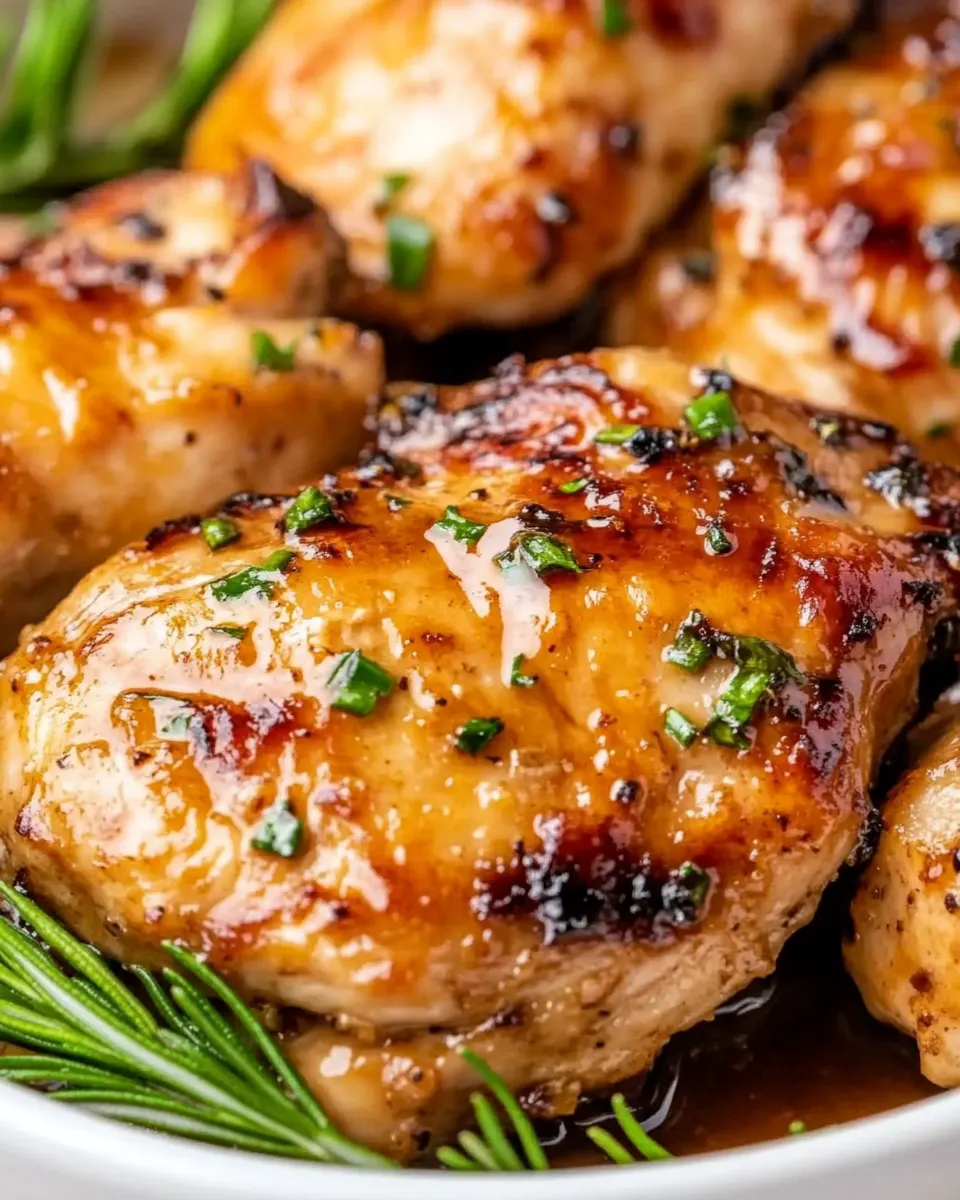
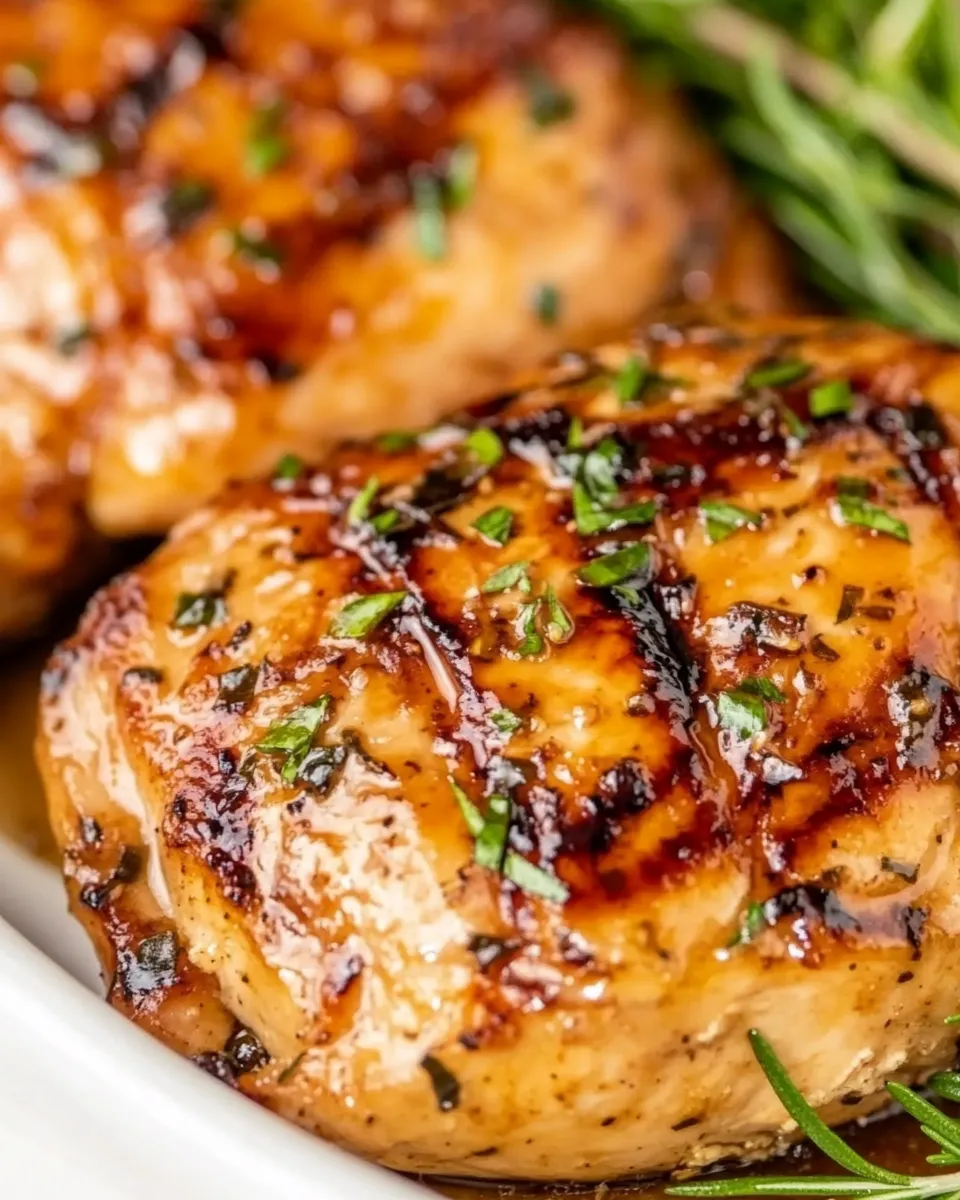
This balsamic chicken is the kind of weeknight dinner that feels like a treat without demanding an hour of your evening. It uses a simple, bright marinade—balsamic vinegar, olive oil, garlic, honey, and rosemary—that does the heavy lifting on flavor. The thighs stay juicy and caramelize beautifully whether you grill or roast them.
I write recipes I actually cook, and this one is a repeat in my rotation. The technique is straightforward: marinate, cook, rest, and garnish. That order keeps the chicken tender and gives the balsamic enough time to do its thing without overpowering the meat.
You’ll find practical tips in the sections below: exact ingredients, tested steps, swap ideas for allergies or diets, and troubleshooting for common problems like sticky marinades or uneven cooking. Read the Ingredients and the How-To closely; they’ll save you time at the stove and give predictable results.
Ingredient Checklist
Short list for shopping and a quick glance before you start. After you gather these, the steps are all about timing and temperature.
Ingredients
- ⅓ cup balsamic vinegar — provides tang and the deep, sweet-acid backbone of the marinade.
- ¼ cup extra virgin olive oil — carries flavor and helps the chicken develop a nice sear when grilling or roasting.
- ¼ cup low-sodium chicken broth or stock — adds savory depth while keeping the marinade loose enough to coat.
- 2 cloves garlic (minced) — fresh garlic brightens the marinade; mince finely so it disperses evenly.
- 1 tablespoon honey — balances the vinegar and helps caramelize the exterior during cooking.
- 1 tablespoon fresh rosemary (minced) (or 1 teaspoon dried) — rosemary gives a woodsy, aromatic note; mince fresh sprigs for best texture.
- ½ teaspoon Italian seasoning — a small herb boost that layers well with the rosemary and garlic.
- 2 pounds boneless skinless chicken thighs*see note — thighs are forgiving and stay juicier than breasts when marinated and cooked.
- parsley (chopped) — for garnish and a fresh finish that brightens the plate.
Balsamic Chicken — Do This Next
- In a large gallon-sized zip-top bag, combine 1/3 cup balsamic vinegar, 1/4 cup extra virgin olive oil, 1/4 cup low-sodium chicken broth or stock, 2 cloves garlic (minced), 1 tablespoon honey, 1 tablespoon fresh rosemary (minced) or 1 teaspoon dried, and 1/2 teaspoon Italian seasoning. Seal the bag and gently mix the marinade by rubbing the bag with your hands until ingredients are combined.
- Add 2 pounds boneless skinless chicken thighs to the bag, remove excess air, seal, and massage the bag so the marinade coats all pieces. Place the sealed bag in a bowl (to catch any leaks) and refrigerate for at least 2 hours or up to overnight.
- When ready to cook, remove the bag from the fridge. If you plan to use the marinade as a sauce, pour it into a small saucepan and bring it to a rolling boil for several minutes; otherwise discard the marinade.
- Choose a cooking method — grill or oven.
- Grill method: Preheat your grill to medium-high (about 400°F) for ~10 minutes. Lightly oil the grates by dipping a folded paper towel in a little of the extra virgin olive oil from the marinade and using tongs to rub the grates. Place the chicken smooth-side down and grill 7–8 minutes. Flip and grill an additional 5–7 minutes, or until the thickest part of the chicken reaches an internal temperature of 165°F. Grill times will vary with thickness.
- Oven method: Preheat the oven to 400°F. Transfer the marinated chicken to a baking dish or baking sheet in a single layer (discard used marinade unless boiled). Bake 15–20 minutes, or until the thickest part of the chicken reaches an internal temperature of 165°F.
- Remove the cooked chicken from heat, tent loosely with foil, and let rest for 10 minutes. Garnish with chopped parsley and serve.
Why I Love This Recipe
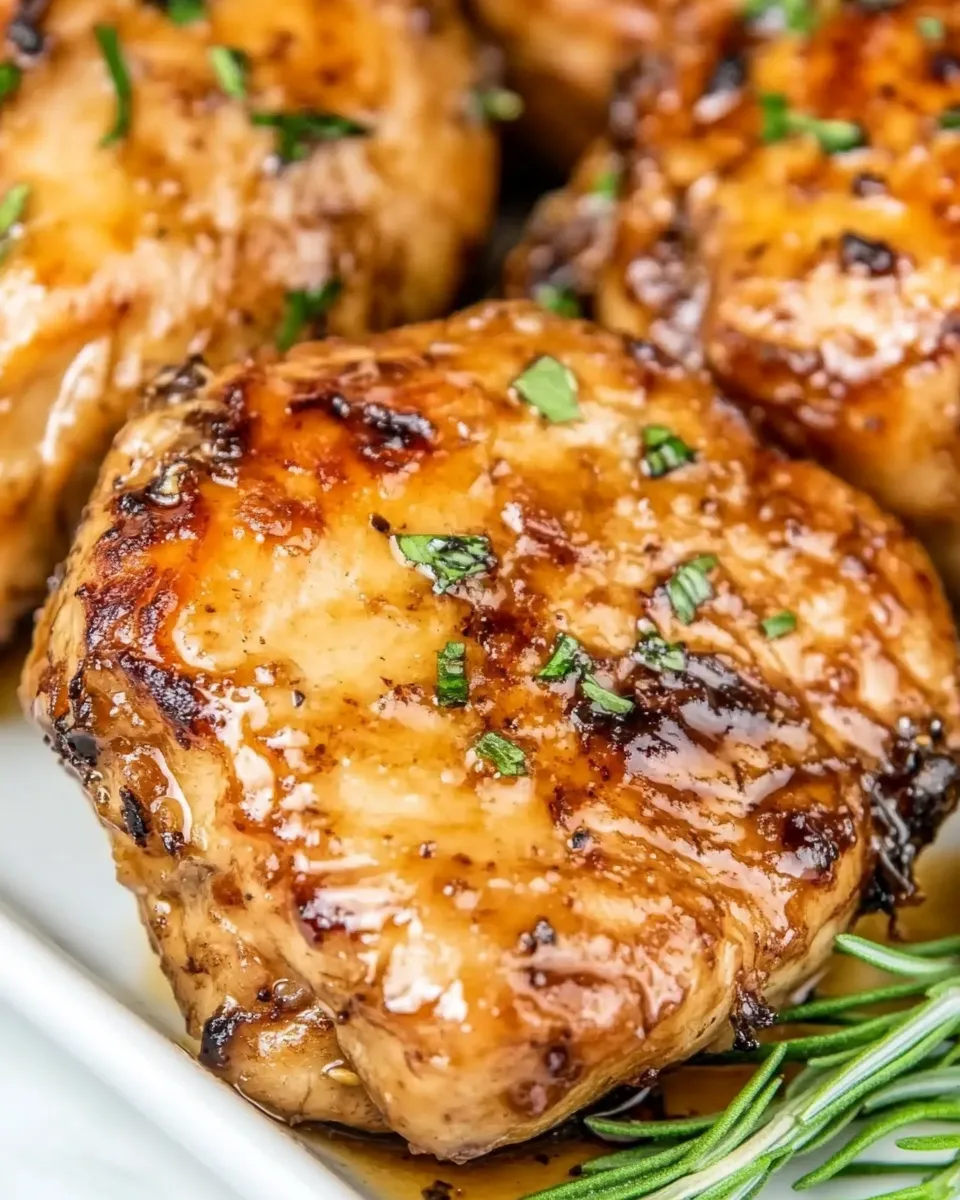
First: the balance. Balsamic gives sweet-tart depth, honey rounds it, and the rosemary anchors the aroma. It’s a small ingredient list that reads like a chef’s shortcut—simple components that combine into something greater than the sum of its parts.
Second: flexibility. You can grill for char and smoke or roast in the oven when weather or time is against you. Both methods deliver tender chicken thighs and a glossy, slightly sticky finish when you choose to reduce the leftover marinade into a sauce.
Finally: reliability. I’ve tested this on busy weeknights and casual weekend dinners. Marinate for just two hours and you’ll see a meaningful flavor difference; overnight gives a deeper infusion without breaking down the texture. It’s a dependable formula you can trust to feed friends or family with confidence.
Allergy-Friendly Substitutes
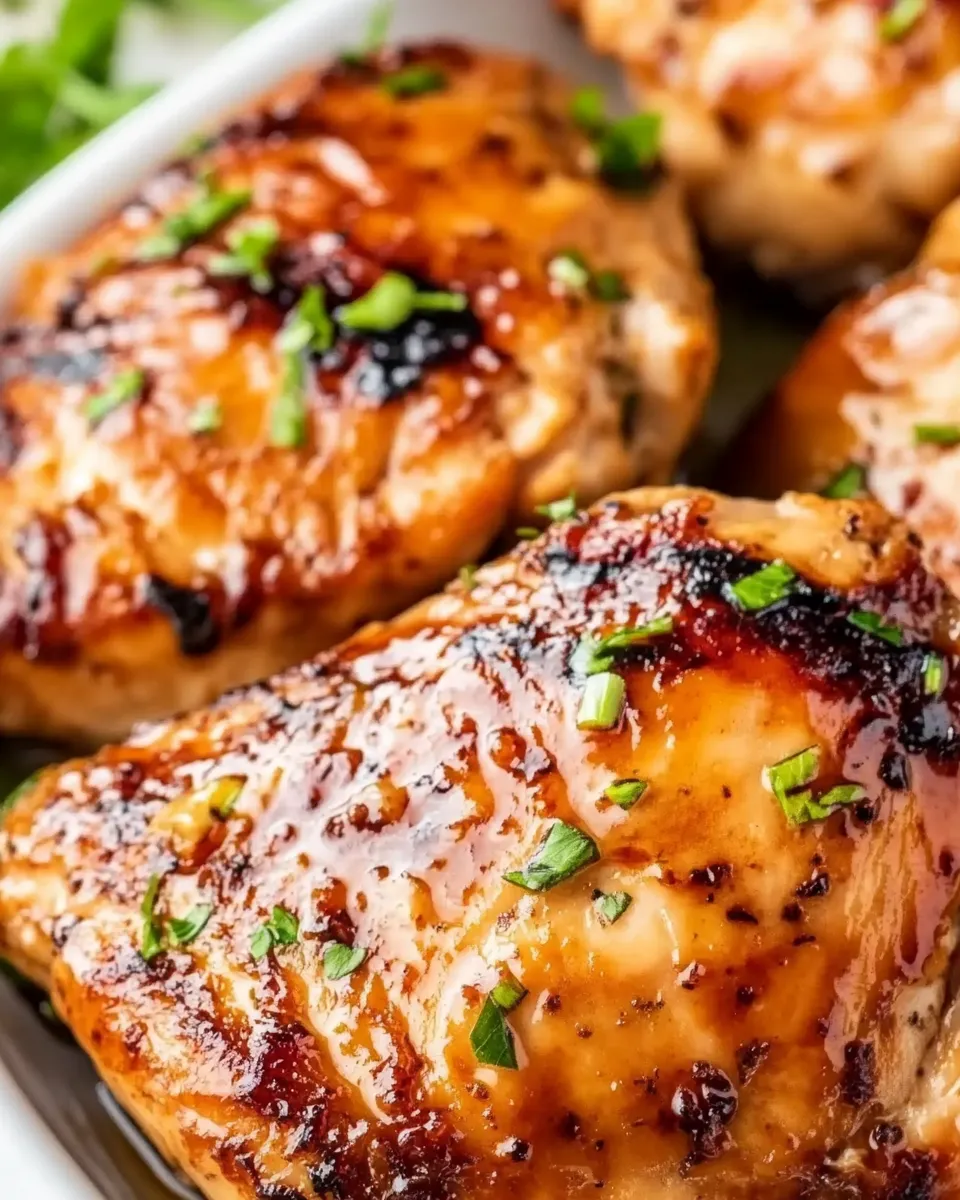
When cooking for someone with allergies, swaps can keep the spirit of the dish while avoiding triggers. Below are practical substitutes and what to expect from each swap.
- For honey (if allergic or vegan): use maple syrup or agave. Those maintain sweetness and help caramelize, though maple has a distinct flavor—try a small amount first if you want milder sweetness.
- For chicken broth (if soy or other allergen-related concerns): use water with a pinch of salt, or a mushroom or vegetable broth if tolerated. The broth mainly adds savory notes; plain water will still produce good results because the other ingredients carry flavor.
- For rosemary (herb sensitivities): substitute with a mild herb like parsley mixed with a small pinch of thyme. It won’t be identical but will keep the herbaceous quality.
- For balsamic (if problematic): use a milder red wine vinegar plus a pinch of sugar to simulate balsamic’s sweetness. You’ll lose some of the dark, syrupy character but keep the acid balance.
What’s in the Gear List
You don’t need fancy tools for this recipe. The essentials are practical and common in a busy kitchen.
- Large gallon-sized zip-top bag: for mixing and marinating. Easy cleanup and efficient contact between marinade and meat.
- Mixing bowl: to nest the sealed bag in while it chills; important for catching leaks.
- Small saucepan: if you plan to boil the marinade into a sauce.
- Instant-read thermometer: the quickest, most reliable way to confirm an internal temperature of 165°F.
- Grill or oven-safe baking dish/baking sheet: depending on the method you choose.
- Tongs and aluminum foil: for safe handling and for tenting the chicken while it rests.
Troubleshooting Tips
If the chicken is undercooked
Use an instant-read thermometer and return the pieces to heat if any part is below 165°F. For grill cooking, lower heat and finish under indirect heat to avoid burning the exterior before the center reaches temperature. In the oven, cover loosely with foil and allow a few extra minutes, checking frequently.
If the exterior burns before the interior cooks
Reduce grill heat slightly or move the chicken to a cooler part of the grill after searing. On the stovetop or oven, lower temperature and lengthen cooking time so heat penetrates evenly.
If the marinade is too thin or won’t stick
Honey helps adhesion, so don’t skip it. If you prefer a thicker glaze, reserve some marinade before adding raw chicken and reduce it in a saucepan until slightly thickened; then brush on during the last few minutes of cooking.
Dietary Customizations
Want to adapt this for different diets? It’s straightforward.
- Gluten-free: The recipe is naturally gluten-free if you use gluten-free chicken broth or stock. Check labels on any packaged ingredients.
- Lower-sodium: Use low-sodium or homemade stock (the recipe already calls for low-sodium) and skip any extra table salt until after cooking. The balsamic and honey provide a satisfying depth without much salt.
- High-protein, low-carb: Serve the chicken over a bed of sautéed greens or cauliflower rice instead of traditional starches.
Notes from the Test Kitchen
We tried this with both 2-hour and overnight marinades. Two hours gives a clear flavor lift; overnight tightens the infusion and deepens color. Neither over-marinates the thighs, so texture remains pleasant.
When grilling, brush the grates with oil from the marinade or use a neutral oil; it prevents sticking and helps form a better sear. If you prefer crispier edges, pat the exterior lightly before placing on the heat so excess moisture doesn’t steam the surface.
We also tested using bone-in thighs at the same marinade ratio. They worked fine but required longer cooking—10–12 minutes per side on the grill depending on thickness—so adjust based on cut.
Prep Ahead & Store
Marinate up to 24 hours ahead for the deepest flavor. If you must prep further in advance, cook the chicken and refrigerate in an airtight container for up to 4 days. Reheat gently in a low oven (about 300°F) covered with foil to keep it moist, or slice and rewarm in a skillet with a splash of broth.
For freezing: cooked chicken freezes well. Cool completely, then package in freezer-safe containers for up to 3 months. Thaw overnight in the fridge before reheating. If freezing raw marinated chicken, place the sealed bag in a freezer container and cook from thawed for best texture.
Balsamic Chicken Q&A
- Q: Can I use chicken breasts instead of thighs?
A: Yes, but breasts are leaner and can dry out. Reduce oven time and check early with a thermometer; remove at 160–162°F and let rest to reach 165°F. Consider a shorter marinade time (2–4 hours) to avoid changing texture. - Q: Do I have to boil the leftover marinade?
A: Yes, if you plan to use it as a sauce. Raw marinade contacts raw chicken and must be boiled for several minutes to be safe. Alternatively, reserve some marinade before adding raw meat and use that for finishing. - Q: How can I get more caramelization?
A: Pat chicken lightly before cooking to remove excess moisture, and cook over hotter direct heat for a few minutes per side to sear, then finish over indirect heat. Brushing with reserved, boiled marinade in the last 2–3 minutes adds shine and flavor. - Q: What if I don’t have a grill?
A: Use the oven method on a baking sheet or a cast-iron skillet under the broiler for a minute or two at the end to mimic char. Watch closely under the broiler to prevent burning. - Q: Can I double the recipe?
A: Yes. Keep the same ratios and distribute the chicken in a single layer when cooking. Large batches are easiest on the grill or on two baking sheets in the oven so pieces don’t overlap.
Save & Share
If this recipe becomes a repeat for you, save the page or print the ingredient checklist before you shop. Share it with friends who love bold weeknight dinners—they’ll appreciate the short shopping list and clear steps. And if you tweak the timing or make a successful swap, jot it down so the next cook benefits from your notes.
Balsamic Chicken Recipe
Ingredients
Ingredients
- 1/3 cupbalsamic vinegar
- 1/4 cupextra virgin olive oil
- 1/4 cuplow sodium chicken brothor stock
- 2 clovesgarlicminced
- 1 tablespoonhoney
- 1 tablespoonfresh rosemaryminced or 1 teaspoon dried
- 1/2 teaspoonItalian seasoning
- 2 poundsboneless skinless chicken thighs*see note
- parsleychopped
Instructions
Instructions
- In a large gallon-sized zip-top bag, combine 1/3 cup balsamic vinegar, 1/4 cup extra virgin olive oil, 1/4 cup low-sodium chicken broth or stock, 2 cloves garlic (minced), 1 tablespoon honey, 1 tablespoon fresh rosemary (minced) or 1 teaspoon dried, and 1/2 teaspoon Italian seasoning. Seal the bag and gently mix the marinade by rubbing the bag with your hands until ingredients are combined.
- Add 2 pounds boneless skinless chicken thighs to the bag, remove excess air, seal, and massage the bag so the marinade coats all pieces. Place the sealed bag in a bowl (to catch any leaks) and refrigerate for at least 2 hours or up to overnight.
- When ready to cook, remove the bag from the fridge. If you plan to use the marinade as a sauce, pour it into a small saucepan and bring it to a rolling boil for several minutes; otherwise discard the marinade.
- Choose a cooking method — grill or oven.
- Grill method: Preheat your grill to medium-high (about 400°F) for ~10 minutes. Lightly oil the grates by dipping a folded paper towel in a little of the extra virgin olive oil from the marinade and using tongs to rub the grates. Place the chicken smooth-side down and grill 7–8 minutes. Flip and grill an additional 5–7 minutes, or until the thickest part of the chicken reaches an internal temperature of 165°F. Grill times will vary with thickness.
- Oven method: Preheat the oven to 400°F. Transfer the marinated chicken to a baking dish or baking sheet in a single layer (discard used marinade unless boiled). Bake 15–20 minutes, or until the thickest part of the chicken reaches an internal temperature of 165°F.
- Remove the cooked chicken from heat, tent loosely with foil, and let rest for 10 minutes. Garnish with chopped parsley and serve.
Equipment
- gallon-sized zip-top bag
- Bowl
- Small Saucepan
- Grill
- Oven
- Tongs
- baking dish or baking sheet
- Meat Thermometer
- paper towel
Notes
Freezer:For longer storage, you can freeze the chicken. Simply wrap it tightly in plastic wrap or foil, then place it in a freezer-safe bag or container. It will stay good in the freezer for up to 3 months. To reheat, just thaw overnight in the fridge and reheat in the oven or on the stovetop until warmed through.
Meal Prep:Prepare the balsamic chicken marinade, add the chicken, and gently massage the bag. Remove any excess air and press chicken into an even layer. Freeze flat until solid, for up to 3 months. Thaw overnight in the fridge and prepare as directed.