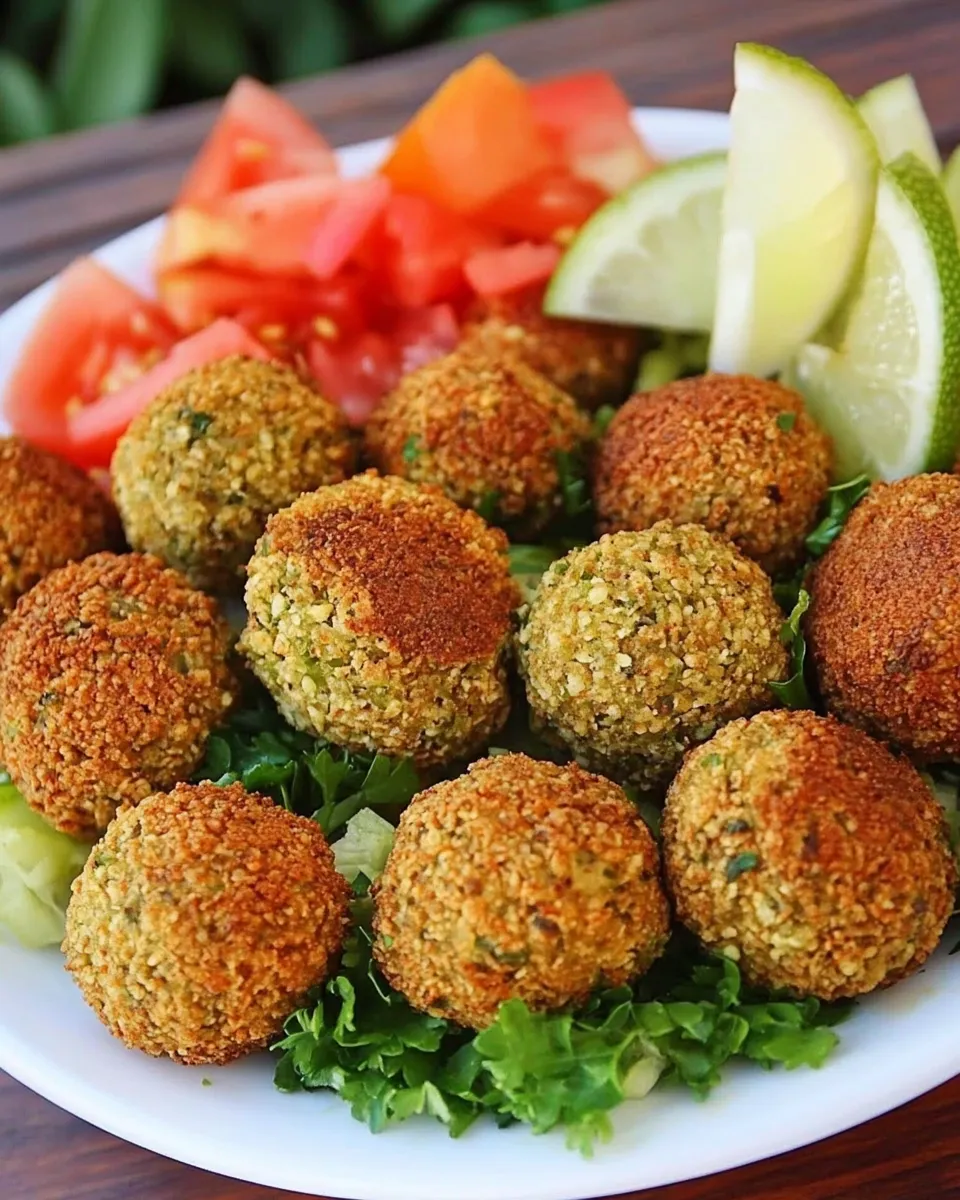
Falafel is one of those dishes that feels like a small, perfect miracle: crunchy outside, herb-bright and tender inside, salty and citrusy in the right places. This recipe follows a classic approach—soaked dried chickpeas, a quick toast and grind of whole spices, preserved lemon for a subtle tang—and results in falafel that hold together, fry up deeply golden, and sing when tucked into warm pita with creamy hummus and yogurt sauce.
There are a few non-negotiables here: start with dried garbanzo beans (not canned), chill the mixture before shaping, and don’t over-process into a paste. Follow those rules and you’ll get the texture everyone loves. I’ll walk you through the exact steps, tools, common mistakes, and a few holiday-friendly riffs so you can make these for a weeknight or for a crowd.
What You’ll Gather
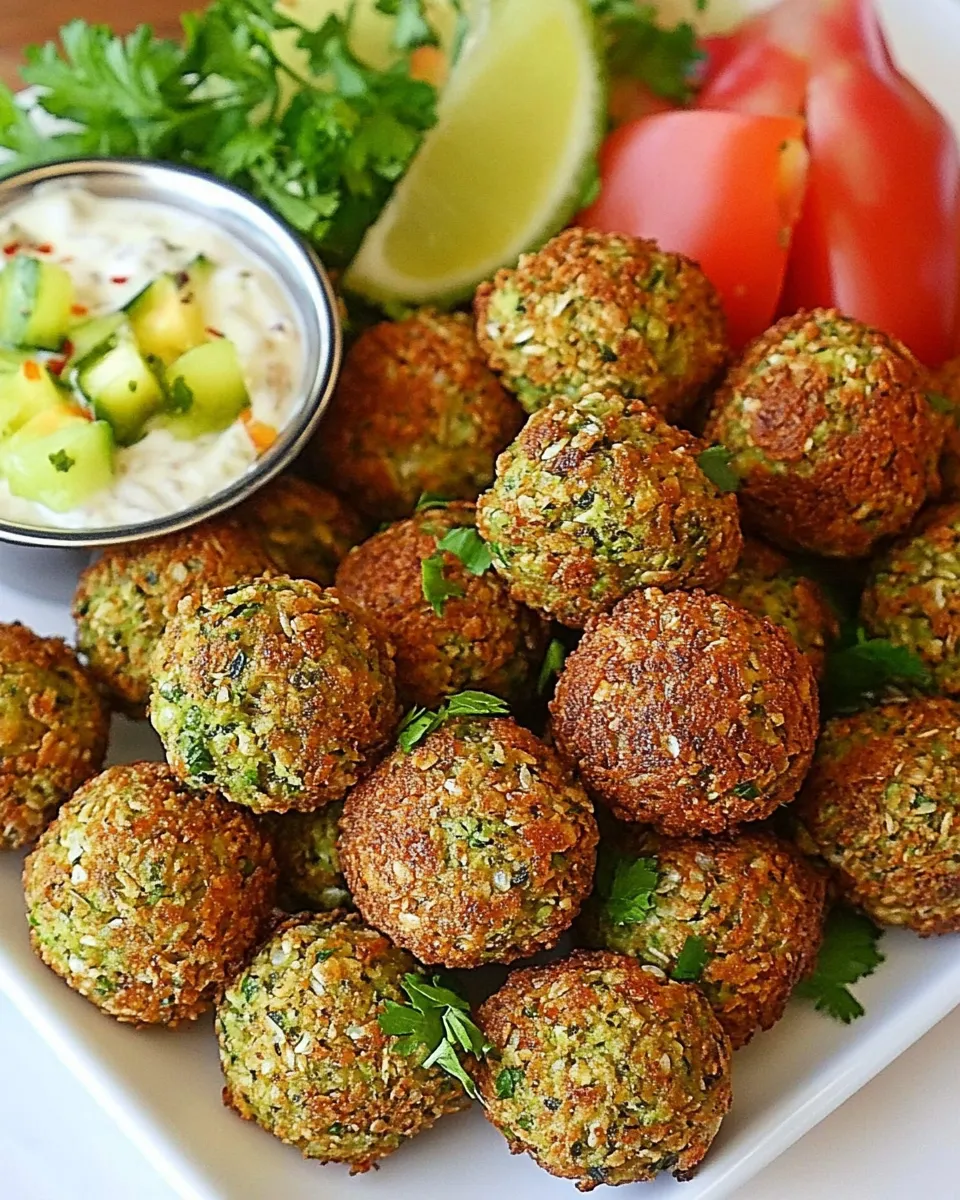
Ingredients
- 2 cups dried garbanzo beans / chickpeas — do not use canned; they expand when soaked to about 5 cups and give the proper texture.
- 2 teaspoons whole cumin seeds — to be toasted and ground for fresher, brighter flavor (substitute 1 teaspoon ground cumin if needed).
- 2 teaspoons whole coriander seeds — toast and grind with the cumin for depth (substitute 1 teaspoon ground coriander if needed).
- 1/2 cup chopped yellow onion — adds moisture and savory backbone; chop rather than purée so the mix stays slightly chunky.
- 3–4 cloves garlic, minced — sharpness and aroma; adjust within this range to taste.
- 1/4 preserved lemon, pulp discarded, mince the peel — brings bright, salty lemony notes without extra liquid; use the peel only.
- 1/3 cup chopped parsley — fresh herb lift; flat-leaf or curly both work.
- 1/3 cup chopped cilantro — pairs with parsley for green freshness and a slightly citrusy edge.
- 2 teaspoons fresh lemon zest — concentrated lemon aroma; add at the processing stage for brightness.
- 1 1/2 teaspoons salt — essential for flavor; salt the mixture so the falafel is seasoned through.
- 1/2 teaspoon freshly ground black pepper — gentle heat; freshly ground for best flavor.
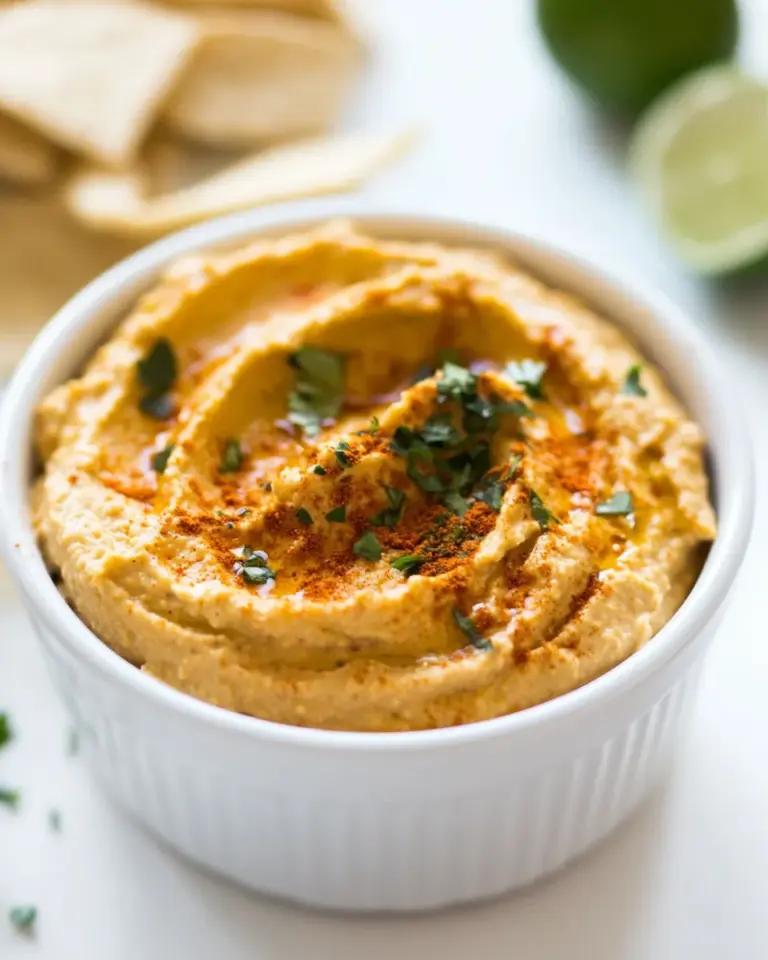
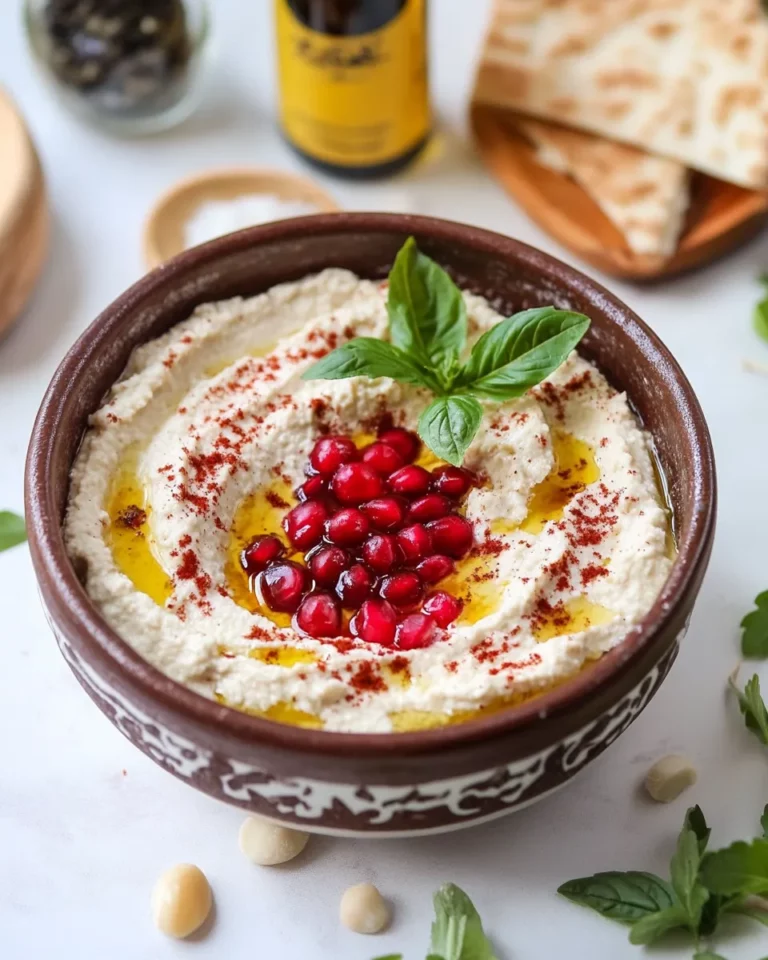
- For Serving: Homemade Creamy Hummus — classic pairing; provides richness and a smooth contrast.
- For Serving: Preserved Lemon Cilantro Yogurt Sauce — bright, tangy, and herby; use vegan yogurt if desired for a plant-based meal.
- oil for frying (use one with a high smoke point) — I use avocado oil; canola or another neutral high-smoke-point oil also works. Pour to a depth of about 1 1/2 to 2 inches for shallow frying.
Build Authentic Falafel Step by Step
- Do not use canned chickpeas. Place 2 cups dried garbanzo beans (chickpeas) in a large bowl and cover with at least 3 inches of water. Cover the bowl and soak 20–24 hours (beans will expand to about 5 cups). After soaking, rinse and drain well.
- While the beans soak or after draining, mince the peel from 1/4 preserved lemon and discard the pulp. Set the minced peel aside.
- Heat a small heavy skillet over medium-high heat. Dry-roast 2 teaspoons whole cumin seeds and 2 teaspoons whole coriander seeds just until very fragrant, stirring and watching carefully so they do not burn. Remove from heat and let cool. (If using ground spices instead, use 1 teaspoon ground cumin and/or 1 teaspoon ground coriander as listed in the ingredient notes and skip the toasting step.)
- Grind the cooled toasted cumin and coriander in a spice/coffee grinder or mortar and pestle until finely ground.
- Place the drained soaked chickpeas and the following ingredients in a large food processor: ground cumin and coriander, 1/2 cup chopped yellow onion, 3–4 cloves garlic (minced), the minced preserved lemon peel, 1/3 cup chopped parsley, 1/3 cup chopped cilantro, 2 teaspoons fresh lemon zest, 1 1/2 teaspoons salt, and 1/2 teaspoon freshly ground black pepper.
- Pulse the food processor in short bursts until the mixture is well-ground but still coarse and slightly chunky. Do not process into a smooth paste. Stop and scrape the bowl as needed. The mixture should hold together when pressed but not be a uniform purée.
- Transfer the mixture to a bowl or keep it in the food-processor container, cover, and refrigerate for at least 1 hour to firm up. (You can prepare this in advance and refrigerate longer if desired.)
- After chilling, form the mixture into balls roughly the size of golf balls. Compress each ball firmly so it holds together; expect the uncooked balls to be somewhat loose and delicate but able to hold their shape when handled carefully. Place formed falafel on a plate and keep refrigerated until ready to fry.
- Pour oil for frying into a heavy skillet to a depth of about 1 1/2 to 2 inches. Heat the oil to 360–375°F (use an instant-read thermometer if you have one). If you do not have a thermometer, test by frying one small test falafel: it should sizzle immediately on contact and not become soggy.
- Once the oil is at temperature, carefully add a few falafel at a time to avoid overcrowding. Fry until a deep golden brown, about 2–3 minutes per side, turning carefully with a slotted spoon or tongs to brown evenly.
- Remove fried falafel with a slotted spoon and drain on a plate lined with paper towels. Bring the oil back up to temperature between batches and repeat until all falafel are cooked.
- Serve the falafel immediately with the items listed under “For Serving”: Homemade Creamy Hummus and Preserved Lemon Cilantro Yogurt Sauce (use vegan yogurt if desired).
Why It’s Crowd-Pleasing
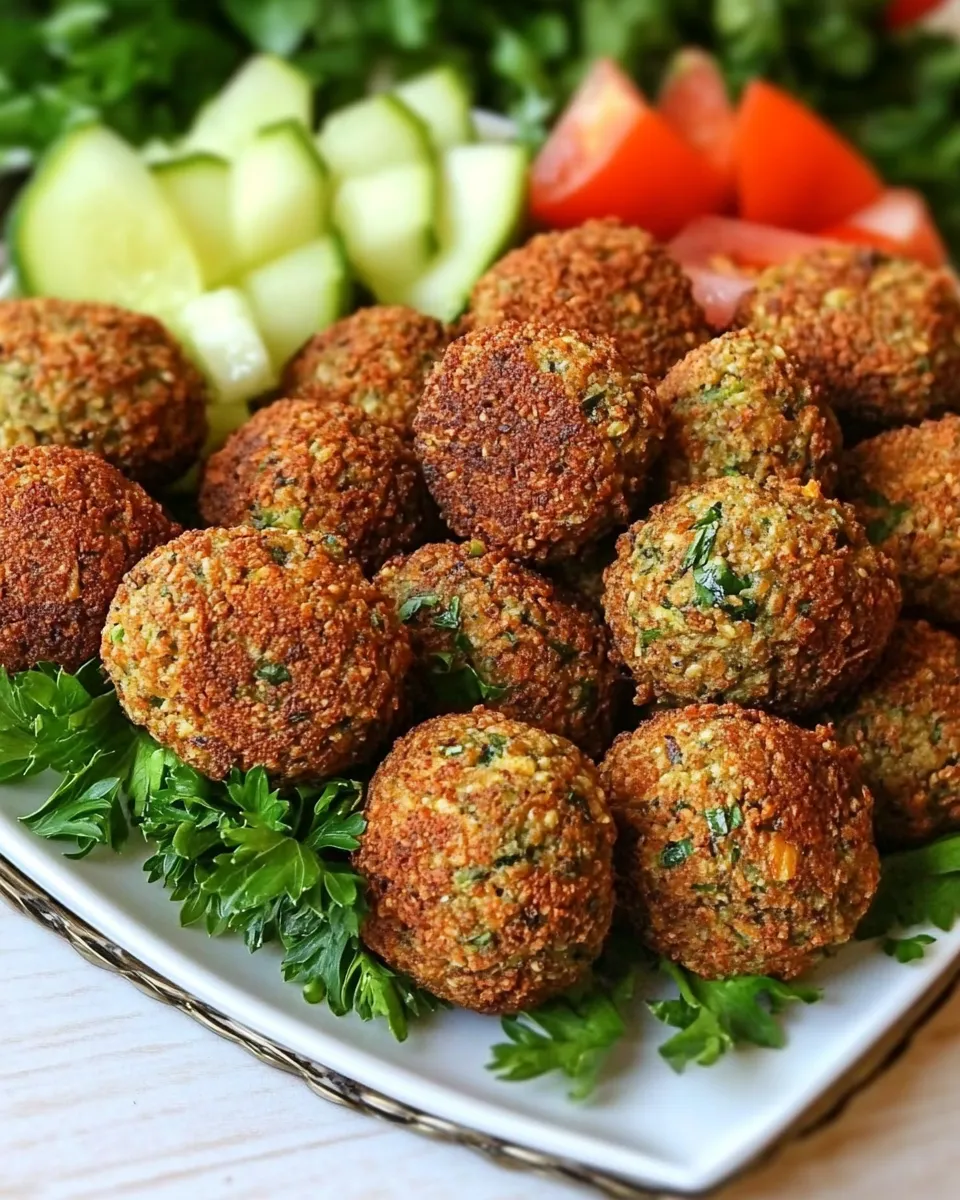
These falafel hit the familiar contrasts people love: crisp exterior, soft but textured interior, and bright herb and lemon notes throughout. Using soaked dried chickpeas instead of canned creates that slightly coarse, satisfying crumb that fries into a crackly shell without becoming mealy or gummy.
Toasted whole spices—cumin and coriander—lift the flavor beyond flat, powdered spice. The preserved lemon peel contributes a saline, citrus snap that complements hummus and yogurt sauce, making each bite lively. Fried fresh, they’re immediately irresistible; served warm in pita with pickles and tahini, they feed a crowd with minimal fuss.
International Equivalents
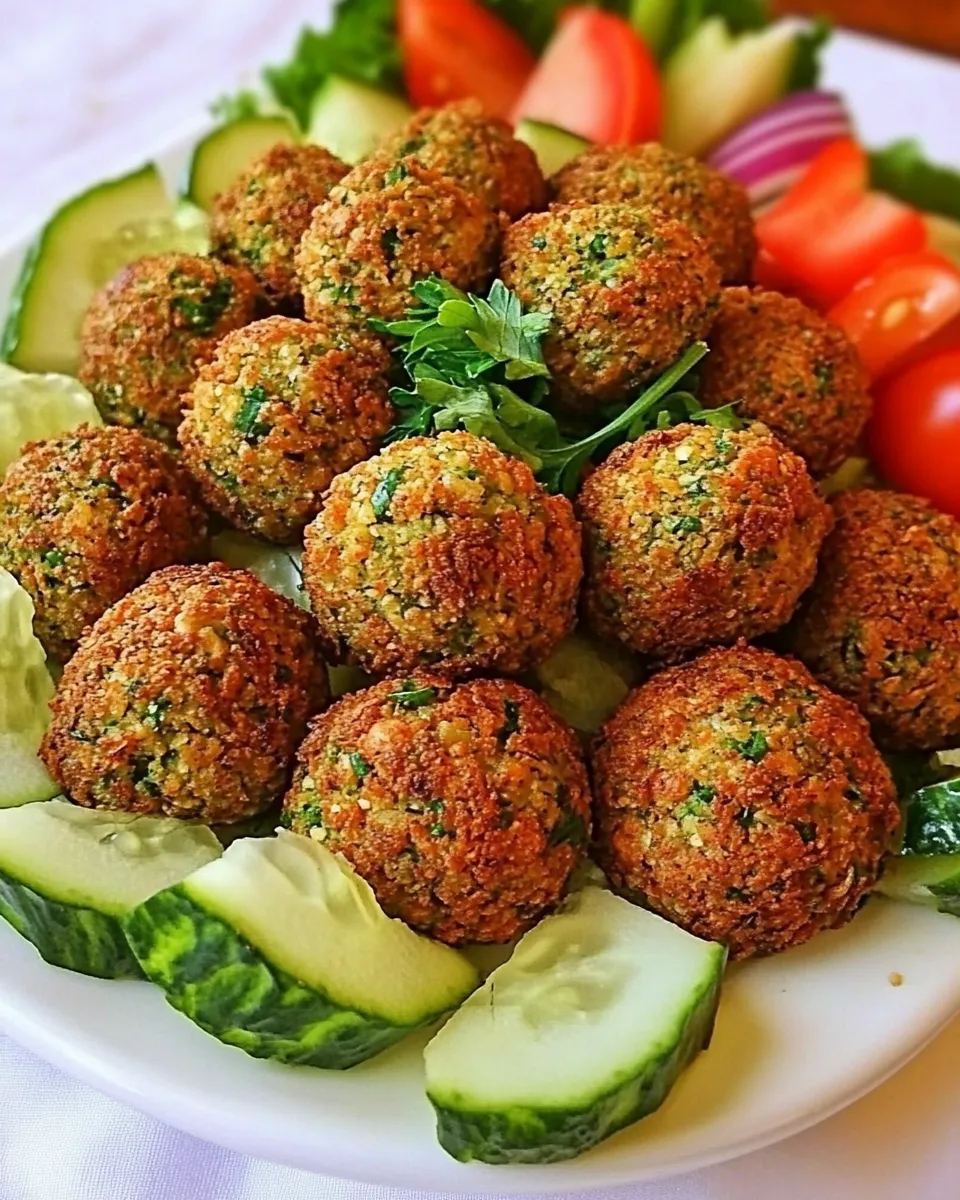
- Egypt: Ta’amiya — often made with fava beans instead of chickpeas and sometimes pan-fried or deep-fried, ta’amiya has a green interior from herbs and broad beans.
- Lebanon / Syria: Falafel — very close to this recipe; regional tweaks include different herb balances, the use of baking soda in some versions, or added chickpea flour for binding.
- Israel: Falafel variations — commonly served in pita with hummus, pickled vegetables, and amba (mango pickle); many street stands emphasize crunchy exterior and plentiful accompaniments.
- Greece: Revithokeftedes — chickpea fritters that have a different herb profile and texture but follow a similar logic of chickpea-based patties.
Gear Checklist
- Large bowl for soaking chickpeas.
- Heavy skillet for toasting spices and a separate heavy skillet or Dutch oven for frying.
- Spice/coffee grinder or mortar and pestle to grind toasted spices.
- Large food processor—essential for getting the right texture without pureeing to a paste.
- Instant-read thermometer—very helpful to keep oil at 360–375°F.
- Slotted spoon or tongs for turning and removing falafel.
- Plate lined with paper towels for draining.
Pitfalls & How to Prevent Them
- Using canned chickpeas: Canned chickpeas are too soft and introduce excess moisture, which leads to soggy falafel. Prevent by starting with dried chickpeas and soaking 20–24 hours as directed.
- Over-processing: Turning the mixture into a smooth paste yields dense, heavy falafel. Pulse in short bursts until coarse and slightly chunky; test by pressing a bit between fingers—if it holds, it’s ready.
- Mixture too loose: If the mixture won’t hold shape, refrigerate longer to firm up. Chilling helps bind ingredients without adding eggs or flours.
- Oil not hot enough: Cold oil causes absorption and sogginess. Heat oil to 360–375°F and fry a test falafel to ensure immediate sizzle and proper browning.
- Overcrowding the pan: Too many falafel lower oil temperature and lead to oily results. Fry in small batches, bringing oil back to temp between batches.
- Burning spices: When toasting whole cumin and coriander, watch closely and remove as soon as they’re aromatic to avoid bitterness.
Holiday-Friendly Variations
Falafel adapts well to festive menus. Here are a few considered variations that use the base recipe while keeping the core ingredients unchanged.
- Baked instead of fried (for lighter holiday spreads): Shape smaller patties, brush lightly with oil, and bake at a high temperature on a preheated sheet until golden. Texture is different—less crunch—but it stretches for larger gatherings.
- Smaller cocktail falafel: Make bite-sized balls for pass-through appetizers; keep fry time shorter and serve with toothpicks plus a trio of dips (hummus, preserved lemon yogurt sauce, and a spicy harissa mayo).
- Festive platter: Serve with roasted vegetable mezze, tabbouleh, fresh pita, and a board of pickles and olives for a celebratory spread that looks abundant with minimal last-minute work.
Cook’s Commentary
I make this falafel when I want dependable results that still feel homemade and special. The preserved lemon is my small secret—just a quarter preserved lemon, peel only, minced into the mix adds complexity without wateriness. If you’re making these for the first time, pay attention to texture during processing: you want the mixture to hold together when pressed, not to be homogeneous.
Another tip: form the balls as tightly as feels reasonable. They will be somewhat delicate before frying, so compressing them helps. Don’t be tempted to add a binder like flour unless you actually have a binding issue after chilling—often refrigerating longer solves the problem without changing flavor.
Best Ways to Store
Fried falafel are best eaten the day they’re made. For short-term storage, let them cool completely, then place in an airtight container lined with paper towels and refrigerate for up to 2 days. Reheat in a 375°F oven on a wire rack for 8–10 minutes to crisp the exterior again.
Uncooked, formed falafel can be arranged on a tray and frozen on a sheet until solid, then transferred to a freezer bag for up to 1 month. Fry from frozen; add a minute or two to the fry time and monitor oil temperature carefully. This is a great make-ahead technique for feeding unexpected guests.
Authentic Falafel FAQs
- Q: Can I use canned chickpeas? A: No. Canned chickpeas are too soft and add too much moisture. Use 2 cups dried chickpeas soaked 20–24 hours.
- Q: What if my falafel fall apart in the oil? A: Likely the mixture was too wet or not chilled long enough. Refrigerate for longer and compress the balls more firmly before frying.
- Q: Can I make these vegan? A: Yes. The base recipe is plant-based. For the yogurt sauce, use vegan yogurt if you want the full meal to be vegan.
- Q: Do I have to toast whole spices? A: Toasting whole cumin and coriander seeds provides brighter, fresher flavor. If you only have ground spices, substitute 1 teaspoon ground cumin and/or 1 teaspoon ground coriander and skip toasting.
- Q: Can I bake them? A: Yes—bake smaller patties at high heat, but expect a different texture. Frying gives the crispiest result.
- Q: How long do I soak the chickpeas? A: 20–24 hours. They’ll expand to roughly 5 cups; rinse and drain before processing.
Next Steps
Once you’ve mastered the base recipe, experiment with serving combinations: warm pita, plenty of pickles, a generous smear of hummus, and the preserved lemon cilantro yogurt sauce. For a gathering, make a platter with tabbouleh, roasted eggplant, olives, and grilled vegetables to turn falafel into a feast.
Keep the soaking on your calendar—soaking chickpeas is the only step that takes time but rewards you with the ideal falafel texture. Make the mixture ahead, chill, and fry when guests arrive. You’ll end up with crunchy, herb-forward falafel that disappear fast.

BEST Authentic Falafel
Ingredients
Ingredients
- 2 cupsdried garbanzo beans /chickpeas do not use canned
- 2 teaspoonswhole cumin seeds can substitute 1 teaspoon ground cumin; for best flavor we recommend using whole spices and toasting/grinding them
- 2 teaspoonswhole coriander seeds can substitute 1 teaspoon ground coriander; for best flavor we recommend using whole spices and toasting/grinding them
- 1/2 cupchopped yellow onion
- 3-4 cloves garlic minced
- 1/4 preserved lemon pulp discarded, mince the peel
- Recipe for Homemade Preserved Lemons recommended
- 1/3 cupchopped parsley
- 1/3 cupchopped cilantro
- 2 teaspoonsfresh lemon zest
- 1 1/2 teaspoonssalt
- 1/2 teaspoonfreshly ground black pepper
For Serving
- Homemade Creamy Hummus
- Preserved Lemon Cilantro Yogurt Sauce vegans: use vegan yogurt
- oil for frying use one with a high smoke point(I use avocado, you can also use canola)
Instructions
Instructions
- Do not use canned chickpeas. Place 2 cups dried garbanzo beans (chickpeas) in a large bowl and cover with at least 3 inches of water. Cover the bowl and soak 20–24 hours (beans will expand to about 5 cups). After soaking, rinse and drain well.
- While the beans soak or after draining, mince the peel from 1/4 preserved lemon and discard the pulp. Set the minced peel aside.
- Heat a small heavy skillet over medium-high heat. Dry-roast 2 teaspoons whole cumin seeds and 2 teaspoons whole coriander seeds just until very fragrant, stirring and watching carefully so they do not burn. Remove from heat and let cool. (If using ground spices instead, use 1 teaspoon ground cumin and/or 1 teaspoon ground coriander as listed in the ingredient notes and skip the toasting step.)
- Grind the cooled toasted cumin and coriander in a spice/coffee grinder or mortar and pestle until finely ground.
- Place the drained soaked chickpeas and the following ingredients in a large food processor: ground cumin and coriander, 1/2 cup chopped yellow onion, 3–4 cloves garlic (minced), the minced preserved lemon peel, 1/3 cup chopped parsley, 1/3 cup chopped cilantro, 2 teaspoons fresh lemon zest, 1 1/2 teaspoons salt, and 1/2 teaspoon freshly ground black pepper.
- Pulse the food processor in short bursts until the mixture is well-ground but still coarse and slightly chunky. Do not process into a smooth paste. Stop and scrape the bowl as needed. The mixture should hold together when pressed but not be a uniform purée.
- Transfer the mixture to a bowl or keep it in the food-processor container, cover, and refrigerate for at least 1 hour to firm up. (You can prepare this in advance and refrigerate longer if desired.)
- After chilling, form the mixture into balls roughly the size of golf balls. Compress each ball firmly so it holds together; expect the uncooked balls to be somewhat loose and delicate but able to hold their shape when handled carefully. Place formed falafel on a plate and keep refrigerated until ready to fry.
- Pour oil for frying into a heavy skillet to a depth of about 1 1/2 to 2 inches. Heat the oil to 360–375°F (use an instant-read thermometer if you have one). If you do not have a thermometer, test by frying one small test falafel: it should sizzle immediately on contact and not become soggy.
- Once the oil is at temperature, carefully add a few falafel at a time to avoid overcrowding. Fry until a deep golden brown, about 2–3 minutes per side, turning carefully with a slotted spoon or tongs to brown evenly.
- Remove fried falafel with a slotted spoon and drain on a plate lined with paper towels. Bring the oil back up to temperature between batches and repeat until all falafel are cooked.
- Serve the falafel immediately with the items listed under “For Serving”: Homemade Creamy Hummus and Preserved Lemon Cilantro Yogurt Sauce (use vegan yogurt if desired).
Equipment
- Food Processor
- Instant read thermometer(I love my Thermapen!)
- Coffee/spice grinder