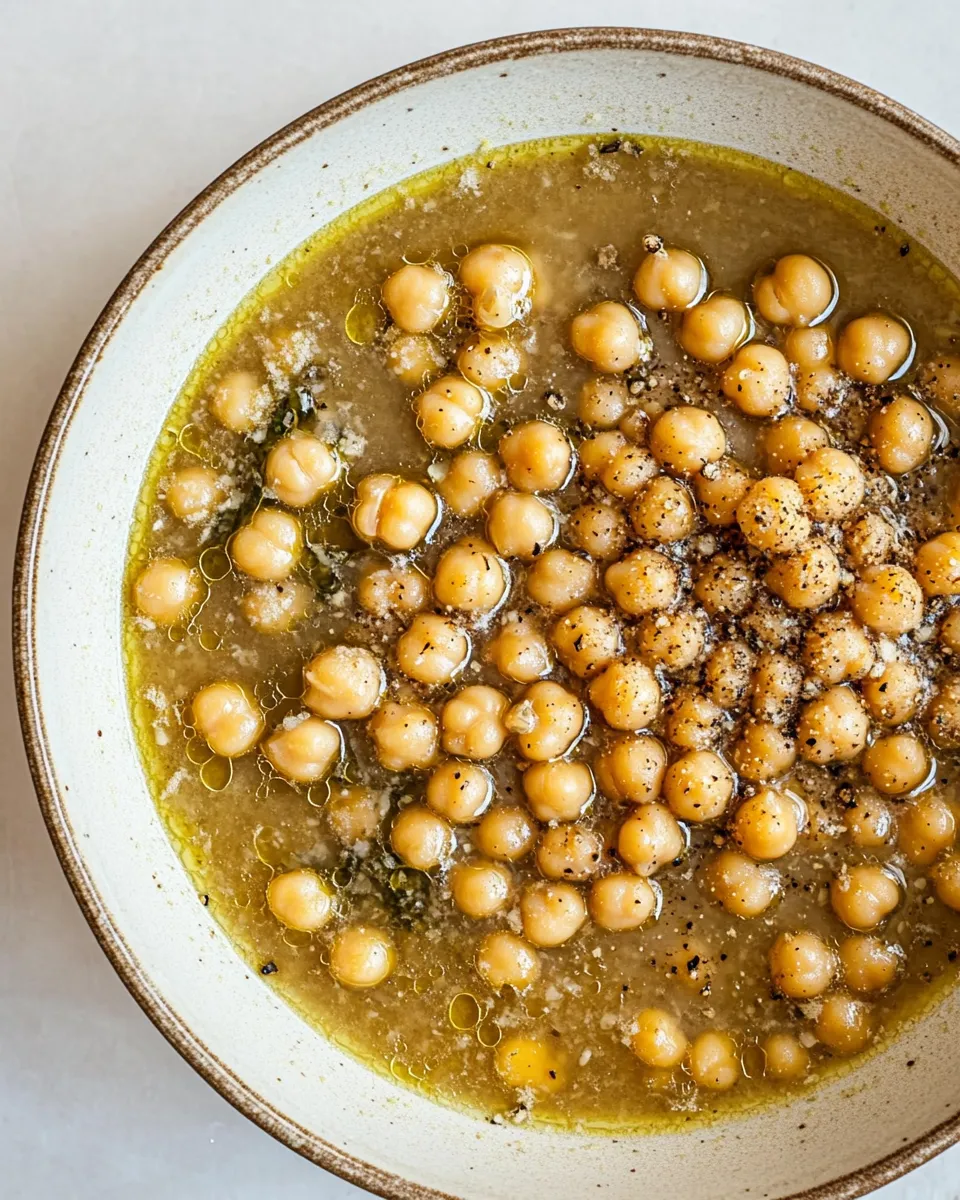
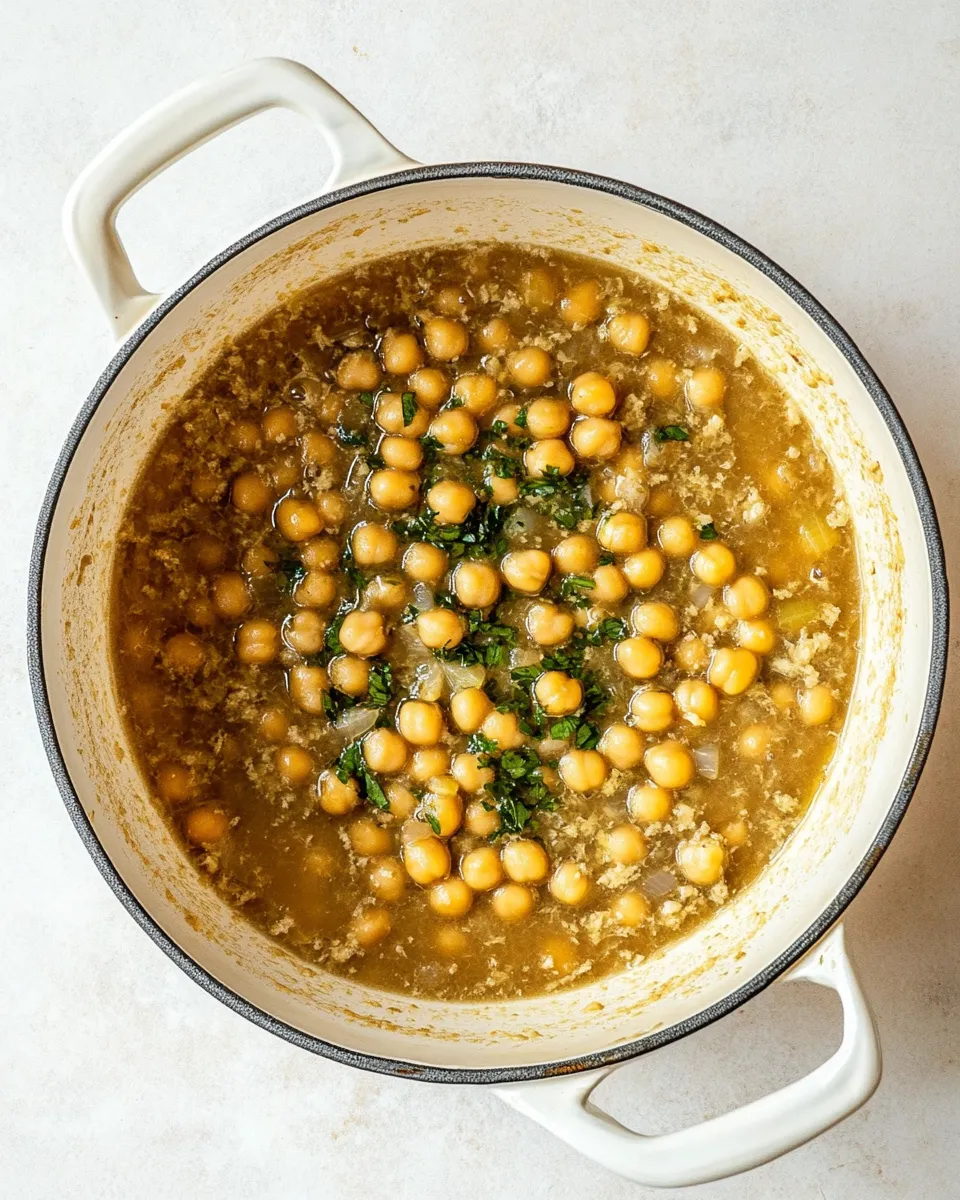
I love meals that feel slow-cooked without the fuss. This Brothy Chickpeas and Emmer dish is one of those weeknight heroes: humble ingredients, forgiving technique, and a comforting bowl of broth, chewy grain, and tender chickpeas. It comes together quickly once you have your cooked chickpeas and emmer on hand, and it rewards you with depth from a long onion sweat and a splash of rice vinegar that brightens everything.
There’s no need to overcomplicate this. The base is simple—onion, olive oil, a little acid, broth, chickpeas, and a chewy grain—finishing with grated Parmesan and black pepper. Each element plays a clear role: the onion builds savory backbone, the vinegar lifts the flavors, the broth ties it together, and the cheese adds umami and silk. It’s honest food that performs well for solo dinners, a warmed-up lunch, or a light supper for two.
Below I’ll walk you through what to buy, the exact step-by-step method, sensible swaps, gear that actually matters, and storage tips so leftovers reheat well. If you like bowls that are both textural and brothy, this will earn a permanent spot in your rotation.
What to Buy
Buy good-quality basics. Emmer (also labeled as farro in some shops) can be pearled or whole; pearled cooks faster. If you’re buying chickpeas, you can choose canned for speed or cook dried for greater control. A flavorful vegetable or bean broth makes a visible difference, and a block of Parmesan is worth the extra few dollars—grating it fresh gives a creamier finish than pre-grated tubs.
Ingredients
- 2-3 tablespoons olive oil — for softening the onion and carrying flavor; use the lower amount for a lighter finish, higher for richer mouthfeel.
- 1 medium yellow onion (diced) — builds the sweet, caramelized base; finer dice cooks faster, larger gives texture.
- ½ teaspoon kosher salt — seasons the onions as they cook and helps draw out moisture for caramelization.
- 2 teaspoons rice vinegar — adds bright acidity to balance the broth and grains.
- 1 1/2 cups (315 g) cooked chickpeas — the protein and body; if using canned, rinse and drain first.
- 2 cups (480 g) bean or vegetable broth — the liquid backbone; adjust to control how brothy the finished bowl is.
- 1 cup (200 g) cooked pearled or whole emmer/farro (or really any good, slightly chewy grain) — provides chew and structure; pearled emmer cooks faster and absorbs broth differently than whole.
- Grated Parmesan cheese (for finishing) — stirred in off the heat for creaminess and umami.
- Black pepper (for finishing) — freshly cracked for aroma and a mild bite.
Brothy Chickpeas and Emmer Made Stepwise
- Heat 2–3 tablespoons olive oil in a medium braiser or pot over medium heat until warmed.
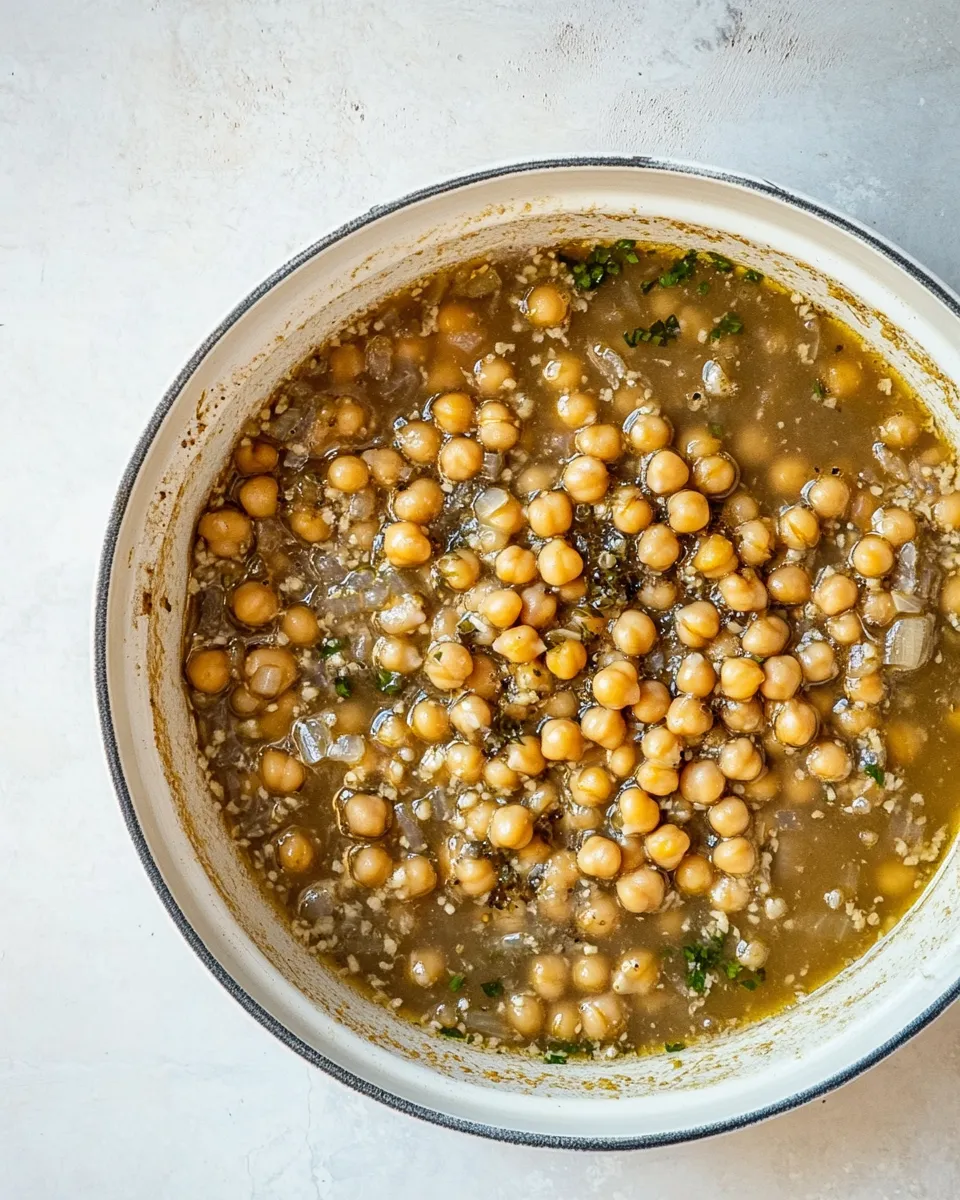
- Add the diced onion and ½ teaspoon kosher salt. Cook, stirring occasionally, until the onion is soft and golden and the oil begins to pool slightly around the edges, about 20 minutes. If the onions begin to brown too quickly, reduce the heat.
- Stir in the 2 teaspoons rice vinegar, scraping the bottom of the pan to release any browned bits.
- Add 1 1/2 cups (315 g) cooked chickpeas, 2 cups (480 g) bean or vegetable broth, and 1 cup (200 g) cooked pearled or whole emmer/farro. Bring the mixture to a gentle simmer.
- Simmer for a few minutes (about 3–5 minutes) to warm everything and let the flavors meld. If you prefer a brothier dish, add more broth or a splash of water to reach the desired consistency.
- Remove the pot from the heat. Stir in grated Parmesan cheese and black pepper to your liking, then serve.
Why Brothy Chickpeas and Emmer is Worth Your Time
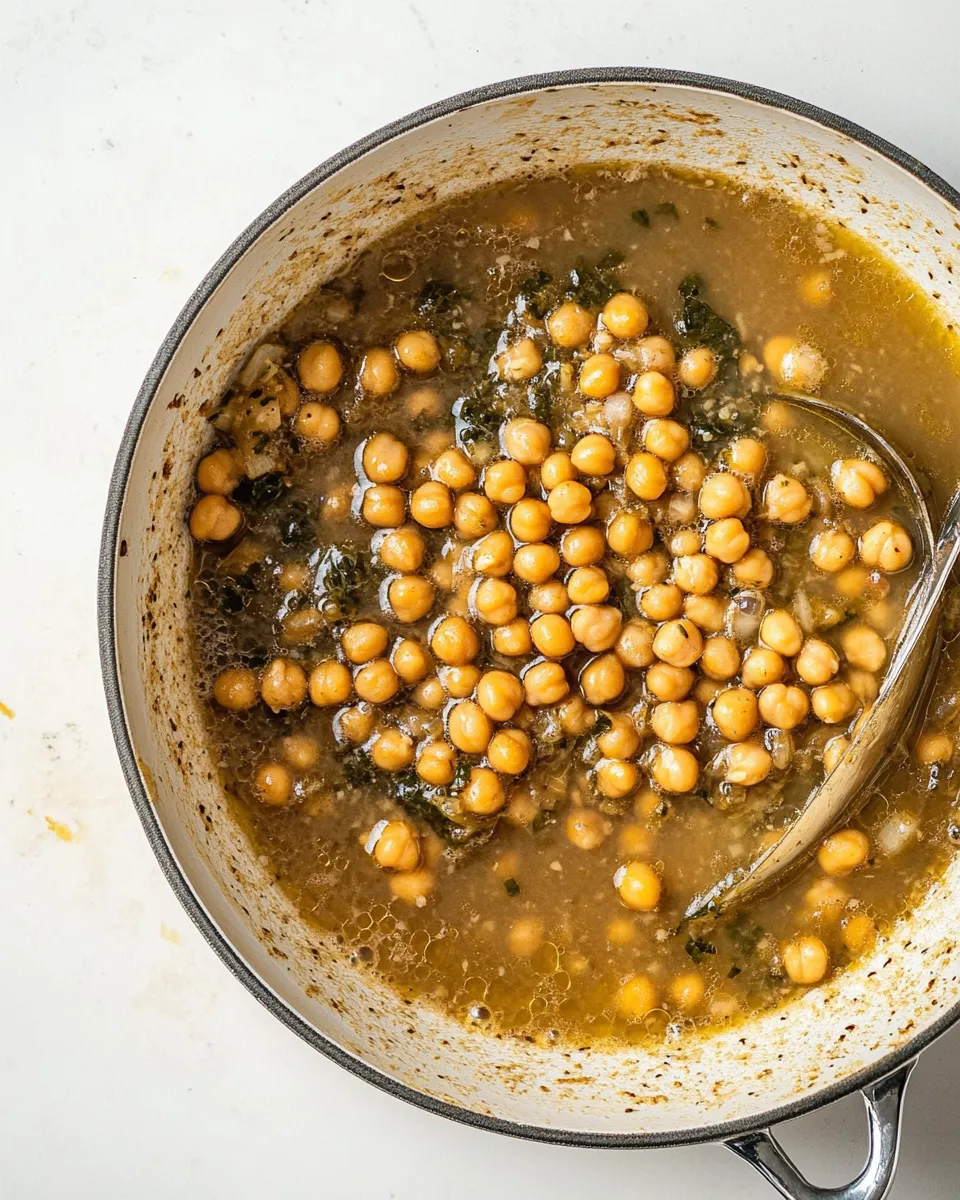
This recipe is worth your time because it delivers comfort and efficiency. The long, slow-ish onion cook transforms simple ingredients; patience at that stage pays huge dividends in flavor. Once the aromatics are in place, assembly is quick. You get a textured bowl—silky broth, chewy emmer, and plump chickpeas—without long braises or complicated seasoning.
It’s also versatile. You can build on it—roast some vegetables and nestle them in, add a handful of greens at the end, or fold in a spoonful of pesto. But the unadorned version is satisfying on its own, which is its quiet strength: make the components well, and the result is more than the sum of its parts.
What to Use Instead
If you can’t find pearled emmer or prefer something different, use other slightly chewy grains. Barley, farro labeled as spelt-based, or even hulled wheat are good textural matches. For the broth, any savory vegetable stock will do; low-sodium versions let you control final salting. Olive oil can be swapped for another neutral oil if you prefer, though you’ll lose a touch of flavor complexity.
If you’re aiming for a different profile altogether, try using a more robust broth (mushroom-based, for instance) or finish with a different grated hard cheese if you tolerate it. These swaps change the character but keep the same comforting formula.
What’s in the Gear List
- Medium braiser or pot — wide enough to let onions spread and brown evenly; a shallow pot with heavy bottom works best.
- Saucepan or grain pot — for cooking emmer if you don’t have it pre-cooked.
- Chef’s knife and cutting board — a good, sharp knife speeds up dicing the onion and saves elbow grease.
- Wooden spoon or heatproof spatula — for scraping and stirring without damaging the pan.
- Box grater — for grating Parmesan right before finishing for the best melt and texture.
Mistakes Even Pros Make
1) Rushing the onion. Turning up the heat to save time will char the edges and lose the sweet, caramelized flavor you want. Low and steady is the trick. If the onions start browning too fast, lower the heat and stir more often.
2) Adding the grain cold. If the emmer is fridge-cold, it will cool the broth quickly and take longer to warm through; bring it to room temperature or warm it briefly so the whole pot reaches a gentle simmer faster.
3) Over-salting early. Broth and Parmesan both carry salt. Season gently during the onion stage and adjust at the end after adding broth and cheese.
Allergy-Friendly Swaps
If you’re dairy-free, leave out the Parmesan and boost savory depth with a splash of miso or a drizzle of nutritional yeast at the end—both give umami without dairy. For gluten sensitivity, check labels: some farro/emmer products are processed on shared equipment. Use certified gluten-free chewy grains like quinoa blends or hulled buckwheat to mimic the textural contrast. For oil sensitivity, a neutral oil like avocado or light olive oil can replace extra-virgin varieties without changing the method.
Cook’s Notes
On the onion
Take your time. Twenty minutes is a guideline; the aim is soft, golden, and slightly jammy. The pooling oil around the edges is a visual cue that the onions have released enough moisture and started to caramelize.
On the rice vinegar
Two teaspoons is small, but it brightens the whole pot. Add it, then scrape to free any fond. That quick deglaze pulls the browned onion bits into the broth and deepens the flavor more than you’d expect.
On emmer
Pearled emmer will be softer and absorb less broth; whole emmer holds more chew and may soak up liquid differently. Cooked grain should be slightly al dente so it keeps texture after simmering with the broth.
Finishing
Add Parmesan off the heat so it melts into the broth and thickens it slightly. Freshly cracked black pepper is more aromatic than pre-ground and gives the final lift.
Storage Pro Tips
Store leftovers in an airtight container in the fridge for up to 3–4 days. The grain will continue to absorb liquid as it sits, so the mixture will thicken. When reheating, thaw gently in a saucepan over low heat and add a splash of broth or water to loosen it. Reheat only once for best texture and food safety.
If you want to make this ahead for meal prep, keep the broth and cooked grain/chickpea mix separate. Combine and heat when you’re ready to eat; this preserves texture better than storing everything together.
Questions People Ask
Q: Can I use canned chickpeas? A: Yes. Rinse and drain them to remove excess sodium and any canning liquid. They’ll warm quickly during the simmer step. Q: Is emmer the same as farro? A: Emmer is one type of ancient wheat often sold as farro. Labels vary, so read packaging to be sure you’re buying pearled or whole, depending on the texture you want. Q: Can I make this vegan? A: Omit the Parmesan and finish with a drizzle of good olive oil, a spoonful of miso thinned with warm water, or nutritional yeast for umami.
Ready, Set, Cook
Gather your ingredients and give the onion the time it deserves. Once you’ve sweated it soft and golden, everything else moves quickly: a splash of vinegar, the chickpeas, broth, and emmer. A few minutes at a gentle simmer, a final fold of grated Parmesan, and you have a bowl that’s both simple and surprisingly complete.
Serve with an extra wedge of lemon on the side if you like more brightness, or a small salad for contrast. But don’t overthink it—this is a recipe that rewards patience at the start and minimal fuss after. Enjoy your Brothy Chickpeas and Emmer.
Brothy Chickpeas and Emmer
Ingredients
Ingredients
- 2-3 tablespoonsolive oil
- 1 medium yellow onion diced
- 1/2 teaspoonkosher salt
- 2 teaspoonsrice vinegar
- 1 1/2 cups 315 gcooked chickpeas
- 2 cups 480 gbean or vegetable broth
- 1 cup 200 gcooked pearled or whole emmer/farro(or really any good, slightly chewy grain)
- Grated parmesan cheese for finishing
- Black pepper for finishing
Instructions
Instructions
- Heat 2–3 tablespoons olive oil in a medium braiser or pot over medium heat until warmed.
- Add the diced onion and ½ teaspoon kosher salt. Cook, stirring occasionally, until the onion is soft and golden and the oil begins to pool slightly around the edges, about 20 minutes. If the onions begin to brown too quickly, reduce the heat.
- Stir in the 2 teaspoons rice vinegar, scraping the bottom of the pan to release any browned bits.
- Add 1 1/2 cups (315 g) cooked chickpeas, 2 cups (480 g) bean or vegetable broth, and 1 cup (200 g) cooked pearled or whole emmer/farro. Bring the mixture to a gentle simmer.
- Simmer for a few minutes (about 3–5 minutes) to warm everything and let the flavors meld. If you prefer a brothier dish, add more broth or a splash of water to reach the desired consistency.
- Remove the pot from the heat. Stir in grated Parmesan cheese and black pepper to your liking, then serve.
Equipment
- braiser or pot
- Wooden Spoon
Notes
Vegetables:
I left this recipe vegetable-agnostic because it’s solid with so many of them. As you might have noticed, I used a bit of charred/steamed broccoli for one of the images. However, roasted squash, baked sweet potatoes, wilted spinach, cooked corn, or grilled eggplant would all work.