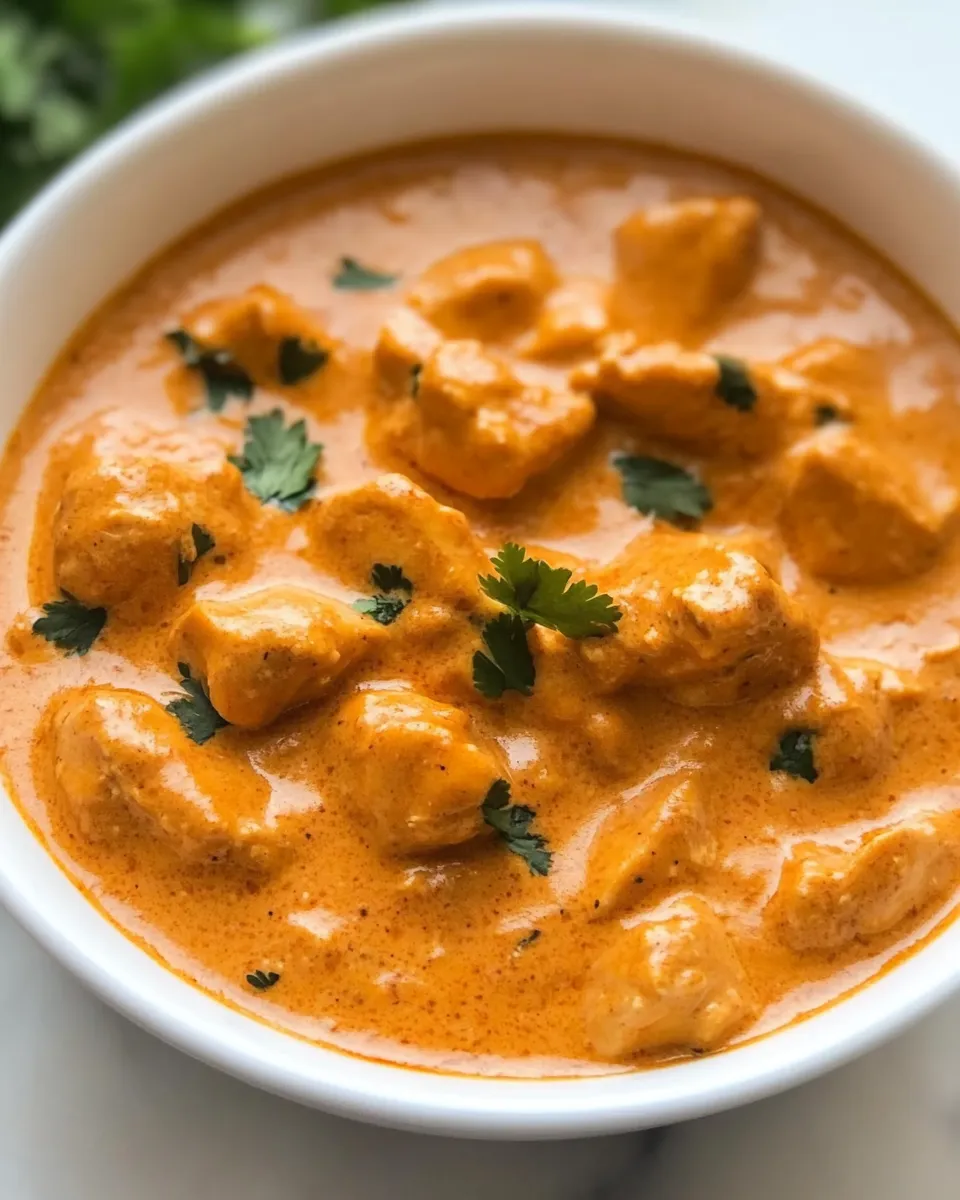
Butter chicken is one of those dishes that feels like a reward: rich, saucy, and forgiving. I make it when I want something that feeds a crowd but still feels special — the kind of meal that smells amazing as soon as you walk in the door. This version is straightforward, pantry-friendly, and leans into the creamy tomato sauce that makes butter chicken so comforting.
There are no tricky steps here, just a reliable order: season the chicken, build the tomato-cream sauce, brown the meat, and finish them together. The recipe below uses basic equipment and a short ingredient list, but it produces a layered, restaurant-style result. I’ll walk you through what each ingredient is doing and where small tweaks pay off.
What Goes In
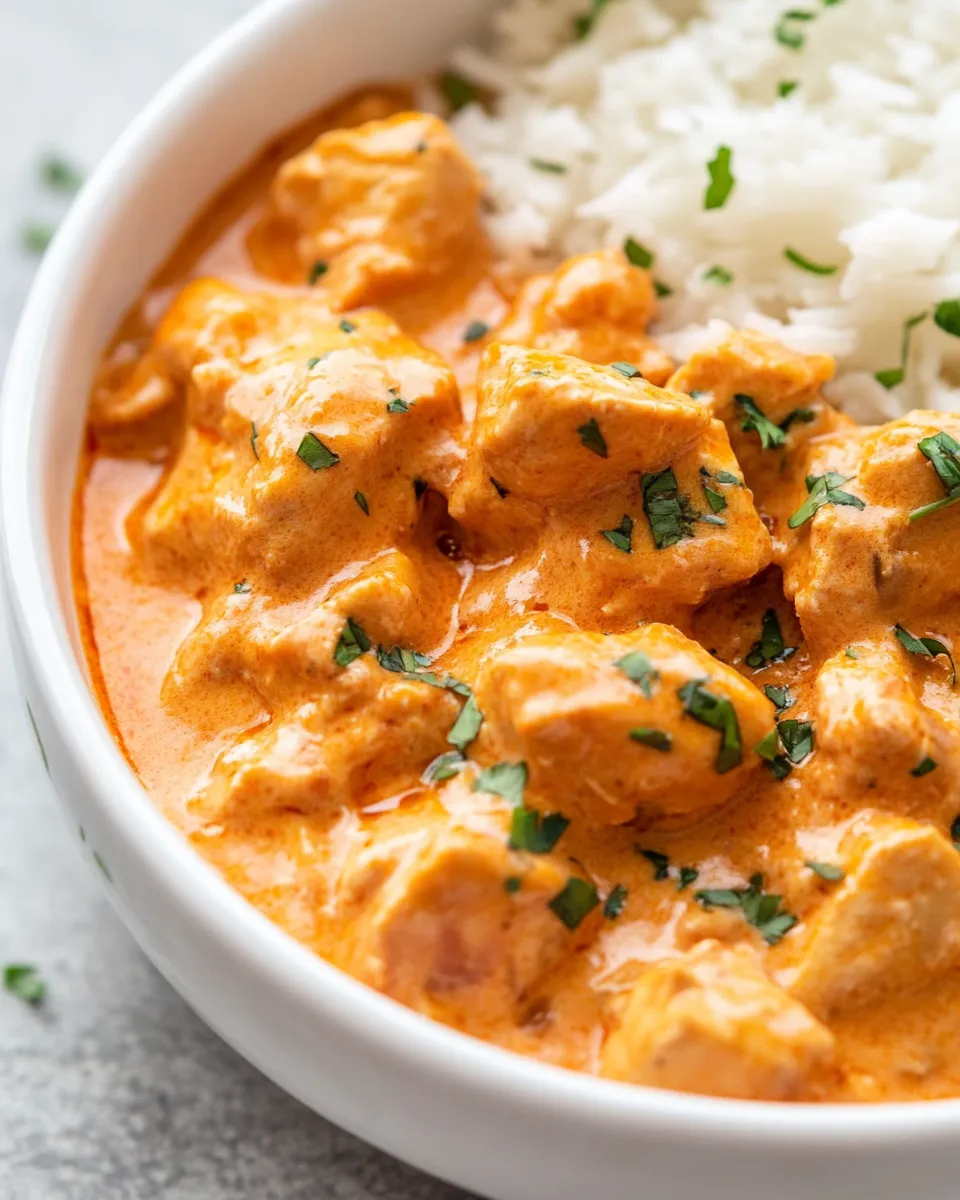
Ingredients
- 1 ½ pounds boneless, skinless chicken thighs, trimmed and cut into 1-inch pieces — dark meat stays juicy and tolerates simmering; cut to even size for even cooking.
- 1 teaspoon kosher salt — seasons the chicken up front so every bite is seasoned.
- ½ teaspoon freshly ground black pepper — a baseline pepper heat; grind fresh for fragrance.
- 2 tablespoons vegetable oil, divided — for browning the onions and the chicken; neutral oil with a high smoke point.
- 4 tablespoons butter, divided — builds that rich, silky “butter” profile in the sauce and helps brown the chicken.
- 1 yellow onion, diced — provides sweetness and body to the sauce when softened.
- 3 teaspoons garam masala — the warming spice blend; adds the classic butter chicken aroma.
- 1 teaspoon ground ginger — brings brightness and a little bite without needing fresh ginger.
- 1 teaspoon chili powder — controls the heat; adjust to taste but keep some for balance.
- 1 6 ounce can tomato paste — concentrated tomato flavor and the backbone of the sauce.
- 1 cup tomato sauce — thins and rounds out the paste while keeping tomato flavor front and center.
- 1 bay leaf — simmered in the sauce for a subtle herbal note; remove before serving.
- 2 cups heavy cream — the luxurious component that mellows acid and spices for that signature creamy texture.
- ½ lime — a squeeze at the end brightens and balances the richness.
- cilantro leaves, for garnish — fresh herb finish adds a clean contrast to the creaminess.
Butter Chicken — Do This Next
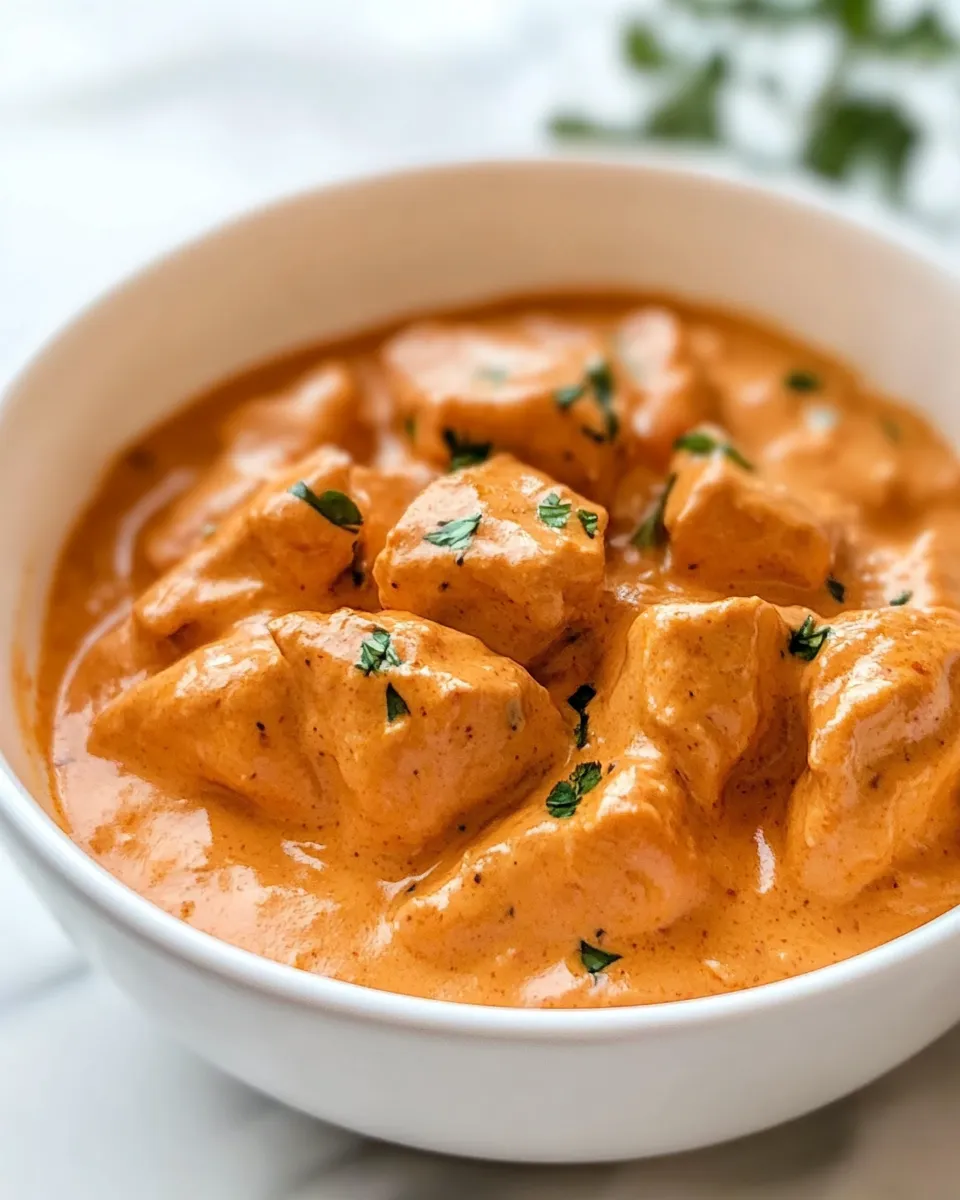
- Place the chicken pieces in a bowl and season with 1 teaspoon kosher salt and ½ teaspoon freshly ground black pepper. Toss to coat and set aside.
- In a large, high-sided skillet or 6-quart pan, heat 1 tablespoon vegetable oil and 2 tablespoons butter over medium heat until the butter is melted.
- Add the diced onion and cook, stirring occasionally, for 4–5 minutes, until the onion begins to soften.
- Add 3 teaspoons garam masala, 1 teaspoon ground ginger, and 1 teaspoon chili powder to the onions. Cook and stir for 1–2 minutes, stirring often so the spices do not burn.
- Stir in the entire 6-ounce can of tomato paste and 1 cup tomato sauce. Whisk until the mixture is smooth and cook for 2 minutes.
- Stir in 2 cups heavy cream until smooth, add 1 bay leaf, bring the sauce to a gentle boil, then reduce heat to a simmer and cook for 5 minutes.
- While the sauce simmers, heat the remaining 1 tablespoon vegetable oil and 2 tablespoons butter in a separate large skillet over medium-high heat. Add the seasoned chicken and cook, stirring occasionally, for 4–5 minutes, until the chicken is lightly browned on all sides (it may not be fully cooked through).
- Pour the tomato-cream sauce into the skillet with the browned chicken (or add the chicken to the sauce), scraping up any browned bits from the bottom of the pan. Stir to combine.
- Simmer the chicken and sauce together on low to medium-low heat for 10–15 minutes, until the chicken is cooked through and the sauce has thickened slightly. Remove and discard the bay leaf.
- Squeeze the juice from the ½ lime over the butter chicken, garnish with cilantro leaves, and serve.
Why You’ll Love This Recipe
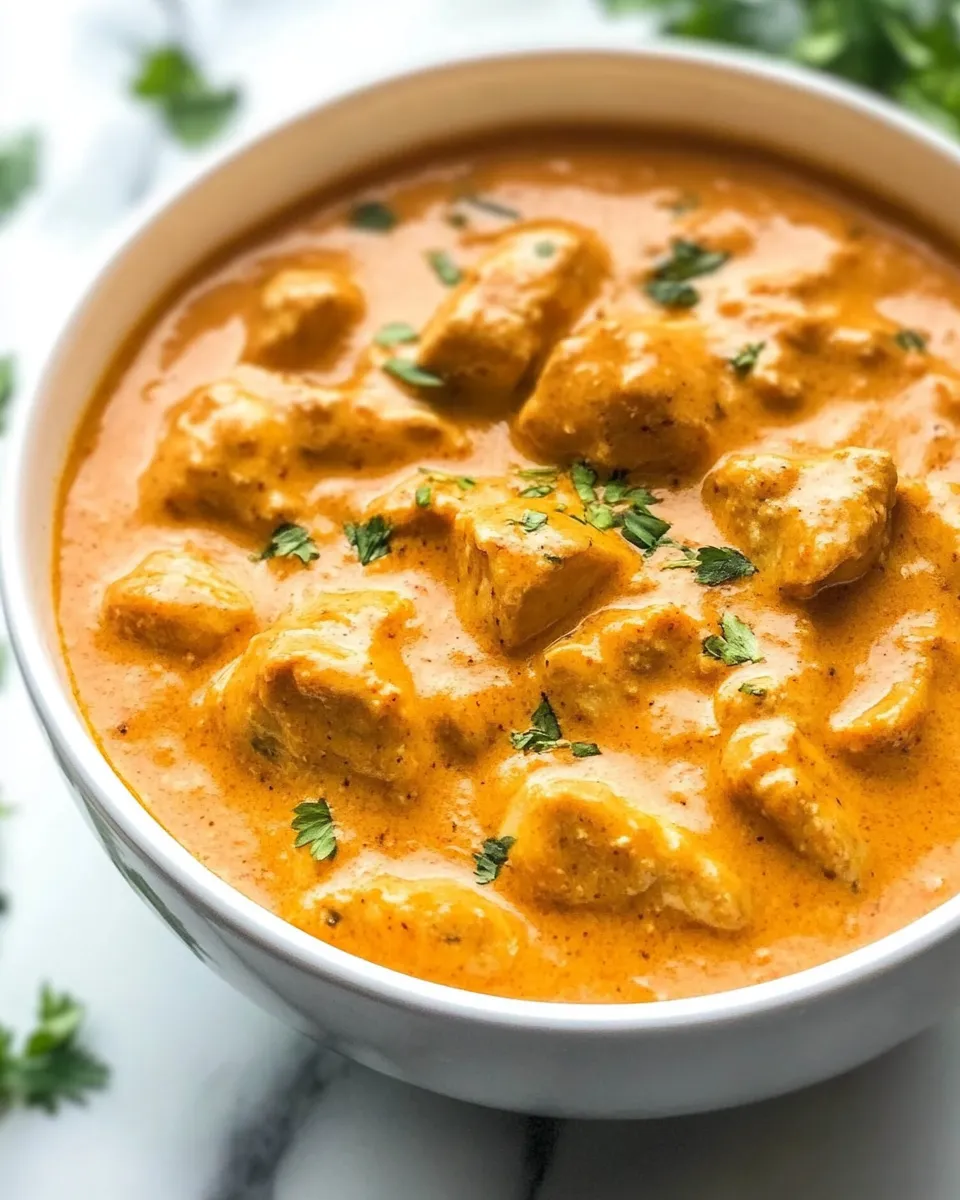
This recipe hits the sweet spots: minimal prep, bold flavor, and a luxurious finish. Using thighs keeps the chicken moist even after simmering in the sauce, and the combination of tomato paste plus tomato sauce delivers concentrated tomato depth without needing to roast or purée fresh tomatoes. Heavy cream brings everything together — it softens the spices and produces that silky mouthfeel people expect from good butter chicken.
It’s also forgiving. The steps separate sauce-building from browning the chicken, so you can tweak heat and timing without sacrificing texture. If you need a straightforward dinner that scales, this one scales well: a larger pan and a longer simmer, and you’ll still get reliable results.
Flavor-Forward Alternatives
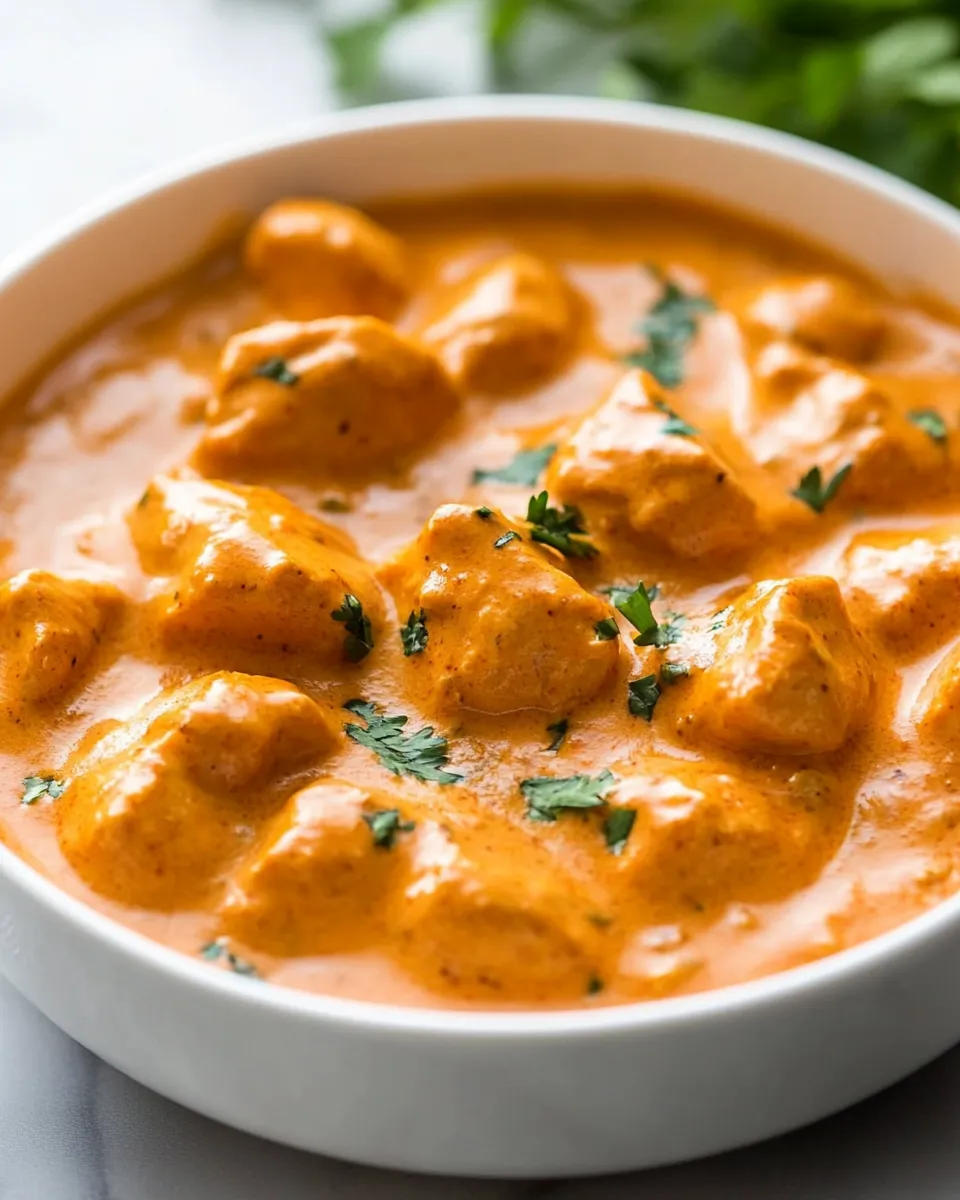
If you want to push the flavor profile, small changes make a big difference:
- For smokiness, add a pinch of smoked paprika into the spice step or finish with a touch of ghee instead of all butter.
- To deepen the tomato character, lightly roast the tomato paste in the pan a minute longer; it develops color and sweetness.
- For herbaceous complexity, stir in a small handful of crushed dried fenugreek (kasoori methi) at the end — it’s a classic finish for many butter chicken recipes.
- If you prefer a brighter, tangier sauce, swap part of the cream for plain yogurt (tempered to avoid curdling) or add an extra squeeze of lime just before serving.
- To make it dairy-free, use coconut milk in place of heavy cream and finish with a little extra lime for balance.
Before You Start: Equipment
Keep the equipment simple and focused. You need:
- A large, high-sided skillet or a 6-quart pan for building the sauce and finishing the dish — the extra sides prevent splatter and give room to stir.
- A second skillet for browning the chicken, unless you prefer to brown in batches in the same pan. Using two pans speeds the process and keeps the sauce warm.
- Good spatulas or wooden spoons for deglazing and scraping up fond — those browned bits add flavor.
- A sharp knife and a cutting board for trimming and cutting the chicken to uniform pieces.
Mistakes That Ruin Butter Chicken
Here are common pitfalls and how to avoid them:
- Overcrowding the pan when browning chicken — it causes steaming instead of browning. Brown in a single layer or in batches.
- Burning spices — add ground spices to softened onions and stir constantly for a minute or two so they bloom without burning.
- Adding cream to a boiling sauce — bring to a gentle simmer and stir cream in slowly to prevent splitting.
- Undercooking the tomato paste — it needs a minute to cook down and lose rawness for a balanced sauce.
- Skipping the final lime — acidity lifts the richness and keeps the dish from feeling heavy.
Holiday & Seasonal Touches
Butter chicken works well for holiday spreads because it’s rich, shareable, and pairs with simple sides. For winter gatherings, serve it with fragrant basmati rice or buttered naan and a side of roasted vegetables for color and texture. In warmer months, lighten the meal with a crisp cucumber-yogurt salad or a green salad with lemon vinaigrette to cut through the creaminess.
For a festive table, garnish generously: cilantro, a few slivers of toasted almond, or a drizzle of melted butter right before serving make it look and feel celebratory without changing the core recipe.
What I Learned Testing
On texture and timing
Testing showed that 1-inch pieces of thigh hit the sweet spot: they brown quickly and finish tender after the 10–15 minute simmer. Overcooking the chicken for longer than 15 minutes can dry it out, even with thighs, so monitor the simmer and test a piece before calling it done.
On the sauce
Tomato paste plus tomato sauce gives a forward tomato flavor without added acidity that can fight with cream. If the sauce tastes a bit flat during simmering, a quick splash of lime at the end brightens everything immediately.
On seasoning
Season the chicken first and taste the finished sauce before adding more salt. The pan juices from browning the chicken add savory depth, so final seasoning often needs only a small adjustment.
Storing Tips & Timelines
Leftovers keep well and often taste better the next day when the flavors have melded.
- Refrigerator: Store in an airtight container for up to 3 days. Gently reheat on the stovetop over low heat, stirring occasionally so the sauce warms evenly.
- Freezer: Freeze in a freezer-safe container for up to 2 months. Thaw overnight in the fridge before reheating. The cream can separate slightly after freezing; whisk in a splash of warm water or a tablespoon of fresh cream while reheating to smooth the sauce.
- Reheating tip: Reheat slowly over low heat to avoid breaking the sauce. A short simmer with occasional stirring brings the sauce back to life without curdling.
Common Questions
Q: Can I use chicken breasts instead of thighs?
A: Yes, but watch the cooking time closely. Breasts dry out faster; cut them into slightly larger pieces and reduce the simmer time, checking for doneness early.
Q: Can I make this ahead?
A: Yes. Make the sauce and chicken a day ahead and gently reheat. Flavors deepen overnight. If making further ahead, freeze as noted above.
Q: Is this very spicy?
A: Not inherently. The single teaspoon of chili powder provides a gentle warmth that can be adjusted. Increase if you like more heat, or reduce if serving to spice-averse eaters.
Q: Can I substitute lower-fat dairy?
A: You can, but the texture will change. Part-skim cream or milk will yield a thinner sauce. If you must reduce fat, consider stirring in a small amount of yogurt just before serving (temper it first to prevent curdling).
Ready to Cook?
Set out your pans, dice the onion, and cut the chicken to size. This recipe is designed to move steadily from seasoning to sauce to finish — once you start, the steps flow. Keep your spices close at hand, don’t rush the browning, and remember the final lime — it’s the small bright note that balances the whole dish.
When you’re ready, follow the step-by-step directions above and enjoy a reliably comforting plate of Butter Chicken. Serve with steamed rice, warm naan, or whatever you love, and don’t forget to garnish with cilantro for that fresh finish.

Butter Chicken
Ingredients
Ingredients
- 1 1/2 poundsboneless skinless chicken thighs, trimmed and cut into 1-inch pieces
- 1 teaspoonkosher salt
- 1/2 teaspoonfreshly ground black pepper
- 2 tablespoonsvegetable oil divided
- 4 tablespoonsbutter divided
- 1 yellow onion diced
- 3 teaspoonsgaram masala
- 1 teaspoonground ginger
- 1 teaspoonchili powder
- 1 6 ouncecan tomato paste
- 1 cuptomato sauce
- 1 bay leaf
- 2 cupsheavy cream
- 1/2 lime
- cilantro leaves for garnish
Instructions
Instructions
- Place the chicken pieces in a bowl and season with 1 teaspoon kosher salt and ½ teaspoon freshly ground black pepper. Toss to coat and set aside.
- In a large, high-sided skillet or 6-quart pan, heat 1 tablespoon vegetable oil and 2 tablespoons butter over medium heat until the butter is melted.
- Add the diced onion and cook, stirring occasionally, for 4–5 minutes, until the onion begins to soften.
- Add 3 teaspoons garam masala, 1 teaspoon ground ginger, and 1 teaspoon chili powder to the onions. Cook and stir for 1–2 minutes, stirring often so the spices do not burn.
- Stir in the entire 6-ounce can of tomato paste and 1 cup tomato sauce. Whisk until the mixture is smooth and cook for 2 minutes.
- Stir in 2 cups heavy cream until smooth, add 1 bay leaf, bring the sauce to a gentle boil, then reduce heat to a simmer and cook for 5 minutes.
- While the sauce simmers, heat the remaining 1 tablespoon vegetable oil and 2 tablespoons butter in a separate large skillet over medium-high heat. Add the seasoned chicken and cook, stirring occasionally, for 4–5 minutes, until the chicken is lightly browned on all sides (it may not be fully cooked through).
- Pour the tomato-cream sauce into the skillet with the browned chicken (or add the chicken to the sauce), scraping up any browned bits from the bottom of the pan. Stir to combine.
- Simmer the chicken and sauce together on low to medium-low heat for 10–15 minutes, until the chicken is cooked through and the sauce has thickened slightly. Remove and discard the bay leaf.
- Squeeze the juice from the ½ lime over the butter chicken, garnish with cilantro leaves, and serve.
Equipment
- large high-sided skillet or 6-quart pan
- Large Skillet
- Bowl
- Whisk