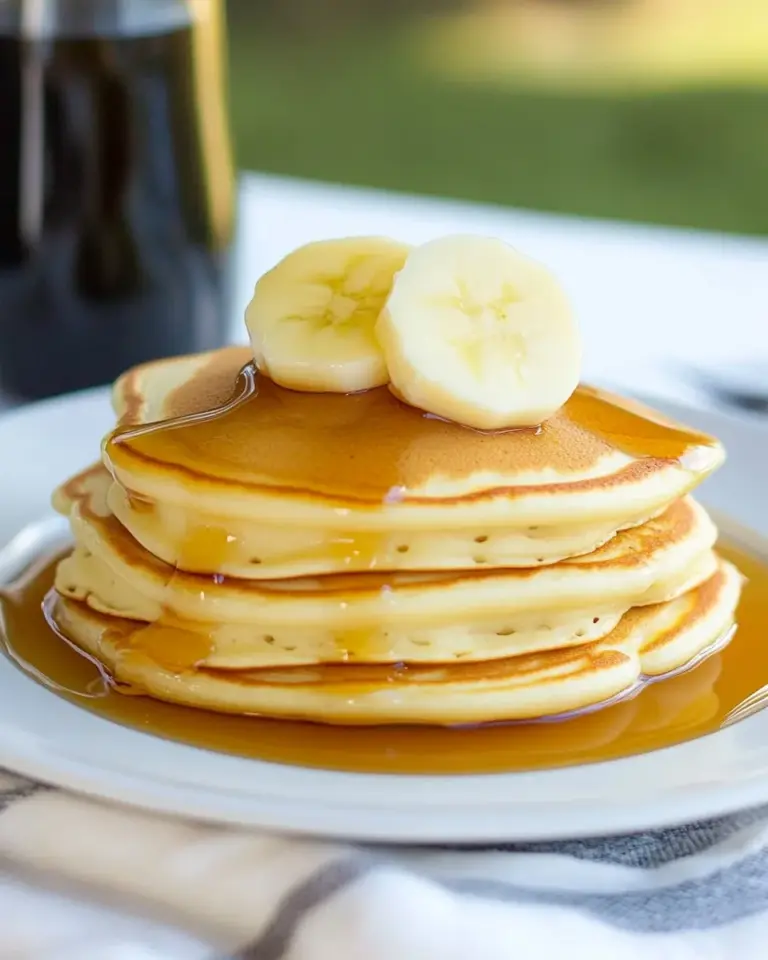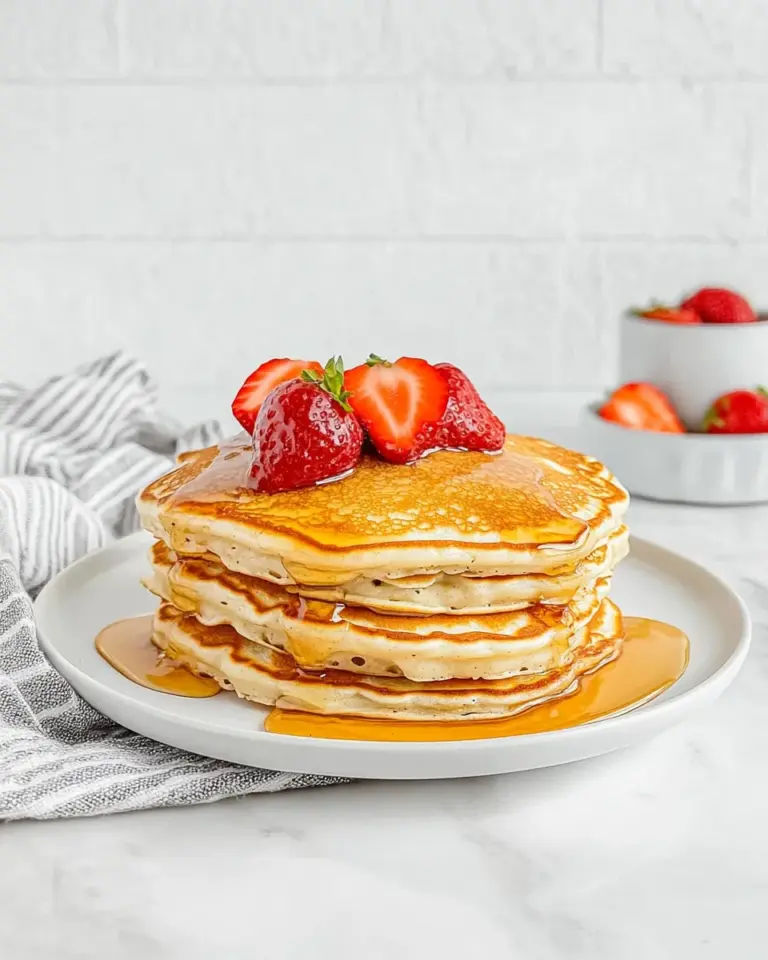
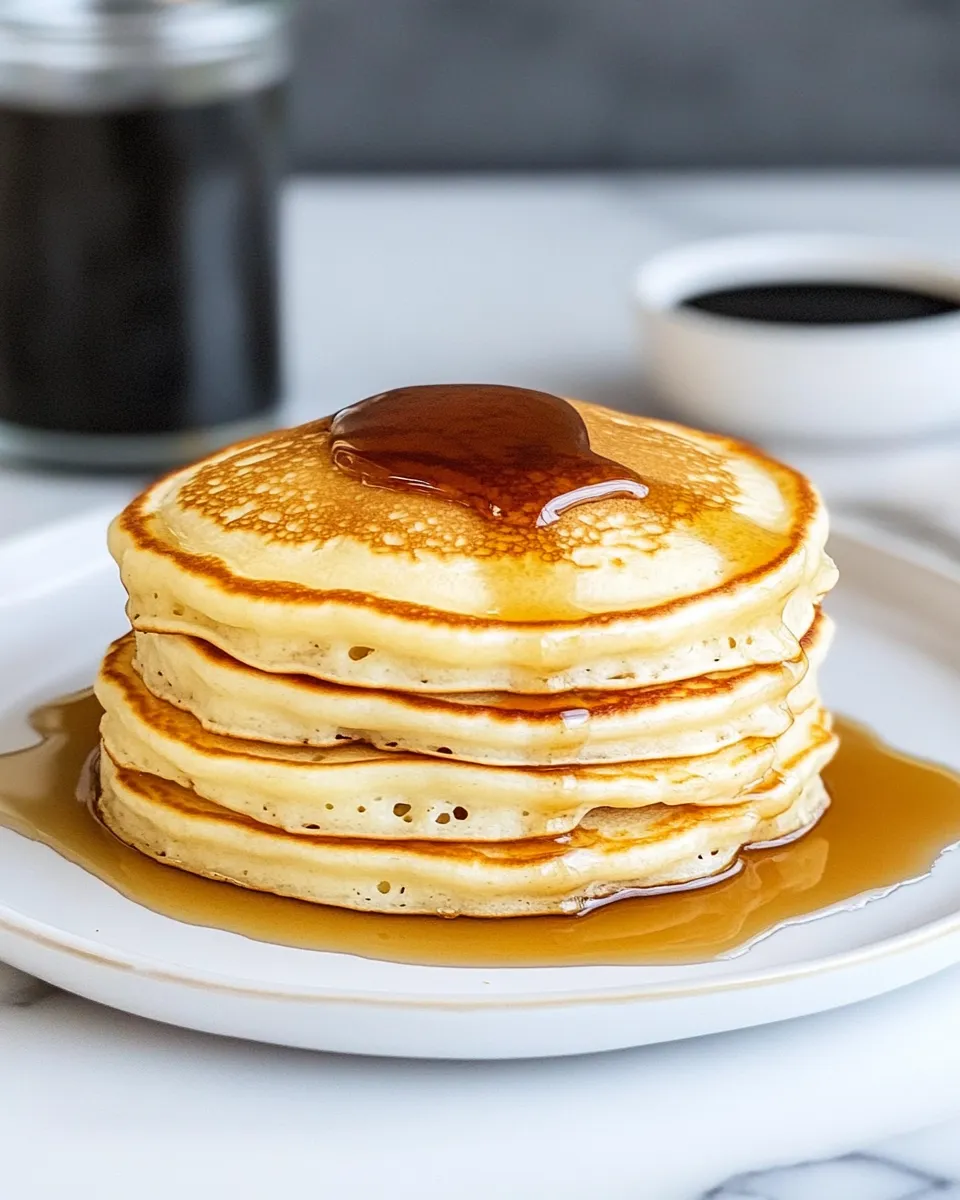
There are pancakes, and then there are reliable, tender-but-slightly-chewy buttermilk pancakes that come together with ingredients you probably already keep on hand. This version is straightforward: a batter that tolerates small lumps, a short resting and adjusting step, and a cooking tempo that rewards patience. You’ll get consistent rounds with golden edges and a soft interior.
I test techniques so you don’t have to. The method below focuses on simple habits—measure, mix gently, and watch for bubbles—so your pancakes rise evenly and brown without burning. The optional add-ins are handled so you get them distributed without overworking the batter.
Read through the ingredient notes and the step-by-step process once, then cook. The phone-free griddle time is the easiest part.
Ingredient Rundown
Ingredients
- 2 cups all-purpose flour — the structure for the pancakes; measure by spooning into the cup and leveling for consistent results.
- 2 Tablespoons granulated sugar — a touch of sweetness that promotes browning.
- 1½ teaspoons baking powder — primary leavening to lift the pancakes.
- ¾ teaspoon baking soda — reacts with the buttermilk to add lightness and a subtle tang.
- ½ teaspoon salt — balances flavor; don’t skip.
- 2 cups buttermilk — provides acidity and moisture; key for tender crumb and tangy flavor.
- 2 large eggs, beaten — bind and add richness; room temperature eggs blend more smoothly.
- 2 Tablespoons melted butter — adds flavor and helps the surface brown; keep some for the griddle.
- 2 Tablespoons milk, to thin batter — optional; use only if needed to reach a pourable consistency.
- blueberries or chocolate chips, for topping before flipping, optional — add immediately after pouring so they adhere to the batter.
Cooking Buttermilk Pancakes: The Process
- Preheat a griddle to 350°F or heat a large heavy skillet over medium. Lightly grease the cooking surface with a little melted butter.
- In a large bowl, whisk together 2 cups all-purpose flour, 2 tablespoons granulated sugar, 1½ teaspoons baking powder, ¾ teaspoon baking soda, and ½ teaspoon salt.
- In a separate bowl, combine 2 cups buttermilk, 2 large beaten eggs, and 2 tablespoons melted butter; whisk until blended.
- Pour the wet ingredients into the dry ingredients and stir gently with a spatula or spoon until just combined. Small lumps are fine—do not overmix.
- If the batter is too thick to pour, add up to 2 tablespoons milk a little at a time until the batter is thick but pourable.
- Use a ¼-cup measuring cup to scoop batter onto the hot, greased griddle, leaving space between pancakes. If using, sprinkle blueberries or chocolate chips on each pancake immediately after pouring the batter.
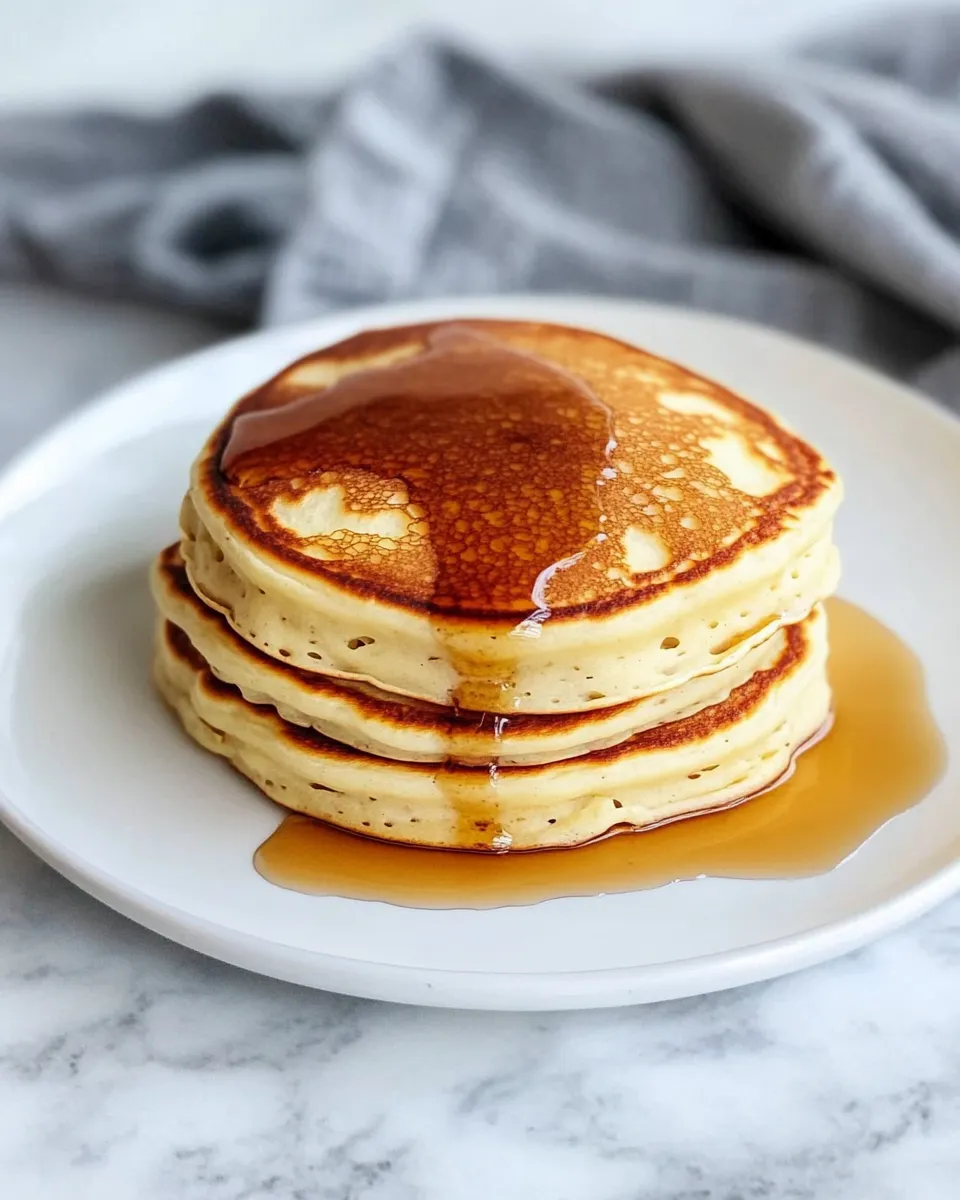
- Cook until bubbles appear on the surface and the edges look set, then flip each pancake once. Cook the second side until golden brown and cooked through (about 1–2 minutes).
- Transfer cooked pancakes to a warm plate and repeat with remaining batter, greasing the griddle lightly with melted butter if needed. Serve warm.
Why This Recipe Belongs in Your Rotation
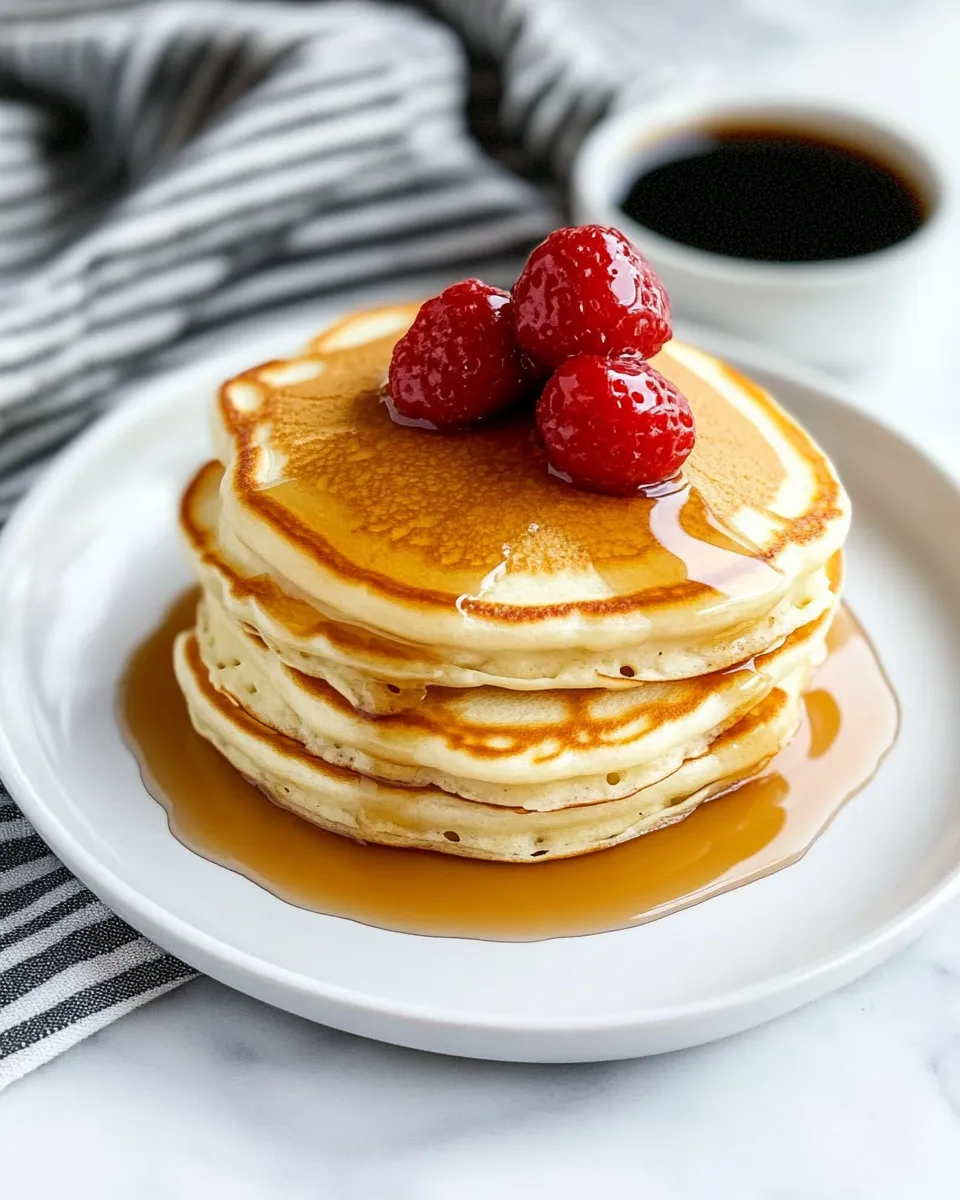
This recipe is dependable. It uses pantry staples and a single bowl for the dry mix and another for the wet, keeping cleanup minimal. The combination of baking powder and soda is calibrated for buttermilk, so the pancakes rise without tasting chemical. Texture-wise, they have enough tenderness from the buttermilk and eggs, but enough structure from flour and leaveners to hold syrup and toppings without collapsing.
The method tolerates small deviations. Batter that’s a touch thicker can be thinned with a splash of milk. Overmixing is the only real enemy, and the instructions make that clear. For busy mornings, you can portion batter to freeze or make ahead—see the Make-Ahead & Storage section.
Swap Guide
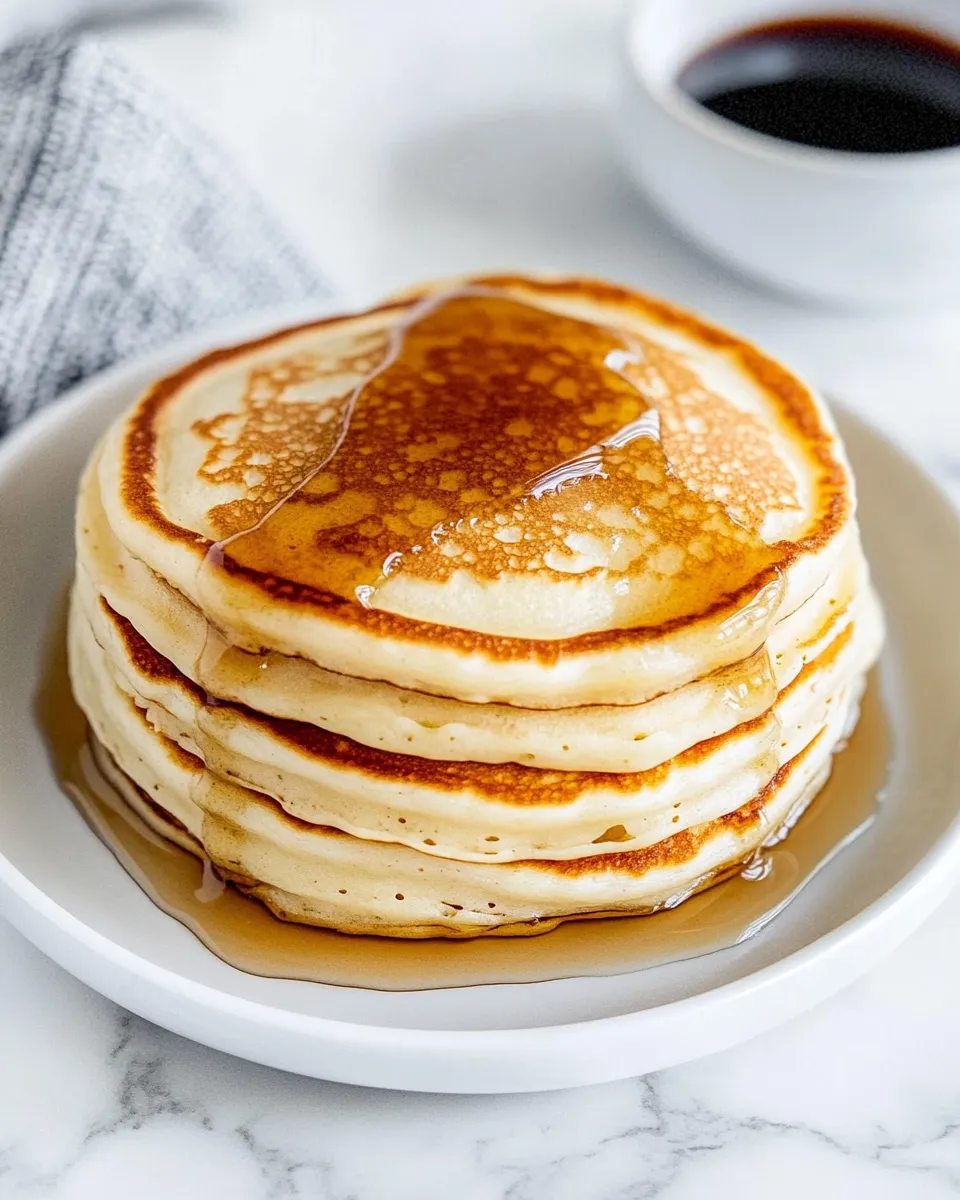
Alternatives are practical here, but make swaps with purpose:
- Flour: You can try half whole-wheat pastry flour for a nuttier flavor, but expect denser pancakes. Increase liquid slightly if the batter thickens.
- Buttermilk: If you don’t have buttermilk, make a quick substitute: 2 cups milk + 2 tablespoons lemon juice or vinegar, let sit 5 minutes. Use this in a pinch, but the tang and texture won’t be identical to cultured buttermilk.
- Fat: Use oil instead of melted butter if you want a neutral flavor, but butter gives better browning and mouthfeel.
- Sweetness: Swap granulated sugar for maple syrup in the batter if you like a more complex sweetness—reduce any added liquid slightly.
- Add-ins: Fresh blueberries and chocolate chips work best. If using frozen fruit, don’t stir it into the batter; sprinkle frozen pieces on top after scooping so they don’t thaw and color the batter too much.
Toolbox for This Recipe
Good tools make the job easier and improve results. You don’t need a lot:
- Griddle or heavy skillet — a smooth, even-heating surface produces consistent browning. Cast iron or a nonstick griddle both work.
- Spatula — a thin, flexible spatula helps flip pancakes cleanly.
- Measuring cups and spoons — accurate dry measurements for consistent batter.
- ¼-cup measuring cup or ice cream scoop — for uniform pancake size and even cooking.
- Small bowl for wet mix — so you can whisk eggs, buttermilk, and melted butter without overworking dry ingredients.
- Thermometer (optional) — if you want to hit griddle temperature precisely, 350°F is the target; otherwise test with a droplet of batter.
Mistakes That Ruin Buttermilk Pancakes
Here are the usual suspects and how to avoid them:
- Overmixing the batter: Stir until just combined. Overmixing develops gluten and creates tough pancakes. Lumps are okay.
- Cooking at too-high heat: If the surface is too hot, pancakes brown on the outside while remaining raw inside. Aim for medium heat and adjust as needed.
- Flipping too early or too often: Wait for bubbles and set edges. Flip once for best lift and texture. Flipping repeatedly deflates the pancake and wastes heat.
- Not greasing between batches: A dry griddle makes pancakes stick. Lightly grease with melted butter as you go.
- Using cold ingredients straight from the fridge: Cold eggs or butter can make the batter uneven. Bring eggs to room temperature if you can.
Season-by-Season Upgrades
Small seasonal tweaks keep this recipe interesting:
- Spring: Add lemon zest to the batter and top with macerated strawberries for brightness.
- Summer: Use ripe berries or stone fruit slices. For an icy contrast, serve with a dollop of cold whipped cream.
- Fall: Stir in a pinch of cinnamon and nutmeg; swap blueberries for chopped apples sautéed briefly with butter and brown sugar.
- Winter: Fold in a tablespoon of cocoa powder for chocolate pancakes, or top with warmed spiced maple syrup and toasted nuts.
Chef’s Rationale
This recipe balances lift, flavor, and simplicity. Two leaveners—baking powder and baking soda—give immediate rise and reaction with buttermilk’s acidity. The two tablespoons of sugar are enough to encourage browning without making the pancakes cloying. Melted butter in the batter and on the griddle improves mouthfeel and crust formation.
The gentle mixing instruction is intentional. Pancake batters are best when gluten development is kept low. Small lumps mean less mixing and a tender crumb. The optional milk allows you to adjust viscosity; climate and flour brands change hydration slightly, so the final bit of thinning prevents rock-solid batter.
Make-Ahead & Storage
These pancakes store well and reheat even better than you might expect.
- Keep warm: Hold finished pancakes on a wire rack set over a baking sheet in a 200–225°F oven to keep them warm and prevent sogginess while you finish the batch.
- Refrigerate: Cool pancakes completely, stack with parchment between layers, and refrigerate in an airtight container for up to 3 days.
- Freeze: Flash-freeze single layers on a sheet, then transfer to a zip-top bag. Freeze for up to 1 month. Reheat straight from frozen in a toaster or oven.
- Reheating: For best texture, reheat in a toaster or on a griddle over medium until warmed through and edges crisp. Microwave works in a pinch but can make pancakes soft.
Buttermilk Pancakes FAQs
Q: My batter is lumpy—should I strain it?
A: No. Small lumps are fine. Straining or overmixing can lead to denser pancakes.
Q: Why do my pancakes spread too much?
A: The batter is likely too thin. Add the milk slowly and stop when the batter is thick but pourable. Also check that your measuring is accurate for flour.
Q: Can I make this gluten-free?
A: Substitute a 1:1 gluten-free baking flour blend that contains xanthan gum. Texture will vary; expect a slightly different crumb and possibly a need for a touch more liquid.
Q: How do I know when to flip?
A: Look for bubbles across the surface and edges that look set. The underside should be golden brown. Flip once and cook 1–2 minutes more.
Q: Can I double the recipe?
A: Yes. Mix in a large bowl and cook in batches. Keep cooked pancakes warm in a low oven while you finish the rest.
See You at the Table
Follow the process, respect the batter, and you’ll have stacks that please everyone. These buttermilk pancakes are forgiving, fast to make, and a blank canvas for whatever your morning wants—fruit, chocolate, nuts, or a simple pat of butter and maple syrup. Serve hot, eat right away, and enjoy the small ritual of a homemade breakfast shared with people you care about.
Buttermilk Pancakes
Ingredients
Ingredients
- 2 cupsall-purpose flour
- 2 Tablespoonsgranulated sugar
- 1 1/2 teaspoonsbaking powder
- 3/4 teaspoonbaking soda
- 1/2 teaspoonsalt
- 2 cupsbuttermilk
- 2 largeeggs beaten
- 2 Tablespoonsmelted butter
- 2 Tablespoonsmilk to thin batter
- blueberries or chocolate chips for topping before flipping, optional
Instructions
Instructions
- Preheat a griddle to 350°F or heat a large heavy skillet over medium. Lightly grease the cooking surface with a little melted butter.
- In a large bowl, whisk together 2 cups all-purpose flour, 2 tablespoons granulated sugar, 1½ teaspoons baking powder, ¾ teaspoon baking soda, and ½ teaspoon salt.
- In a separate bowl, combine 2 cups buttermilk, 2 large beaten eggs, and 2 tablespoons melted butter; whisk until blended.
- Pour the wet ingredients into the dry ingredients and stir gently with a spatula or spoon until just combined. Small lumps are fine—do not overmix.
- If the batter is too thick to pour, add up to 2 tablespoons milk a little at a time until the batter is thick but pourable.
- Use a ¼-cup measuring cup to scoop batter onto the hot, greased griddle, leaving space between pancakes. If using, sprinkle blueberries or chocolate chips on each pancake immediately after pouring the batter.
- Cook until bubbles appear on the surface and the edges look set, then flip each pancake once. Cook the second side until golden brown and cooked through (about 1–2 minutes).
- Transfer cooked pancakes to a warm plate and repeat with remaining batter, greasing the griddle lightly with melted butter if needed. Serve warm.
Equipment
- griddle
Notes
Store
leftover pancakes in the refrigerator for 2-3 days. Reheat for a few seconds in the microwave or in the toaster oven.
Freezing Instructions:
After cooking homemade buttermilk pancakes, lay them in a single layer on a large baking tray and place them in the freezer. Allow them to harden for about 30 minutes, then stack them in a freezer safe container or bag and freeze for up to 3 months. The “flash freeze” will help prevent them from sticking to each other.