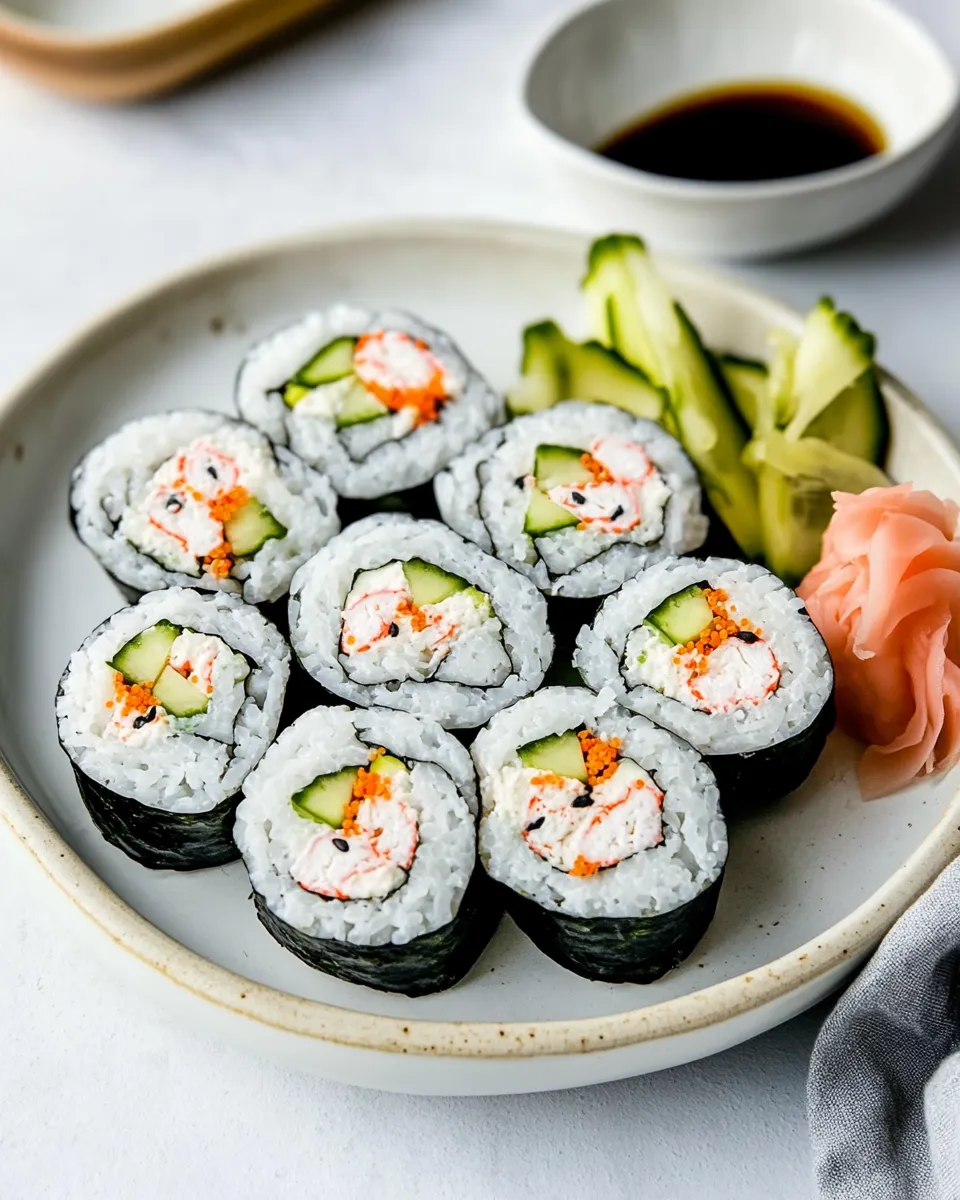
I make California rolls on repeat at home. They’re forgiving, fast, and they travel well to potlucks and lunches. Over the years I’ve settled into a few rituals — cooling the rice properly, keeping hands slightly damp, and using a single straight cut per piece when slicing. These small habits make a big difference.
This version uses imitation crab mixed with a little mayonnaise, ripe avocado, English cucumber, and the basics: nori and cooled sushi rice. The technique is straightforward, and once you practice rolling a few times you’ll find a rhythm. There’s no need for fancy tools beyond a bamboo mat and a sharp knife.
If you’re new to rolling sushi, I’ll walk you through each step, explain why the choices matter, and offer swaps and troubleshooting tips so your first batch looks and tastes great. Practical, direct advice — no fluff. Let’s get cooking.
The Essentials
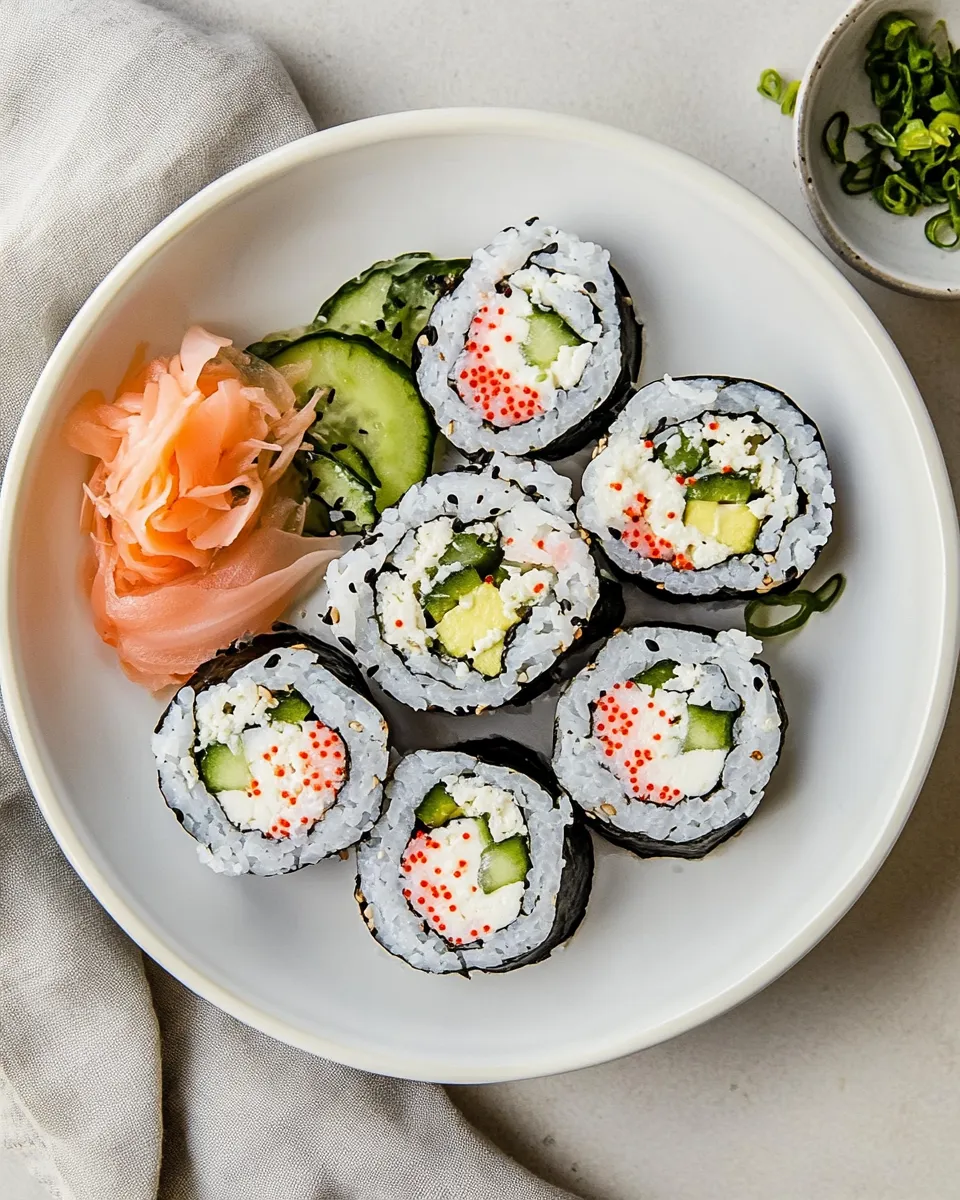
California rolls are inside-out style sushi: rice on the outside, nori on the inside, and a mild, creamy filling. Texture contrast is key — tender avocado, springy rice, and crisp cucumber. Balance the flavors: the mayo in the crab adds creaminess, the soy sauce adds salt, and pickled ginger cleanses the palate.
Focus on three practical things: properly cooled sushi rice, evenly sliced fillings, and steady rolling pressure. Keep a bowl of water nearby to wet your hands for handling rice. Use a sharp, non-serrated knife and make confident, single straight cuts. Those simple steps will keep your rolls tidy and compact.
Ingredients
- 4 cups Sushi Rice, cooled — the foundation; must be sticky and at room temperature so it spreads easily and sticks together.
- 1 package nori sheets — seaweed wrapper that holds the filling; keep sheets dry until use to avoid sogginess.
- 8-10 sticks imitation crab, about 1 package — the primary protein in the roll; use the specified amount and shred or chop as directed.
- 2 tablespoons mayonnaise — binds the crab and adds richness; mix thoroughly into the crab as instructed.
- 1 ripe avocado — provides creaminess and structure; choose a ripe but firm avocado for clean slices.
- 1 English cucumber — adds crunch and freshness; slice into sticks for even texture and bite.
- Soy sauce — for serving and seasoning at the table.
- Wasabi — optional heat; pair small amounts with soy for dipping.
- Pickled ginger — palate cleanser; serve alongside the rolls.
California Roll Cooking Guide
- Wrap the bamboo mat completely in plastic wrap both lengthwise and crosswise. Place the wrapped mat on a cutting board or other flat work surface.
- Prepare the crab mixture: take 8–10 imitation crab sticks from the package and cut them into small pieces. Put the pieces in a bowl, add the 2 tablespoons mayonnaise, and whisk vigorously until the crab is broken up and the mixture is evenly combined.
- Prepare the avocado: cut the avocado in half, remove the pit, scoop the flesh out of the skin, and slice into ½-inch slices.
- Prepare the cucumber: cut the ends off the English cucumber and slice it into sticks. You should get about 8 even sticks from one cucumber.
- Place one nori sheet shiny-side down on the plastic-covered bamboo mat. With clean, slightly damp hands, take about ¼ cup of cooled sushi rice and spread it evenly over the nori, covering most of the sheet.
- Flip the nori sheet over so the rice is facing down on the mat.
- In the middle of the nori (on the seaweed side), place about 3–4 tablespoons of the crab mixture in a horizontal line across the sheet.
- Add two cucumber sticks next to the crab line, and lay avocado slices on top of the cucumber sticks.
- Starting from the bottom edge of the mat, fold the mat over the filling and roll upward, keeping firm, even pressure so the filling stays in place. Continue rolling until the nori is closed and the roll is formed.
- Give the finished roll one more tight roll in the bamboo mat to compact it into an even cylinder.
- Use a sharp knife to slice the roll into individual pieces. Make one straight cut per piece—do not saw back and forth.
- Plate the sliced rolls and serve with soy sauce, wasabi, and pickled ginger.
Why You’ll Keep Making It
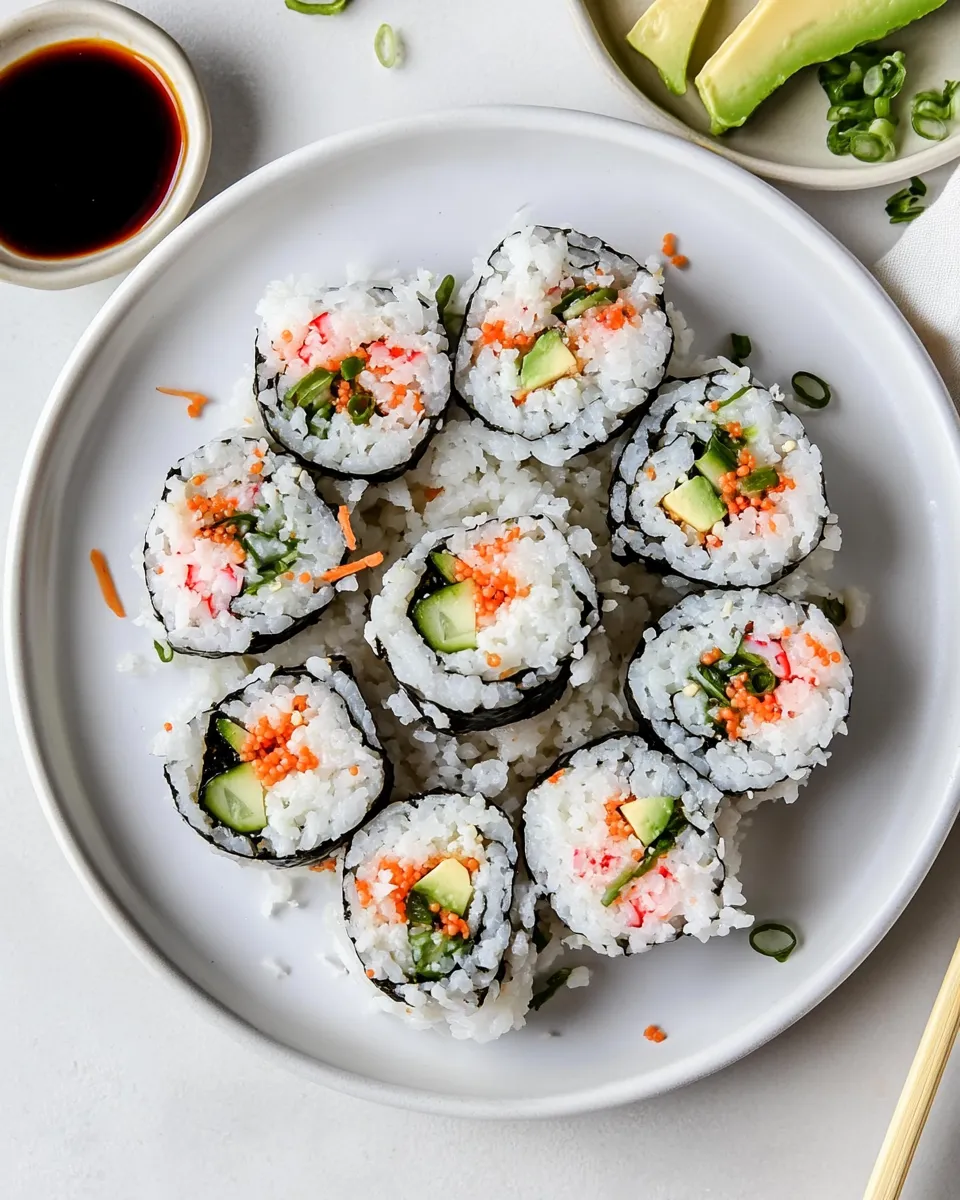
California rolls are reliable. They use approachable ingredients, and the flavors appeal to most palates — mild, slightly sweet crab, creamy avocado, and crunchy cucumber. They’re also scalable: make a couple for lunch, or roll a tray for a dinner party.
The technique builds confidence. Once you learn to handle sticky rice and maintain even pressure while rolling, other sushi types feel much less intimidating. Finally, these rolls are forgiving. A little asymmetry or a slightly imperfect slice rarely affects taste, and they still look charming on a plate.
Easy Ingredient Swaps
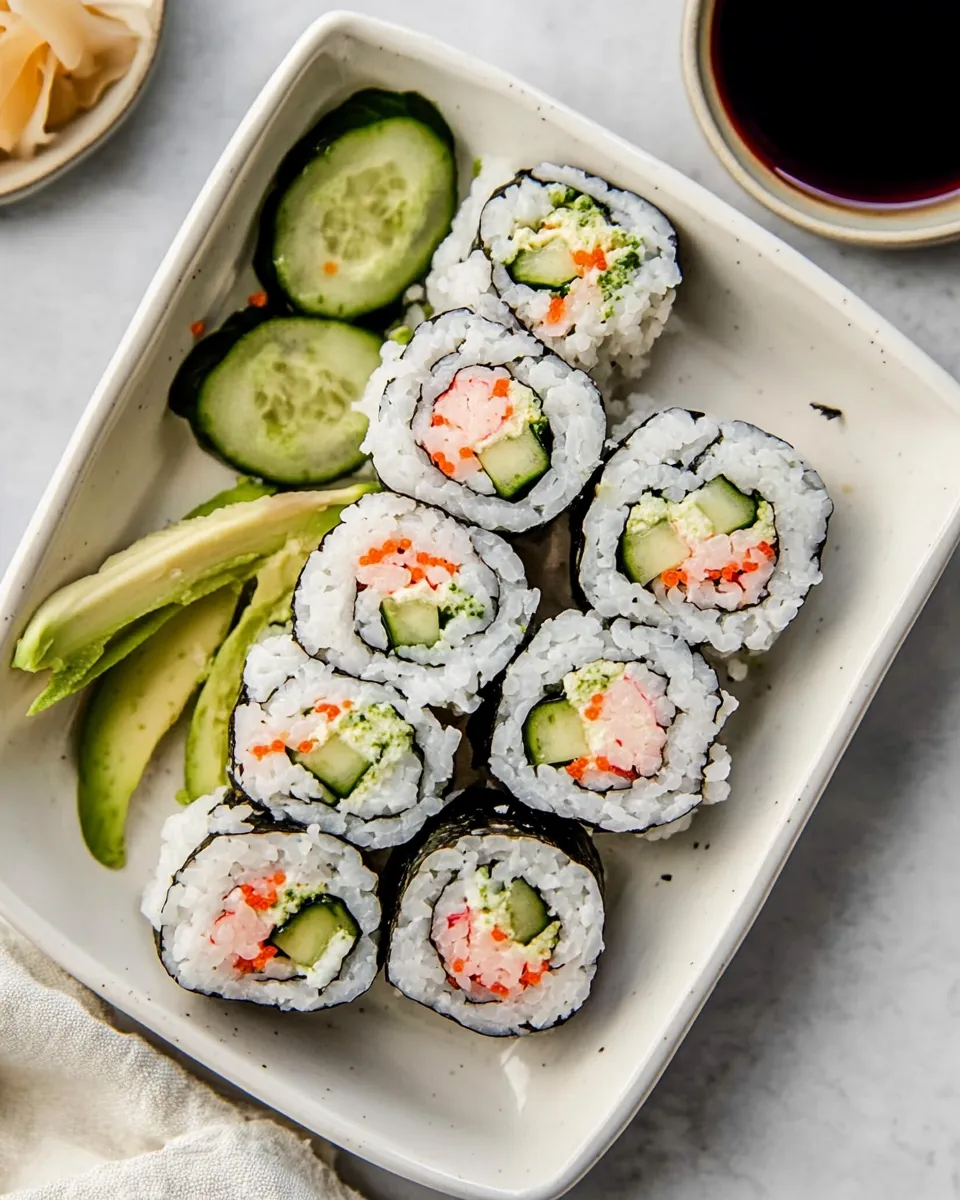
Want to change things up? Here are simple swaps that keep the spirit of the roll but vary texture and flavor.
- Imitation crab → real cooked crab or flaked cooked lobster for a pricier, sweeter bite.
- Mayonnaise → Japanese kewpie mayo for a tangier, creamier finish.
- Avocado → thin strips of mango for a fruit-forward, summery option.
- English cucumber → carrot sticks or pickled daikon for extra crunch and brightness.
- Nori inside-out style → flip to make a maki roll (nori on the outside) if you prefer less rice on the exterior.
Equipment Breakdown
Minimal tools make this accessible. Invest in a few basics and you’ll notice better results immediately.
- Bamboo sushi mat — for shaping rolls evenly; wrap it in plastic to keep it clean.
- Sharp chef’s or sushi knife — a clean, precise cut prevents tearing and squashing the roll.
- Plastic wrap — prevents rice from sticking to the mat and helps with hygiene.
- Cutting board — stable surface for rolling and slicing.
- Small bowl of water — to wet your hands and knife between handling rice and slicing rolls.
Don’t Do This
Common mistakes derail good rolls fast. Avoid these missteps.
- Don’t overfill. Too much filling makes rolling impossible and causes the roll to burst when cut.
- Don’t handle hot rice. Always cool sushi rice to near room temperature before spreading it on nori.
- Don’t saw when cutting. Single straight cuts keep pieces tidy; sawing tears and squashes the roll.
- Don’t skip the plastic wrap. The mat will become a rice trap and be hard to clean without it.
- Don’t use blunt knives. A dull blade drags and distorts the roll.
Spring to Winter: Ideas
California rolls adapt to the seasons with a simple swap or two. Here are ideas to keep them fresh year-round.
- Spring: Add blanched asparagus tips or thin ramps for a green lift.
- Summer: Replace cucumber with mango and add thin basil leaves for a sweet, herbal profile.
- Autumn: Fold in roasted sweet potato strips or use smoked salmon instead of crab for a heartier option.
- Winter: Use pickled root vegetables or roasted beets for earthy depth; pair with a slightly mustardy mayo.
Cook’s Commentary
I learned to roll from someone who insisted on patience and repetition. The first few rolls will feel awkward. Your hands will get rice everywhere. That’s fine. Keep practicing and focus on even pressure, not speed. A compact roll looks cleaner and slices better. If a piece falls apart, re-roll it — the plastic-wrapped mat makes that easy.
Rice notes
Sushi rice texture makes or breaks the roll. It should be sticky enough to hold together, but not wet. Spread rice gently: avoid pressing too hard while you work it over the nori. Cooling on a flat surface helps steam escape so the rice doesn’t become gummy.
Slicing technique
Dip the knife in water and wipe it between cuts. This removes rice residue and helps each slice stay clean. Use confident downward pressure for each straight cut. If you prefer bite-sized pieces, aim for six to eight slices per roll depending on thickness.
Store, Freeze & Reheat
Sushi is best eaten fresh. If you must store, keep rolls refrigerated and eat within 24 hours for best texture. Wrapped tightly in plastic wrap they’ll hold together, but avocado and cucumber will lose crispness over time.
Freezing is not recommended. Freezing and thawing will ruin the rice texture and make fillings watery. Reheating is unnecessary; refrigeration is the only safe short-term storage. If you want to brighten the rice after refrigeration, let the roll sit at room temperature for 15–20 minutes before serving.
Reader Q&A
Here are answers to questions I see most often.
- Can I use regular mayonnaise? Yes. Japanese kewpie mayo is slightly sweeter and richer, but standard mayo works fine.
- What if my rice is too sticky or too dry? Too sticky means too much moisture or improper cooling; spread it on a tray to cool faster. Too dry rice won’t stick; add a splash of seasoned rice vinegar if you made the rice yourself, or mix in a touch of water and gently work it in.
- How do I keep avocado from browning? Use ripe avocado and slice just before assembling. Squeezing a bit of lemon slows browning, but it can change the flavor slightly.
- Can I make these vegetarian? Swap imitation crab for marinated tofu or strips of roasted sweet potato.
- How many rolls does this make? The recipe amounts are scalable; one nori sheet with about ¼ cup rice makes one roll. Adjust to feed your guests.
- Why did my roll fall apart? Overfilling or rolling too loosely are the usual culprits. Reduce filling slightly and press more firmly while rolling.
The Takeaway
California rolls are approachable and adaptable. Focus on cooled rice, neat, even filling, and confident slicing. Use the simple steps here as your baseline, then tweak fillings and sauces to match your taste. Practice a handful of times and you’ll be rolling clean cylinders with tidy slices in no time.
Make a batch, invite friends, and serve with soy, wasabi, and pickled ginger. The process is calming. The results are shareable. That’s why I keep making them.
California Roll
Ingredients
Ingredients
- 4 cupsSushi Ricecooled
- 1 package nori sheets
- 8-10 sticks imitation crababout 1 package
- 2 tablespoonsmayonnaise
- 1 ripe avocado
- 1 english cucumber
- Soy sauce
- Wasabi
- Pickled ginger
Instructions
Instructions
- Wrap the bamboo mat completely in plastic wrap both lengthwise and crosswise. Place the wrapped mat on a cutting board or other flat work surface.
- Prepare the crab mixture: take 8–10 imitation crab sticks from the package and cut them into small pieces. Put the pieces in a bowl, add the 2 tablespoons mayonnaise, and whisk vigorously until the crab is broken up and the mixture is evenly combined.
- Prepare the avocado: cut the avocado in half, remove the pit, scoop the flesh out of the skin, and slice into ½-inch slices.
- Prepare the cucumber: cut the ends off the English cucumber and slice it into sticks. You should get about 8 even sticks from one cucumber.
- Place one nori sheet shiny-side down on the plastic-covered bamboo mat. With clean, slightly damp hands, take about ¼ cup of cooled sushi rice and spread it evenly over the nori, covering most of the sheet.
- Flip the nori sheet over so the rice is facing down on the mat.
- In the middle of the nori (on the seaweed side), place about 3–4 tablespoons of the crab mixture in a horizontal line across the sheet.
- Add two cucumber sticks next to the crab line, and lay avocado slices on top of the cucumber sticks.
- Starting from the bottom edge of the mat, fold the mat over the filling and roll upward, keeping firm, even pressure so the filling stays in place. Continue rolling until the nori is closed and the roll is formed.
- Give the finished roll one more tight roll in the bamboo mat to compact it into an even cylinder.
- Use a sharp knife to slice the roll into individual pieces. Make one straight cut per piece—do not saw back and forth.
- Plate the sliced rolls and serve with soy sauce, wasabi, and pickled ginger.
Equipment
- 1 Bamboo mat