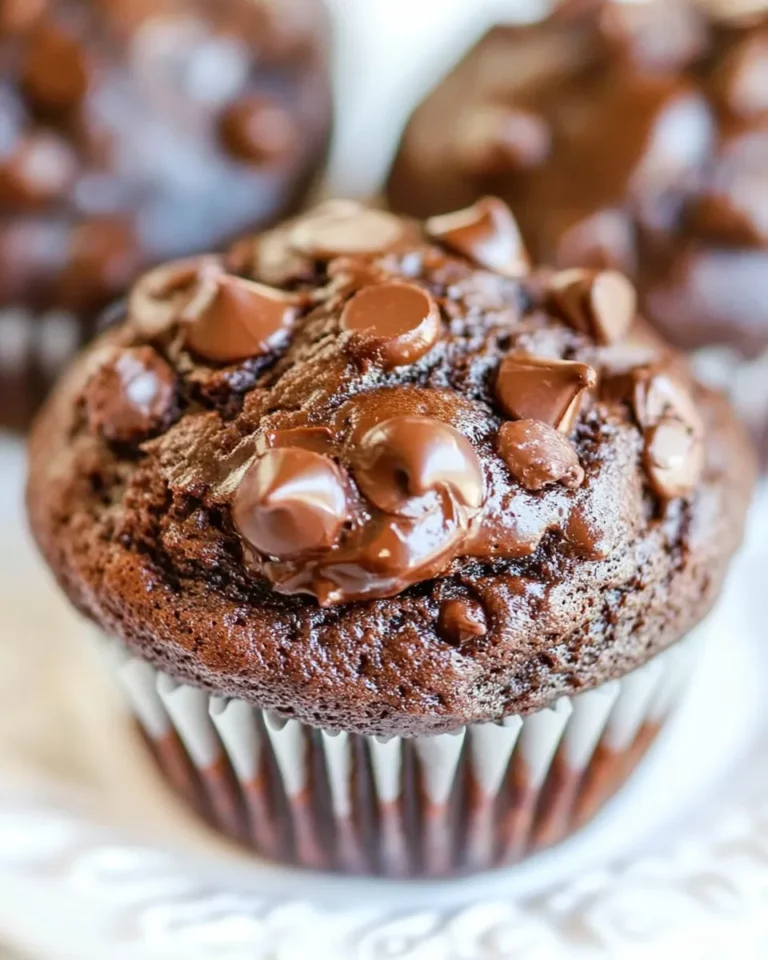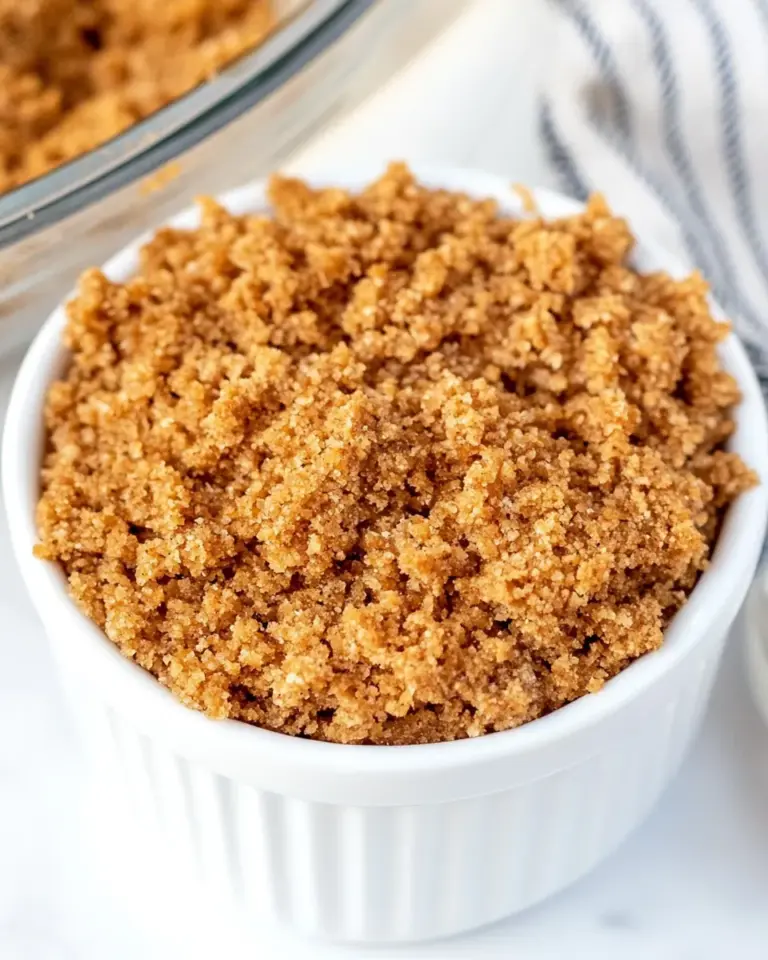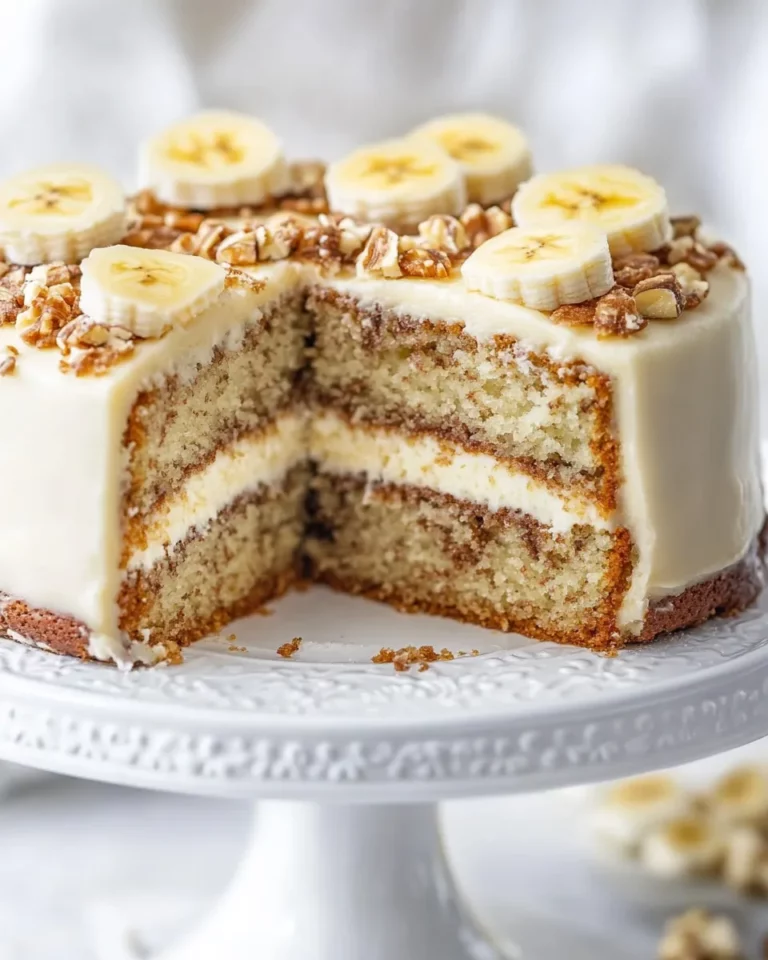
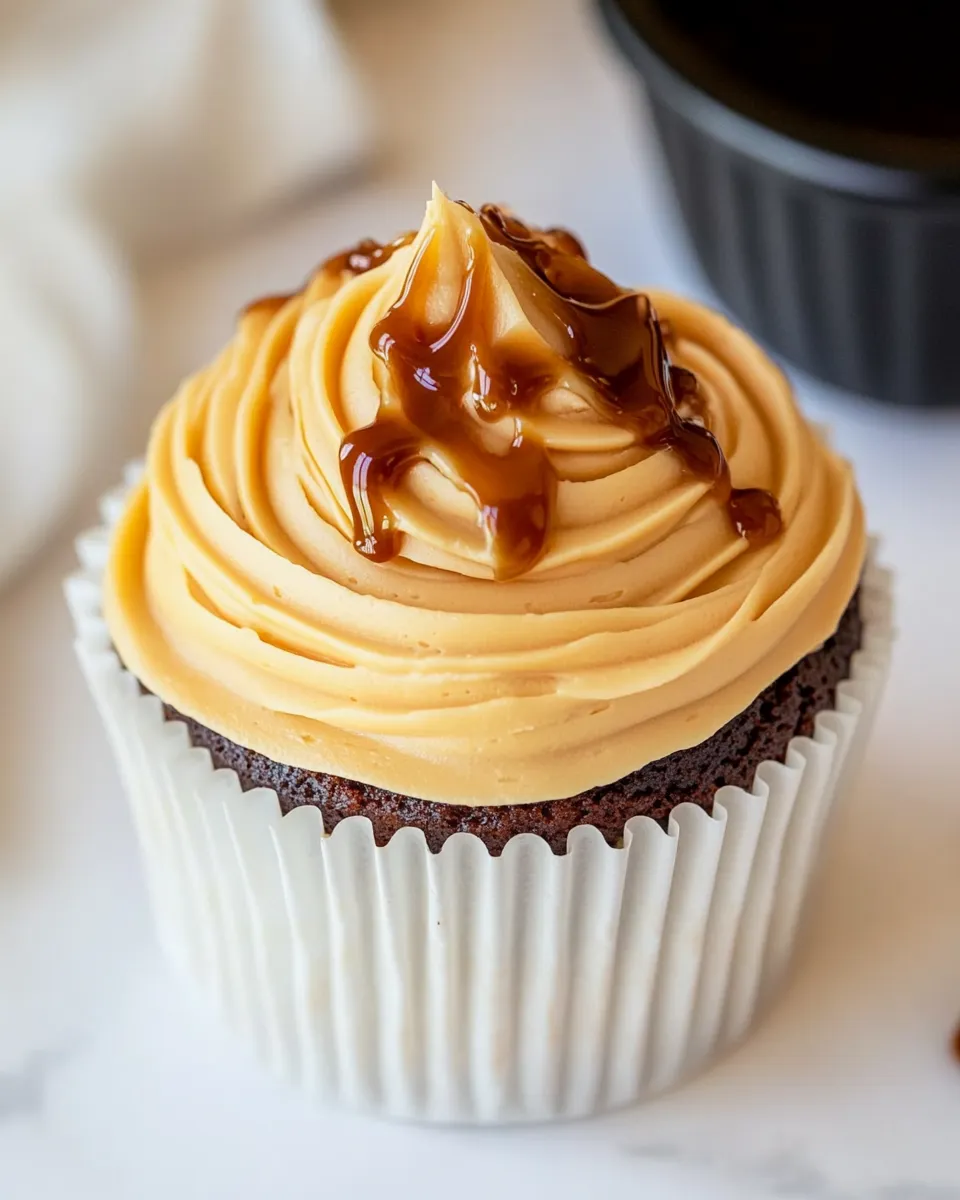
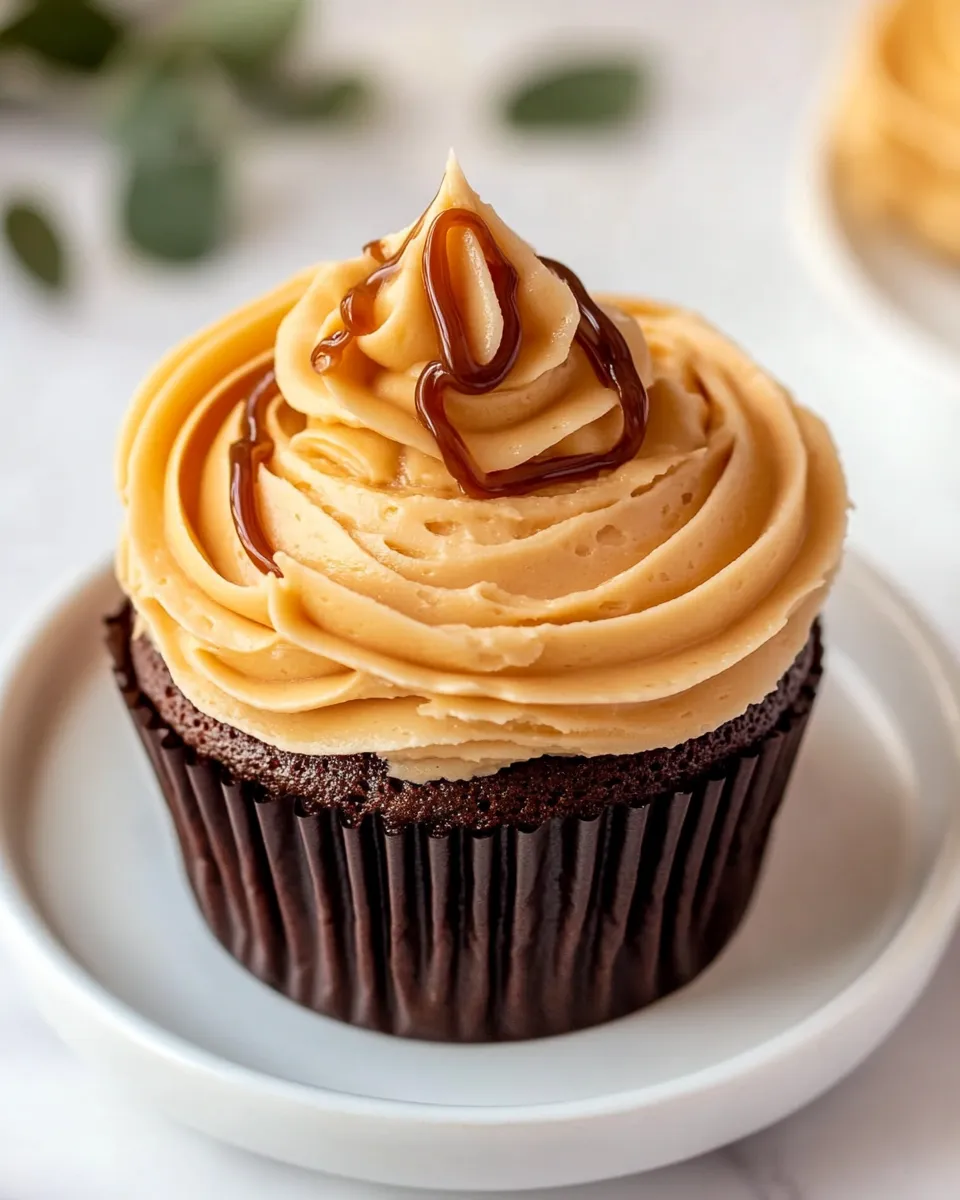
I make a lot of frostings, but this caramel buttercream comes out of the gate as a favorite whenever someone asks for something rich, silky, and caramel-forward. It’s straightforward to make, forgiving to tweak, and finishes with a glossy, pipeable texture that holds up on cupcakes and layer cakes alike. No raw-sugar reductions or tempering — just good butter, caramel, and a few simple moves.
Read through the method once, gather your tools, and have the caramel ready at room temperature. The technique relies on controlled mixing and gradual sugar incorporation to avoid any powdery clouds and to keep the frosting smooth. Small steps make a big difference here.
Below you’ll find the ingredient list, step-by-step method exactly as I use it, swaps, troubleshooting, and storage guidance. This is practical, no-nonsense guidance so you get consistent results each time.
What’s in the Bowl
- 1 cup (226 g) unsalted butter, softened — the base fat; room temperature butter gives the creamiest texture.
- ½ cup caramel sauce (homemade or store bought) — the flavor backbone; use a thick, spoonable caramel rather than a runny syrup.
- ½ teaspoon salt — balances sweetness and brightens the caramel.
- 4 cups (452 g) powdered sugar — provides structure and sweetness; add gradually to avoid a sugar cloud.
- 1 teaspoon vanilla extract — rounds and deepens the caramel notes.
- 1 teaspoon sea salt for flavor, optional if making salted caramel frosting — add at the end if you want a salted finish; adjust to taste.
Method: Caramel Buttercream Frosting
- Fit a stand mixer with the paddle attachment (or use a hand mixer). Add 1 cup (226 g) softened unsalted butter to the bowl.
- Beat the butter on medium speed until smooth and creamy, about 1–2 minutes. Scrape down the bowl and paddle.
- Add ½ cup caramel sauce to the butter. Beat on low to combine, then increase to medium and mix until the caramel is fully incorporated and the mixture is smooth, about 30–60 seconds. Scrape the bowl.
- Add 1 teaspoon vanilla extract and ½ teaspoon salt. Mix on low just until combined.
- With the mixer on low, add 4 cups (452 g) powdered sugar gradually (about 1 cup at a time), mixing until each addition is incorporated and avoiding a powdered-sugar cloud. Scrape the bowl as needed.
- After all the powdered sugar is added, increase the mixer speed to medium-high and beat until the frosting is smooth and fluffy, about 1–2 minutes. Scrape once more and mix briefly to finish.
- If you want a salted caramel frosting, add the optional 1 teaspoon sea salt now and beat briefly to incorporate. Taste and stop when the flavor is to your liking.
- Use the frosting as directed. Makes enough for 24 cupcakes or a 9-inch layer cake.
- Store leftovers in an airtight container in the refrigerator for up to one week or in the freezer for up to one month. If refrigerated or frozen, bring to room temperature and rebeat before using.
What Sets This Recipe Apart
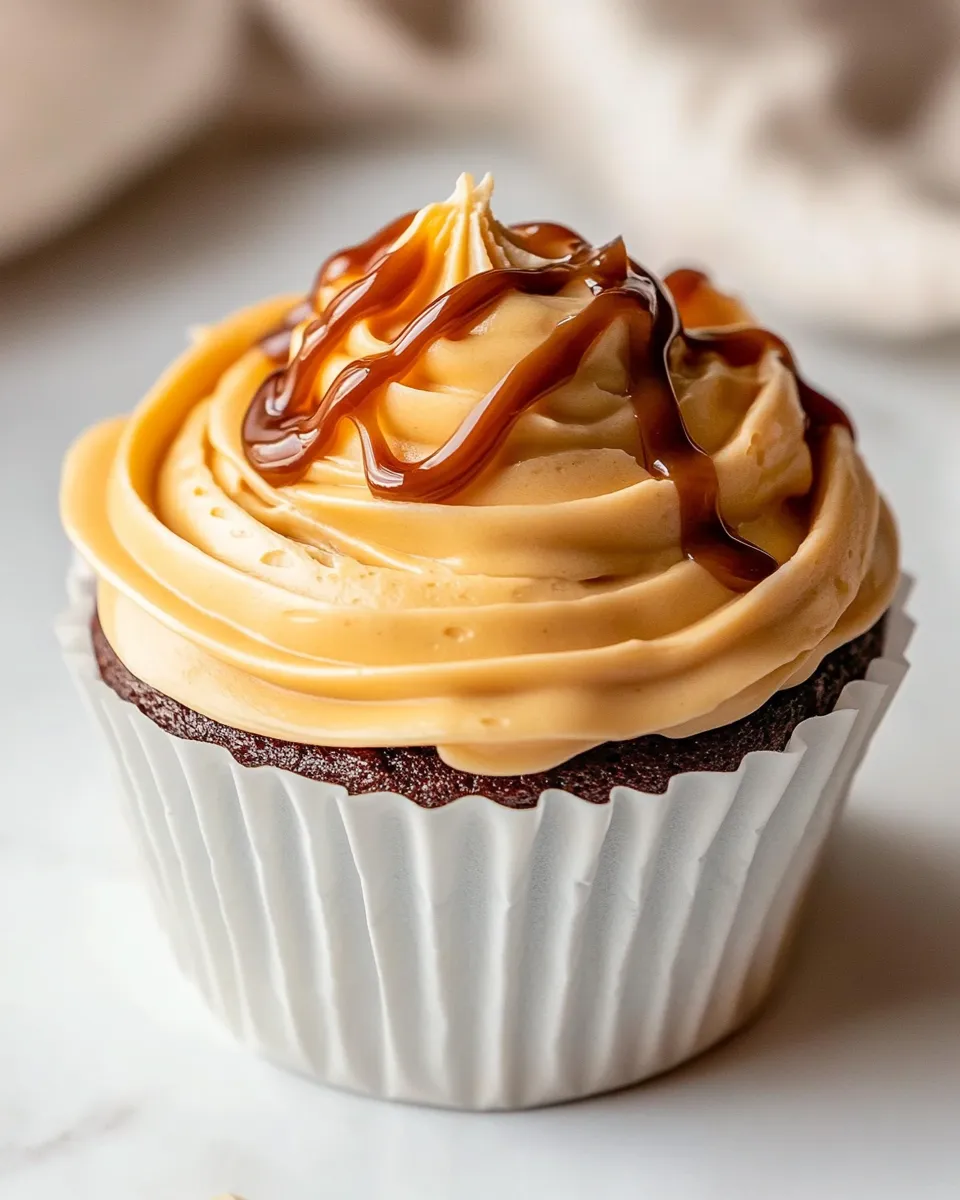
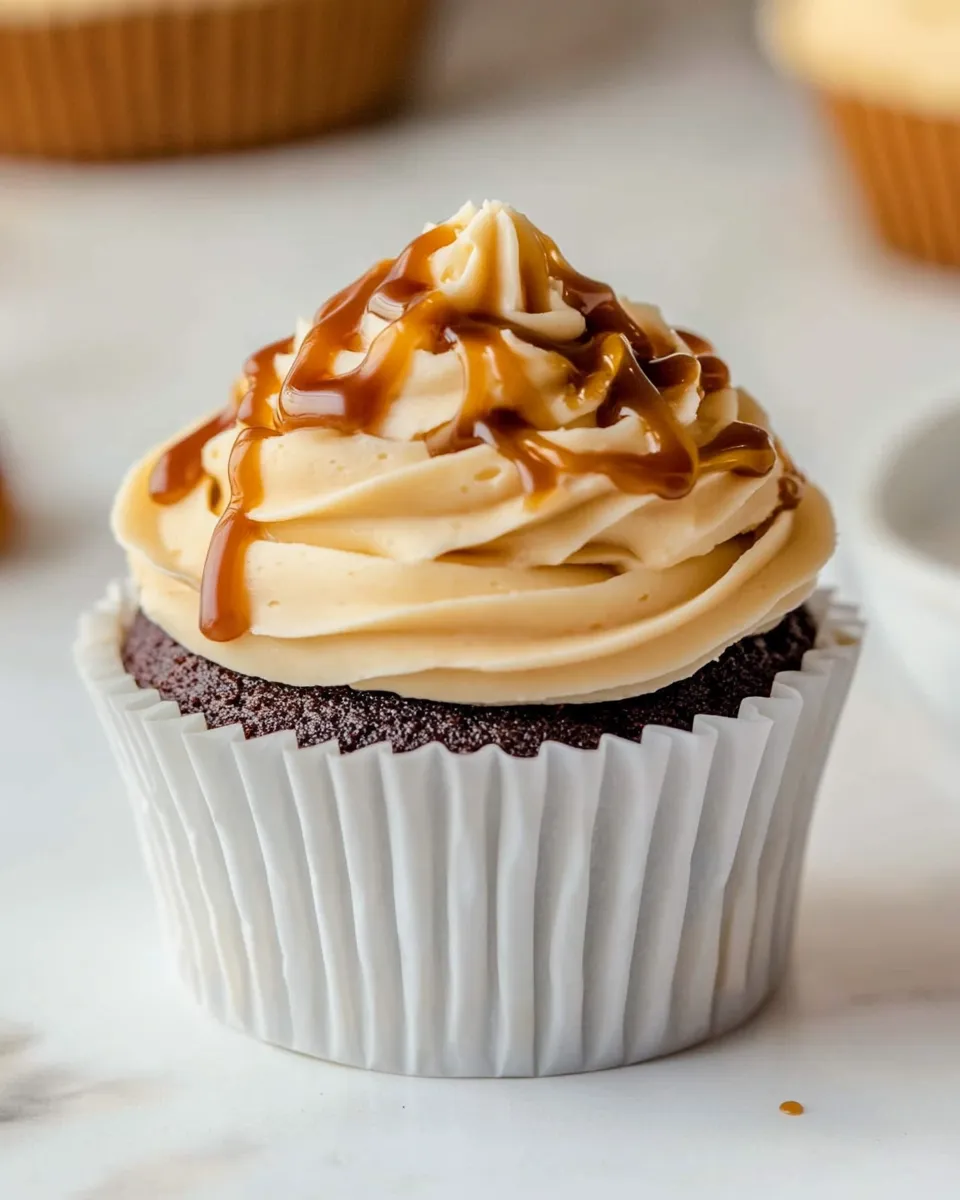
This buttercream leans into caramel rather than just hints of it. The caramel sauce is added early so the butter has time to incorporate the flavor fully, giving a uniform caramel note rather than streaks. The result is a frosting that’s rich but not heavy, with a glossy finish and a texture that pipes cleanly.
It also balances ease with reliability. There’s no cooking of sugar or making caramel from scratch required unless you prefer to do that beforehand. The technique emphasizes controlled mixing and scraping, which keeps the frosting smooth and avoids graininess. Texture and flavor are both priorities here; follow the order of the method and you’ll have buttercream that tastes intentional.
Finally, the recipe scales well. It makes enough for 24 cupcakes or a single 9-inch layer cake, which is handy when you’re planning orders or small gatherings. And if you want a salted finish, the optional sea salt at the end makes a noticeable and classy difference.
Quick Replacement Ideas
- Caramel sauce — swap between homemade caramel sauce and a quality store-bought version depending on time. The recipe already allows for either.
- Unsalted butter — you can use salted butter but reduce or omit the added ½ teaspoon salt; taste before adding the optional sea salt.
- Vanilla extract — keep the vanilla, but if you prefer a slightly deeper flavor, use a darker vanilla extract that you already have on hand (no extra measurements needed).
- Sea salt (optional) — add less than called for if you want only a hint of salt rather than a salted finish; add incrementally and taste.
Tools of the Trade
- Stand mixer with paddle attachment — this is the method called for and gives the creamiest, most consistent finish.
- Hand mixer — a fine alternative; it takes a bit more arm work but gets the job done.
- Rubber spatula — essential for scraping down the bowl and keeping everything mixed evenly.
- Measuring cups and spoons — accurate measures for sugar and salt matter here.
- Airtight container — for refrigeration or freezing leftovers per the storage instructions.
- Piping bags and tips — optional, if you plan to decorate cupcakes or finish a cake.
Don’t Do This
- Don’t dump all the powdered sugar in at once. A single large addition creates a powdered-sugar cloud and a gritty texture. Add about 1 cup at a time as instructed.
- Don’t skip scraping the bowl. Butter and powdered sugar cling to the sides and under the paddle; scraping ensures a uniform, silky frosting.
- Don’t add very hot caramel straight in. If your caramel sauce is hot, let it cool so it doesn’t melt the butter and thin the frosting excessively.
- Don’t over-salt at the end. Add the optional sea salt in small increments and taste as you go; you can always add more, but you can’t remove it.
- Don’t expect the same texture straight from the fridge. If refrigerated or frozen, bring the frosting to room temperature and rebeat to restore spreadability before using.
Warm & Cool Weather Spins
In warm weather, buttercream can soften quickly. Keep finished, frosted items in a cool spot out of direct sun. If you need to transport in heat, consider chilling the cake briefly (not freezing) so it firms up, then box it for travel.
In cool weather, the frosting will be firmer. If it feels too stiff to pipe or spread, let it sit at room temperature for 20–30 minutes and then rebeat briefly to restore fluffiness. The recipe’s instruction to bring refrigerated or frozen frosting to room temperature and rebeat before using covers this well.
Either way, avoid dramatic temperature swings. Consistent, moderate temperatures give you the most predictable texture when piping or spreading.
Little Things that Matter
- Butter temperature — softened but still cool butter (not melted) gives the best structure. If it’s too warm the frosting will be loose; too cold and it won’t whip smoothly.
- Caramel consistency — a spoonable caramel blends evenly. If your caramel is syrup-thin, the frosting may thin out; let a thin caramel cool slightly or use less, then adjust powdered sugar if needed.
- Mixing speed and order — follow the sequence: butter, caramel, flavorings, then powdered sugar gradually. This order ensures a consistent emulsion and prevents clumping.
- Taste as you go — especially if you plan to add the optional sea salt. Small adjustments make a big difference to final flavor.
Make Ahead Like a Pro
This frosting is very make-ahead friendly. As the method says, store leftovers in an airtight container in the refrigerator for up to one week or in the freezer for up to one month. When you’re ready to use refrigerated or frozen frosting, bring it to room temperature and rebeat before using. Rebeating restores the light, whipped texture and reincorporates any settled sugar or pockets of caramel.
If you plan to freeze, portion into flat containers so thawing is even and quick. Thaw overnight in the refrigerator, then bring to room temperature and rebeat. For cakes, you can frost and then chill the cake; just know that chilling will firm the buttercream and can make the edges crisp. If you want soft edges, let the frosted cake rest at room temperature for a bit before serving.
Helpful Q&A
- Q: Can I use salted butter?
A: Yes. If you use salted butter, reduce or omit the ½ teaspoon salt in the recipe and taste before adding the optional sea salt. Adjust to preference. - Q: My frosting is grainy — what happened?
A: Graininess usually comes from adding powdered sugar too quickly or from undissolved granulated sugar in a homemade caramel. Add powdered sugar slowly and make sure your caramel is smooth. - Q: Can I pipe tall decorations with this?
A: Yes. When properly whipped and at room temperature, the texture pipes well for rosettes and borders. Chill briefly if you need crisper edges. - Q: How do I make it less sweet?
A: Add the optional sea salt gradually and taste as you go. A salted finish brings balance without altering the structure. - Q: Can I color this buttercream?
A: Yes. Use gel or paste color in small amounts so you don’t thin the frosting. Add after the final whip and mix until evenly colored.
Ready, Set, Cook
Make this caramel buttercream when you want something reliably decadent but not fussy. Follow the order, add powdered sugar slowly, and taste for salt at the end. If you keep those three habits, you’ll finish with a glossy, rich buttercream that’s perfect on cupcakes or a 9-inch cake. Go ahead — frost, pipe, and enjoy.
Caramel Buttercream Frosting Recipe
Ingredients
Ingredients
- 1 cup 226 g unsalted butter, softened
- 1/2 cupcaramel sauce homemade or store bought
- 1/2 teaspoonsalt
- 4 cups 452 g powdered sugar
- 1 teaspoonvanilla extract
- 1 teaspoonsea saltfor flavor optional if making salted caramel frosting
Instructions
Instructions
- Fit a stand mixer with the paddle attachment (or use a hand mixer). Add 1 cup (226 g) softened unsalted butter to the bowl.
- Beat the butter on medium speed until smooth and creamy, about 1–2 minutes. Scrape down the bowl and paddle.
- Add ½ cup caramel sauce to the butter. Beat on low to combine, then increase to medium and mix until the caramel is fully incorporated and the mixture is smooth, about 30–60 seconds. Scrape the bowl.
- Add 1 teaspoon vanilla extract and ½ teaspoon salt. Mix on low just until combined.
- With the mixer on low, add 4 cups (452 g) powdered sugar gradually (about 1 cup at a time), mixing until each addition is incorporated and avoiding a powdered-sugar cloud. Scrape the bowl as needed.
- After all the powdered sugar is added, increase the mixer speed to medium-high and beat until the frosting is smooth and fluffy, about 1–2 minutes. Scrape once more and mix briefly to finish.
- If you want a salted caramel frosting, add the optional 1 teaspoon sea salt now and beat briefly to incorporate. Taste and stop when the flavor is to your liking.
- Use the frosting as directed. Makes enough for 24 cupcakes or a 9-inch layer cake.
- Store leftovers in an airtight container in the refrigerator for up to one week or in the freezer for up to one month. If refrigerated or frozen, bring to room temperature and rebeat before using.
Equipment
- Stand mixer
- paddle attachment
- Hand Mixer
- Mixing Bowl
- Spatula
- Airtight Container
Notes
To make Salted Caramel Buttercream: Add up to an additional 1 teaspoon sea salt after making frosting – to taste.