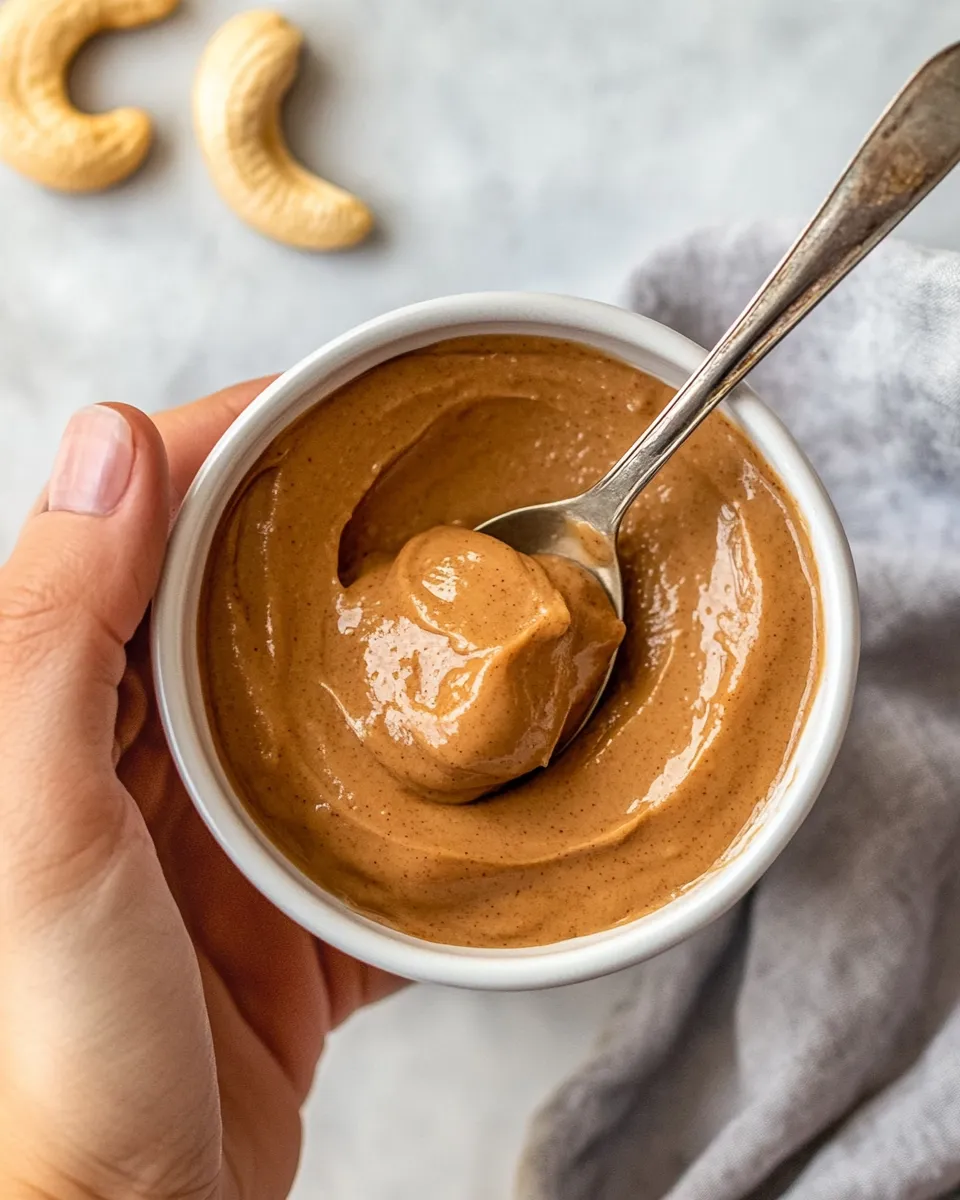
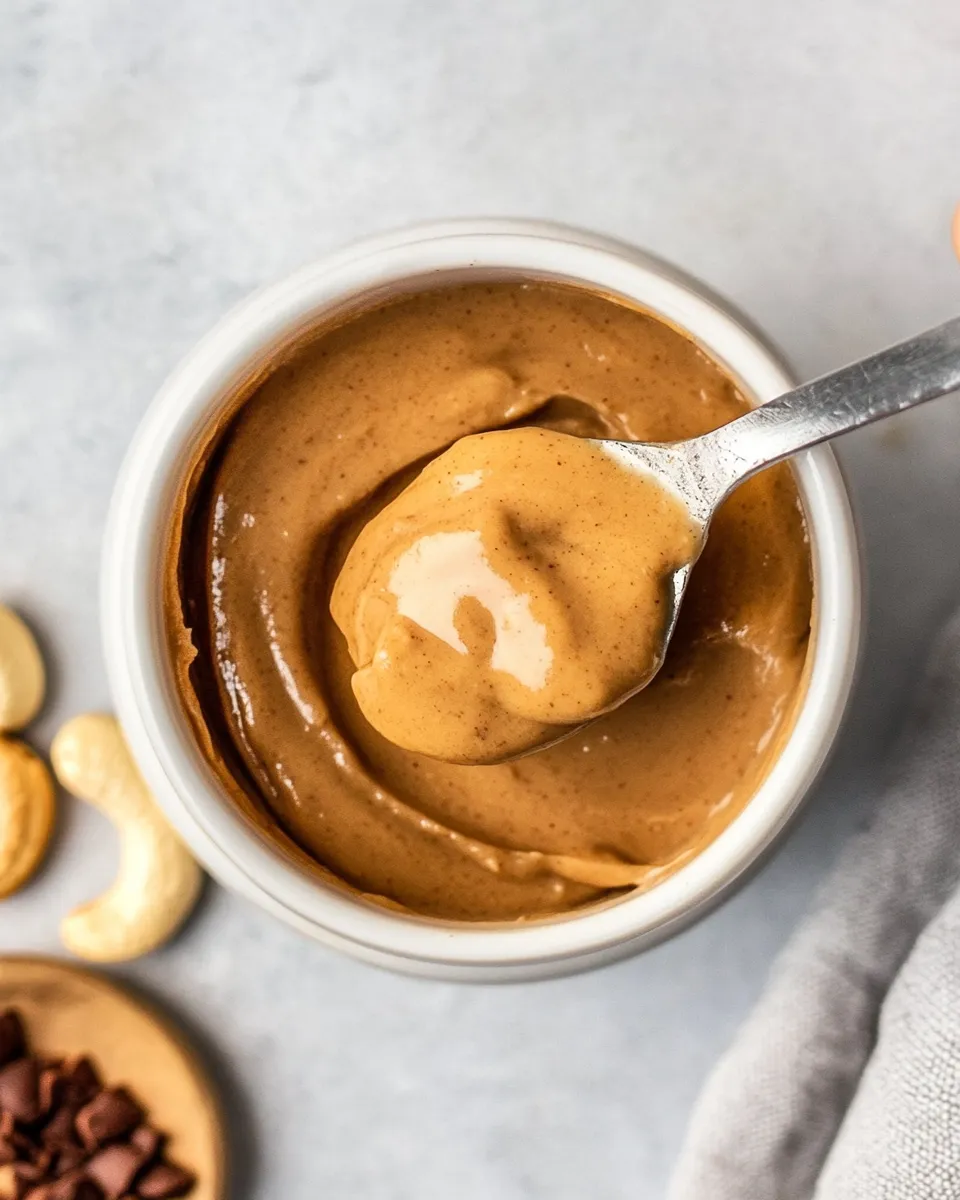
Cashew butter is one of those small kitchen luxuries that feels indulgent but is actually very straightforward. With a short list of pantry ingredients and one heavy-duty appliance, you can make a spread that’s creamier and cleaner than most store-bought jars. It’s perfect on toast, dolloped into smoothies, or swirled into oatmeal.
I like this recipe because it balances a true cashew flavor with a touch of honey and coconut oil for texture. The method is forgiving: roast, process, and tweak. You’ll get a glossy, pourable butter in under 20 minutes of active work, and the results are worth the minimal effort.
Below I walk through the ingredients, the exact step-by-step method, troubleshooting, swaps, and storage tips so you can make this at home with confidence. Keep a jar handy — it disappears fast.
Ingredient Rundown
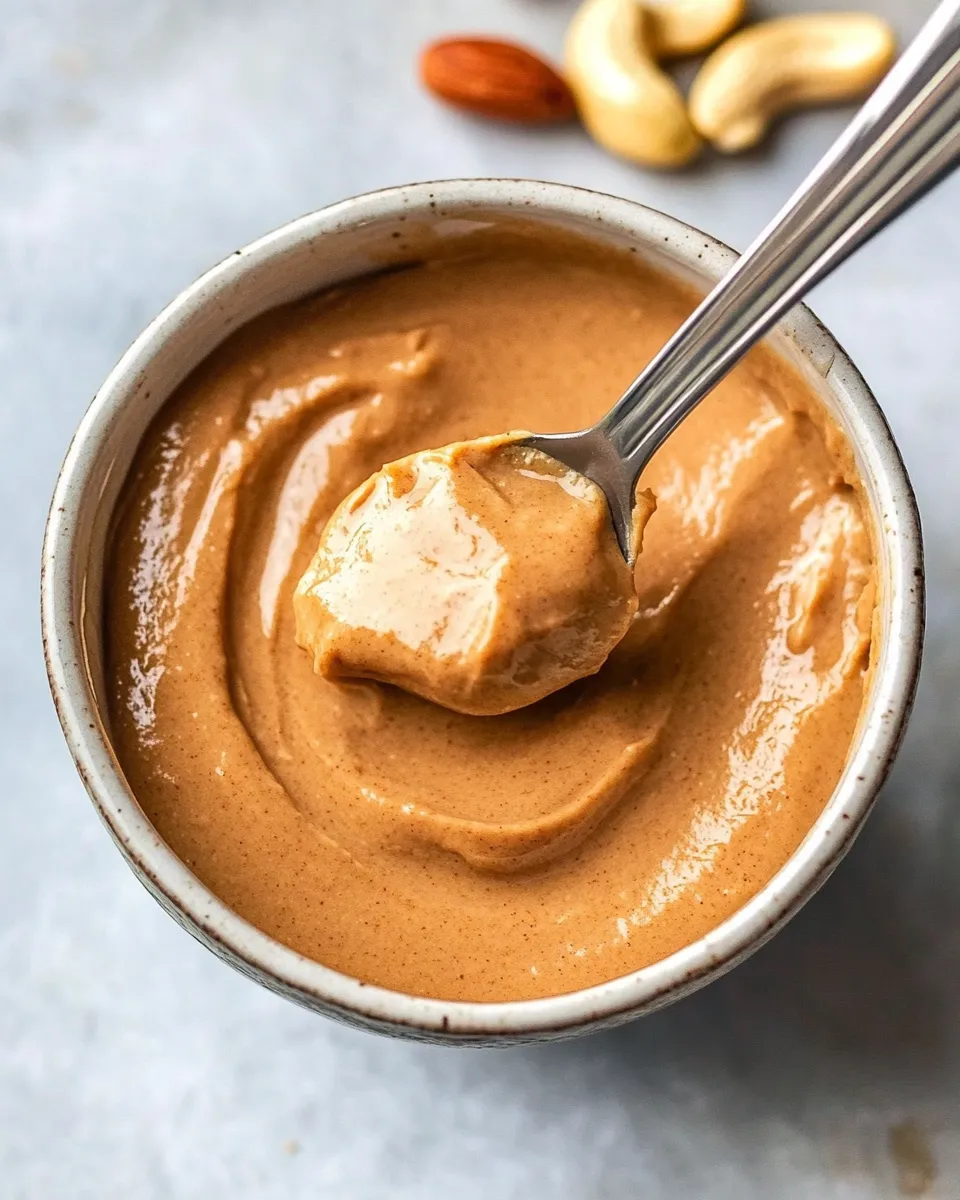
- 2 cups raw cashews — The base. Raw cashews roast well and release natural oils when processed, which is key for a smooth texture.
- 1/2 teaspoon salt — Enhances the cashew flavor and balances the sweetness from honey.
- 1 tablespoon coconut oil, melted — Adds silkiness and helps the butter stay spreadable at room temperature.
- 1 tablespoon honey — Light sweetness and a touch of flavor depth; optional if you prefer unsweetened.
Make Cashew Butter: A Simple Method
- Preheat oven to 350°F (177°C). Spread 2 cups raw cashews in a single layer on a baking sheet.
- Roast the cashews 10 to 12 minutes, stirring or shaking the pan once halfway through, until they are lightly browned and smell toasted.
- Remove cashews from the oven and let them cool for 5–10 minutes so they are warm but not hot.
- Transfer the cashews to a large food processor. Add 1/2 teaspoon salt.
- Process the cashews, stopping to scrape down the sides of the bowl as needed, until they begin to release their oils and form a smooth, creamy butter—about 5 to 10 minutes total.
- With the processor running, slowly stream in 1 tablespoon melted coconut oil and 1 tablespoon honey. Continue processing until the butter reaches your desired smoothness, scraping the bowl once or twice.
- Transfer the cashew butter to an airtight container or mason jar. Let cool to room temperature, seal, and store. Enjoy!
The Upside of Cashew Butter
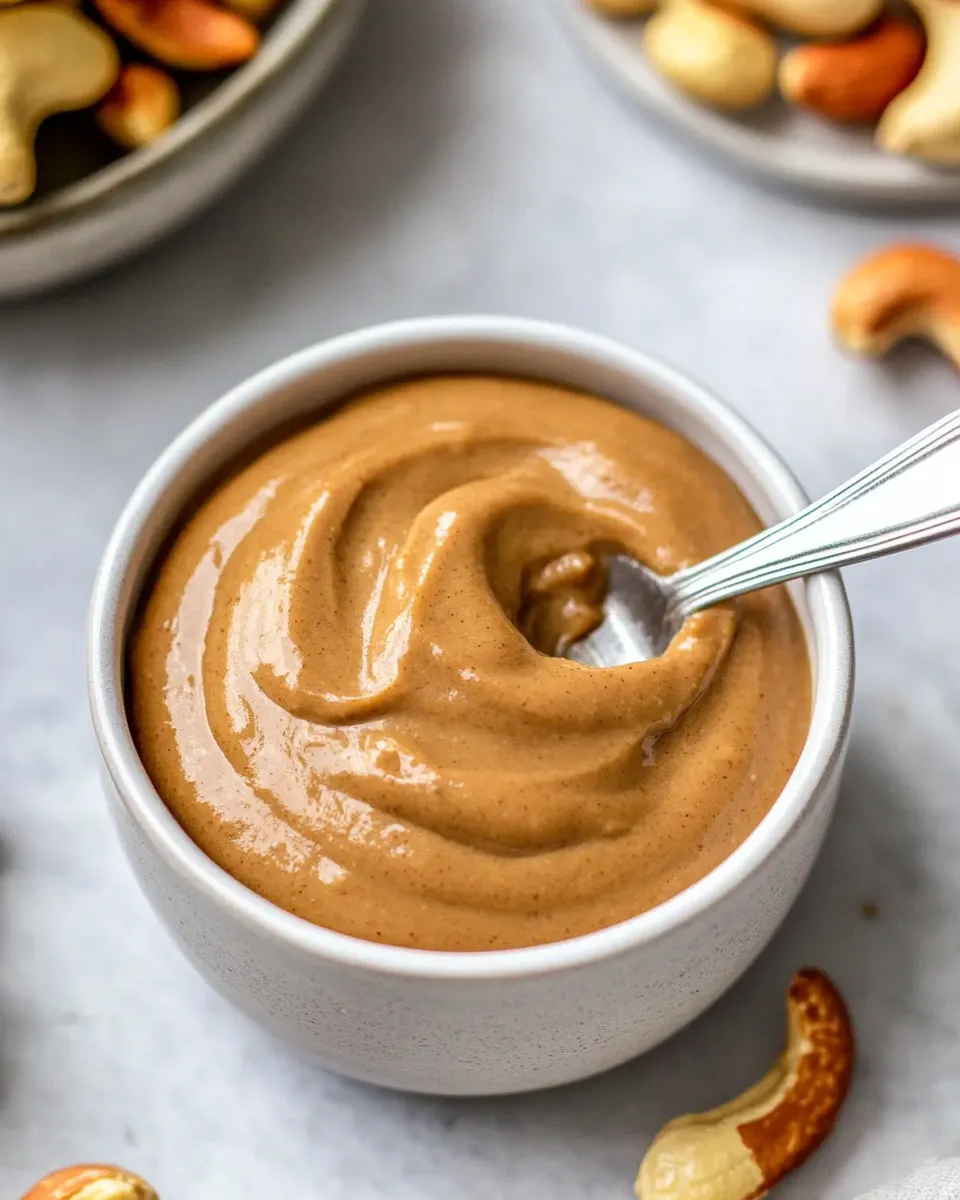
Cashew butter has a naturally sweet, buttery flavor that’s milder than peanut or almond butter. That makes it versatile: it plays well with both sweet and savory dishes without overpowering them. Because cashews have a high fat content and creamy texture, homemade cashew butter reaches a smoothness that’s luxurious on bread or in sauces.
Making it at home also means control. You decide the salt, the level of sweetness, and whether to add oils. No stabilizers, no surprises — just toasted nuts and a couple of add-ins. It’s also quicker than you might expect: most of the time is hands-off roasting and processing.
Budget & Availability Swaps
Cashews tend to be pricier than other nuts, so if cost is a concern you can make smaller batches to keep your pantry stocked without paying for a large jar. If raw cashews are hard to find fresh in your area, check bulk bins at grocery stores or ethnic markets for reasonable prices.
If you want a similar result but cheaper, consider mixing cashews with a less expensive nut (like peanuts) at a ratio you like — start 50/50 and adjust. But keep in mind mixing changes the flavor profile. For sweetener, maple syrup or agave can replace honey if you prefer a vegan option (note: this changes flavor). If you omit the honey entirely, add an additional pinch of salt to maintain balance.
Cook’s Kit
Tools that make this easy:
- Heavy-duty food processor — The single most important tool. Small blenders may overheat or struggle to reach a silky texture.
- Baking sheet — For even roasting in a single layer.
- Spatula — For scraping the sides clean while processing.
- Measuring spoons — For precise salt, oil, and honey additions.
- Airtight jar or mason jar — For storing the finished butter.
Things That Go Wrong
Here are the most common issues and how to fix them:
- Grainy or dry texture — Usually a sign the nuts didn’t release enough oil. Keep processing; some processors need 7–10 minutes to coax the oils out. Scrape the bowl and continue. If it’s still dry, a tiny drizzle more coconut oil (1/2 teaspoon at a time) can help.
- Overheated processor — If the machine gets hot, give it a 5–10 minute rest. Overworking can scorch the motor. Process in shorter bursts and scrape between runs.
- Bitter or burnt taste — Cashews can burn quickly; ensure the nuts are only lightly browned and smelled toasted during roasting. If they smell scorched, start over with fresh cashews.
- Too runny after cooling — If the butter seems thin after cooling, chill briefly to let coconut oil solidify slightly. If needed, warm and reincorporate with a touch more ground cashews (if available) to thicken.
Make It Diet-Friendly
Small swaps make this recipe suit various needs:
- Vegan — Replace honey with maple syrup or agave in equal measure.
- Lower-sugar — Omit the honey entirely; the cashews are naturally sweet. Increase salt by a pinch to bring out flavor if needed.
- Allergy-conscious — If tree-nut allergies are present, this recipe is not suitable. For those who avoid coconut oil, use a neutral oil like light olive oil or avocado oil in the same amount, though flavor and solidification will differ.
- Paleo/Keto — Keto restricts carbs; you can omit honey and rely on the cashew’s natural fats, but note cashews are higher in carbs compared with some other nuts.
Pro Tips & Notes
Roasting
Roasting brings out flavor and helps the nuts release oil faster in the processor. Keep an eye on the color — you want light golden brown. Stirring or shaking the pan halfway through ensures even roasting.
Processing
Be patient. The transition goes from crumbs to a thick paste to an almost-smooth butter. Stop and scrape often to keep the blade free from clumps and to incorporate all the oil. If your processor struggles, warm the cashews slightly (not hot) to help release oils faster.
Texture & Flavor Adjustments
If you like a chunkier spread, reserve 1/4 cup of roasted cashews, pulse them coarsely, then fold them back into the smooth butter. For a bolder flavor, increase salt by up to an additional 1/4 teaspoon or add a pinch of cinnamon for a warm note. Remember, small changes go a long way.
Storage Pro Tips
Once cooled to room temperature, seal the cashew butter in an airtight jar. It will keep at room temperature for about 1–2 weeks in a cool pantry. For longer shelf life, refrigerate — it will last up to a month or more refrigerated. The coconut oil may firm up when cold; bring the jar to room temperature or stir briefly before using.
Always use a clean spoon to avoid introducing moisture or contaminants. If you see separation (a thin layer of oil on top), simply stir it back in — that’s natural.
Quick Questions
- Can I use roasted cashews instead of raw? Yes. If you start with roasted cashews, skip the oven step and proceed to processing. Be mindful of added salt on store-roasted nuts; you may want to reduce or omit the 1/2 teaspoon salt.
- Why add coconut oil? Coconut oil helps create a creamier, more spreadable butter and keeps it smooth at room temperature. Use melted so it incorporates evenly.
- Can I make this in a blender? High-powered blenders can work, but a food processor is more reliable for even, controlled processing without overheating.
- How long does homemade cashew butter last? About 1–2 weeks at room temperature, up to a month refrigerated. If you see mold or an off smell, discard it.
- Can I sweeten differently? Yes — maple syrup, agave, or a little sugar can be used. Adjust to taste.
Next Steps
Once you’ve nailed this base cashew butter, play with flavor additions: a pinch of smoked paprika for a savory twist, cocoa powder and a touch more honey for a chocolatey spread, or a little vanilla and cinnamon for a baking-friendly version. Use it in sauces (whisk into hot water or broth to make a nut-based cream), swirl into desserts, spread on fruit, or simply make a sandwich.
Keep the jar labeled with the date, and make smaller batches if you’re trying new variations. Homemade cashew butter is forgiving and adaptable — enjoy it as part of everyday meals or as a quick, wholesome treat.
Cashew Butter Recipe
Ingredients
Ingredients
- 2 cupsraw cashews
- 1/2 teaspoonsalt
- 1 tablespooncoconut oilmelted
- 1 tablespoonhoney
Instructions
Instructions
- Preheat oven to 350°F (177°C). Spread 2 cups raw cashews in a single layer on a baking sheet.
- Roast the cashews 10 to 12 minutes, stirring or shaking the pan once halfway through, until they are lightly browned and smell toasted.
- Remove cashews from the oven and let them cool for 5–10 minutes so they are warm but not hot.
- Transfer the cashews to a large food processor. Add 1/2 teaspoon salt.
- Process the cashews, stopping to scrape down the sides of the bowl as needed, until they begin to release their oils and form a smooth, creamy butter—about 5 to 10 minutes total.
- With the processor running, slowly stream in 1 tablespoon melted coconut oil and 1 tablespoon honey. Continue processing until the butter reaches your desired smoothness, scraping the bowl once or twice.
- Transfer the cashew butter to an airtight container or mason jar. Let cool to room temperature, seal, and store. Enjoy!
Equipment
- Oven
- Baking Sheet
- large food processor
- Airtight Container
- Mason Jar