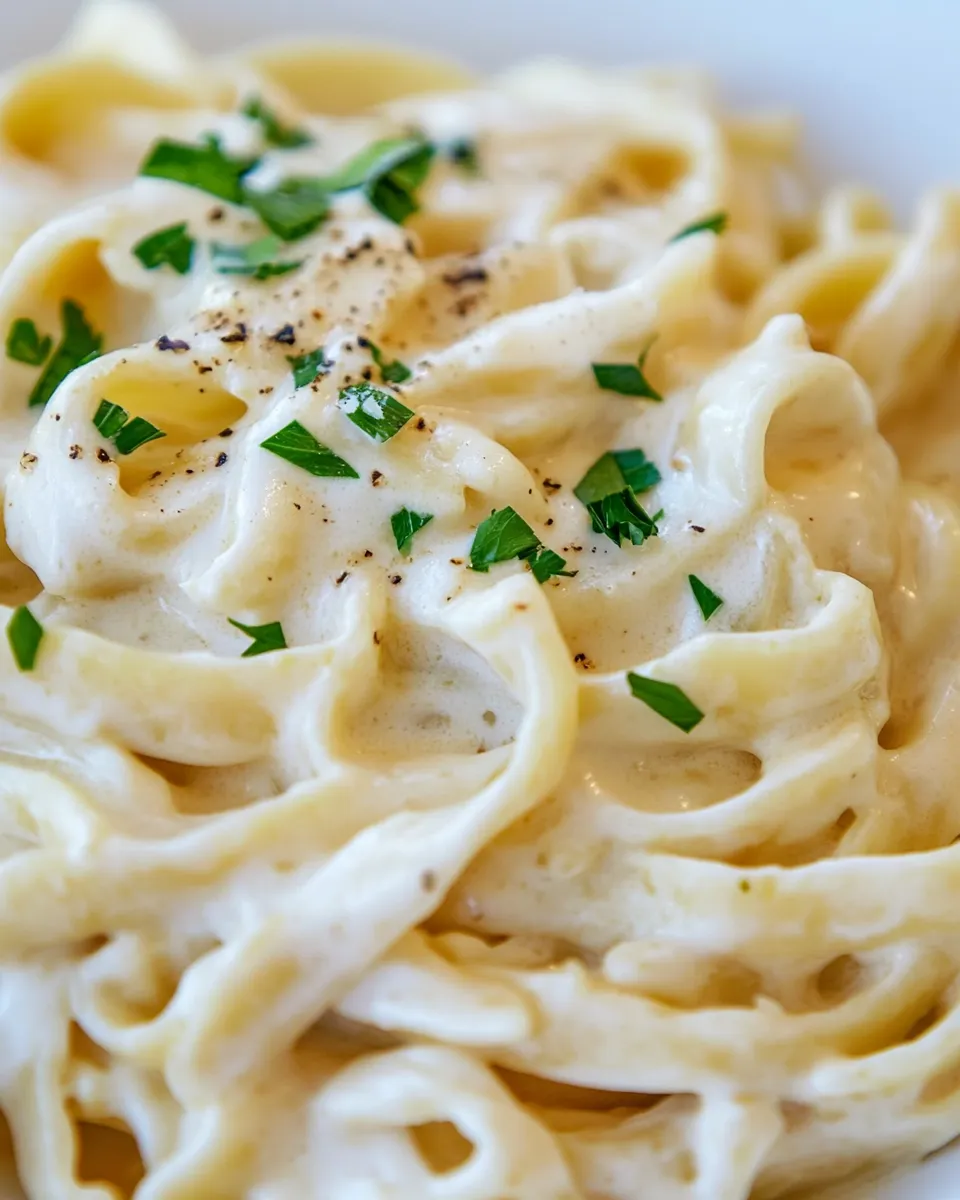
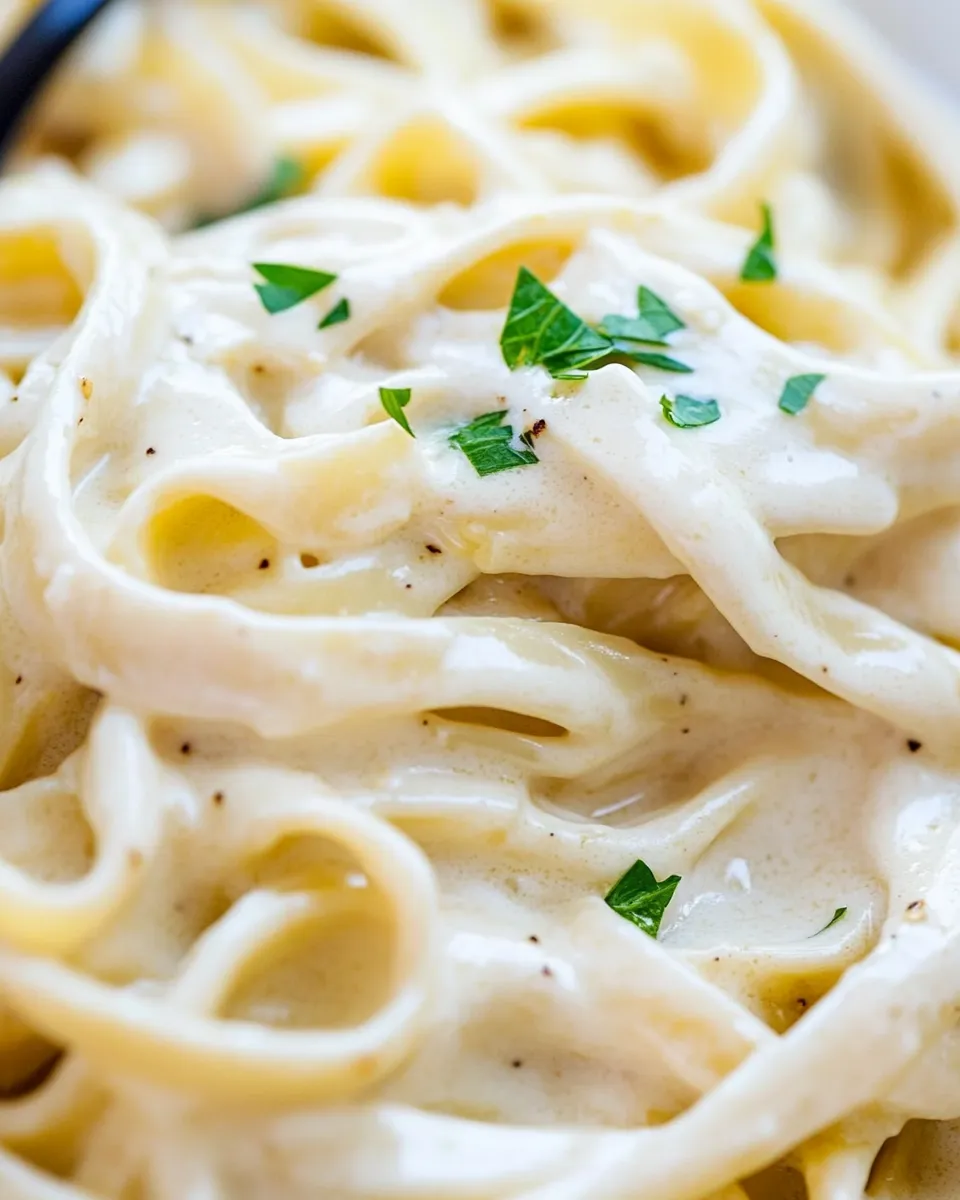
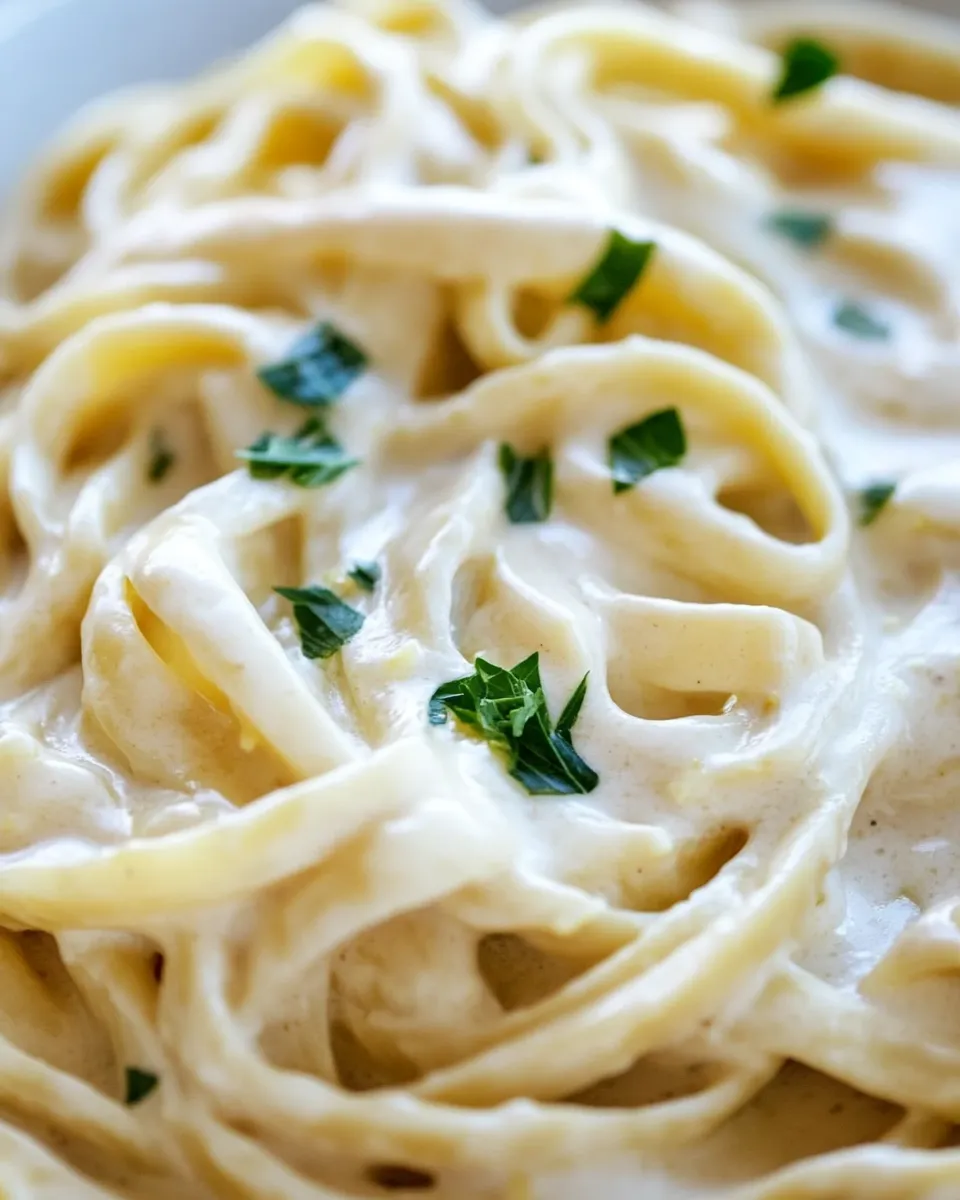
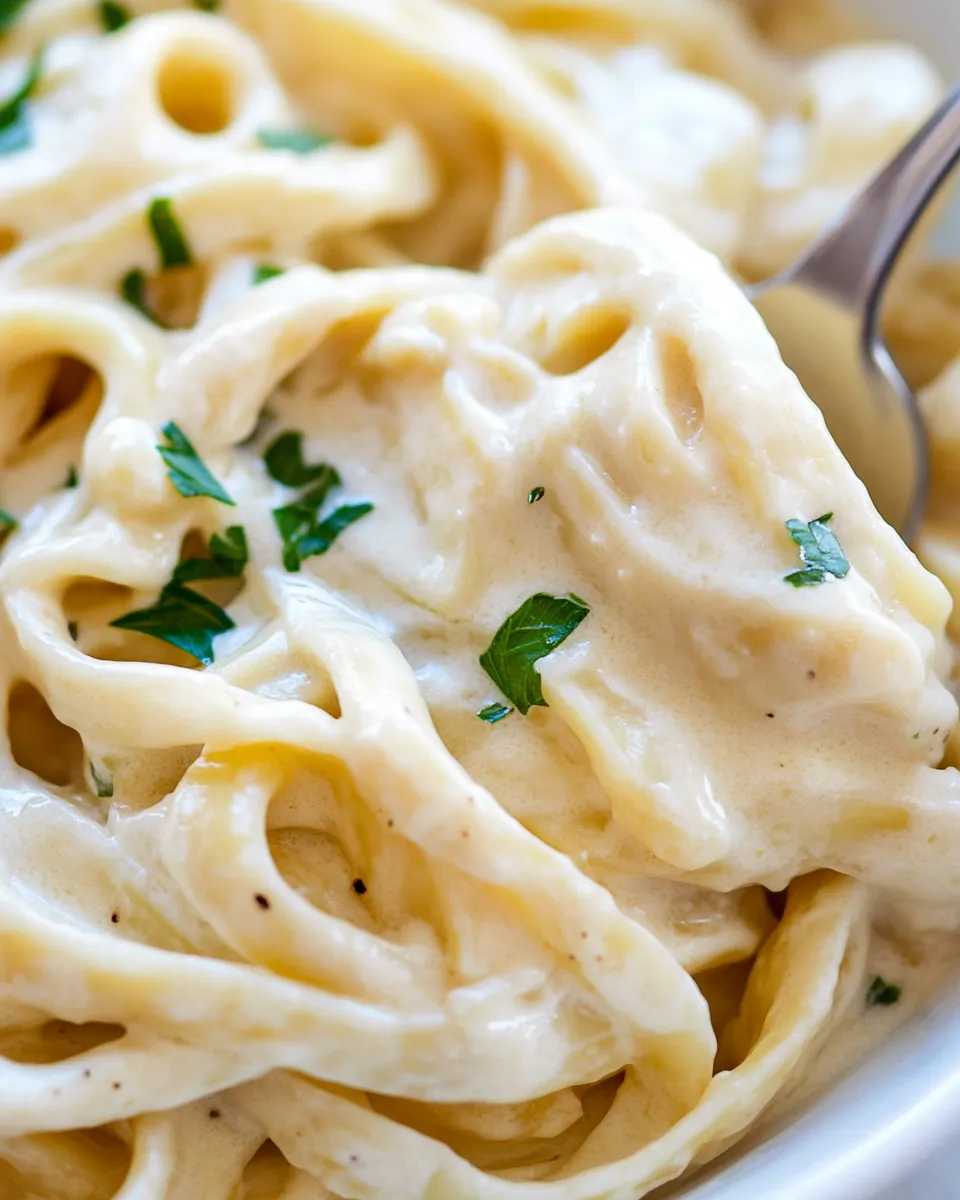
I make this cauliflower Alfredo sauce constantly when I want that silky, comforting pasta without the weight of a traditional cream-heavy alfredo. Roasting the cauliflower and garlic concentrates flavor and gives the sauce a gentle, nutty sweetness. It blends into a surprisingly creamy base once you add Parmesan and a splash of milk.
There are two things I stick to every time: roast enough of the cauliflower to get color, and save some pasta water. The crispy florets and breadcrumbs topping is optional, but it gives the dish a lovely contrast—soft, saucy pasta with bright crunchy bites. It’s simple to pull together and forgiving at every step.
Below you’ll find the precise ingredient list and the step-by-step directions I follow. I’ve also included troubleshooting tips, sensible gear recommendations, and ways to make this work for different diets and seasons. This is practical home-cooking—nothing fussy, just good results.
What You’ll Need
- 300 grams pasta (10 oz) — the starch helps the sauce cling; any shape you prefer will work.
- 1 head cauliflower (approx. 500g) — the base of the sauce and the source of roasted flavor and body.
- 6 cloves garlic — roast with the cauliflower to soften and sweeten the garlic flavor.
- 3 tablespoons olive oil — for coating the cauliflower and garlic before roasting; helps browning.
- 3 tablespoons Parmesan cheese (30g) — adds savory, salty depth inside the blended sauce.
- ½ cup milk — loosens the purée and makes the sauce creamy; use a milk you cook with normally.
- salt and pepper to taste — essential for finishing and balancing the sauce.
- ¼ cup panko bread crumbs — used with reserved crispy cauliflower for an optional crunchy topping.
- 1 teaspoon fresh thyme — provides a bright herbal note for the optional topping mix.
- 1 Tablespoon Parmesan cheese — mixed into the crispy topping for extra savory crunch.
Stepwise Method: Cauliflower Alfredo Sauce
- Preheat the oven to 160°C (320°F). Line a baking tray with parchment paper or lightly oil it.
- Cut the cauliflower into even-sized florets about 1 cm thick. Place the florets and the 6 garlic cloves in a bowl and toss with the 3 tablespoons olive oil to coat.
- Spread the oiled cauliflower florets and garlic in a single layer on the prepared baking tray.
- Roast at 160°C (320°F) for 30 minutes, until the cauliflower is tender.
- After 30 minutes, use tongs or a spatula to remove about three quarters of the roasted cauliflower florets and all of the roasted garlic from the tray and transfer them to a food processor or blender. Leave roughly one quarter of the florets on the tray.
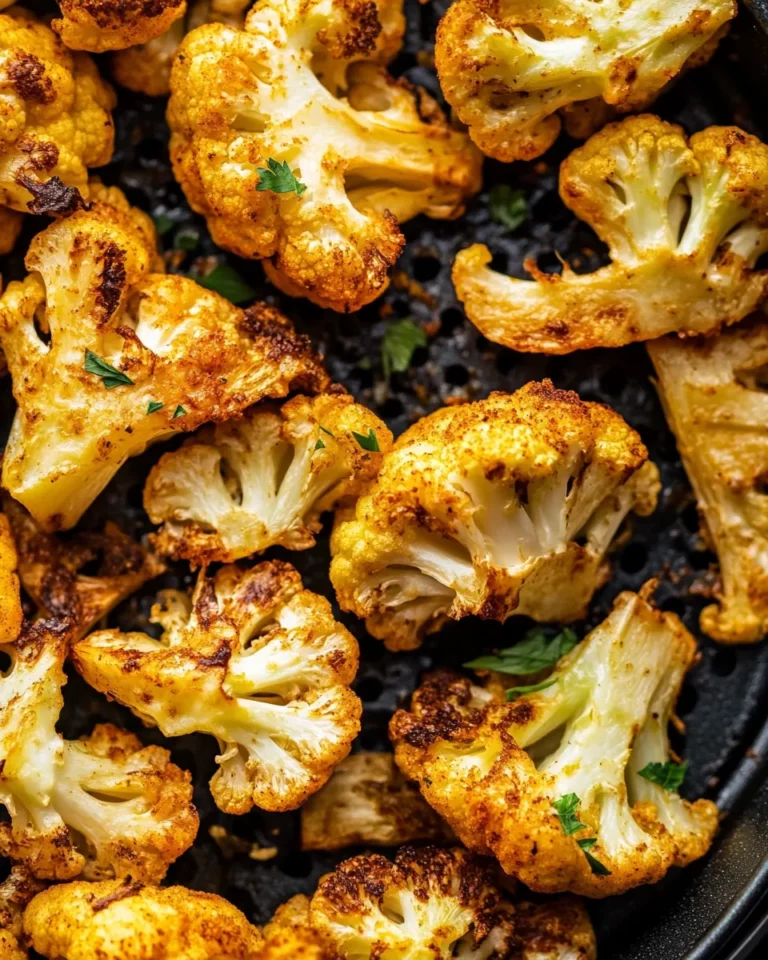
- (Optional topping) Increase the oven temperature to 200°C (400°F). Return the tray with the remaining cauliflower to the oven and roast for an additional 5–10 minutes, or until those florets are browned and crispy. Remove and set aside to cool slightly.
- While the cauliflower is finishing in the oven (or before step 6), bring a large pot of water to a boil, add salt to taste, and cook the 300 g pasta according to the package instructions until al dente. Before draining, reserve 1 cup of the pasta cooking water, then drain the pasta.
- Add the 3 tablespoons (30 g) Parmesan cheese and the ½ cup milk to the food processor with the roasted cauliflower and garlic. Blend until very smooth. Season the sauce to taste with salt and pepper.
- If the sauce is too thick, add a few tablespoons of the reserved pasta cooking water at a time until you reach a creamy consistency that will coat the pasta.
- Return the drained pasta to the pot or a large bowl and toss with the cauliflower Alfredo sauce until evenly coated.
- (Optional topping) Roughly chop the crispy roasted cauliflower left from the tray. In a small bowl, combine the chopped crispy cauliflower with the ¼ cup panko breadcrumbs, 1 tablespoon Parmesan cheese, and 1 teaspoon fresh thyme. Sprinkle this mixture over the sauced pasta before serving.
- Serve immediately, seasoning with additional salt and pepper if needed.
Why Cooks Rave About It
This sauce hits the right notes: creamy mouthfeel, roasted depth, and a savory finish without needing heavy cream. Roasting concentrates the cauliflower’s natural sugars and mellows the garlic. When you purée those ingredients with Parmesan and milk, the result is an Alfredo-like texture that feels indulgent but is lighter and vegetable-forward.
It’s also forgiving. If your blender isn’t ultra-powerful, you may need extra pasta water to get the texture you want. If you over-roast a little, the flavor becomes more caramelized and interesting rather than ruined. The optional breadcrumb-and-cauliflower topping turns a simple weeknight dinner into something with texture and personality.
Allergy-Friendly Substitutes
If someone at the table has an intolerance, you can adapt the approach without changing the method: swap the milk for an unsweetened plant-based milk you tolerate, and omit or replace the Parmesan when necessary. For those avoiding gluten, choose a gluten-free pasta and use gluten-free breadcrumbs or skip the breadcrumb topping entirely. Taste and season carefully when you omit Parmesan, since it contributes significant savory saltiness.
Gear Up: What to Grab
- Baking tray — for even roasting; line with parchment for easy cleanup.
- Sharp knife and a chopping board — to cut cauliflower into uniform florets.
- Large pot — to boil the pasta and reserve cooking water.
- Food processor or blender — to purée the roasted cauliflower and garlic until very smooth.
- Tongs or spatula — useful for transferring roasted florets without burning yourself.
- Small mixing bowl — to combine the optional topping ingredients.
Don’t Do This
Don’t skip reserving pasta water. It’s the easiest way to adjust sauce consistency and helps the sauce cling to noodles. Don’t overload the blender; purée in batches if needed to get a truly smooth texture. And don’t forget to taste for salt—Parmesan adds saltiness but roasted vegetables can still need adjustment.
Season-by-Season Upgrades
Spring: Add bright green herbs at the end—if you have fresh basil or parsley, a handful stirred in off-heat will feel lively.
Summer: Toss in charred cherry tomatoes on top for a juicy contrast. The sweetness and acidity complement the roasted cauliflower.
Autumn: Stir in a little browned butter (if you use butter) or finish with a few crunchy toasted nuts on the breadcrumb topping to lean into fall textures.
Winter: Keep it simple and comforting. Serve with a long, flat pasta to catch more sauce, and pair with roasted winter greens on the side.
Cook’s Notes
On texture
A very smooth sauce comes from blending until silky, and a little reserved pasta water will loosen it naturally. If it separates slightly after sitting, a quick re-toss with warm pasta water brings it back.
On roast color
Browning matters. The initial 30-minute roast at 160°C (320°F) softens the cauliflower and garlic without burning. Increasing the heat for the reserved florets creates the crispy, browned bites that make the topping special.
On equipment
If your blender struggles, pulse and scrape frequently. A food processor can also achieve a good result but may require a touch more liquid to get truly smooth.
Save for Later: Storage Tips
Cool any leftover pasta and sauce quickly and store in an airtight container in the refrigerator for up to 3 days. The sauce may thicken; loosen it when reheating with a splash of water or a little of the reserved pasta cooking water if you saved it. For longer storage, store the sauce (not mixed with pasta) in the freezer for up to 2 months—thaw overnight in the refrigerator before warming gently and stirring back to a creamy consistency.
Common Qs About Cauliflower Alfredo Sauce
Can I make the sauce ahead?
Yes. The sauce stores well on its own in the fridge for a couple of days. If you plan to serve it later, wait to toss with pasta until just before serving for best texture.
Will cauliflower taste like cauliflower?
It will have cauliflower character, but roasting and garlic mellow and deepen the flavor so it reads as rich and savory rather than vegetal. The Parmesan and a pinch of salt bring balance and a familiar alfredo-style profile.
What pasta shapes work best?
Any shape that holds sauce is fine—short tubular shapes or long ribbons both work. The goal is to get sauce into every bite.
Do I have to make the crunchy topping?
No. The topping is optional but recommended when you want texture contrast. It’s easy and adds a pleasant crunch without much extra work.
Next Steps
Make this once following the recipe exactly, and you’ll know how much pasta water you prefer and whether you like the extra roasting step for crunch. Experiment with which pasta shape your family loves and whether a handful of herbs at the end improves the balance for you. Keep the method in your weeknight rotation—it’s fast, adaptable, and consistently satisfying.
Cauliflower Alfredo Sauce
Ingredients
Ingredients
- ?300 gramspasta 10 oz
- ?1 headcauliflower approx. 500 g
- ?6 clovesgarlic
- ?3 tablespoonolive oil
- ?3 tablespoonparmesan cheese 30 g
- ?1/2 cupmilk
- ?salt and pepper to taste
- ?1/4 cuppanko bread crumbs
- ?1 teaspoonfresh thyme
- ?1 Tablespoonparmesan cheese
Instructions
Instructions
- Preheat the oven to 160°C (320°F). Line a baking tray with parchment paper or lightly oil it.
- Cut the cauliflower into even-sized florets about 1 cm thick. Place the florets and the 6 garlic cloves in a bowl and toss with the 3 tablespoons olive oil to coat.
- Spread the oiled cauliflower florets and garlic in a single layer on the prepared baking tray.
- Roast at 160°C (320°F) for 30 minutes, until the cauliflower is tender.
- After 30 minutes, use tongs or a spatula to remove about three quarters of the roasted cauliflower florets and all of the roasted garlic from the tray and transfer them to a food processor or blender. Leave roughly one quarter of the florets on the tray.
- (Optional topping) Increase the oven temperature to 200°C (400°F). Return the tray with the remaining cauliflower to the oven and roast for an additional 5–10 minutes, or until those florets are browned and crispy. Remove and set aside to cool slightly.
- While the cauliflower is finishing in the oven (or before step 6), bring a large pot of water to a boil, add salt to taste, and cook the 300 g pasta according to the package instructions until al dente. Before draining, reserve 1 cup of the pasta cooking water, then drain the pasta.
- Add the 3 tablespoons (30 g) Parmesan cheese and the ½ cup milk to the food processor with the roasted cauliflower and garlic. Blend until very smooth. Season the sauce to taste with salt and pepper.
- If the sauce is too thick, add a few tablespoons of the reserved pasta cooking water at a time until you reach a creamy consistency that will coat the pasta.
- Return the drained pasta to the pot or a large bowl and toss with the cauliflower Alfredo sauce until evenly coated.
- (Optional topping) Roughly chop the crispy roasted cauliflower left from the tray. In a small bowl, combine the chopped crispy cauliflower with the ¼ cup panko breadcrumbs, 1 tablespoon Parmesan cheese, and 1 teaspoon fresh thyme. Sprinkle this mixture over the sauced pasta before serving.
- Serve immediately, seasoning with additional salt and pepper if needed.
Equipment
- Oven
- Baking tray
- Parchment Paper
- Food Processor
- Blender
- Large Pot
- Colander
- Tongs
- Small Bowl
Notes
For a protein boost, serve with grilled orpoached chicken,pan fried fishor stir in cooked white beans.
This sauce freezes well—great for batch cooking.
Fettuccine, penne, or shells hold the sauce beautifully.
Milk: Use any milk (dairy or plant-based) depending on dietary needs. For an extra decadent version the milk can be swapped for cream.
Parmesan: Can be swapped for a dairy-free hard cheese alternative if needed.
Panko: Regular bread crumbs can be used; gluten-free panko works well for coeliac-friendly versions.
Thyme: Optional, but adds a lovely herbal note to the crumb.