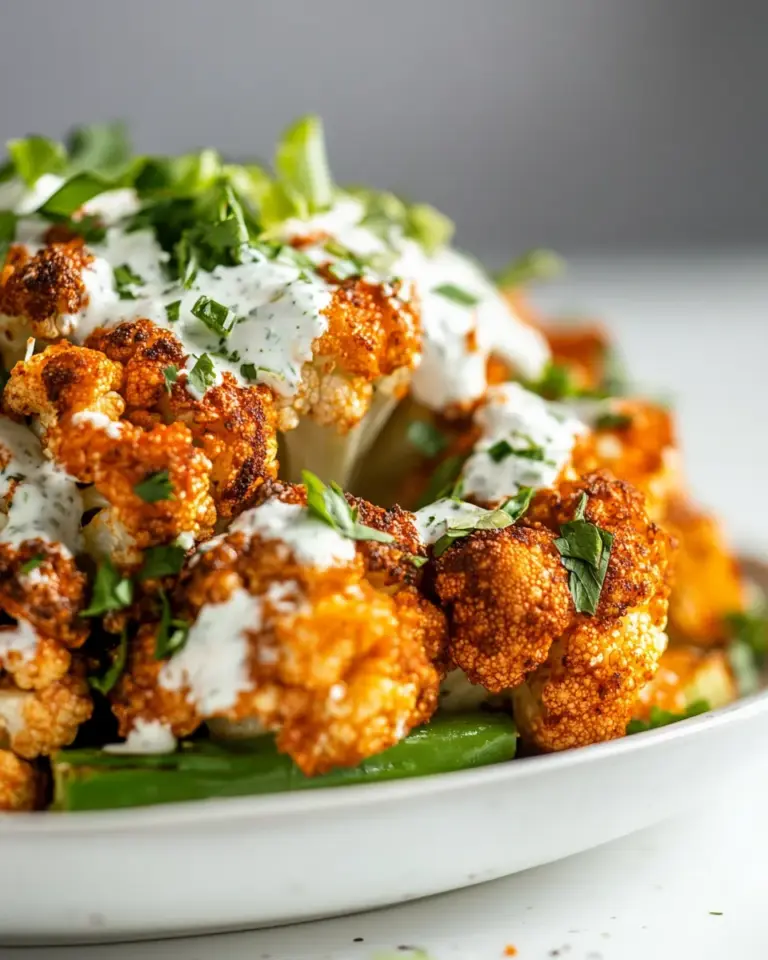
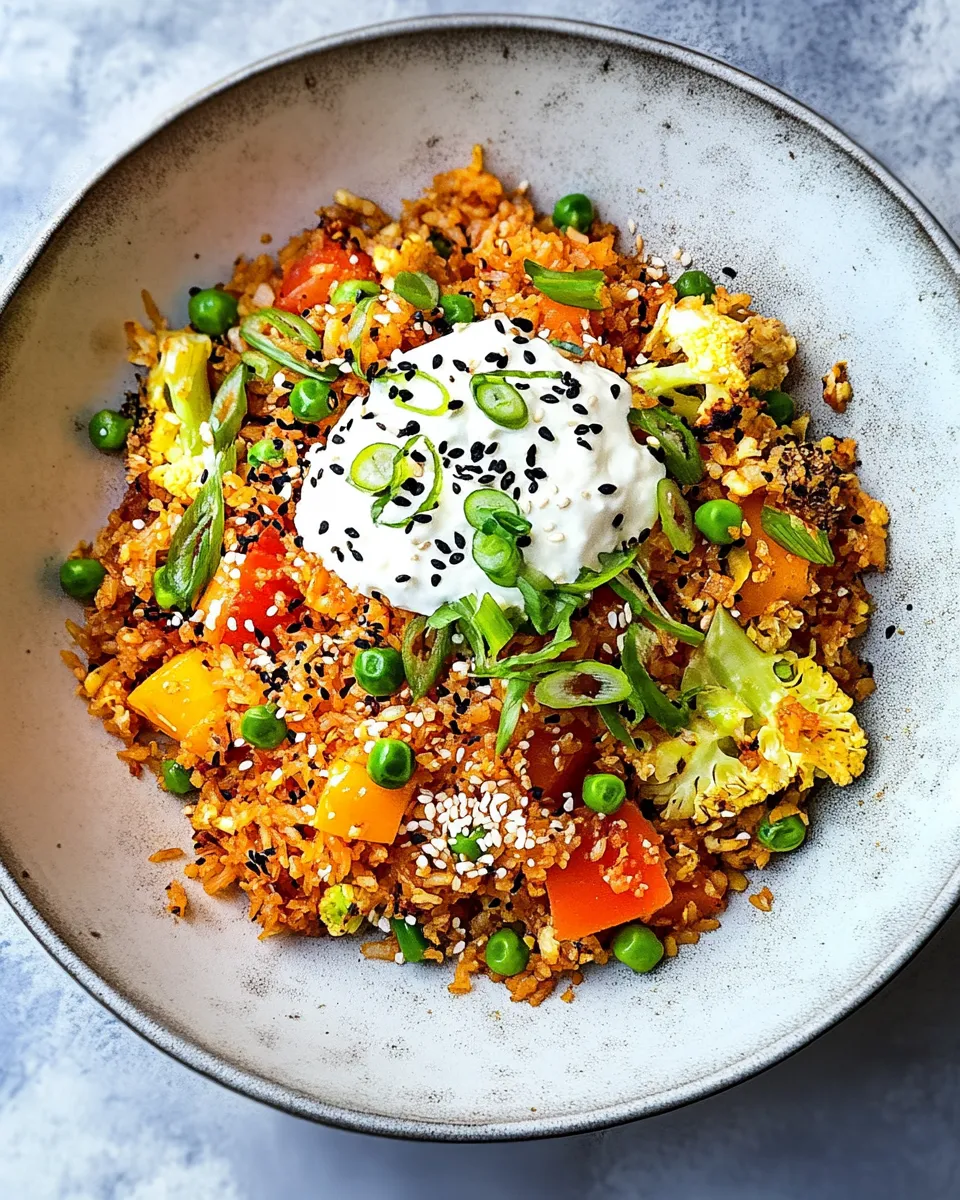
I make this Cauliflower Fried Rice on weeknights when I want something satisfying, quick, and lighter than takeout. It hits all the familiar textures — a little crisp, a little tender — but swaps the rice for riced cauliflower so it feels cleaner without skimping on flavor. The finished dish is bright with scallion, gently sweet from coconut aminos and honey, and rounded by toasted sesame oil.
There’s very little fuss here. The technique is straightforward: cook the proteins, set them aside, scramble the eggs in the same pan, then build the vegetables, add the cauliflower rice, and fold everything back together with the sauces. I like that the routine is repeatable and forgiving, which makes this a reliable recipe for busy nights.
Below you’ll find clear ingredient notes, the step-by-step process (kept exactly as written), plus options for swaps, gear recommendations, troubleshooting, and storage tips. If you want to adapt it for meal prep or specific dietary goals, I’ve included practical ideas so you can make this recipe truly your own.
Ingredient Notes
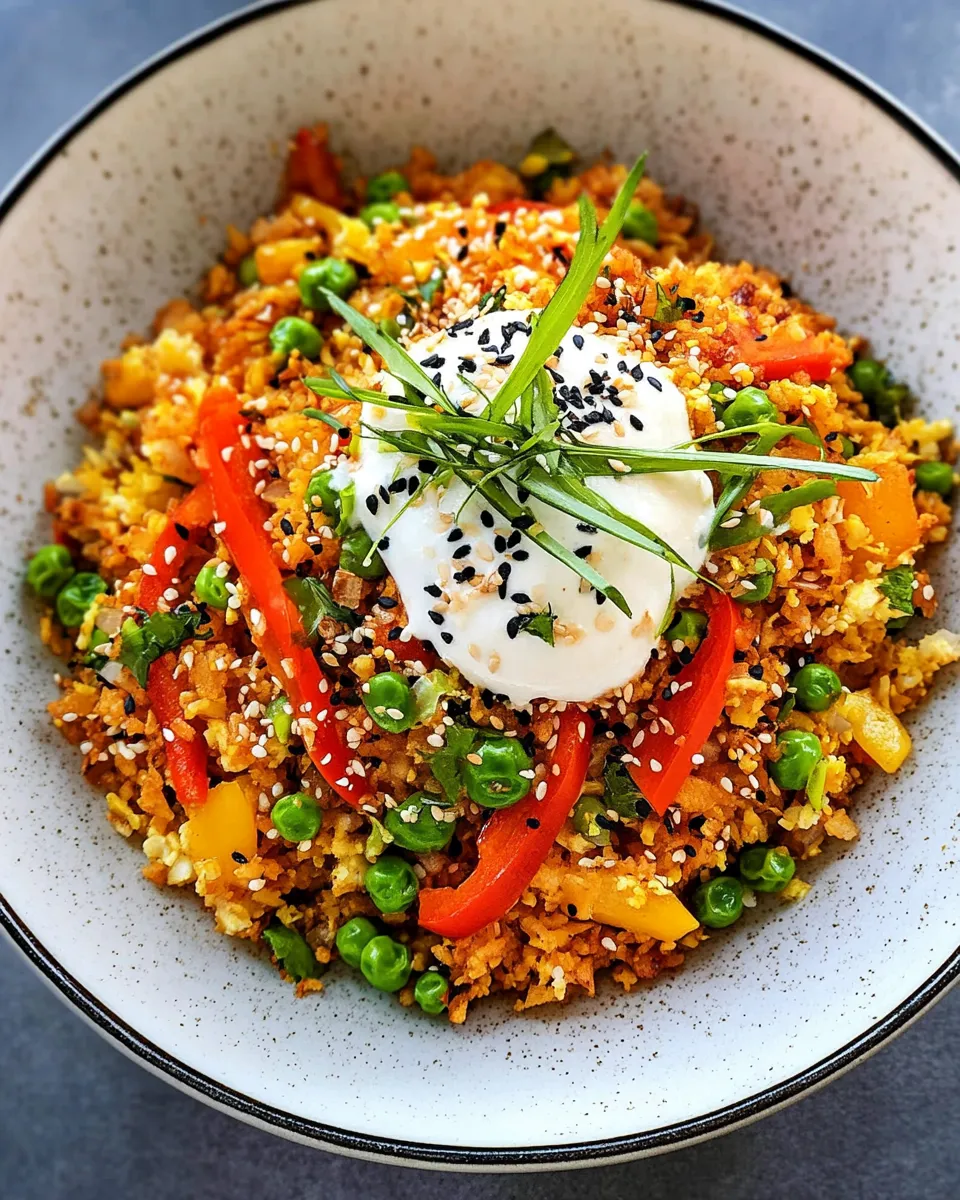
Ingredients
- 4 cups cauliflower rice — homemade or store-bought; the low-carb base that mimics rice texture when cooked briefly.
- 2 teaspoons oil, divided — neutral oil for stir-frying; divided so you get browning without smoking the pan.
- 6 jumbo shrimp — peeled, deveined and chopped into pieces; the primary protein, cooks fast and stays tender.
- 2 eggs — whisked together; add silkiness and a bit of protein to bind the dish.
- 2 green onions — sliced, green and white parts separated; whites flavor the stir-fry, greens garnish for freshness.
- 3 cloves garlic — sliced; aromatic backbone of the dish.
- 1″ piece fresh ginger — optional; peeled and sliced or grated for warmth and brightness when used.
- 1 cup frozen peas and carrots — or veggies-of-choice; add color, sweetness, and texture.
- ¼ cup coconut aminos — savory-salty element that replaces soy for a slightly sweeter, soy-free option.
- 1 tablespoon rice vinegar — adds acidity to balance the sweetness.
- 1 teaspoon honey — a touch of sweetness to round flavors.
- 1 teaspoon toasted sesame oil — finish oil for nutty aroma; use sparingly.
- Salt and pepper — to taste; seasoning at the end lets you adjust precisely.
- Sriracha — for serving; optional heat on the side so everyone can add their level.
- Sesame seeds — for garnish; adds a small crunch and visual finish.
Cooking (Cauliflower Fried Rice): The Process
- Slice the green onions and separate the green tops from the white bottoms; set the green tops aside for garnish.
- Heat 1 teaspoon oil in a large non-stick skillet over medium-high heat until shimmering. Add the chopped shrimp in a single layer and cook, stirring once, until opaque and cooked through, about 2 minutes. Transfer the shrimp to a plate.
- Reduce heat to medium. Pour the whisked eggs into the same skillet and cook, stirring gently, until just set, about 1 minute. Transfer the cooked eggs to the plate with the shrimp.
- Add the remaining 1 teaspoon oil to the skillet. Add the white parts of the green onions, sliced garlic, and the sliced or grated ginger (if using). Cook, stirring, until fragrant, about 30–60 seconds.
- Add the frozen peas and carrots to the skillet and cook, stirring occasionally, until heated through and tender, about 3–5 minutes.
- Add the cauliflower rice to the skillet and cook, stirring occasionally, until the cauliflower is tender but not mushy, about 4–5 minutes.
- Return the cooked shrimp and eggs to the skillet. Pour in the coconut aminos, rice vinegar, honey, and toasted sesame oil. Stir everything together and cook just until heated through, about 1–2 minutes. Taste and season with salt and pepper as desired.
- Remove from heat. Serve immediately topped with the reserved green parts of the scallions and sesame seeds, with Sriracha on the side for drizzling.
Why It’s My Go-To
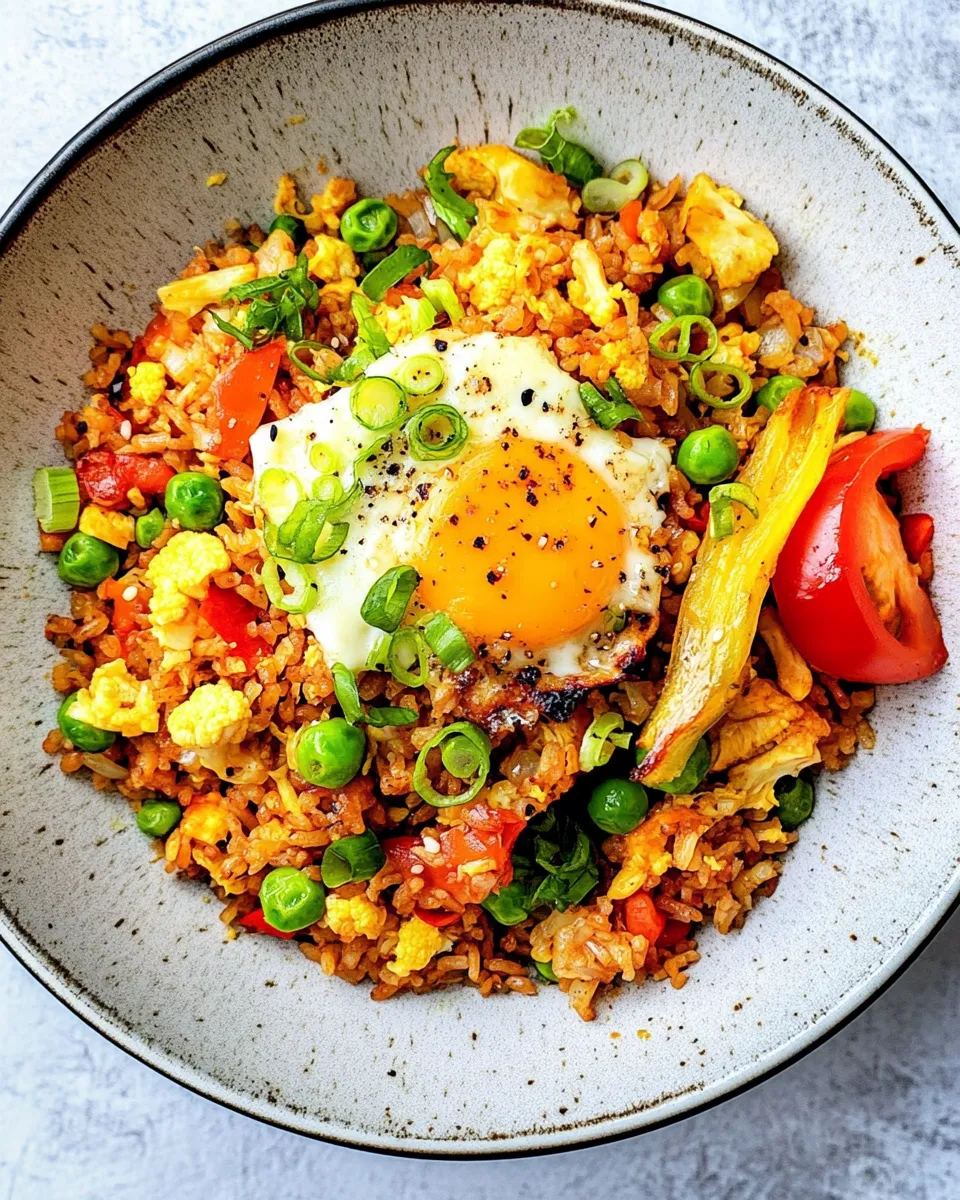
This dish is fast, adaptable, and dependable. It takes less than 20 minutes from stovetop to plate if your cauliflower rice is ready. I appreciate the quick protein finish — shrimp cooks in a flash and keeps the meal light. Using the same pan for eggs and vegetables builds layers of flavor without extra cleanup. That matters on busy nights.
The combination of coconut aminos and rice vinegar gives a balanced umami-acid profile that feels familiar if you love classic fried rice, but it’s slightly lighter and works for people avoiding soy. It’s also easy to make dairy-free and grain-free without sacrificing comfort or texture.
Ingredient Flex Options
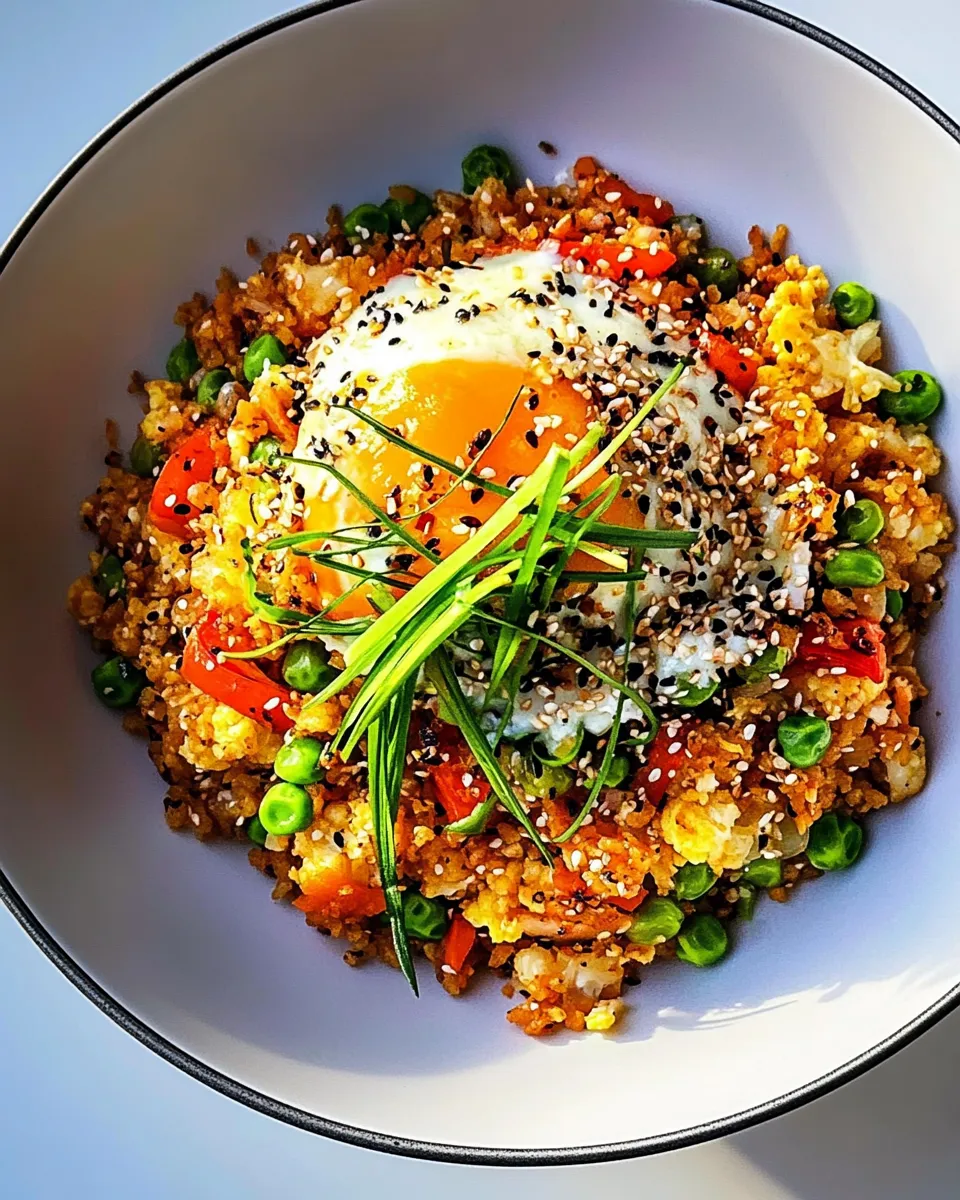
Swap freely depending on what you have and your goals:
- Protein swaps: Omit shrimp and add diced cooked chicken, pork, or firm tofu. For a vegetarian option, skip the shrimp and increase the peas and carrots or add edamame.
- Grain options: If you want more carbs, replace half the cauliflower rice with cooked brown rice or quinoa.
- Sauce alternatives: If you prefer soy, use low-sodium soy sauce or tamari in place of coconut aminos. Reduce any added salt if using regular soy sauce.
- Veg swap-ins: Use chopped bell pepper, mushrooms, zucchini, or spinach instead of or alongside peas and carrots. Just adjust cooking time for tender results.
- Sweetness: Substitute maple syrup for honey for a vegan finish.
Hardware & Gadgets
Simple tools make a big difference here:
- Large non-stick skillet or well-seasoned wok — the recipe calls for a large non-stick skillet; a wok works too for high-heat tossing.
- Spatula or wooden spoon — one that can move food without scraping the pan.
- Sharp knife and cutting board — for quick prep of scallions, garlic, and shrimp.
- Food processor (optional) — if you’re making cauliflower rice at home, pulse florets to rice-sized bits. Work in small batches for even texture.
- Measuring spoons and cups — for consistent seasoning and sauce balance.
Watch Outs & How to Fix
There are a few common pitfalls and easy fixes:
- Watery final dish: If your cauliflower rice releases too much water and the dish becomes soggy, cook it a little longer on medium-high to evaporate moisture before returning the eggs and shrimp. Also make sure frozen peas/carrots are thawed and patted dry.
- Shrimp overcooked: Shrimp go from perfect to rubbery quickly. Cook in a single layer and pull them as soon as they turn opaque. They’ll finish warming through when you combine everything.
- Cauliflower too soft: Avoid overcooking. Taste at 4 minutes; you want tender but with structure. If it’s mushy, next time reduce the cook time and use higher heat briefly to sear.
- Too salty or too sweet: Taste before adding salt because coconut aminos and other ingredients add sodium and sweetness. If too salty, add a splash more rice vinegar and a pinch of sugar or extra cauliflower rice to balance. If too sweet, add a touch more rice vinegar or a squeeze of lime.
- Pale flavor: If the final dish tastes flat, add a bit more coconut aminos or a dash of fish sauce (if you use it) and finish with a squeeze of acid — rice vinegar or lime juice — to brighten everything.
Fit It to Your Goals
Want this to line up with a specific plan? Here are straightforward tweaks:
- Lower calorie / low-carb: Keep the cauliflower rice and shrimp, skip added sugar or reduce honey, and use minimal sesame oil. Increase vegetables for volume.
- Higher protein: Add extra eggs or double the shrimp, or fold in edamame for plant protein.
- Whole30 / paleo: This version is already close — use compliant sweetener or omit the honey, and ensure your coconut aminos are acceptable for your program.
- Gluten-free: Use coconut aminos or tamari labeled gluten-free.
Chef’s Rationale
I staged the cook the way I did to maximize flavor and texture while minimizing time and cleanup. Cooking shrimp first in a single layer gives you a quick sear and prevents steaming. Using the same pan for eggs picks up fond and layers flavor into the dish. Sautéing the aromatics in the leftover oil releases their fragrance and forms a seasoning base for the vegetables and cauliflower.
The cauliflower rice only needs a short cook so it stays grain-like. Returning shrimp and eggs at the end prevents overcooking them and keeps the final dish from becoming rubbery or mushy. A final quick toss with the sauces heats everything and marries flavors without breaking down the cauliflower.
Meal Prep & Storage Notes
This recipe is friendly to meal prep when done with a couple of caveats. Store the cooked Cauliflower Fried Rice in airtight containers in the refrigerator for up to 3 days. If you plan to reheat, I recommend undercooking the cauliflower by a minute during your initial cook so it holds up better when reheated.
For reheating, use a skillet over medium heat with a splash of oil. Stir frequently until warmed through to preserve texture. Microwaving works for convenience but can make cauliflower softer. If freezing, portion into freezer-safe containers and freeze for up to 1 month. Thaw overnight in the fridge before reheating on the stovetop.
Cauliflower Fried Rice Q&A
Q: Can I make this vegetarian?
A: Yes. Omit the shrimp and either add extra eggs or fold in tofu or edamame for protein.
Q: Is coconut aminos necessary?
A: No — it gives a slightly sweeter, soy-free umami. Use low-sodium soy sauce or tamari if you prefer or need a more traditional savory profile.
Q: Can I use fresh peas and carrots?
A: Absolutely. Adjust the cook time slightly if your veggies are raw so they become tender.
Q: How do I prevent the cauliflower from becoming soggy?
A: Cook it on medium-high heat and let water evaporate. Avoid covering the pan. If using store-bought cauliflower rice, ensure it’s well-drained.
The Last Word
This Cauliflower Fried Rice is a practical, flavor-forward weeknight dish that adapts to what you have on hand and where you want your plate to land — lighter, higher-protein, or plant-forward. It’s quick, forgiving, and satisfying in a way that keeps me coming back. Take the basic rhythm of the recipe, make small swaps to suit your pantry, and you’ll have a dependable favorite that’s faster than ordering in and healthier too.
Cauliflower Fried Rice
Ingredients
Ingredients
- 4 cupscauliflower ricehomemade or store-bought
- 2 teaspoonsoildivided
- 6 jumbo shrimppeeled deveined and chopped into pieces
- 2 eggswhisked together
- 2 green onionssliced green and white parts seperated
- 3 clovesgarlicsliced
- 1 ” piece fresh gingeroptional
- 1 cupfrozen peas and carrotsor veggies-of-choice
- 1/4 cupcoconut aminos
- 1 tablespoonrice vinegar
- 1 teaspoonhoney
- 1 teaspoontoasted sesame oil
- Salt and pepperto taste
- Sririchafor serving
- Sesame seedsfor garnish
Instructions
Instructions
- Slice the green onions and separate the green tops from the white bottoms; set the green tops aside for garnish.
- Heat 1 teaspoon oil in a large non-stick skillet over medium-high heat until shimmering. Add the chopped shrimp in a single layer and cook, stirring once, until opaque and cooked through, about 2 minutes. Transfer the shrimp to a plate.
- Reduce heat to medium. Pour the whisked eggs into the same skillet and cook, stirring gently, until just set, about 1 minute. Transfer the cooked eggs to the plate with the shrimp.
- Add the remaining 1 teaspoon oil to the skillet. Add the white parts of the green onions, sliced garlic, and the sliced or grated ginger (if using). Cook, stirring, until fragrant, about 30–60 seconds.
- Add the frozen peas and carrots to the skillet and cook, stirring occasionally, until heated through and tender, about 3–5 minutes.
- Add the cauliflower rice to the skillet and cook, stirring occasionally, until the cauliflower is tender but not mushy, about 4–5 minutes.
- Return the cooked shrimp and eggs to the skillet. Pour in the coconut aminos, rice vinegar, honey, and toasted sesame oil. Stir everything together and cook just until heated through, about 1–2 minutes. Taste and season with salt and pepper as desired.
- Remove from heat. Serve immediately topped with the reserved green parts of the scallions and sesame seeds, with Sriracha on the side for drizzling.
Equipment
- large non-stick skillet
- Spatula
- Plate
- Bowl
Notes
To slightly thaw frozen peas and carrots, run under lukewarm water for 30 seconds.
Recipe originally published in 2013, and updated with new photos and recipe in 2020.