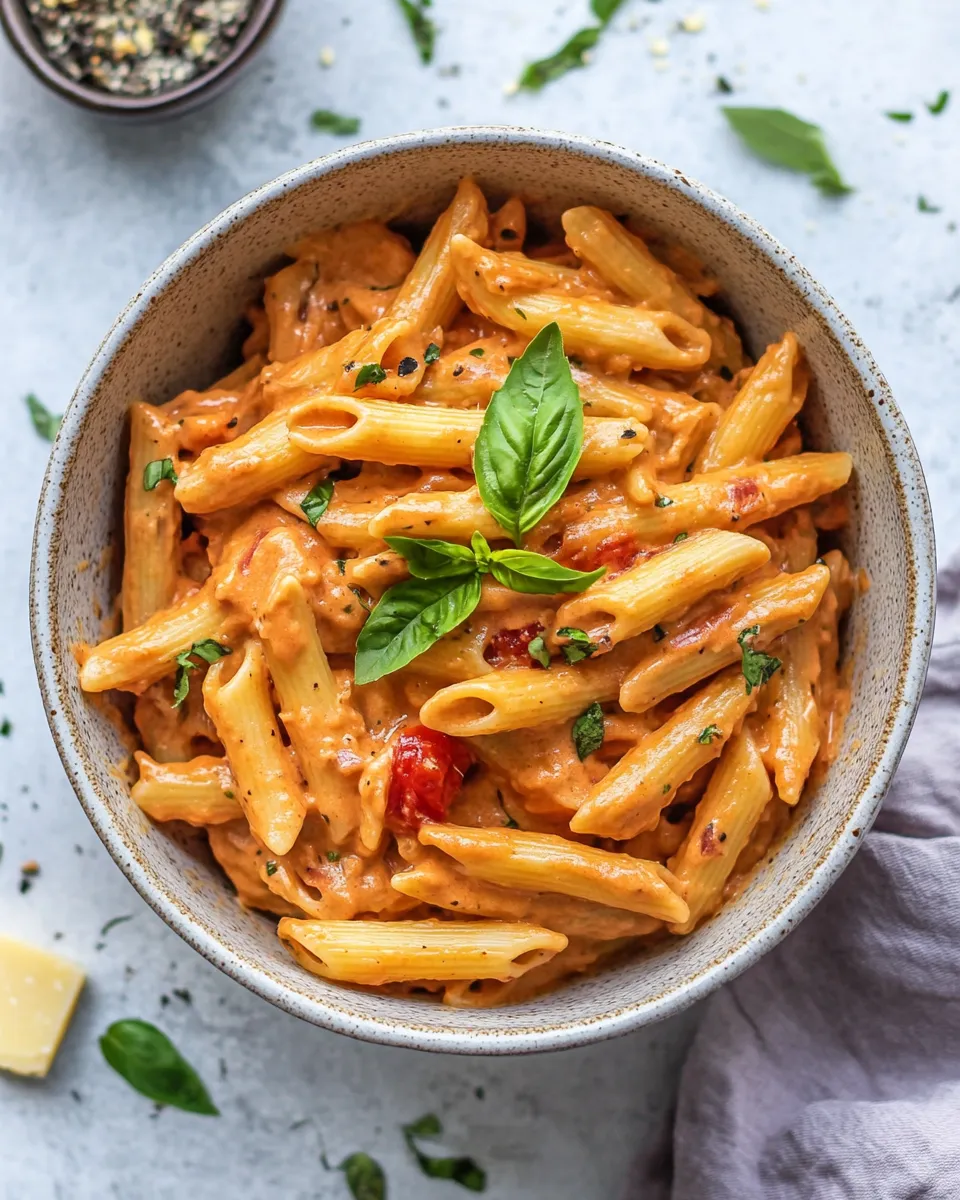
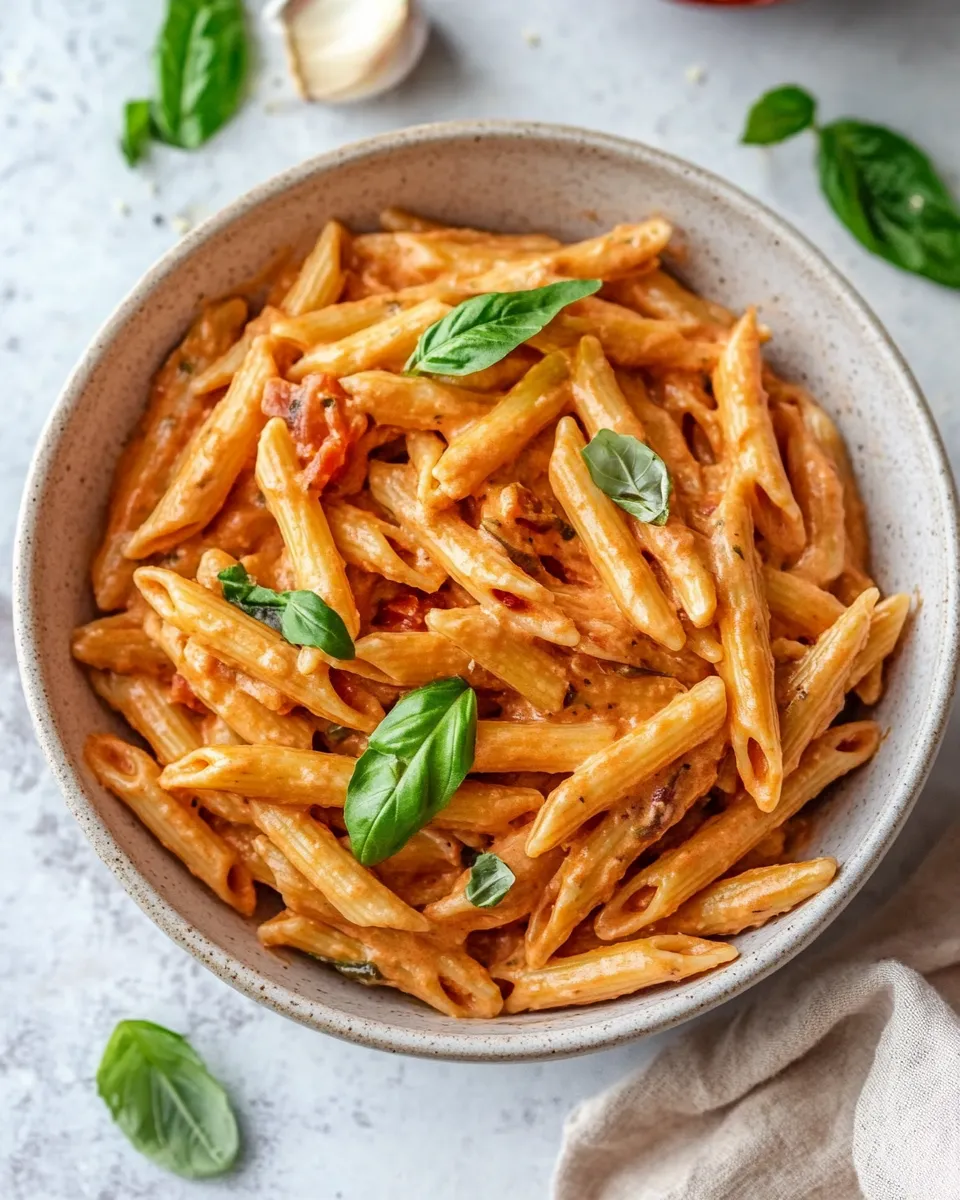
This is the kind of dinner that shows up on my table when I want something comforting, reliable, and quick enough for a weeknight. The sauce is plush and saucy rather than heavy, and it clings to the pasta in a way that makes every forkful feel deliberate. It comes together from pantry-staple ingredients and doesn’t demand heroic technique.
I test this version a lot because it’s forgiving and predictable. The tomato purée provides bright, concentrated flavor, cream smooths the acidity, and a little butter and parmesan finish the sauce with silk and umami. If you know how to sauté until soft and time pasta to al dente, you’ll be done in under 30 minutes.
Below you’ll find a clear shopping list, the exact steps to make it, and practical variations and troubleshooting tips I use when feeding friends or cooking for myself. No fuss, no drama—just comforting pasta that delivers every time.
Shopping List
Buy good-quality basics and you’ll hardly need more than that. This list focuses on what you need for the recipe as written; optional extras are noted later where they belong.
- Pasta (500 grams)
- Garlic (2 cloves, crushed)
- Red onion (½, finely diced)
- Olive oil (3 Tablespoons / 45 millilitres)
- Tomato purée (1 cup / 120 millilitres)
- Chilli flakes (optional, 0–2 teaspoons)
- Cream (1 cup)
- Butter (1 Tablespoon)
- Parmesan cheese (50 grams)
- Salt and freshly ground black pepper
Ingredients
- 500 grams pasta — the base of the dish; choose a shape that holds sauce (penne, rigatoni, fusilli, or spaghetti).
- 2 cloves garlic, crushed — adds aromatic depth; don’t burn it or it will turn bitter.
- ½ red onion, finely diced — softens into sweetness and builds the sauce base.
- 3 Tablespoons olive oil (45 millilitres) — used for sautéing; use a neutral extra-virgin olive oil if you like the flavor.
- 1 cup tomato purée (120 millilitres) — concentrated tomato flavor; this is the primary tomato component for the sauce.
- 2 teaspoons chilli flakes — optional, adjust 0-2 teaspoons depending on your preference for heat!
- 1 cup cream — brings richness and mellows acidity; full-fat yields the creamiest result.
- 1 Tablespoon Butter — finishes the sauce for gloss and a little extra silkiness.
- 50 grams parmesan cheese — provides savory umami and helps the sauce cling to the pasta.
Creamy Tomato Pasta — Do This Next
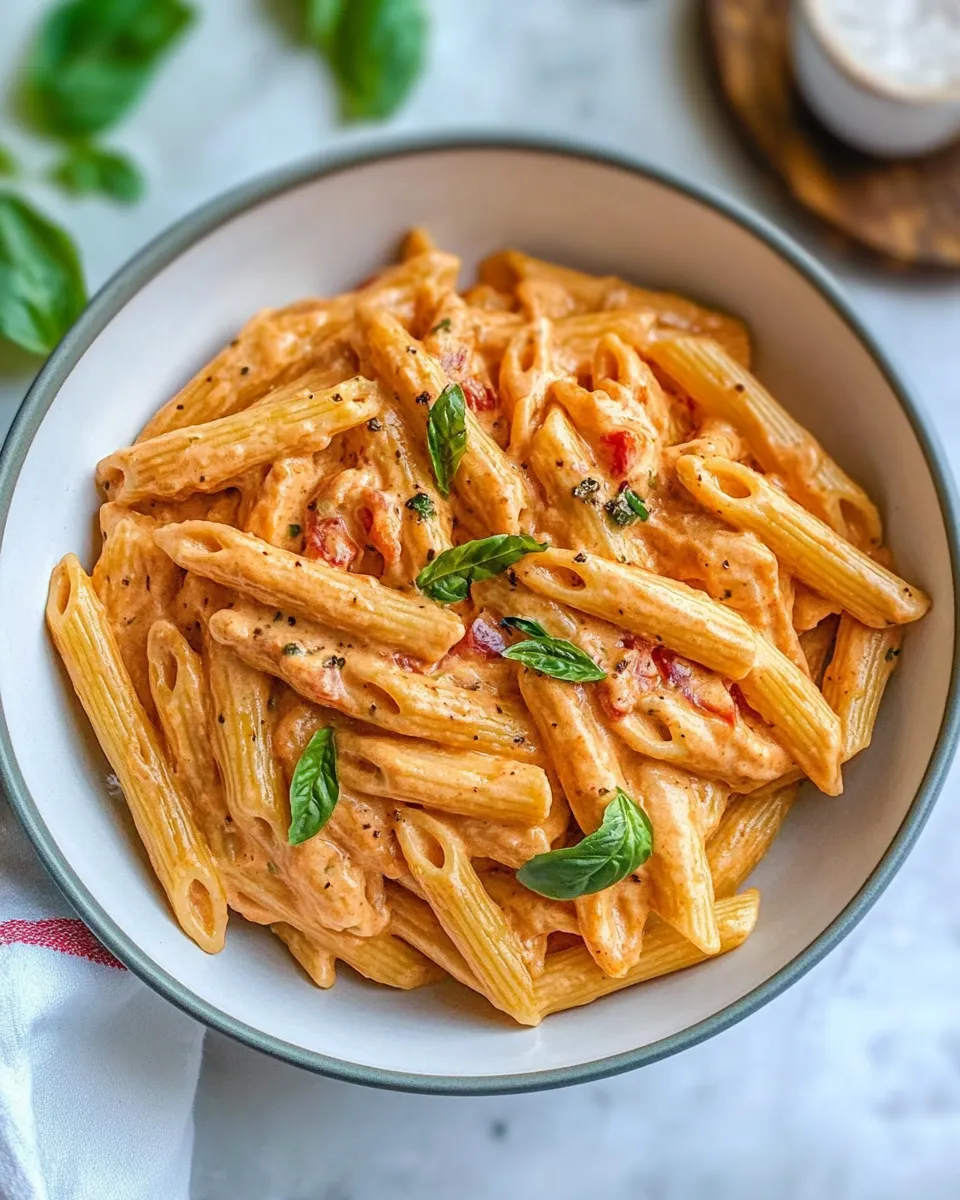
- Put a large pot of salted water on to boil.
- Heat the olive oil in a large skillet or frying pan over medium-low heat (use a pan large enough to hold the cooked pasta and sauce).
- Add the finely diced ½ red onion and sauté until the onion is translucent and soft, about 3–4 minutes. Add the 2 crushed garlic cloves and cook 30–60 seconds more, until fragrant.
- Stir in the 1 cup (120 ml) tomato purée, increase the heat to medium-high, and let the sauce bubble and reduce for 2–3 minutes, stirring frequently.
- If using chilli flakes, add 0–2 teaspoons now (add for the last minute of the reduction) and stir to combine.
- Pour in the 1 cup cream, reduce the heat to a gentle simmer, and cook for about 5 minutes, stirring occasionally, until the cream and tomato have combined into a smooth sauce.
- While the cream is simmering, cook the 500 grams pasta in the boiling water according to the packet instructions until al dente.
- Stir the 1 tablespoon butter and 50 grams parmesan cheese into the sauce until melted and incorporated. Turn off the heat (or lower to the lowest setting).
- When the pasta is done, reserve ¼ cup of the pasta cooking water, then drain the pasta.
- Add the drained pasta to the sauce and toss to combine, adding the reserved pasta water 1–2 tablespoons at a time as needed until the sauce is silky and evenly coats the pasta.
- Serve immediately. Enjoy!
Why This Recipe Belongs in Your Rotation
This pasta ticks boxes most weeknight meals need: fast, forgiving, and crowd-pleasing. It’s flexible—swap the pasta shape or add something from the fridge—and still deliver a consistent result. The sauce is simple but layered: onion and garlic build flavor, tomato purée gives concentrated tomato notes, and cream smooths everything into a sauce that clings.
It’s a great midweek hero because timing is forgiving: the sauce can be kept warm on the lowest heat while you finish the pasta, and the reserved pasta water rescues texture if the sauce tightens. If you want comfort without fuss, this is a reliable, repeatable dinner.
International Equivalents
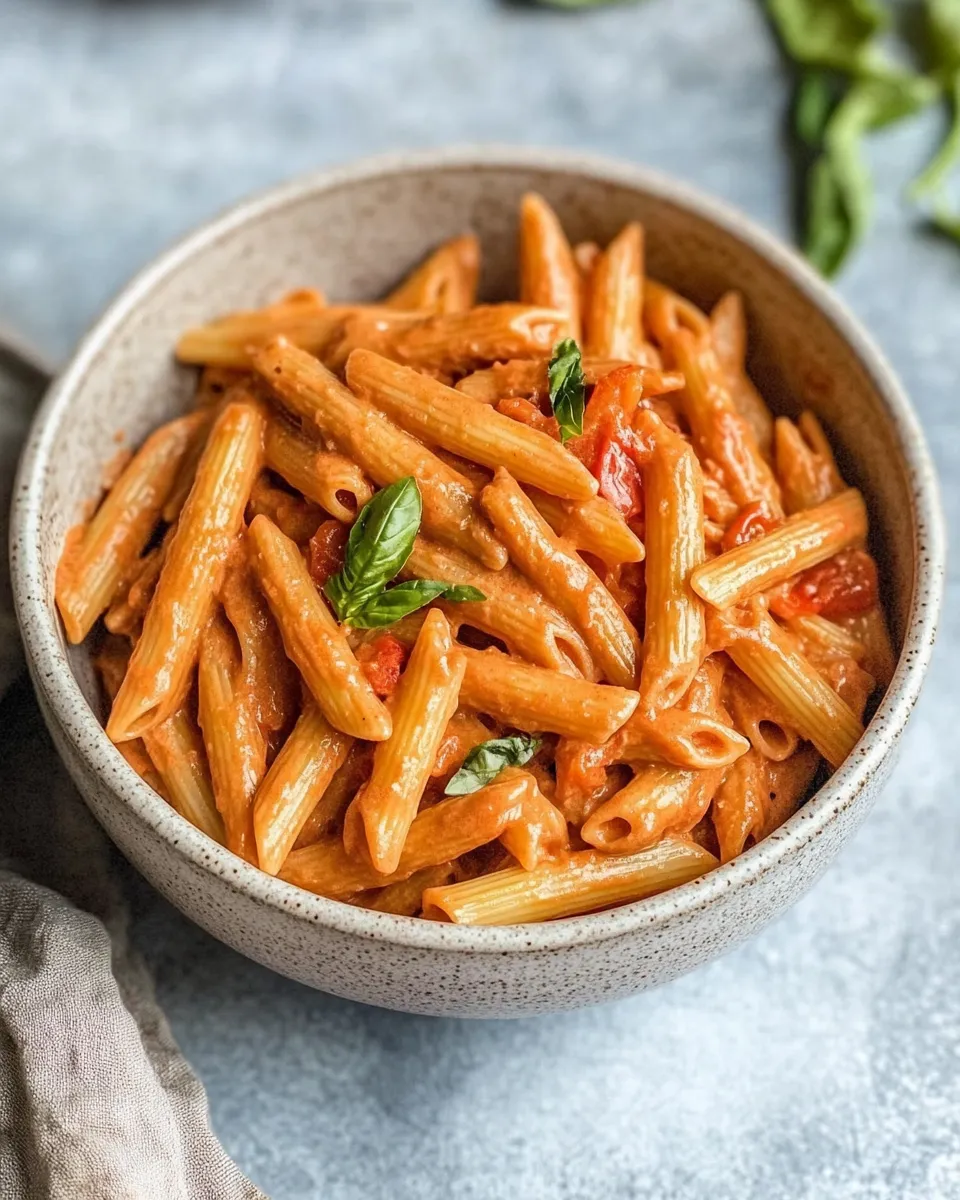
Pasta shapes vary by region, but the technique stays the same. Use a short, ridged shape if you want lots of sauce cling, or a long pasta for a more traditional presentation. Tomato purée is widely available; if you see a can labeled ‘tomato paste’ or ‘tomato concentrate’ in some markets, check concentration—this recipe expects a smooth, single-ingredient purée.
Parmesan can be swapped for other hard grating cheeses where parmesan isn’t available. The important thing is a salty, aged cheese to round the sauce. For cream, look for products labeled for cooking in markets with different dairy naming; aim for a full-fat pourable cream for best texture.
Equipment Breakdown
- Large pot for boiling pasta — big enough for 500 grams to cook without sticking.
- Large skillet or frying pan — wide enough to toss the pasta with the sauce comfortably.
- Colander — to drain pasta efficiently and reserve cooking water.
- Measuring cup and spoons — for accurate liquid additions.
- Wooden spoon or silicone spatula — gentle on nonstick pans and good for scraping sauce.
Problems & Prevention
Sauce too thin
Simmer a little longer with the heat up to medium to reduce and concentrate it, or stir in a generous handful of parmesan off the heat to thicken and bind.
Sauce too thick or clumpy
Use the reserved pasta water, adding it 1–2 tablespoons at a time, until the sauce loosens. The starchy water re-emulsifies cream-based sauces and makes them glossy again.
Garlic burned
Burned garlic tastes sharp and bitter. Sauté the onion first over medium-low until soft, then add garlic only for 30–60 seconds as the recipe instructs. If it burns, start that step over—scraping out and washing the pan if needed.
Over-salted or flat flavor
Taste as you go. Parmesan adds salt and umami late in the process—adjust salt after adding cheese. A tiny squeeze of lemon at the end brightens a sauce that feels flat.
Holiday-Friendly Variations
- Add roasted vegetables like bell peppers, eggplant, or zucchini for color and volume—toss them in at step 10 so they warm through but keep texture.
- Finish with fresh herbs: torn basil or flat-leaf parsley right before serving keeps the dish lively and aromatic.
- For a protein boost, fold in shredded rotisserie chicken or pan-seared shrimp at the end and heat through gently.
- Turn it into a gratin: transfer the tossed pasta to a baking dish, top with extra parmesan, and broil until the top is golden for a festive finish.
Recipe Notes & Chef’s Commentary
I lean on tomato purée rather than canned chopped tomatoes because it keeps the sauce smooth and focused. The small onion-to-garlic ratio is deliberate: it adds sweetness and body without overpowering the tomato. If you prefer more bite, use a whole red onion. If you want a sharper garlic presence, add an extra crushed clove but keep the sauté time short to prevent bitterness.
Heat control matters. Start the olive oil and onion on medium-low so the onion softens without browning. Increasing to medium-high when you add the purée helps reduce liquid fast so the final simmer with cream is rich rather than watery.
Reserve pasta water—this is the single most useful trick here. It rescues sauce texture and creates a silky emulsion between starch, fat, and cheese.
Freezer-Friendly Notes
Cream-based sauces don’t always freeze well because the cream can separate. If you want to freeze components, make the tomato purée base (onion + garlic + purée reduced) and freeze that in portions. Thaw and add cream when reheating, heat gently, and finish with butter and parmesan. Alternatively, freeze the cooked sauce before adding cream, then finish fresh after thawing.
Cooked pasta can be frozen but loses texture; I prefer to cook pasta fresh and reheat leftover pasta briefly in the sauce on the stovetop with a splash of water or cream.
Popular Questions
Can I use half-and-half or milk instead of cream?
Yes, but the sauce will be lighter and less stable. If using milk, thicken slightly by simmering a little longer or stirring in an extra tablespoon of parmesan.
My sauce split when I added the cream—what happened?
Too-high heat can make cream separate. Lower the heat, stir constantly, and add the cream slowly. If it splits, remove from direct heat and whisk in a little pasta water to help bring it back together.
Can I make this vegan?
Swap cream for a full-fat plant-based cream and use vegan butter and a grated vegan hard cheese alternative. Keep in mind the flavor and mouthfeel will change, but the technique remains the same.
Time to Try It
This recipe rewards attention to small details: soft onions, properly reduced purée, and the judicious use of pasta water. Follow the steps as written and you’ll have a glossy, balanced sauce in under 30 minutes. Cook once, and you’ll know the rhythm—boil the water, soften the onion, bubble down the purée, finish with cream, cheese, and butter. Then toss with hot pasta and eat immediately.
Make it tonight. No need for special trips to the store if you stock these basics. If you try it, leave a note about what you added or changed—those little swaps are how great weeknight dishes evolve. Happy cooking.
Creamy Tomato Pasta
Ingredients
Ingredients
- ?500 gramspasta
- ?2 clovesgarliccrushed
- ?1/2 red onionfinely diced
- ?3 Tablespoonsolive oil45 millilitres
- ?1 cuptomato purée120 millilitres
- ?2 teaspoonschilli flakesoptional adjust 0-2 teaspoons depending on your preference for heat!
- ?1 cupcream
- ?1 TablespoonButter
- ?50 gramsparmesan cheese
Instructions
Instructions
- Put a large pot of salted water on to boil.
- Heat the olive oil in a large skillet or frying pan over medium-low heat (use a pan large enough to hold the cooked pasta and sauce).
- Add the finely diced ½ red onion and sauté until the onion is translucent and soft, about 3–4 minutes. Add the 2 crushed garlic cloves and cook 30–60 seconds more, until fragrant.
- Stir in the 1 cup (120 ml) tomato purée, increase the heat to medium-high, and let the sauce bubble and reduce for 2–3 minutes, stirring frequently.
- If using chilli flakes, add 0–2 teaspoons now (add for the last minute of the reduction) and stir to combine.
- Pour in the 1 cup cream, reduce the heat to a gentle simmer, and cook for about 5 minutes, stirring occasionally, until the cream and tomato have combined into a smooth sauce.
- While the cream is simmering, cook the 500 grams pasta in the boiling water according to the packet instructions until al dente.
- Stir the 1 tablespoon butter and 50 grams parmesan cheese into the sauce until melted and incorporated. Turn off the heat (or lower to the lowest setting).
- When the pasta is done, reserve ¼ cup of the pasta cooking water, then drain the pasta.
- Add the drained pasta to the sauce and toss to combine, adding the reserved pasta water 1–2 tablespoons at a time as needed until the sauce is silky and evenly coats the pasta.
- Serve immediately. Enjoy!
Equipment
- Large Pot
- Large Skillet or Frying Pan
- Colander
Notes
Don't underestimate the power of pasta cooking water, it is like liquid gold when it comes to making a velvety pasta sauce that coats and clings to the pasta. The water has a high gluten content which is what makes it so useful when making pasta sauce.
Garnish your pasta with fresh basil leaves or parsley.
Pasta:I like to use a short shaped pasta in this recipe like fusilli, penne or spirals, but you could absolutely use spaghetti or fettuccine if you prefer. I often make this recipe with gluten free pasta and it works great!
Onion finely diced:I usually use red onion in this tomato pasta recipe as it is a little sweeter and milder, but brown onions will work just fine.
Olive oil: Although you could use other oils I feel like this recipe is perfect for the flavor profile of olive oil.
Tomato purée:This may be called passata or sieved tomatoes. You want a very fine tomato puree that is not thick like tomato paste.
Chilli flakes(optional): I love this recipe with a little heat, my kids ,alas, are not as keen so use as little or as much chilli as you think your family will enjoy. I call them chilli flakes but they are the same as red pepper flakes in other parts of the world.
Cream:Cream or sour cream is essential for this recipe! You could try a dairy free cream, however I have not tested this recipe with an alternative cream so I cannot guarantee the results. In New Zealand the cream I/we use (and see in our supermarkets) most commonly has a fat content of 35-37% which is similar to heavy cream sold in the USA but lower in fat than the British Double Cream.
Butter:Not essential but adds a lovely richness to the final pasta dish.
Parmesan cheese: This recipe was designed with Parmesan cheese or Pecorino in mind. If you don't have these available you need a strong hard and sharp cheddar.
This recipe can be suitable for baby led weaning.
Choose a large shaped pasta that can easily be picked up by your baby.
Ensure the pasta is cooked until tender and can easily be squashed when pressed down on by your finger.
Be mindful of the amount of parmesan cheese used, it can be very high in salt, It may pay to serve your babies portion before adding the cheese.