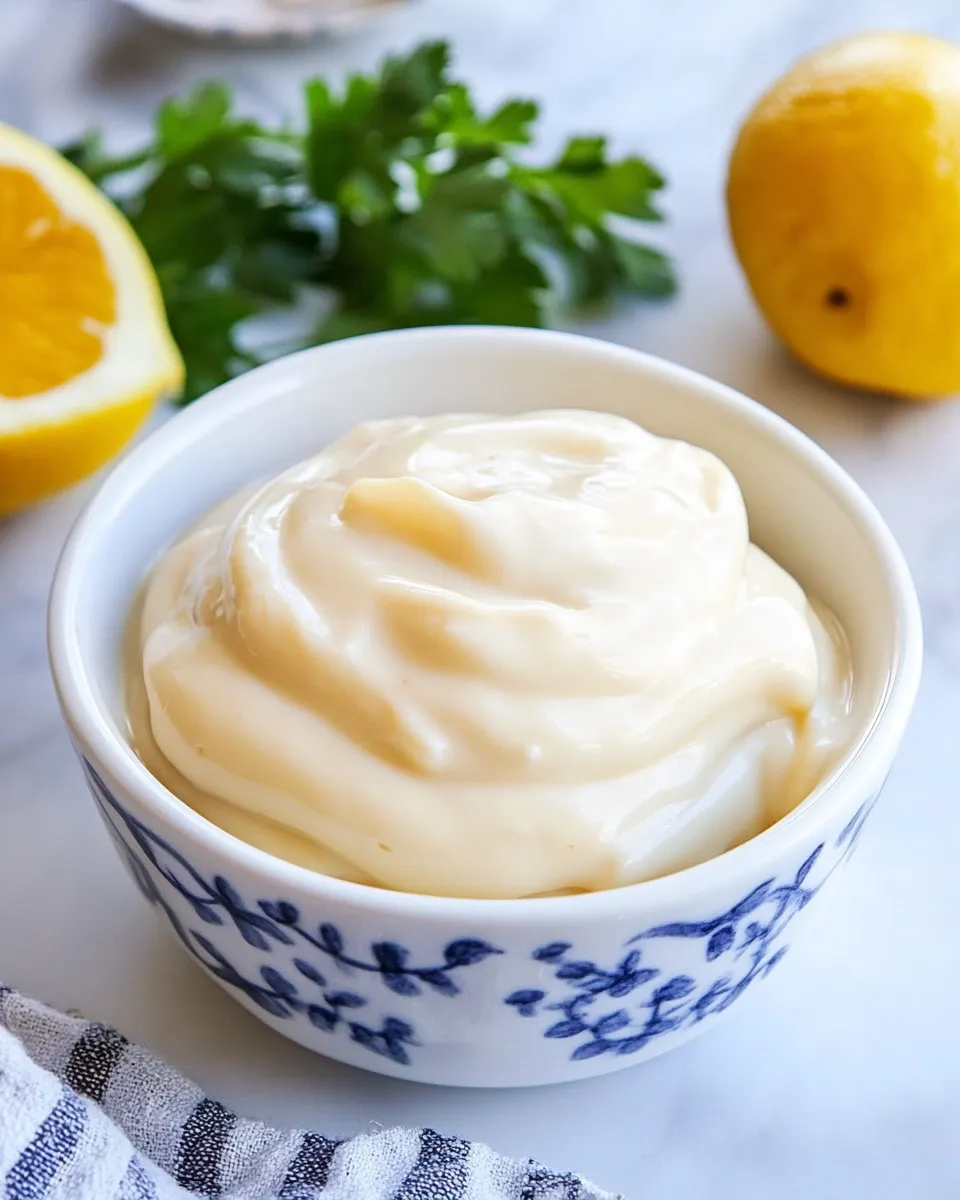
I make mayonnaise at home because it tastes brighter and cleaner than anything from a jar. It’s one of those small kitchen wins that transforms a sandwich, a salad, or a bowl of roasted vegetables. This recipe is fast, dependable, and uses the kind of pantry staples most of us already have on hand.
No fancy gear or slow drips. A single egg, a splash of acid, a pinch of salt, and a neutral oil are all you need, plus an immersion blender and a tall container. The technique is forgiving: follow the order and the mayonnaise will come together into a thick, glossy emulsion.
Below you’ll find the exact ingredients, step-by-step directions straight from the tested method, troubleshooting tips, and practical notes on storage and variations. Read once, make it, tweak to taste, and you’ll never go back to store-bought.
Ingredients
- 1 large egg — the main emulsifier; brings fat and water phases together.
- 1 Tbsp Dijon mustard — adds flavor and extra emulsifying power for stability.
- 1 Tbsp white vinegar — provides acidity and helps preserve brightness.
- 1/2 Tbsp lemon juice, plus more to taste — fresh brightness; add more to balance richness.
- ¼-½ tsp fine sea salt, or added to taste — seasoning; start low and adjust after emulsifying.
- ½ tsp sugar, optional — softens acidity if desired; leave out if you prefer a tangier mayo.
- 1 cup extra light olive oil, or other neutral oil (e.g., canola, avocado, or sunflower oil) — the body of the mayonnaise; choose a neutral-flavored oil for classic mayo.
What’s in the Bowl
When you look into the jar before blending, you’ll see the yolk-rich egg and the pale Dijon, with vinegar and lemon dispersed around them. That little mix of water-based ingredients is the photosensitive foundation of an emulsion: the egg yolk and mustard contain lecithin and proteins that trap tiny oil droplets and suspend them in the liquid.
The oil sits on top because fat is less dense than water. The trick is to introduce high-speed motion right at the start so the blender can break the oil into microscopic droplets and spread them through the aqueous phase. Start low and steady; rush too fast without proper contact and you’ll get splatter instead of emulsion.
Extra light olive oil is recommended here because it keeps the flavor neutral. Strong-flavored oils will make a mayonnaise that tastes like the oil rather than like mayo. If you want a hint of fruitiness, choose light avocado oil; for a truly neutral base, go with canola or sunflower.
Mastering Homemade Mayonnaise: How-To
- In a tall container (e.g., a mason jar) add 1 large egg, 1 Tbsp Dijon mustard, 1 Tbsp white vinegar, 1/2 Tbsp lemon juice (plus more to taste), 1/4–1/2 tsp fine sea salt (or to taste), and 1/2 tsp sugar (optional).
- Pour 1 cup extra light olive oil over the top of the ingredients. Let the container sit undisturbed for 15 seconds so the ingredients settle.
- Insert an immersion blender into the container so the blender head is touching the bottom. Start blending while keeping the blender stationary for about 10 seconds, until the mixture begins to emulsify.
- Slowly lift and tilt the blender to incorporate the rest of the oil. Continue blending and moving the blender up and down as needed until the mayonnaise is thick and creamy.
- Taste the mayonnaise and add more lemon juice, sugar, or salt to balance the flavors if desired. Blend briefly to combine any added seasonings.
- Transfer the mayonnaise to a clean, airtight container. Refrigerate and use within 1 week.
Why I Love This Recipe
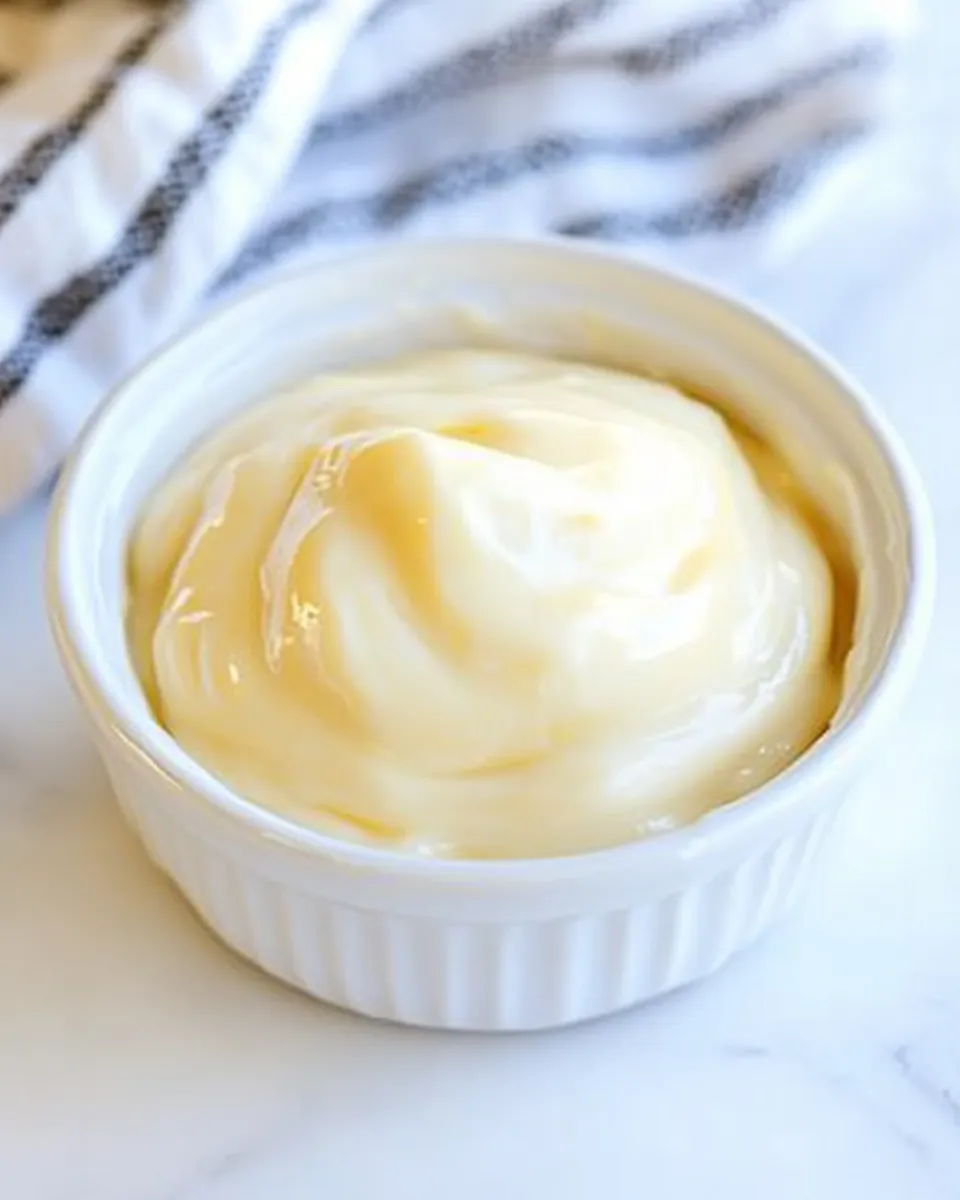
It’s fast. From start to fridge in under five minutes. That kind of speed makes it a practical choice for weekday lunches or last-minute dinner builds. The immersion blender technique removes the need to slowly stream oil in, which is the usual stumbling block for home cooks learning classic mayonnaise.
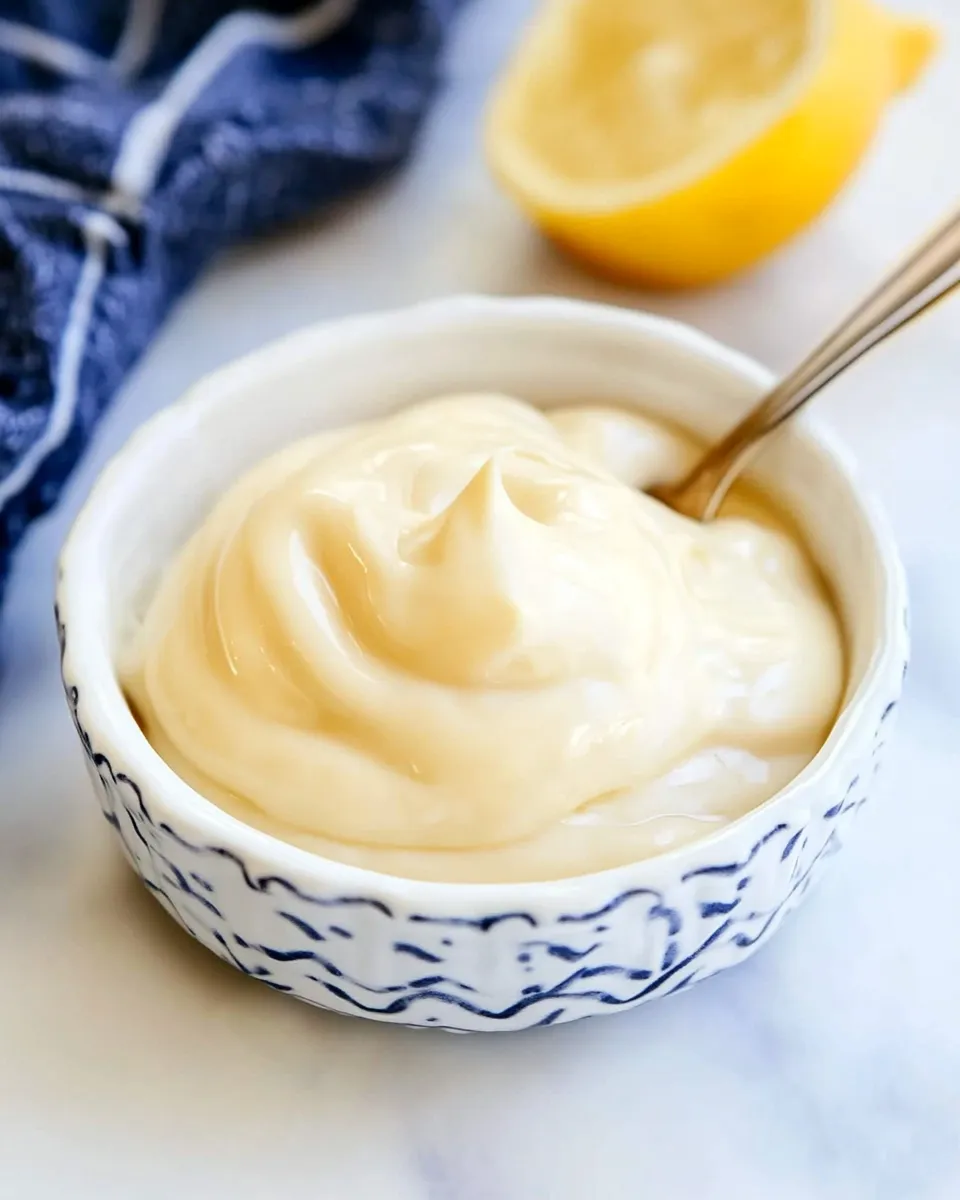
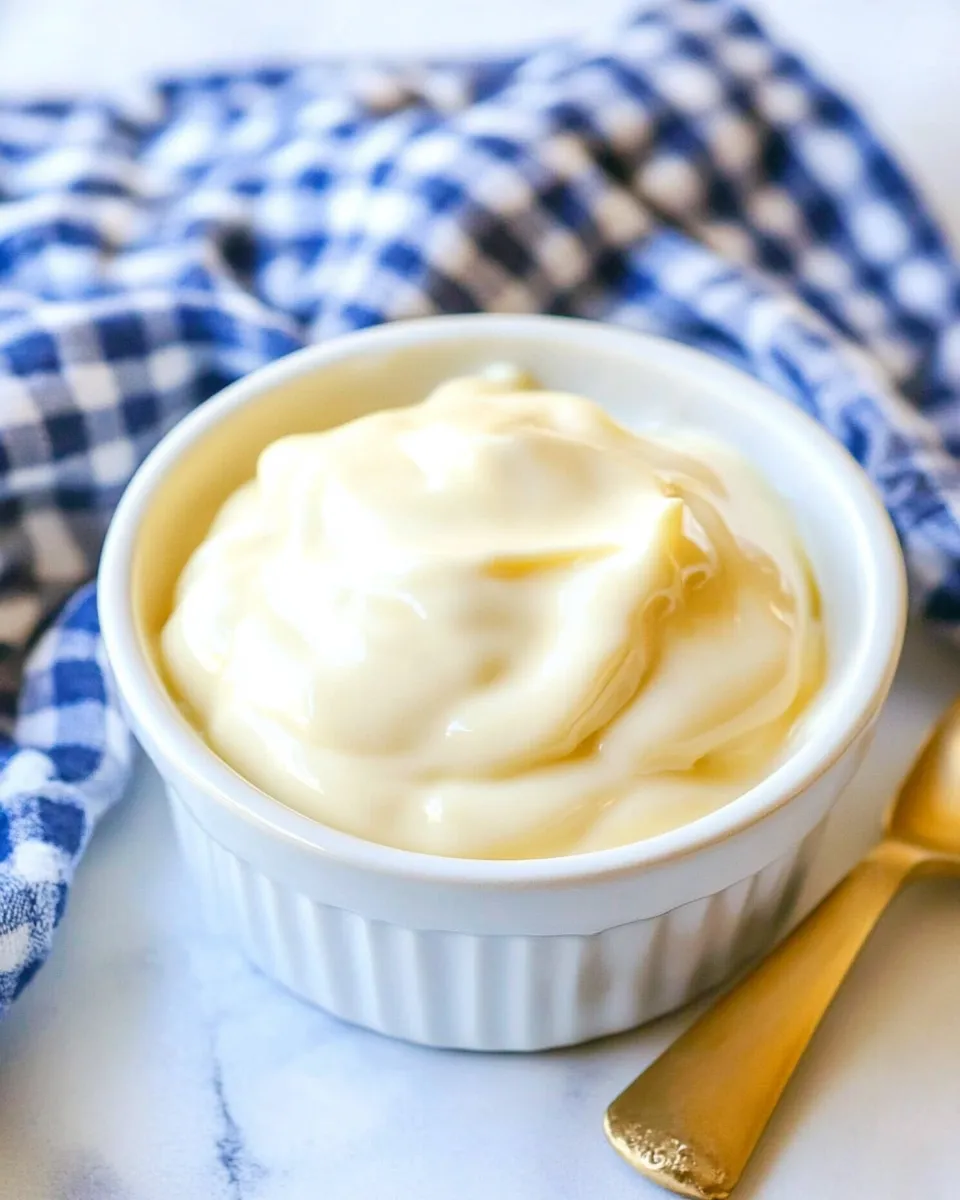
Flavor control is another reason. You can dial the acid up or down, use more mustard for sharpness, or a touch of sugar to make the mayo rounder. Texturally, it’s smooth and thick enough to hold its shape on a sandwich or to fold into dressings and sauces.
Finally, the ingredient list is transparent and short. No weird stabilizers, just real food. If you like simple, reliable cooking that rewards attention with a big payoff, this is the recipe for you.
What to Use Instead
If you don’t have extra light olive oil, use a neutral oil such as canola, sunflower, or light avocado oil. Those won’t compete with the acid and mustard. If you prefer a richer flavor, you can substitute part of the oil with a mild-flavored extra virgin olive oil, but keep most of it neutral for balance.
If raw egg is a concern, use a pasteurized egg or pasteurized egg product in place of the fresh egg. That maintains safety without altering the method. Mustard can be swapped for whole-grain or spicy brown if you like texture and a more assertive mustard note; reduce to taste.
Must-Have Equipment
- Immersion blender — the easiest way to emulsify straight in a tall jar.
- Tall, narrow container (mason jar works well) — helps the blender head reach the bottom and keeps ingredients concentrated for quick emulsification.
- Measuring spoons and cup — accurate amounts matter here for flavor balance.
- Airtight container for storage — to keep the mayonnaise fresh in the fridge.
Missteps & Fixes
If it doesn’t emulsify
If the mixture stays thin or separates, pause and check your technique. Most failures come from lifting the blender too soon or not getting the blender head firmly to the bottom at the start. Put the blender back down, hold it still for 10–15 seconds so the oil and egg can marry, then slowly lift and incorporate the rest of the oil.
If it splits after adding more oil
Rescue a split mayonnaise by starting with a fresh egg yolk in a clean container. Add a teaspoon or two of the split mayo to the yolk, whisk or blend to combine, then slowly incorporate the rest of the split mayo into this new base. The fresh yolk provides the emulsifiers needed to stabilize the mixture again.
Texture too thin
If your mayo is thinner than you like, you can thicken it by blending in a small spoonful of extra oil while keeping the blender at the bottom, or by whisking in an additional egg yolk. Add oil gradually and stop when you reach the desired texture.
Seasonal Adaptations
Spring and summer lean into bright citrus: add more lemon juice instead of vinegar, or fold in finely grated lemon zest for a fresh lift. In fall and winter, consider warming spices—smoked paprika or a pinch of mustard powder—or swap some of the oil for a neutral nut oil (like toasted walnut in small amounts) to add seasonal depth.
Herb variations are easy: fold chopped dill, chives, or tarragon into the finished mayo for a quick herbed sauce. Add them after you’ve finished emulsifying so they stay bright and fresh.
Method to the Madness
The reason this method works so reliably is twofold: concentration and controlled shear. Concentration means keeping the ingredients close together in a narrow vessel so the blender can act on all of them at once. Controlled shear means starting with the blender head stationary so it creates many tiny oil droplets right away. Once those droplets are formed and trapped by the egg proteins and mustard, the emulsion becomes self-supporting.
Keep everything at room temperature for best results. Cold ingredients slow down the emulsification process and can make the mixture resist thickening. That said, you don’t need warmth—just avoid taking eggs straight from the freezer.
Store, Freeze & Reheat
Store homemade mayonnaise in a clean, airtight container in the refrigerator for up to 1 week. Always use clean spoons to scoop it out to avoid introducing bacteria. Because it contains raw egg, keep it cold and use within the timeframe noted.
Do not freeze mayonnaise. Freezing breaks the emulsion and yields a watery, separated product upon thawing. Thawed commercial-style mayo sometimes re-emulsifies with vigorous whisking, but homemade is likely to remain broken and unappealing.
Reheating is not applicable. Mayonnaise is served cold or at room temperature; heating will break the emulsion and change the flavor.
Ask & Learn
Q: Can I make this without an immersion blender? A: Yes—use a food processor or a stand mixer with the paddle attachment. The method changes slightly: you’ll need to add the oil in a very slow, steady stream while the machine runs to build the emulsion. The immersion blender shortcut is faster and easier because the narrow vessel concentrates everything for immediate emulsification.
Q: Can I use whole-wheat mustard or flavored vinegars? A: You can, but strong flavors will dominate. If you try them, start with smaller amounts and taste as you go. The amounts in the ingredient list are a reliable baseline for a balanced, classic mayonnaise.
Q: Is the sugar necessary? A: No. Sugar simply softens harsh acidity and can make the mayo taste rounder. It’s optional and should be adjusted to personal preference.
Let’s Eat
Use this mayonnaise as a base for aioli, add-ins for potato or egg salads, or a clean spread for sandwiches and burgers. For a quick aioli, stir in a clove of grated garlic and a squeeze more lemon. For a tangy slaw dressing, thin it with a bit of apple cider vinegar and a splash of milk.
Start with the recipe as written, then tweak acidity, salt, and mustard until it sings for your palate. Homemade mayonnaise is a small, practical craft with big returns: better flavor, cleaner ingredients, and the satisfaction of knowing exactly what’s in your food. Make a batch, taste it, and write your own little notes on what you’d change next time. That’s the best part of cooking at home.
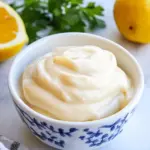
Easy Homemade Mayonnaise
Ingredients
Ingredients
- 1 large egg
- 1 TbspDijon mustard
- 1 Tbspwhite vinegar
- 1/2 Tbsplemon juice plus more to taste
- 1/4-1/2 tspfine sea salt or added to taste
- 1/2 tspsugar optional
- 1 cupextra light olive oil or other neutral oil (e.g., canola, avocado, or sunflower oil)
Instructions
Instructions
- In a tall container (e.g., a mason jar) add 1 large egg, 1 Tbsp Dijon mustard, 1 Tbsp white vinegar, 1/2 Tbsp lemon juice (plus more to taste), 1/4–1/2 tsp fine sea salt (or to taste), and 1/2 tsp sugar (optional).
- Pour 1 cup extra light olive oil over the top of the ingredients. Let the container sit undisturbed for 15 seconds so the ingredients settle.
- Insert an immersion blender into the container so the blender head is touching the bottom. Start blending while keeping the blender stationary for about 10 seconds, until the mixture begins to emulsify.
- Slowly lift and tilt the blender to incorporate the rest of the oil. Continue blending and moving the blender up and down as needed until the mayonnaise is thick and creamy.
- Taste the mayonnaise and add more lemon juice, sugar, or salt to balance the flavors if desired. Blend briefly to combine any added seasonings.
- Transfer the mayonnaise to a clean, airtight container. Refrigerate and use within 1 week.
Equipment
- tall container (e.g., mason jar)
- Immersion Blender
Notes
With the food processor running, slowly add the oil, just a small drizzle at a time, until about 1/4 of the oil is added. This step is important for the emulsification process to work properly so the mayo doesn’t break.
Gradually increase the oil stream until the mayonnaise is fully thickened. Taste and adjust the seasoning with lemon juice, salt, and sugar if needed.