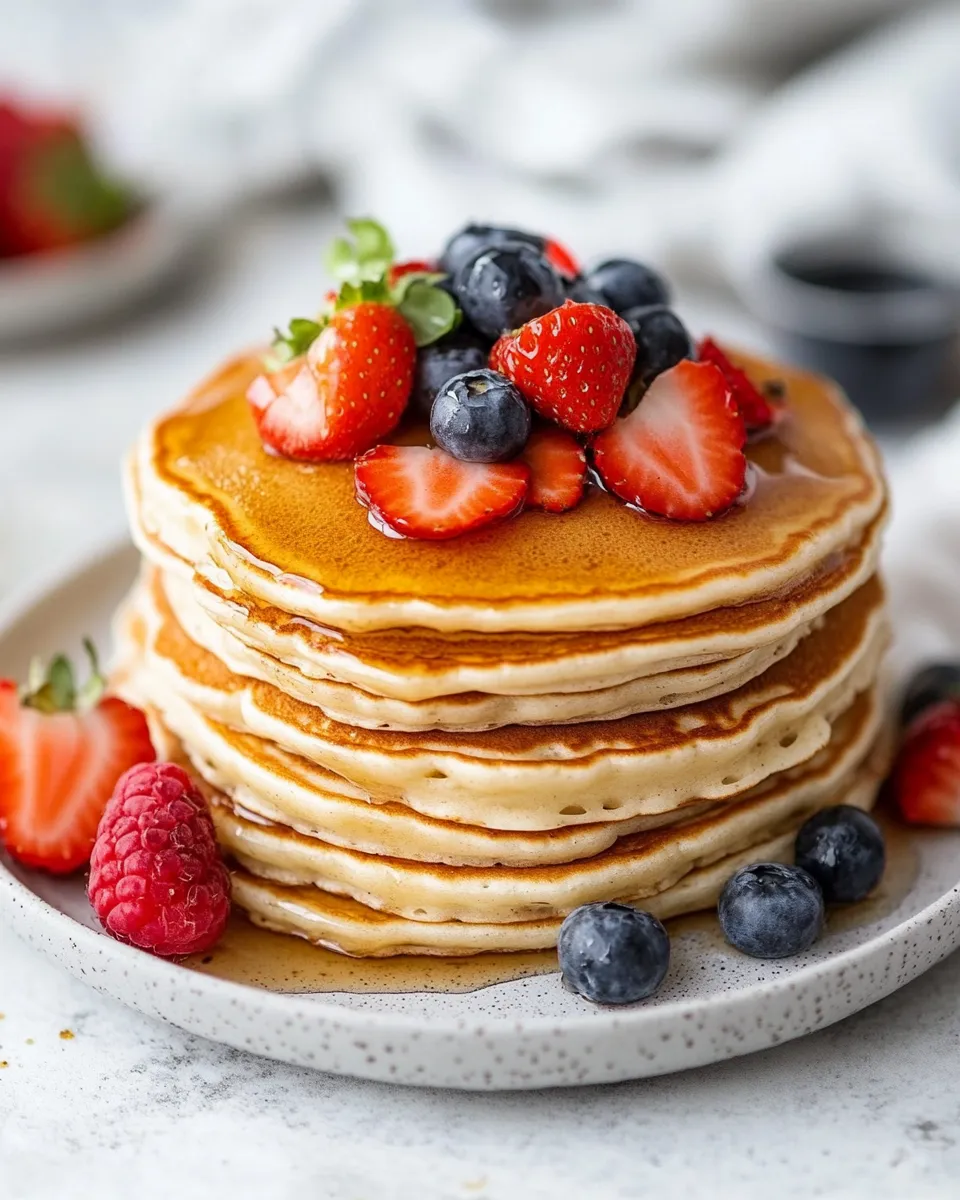
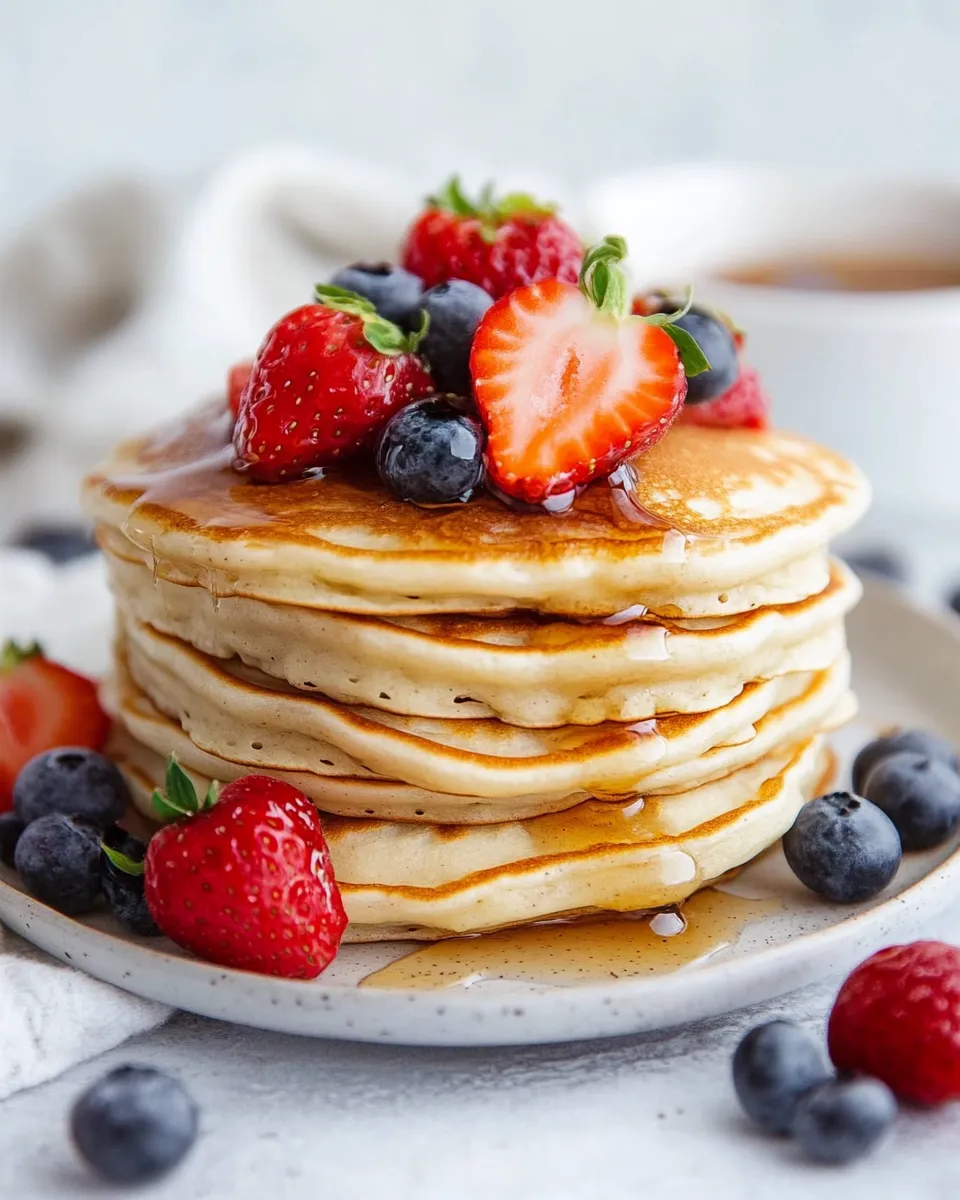
These pancakes are the kind I make when I want something reliable, fast, and tasty enough to brighten the morning. The batter comes together in minutes, the skillet does most of the work, and you get fluffy rounds that hold butter and syrup without collapsing. No tricks. Just good texture and honest flavor.
I like this recipe because it balances simplicity with dependability. The ingredients are pantry staples, and the steps are straightforward: dry mix, wet mix, combine, cook. Small lumps in the batter are fine — they help prevent tough pancakes. The result is tender pancakes with golden edges and just enough chew.
This post walks you through what to buy, the exact steps to follow, why it works, quick fixes for common problems, and a few flavor-forward suggestions if you want to riff. I’ll also cover gear that makes the job easier and small hacks that keep your pancakes warm and perfect until everyone’s at the table.
What to Buy
Start with what’s on the ingredient list: common pantry items and a few fresh pieces. If you have a preferred vanilla or salted butter, note the recipe specifies unsalted butter melted — so pick unsalted unless you adjust the salt. Quality whole milk makes a noticeable difference in richness but this recipe is forgiving.
Beyond ingredients, think about the cooking surface: a heavy skillet or a griddle with even heat gives the best browning. A small offset spatula or thin turner helps you flip gently without deflating the pancakes.
Ingredients
- 1 ¼ cups (150 grams) all-purpose flour — the structure for the pancakes; measure by spooning into the cup for accuracy.
- 1 tablespoon baking powder — the leavener; fresh baking powder gives lift and lightness.
- 2 tablespoons granulated sugar — balances flavors and aids browning; can be reduced slightly if you prefer less sweetness.
- ½ teaspoon salt — sharpens flavor; keep as written unless using salted butter and adjusting.
- 1 large egg — binds and enriches; whisked before mixing into the wet ingredients.
- 1 ¼ cups (300 ml) whole milk, warm — adds tenderness and richness; warming helps incorporate the melted butter without chilling the batter.
- 4 tablespoons unsalted butter, melted — flavor and moisture; melted so it blends evenly into the batter.
- 1 teaspoon pure vanilla extract — background flavor that lifts the batter; use pure vanilla for best results.
Build (Pancake Recipe) Step by Step
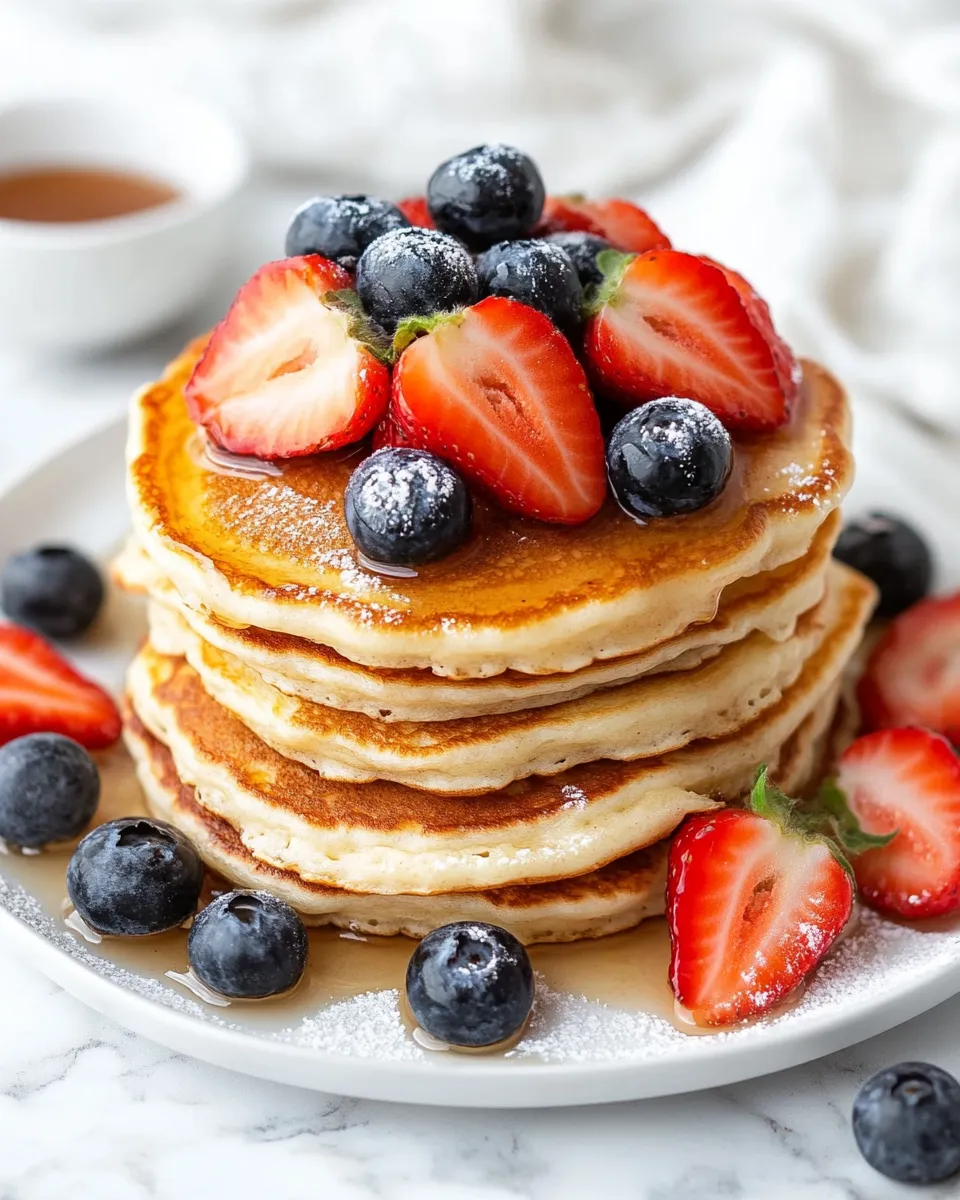
- In a large bowl whisk together the all-purpose flour, baking powder, granulated sugar, and salt until evenly combined.
- In a separate bowl whisk the large egg until blended. Add the warm whole milk, the melted unsalted butter, and the vanilla extract; whisk until the wet ingredients are combined.
- Pour the wet mixture into the dry ingredients. Whisk gently until the batter is just combined and no large dry streaks remain—small lumps are fine. Do not overmix.
- Heat a skillet or griddle over medium heat until hot. Lightly brush the cooking surface with some of the melted unsalted butter.
- Use a 1/4-cup measuring cup to pour portions of batter onto the skillet, leaving space between pancakes. If needed, use the back of the cup to nudge each portion into a round shape.
- Cook until bubbles appear on the surface and the edges look set and slightly dry and the bottom is golden brown (about 3 minutes). Flip and cook the second side until golden brown and cooked through (about 2–3 minutes).
- Transfer pancakes to a plate and serve warm.
Why It Deserves a Spot
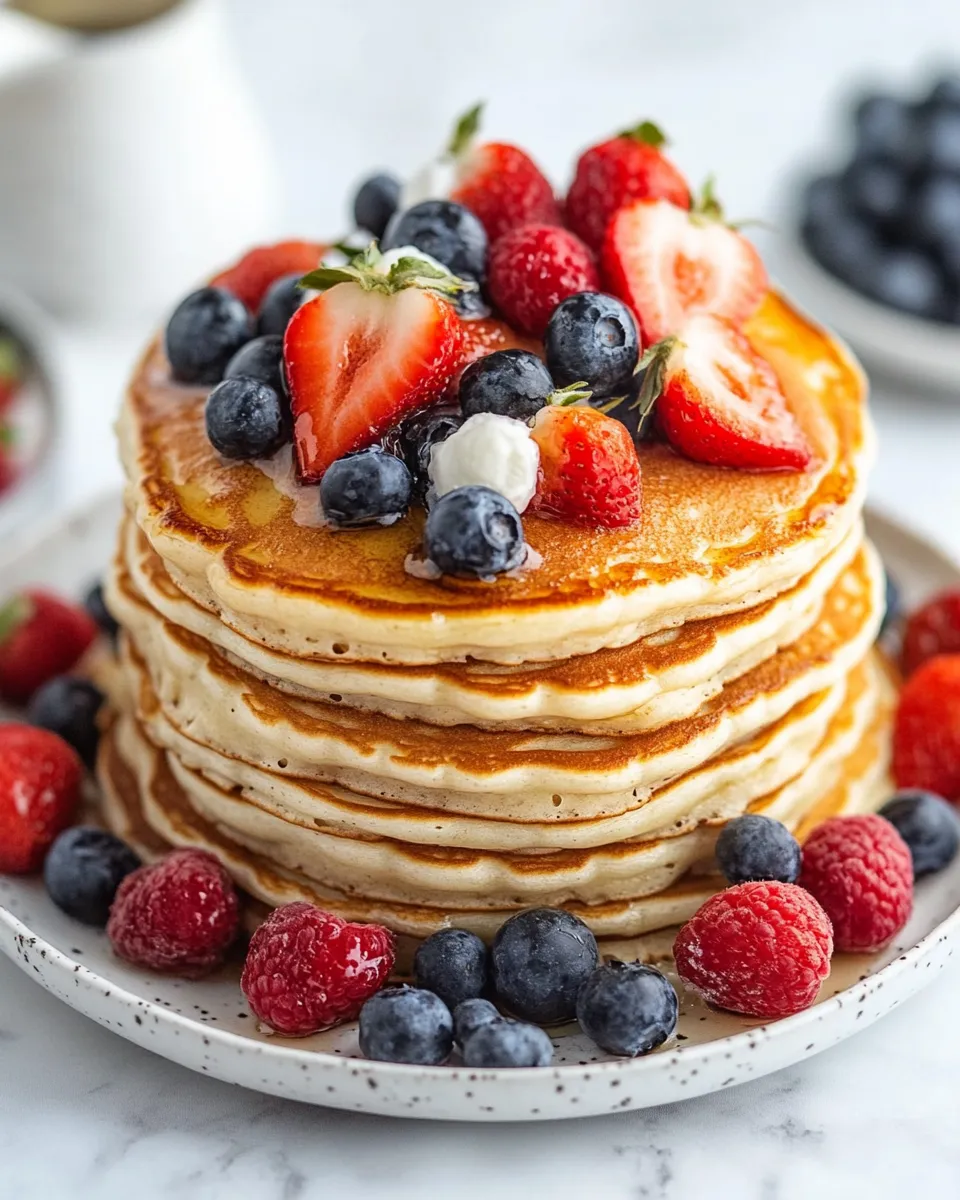
This Pancake Recipe earns a regular place in the rotation because it’s consistent and forgiving. The ratio of flour to liquid and the tablespoon of baking powder deliver a reliable rise without complicated timing. You can scale it up for a crowd or speed it into a weekday breakfast without losing texture.
It’s also versatile: the base is neutral enough to pair with anything from simple butter and maple syrup to fruit compotes and browned butter. If you like a classic pancake — slightly crisp edges, airy center — this formula gets you there with minimal effort.
Flavor-Forward Alternatives
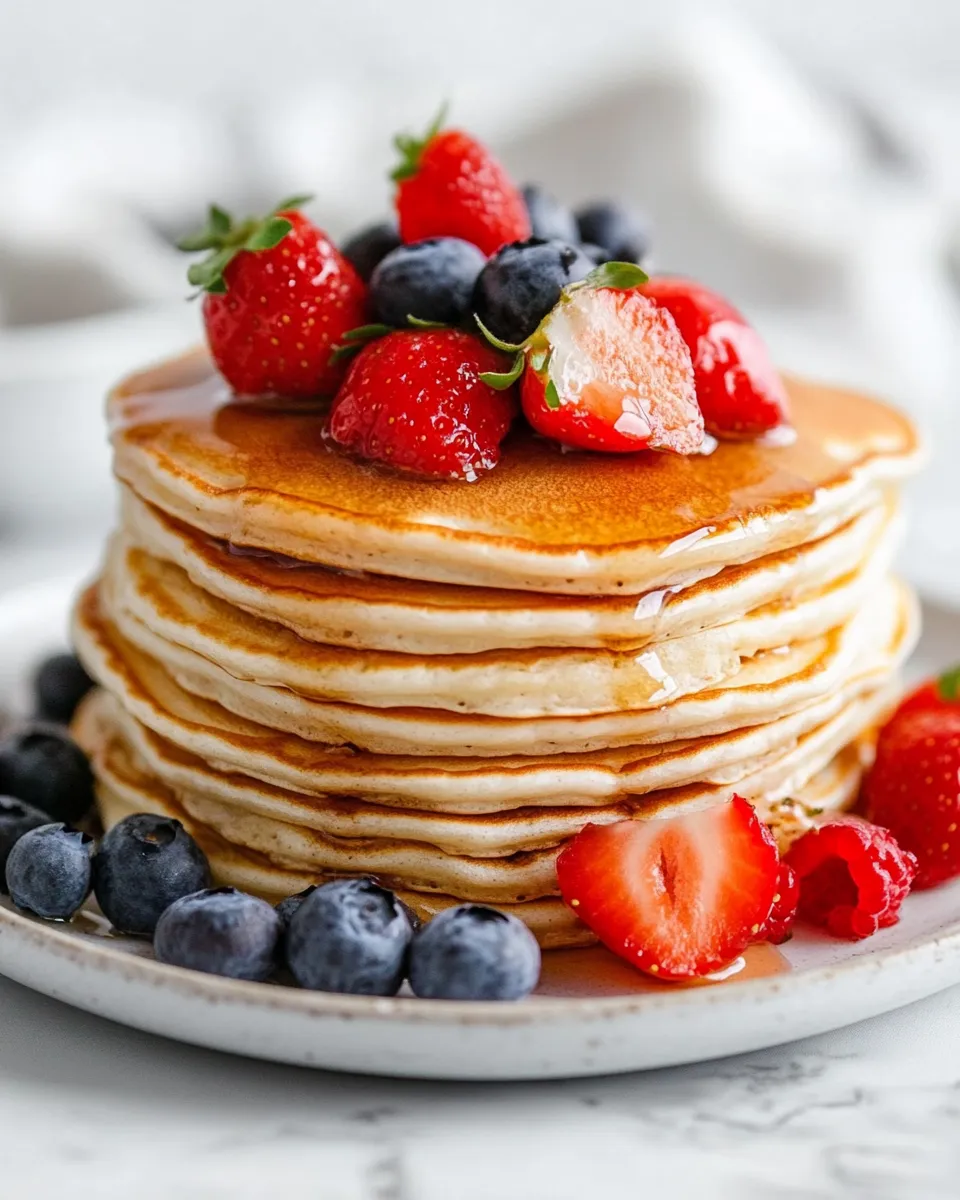
If you want to play with flavor, small swaps make a big difference without changing the technique. Stir in zest, spices, or small inclusions right before cooking. Here are a few ideas to try:
- Fold in a tablespoon of lemon zest and a teaspoon of poppy seeds for brightness and texture.
- Add ½ teaspoon ground cinnamon and a pinch of nutmeg to the dry mix for a warm, cozy profile.
- Gently fold in ½ cup fresh blueberries; cook a touch longer on the first side so the berries don’t burst too early.
- Swirl in a tablespoon of brown sugar or replace half the granulated sugar with brown sugar for deeper caramel notes.
What’s in the Gear List
You don’t need much to make excellent pancakes. I keep this short and practical:
- Heavy skillet or griddle — ensures even browning and temperature control.
- 1/4-cup measuring cup — creates uniform pancakes that cook evenly.
- Two mixing bowls — one for dry, one for wet; saves washing and keeps mixing tidy.
- Whisk and spatula — a whisk for the batter, a thin turner for flipping without tearing.
- Basting brush or folded paper towel — to lightly brush the cooking surface with melted butter.
Common Errors (and Fixes)
Here are the typical problems I see, and how to fix them quickly.
- Dense pancakes — often from overmixing. Fix: stop whisking when large dry streaks disappear; small lumps are fine.
- Burnt outside, raw inside — cooking temperature too high. Fix: lower the heat a notch and let the skillet heat evenly before pouring batter.
- Flat pancakes — old baking powder. Fix: check the baking powder date; if it’s older than 6–12 months, replace it.
- Pancakes sticking — not enough fat on the surface or the pan isn’t hot enough. Fix: preheat the skillet fully and brush lightly with melted butter before each batch.
- Unevenly shaped pancakes — batter not poured consistently. Fix: use a 1/4-cup measure and gently nudge with the back of the cup for round edges.
Adaptations for Special Diets
Keep in mind the recipe’s core relies on all-purpose flour, whole milk, egg, and butter. If you need swaps, here are practical adaptations while keeping expectations realistic.
- Dairy-free — replace whole milk with a neutral unsweetened plant milk (oat or soy) and use a dairy-free melted butter alternative. Note: texture will be close but slightly different.
- Egg substitute — one large egg provides structure; for egg-free, try a commercial egg replacer or 3 tablespoons of blended silken tofu per egg, recognizing texture will shift.
- Gluten-free — use a 1:1 gluten-free baking flour blend that contains xanthan gum; results are best with a blend formulated for baking.
When adapting, measure carefully and accept minor changes in texture. The technique — gentle mixing, medium heat, and consistent portioning — remains the key to success.
Flavor Logic
Understanding why each ingredient is in the batter helps you tweak without breaking the result. Flour provides structure; baking powder creates the lift. Sugar aids browning and flavor. Salt balances and brightens. The egg contributes structure and richness, while warm milk helps dissolve the sugar and distribute the melted butter without cooling the batter. Melted butter adds fat for tenderness and flavor; vanilla layers in aroma.
Temperature matters too. Warm milk helps the butter stay integrated and encourages the batter to relax slightly, which contributes to a tender crumb. Medium heat ensures the outside sets and browns while the interior cooks through.
Make Ahead Like a Pro
Pancakes are best fresh, but there are good make-ahead options to save time on busy mornings:
- Batter storage: Cover and refrigerate the mixed batter for up to 24 hours. The baking powder will lose some lift over time; give the batter a gentle stir before scooping. Expect slightly less rise but still very good pancakes.
- Cooked pancakes: Stack cooled pancakes between sheets of parchment and store in an airtight container in the refrigerator for up to 2 days.
- Freezing: Lay cooked pancakes on a baking sheet to freeze individually, then transfer to a freezer bag. Reheat straight from frozen in a toaster or oven at 350°F (175°C) for 5–8 minutes until hot.
- Keeping warm: Hold cooked pancakes on a baking sheet in a single layer at 200–225°F (95–110°C) in the oven while you finish the rest of the batch. This keeps them warm without steaming them soggy.
Quick Questions
Q: Can I use milk that’s not warm? A: Yes, but warm milk helps the melted butter blend without solidifying and keeps the batter at a good temperature for cooking.
Q: Can I flip pancakes more than once? A: Try to flip only once. Flipping repeatedly can deflate the pancake and create uneven cooking.
Q: How do I know the skillet is the right temperature? A: Sprinkle a few drops of water on the skillet — they should dance and evaporate. Or heat for a few minutes over medium and test with a small spoonful of batter.
Save & Share
If you try this Pancake Recipe, save the page so you can come back to the exact ingredient list and the step-by-step process. Share with friends who need a dependable weekend breakfast or send a photo after you flip your first perfect stack — I love seeing variations and tweaks.
One last practical note: keep a jar of maple syrup or a simple berry compote ready. Pancakes are the kind of recipe that rewards small finishing touches, and a quick pat of butter plus a warm syrup will make the whole family circle the table faster.
Easy Pancake Recipe
Ingredients
Ingredients
- ?1 1/4 cups 150 gramsall-purpose flour
- ?1 tablespoonbaking powder
- ?2 tablespoonsgranulated sugar
- ?1/2 teaspoonsalt
- ?1 largeegg
- ?1 1/4 cups 300 mlwhole milkwarm
- ?4 tablespoonsunsalted buttermelted
- ?1 teaspoonpure vanilla extract
Instructions
Instructions
- In a large bowl whisk together the all-purpose flour, baking powder, granulated sugar, and salt until evenly combined.
- In a separate bowl whisk the large egg until blended. Add the warm whole milk, the melted unsalted butter, and the vanilla extract; whisk until the wet ingredients are combined.
- Pour the wet mixture into the dry ingredients. Whisk gently until the batter is just combined and no large dry streaks remain—small lumps are fine. Do not overmix.
- Heat a skillet or griddle over medium heat until hot. Lightly brush the cooking surface with some of the melted unsalted butter.
- Use a 1/4-cup measuring cup to pour portions of batter onto the skillet, leaving space between pancakes. If needed, use the back of the cup to nudge each portion into a round shape.
- Cook until bubbles appear on the surface and the edges look set and slightly dry and the bottom is golden brown (about 3 minutes). Flip and cook the second side until golden brown and cooked through (about 2–3 minutes).
- Transfer pancakes to a plate and serve warm.