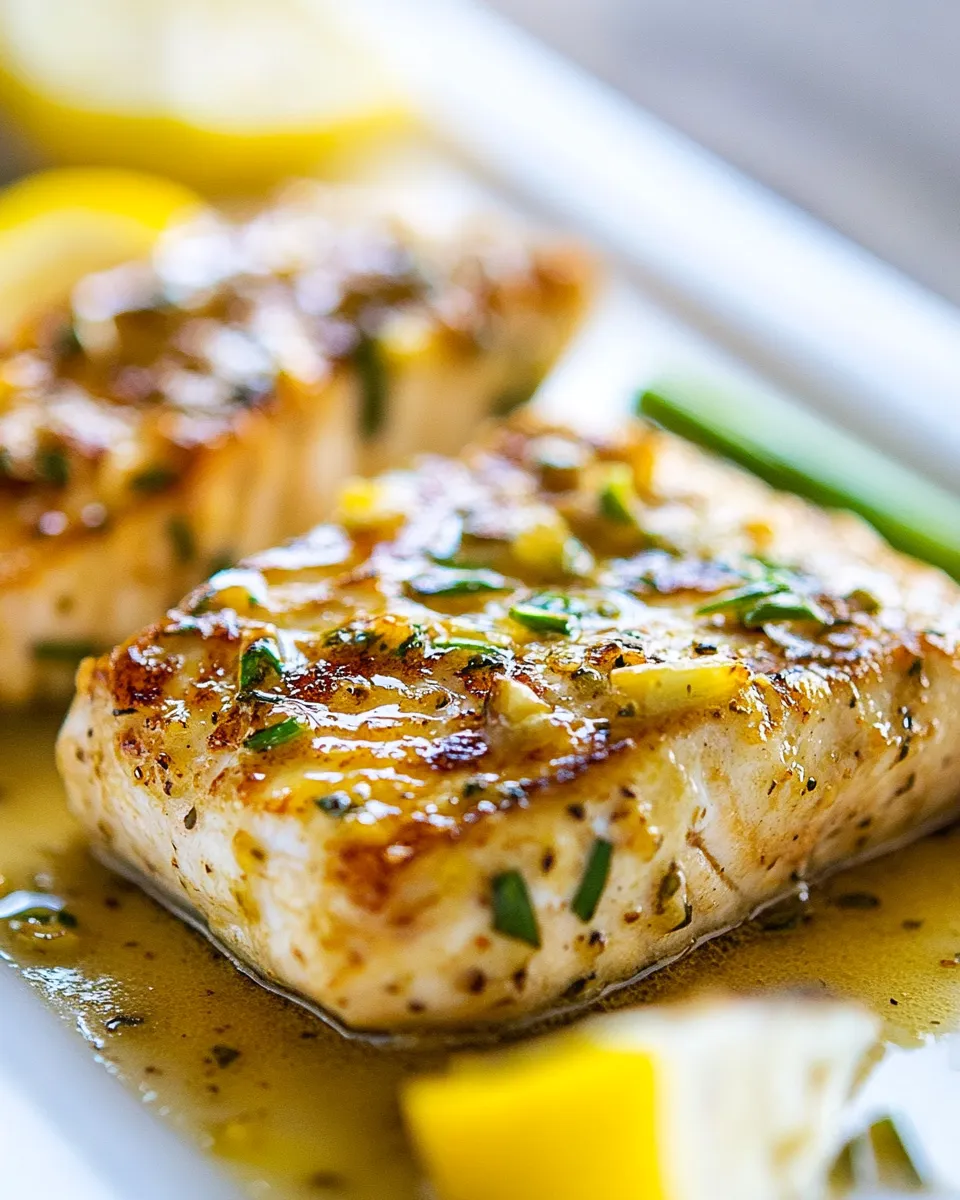
I love a dinner that looks and tastes like it took more time than it actually did. Garlic Butter Mahi Mahi is one of those weeknight champions: five minutes per side, a quick pan sauce, and you’re sitting down to a bright, buttery, garlicky plate in under half an hour. It’s clean, family-friendly, and forgiving for cooks who aren’t trying to win a culinary medal—just a tasty meal.
This recipe leans on good technique more than exotic ingredients. Fresh lemons and plenty of butter transform firm mahi-mahi fillets into something gently rich and bright. The sauce comes together in the same pan used to sear the fish, which picks up those fond bits and keeps cleanup minimal—always a plus in my kitchen.
Shopping List
Ingredients
- 2 small lemons — one for juice, one for thin rounds to finish and garnish.
- 4 mahi-mahi fillets, 4-6 oz each — firm, even-thickness fillets cook evenly; pat dry before seasoning.
- salt — essential for seasoning both before searing and a pinch in the sauce.
- Ground black pepper — freshly ground if you can; adds a subtle bite.
- 2 tablespoons olive oil — for searing; high smoke point oils work well.
- 2 cloves garlic, minced — adds aromatic depth to the butter sauce.
- 4 tablespoons unsalted butter — melts into a silky, rich sauce; use unsalted so you control seasoning.
- 1 tablespoon fresh parsley, chopped — bright herb finish that brightens the finished dish.
Mastering Garlic Butter Mahi Mahi: How-To
- Cut one lemon in half and squeeze the juice into a small bowl. Slice the other lemon into thin rounds and set the slices and the lemon juice aside.
- Rinse the mahi-mahi fillets with cold water and pat them dry with paper towels.
- Season both sides of each fillet with salt and ground black pepper.
- Heat 2 tablespoons olive oil in a skillet or nonstick frying pan over medium heat.
- Add the fillets to the skillet and cook undisturbed for 5 minutes. Flip the fillets gently and cook for another 5 minutes, until both sides are golden brown and the fish is cooked through.
- Transfer the cooked fillets to a plate and let them rest while you make the sauce.
- Reduce the heat to medium-low. Add the reserved lemon juice, 2 cloves minced garlic, and a pinch of salt to the same skillet. Stir constantly until the garlic becomes aromatic (about 30 seconds).
- Add the lemon slices and 4 tablespoons unsalted butter to the skillet. Stir until the butter melts and the sauce is combined.
- Return the mahi-mahi fillets to the skillet and cook for 1 to 2 minutes more, spooning the sauce over the fillets.
- Turn off the heat, sprinkle 1 tablespoon chopped fresh parsley over the fillets, and serve immediately.
What Makes This Recipe Special
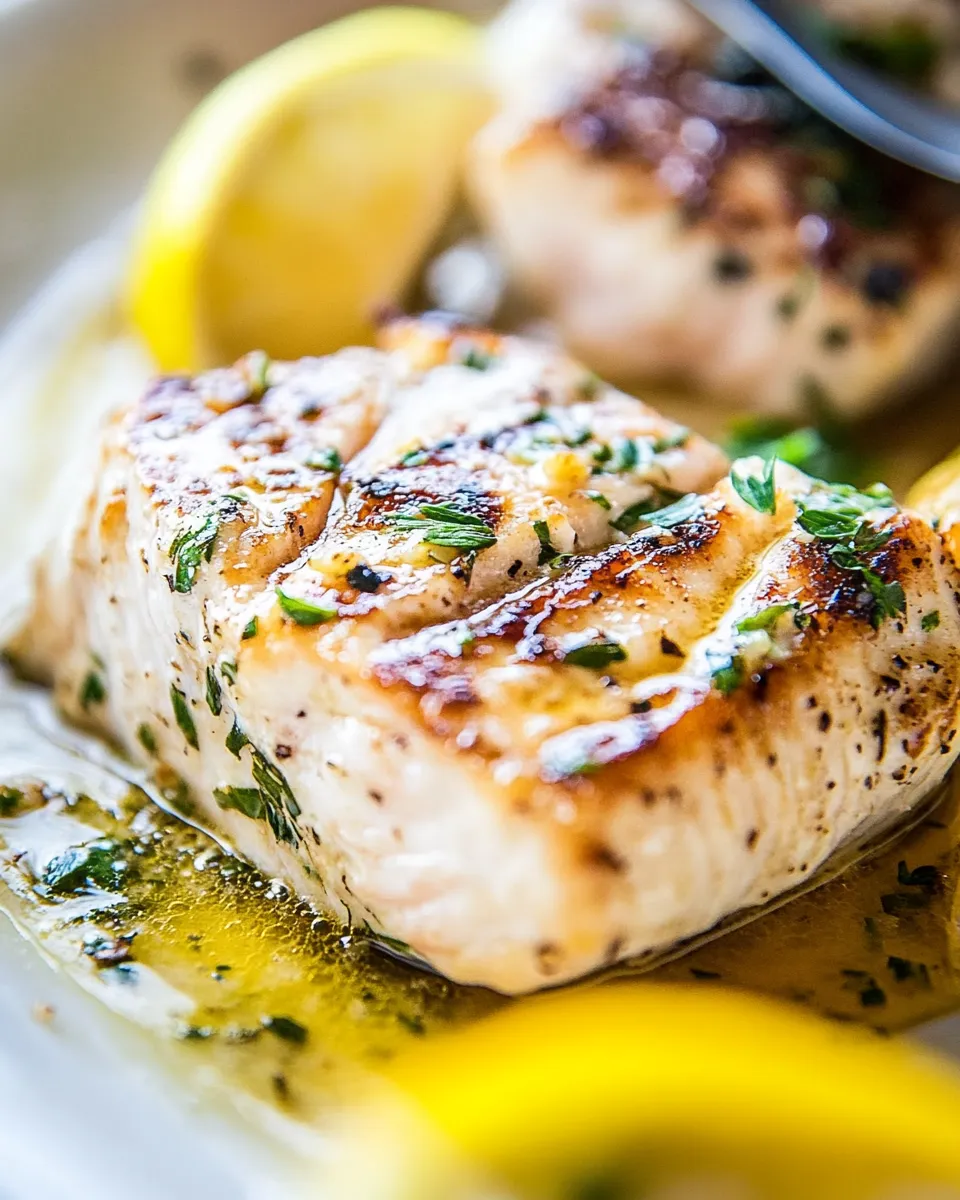
This dish is straightforward but deliberate. Two things stand out: the contrast between the clean, citrusy lemon and the silky butter, and the timing. Searing the fillets undisturbed lets the surface caramelize, producing color and flavor without overcooking the interior. Then the quick pan sauce—made in the same skillet—carries all of those browned bits, lending a savory backbone to the bright garlic and lemon.
There’s also versatility. The method works with thicker or thinner fillets with only minor timing adjustments. It’s weeknight-friendly enough for a busy evening, but the result reads like a restaurant dish when plated with a simple vegetable and a starch.
What to Use Instead
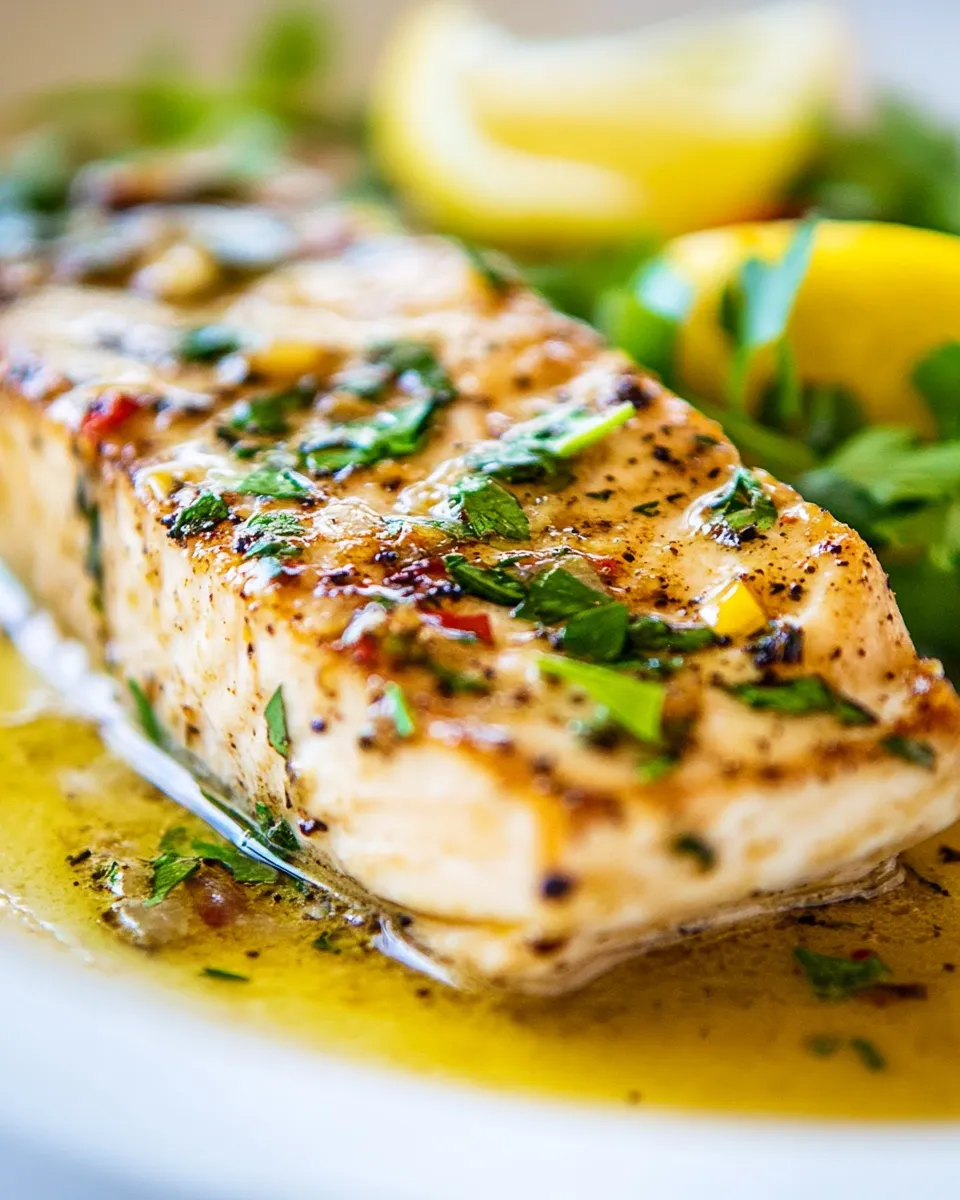
If mahi-mahi isn’t available, you can use other firm white-fleshed fish that hold together when pan-seared. Options include halibut, cod, or swordfish steaks. Keep an eye on cook time: thinner fish will need less time per side.
For a dairy-free version, swap the butter for olive oil or a plant-based butter. The sauce will be lighter without the buttery silkiness, so consider finishing with a small knob of a dairy-free spread designed for cooking to get some richness back.
Gear Checklist
Keep this list handy before you start. The right gear keeps the timing tight and cleanup easy:
- Nonstick or stainless-steel skillet — at least 10 inches; large enough to fit 4 fillets without crowding.
- Tongs or a fish spatula — for gentle flipping.
- Knife and cutting board — for lemons and parsley.
- Paper towels — to pat fish dry; dry fish sears better.
- Small bowl — to hold lemon juice so you can add it quickly to the hot pan.
Avoid These Traps
Don’t crowd the pan. If the fillets touch, they steam instead of sear. Cook in batches if necessary. Also, resist overhandling the fish—let it sit long enough on the first side to form a crust before flipping; premature turning causes sticking and uneven color.
Another common mistake is piping the garlic into a screaming-hot pan. When garlic hits very high heat it burns fast and tastes bitter. Reduce to medium-low before adding the minced garlic, and stir constantly for those brief 30 seconds called for in the recipe.
Variations by Season
Spring/Summer: Serve the fillets with a light tomato-olive relish or a simple salad of arugula tossed with lemon and olive oil. Fresh herbs like basil or dill pair beautifully and underline the brightness from the lemon.
Fall/Winter: Add a handful of capers to the sauce for briny depth, or stir in a splash of white wine when you add the lemon juice to build more complexity. Serve alongside roasted root vegetables or creamy polenta to add warmth.
Flavor Logic
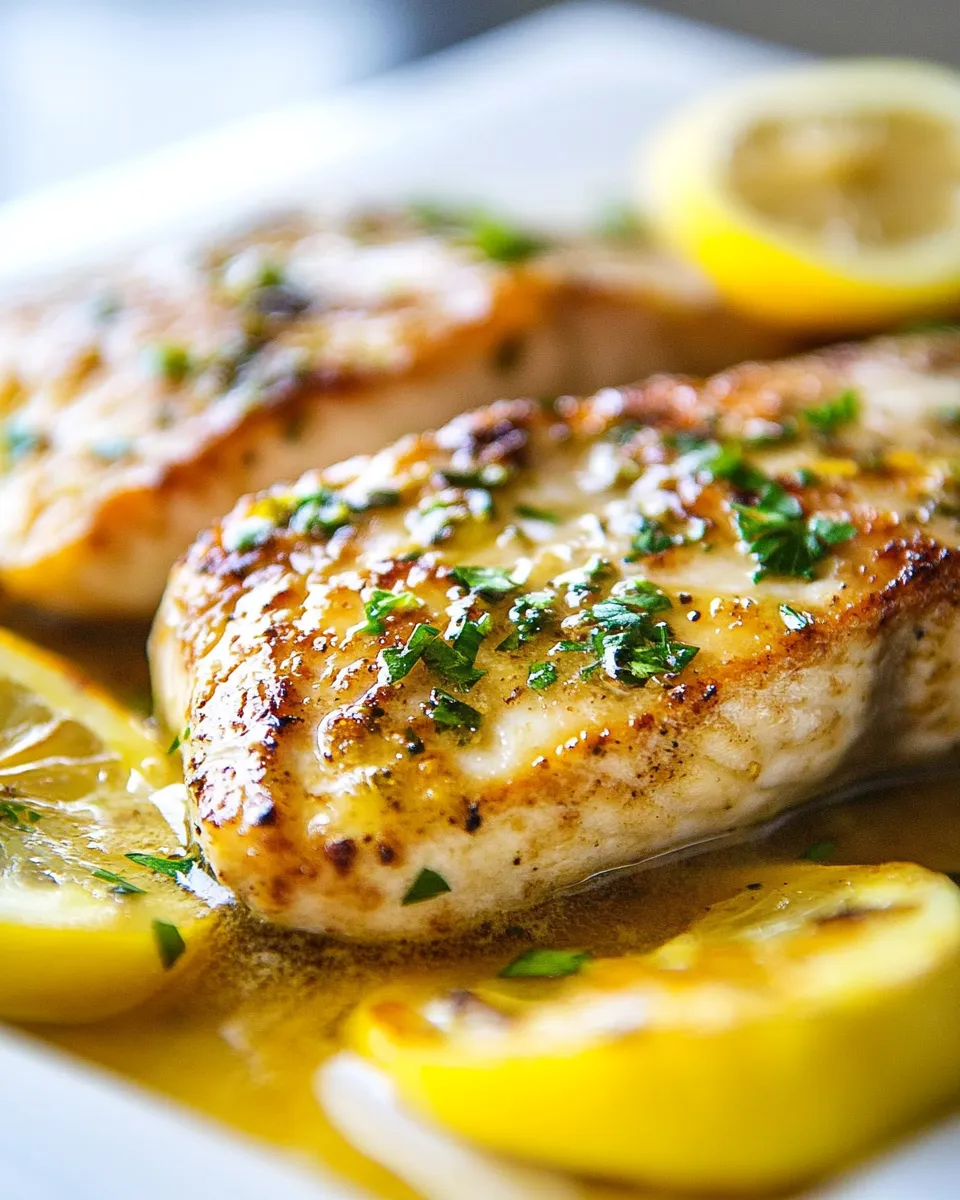
Garlic and butter are classic partners; they create a rich, savory base. Lemon cuts through that richness and lifts the entire dish. Mahi-mahi has a mild, slightly sweet flavor and firm texture; it stands up to the richness without being overwhelmed. Salt and pepper are simple but crucial—they bring out the fish’s natural flavors and balance the butter and lemon.
Finishing with fresh parsley adds a fresh, herbaceous note and a visual pop. The goal is balance: bright, creamy, and savory working together so no single element dominates.
Prep Ahead & Store
Prep the lemons and mince the garlic up to a day ahead and store in airtight containers in the fridge. Chop the parsley and keep it in a small container lined with a damp paper towel to maintain freshness. The fillets are best cooked the day you buy them, but if you must store them, keep them tightly wrapped and on a plate in the coldest part of your fridge for no more than 24 hours.
Leftovers store well for a day in an airtight container. Reheat gently in a skillet over low heat with a splash of water or extra butter to re-moisten the sauce. Note that texture will soften after refrigeration; reheating slowly helps preserve what’s left of the sear.
Handy Q&A
Q: How do I know the fish is done?
A: The fish should flake easily with a fork and be opaque throughout. Mahi-mahi is forgiving but avoid overcooking; the method here—5 minutes per side for 4–6 oz fillets—works for average thickness. If your fillets are thicker, add a minute or two per side.
Q: Can I use pre-minced garlic?
A: You can, but freshly minced garlic offers a brighter aromatics. If using jarred garlic, use slightly less and add it at the same point in the recipe, watching carefully so it doesn’t burn.
Q: Do I need to remove the skin?
A: The recipe assumes skinless fillets. If your fillets have skin and you leave it on, start skin-side down and press gently so it makes good contact with the pan; remove skin after searing if you prefer.
Ready to Cook?
Set out your ingredients, heat the skillet, and follow the steps. Give the fillets their time in the pan so they develop a golden crust, then finish them in the lemon-garlic-butter sauce for a quick, satisfying meal. Plate with a bright vegetable and something starchy if you like—a simple rice, roasted potatoes, or crusty bread to soak up the sauce. This recipe is short on fuss and long on flavor. Happy cooking.
Garlic Butter Mahi Mahi
Ingredients
Ingredients
- 2 small lemons
- 4 mahi-mahi fillets 4-6 oz each
- salt
- Ground black pepper
- 2 tablespoonsolive oil
- 2 clovesgarlic minced
- 4 tablespoonsunsalted butter
- 1 tablespoonfresh parsley chopped
Instructions
Instructions
- Cut one lemon in half and squeeze the juice into a small bowl. Slice the other lemon into thin rounds and set the slices and the lemon juice aside.
- Rinse the mahi-mahi fillets with cold water and pat them dry with paper towels.
- Season both sides of each fillet with salt and ground black pepper.
- Heat 2 tablespoons olive oil in a skillet or nonstick frying pan over medium heat.
- Add the fillets to the skillet and cook undisturbed for 5 minutes. Flip the fillets gently and cook for another 5 minutes, until both sides are golden brown and the fish is cooked through.
- Transfer the cooked fillets to a plate and let them rest while you make the sauce.
- Reduce the heat to medium-low. Add the reserved lemon juice, 2 cloves minced garlic, and a pinch of salt to the same skillet. Stir constantly until the garlic becomes aromatic (about 30 seconds).
- Add the lemon slices and 4 tablespoons unsalted butter to the skillet. Stir until the butter melts and the sauce is combined.
- Return the mahi-mahi fillets to the skillet and cook for 1 to 2 minutes more, spooning the sauce over the fillets.
- Turn off the heat, sprinkle 1 tablespoon chopped fresh parsley over the fillets, and serve immediately.
Equipment
- Small Bowl
- skillet or nonstick frying pan
- Plate
- Paper Towels
Notes
Recipe Source:
The Kitchen