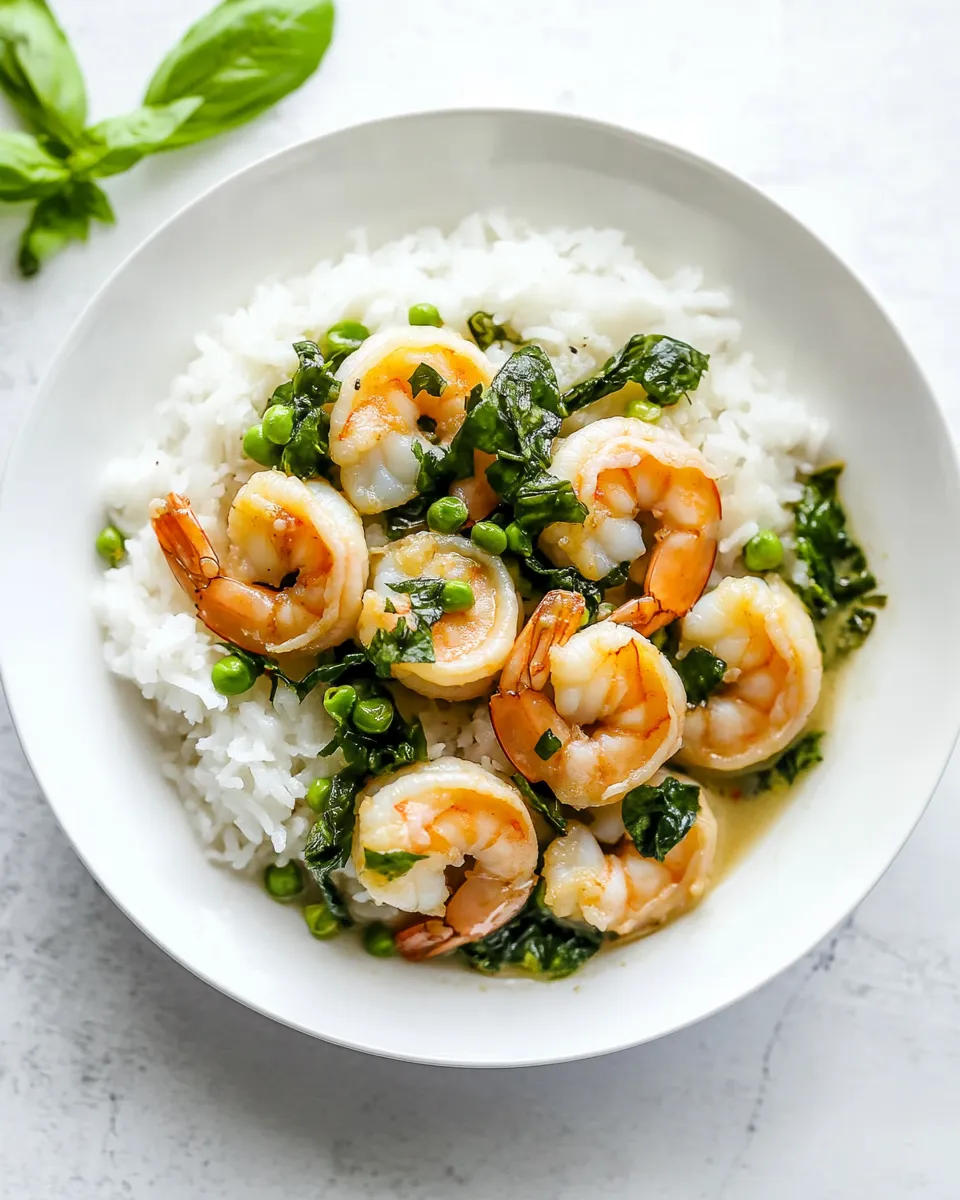
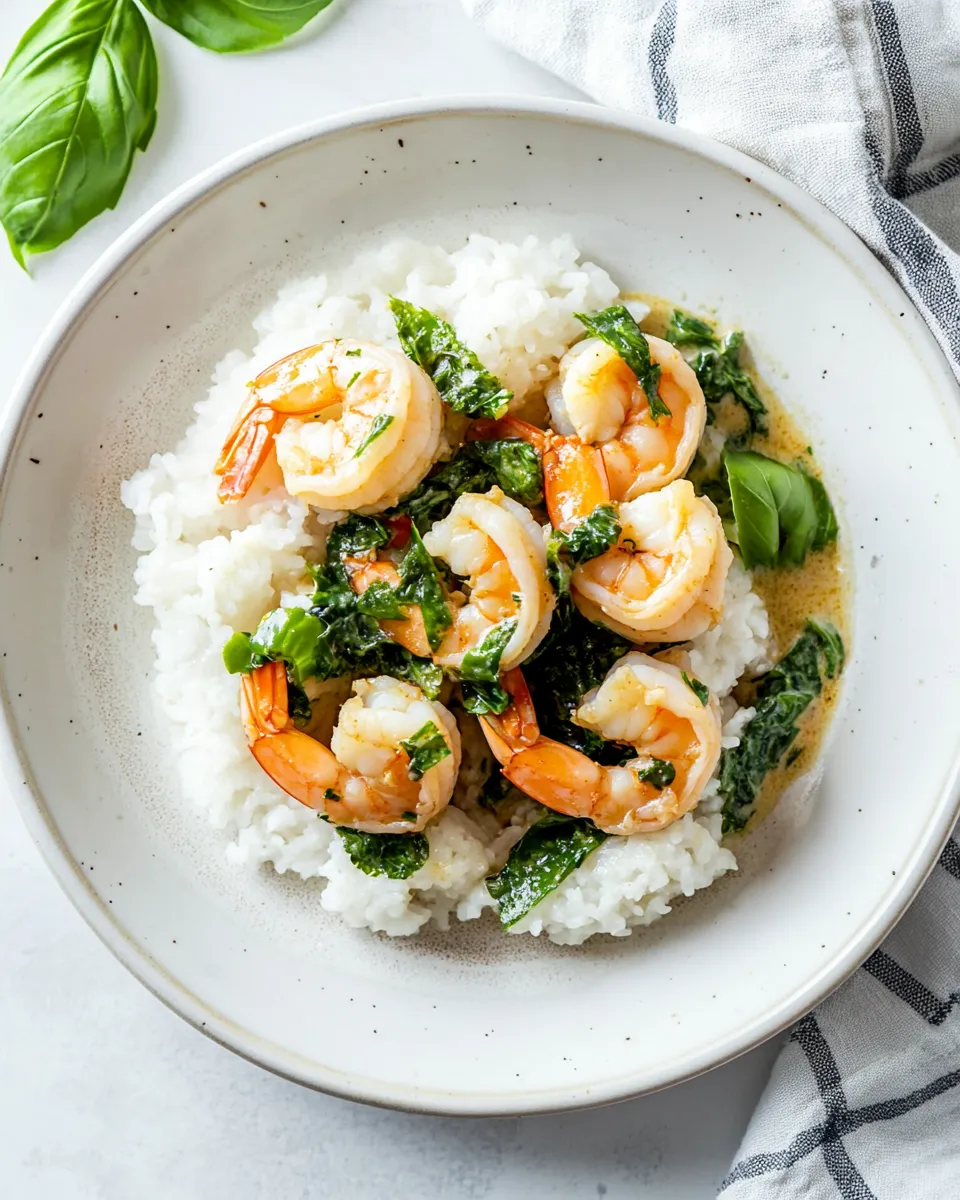
Green curry and shrimp is one of those weeknight champions I turn to when I want something fast, bright, and just a touch indulgent. It’s fragrant, saucy, and cooks in a single pan—no fuss, big flavor. The green curry paste and light coconut milk come together to make a silky sauce that clings to plump shrimp, and fresh basil and scallions at the end keep the dish lively.
I developed this version to be fast without losing the essentials: aromatic curry paste, garlic, fish sauce for umami, and fresh herbs to finish. It’s the kind of recipe you can memorize in one try and still be proud of when you serve it. You don’t need a long ingredient list or a heap of prep to get satisfying results.
Below you’ll find a clear ingredients list, the exact cooking steps I use, troubleshooting notes, swaps for allergies, and ways to customize the dish. Read through once, then get cooking—this one comes together in under 20 minutes.
The Essentials
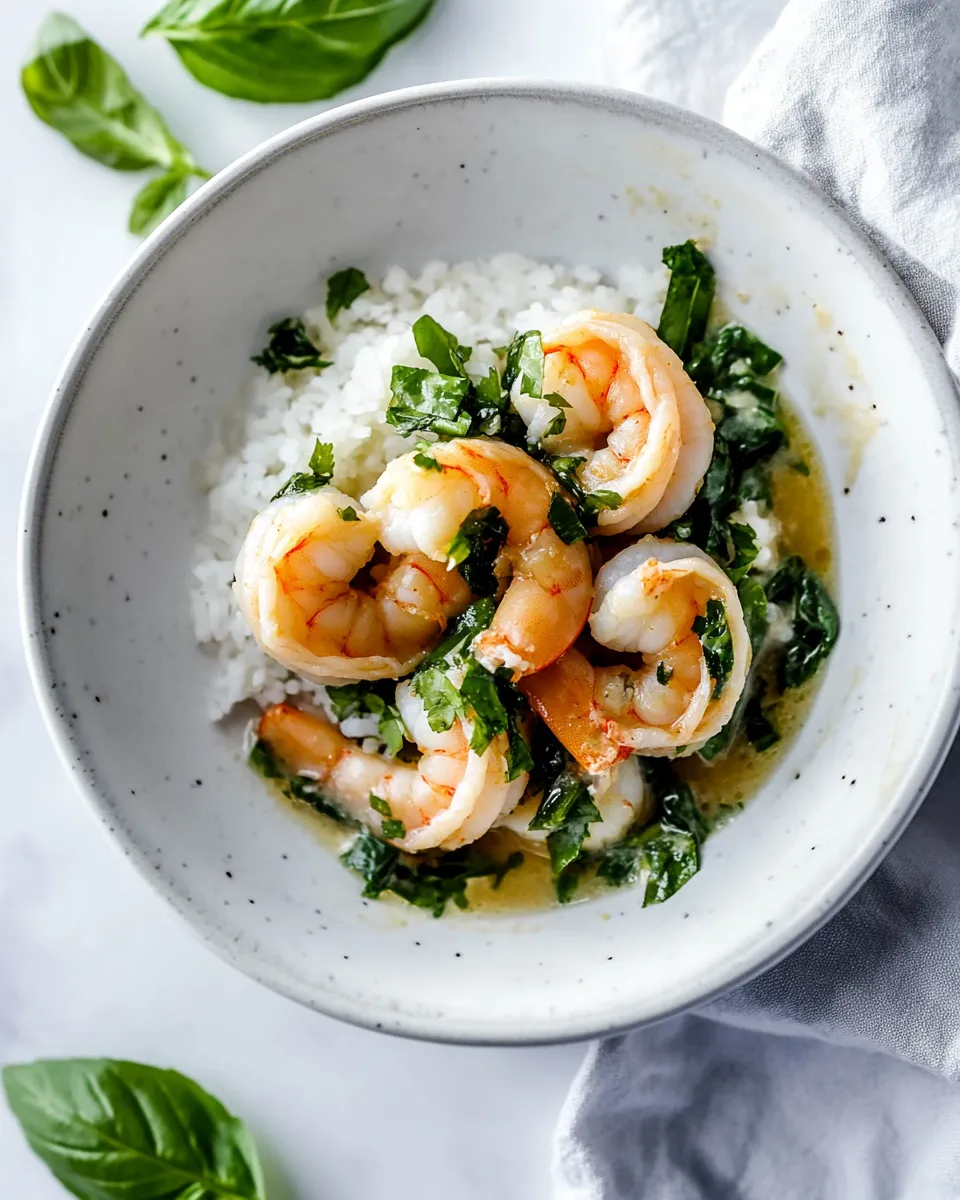
What you need to know at a glance: this is a quick, one-pan recipe built around bold Thai flavors. It’s best served right away over rice or noodles so the shrimp stay tender and the sauce stays fresh. Active cooking time is short, so prep the scallions and basil first.
Quick facts
- Prep time: about 5–10 minutes (mostly chopping).
- Cook time: roughly 6–8 minutes on the stove.
- Serves: 2–3 as a main with rice, or 3–4 with sides.
Ingredients
- 1 teaspoon coconut oil — for quick, fragrant sautéing; coconut oil pairs well with coconut milk.
- 4 small scallions, whites and greens separated, chopped — whites add sautéed aromatics, greens finish the dish with a fresh bite.
- 1 tablespoon Thai green curry paste, or more to taste — the core flavor; adjust up if you like more heat and herbaceousness.
- 2 cloves garlic, minced — boosts savory depth and pairs with the curry paste.
- 1 pound shrimp, peeled and deveined (from 1 1/4 lbs unpeeled) — the main protein; use firm, fresh or thawed shrimp for best texture.
- 6 ounces light canned coconut milk — creates the sauce without being too heavy; light milk still gives good mouthfeel.
- 2 teaspoons Thai fish sauce — adds essential umami and salt; taste and adjust at the end.
- 2 tablespoons fresh basil, chopped — bright herbal finish; Thai basil if you can find it, otherwise sweet basil works.
- salt to taste — use sparingly at first; fish sauce already contributes salt.
Green Curry Shrimp Cooking Guide
- Heat a large nonstick skillet or wok over medium-high heat. Add 1 teaspoon coconut oil and swirl to coat the pan.
- Add the chopped scallion whites and 1 tablespoon Thai green curry paste to the hot oil; sauté, stirring, about 1 minute until fragrant.
- Add the minced garlic and 1 pound peeled, deveined shrimp to the pan; season with salt to taste and cook, stirring occasionally, about 2–3 minutes, until the shrimp begin to turn pink and opaque.
- Pour in 6 ounces light canned coconut milk and add 2 teaspoons Thai fish sauce; stir to combine and bring to a gentle simmer.
- Simmer 2–3 minutes more, stirring occasionally, until the shrimp are fully cooked through and the sauce is slightly reduced.
- Remove the pan from the heat and stir in the chopped scallion greens and 2 tablespoons chopped fresh basil.
- Taste and adjust salt if needed, then serve immediately.
Why This Recipe Works
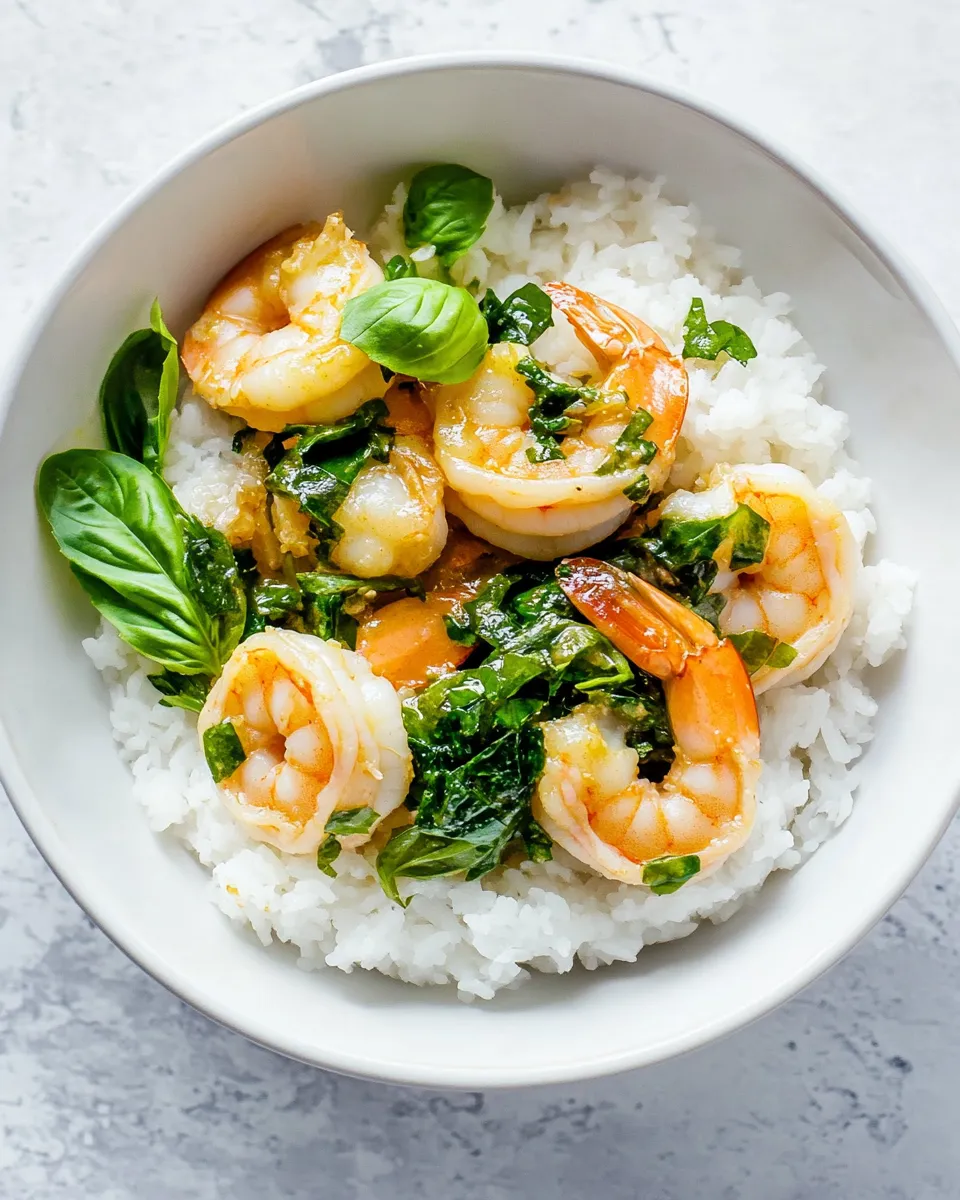
The balance here is simple and intentional. Thai green curry paste is a concentrated mix of herbs, chilies, and aromatics—just a tablespoon gives an assertive backbone. Coconut milk smooths and rounds that intensity without hiding it. Light coconut milk keeps the sauce silky but less rich, which lets the shrimp shine.
Shrimp cook fast and can easily overcook, so the sequence matters: sauté the paste with the scallion whites first to release essential oils, add the shrimp to sear briefly, then finish with coconut milk to finish cooking through gently. Fish sauce is small in volume but big in return; it provides savory complexity that salt alone can’t mimic. Finally, fresh basil and scallion greens bring lift and a peppery, sweet finish that cuts through the richness.
Allergy-Friendly Substitutes
If you need to avoid specific ingredients, here are safe swaps that keep the spirit of the dish.
- Coconut oil — use a neutral oil like vegetable or grapeseed oil if you’re avoiding coconut oil; the flavor will be slightly different but the cooking properties are similar.
- Coconut milk — for coconut allergy, try a thin unsweetened almond or oat milk mixed with a tablespoon of neutral oil to approximate mouthfeel. Expect a milder, less tropical flavor.
- Fish sauce — use a vegan fish sauce alternative or a combination of soy sauce and a dash of mushroom powder for umami if you need a vegetarian option.
- Shrimp — if you can’t eat shellfish, firm white fish or tofu (use extra careful timing and gentle handling for tofu) can be used, but cook times will change and textures differ.
Equipment & Tools
Keep the tool list short: you don’t need specialty equipment to make this well.
- Large nonstick skillet or wok — a wide surface lets the shrimp sear and the sauce reduce evenly.
- Spatula or wooden spoon — for stirring without damaging the pan.
- Measuring spoons — for accurate curry paste and fish sauce amounts.
- Small knife and board — for chopping scallions and basil.
- Tongs (optional) — helpful for turning shrimp gently.
Troubleshooting Tips
Common issues and quick fixes
- Shrimp overcooked and rubbery — remove the pan from heat as soon as shrimp turn opaque and pink. They finish cooking in the residual heat when you add the herbs.
- Too salty — fish sauce adds salt fast. If the sauce is too salty, add a splash more light coconut milk or a teaspoon of sugar to balance.
- Sauce too thin — simmer a minute or two longer to reduce. If you’ve already removed the pan from heat, return it briefly to gently thicken.
- Not enough flavor — increase the curry paste by a half teaspoon at a time or add an extra teaspoon of fish sauce, tasting as you go.
Customize for Your Needs
This recipe is a great foundation. If you want more substance, add quick-cooking vegetables: snow peas, thinly sliced bell pepper, or baby spinach. Add them after the garlic step so they have time to soften before the coconut milk goes in.
For more heat, stir in a pinch of Thai chilies or a dash of crushed red pepper with the curry paste. If you prefer a brighter, tangier profile, finish with a teaspoon of fresh lime juice right before serving.
What I Learned Testing
I tested this dish several times to balance speed and depth. The biggest improvement came from the order of ingredients: sautéing the curry paste briefly in oil with the scallion whites creates a clean, pronounced base that you can’t get from simply adding paste to coconut milk. Also, using light coconut milk held the sauce together while keeping the calorie load lower—without compromise in texture.
Another lesson: use fresh basil and scallion greens at the end. I tried adding herbs earlier and found their brightness dulled. Tossing them in off the heat preserves their aroma and color and gives the dish that restaurant-fresh finish.
Keep-It-Fresh Plan
To store: cool the cooked dish to room temperature, then refrigerate in an airtight container for up to 2 days. The shrimp are best on day one; they firm up after refrigeration. If you need to meal-prep, cook the sauce and curry base, but hold off on adding shrimp—add fresh shrimp when reheating for the best texture.
To reheat: gently warm in a skillet over medium-low with a splash of water or additional light coconut milk to loosen the sauce. Avoid high heat; that’s what makes shrimp tough.
Your Questions, Answered
- Can I use frozen shrimp? — Yes. Thaw fully, pat dry, and proceed as written. Dry shrimp sear better and won’t water down the sauce.
- Is Thai basil necessary? — It’s ideal, but sweet basil works fine. The flavor profile shifts slightly but remains enjoyable.
- Can I double the recipe? — Yes—use a larger pan and increase cooking time slightly. Work in batches if needed to avoid overcrowding the pan.
The Last Word
Green Curry Shrimp is fast, forgiving, and layered with flavor. It’s a tiny ritual of heat, aromatics, and freshness that proves you don’t need a long list of ingredients to make something memorable. Follow the steps in the Cooking Guide, taste as you go, and don’t be afraid to make the dish yours with a few personal tweaks. Serve it over steaming rice, and you have a weeknight meal that feels like more than the sum of its parts.
Green Curry Shrimp
Ingredients
Ingredients
- 1 teaspooncoconut oil
- 4 smallscallions whites and greens separated, chopped
- 1 tablespoonThai green curry paste or more to taste
- 2 clovesgarlic minced
- 1 poundshrimp peeled and deveined (from 1 1/4 lbs unpeeled)
- 6 ounceslight canned coconut milk
- 2 teaspoonsThai fish sauce
- 2 tablespoonsfresh basil chopped
- salt to taste
Instructions
Instructions
- Heat a large nonstick skillet or wok over medium-high heat. Add 1 teaspoon coconut oil and swirl to coat the pan.
- Add the chopped scallion whites and 1 tablespoon Thai green curry paste to the hot oil; sauté, stirring, about 1 minute until fragrant.
- Add the minced garlic and 1 pound peeled, deveined shrimp to the pan; season with salt to taste and cook, stirring occasionally, about 2–3 minutes, until the shrimp begin to turn pink and opaque.
- Pour in 6 ounces light canned coconut milk and add 2 teaspoons Thai fish sauce; stir to combine and bring to a gentle simmer.
- Simmer 2–3 minutes more, stirring occasionally, until the shrimp are fully cooked through and the sauce is slightly reduced.
- Remove the pan from the heat and stir in the chopped scallion greens and 2 tablespoons chopped fresh basil.
- Taste and adjust salt if needed, then serve immediately.
Equipment
- large deep skillet