There’s something deeply satisfying about making gnocchi from scratch: the slow oven-roasted potatoes, the gentle folding of mashed potato into dough, and the first pillowy bite coated in butter and sage. This recipe is practical, reliable, and built around a handful of pantry staples. It gives you real texture and flavor without unnecessary fuss.
I stick to the simple method below because it works—every time. You don’t need a pasta machine or exotic ingredients. What you do need is patience, the right potatoes, and the willingness to be gentle with the dough. Follow the steps closely and the results will reward you: tender, light gnocchi that hold sauce beautifully.
Read through the entire recipe before you begin. Small choices—how warm the potatoes are when you work them, how much flour you actually use, how long you boil the pieces—make a big difference. I’ll walk you through the essentials, common missteps, and a few professional tricks so you can get consistent results at home.
The Ingredient Lineup
- 2 pounds russet potatoes — the starchy texture is key for light, non-gummy gnocchi; bake them rather than boiling for drier flesh.
- 1 large egg, beaten — binds the dough and adds structure while keeping the texture tender.
- 1 teaspoon sea salt — seasons the dough; it also helps balance the potato’s mildness.
- 1 cup all-purpose flour, spooned and leveled, plus more as needed — provides structure; add the minimum needed so the dough stays soft and slightly tacky.
How to Prepare Potato Gnocchi
- Preheat the oven to 425°F.
- Pierce the 2 pounds russet potatoes several times with a fork. Place them on a baking sheet and bake 45 to 60 minutes, until a fork slides easily into the center.
- Remove the potatoes from the oven and let them cool until they are warm but safe to handle. Peel off and discard the skins.
- Pass the peeled warm potatoes through a ricer into a bowl, or mash them in a large bowl with a fork until completely smooth and free of lumps.
- Turn the mashed potatoes out onto a lightly floured work surface and shape them into a wide, thin mound.
- Drizzle the beaten large egg evenly over the potato mound and sprinkle with the 1 teaspoon sea salt. Sprinkle with about one-third of the 1 cup all-purpose flour (divide the cup into three portions before starting).
- Using your hands or a bench scraper, fold the potatoes over the egg and flour to begin incorporating them. Work gently—lift and fold rather than vigorous kneading.
- Sprinkle on another one-third of the flour, then fold and lightly knead just until incorporated. Continue adding the remaining flour a little at a time and fold/knead very gently until the dough comes together into a soft, slightly tacky but not sticky ball. You may not need the full cup, or you may use a bit more; avoid overworking the dough.
- Shape the dough into a ball and cut it into 8 equal pieces.
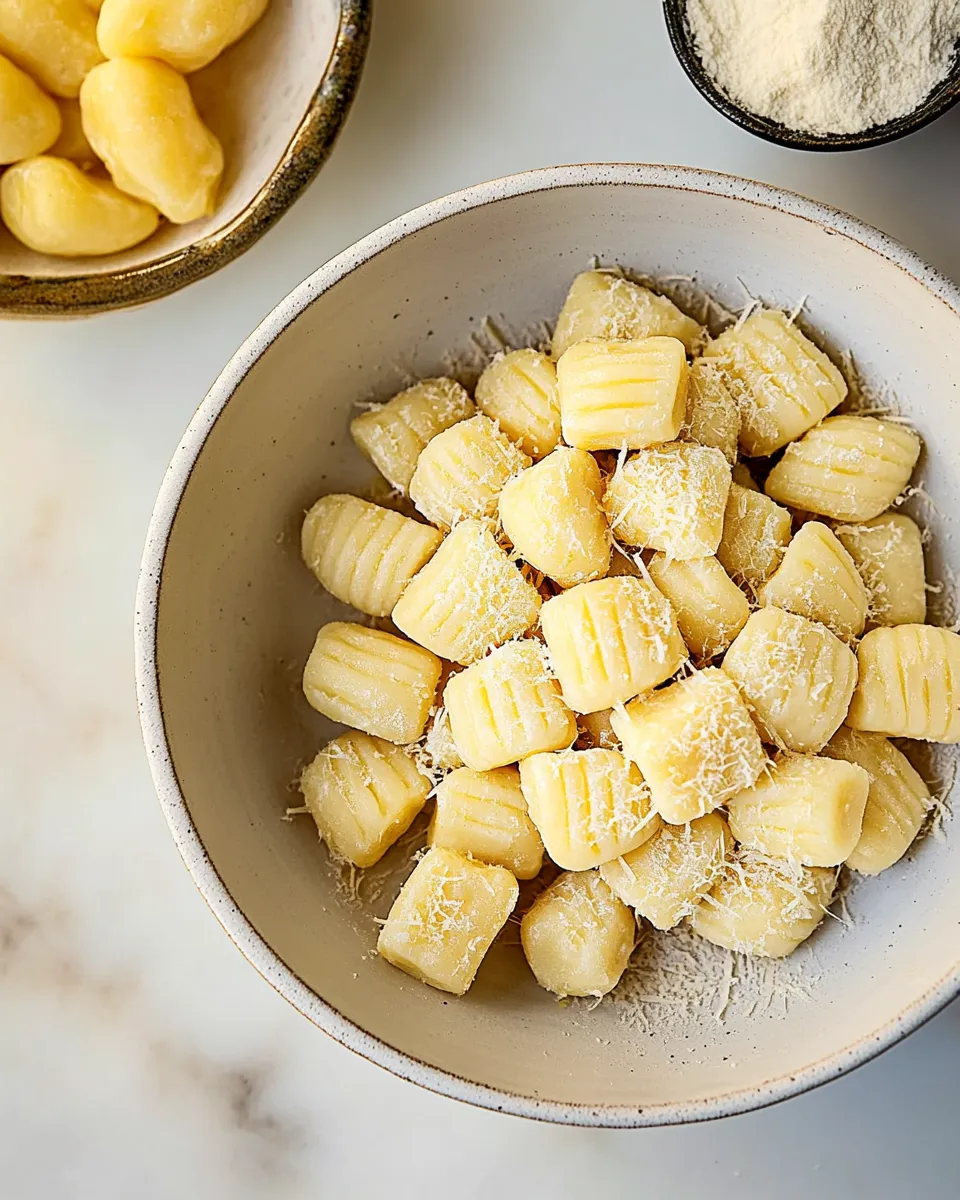
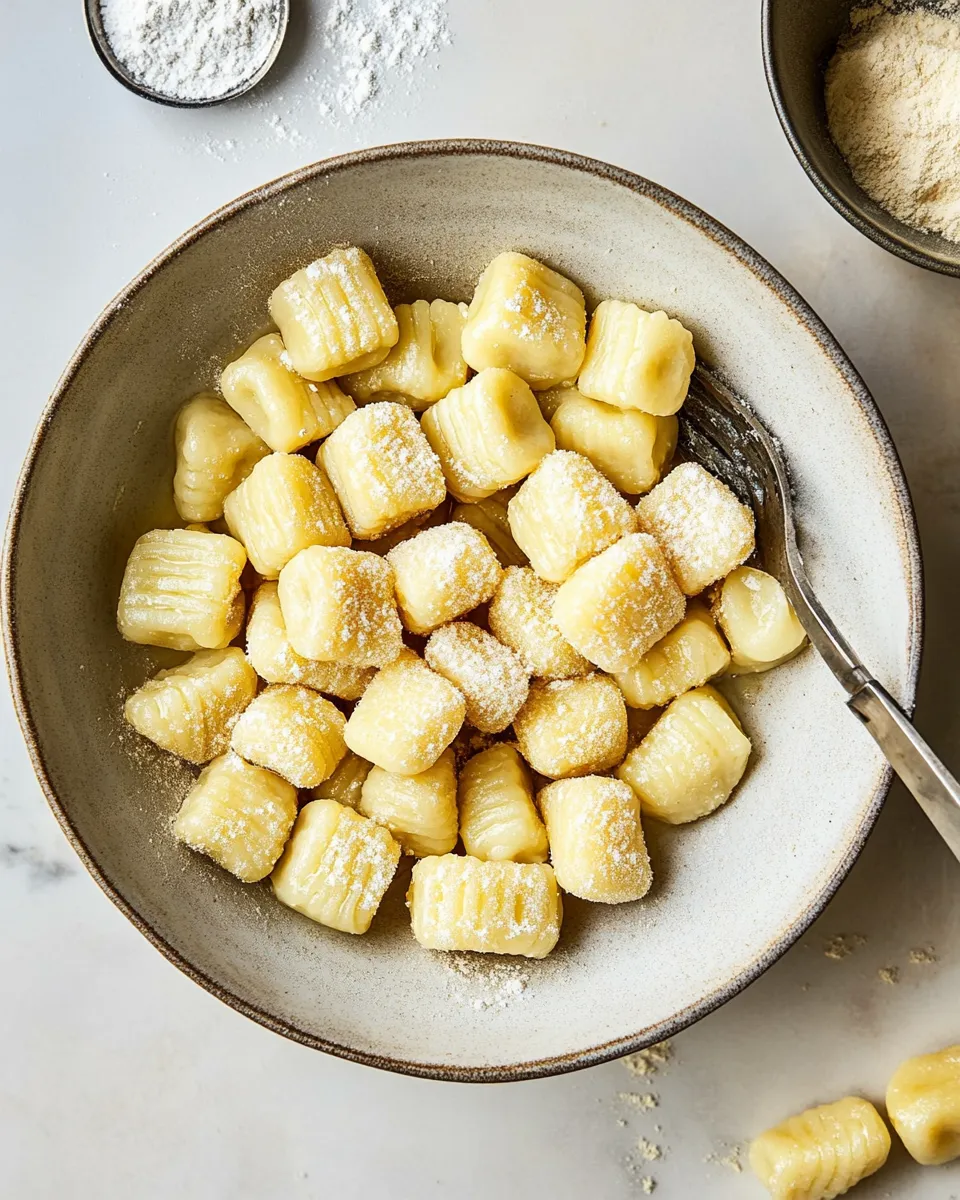
- Lightly flour your work surface and hands. Roll one piece into a rope about 1 inch in diameter. Cut the rope into pieces about 3/4 inch long. Place the cut gnocchi on a floured baking sheet or plate. Repeat with the remaining dough.
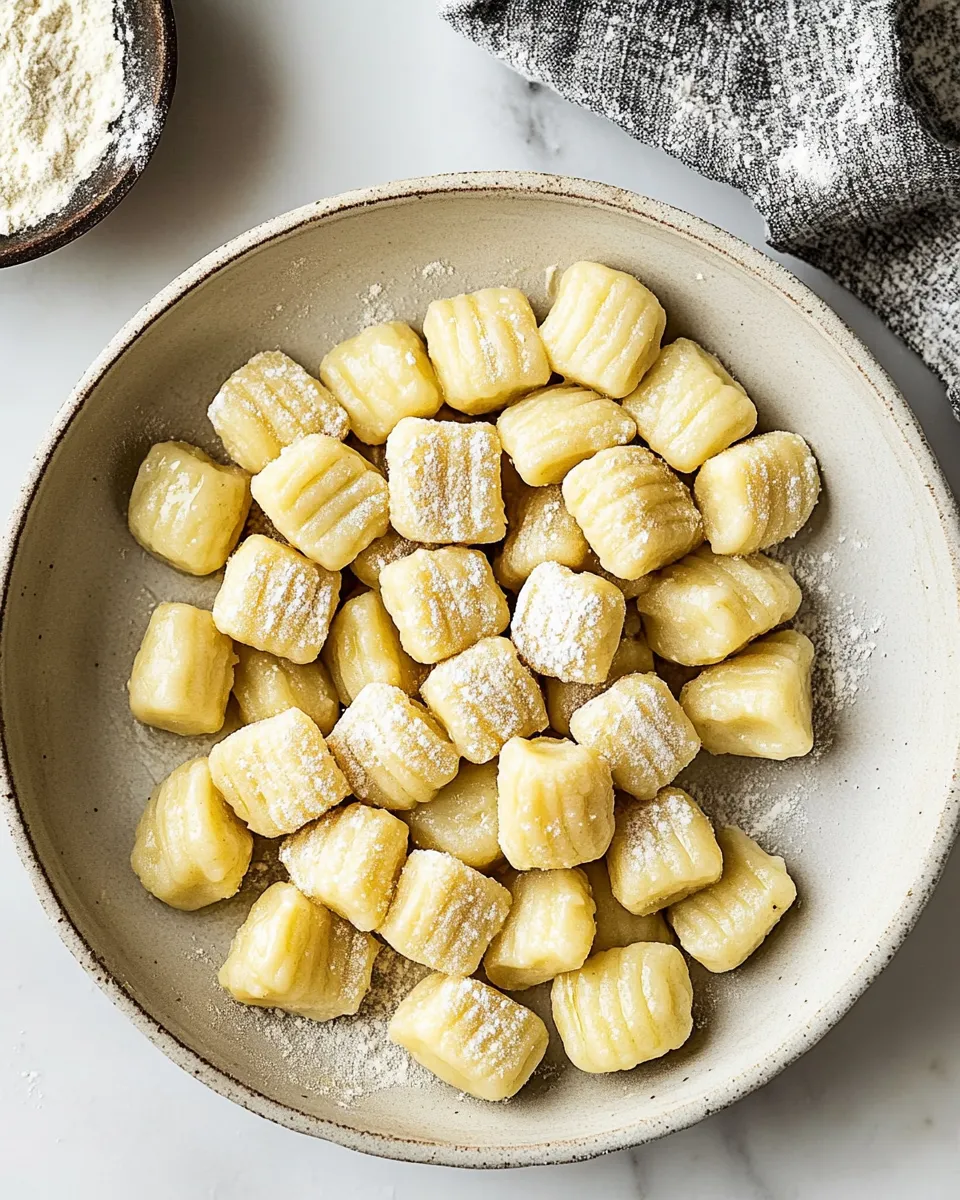
- (Optional) To shape ridged gnocchi: lightly flour the tines of a fork, hold the fork parallel to the work surface, place one gnocco at the end of the tines, and press and roll it with your finger so one side gets ridges and the other an indentation. Repeat for the remaining pieces.
- Bring a large pot of water to a rolling boil (no additional ingredients are required). Set a colander over a large bowl nearby if you want to reserve cooking water.
- Cook the gnocchi in batches (to avoid crowding). Add one third of the gnocchi to the boiling water and cook until they float and are tender, about 2 minutes. Use a slotted spoon to transfer the cooked gnocchi to the colander or a plate. Repeat with the remaining gnocchi.
- Serve the gnocchi immediately with your preferred sauce.
Why It’s Crowd-Pleasing
Potato gnocchi hit the right notes: soft texture, comforting potato flavor, and tremendous versatility. They’re an approachable alternative to pasta—small, pillowy bites that cling to sauces and make every mouthful feel special. People love them because they feel homemade and satisfying without being heavy.
Another reason they please crowds is adaptability. Toss them simply with butter and sage for a quick weeknight meal or dress them in a tomato ragù or cream sauce for a celebratory dinner. The neutral potato base pairs well with fresh herbs, browned butter, roasted vegetables, or robust meats.
Finally, the hands-on preparation is part of the charm. Friends and family often enjoy helping roll ropes or press ridges. It turns dinner prep into a shared experience, and the reward is immediate: a steaming bowl of gnocchi that tastes like you took time to craft it.
Low-Carb/Keto Alternatives
If you’re looking for lower-carb options, traditional potato gnocchi will be tough to replicate exactly because potatoes and flour make up the core structure. Still, there are practical workarounds that deliver a similar pillowy outcome:
- Use riced cauliflower as a base to reduce starch. It requires draining well and combining with a binder—expect a different texture but a lighter carbohydrate profile.
- Create gnocchi from cheese-and-egg-based doughs, which rely on ricotta or mascarpone in place of much of the potato. These versions are softer and richer and cut carbs significantly.
- Consider store-bought low-carb frozen gnocchi if you prefer convenience and more consistent texture; they’re formulated to mimic traditional gnocchi with less starch.
Each alternative changes the flavor and mouthfeel. If low-carb is the priority, lean into sauces and preparations that complement the new base rather than trying to force a direct potato gnocchi replica.
Must-Have Equipment
- Oven and baking sheet — to roast the potatoes and concentrate their starches.
- Potato ricer or fine-mesh sieve (optional) — makes ultra-smooth potatoes; a fork works if needed.
- Bench scraper or spatula — for folding dough gently and cutting portions cleanly.
- Large pot for boiling — big enough so gnocchi can float freely and not stick together.
- Slotted spoon — to lift cooked gnocchi out of the water without breaking them.
- Floured baking sheet or plate — to rest cut gnocchi before cooking so they don’t clump.
Slip-Ups to Skip
- Overworking the dough — vigorous kneading develops gluten and makes gnocchi dense. Fold gently and stop when the dough just comes together.
- Using boiled potatoes instead of roasted — boiled potatoes absorb water and can make dough gummy. Baking yields drier flesh and lighter gnocchi.
- Adding too much flour — add flour gradually. The dough should be soft and slightly tacky; too much flour makes it heavy.
- Crowding the pot — cooking too many at once causes sticking and uneven doneness. Cook in batches so they float freely.
- Not seasoning the dough — salt in the dough matters because gnocchi themselves are mildly flavored; don’t skip the teaspoon of sea salt.
Make It Year-Round
Potato gnocchi work in every season if you adapt sauces and accompaniments. In spring and summer, toss with a light tomato sauce, fresh basil, and grated Parmesan. Add blistered cherry tomatoes and peas for brightness. In fall and winter, brown them in butter, add crispy sage and roasted mushrooms, or serve with a slow-simmered meat ragu.
Batch-cooking strategy: make the gnocchi dough and cut pieces, then freeze them raw on a floured sheet tray until firm. Transfer frozen gnocchi to a bag and cook from frozen; they’ll just take a minute longer in boiling water. This lets you enjoy homemade gnocchi any time without redoing every step for a single meal.
Pro Perspective
Chefs focus on two things: potato moisture and gentle handling. The drier the potato flesh, the less flour you’ll need, and the lighter the gnocchi will be. That’s why oven-baking is the preferred method. Also, temperature matters: work with warm—not hot—potatoes. Warm potatoes incorporate more smoothly but won’t melt the egg or make the dough too wet.
Texture is your gauge. When you cut a piece and boil it, it should float within about two minutes and have a tender, slightly chewy bite. If it’s gummy or heavy, you likely used too much flour or overworked the dough. If it falls apart, it needed a touch more binder or a slightly tighter shape when cutting.
Shelf Life & Storage
Freshly made, uncooked gnocchi will keep in the refrigerator for up to 24 hours on a floured tray covered lightly with plastic wrap. For longer storage, freeze them raw on a baking sheet until solid, then transfer to an airtight bag for up to 2 months. Cook frozen gnocchi straight from the freezer; add them to boiling water and watch for them to float and cook through.
Cooked gnocchi are best eaten immediately. If you have leftovers, refrigerate them in an airtight container for up to 2 days. Reheat gently by sautéing briefly in butter until warmed through; avoid microwaving, which can make them gummy.
Top Questions & Answers
- Can I boil the potatoes instead of baking? Boiling adds water to the flesh, which often leads to heavier, gummy gnocchi. Baking concentrates starches and dries the potato—this recipe calls for baking for a reason.
- How do I know when the dough has enough flour? Stop when the dough forms a soft, slightly tacky ball. It should not stick aggressively to your hands. Use the least flour needed to achieve that texture.
- Why do some gnocchi fall apart in the pot? They may have been under-kneaded, too wet, or cut too thin. Ensure they’re shaped firmly and the dough has come together before cutting.
- Is the egg necessary? The egg adds structure and helps the dough hold together. Skipping it can produce a looser dough and gnocchi that disintegrate when cooked.
- Can I make gnocchi ahead of time? Yes—freeze raw pieces on a tray, then store in a bag. Cook from frozen when you’re ready.
Ready, Set, Cook
When you’re ready to make these, set aside roughly 90–120 minutes: most of that time is hands-off baking and resting. Work calmly and avoid overhandling the dough. The payoff is worth it—gnocchi that are light, tender, and distinctly homemade.
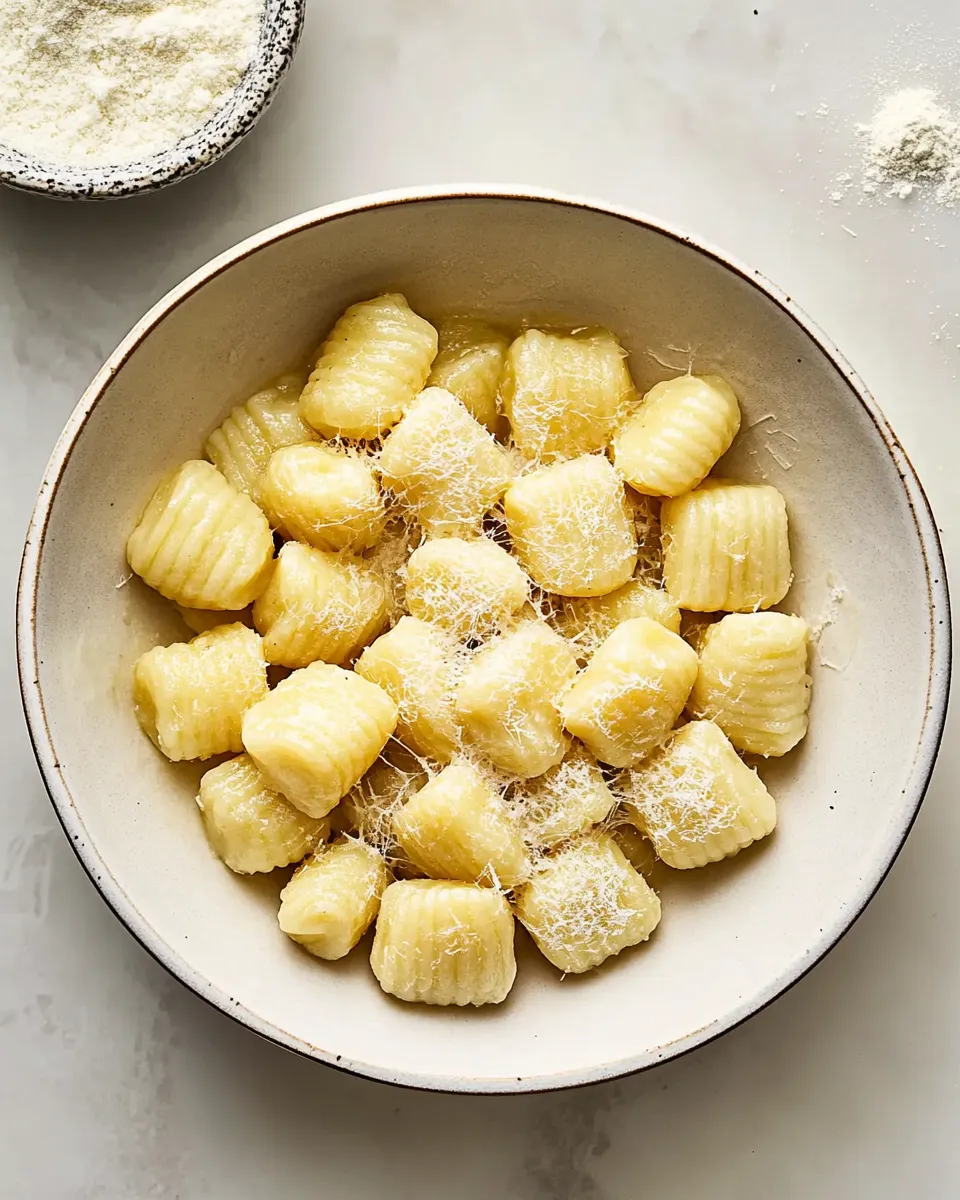
Start by preheating the oven and gathering your ingredients. Follow the steps in order, keep an eye on texture rather than strict flour counts, and taste your sauce before tossing. Serve with a simple garnish—grated cheese, a few fresh herb leaves, or a drizzle of good olive oil—and enjoy the best part: sharing real, handmade food with people you care about.
Homemade Potato Gnocchi
Ingredients
Ingredients
- 2 poundsrusset potatoes 3 to 4 medium-large
- 1 large egg beaten
- 1 teaspoonsea salt
- 1 cupall-purpose flour spooned and leveled, plus more as needed
Instructions
Instructions
- Preheat the oven to 425°F.
- Pierce the 2 pounds russet potatoes several times with a fork. Place them on a baking sheet and bake 45 to 60 minutes, until a fork slides easily into the center.
- Remove the potatoes from the oven and let them cool until they are warm but safe to handle. Peel off and discard the skins.
- Pass the peeled warm potatoes through a ricer into a bowl, or mash them in a large bowl with a fork until completely smooth and free of lumps.
- Turn the mashed potatoes out onto a lightly floured work surface and shape them into a wide, thin mound.
- Drizzle the beaten large egg evenly over the potato mound and sprinkle with the 1 teaspoon sea salt. Sprinkle with about one-third of the 1 cup all-purpose flour (divide the cup into three portions before starting).
- Using your hands or a bench scraper, fold the potatoes over the egg and flour to begin incorporating them. Work gently—lift and fold rather than vigorous kneading.
- Sprinkle on another one-third of the flour, then fold and lightly knead just until incorporated. Continue adding the remaining flour a little at a time and fold/knead very gently until the dough comes together into a soft, slightly tacky but not sticky ball. You may not need the full cup, or you may use a bit more; avoid overworking the dough.
- Shape the dough into a ball and cut it into 8 equal pieces.
- Lightly flour your work surface and hands. Roll one piece into a rope about 1 inch in diameter. Cut the rope into pieces about 3/4 inch long. Place the cut gnocchi on a floured baking sheet or plate. Repeat with the remaining dough.
- (Optional) To shape ridged gnocchi: lightly flour the tines of a fork, hold the fork parallel to the work surface, place one gnocco at the end of the tines, and press and roll it with your finger so one side gets ridges and the other an indentation. Repeat for the remaining pieces.
- Bring a large pot of water to a rolling boil (no additional ingredients are required). Set a colander over a large bowl nearby if you want to reserve cooking water.
- Cook the gnocchi in batches (to avoid crowding). Add one third of the gnocchi to the boiling water and cook until they float and are tender, about 2 minutes. Use a slotted spoon to transfer the cooked gnocchi to the colander or a plate. Repeat with the remaining gnocchi.
- Serve the gnocchi immediately with your preferred sauce.
Equipment
- Baking Sheet
- Fork
- potato ricer or potato masher
- Large Bowl
- work surface
- Bench scraper
- Colander
- Large Pot
- Slotted Spoon
Notes
Makes 1 pound 12 ounces uncooked gnocchi