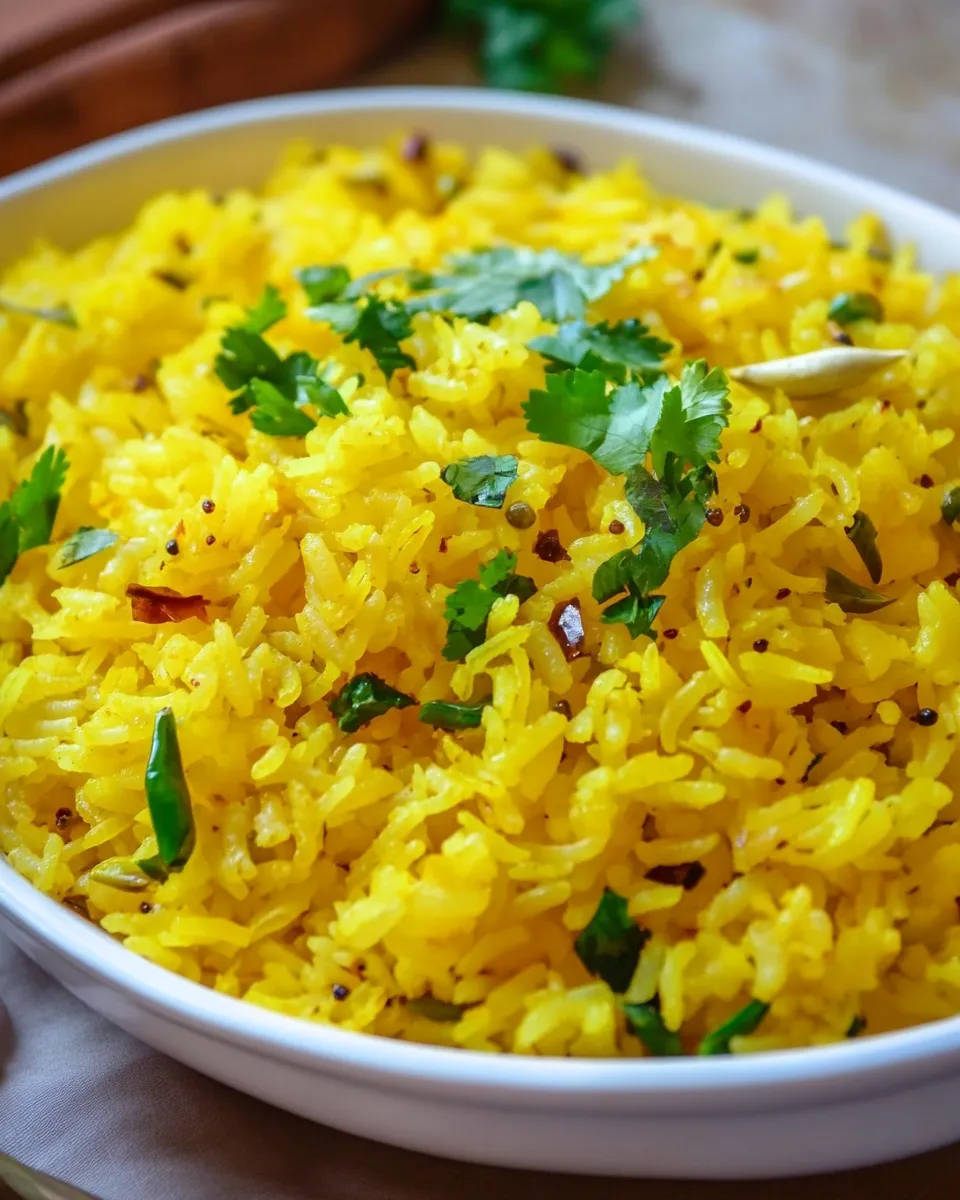
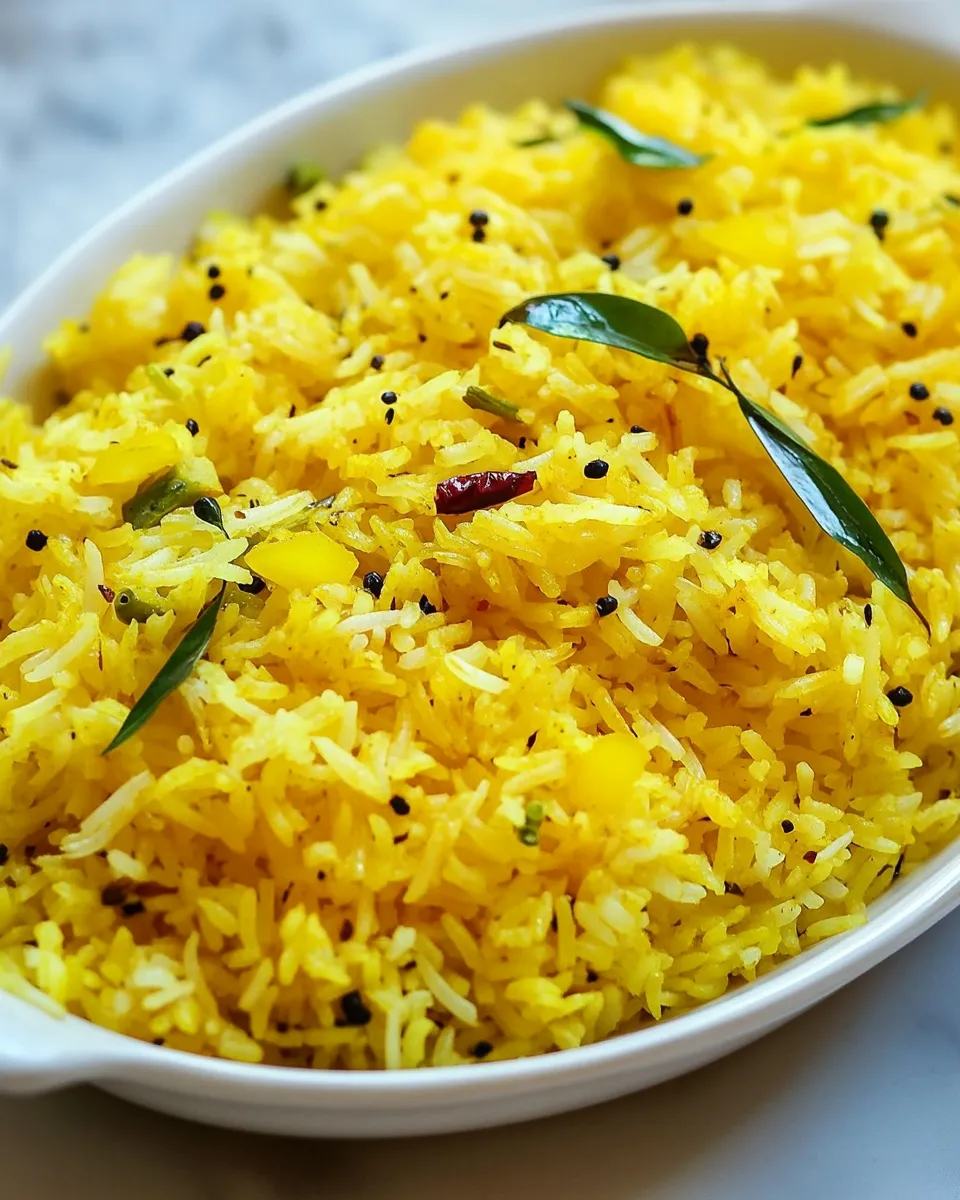
This Indian Rice is the everyday rice that smells like home. It’s simple, fragrant, and built on a few small techniques—browned onions, whole spices, and a final pop of curry leaves—that lift plain rice into something you’ll serve with pride. It matches everything from dals to grilled meats and is utterly reliable on busy weeknights or for a weekend spread.
The method here is intentionally straightforward: rinse your basmati well, sweat the aromatics in ghee, simmer gently, and finish with hot oil-fried curry leaves. The steps are short but purposeful; follow them and the rice will come out fluffy, separate, and lightly perfumed with spice.
I cook this version often because it’s forgiving and scales well. Once you’ve made it a couple of times you’ll instinctively know when to lift the lid and when to let it rest—those are the decisions that make the difference between okay rice and rice you reach for by itself.
What You’ll Need
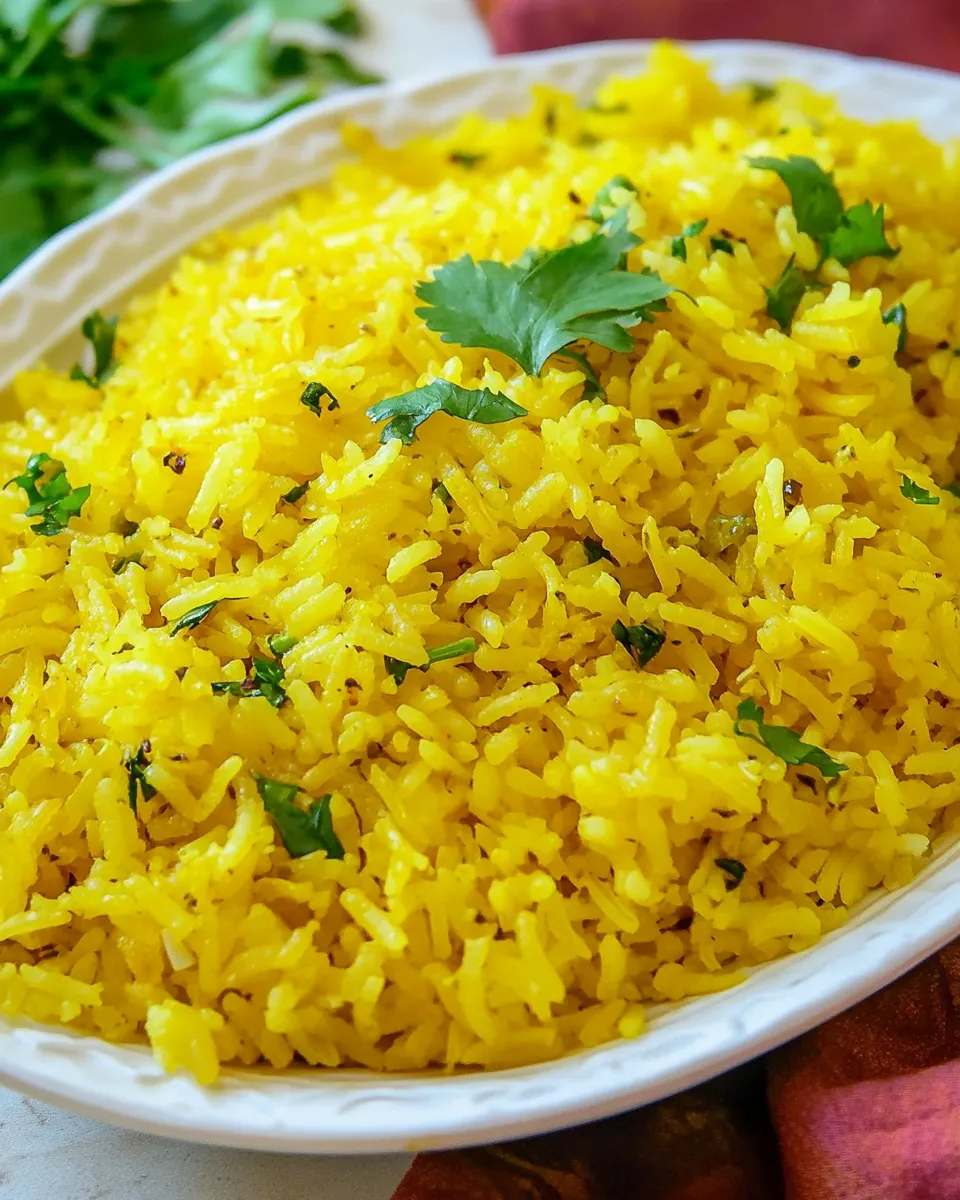
- 2 cups basmati rice — the foundation; long-grain basmati gives the characteristic fragrance and separate kernels.
- 3 tablespoons ghee clarified butter — flavor carrier; ghee browns the onions and coats the rice for richness.
- 1 1/2 cup chopped onion — provides sweetness and body to the dish as it sautés.
- 3 cloves garlic minced — adds savory depth; mince finely so it disperses through the rice.
- 1 tablespoon fresh grated ginger — bright, warm aromatics that balance the onion and ghee.
- 4 cardamom pods cracked — whole spice for perfume; crack them to release the seeds.
- 1 cinnamon stick — gentle, woody background note; remove before serving.
- 1 dried chile pepper bird, serrano, cayenne… — for a touch of heat; keep whole to flavor the oil without making the dish fiery.
- 1 teaspoon fenugreek seeds — nutty, slightly bitter edge; they soften while sautéeing and add authenticity.
- 3/4 teaspoon cumin seeds — toasty, smoky element; bloom them in the fat to release aroma.
- 1/2 teaspoon turmeric — color and subtle earthiness; it tints the rice a warm yellow.
- 1 1/2 teaspoons salt — seasons the rice; adjust slightly to taste for different accompaniments.
- 4 cups water — the cooking liquid; measured to yield tender, separate grains.
- 1/4 cup vegetable oil — for frying the curry leaves; gets very hot and crisps the leaves quickly.
- 1/3 cup whole fresh curry leaves — the finishing aromatic; fry until they pop for a delightful fragrance and texture.
Indian Rice Cooking Guide
- Rinse the basmati rice under cold running water until the water runs clear; drain well and set aside.
- Heat a large pot over medium to medium-low heat. Add the ghee and let it melt.
- Add the chopped onion, minced garlic, grated ginger, cracked cardamom pods, cinnamon stick, dried chile pepper, fenugreek seeds, and cumin seeds to the pot.
- Sauté, stirring occasionally, until the onions are soft and the fenugreek seeds have begun to soften, about 12–15 minutes.
- Add the drained rice, turmeric, and the 1 1/2 teaspoons salt to the pot, then pour in the 4 cups water. Raise the heat to high and bring to a boil.
- Once boiling, cover the pot and reduce the heat to medium-low. Simmer gently for 15 minutes, until the rice has absorbed the water and there are small steam holes on the surface.
- Remove the pot from the heat. Fluff the rice gently with a fork, cover, and let it steam off the heat for 5–10 minutes.
- While the rice rests, heat the 1/4 cup vegetable oil in a small skillet over medium-high heat until very hot.
- Add the whole fresh curry leaves to the hot oil and step back; they will pop. Fry for 10–20 seconds, just until the popping stops.
- Use a slotted spoon to transfer the fried curry leaves to paper towels to drain.
- Remove and discard the cardamom pods, cinnamon stick, and the dried chile pepper from the rice. Transfer the rice to a serving bowl, top with the fried curry leaves, and serve warm.
Why This Recipe Belongs in Your Rotation
This recipe is uncomplicated but elevated. It’s more than boiled rice: a few aromatic ingredients transform it into a dish that can stand beside a curry or be a base for a grain bowl. You get flavor without fuss.
It’s reliable. The water-to-rice ratio and the rest step are intentional; they produce consistent results whether you make enough for two or a crowd. The technique—sauté aromatics, simmer gently, let it rest—works for a wide range of rice recipes and will give you more confidence in the kitchen.
Finally, it’s adaptable. The aromatics are classic, but not precious. You can tune the heat, the brightness, and the finishing garnish to match what you’re serving. That flexibility keeps this recipe useful week after week.
International Equivalents
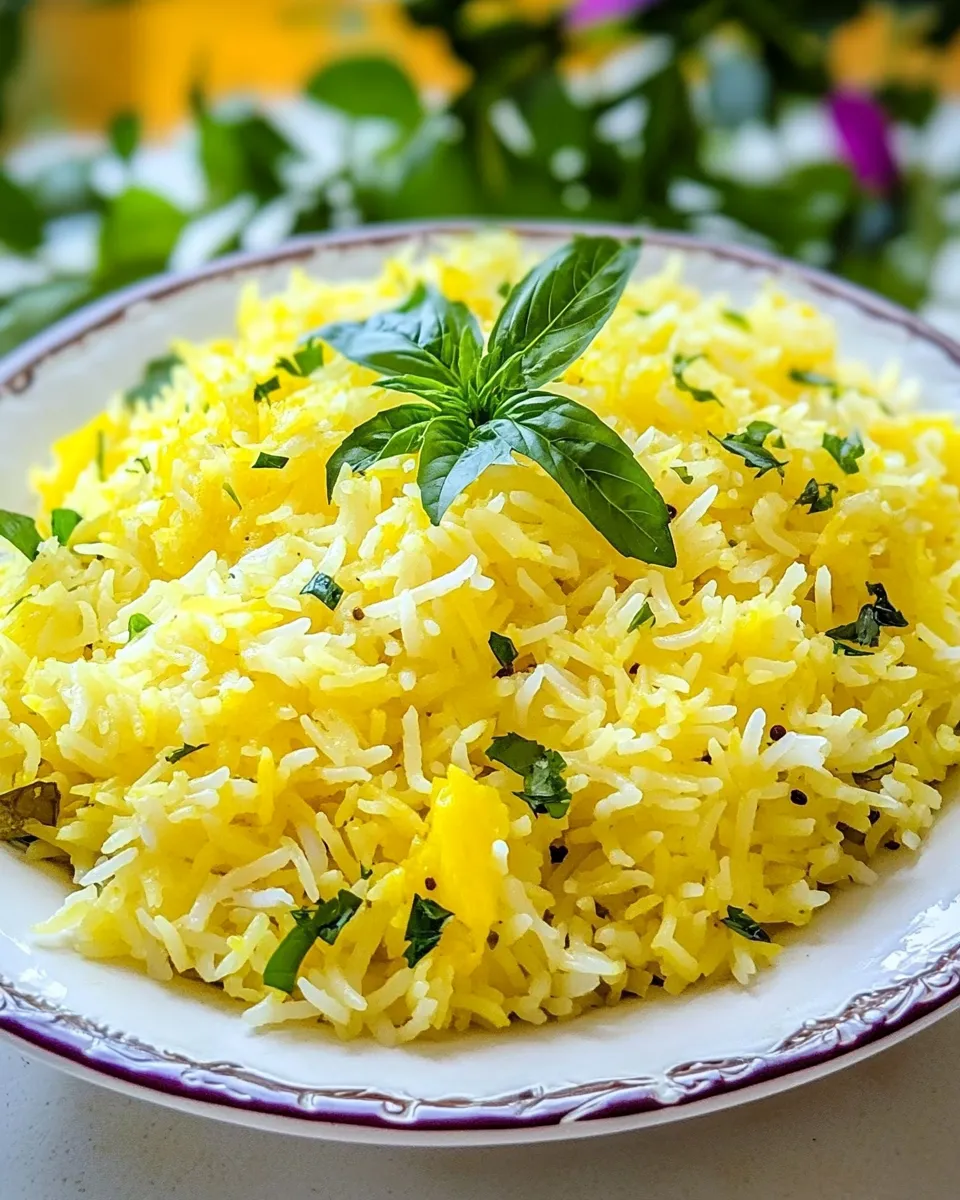
If you don’t have basmati, jasmine is the closest substitute for fragrance, though it will yield a slightly stickier texture. For short-grain rice, reduce water slightly and shorten resting time. Use less aromatic fat (butter or neutral oil) if you prefer a milder profile.
Ghee is traditional; in many Western kitchens, unsalted butter or a mild vegetable oil will work if you can’t find ghee. Curry leaves are distinctive—if unavailable, a strip of lime zest added at the end offers citrus lift, but it will not replace the deep, savory aroma of fried curry leaves.
Tools of the Trade
- Large, heavy-bottomed pot with a tight-fitting lid — helps distribute heat evenly and traps steam.
- Fine-mesh sieve or bowl for rinsing rice — you want clear rinse water.
- Small skillet for frying curry leaves — you need a pan you can heat very hot quickly.
- Slotted spoon and fork — the spoon for removing fried leaves, the fork to fluff rice gently.
- Measuring cups and spoons — this rice benefits from accurate ratios.
Common Errors (and Fixes)
- Rice is gummy — Often from not rinsing enough or using too much water. Rinse until the water runs clear and use the specified 4 cups water for 2 cups basmati.
- Rice is undercooked — Heat was too low during simmer or lid was lifted. Return to low heat with the lid on for a few more minutes, then let rest off heat.
- Onions burn before softening — Lower the heat and stir more frequently. You want them soft and golden, not charred; 12–15 minutes over medium-low is the target.
- Curry leaves didn’t crisp — Oil wasn’t hot enough. Heat the oil until it shimmers, then add leaves and stand back; they pop quickly.
- Overly salty rice — Reduce the salt next time and season at the table or in the accompanying dish instead.
Customize for Your Needs
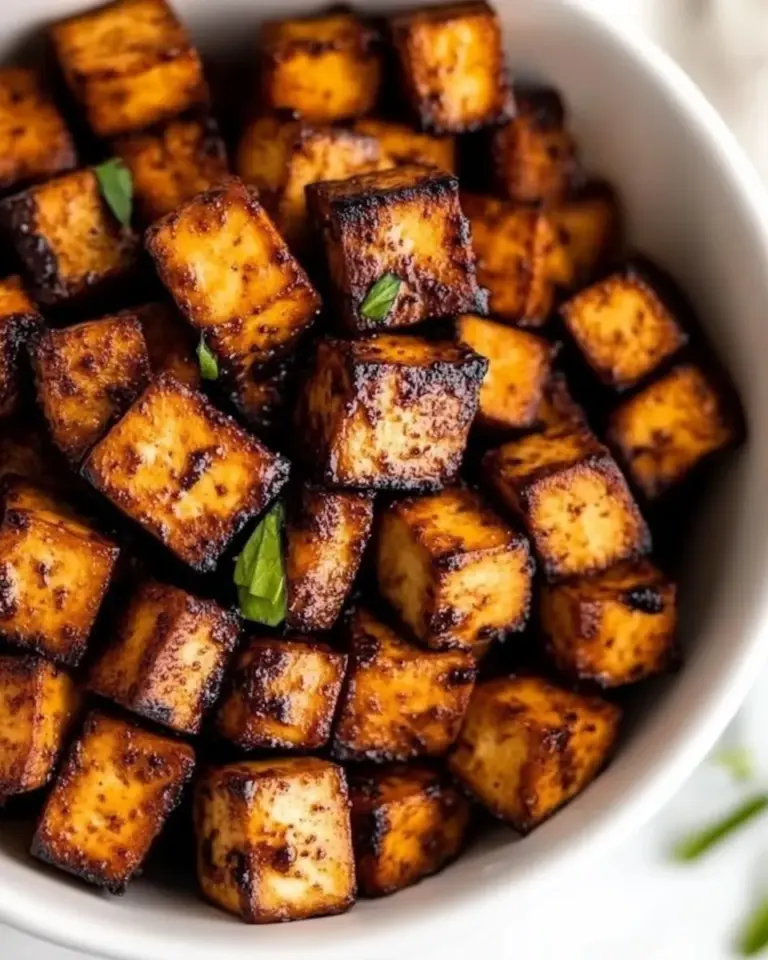
Want more color? Toss in a handful of frozen peas in the last four minutes of simmering. Need protein? Stir in toasted chickpeas or top with spiced, pan-seared tofu or shredded rotisserie chicken. Prefer heat? Add a sliced fresh green chile with the onions or swap the dried chile for two.
For a nutty crunch, sprinkle toasted cashews or slivered almonds over the finished rice. For a fresher finish, squeeze a little lemon over the top right before serving and scatter chopped cilantro. These tweaks won’t change the fundamental technique but will tailor the dish to the meal.
Cook’s Commentary
I make this rice when I want something that feels special but is effortless. The long simmer for the onions is worth the time; patience there pays off in a deep, slightly sweet base flavor. I also like frying the curry leaves last because they keep their texture and give a moment of theater when you sprinkle them over the warm rice.
A quick tip from experience: keep the fried leaves on paper towels to drain well. If they hold too much oil, they become limp and defeat the point. Serve the rice warm, not steaming hot, so the aromatics can shine without overpowering whatever you pair it with.
Save for Later: Storage Tips
Refrigerate leftovers in an airtight container for up to 4 days. To reheat, sprinkle a few drops of water over the rice, cover, and microwave in 30–45 second intervals, stirring between bursts to steam it evenly. You can also reheat gently in a skillet with a little oil over medium heat, stirring until warmed through.
For longer storage, freeze in portioned freezer-safe bags or containers for up to 2 months. Thaw overnight in the fridge and reheat as above. Note that the fried curry leaves will lose crispness in the fridge or freezer—store them separately and re-fry briefly just before serving if you want that fresh, popping texture.
Common Qs About Indian Rice
Q: Can I rinse the rice too much? A: You can rinse until the water runs clear; that removes surface starch and prevents gumminess. Don’t over-soak for hours unless you’re following a specific plan for very long-grain rice.
Q: Is ghee essential? A: No—ghee gives a traditional flavor and higher smoke point, but unsalted butter or a neutral oil works. The aromatic layers matter more than the specific fat.
Q: How do I know when it’s done? A: After 15 minutes of simmer covered, small steam holes will appear on the surface and the water should be absorbed. Fluff gently and let it rest; the kernels should be tender and separate.
Q: Can I make this on the stovetop at high altitude? A: At high altitude you may need a touch more water and a slightly longer simmer. Trust the visual cues—steam holes and absorbed liquid—rather than an exact minute mark.
Bring It to the Table
Serve this Indian Rice as a neutral but flavorful base for saucy dishes like dals, curries, or stews. It also pairs nicely with grilled vegetables, kebabs, or a bowl of spiced yogurt and roasted eggplant. Garnish simply with the fried curry leaves and, if you like, a handful of chopped cilantro or toasted nuts for color and texture.
When friends come over, I spoon this rice into a warm bowl and let everyone add their favorite sides. It’s unassuming, versatile, and—most importantly—easy to make really well. That’s why it earns a spot on my regular menu.
Indian Rice
Ingredients
Ingredients
- 2 cupsbasmati rice
- 3 tablespoonsgheeclarified butter
- 1 1/2 cupchopped onion
- 3 clovesgarlicminced
- 1 tablespoonfresh grated ginger
- 4 cardamom podscracked
- 1 cinnamon stick
- 1 dried chile pepperbird serrano, cayenne…
- 1 teaspoonfenugreek seeds
- 3/4 teaspooncumin seeds
- 1/2 teaspoonturmeric
- 1 1/2 teaspoonsalt
- 4 cupswater
- 1/4 cupvegetable oil
- 1/3 cupwhole fresh curry leaves
Instructions
Instructions
- Rinse the basmati rice under cold running water until the water runs clear; drain well and set aside.
- Heat a large pot over medium to medium-low heat. Add the ghee and let it melt.
- Add the chopped onion, minced garlic, grated ginger, cracked cardamom pods, cinnamon stick, dried chile pepper, fenugreek seeds, and cumin seeds to the pot.
- Sauté, stirring occasionally, until the onions are soft and the fenugreek seeds have begun to soften, about 12–15 minutes.
- Add the drained rice, turmeric, and the 1 1/2 teaspoons salt to the pot, then pour in the 4 cups water. Raise the heat to high and bring to a boil.
- Once boiling, cover the pot and reduce the heat to medium-low. Simmer gently for 15 minutes, until the rice has absorbed the water and there are small steam holes on the surface.
- Remove the pot from the heat. Fluff the rice gently with a fork, cover, and let it steam off the heat for 5–10 minutes.
- While the rice rests, heat the 1/4 cup vegetable oil in a small skillet over medium-high heat until very hot.
- Add the whole fresh curry leaves to the hot oil and step back; they will pop. Fry for 10–20 seconds, just until the popping stops.
- Use a slotted spoon to transfer the fried curry leaves to paper towels to drain.
- Remove and discard the cardamom pods, cinnamon stick, and the dried chile pepper from the rice. Transfer the rice to a serving bowl, top with the fried curry leaves, and serve warm.
Equipment
- Large Pot
- Small Skillet
- Colander
- Slotted Spoon
- Fork
- Paper Towels
Notes
Wrap well and keep in the refrigerator for 4-6 days.