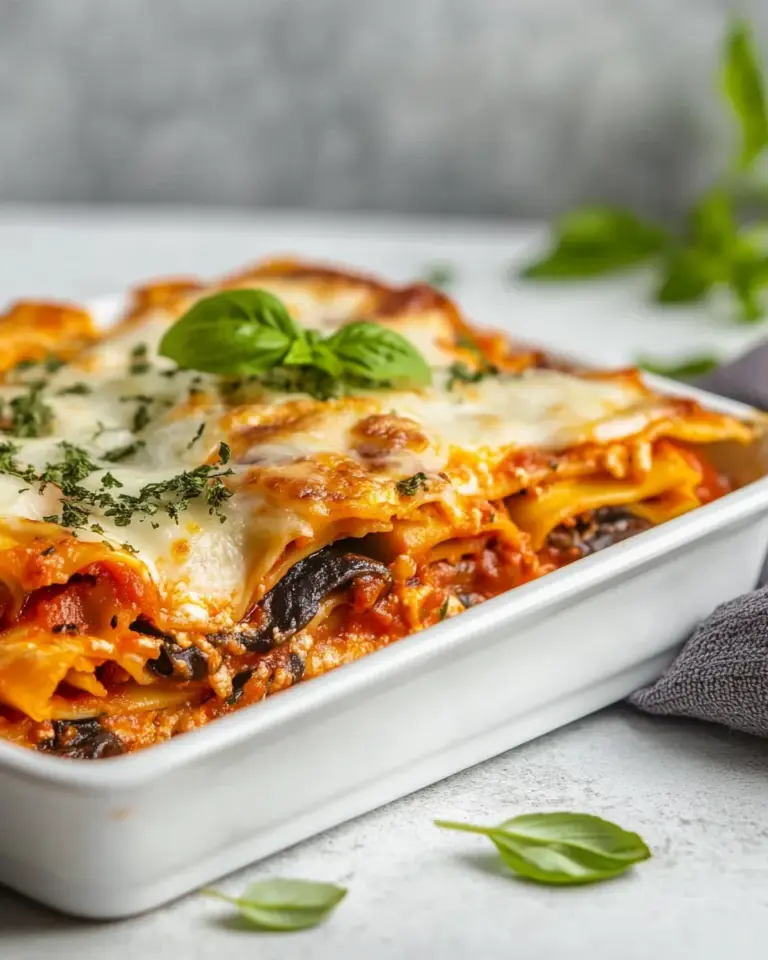
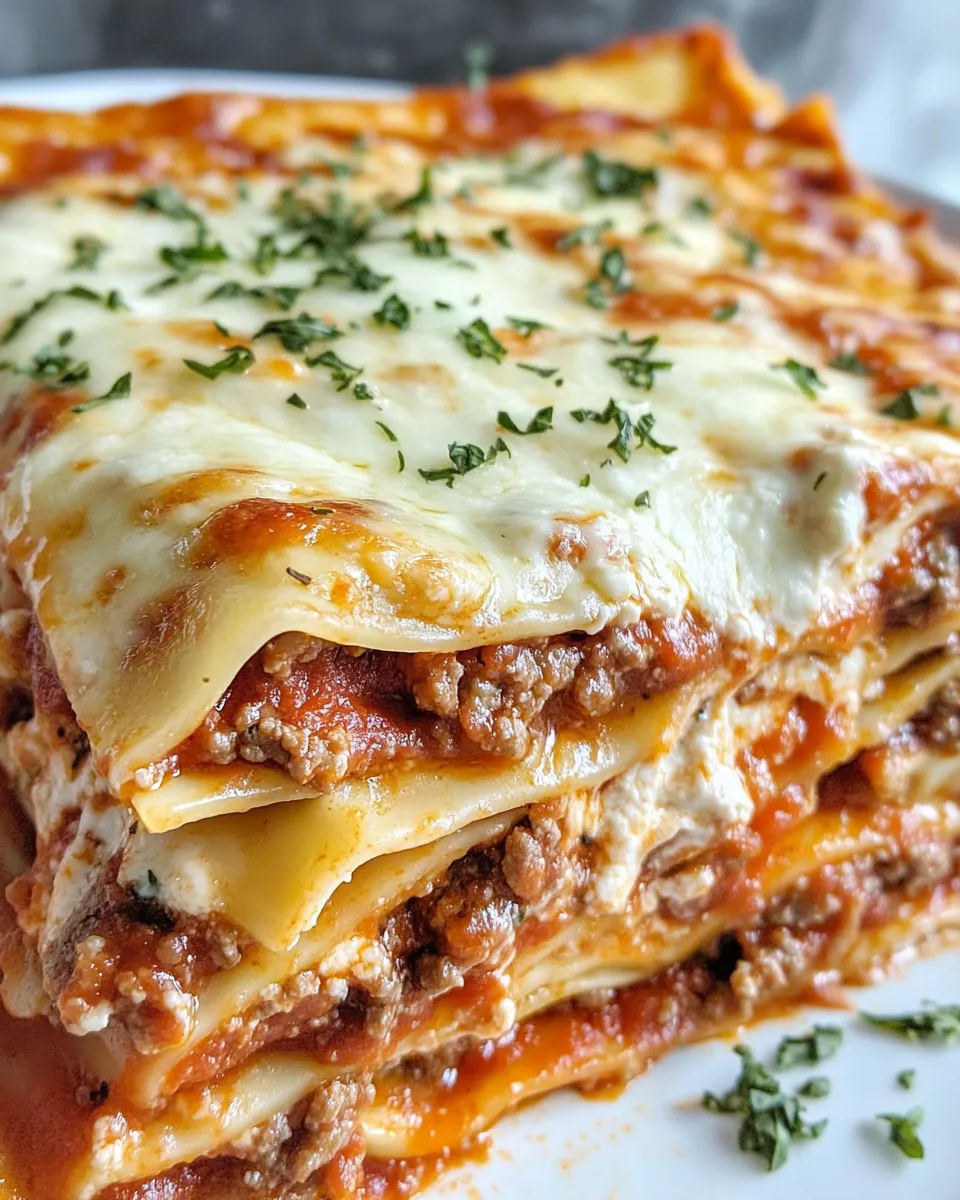
This lasagna is the kind of dish I turn to when I want something comforting, feed-a-crowd reliable, and totally satisfying. It’s straightforward, honest cooking: layers of meaty tomato sauce, creamy cottage-cheese filling, and a golden Mozzarella finish. No tricks, just good timing and a little patience while it bakes.
I like that this version leans on pantry-stable tomato sauce and familiar spices. The method is easy to follow and makes a 9×13 pan that reheats beautifully. Make it for weeknight family dinners, potlucks, or when you want a no-fuss centerpiece that still feels special.
You’ll find practical notes through the recipe so you can avoid common slip-ups. Read the steps once, gather your mise en place, and you’ll have a reliably delicious lasagna every time.
What Goes Into Lasagna
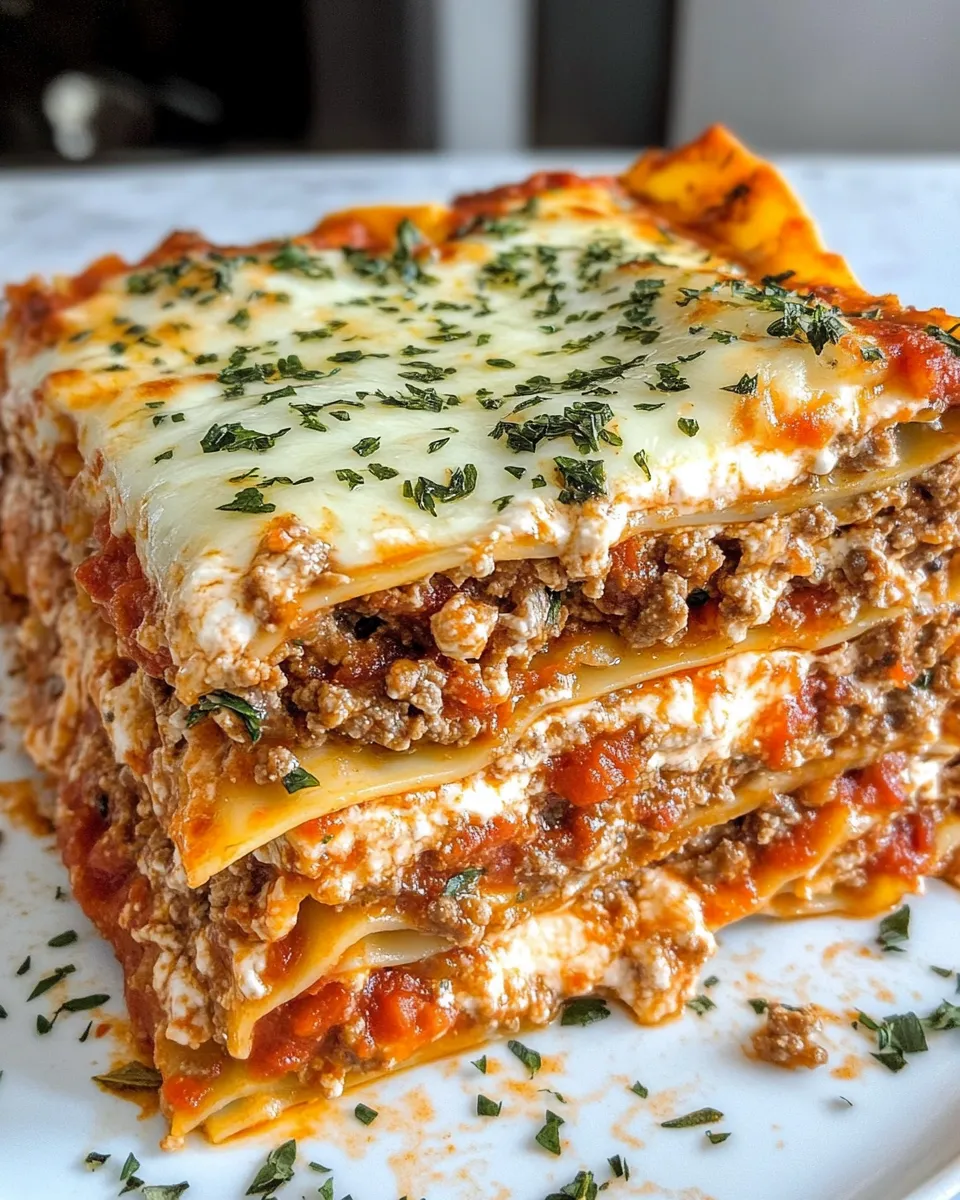
- 2 pounds lean ground beef — the base for a rich meat sauce; lean beef keeps the sauce from getting greasy.
- 1 yellow onion, diced — softens into sweetness and builds the sauce’s savory backbone.
- 2 cloves garlic, minced — adds aromatic depth; add with the onion so it doesn’t burn.
- 3 Tablespoons dried parsley flakes, divided — split between the sauce and the cheese mixture for a gentle herb note.
- ½ teaspoon garlic salt — seasons the meat sauce; adjust later if you’re using salted cheeses.
- ½ teaspoon oregano — classic Italian herb that warms the tomato flavor.
- 4 cans tomato sauce (8 oz each) — the tomato base; use plain tomato sauce for a smooth texture.
- 6 lasagna noodles, prepared — use regular noodles cooked until pliable; you can use no-boil only if the package specifies for a 9×13 layering method.
- 22 ounces cottage cheese — substitutes for ricotta here; it keeps the filling lighter and creamy.
- 2 eggs, beaten — bind the cottage cheese mixture so it holds together when sliced.
- 1 teaspoon salt — seasons the cheese mixture; keep it measured so the filling is balanced.
- ½ cup Parmesan cheese, shredded — adds nuttiness and salt to the filling; fresh-grated is best.
- 1 pound Mozzarella, shredded — the melty top and middle layers; use whole-milk Mozzarella for the best melt.
Step-by-Step: Lasagna
- Preheat oven to 350°F (175°C). Grease a 9×13-inch baking dish and set aside.
- Cook the 6 lasagna noodles according to package directions until pliable; drain and set aside.
- In a large skillet over medium heat, brown the 2 pounds lean ground beef with the diced yellow onion and the 2 cloves minced garlic, breaking the meat into crumbles as it cooks.
- Drain off excess grease from the skillet.
- Add 1 Tablespoon dried parsley flakes, ½ teaspoon garlic salt, ½ teaspoon oregano, and all 4 (8-oz) cans tomato sauce to the skillet. Stir to combine and simmer the meat sauce for 30 minutes, stirring occasionally.
- Meanwhile, in a large bowl combine the 22 ounces cottage cheese, the 2 beaten eggs, 1 teaspoon salt, the remaining 2 Tablespoons dried parsley flakes, and ½ cup shredded Parmesan cheese. Stir until evenly mixed.
- When the meat sauce has finished simmering, spread ½ cup of the meat sauce on the bottom of the prepared 9×13 dish.
- Place three prepared lasagna noodles side by side over the meat sauce.
- Spread half of the remaining meat sauce over the noodles, then spread half of the cottage cheese mixture over the meat, and sprinkle half of the 1 pound shredded Mozzarella over the cottage cheese. Reserve the remainder of the meat sauce, cottage cheese mixture, and Mozzarella.
- Place the remaining three noodles side by side over the first cheesy layer. Spread the remaining meat sauce over these noodles, then spread the remaining cottage cheese mixture over the meat. Do not add Mozzarella at this stage.
- Bake the assembled lasagna uncovered in the preheated 350°F oven for 45 minutes.
- Remove the lasagna from the oven and evenly top it with the remaining Mozzarella cheese.
- Return the lasagna to the oven and bake 10 more minutes, or until the cheese is melted and bubbly.
- Remove from the oven and let the lasagna stand for 10–15 minutes before slicing and serving.
Why Cooks Rave About It
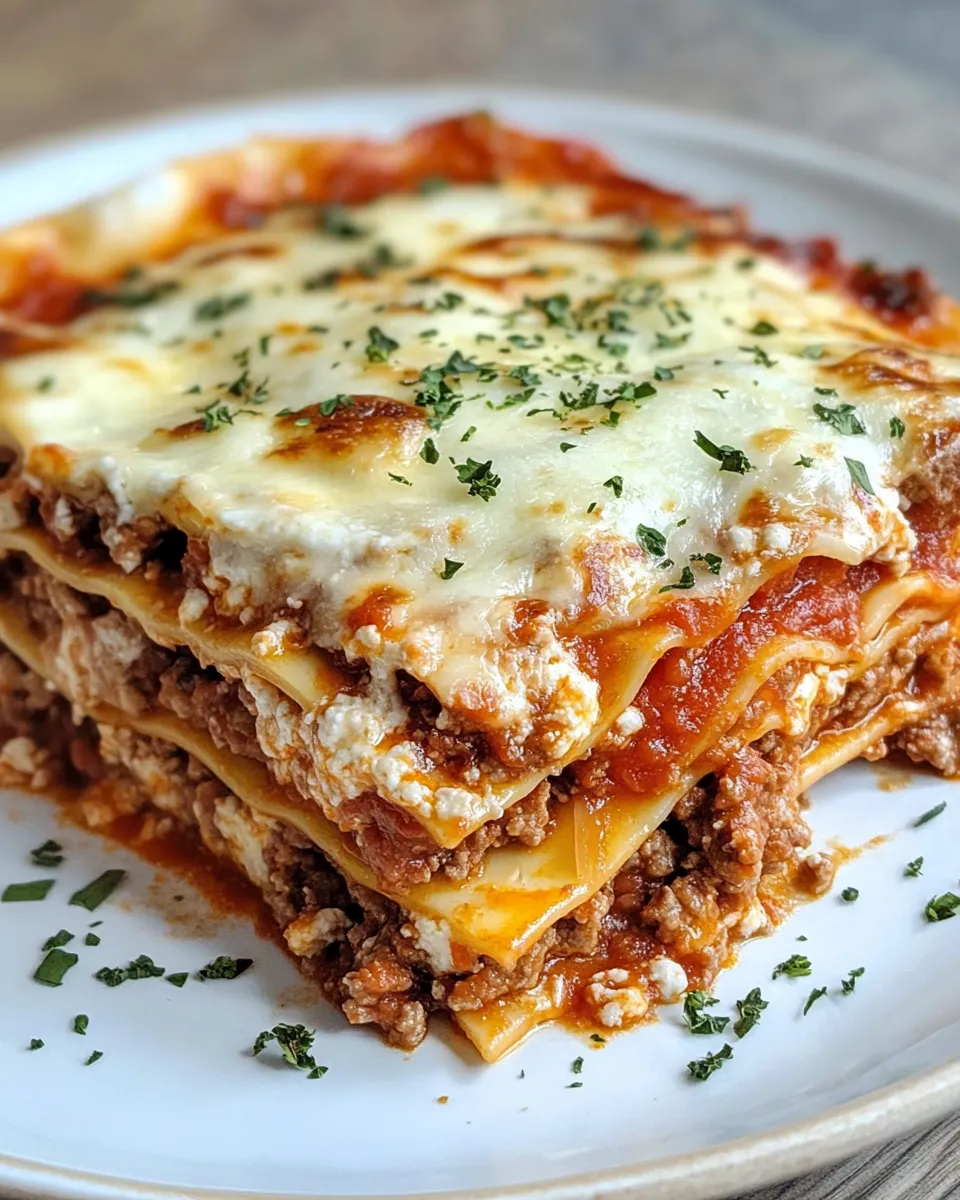
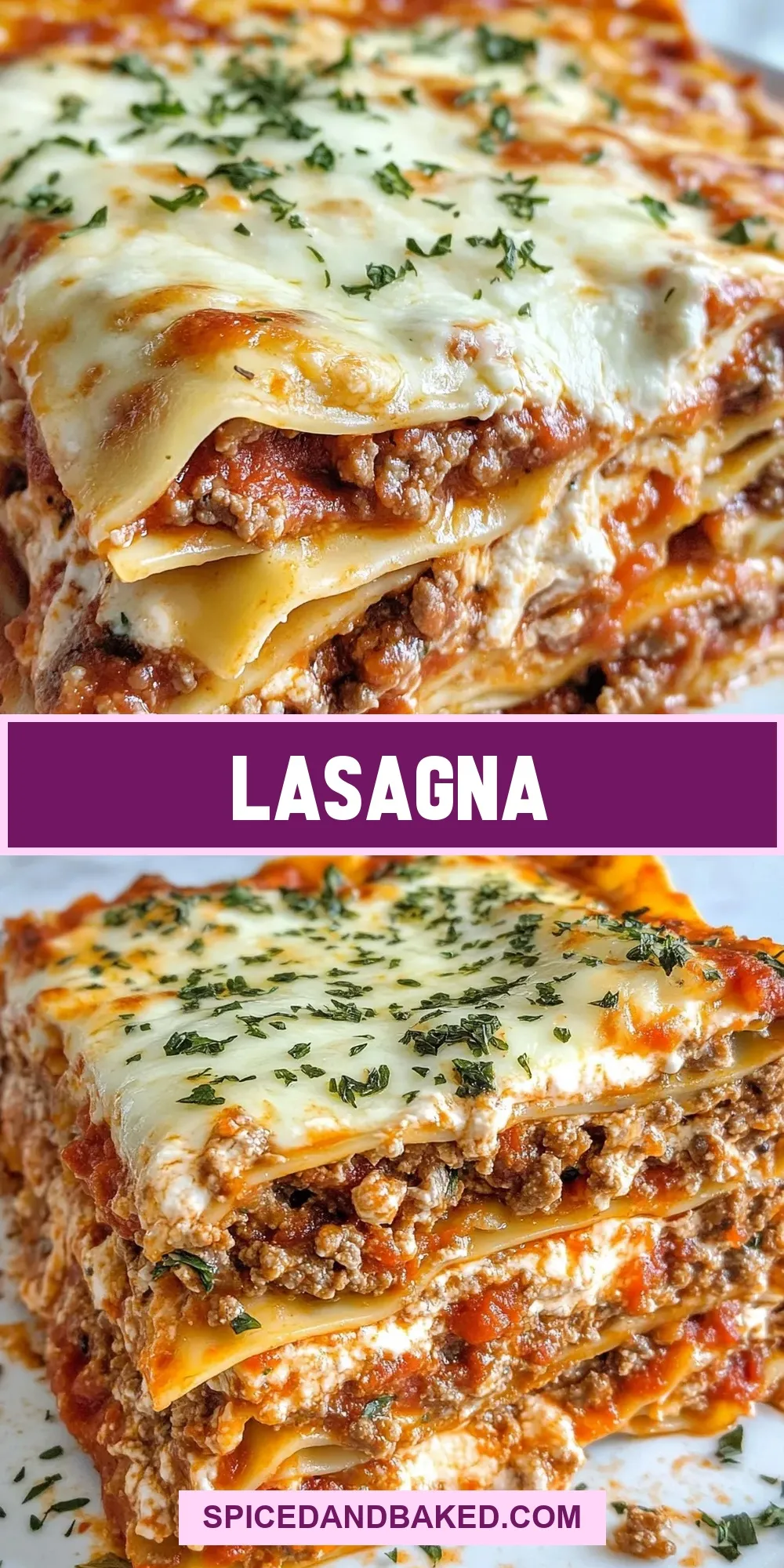
This lasagna hits the sweet spot between classic comfort and practical cooking. The long, gentle simmer of the meat sauce lets the flavors meld without much babysitting. Cottage cheese keeps the filling creamy and a touch lighter than ricotta while still holding up when you slice. And the two-stage bake — first to meld layers, then to brown the top cheese — ensures a clean slice and that perfect browned, bubbly top that everyone fights over.
It’s forgiving. The recipe tolerates slight timing differences, and leftovers reheat without losing texture. That reliability is worth a lot on a busy weeknight or when you’re feeding a crowd.
International Equivalents
Lasagna has cousins across many cuisines. In Italy, you’ll find regional takes: ragù-based lasagne alla Bolognese uses a slow-cooked meat sauce and béchamel instead of cottage cheese. In Greece, pastitsio layers tubular pasta with meat sauce and a thick béchamel top. Middle Eastern versions sometimes use lamb and spiced tomato sauces over eggplant.
This recipe stands closer to the American home-style lasagna — hearty, tomato-forward, and cheese-forward — but you can nod to other traditions by swapping the meat or introducing a béchamel for silkier richness.
Must-Have Equipment
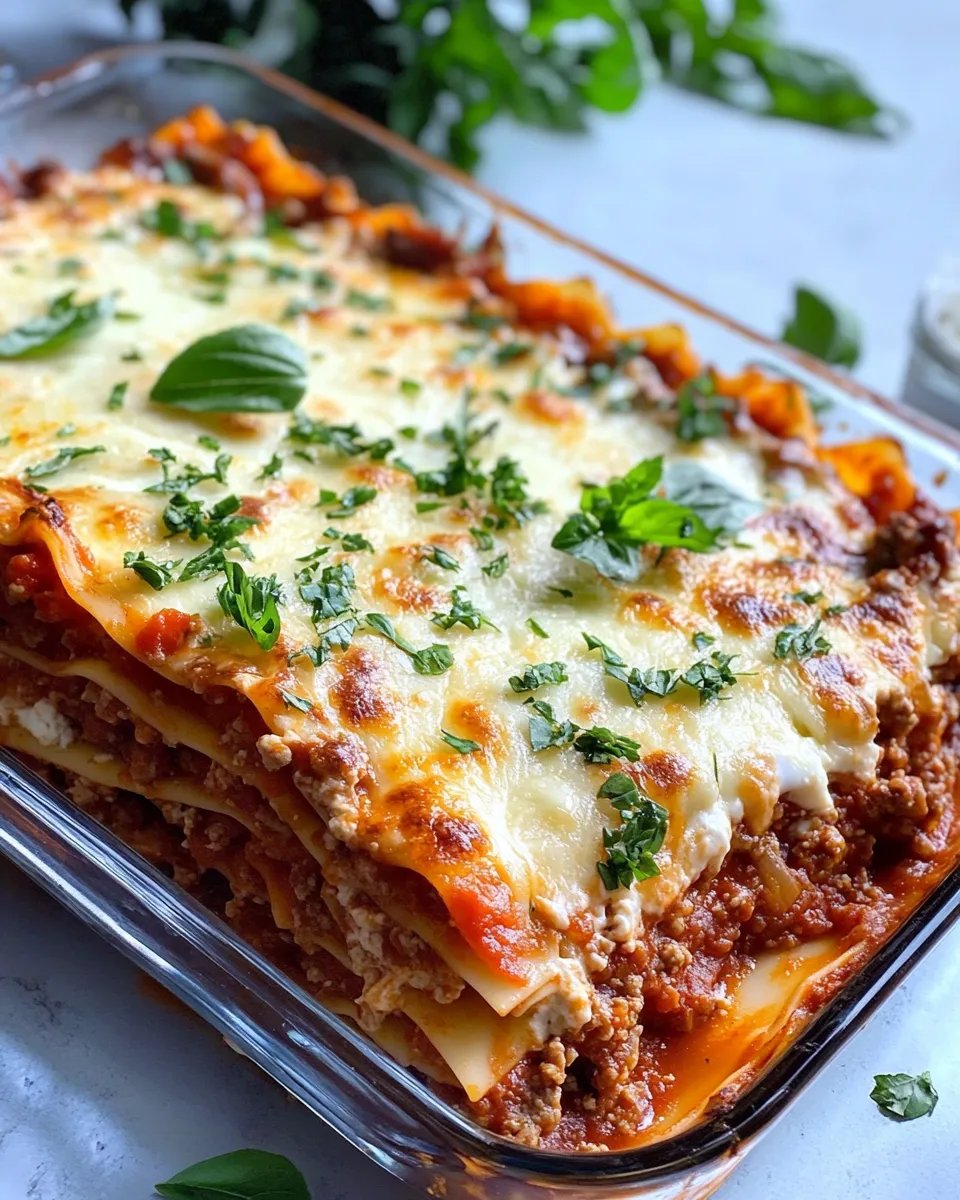
- 9×13-inch baking dish — the recipe is scaled for this size; using a smaller or larger pan will affect depth and bake time.
- Large skillet — for browning the beef and simmering the sauce evenly.
- Large mixing bowl — to combine the cottage cheese mixture without splatter.
- Spoon or rubber spatula — for spreading sauce and cheese cleanly across layers.
- Colander — to drain pasta and remove excess water before layering.
- Aluminum foil (optional) — some cooks cover the lasagna during most of the bake to prevent over-browning; this recipe bakes uncovered but check your oven’s hot spots.
Slip-Ups to Skip
Don’t skip draining the cooked noodles. Too much surface moisture will make the lasagna soupy. Also, be sure to drain excess grease after browning the beef — the recipe calls for lean beef, but fat still renders and will pool if not removed.
Don’t rush the stand time. It’s tempting to slice right away, but a 10–15 minute rest lets the filling firm up so slices hold. Finally, don’t overload one layer with too much sauce; even distribution prevents soggy pockets and ensures every bite is balanced.
Year-Round Variations
Spring/Summer: Fold in thinly sliced zucchini or summer squash into the layers for brightness. Use fresh basil sprinkled into the cheese mixture.
Fall/Winter: Swap half the tomato sauce for a roasted red pepper purée for depth, or add a cup of cooked, chopped mushrooms to the meat sauce for earthiness.
Make it lighter: Reduce the Mozzarella to 12 ounces and add a layer of roasted vegetables to stretch servings without losing satisfaction. For a vegetarian version, omit the beef and use a hearty lentil-tomato sauce instead.
Behind the Recipe
This version reflects midwestern home kitchens more than trattorias. Cottage cheese as a ricotta substitute is a practical choice: it’s commonly available, less expensive, and provides a creamy texture. The split use of parsley — some in the sauce, some in the cheese — brings a continuous herb thread without being overpowering.
The two-stage baking method comes from the simple goal of ensuring the center cooks through and the top browns perfectly. The initial 45 minutes set and meld the layers; the final 10 minutes gratins the Mozzarella into that irresistible golden finish.
Best Ways to Store
Room temperature: Let the lasagna cool to room temperature for no more than two hours before storing. Leaving it out longer increases food-safety risks.
Refrigerator: Tightly wrap the pan with plastic wrap or transfer slices to an airtight container. Keeps well for 3–4 days. Reheat covered in a 350°F oven until warmed through, or microwave slices covered for 2–3 minutes, turning once.
Freezer: Cool completely, then wrap the whole pan (or individual portion) tightly in plastic wrap and aluminum foil. Freeze up to 3 months. Thaw overnight in the refrigerator before reheating. Reheat covered at 350°F until hot; remove foil for the last 10 minutes to refresh the top’s texture.
Lasagna FAQs
- Can I assemble ahead? — Yes. Assemble the lasagna, cover, and refrigerate up to 24 hours before baking. Add an extra 10–15 minutes to the bake time if chilled straight from the fridge.
- Do I need to boil the noodles? — The recipe calls for cooked, pliable noodles. If you use no-boil noodles, follow their package for layering; you may need to add a touch more sauce to ensure they soften.
- Can I use ricotta instead of cottage cheese? — Yes. Substitute equal weight of ricotta if you prefer a smoother, richer filling.
- How do I prevent a watery lasagna? — Drain cooked noodles well and remove excess fat from the meat after browning. Also, don’t overload the pan with sauce in any single layer.
- Is there a vegetarian swap? — Replace beef with cooked lentils, crumbled firm tofu seasoned similarly, or a mixture of mushrooms and spinach for a meaty texture without meat.
Bring It Home
This lasagna is a weeknight hero and a potluck showstopper. It asks for a little forward planning — simmer the sauce, mix the cheese filling, and let it rest after baking — and rewards you with buttery edges, tender noodles, and that soul-warming cheese pull. Make it once, and you’ll have a dependable formula that’s easy to adapt.
If you want to prep ahead, assemble tonight and bake tomorrow. If you’re serving a crowd, double it and freeze a pan for next week. Either way, you’ll come back to the same comforting result: hot, cheesy slices that disappear fast. Happy cooking — and enjoy every slice.
Lasagna
Ingredients
Ingredients
- 2 poundslean ground beef
- 1 yellow oniondiced
- 2 clovesgarlicminced
- 3 Tablespoonsdried parsley flakesdivided
- 1/2 teaspoongarlic salt
- 1/2 teaspoonoregano
- 4 canstomato sauce8 oz each
- 6 lasagna noodlesprepared
- 22 ouncescottage cheese
- 2 eggsbeaten
- 1 teaspoonsalt
- 1/2 cupParmesan cheeseshredded
- 1 poundMozzarellashredded
Instructions
Instructions
- Preheat oven to 350°F (175°C). Grease a 9×13-inch baking dish and set aside.
- Cook the 6 lasagna noodles according to package directions until pliable; drain and set aside.
- In a large skillet over medium heat, brown the 2 pounds lean ground beef with the diced yellow onion and the 2 cloves minced garlic, breaking the meat into crumbles as it cooks.
- Drain off excess grease from the skillet.
- Add 1 Tablespoon dried parsley flakes, ½ teaspoon garlic salt, ½ teaspoon oregano, and all 4 (8-oz) cans tomato sauce to the skillet. Stir to combine and simmer the meat sauce for 30 minutes, stirring occasionally.
- Meanwhile, in a large bowl combine the 22 ounces cottage cheese, the 2 beaten eggs, 1 teaspoon salt, the remaining 2 Tablespoons dried parsley flakes, and ½ cup shredded Parmesan cheese. Stir until evenly mixed.
- When the meat sauce has finished simmering, spread ½ cup of the meat sauce on the bottom of the prepared 9×13 dish.
- Place three prepared lasagna noodles side by side over the meat sauce.
- Spread half of the remaining meat sauce over the noodles, then spread half of the cottage cheese mixture over the meat, and sprinkle half of the 1 pound shredded Mozzarella over the cottage cheese. Reserve the remainder of the meat sauce, cottage cheese mixture, and Mozzarella.
- Place the remaining three noodles side by side over the first cheesy layer. Spread the remaining meat sauce over these noodles, then spread the remaining cottage cheese mixture over the meat. Do not add Mozzarella at this stage.
- Bake the assembled lasagna uncovered in the preheated 350°F oven for 45 minutes.
- Remove the lasagna from the oven and evenly top it with the remaining Mozzarella cheese.
- Return the lasagna to the oven and bake 10 more minutes, or until the cheese is melted and bubbly.
- Remove from the oven and let the lasagna stand for 10–15 minutes before slicing and serving.
Equipment
- Measuring cups and spoons
- non-stick spray
- Sharp Knife
- Cutting Board
- 9×13" casserole dish
- Box grater
- Large Pot
- Colander
- Mixing Bowl
- Silicone spatula
- Large Skillet