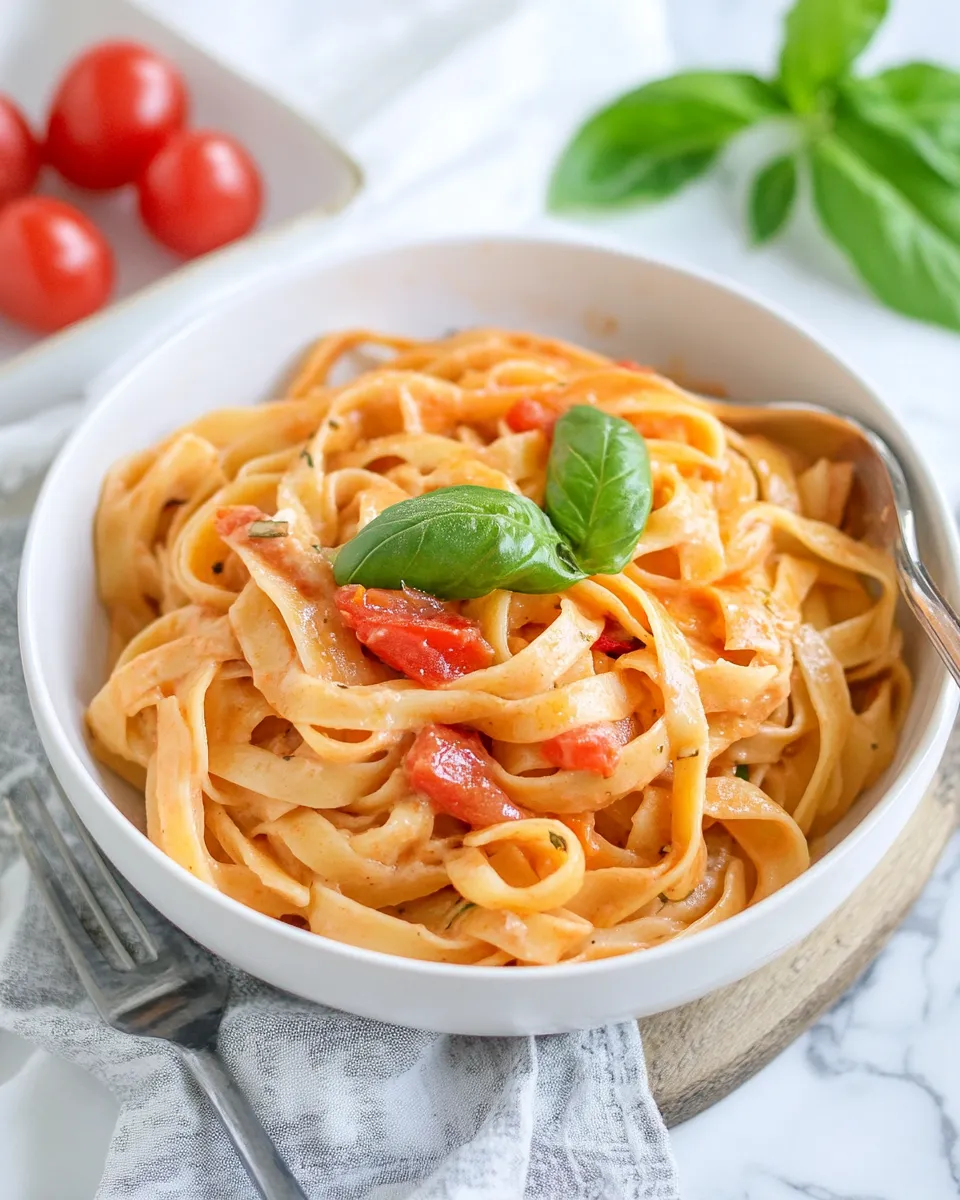
This one-pot pasta is a real weeknight lifesaver: minimal fuss, short cook time, and one pan to wash. The method builds flavor in stages, starting with a quick sauté and moving straight to simmering the pasta in the sauce so the starches create a naturally silky finish. It feels like cooking and cleaning at the same time, which is the point.
I wrote this recipe to be practical. You’ll prep a few ingredients, brown the aromatics, add the pasta and liquid, and then pay close attention for the last few minutes so the sauce finishes the way you like. The instructions are precise where they need to be and flexible where you might want to nudge things for heat or texture.
If you’re looking for something fast, flavorful, and forgiving, this is it. The pot pulls double duty as a skillet and a pasta pot, so timing and stirring are the only things between you and a dinner that looks like you spent more time on it than you did.
The Ingredient Lineup
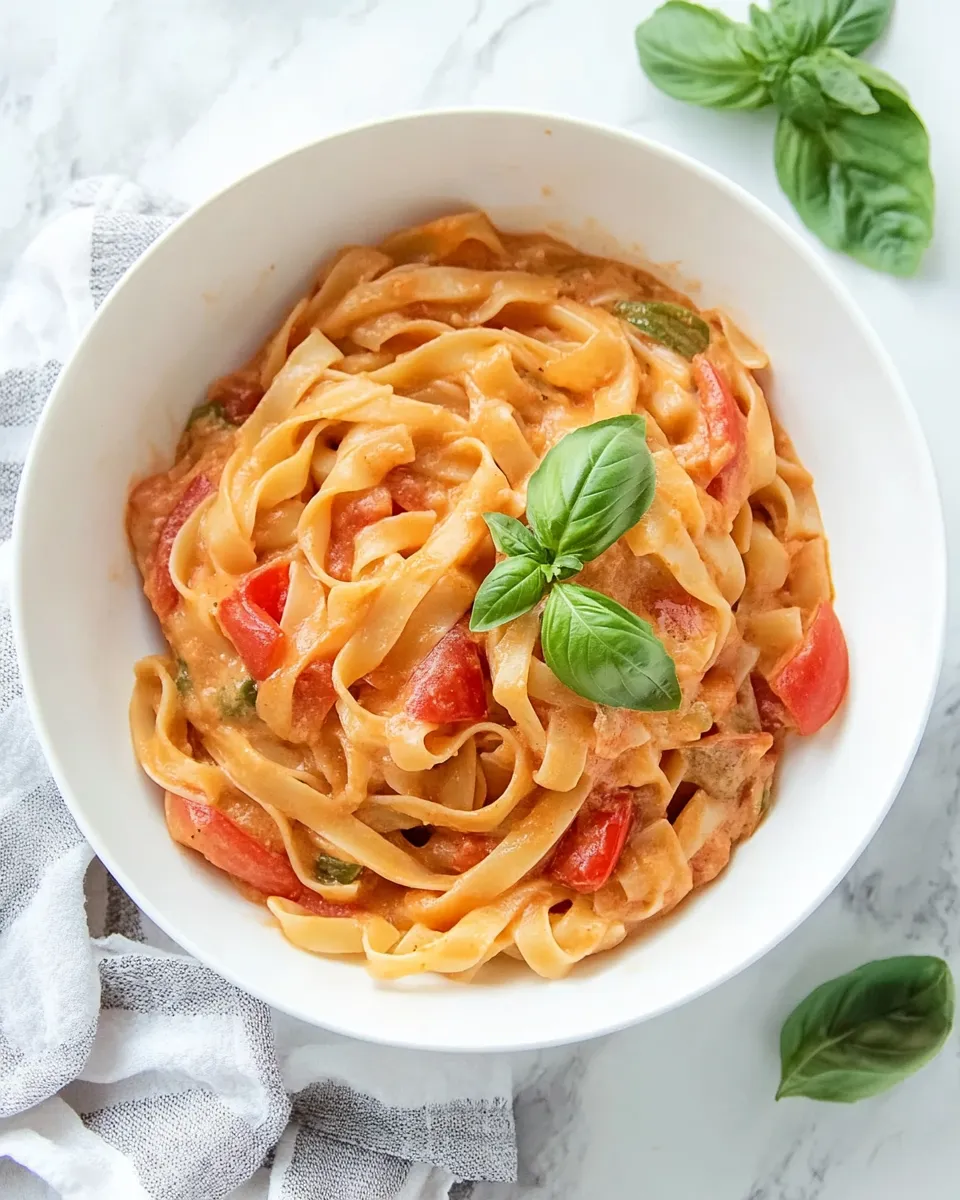
- 1 pound (450 g) dried pasta — the backbone of the dish; use a shape that holds sauce like penne, fusilli or spaghetti.
- 1 medium yellow onion — adds sweetness and base flavor; dice to cook through in the short sauté time.
- 2 cloves garlic — brings aromatics; thinly slice to release flavor quickly without burning.
- 1 large tomato — provides acidity and body for the sauce; dice so it breaks down during the simmer.
- 1 chili (optional) — gives heat if you want it; finely chop and remove seeds to reduce intensity.
- 1 tablespoon tomato paste — deepens tomato flavor and helps thicken the sauce.
- 1 bay leaf — subtle background note; remove and discard before serving.
- ½ teaspoon dried basil — herb note that pairs with tomato; dried works well in the quick-cook format.
- 1 tablespoon (15 ml) olive oil — for sautéing and mouthfeel; heat until shimmering before adding the onion.
- 4 cups (1 liter) vegetable stock — the cooking liquid that becomes the sauce; quality matters for flavor.
- Salt & pepper — to taste; you’ll season at the start and adjust at the end for best control.
Directions: One Pot Pasta
- Prep the produce: peel and dice the medium yellow onion; peel and thinly slice the 2 garlic cloves; dice the large tomato; finely chop the chili if using (remove seeds if you want less heat).
- Heat 1 tablespoon (15 ml) olive oil in a wide, heavy-bottomed pot over medium heat until shimmering.
- Add the diced onion and cook, stirring occasionally, until softened and translucent, about 3–4 minutes.
- Add the sliced garlic and cook 30–45 seconds until fragrant. Stir in 1 tablespoon tomato paste and cook 30 seconds more.
- Add the diced tomato and the chopped chili (if using) and cook 1–2 minutes, until the tomato starts to soften.
- Add 1 pound (450 g) dried pasta to the pot, then add 1 bay leaf and ½ teaspoon dried basil. Pour in 4 cups (1 liter) vegetable stock and stir so the pasta is submerged. Season with salt and pepper to taste.
- Bring the pot to a gentle boil over medium-high heat, then reduce to a medium-low simmer and cover.
- Cook covered for 8 minutes, stirring every 2 minutes to prevent sticking and to help the pasta cook evenly.
- Uncover and continue cooking, stirring occasionally, until the pasta is al dente and the sauce has thickened to your liking, about 2–6 more minutes. If the sauce becomes too thick before the pasta is done, add a little more vegetable stock to loosen it.
- Remove from the heat, discard the bay leaf, taste and adjust salt and pepper, then serve.
Why I Love This Recipe
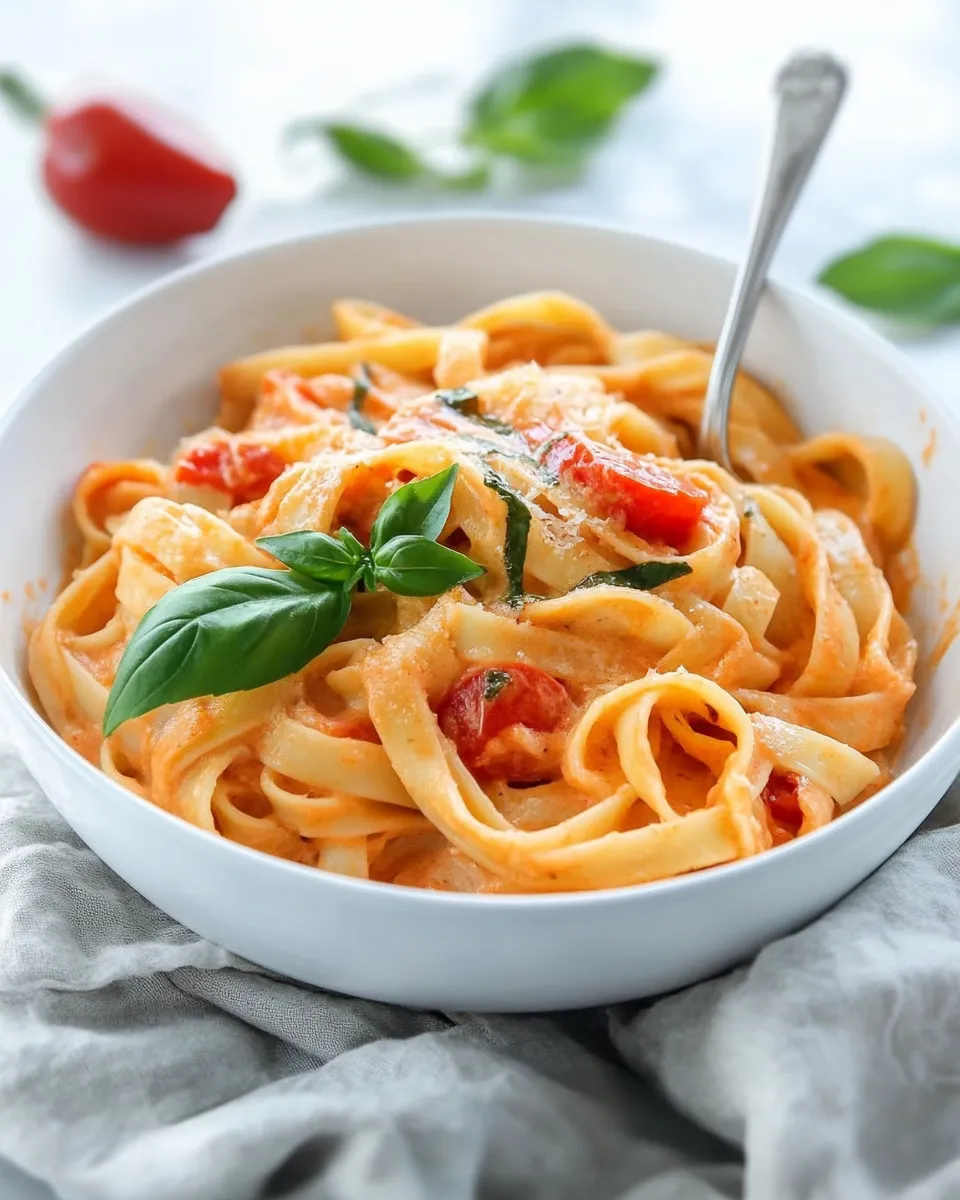
This recipe does what weeknight cooking needs: fast prep, straightforward technique, and a reliable finish. Sautéing the onion and garlic first concentrates their flavors, and cooking the pasta directly in the stock and tomato turns simple ingredients into a glossy, clingy sauce without a separate pan. That saves time and improves texture—starchy cooking liquid emulsifies with the tomato paste and oil to make a sauce that coats each noodle.
It’s forgiving. The directions give specific times, but the method lets you adjust. If you like your pasta softer, simmer a little longer with additional stock. If you want more bite, pull it a minute earlier. And because you’re building everything in a single pot, the leftovers (if any) taste like they’ve had time to marry flavors overnight.
No-Store Runs Needed
One of the best parts of this recipe is that it’s designed around pantry and fridge basics. Dried pasta, oil, stock, tomato paste, dried herbs, and a bay leaf are all long-lived staples. The fresh items—onion, garlic, tomato, and an optional chili—are common to most kitchens and affordable.
If you have those items on hand, you can make this without a trip to the store. The technique tolerates small substitutions: a different onion variety will still sweeten the dish, and any neutral vegetable stock will do the job. The core idea is to use what you have and follow the one-pot method so cleanup is quick.
Prep & Cook Tools
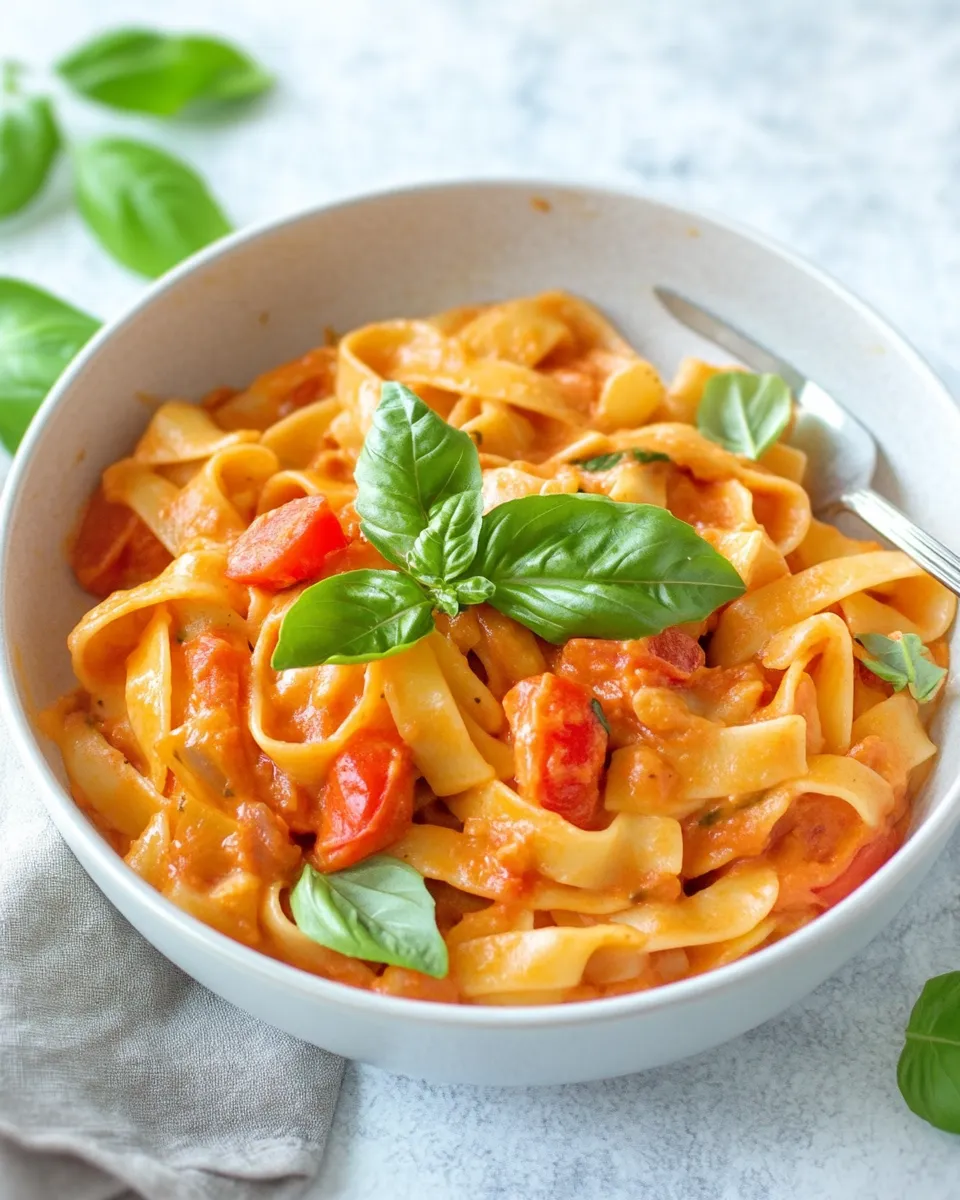
- Wide, heavy-bottomed pot — gives space for the pasta to spread and for even heat distribution.
- Sauce spoon or heatproof spatula — for stirring and scraping the pot so the pasta doesn’t stick.
- Knife and cutting board — for dicing the onion and tomato and slicing the garlic and chili.
- Measuring cups and spoons — for accurate stock and herb amounts.
- Colander (optional) — you shouldn’t need it for draining, but it’s handy if you prefer to rinse or check pasta.
Frequent Missteps to Avoid
- Skipping the stirring schedule — stirring every two minutes during the covered phase is crucial. It prevents the pasta from clumping and ensures even cooking.
- Using too small a pot — the pasta needs room. Crowding will cause uneven cooking and sticking.
- Adding too much liquid early — follow the 4 cups (1 liter) guideline. You can add small amounts later if needed, but starting with an appropriate volume lets the pasta release starch and thicken the sauce.
- Not tasting before serving — adjust salt and pepper at the end. The stock and tomato paste can vary in saltiness, so final seasoning matters.
- Forgetting to remove the bay leaf — it adds flavor while cooking but should be discarded before serving.
Seasonal Flavor Boosts
Work with the seasonality of the tomato and chili. In summer, use a very ripe tomato for bright, fresh acidity and a softer cook-down; in colder months, choose a firmer tomato and cook a touch longer so it breaks down thoroughly. The optional chili lets you dial heat up or down—fresh chilis will be sharper than dried alternatives but both add welcome lift.
Because the base is simple, small technique tweaks change the outcome: a longer sweat on the onion will yield sweeter depth; a brief sauté on the tomato paste before adding the tomato builds a roasted tomato note. Those are little seasonal or timing-based boosts that bring more personality without changing the core ingredients.
Little Things that Matter
Small habits make a big difference with one-pot recipes. Start with oil hot enough that the onion sizzles quietly—too cool and the onion stews instead of browning. When adding the pasta, spread it so it’s submerged; if pieces stick out, they cook unevenly.
Stir consistently but gently; you want to dislodge pasta that wants to stick and coax starch into the sauce without breaking the noodles. If you need to extend cooking, add hot stock or a splash of water rather than cold liquid to keep the simmer steady. Finally, always taste near the end for texture and seasoning so you serve the best version of the dish.
Save It for Later
Refrigerate
Cool leftovers to room temperature, then store in an airtight container in the refrigerator for up to 3–4 days. The sauce will tighten as it chills because pasta absorbs liquid—plan to add a splash of stock or water when reheating to loosen it.
Reheat
Reheat gently on the stovetop over low heat, stirring and adding a small amount of hot stock or water to revive the sauce and restore creaminess. Microwave reheating works too; stir halfway through and add a teaspoon or two of liquid if the dish looks dry.
Your Top Questions
- Can I use other pasta shapes? — Yes. Use shapes that cook evenly and hold sauce; cooking times may vary slightly.
- What if my sauce gets too thick? — Add a little more vegetable stock, a few tablespoons at a time, and stir until it reaches your desired consistency.
- Can I add vegetables or protein? — You can, but allow for extra cooking time or pre-cook heavier items so they finish tender along with the pasta.
- How do I know when the pasta is al dente? — Start testing during the uncovered phase. Taste a piece every minute or two until it has a slight bite but is not hard in the center.
Bring It to the Table
Serve the pasta straight from the pot for a casual meal or spoon it onto warmed plates for a cleaner presentation. A final drizzle of the olive oil used to cook adds shine and mouthfeel; a few turns of freshly ground pepper lift the flavors. Because this recipe concentrates on simplicity, pick one small finishing move—drizzle, fresh herb, or a squeeze of lemon—and let the pasta and tomato flavors shine.
This One Pot Pasta is reliable, fast, and forgiving. Once you’ve made it a couple of times, you’ll find the small tweaks that match your taste and your pantry. Keep the method, respect the timing, and you’ll have a weeknight staple that tastes like effort without the effort.
One Pot Pasta
Ingredients
Ingredients
- ?1 pound 450 gdried pasta
- ?1 mediumyellow onion
- ?2 clovesgarlic
- ?1 largetomato
- ?1 chilioptional
- ?1 tablespoontomato paste
- ?1 bay leaf
- ?1/2 teaspoondried basil
- ?1 tablespoon 15 mlolive oil
- ?4 cups 1 litervegetable stock
- ?Salt & pepperto taste
Instructions
Instructions
- Prep the produce: peel and dice the medium yellow onion; peel and thinly slice the 2 garlic cloves; dice the large tomato; finely chop the chili if using (remove seeds if you want less heat).
- Heat 1 tablespoon (15 ml) olive oil in a wide, heavy-bottomed pot over medium heat until shimmering.
- Add the diced onion and cook, stirring occasionally, until softened and translucent, about 3–4 minutes.
- Add the sliced garlic and cook 30–45 seconds until fragrant. Stir in 1 tablespoon tomato paste and cook 30 seconds more.
- Add the diced tomato and the chopped chili (if using) and cook 1–2 minutes, until the tomato starts to soften.
- Add 1 pound (450 g) dried pasta to the pot, then add 1 bay leaf and ½ teaspoon dried basil. Pour in 4 cups (1 liter) vegetable stock and stir so the pasta is submerged. Season with salt and pepper to taste.
- Bring the pot to a gentle boil over medium-high heat, then reduce to a medium-low simmer and cover.
- Cook covered for 8 minutes, stirring every 2 minutes to prevent sticking and to help the pasta cook evenly.
- Uncover and continue cooking, stirring occasionally, until the pasta is al dente and the sauce has thickened to your liking, about 2–6 more minutes. If the sauce becomes too thick before the pasta is done, add a little more vegetable stock to loosen it.
- Remove from the heat, discard the bay leaf, taste and adjust salt and pepper, then serve.
Equipment
- A wide pot or pan