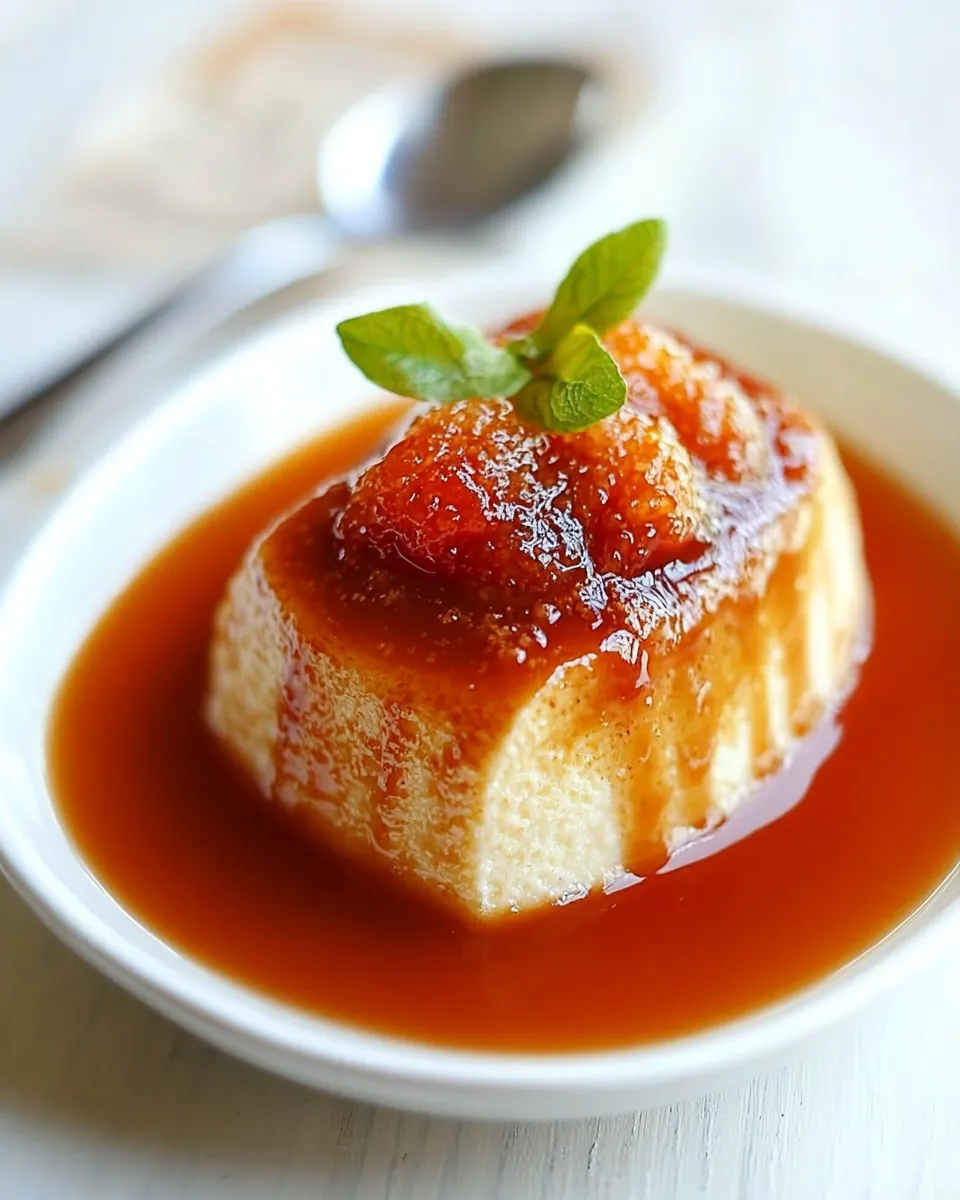
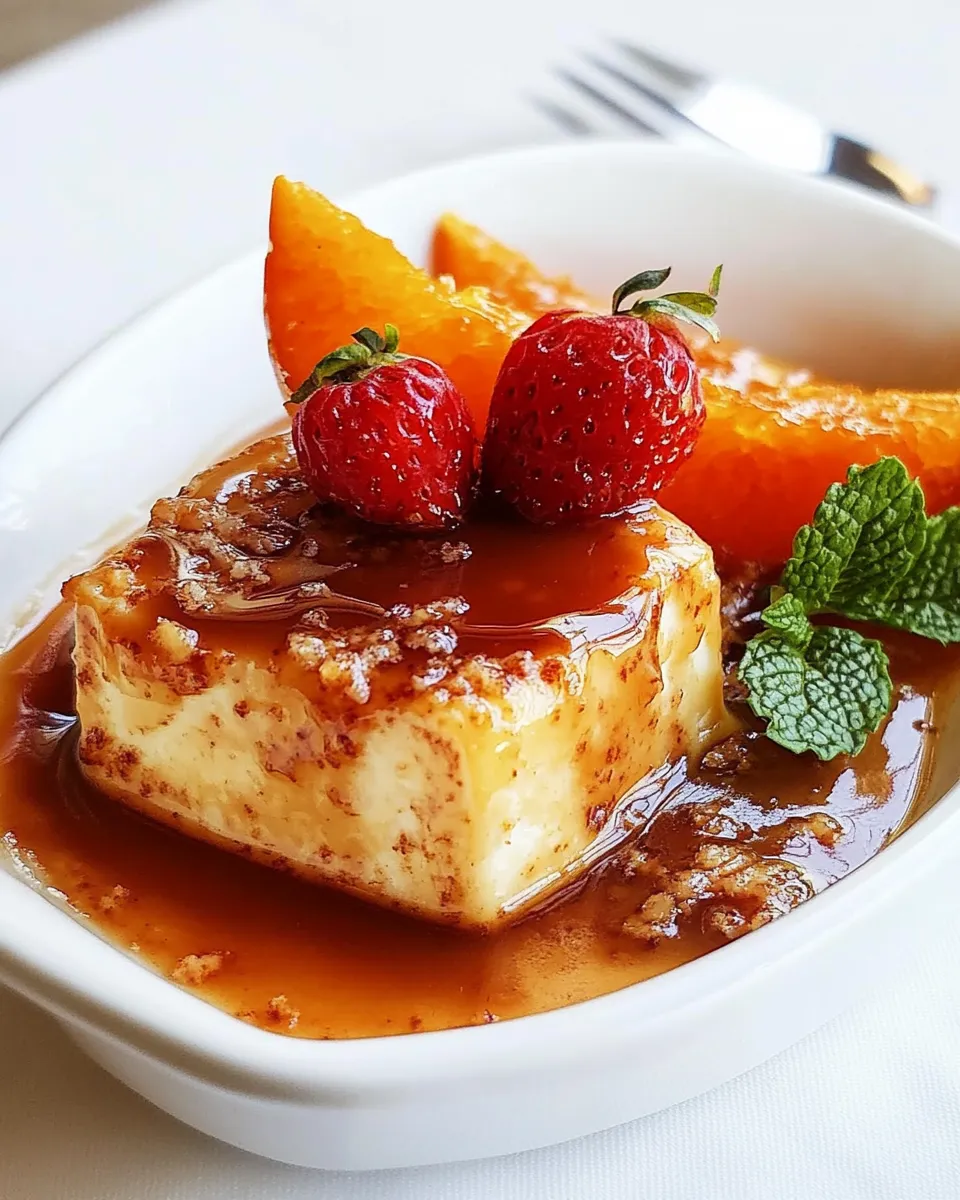
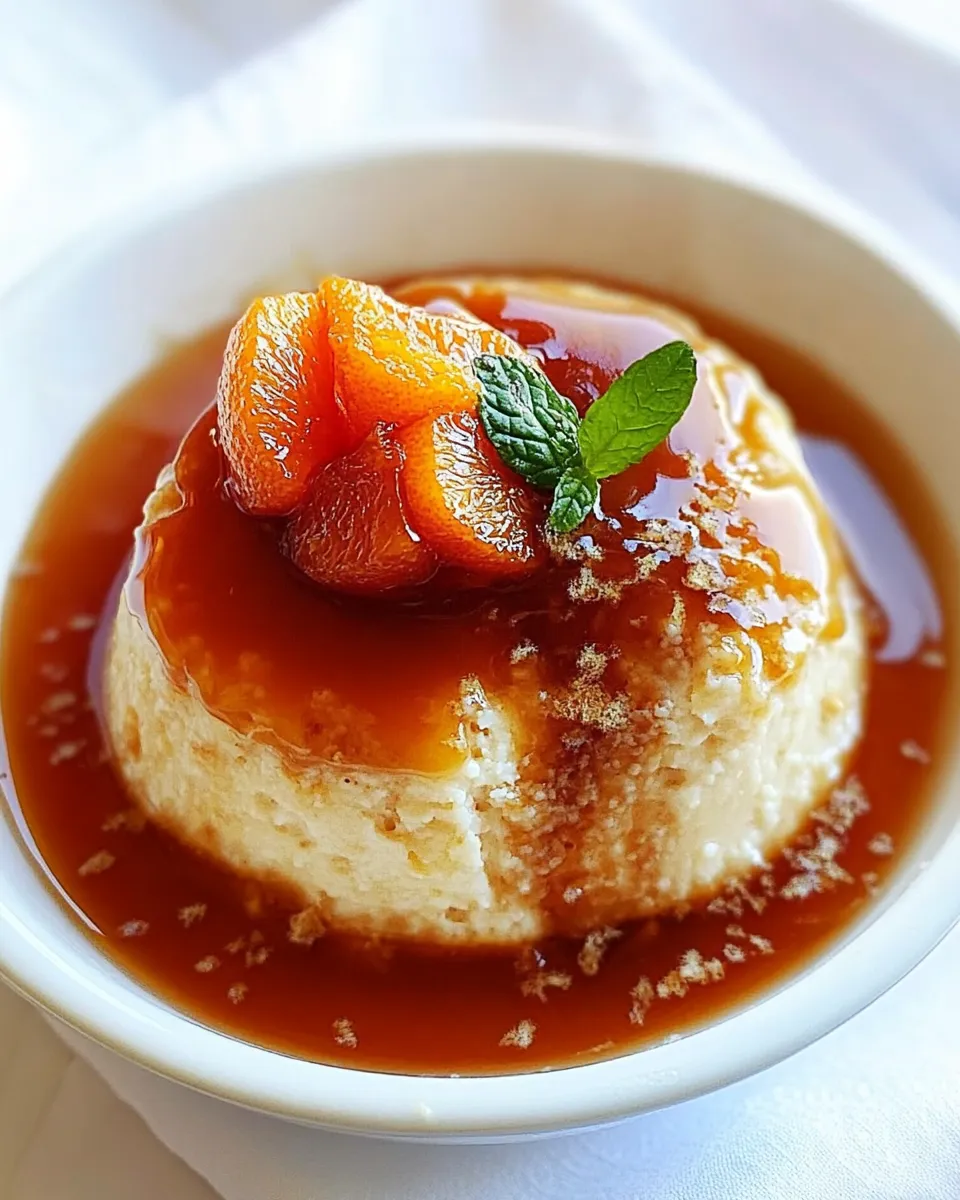
I fell for this custard the first time I watched the caramel sheet over the pan and then puddle around the baked custard. The orange here is a gentle lift, not an assault of citrus — just three strips of peel steeped into milk to give the flan a soft, fragrant brightness. It’s elegant, forgiving, and perfect for making ahead.
This recipe is straightforward: make a thin caramel, infuse milk with orange, temper eggs, bake in a water bath, chill, unmold. Each step matters but none are fussy. If you can watch sugar melt and whisk eggs, you can finish this dessert like a pro.
I’ll walk you through exactly what I use, why each ingredient matters, and common pitfalls I’ve learned to avoid after many batches. There are tips for swaps, storage, and seasonal serving ideas so you can make this dessert feel fresh any time of year.
What We’re Using
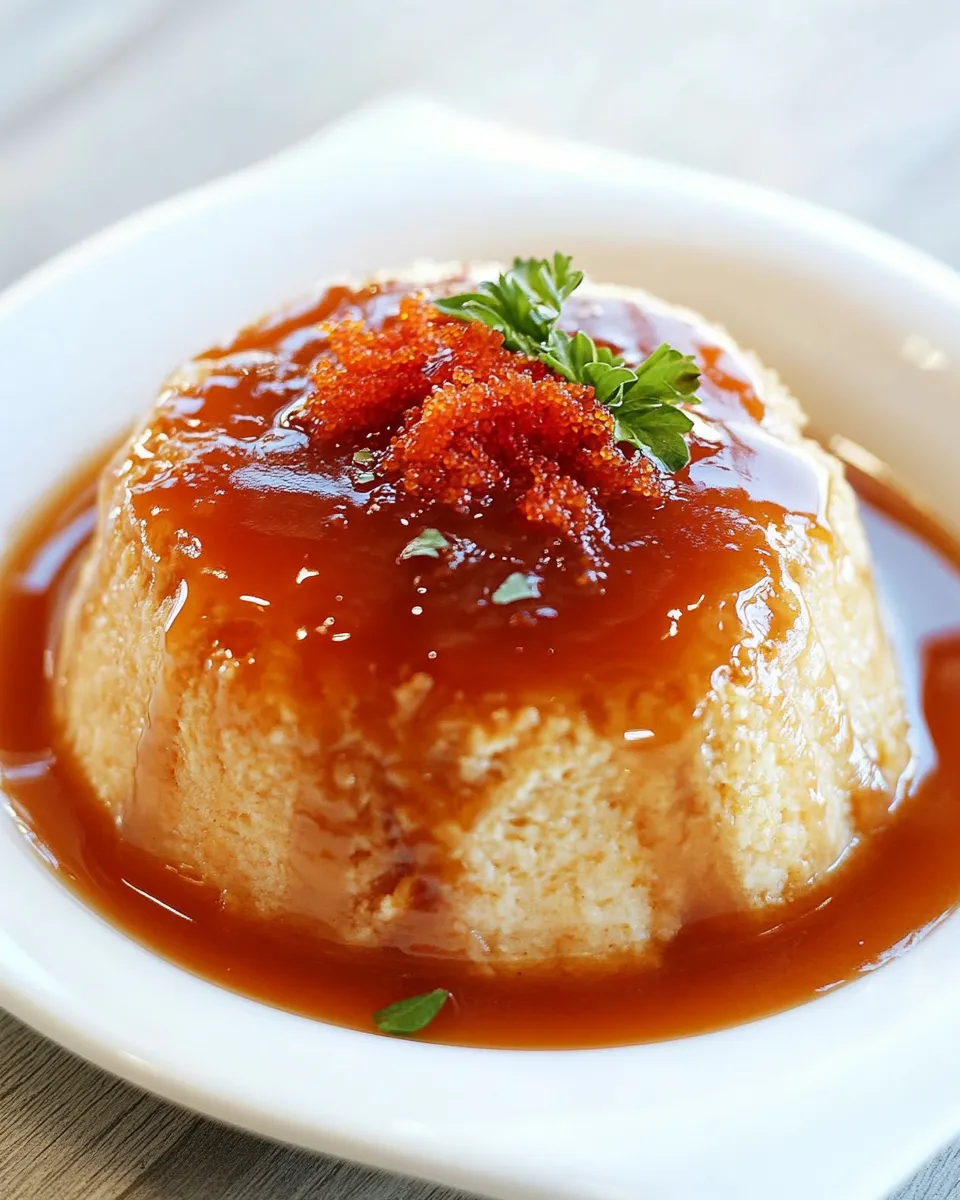
This is a classic creme caramel setup with one citrus twist. I keep the equipment minimal and the technique reliable: caramel first, infuse milk, temper eggs, bake in a bain-marie, chill overnight. The Ingredients section below lists everything you need and a short note for each item.
Ingredients
- 1 cup granulated sugar — for the caramel; watch the color closely to avoid burning.
- 1/4 cup water — helps the sugar dissolve evenly so the caramel cooks smoothly.
- 5 cups milk — the custard base; whole milk gives the best texture and mouthfeel.
- 1 cup sugar — sweetens the custard; dissolve it into the milk during the infusion stage.
- 1/2 teaspoon salt — balances sweetness and enhances the custard’s flavors.
- 1 tablespoon pure vanilla extract — adds depth; stir in after removing the milk from heat.
- 6 extra-large eggs, room temperature — provide structure and silkiness; room temperature helps them blend smoothly.
- 3 strips orange peel — for a delicate citrus aroma; avoid the white pith when peeling.
Orange Creme Caramel: How It’s Done
- Make the caramel: In a small saucepan combine 1 cup granulated sugar and 1/4 cup water. Cook over medium-low heat, stirring until the sugar dissolves. Continue cooking without stirring (you may gently swirl the pan) until the syrup turns a light brown. Remove from heat, carefully tilt the pan to distribute the syrup, and immediately pour the caramel into a bundt pan or pie dish. Tilt the pan to coat the base evenly. Set aside to cool and harden.
- Infuse the milk: In a medium saucepan combine 5 cups milk, 1 cup sugar, 1/2 teaspoon salt, and 3 strips orange peel. Stir to dissolve the sugar, then bring to a slow simmer over medium-low heat. Simmer gently for 20 minutes, stirring occasionally. Remove from heat and stir in 1 tablespoon pure vanilla extract. Let the milk cool until completely cool to the touch (about 1 hour).
- Adjust the oven: Place a rack in the middle of the oven and preheat the oven to 350°F.
- Beat the eggs: In a large bowl, beat 6 extra-large eggs at medium speed with a hand-held mixer for about 3 minutes, until they are light and slightly thickened.
- Strain and temper: Strain the cooled milk through a fine strainer to remove the orange peel. With the mixer on low, slowly pour the cooled, strained milk into the beaten eggs in a thin steady stream to temper the eggs. Continue mixing on low just until the mixture is smooth and large air bubbles are minimized.
- Assemble for baking: Pour the custard mixture into the caramel-lined pan. Place that pan inside a larger ovenproof baking dish or roasting pan.
- Create a water bath and bake: Carefully pour hot (but not boiling) water into the larger pan until it reaches about 1 inch up the sides of the flan pan. Bake on the middle rack for 50–55 minutes, until the custard is set around the edges but still slightly jiggly in the center.
- Cool and chill: Remove the larger pan from the oven and let the flan remain in the water bath until it reaches room temperature. Remove the flan pan from the water bath, cover, and refrigerate overnight (or at least several hours) until thoroughly chilled.
- Unmold and serve: To unmold, run a thin knife around the edge if needed, place a serving plate upside down over the flan pan, invert the plate and pan together, then carefully lift off the pan so the caramel flows over the custard. Slice and serve chilled.
Top Reasons to Make Orange Creme Caramel
- Elegant but unfussy: It looks special on a plate yet requires only basic techniques — caramel, infuse, temper, bake.
- Make-ahead dessert: It improves after chilling, so you can prepare it the day before and relax on the day you serve.
- Bright, subtle citrus lift: The orange peel aroma lifts the custard without overpowering it, which makes it crowd-pleasing.
- Texture contrast: Silky custard paired with bittersweet caramel is classic and satisfying.
- Pantry-friendly: Most of the ingredients are staples; only the orange peel is a fresh element to add.
Ingredient Swaps & Substitutions
Small swaps can shift texture and flavor. Keep in mind that the original ingredient list is balanced for a custard that sets reliably.
- If you want a richer custard: replace up to 1 cup of the 5 cups milk with heavy cream. The result will be creamier and denser.
- If you prefer a lighter custard: use lower-fat milk, but expect a slightly less silky mouthfeel.
- If you don’t have orange peel: use a teaspoon of orange zest stirred in after the milk cools, or a small splash (1/4 teaspoon) of orange extract — use extract sparingly as it’s concentrated.
- Vanilla: vanilla bean (seeds scraped in) will add more aromatic depth than extract; use one small bean in place of the tablespoon of extract.
- Sugar alternatives: subbing brown sugar for some custard sugar will change both taste and color; avoid using liquid sweeteners in place of granulated sugar for the caramel stage.
Tools & Equipment Needed
Bakeware & Pans
- Small saucepan — for the caramel.
- Medium saucepan — for infusing the milk.
- Bundt pan or pie dish — the recipe specifies a pan to hold the caramel and custard.
- Larger ovenproof baking dish or roasting pan — to create the water bath.
Prep & Finishing
- Fine strainer — removes orange peel and any bits for a silky custard.
- Hand-held mixer — to beat eggs and temper smoothly (you can whisk by hand if needed).
- Thin knife and serving plate — for unmolding the flan cleanly.
- Measuring cups and spoons — precise measures help custard set correctly.
Watch Outs & How to Fix
- Caramel burning: sugar can go from golden to burnt quickly. Remove from heat when it reaches a light brown and keep it moving with careful tilts. If it tastes bitter, start over — burnt caramel cannot be saved.
- Curdled custard: if hot milk hits cold eggs too fast or the eggs get cooked during tempering, you’ll see bits. Fix by straining the mixture through a fine sieve to remove any curdled pieces; ensure the milk has cooled before tempering.
- Overcooked, rubbery custard: that’s from overbaking. Aim for set edges with a slightly jiggly center. If it’s overbaked, the texture will be firm and less creamy — serve chilled, but note texture loss.
- Undercooked center: if the center is too loose after the full bake time, give it another 10 minutes in the water bath. Always cool it in the bath until room temperature before chilling.
- Sticky caramel on the bottom of the pan when unmolding: warm the bottom of the pan briefly over a warm towel or run a thin knife gently around the edge to help release.
Spring–Summer–Fall–Winter Ideas
Seasonal touches keep this dessert feeling fresh.
- Spring: garnish with thin slices of fresh orange and a few edible flowers for a light, pretty presentation.
- Summer: serve slices with a spoonful of macerated berries or a light berry coulis to balance the caramel sweetness.
- Fall: add a pinch of ground cardamom or cinnamon to the milk during infusion for a warm spice note that pairs with orange.
- Winter: swap the orange peel for a strip of orange and a strip of lemon peel for deeper citrus complexity; a tiny sprinkle of flaked sea salt over the caramel can be lovely too.
What Could Go Wrong
Knowing where things commonly fail helps you avoid them. Here are the likely issues and their causes.
- Sugar crystallizing while making caramel — usually from stirring when crystals form or having sugar splashed on the pan sides. Use a wet pastry brush to wash down crystals or avoid stirring once dissolved; gently swirl instead.
- Large bubbles/foam in the custard — overbeating eggs or whisking too aggressively introduces air. Mix just until combined and strain before baking to remove foam.
- Water leaking into the custard — if the flan pan isn’t ovenproof or the water bath is too deep, water can get in. Use a snug-fitting pan and pour water to about 1 inch up the sides only.
- Caramel too hard to slice through after chilling — let the flan sit at room temperature a few minutes before slicing so the caramel softens slightly and cuts cleaner.
Save for Later: Storage Tips
Proper storage keeps texture and flavor intact.
- Refrigerate: cover the flan loosely with plastic wrap or transfer slices to an airtight container. Store in the refrigerator for up to 3–4 days for best quality.
- Freezing: not recommended. Freezing changes the custard’s texture and causes separation; the result becomes grainy once thawed.
- Transporting: transport the flan chilled and unmolded if possible. If you must move it before unmolding, secure the pan to prevent tipping and keep it cold.
Reader Questions
Below are answers to common questions I get from readers who try this recipe.
- Q: Can I use a different pan shape? A: Yes. A bundt pan gives a ring shape and is beautiful; a shallow pie dish will work but will change the thickness and bake time slightly.
- Q: How do I ensure the custard sets? A: Use the exact proportions, temper the eggs slowly, and watch the bake time. The center should be slightly jiggly — it will firm up in the fridge.
- Q: Will the orange be too strong? A: No. Three strips of peel gently infuse 5 cups of milk, creating a delicate aroma rather than a punchy citrus flavor. Remove peels after infusion to avoid bitterness.
- Q: Can I prepare it in individual ramekins? A: Yes. Bake time will be shorter for smaller portions; check after 30–35 minutes depending on size.
Hungry for More?
If you loved the silky custard and caramel balance here, try other simple custards and poached fruit recipes next. They’re similarly impressive, make-ahead friendly, and perfect for finishing a dinner on a sweet, elegant note.
Make this Orange Creme Caramel when you want a dessert that looks special but doesn’t demand last-minute work. It rewards patience and a little attention, and it’s one of those desserts guests always ask about.
Orange Creme Caramel
Ingredients
Ingredients
- 1 cupgranulated sugar
- 1/4 cupwater
- 5 cupsmilk
- 1 cupsugar
- 1/2 teaspoonsalt
- 1 tablespoonpure vanilla extract
- 6 extra largelarge eggsroom temperature
- 3 stripsorange peel
Instructions
Instructions
- Make the caramel: In a small saucepan combine 1 cup granulated sugar and 1/4 cup water. Cook over medium-low heat, stirring until the sugar dissolves. Continue cooking without stirring (you may gently swirl the pan) until the syrup turns a light brown. Remove from heat, carefully tilt the pan to distribute the syrup, and immediately pour the caramel into a bundt pan or pie dish. Tilt the pan to coat the base evenly. Set aside to cool and harden.
- Infuse the milk: In a medium saucepan combine 5 cups milk, 1 cup sugar, 1/2 teaspoon salt, and 3 strips orange peel. Stir to dissolve the sugar, then bring to a slow simmer over medium-low heat. Simmer gently for 20 minutes, stirring occasionally. Remove from heat and stir in 1 tablespoon pure vanilla extract. Let the milk cool until completely cool to the touch (about 1 hour).
- Adjust the oven: Place a rack in the middle of the oven and preheat the oven to 350°F.
- Beat the eggs: In a large bowl, beat 6 extra-large eggs at medium speed with a hand-held mixer for about 3 minutes, until they are light and slightly thickened.
- Strain and temper: Strain the cooled milk through a fine strainer to remove the orange peel. With the mixer on low, slowly pour the cooled, strained milk into the beaten eggs in a thin steady stream to temper the eggs. Continue mixing on low just until the mixture is smooth and large air bubbles are minimized.
- Assemble for baking: Pour the custard mixture into the caramel-lined pan. Place that pan inside a larger ovenproof baking dish or roasting pan.
- Create a water bath and bake: Carefully pour hot (but not boiling) water into the larger pan until it reaches about 1 inch up the sides of the flan pan. Bake on the middle rack for 50–55 minutes, until the custard is set around the edges but still slightly jiggly in the center.
- Cool and chill: Remove the larger pan from the oven and let the flan remain in the water bath until it reaches room temperature. Remove the flan pan from the water bath, cover, and refrigerate overnight (or at least several hours) until thoroughly chilled.
- Unmold and serve: To unmold, run a thin knife around the edge if needed, place a serving plate upside down over the flan pan, invert the plate and pan together, then carefully lift off the pan so the caramel flows over the custard. Slice and serve chilled.
Equipment
- Small Saucepan
- Medium Saucepan
- bundt pan or pie dish
- larger ovenproof baking dish or roasting pan
- fine strainer
- hand-held mixer
- Oven
Notes
Nutrition calculated per serve.
Store in the fridge covered for up to 4 days.