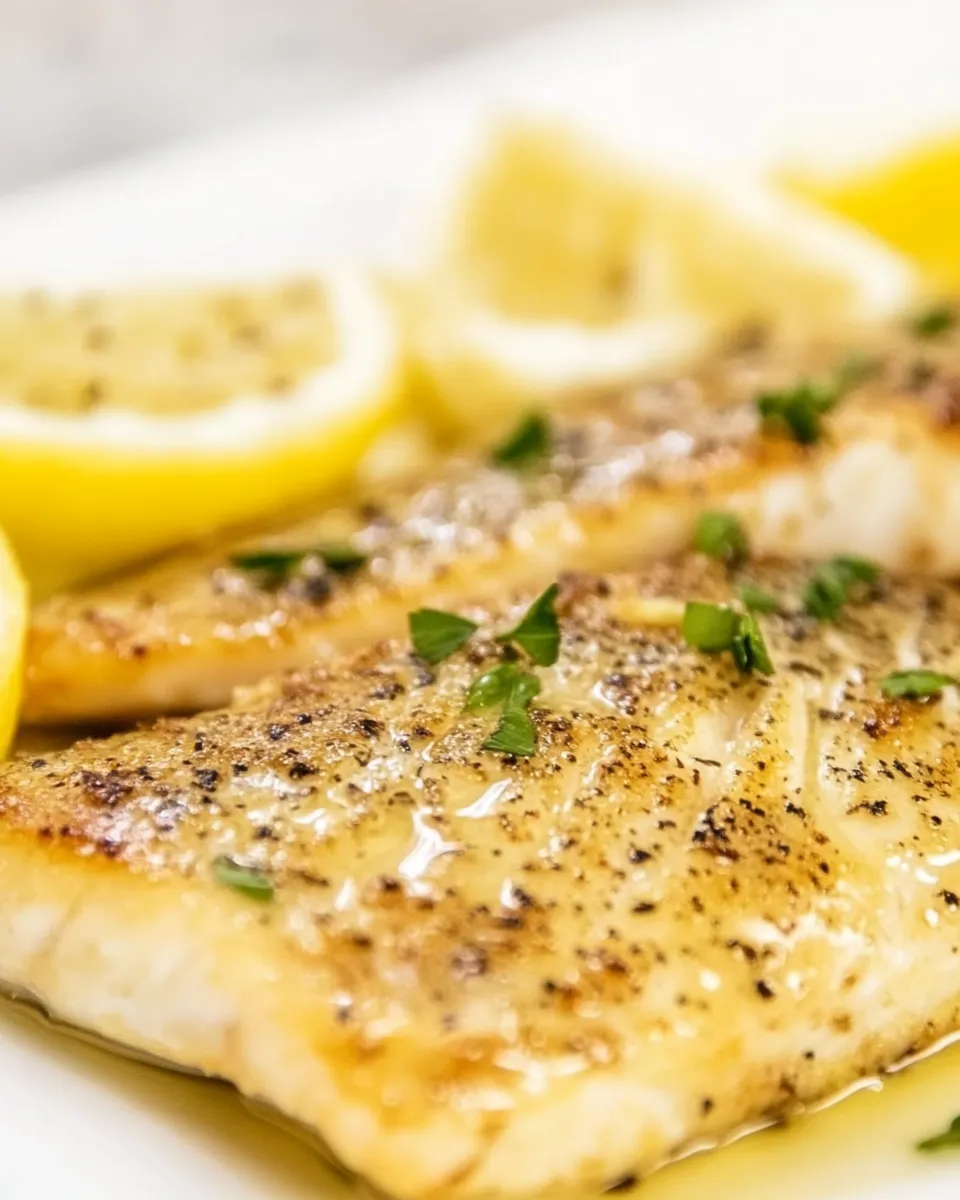
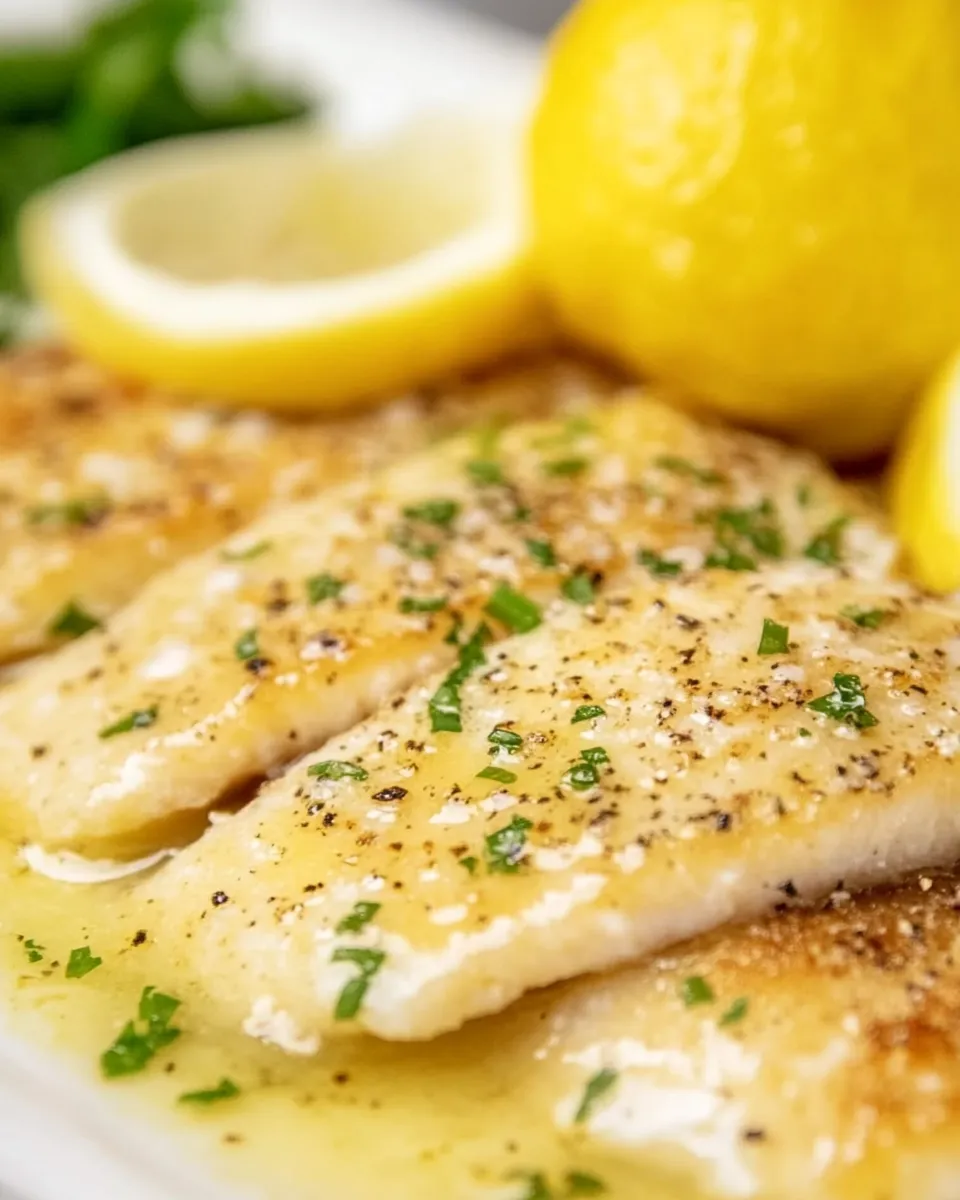
I fell for rainbow trout the first time I seared it until the skin crackled and the flesh flaked apart like butter. It’s quick, forgiving, and it lets a few good ingredients do all the talking. This version leans into lemon, garlic and butter for a simple finish that tastes like home without being fussy.
What I love about this dish is how little it asks of you: a hot pan, a dry fillet, and a few minutes on each side. The payoff is immediate—crispy exterior, tender interior, and bright lemon cutting through the richness. It’s weeknight-friendly, dinner-party-ready, and fast enough to make on a night when you only have thirty minutes between work and the door.
Below you’ll find exactly what I use, the step-by-step that never fails me, troubleshooting tips, and storage notes so leftovers stay great. Read through once, then get the pan hot and enjoy the kind of meal that feels like effort but tastes effortless.
What’s in the Bowl
Ingredients
- 4 rainbow trout fillets (4-6 ounces each) — the star: choose even-sized fillets so they cook at the same rate.
- 1/2 teaspoon salt — seasons through and enhances the trout’s natural flavor; use kosher or table, but adjust if your salt is coarse.
- 1/2 teaspoon pepper — simple heat and aromatics; freshly cracked is best if you have it.
- 2 tablespoons lemon juice — brightens the dish and helps firm the flesh slightly before cooking.
- 1 tablespoon olive oil — used to heat the pan and prevent sticking; it also helps the trout develop color.
- 3 tablespoons butter — for basting and richness; melt into a glossy garlic butter to finish the fish.
- 5 cloves garlic, minced — aromatics to flavor the butter; mince finely so it releases flavor fast without burning.
Pan Seared Rainbow Trout: Step-by-Step Guide
- Pat the 4 trout fillets dry with paper towels. Sprinkle the 1/2 teaspoon salt and 1/2 teaspoon pepper evenly over both sides of the fillets. Rub the 2 tablespoons lemon juice over all the fillets.
- Heat 1 tablespoon olive oil in a large non-stick skillet over medium heat until the oil is shimmering.
- Place the fillets in the skillet flesh side down (or skin side down if the fillets still have skin). Press each fillet lightly with a spatula so the surface makes good contact with the pan. Sear without moving for 3–4 minutes, until that side is golden and crispy.
- Carefully flip each fillet. Reduce heat slightly if the pan is very hot.
- Add the 3 tablespoons butter and the 5 cloves minced garlic to the pan. Spoon the melted butter and garlic over the fillets as they cook for 1–2 minutes more, until the fish is opaque through and flakes easily with a fork and the garlic is fragrant but not burned.
- Transfer the fillets to a plate, spoon the garlic butter from the pan over them, and let rest about 1 minute before serving.
What Makes This Recipe Special
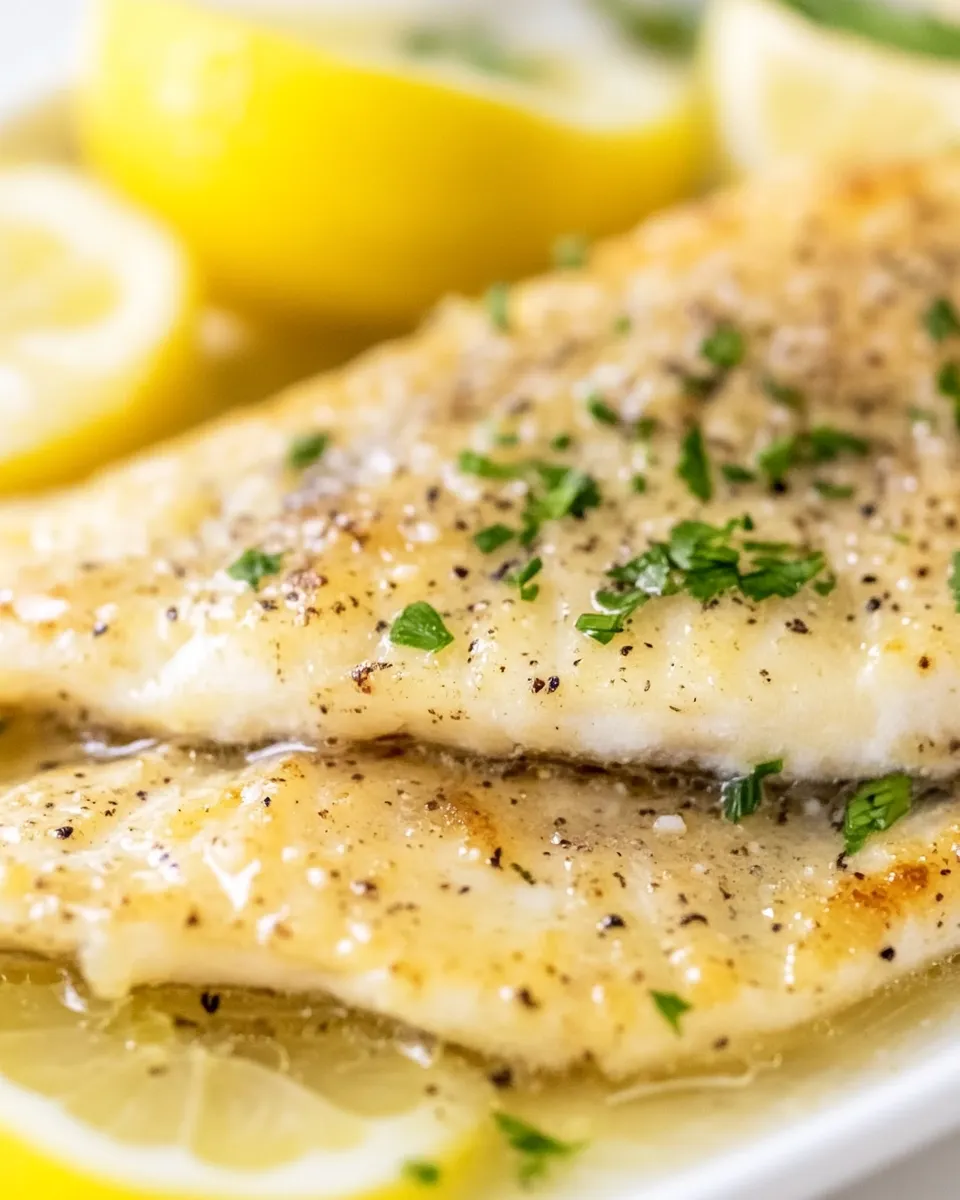
This recipe is built on contrast: a crisped exterior against a soft, flaky interior. The technique is straightforward—dry the fish, hot pan, leave it alone—so you get a reliable Maillard crust without fuss. Lemon brightens, garlic enriches, and butter adds silkiness. Together they highlight, not overwhelm, the delicate flavor of rainbow trout.
It’s also remarkably fast. From patting dry to plating, you can have dinner on the table in under twenty minutes. That speed doesn’t mean sacrifice; the steps focus on small, repeatable actions that produce big flavor every time.
No-Store Runs Needed
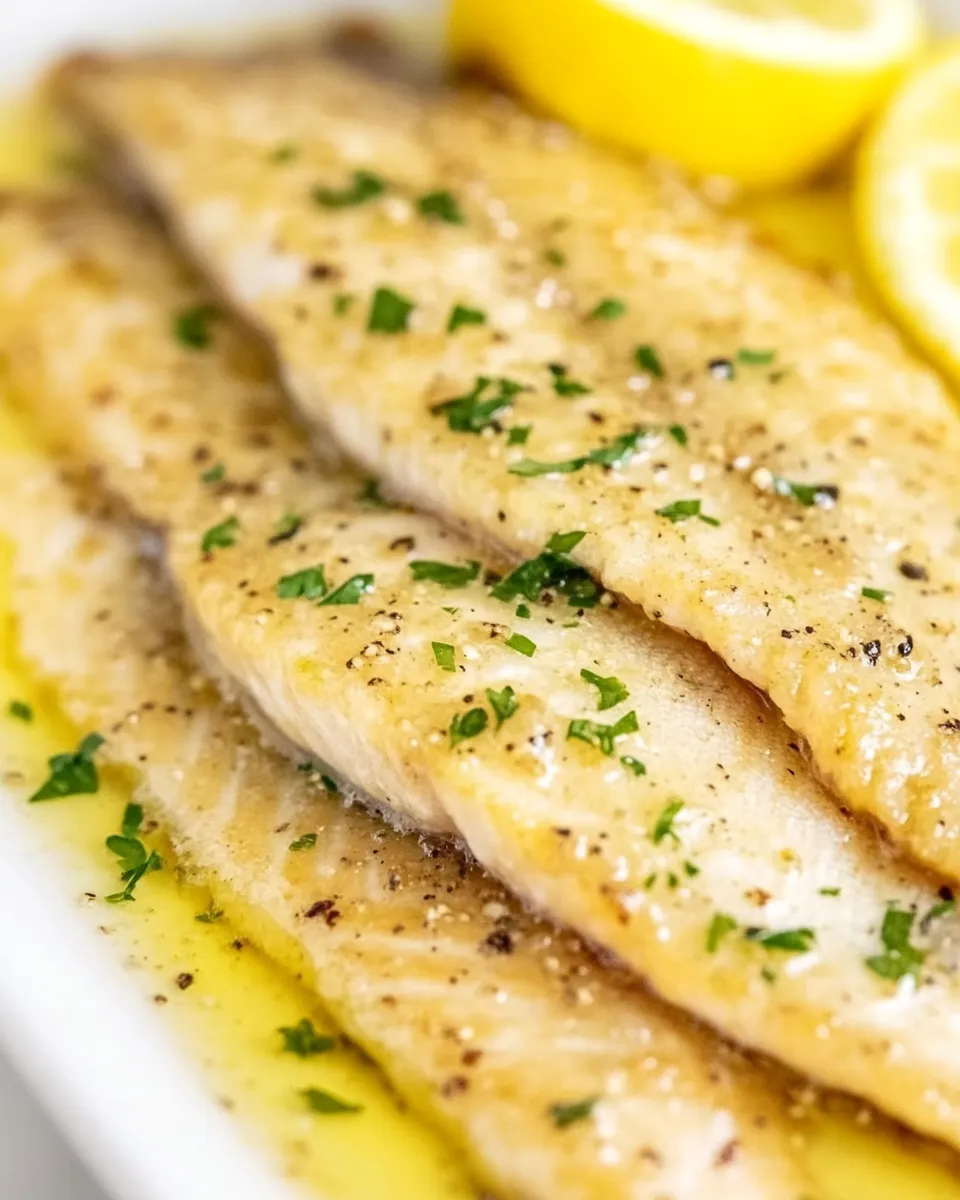
Check your pantry: salt, pepper, olive oil and butter are the only non-protein items this recipe requires. If you keep a jar of garlic or a small lemon on hand, you’re set. The method doesn’t rely on any specialty ingredients, which means you can make a thoughtful fish dinner without a trip to the store.
If you have frozen trout fillets, thaw them in the refrigerator the night before and pat dry well before cooking. The rest of the ingredients are likely already in your kitchen.
Before You Start: Equipment
Must-have
- Large non-stick skillet — the recipe calls for non-stick to help prevent sticking and make flipping easier.
- Spatula — a thin, flexible spatula helps press fillets for contact and flip without tearing.
- Paper towels — for thoroughly drying the fillets, which is essential for a good sear.
Nice-to-have
- Tongs — for gentle handling when flipping thicker fillets.
- Instant-read thermometer — useful if you prefer to check doneness: trout is done at 145°F (63°C), but visual cues here work well.
Troubles You Can Avoid
- Sticking to the pan: Make sure the fillets are well dried and the oil is shimmering before the fish hits the pan. Don’t overcrowd the skillet; give each fillet room.
- Rubbery texture: Overcooking causes dryness. Watch the timing—3–4 minutes on the first side and 1–2 minutes after flipping is usually enough for 4–6 ounce fillets.
- Burned garlic: Garlic browns quickly and can turn bitter. Add it when you add the butter and keep the heat slightly reduced so you can baste gently without burning the garlic.
- Uneven cooking: Use fillets that are similar in thickness. If one piece is much thicker, move it to a slightly cooler spot in the pan after flipping so the thinner pieces don’t overcook.
Substitutions by Diet
- Dairy-free: Replace the 3 tablespoons butter with extra olive oil or a neutral oil for basting. The lemon and garlic still provide bright flavor.
- Lower sodium: Cut the salt in half and finish with a squeeze of lemon at the table to boost flavor without more sodium.
- Garlic-free: If you need to skip garlic, increase the lemon slightly and consider adding a small pinch of smoked paprika with the pepper for an aromatic lift.
Behind-the-Scenes Notes
Why pat the fillets dry? Moisture is the enemy of crust. Any dampness on the surface creates steam and prevents a proper sear. A dry surface equals better color and texture.
Pressing the fillet gently into the pan for the first few seconds ensures full contact and even browning. Resist the urge to flip too soon—moving the fish before the crust sets can tear the surface and make it stick.
Butter and garlic are added after flipping so the garlic doesn’t burn while you’re trying to get a crust. The butter melts and carries the garlic’s flavor, and spooning that seasoned butter over the fish both bastes and adds gloss.
Storing Tips & Timelines
- Refrigerate: Cool cooked trout to room temperature no longer than two hours after cooking, then store in an airtight container in the refrigerator for up to 3 days.
- Freeze: Wrap fillets tightly in plastic wrap and place in a freezer bag for up to 2 months. Thaw overnight in the refrigerator before reheating.
- Reheating: Reheat gently in a low oven (about 275°F/135°C) for 8–10 minutes, or briefly in a skillet over low heat, spooning reserved butter or olive oil over the top to keep the fish moist. Microwaving will work but may make the texture less appealing.
Ask the Chef
Common questions I get
- Can I use frozen trout? Yes—thaw it completely in the refrigerator before cooking and pat it dry. Excess moisture will prevent a good sear.
- Do I need the skin? Skin helps protect the flesh during searing and crisps nicely. If your fillets have skin, start skin-side down and keep the skin on until serving.
- How do I know when it’s done? The fish should be opaque and flake easily with a fork. If you use a thermometer, 145°F (63°C) is a safe internal temperature, but I often rely on visual cues for small fillets.
Final Thoughts
This pan seared rainbow trout recipe is a reliable weeknight hero. It relies on technique more than complexity, and that’s what makes it repeatable. Focus on dry fillets, a hot pan, and careful timing—then let the lemon, garlic and butter do the rest.
Serve it with a simple salad, roasted vegetables, or steamed rice and you have a dinner that feels composed without taking all evening. Keep this method in your repertoire and you’ll have a go-to fish dish ready for any night of the week.
Pan Seared Rainbow Trout
Ingredients
Ingredients
- 4 rainbow trout fillets4-6 ounces each
- 1/2 teaspoonsalt
- 1/2 teaspoonpepper
- 2 tablespoonslemon juice
- 1 tablespoonolive oil
- 3 tablespoonsbutter
- 5 clovesgarlicmincec
Instructions
Instructions
- Pat the 4 trout fillets dry with paper towels. Sprinkle the 1/2 teaspoon salt and 1/2 teaspoon pepper evenly over both sides of the fillets. Rub the 2 tablespoons lemon juice over all the fillets.
- Heat 1 tablespoon olive oil in a large non-stick skillet over medium heat until the oil is shimmering.
- Place the fillets in the skillet flesh side down (or skin side down if the fillets still have skin). Press each fillet lightly with a spatula so the surface makes good contact with the pan. Sear without moving for 3–4 minutes, until that side is golden and crispy.
- Carefully flip each fillet. Reduce heat slightly if the pan is very hot.
- Add the 3 tablespoons butter and the 5 cloves minced garlic to the pan. Spoon the melted butter and garlic over the fillets as they cook for 1–2 minutes more, until the fish is opaque through and flakes easily with a fork and the garlic is fragrant but not burned.
- Transfer the fillets to a plate, spoon the garlic butter from the pan over them, and let rest about 1 minute before serving.
Equipment
- large non-stick skillet
- Spatula
- Paper Towels
Notes
TO STORE
: Leftovers can be stored in the refrigerator, covered, for up to three days.
TO FREEZE
: Place the grilled and cooled fish in an airtight container and store it in the freezer for up to two months.
TO REHEAT
: Microwave the fish for 30-40 seconds or reheat in a non-stick pan until crispy.
Grill method
: Grease a charcoal grill or grill pan and place over medium-high heat. Once hot, add the fillets and cook for 3-4 minutes on each side.
Oven method
: Place the seasoned trout on a sheet pan with parchment paper or aluminum foil and bake in a preheated oven at 180C/350F for 17-20 minutes.