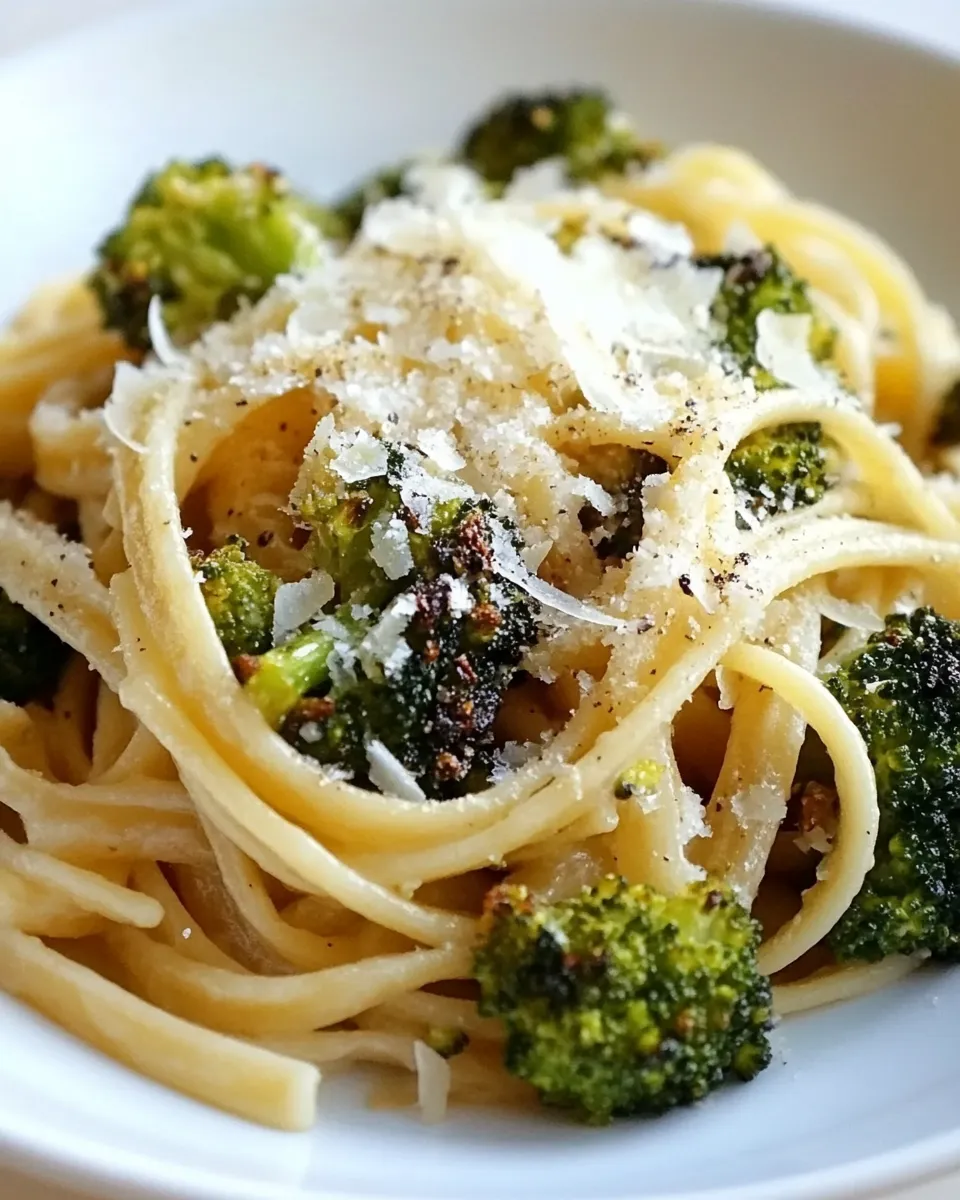
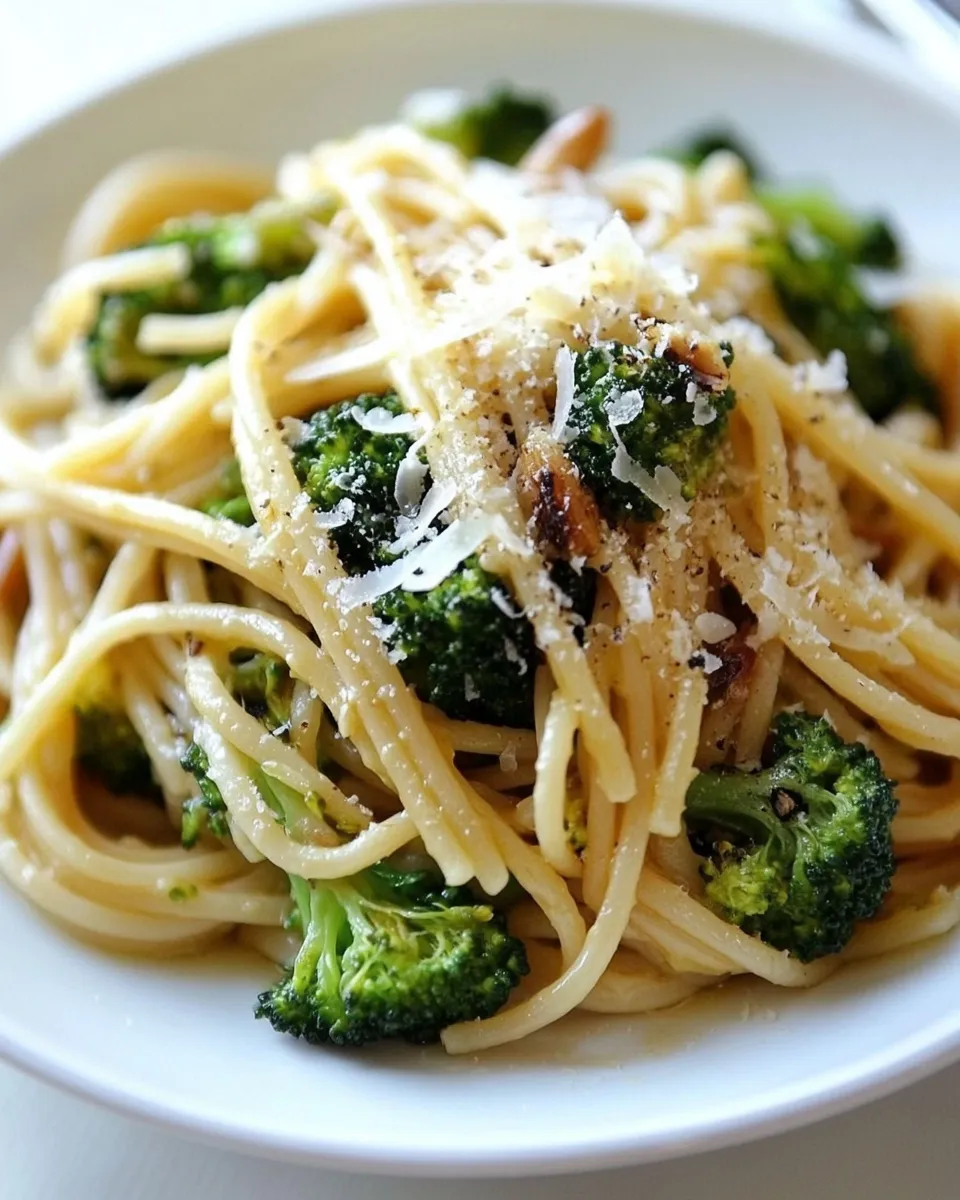
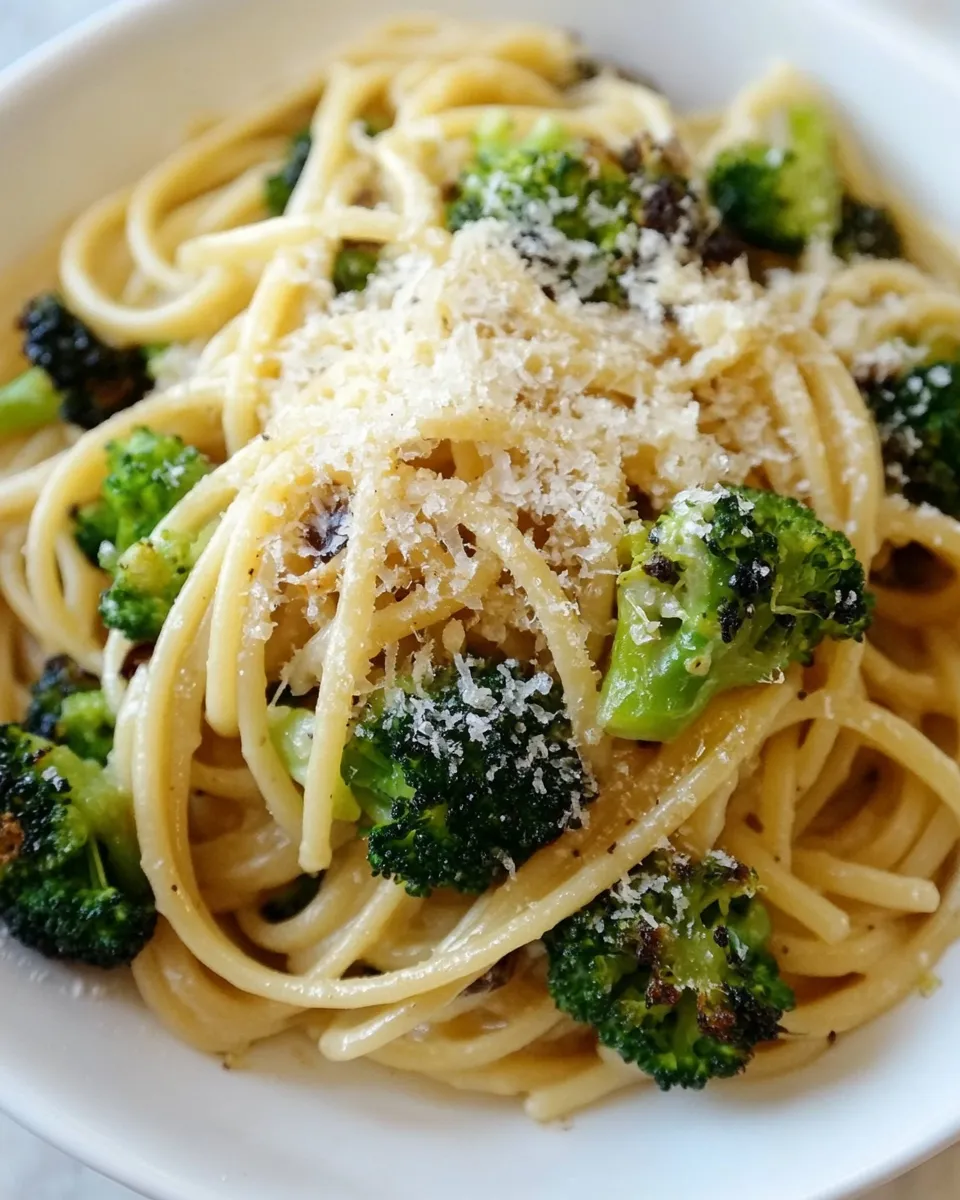
I make this pasta on weeknights when I want something honest and fast that still feels a little special. It’s one of those recipes that relies on a few good moves—hot oven, properly smashed garlic, and the patience to reserve pasta water—that turn simple ingredients into a cohesive, comforting dish. The broccoli roasts until the edges char and the garlic softens; the pasta and cheese tie everything together into a silky finish.
There’s no heavy sauce here, just olive oil, Pecorino Romano and the fond from the pan. That makes it quick to pull together, forgiving to scale up, and easy to dress up if you want to. It’s also forgiving if your broccoli florets vary in size—as long as you give them room on the pan they’ll roast instead of steam.
Below you’ll find a clear ingredient breakdown, the step-by-step directions used as the source of truth, practical tips to avoid common problems, and seasonal variations so this stays useful from spring through winter. Read straight through if you’re cooking now, or bookmark for a simple dinner that always lands.
Ingredient Breakdown
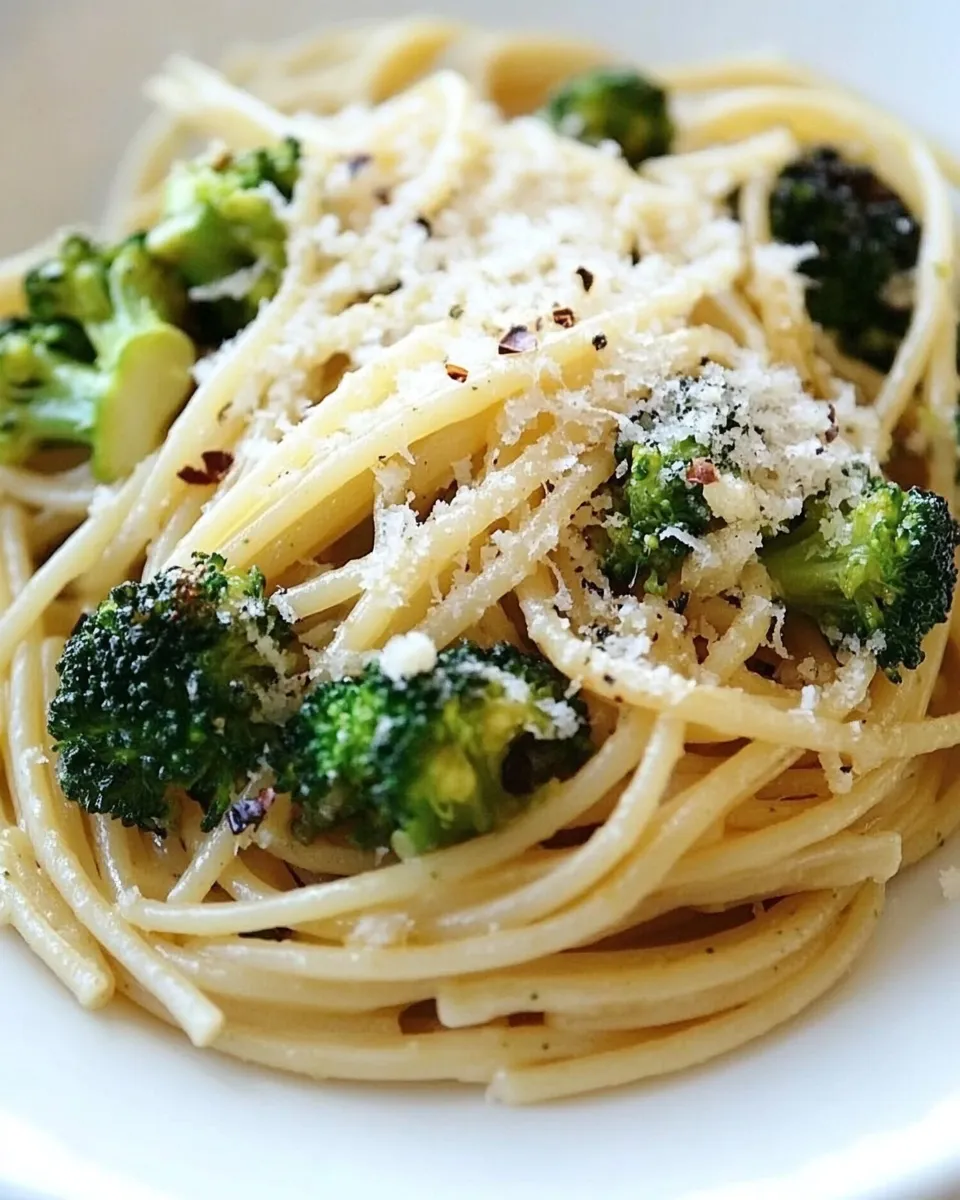
- 8 oz pasta — the starch base; pick a shape that catches little bits of broccoli and cheese (spaghetti, penne, or orecchiette all work).
- 1 1/2 lbs broccoli florets — the star vegetable; roasted for color and a slightly sweet, nutty flavor.
- 6–8 cloves garlic, smashed — provides mellow roasted garlic flavor without raw sharpness; smashing keeps the cloves intact while releasing flavor.
- 2 tablespoons extra virgin olive oil — for roasting and flavor; coats the broccoli so it browns and helps carry the garlic flavor through the dish.
- kosher salt and fresh pepper — seasoning for both the broccoli and the final dish; salt boosts flavor, pepper adds brightness.
- 1/4 cup fresh grated Pecorino Romano — salty, tangy finishing cheese that binds the pasta when combined with starchy pasta water.
Step-by-Step: Pasta with Roasted Broccoli, Garlic and Oil
- Preheat the oven to 450°F.
- In a baking dish, combine 1 1/2 lbs broccoli florets, 6–8 smashed garlic cloves and 2 tablespoons extra virgin olive oil; season with kosher salt and fresh pepper and toss to coat. Spread the broccoli in a single layer.
- Roast for about 20 minutes, tossing once halfway through, until the broccoli is browned and tender.
- Meanwhile, bring a large pot of salted water to a boil.
- Add 8 oz pasta and cook according to package directions until al dente.
- Before draining, reserve 1 cup of the pasta cooking water. Drain the pasta.
- Add the drained pasta to the baking dish with the roasted broccoli and garlic and toss to combine.
- Add 1/2 cup of the reserved pasta water and 1/4 cup fresh grated Pecorino Romano; toss until the pasta is coated, adding more reserved pasta water if needed to reach the desired consistency.
- Taste and adjust with kosher salt and fresh pepper as needed, then serve immediately.
The Upside of Pasta with Roasted Broccoli, Garlic and Oil
This dish wins because it’s efficient, flexible, and flavorful without fuss. The roast concentrates the broccoli’s flavor and softens the garlic so you get rounded, sweet aromatics instead of sharp raw garlic. The pasta water is your secret emulsifier; it links the oil and cheese into a silky coating that clings to the pasta and broccoli.
It’s vegetarian and easy to make vegan if you swap or omit the Pecorino. It scales well—double the broccoli and pasta if you’re feeding a crowd—and it works with pantry staples you likely already have. Because there’s no heavy cream or butter required, it feels lighter while still being satisfying.
Finally, the technique reinforces a couple of reliable kitchen habits: roast vegetables on a single layer, don’t skip the pasta water, and season in layers. Those small practices make a big difference in a ten-ingredient-or-less meal.
Low-Carb/Keto Alternatives
- Zucchini noodles or spiralized summer squash — roast the broccoli as instructed, then toss with zucchini ribbons briefly; zucchini will soften quickly, so add it after the pasta step and warm through rather than roasting together.
- Shirataki noodles — rinse and dry them well, then heat in a hot pan to remove excess moisture before tossing with the broccoli and oil.
- Cauliflower rice — for a bowl-style option, mix roasted broccoli and smashed garlic into cauliflower rice and finish with Pecorino or a lower-carb hard cheese.
Gear Up: What to Grab
- Large baking dish or rimmed baking sheet — roomy enough for broccoli in a single layer so it roasts instead of steams.
- Large pot — for boiling pasta and holding salted water.
- Colander — to drain pasta safely, ideally with one hand free to reserve pasta water.
- Tongs or a large spoon — for tossing pasta with broccoli and cheese without crushing the florets.
- Microplane or fine grater — to grate the Pecorino fresh; it melts into the sauce more cleanly than pre-grated cheese.
Problems & Prevention
Broccoli steams, not roasts
Problem: The broccoli comes out pale and limp. Prevention: Spread florets in a single layer with space between pieces. Overcrowding traps steam; use a larger sheet or roast in two batches.
Garlic burns and becomes bitter
Problem: Garlic turns black and tastes acrid. Prevention: Smash the cloves and leave them mostly whole for roasting. Whole smashed cloves soften and caramelize instead of crispening too quickly. If you notice browning early, lower the oven temperature slightly or move the dish off the direct heat for the last minutes.
Pasta finishes dry or clumpy
Problem: The final dish lacks a cohesive sauce. Prevention: Use the reserved pasta water; start with 1/2 cup as directed and add more a little at a time. The starch in the water binds oil and cheese into a silky emulsion.
Underseasoned final dish
Problem: It tastes flat after combining. Prevention: Season in layers—salt the boiling water, season the broccoli before roasting, and taste at the end. Pecorino adds salt, so adjust cautiously once it’s in.
Variations by Season
Spring
Add blanched peas and a squeeze of lemon juice at the end for brightness. Fresh herbs like mint or parsley folded in right before serving make the dish feel lighter and fresher.
Summer
Toss in halved cherry tomatoes (raw or briefly roasted alongside the broccoli) for sweet acidity. Fresh basil at the finish complements the warm garlic and olive oil.
Fall
Stir in toasted walnuts or chopped toasted hazelnuts for crunch and a deeper, nutty note. A dash of crushed red pepper brings warmth as the evenings cool.
Winter
Mix in chunks of roasted squash or little cubes of pancetta if you want more heft. Finish with extra Pecorino and cracked black pepper to stand up to winter flavors.
Chef’s Notes
- Size matters: Cut broccoli florets into similar sizes so everything roasts evenly. Big stems are fine—slice them so they cook in roughly the same time as the florets.
- Smashing garlic: Place the flat side of a knife over a clove and press gently to loosen the skin, then give it a quick whack to flatten. The garlic will brown without burning if kept whole or nearly whole.
- Oil choice: Extra virgin olive oil gives flavor; don’t use too little or the broccoli will dry out. Two tablespoons is the right amount for 1 1/2 lbs broccoli here.
- Cheese: Freshly grated Pecorino Romano melts better and tastes brighter than pre-grated varieties. If you prefer a milder finish, substitute Parmigiano-Reggiano.
- Make it ahead: Roast the broccoli and store separately from the pasta for up to a day, then combine and toss with warm pasta and reserved pasta water when ready.
Shelf Life & Storage
Refrigerate leftovers in an airtight container for 3–4 days. The broccoli will continue to soften, and the pasta may absorb more of the liquid; when reheating, loosen the dish with a splash of water or a teaspoon of olive oil and reheat gently in a skillet or microwave until warmed through.
Freezing is possible but not ideal: roasted broccoli becomes mushy after thawing, and the texture of the pasta changes. If you must freeze, store in a well-sealed container for up to one month and accept a change in texture upon thawing and reheating.
Ask the Chef
Can I use frozen broccoli?
Yes. Thaw and pat dry so excess moisture doesn’t steam the broccoli; then roast on a hot pan until the edges brown. You may need a slightly longer roast to develop color.
What pasta shape is best?
Any shape works, but short shapes like penne, rigatoni, and orecchiette trap bits of broccoli and garlic well. Long pasta like spaghetti or linguine creates a lighter, more cohesive toss.
Can I skip the Pecorino?
Yes, but the cheese adds salt and umami. If you omit it, taste and add a little extra kosher salt at the end. For a vegan option, use nutritional yeast and a touch more pasta water to build creaminess.
Is the recipe spicy?
No—but you can add crushed red pepper flakes when you toss everything together if you want heat. Add sparingly and taste as you go.
Bring It Home
This Pasta with Roasted Broccoli, Garlic and Oil is a practical weeknight winner—fast to pull together, flexible with what’s in your fridge, and honest in flavor. The technique translates to other roasted veg too, so once you’ve mastered the toss with pasta water and cheese, you can riff endlessly.
If you try it, roast the broccoli until it has real color, reserve that pasta water, and taste at the end. Small adjustments—salt, a squeeze of lemon, a pinch of red pepper—will make it yours. I hope it becomes one of your go-to dinners.

Pasta with Roasted Broccoli, Garlic and Oil
Ingredients
Ingredients
- 8 ozpasta
- 1 1/2 lbsbroccoli florets
- 6-8 clovesgarlic smashed
- 2 tbspextra virgin olive oil
- kosher salt and fresh pepper
- 1/4 cupfresh grated Pecorino Romano
Instructions
Instructions
- Preheat the oven to 450°F.
- In a baking dish, combine 1 1/2 lbs broccoli florets, 6–8 smashed garlic cloves and 2 tablespoons extra virgin olive oil; season with kosher salt and fresh pepper and toss to coat. Spread the broccoli in a single layer.
- Roast for about 20 minutes, tossing once halfway through, until the broccoli is browned and tender.
- Meanwhile, bring a large pot of salted water to a boil.
- Add 8 oz pasta and cook according to package directions until al dente.
- Before draining, reserve 1 cup of the pasta cooking water. Drain the pasta.
- Add the drained pasta to the baking dish with the roasted broccoli and garlic and toss to combine.
- Add 1/2 cup of the reserved pasta water and 1/4 cup fresh grated Pecorino Romano; toss until the pasta is coated, adding more reserved pasta water if needed to reach the desired consistency.
- Taste and adjust with kosher salt and fresh pepper as needed, then serve immediately.
Equipment
- Oven
- Baking Dish
- Large Pot