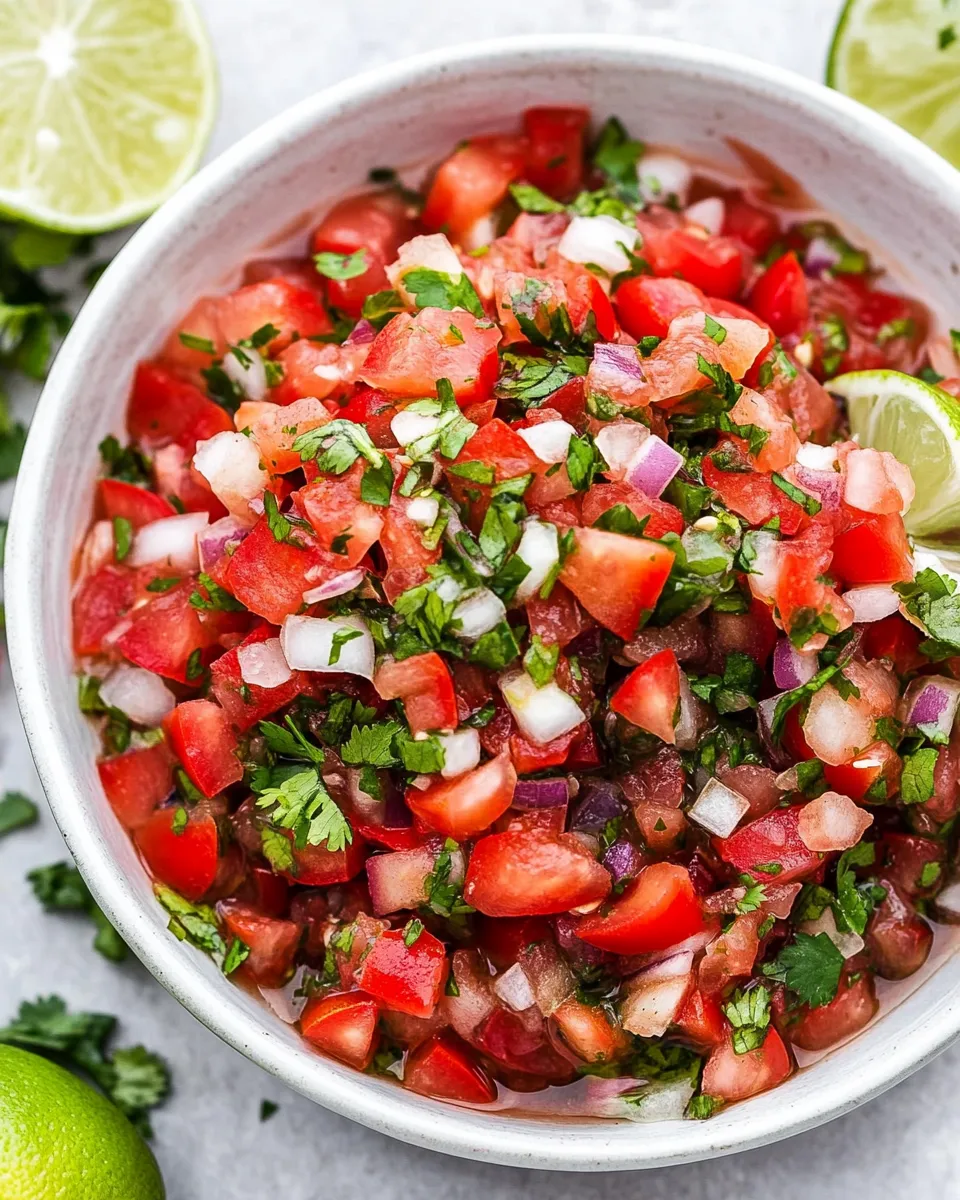
I make pico de gallo all the time. It’s one of those recipes that rewards attention to small details: ripe tomatoes, a sharp onion, a bright squeeze of citrus, and just the right amount of salt. No fancy equipment, no cooking — just fresh ingredients coming together in minutes. It’s a staple in my fridge for throw-together lunches, taco nights, and last-minute guests.
This version is straightforward and honest. The technique is simple, and the steps are written so you can follow without thinking too hard. I’ll point out where you can tweak heat and acidity, the tools that save time, and what to watch for if your tomatoes or onion are off.
Read through the steps once, prep your station, and you’ll have a chunky, bright salsa that sings. It’s practical, refreshing, and versatile — and yes, it’s the one I return to when I want reliable, bright Pico De Gallo Salsa.
Ingredient Rundown
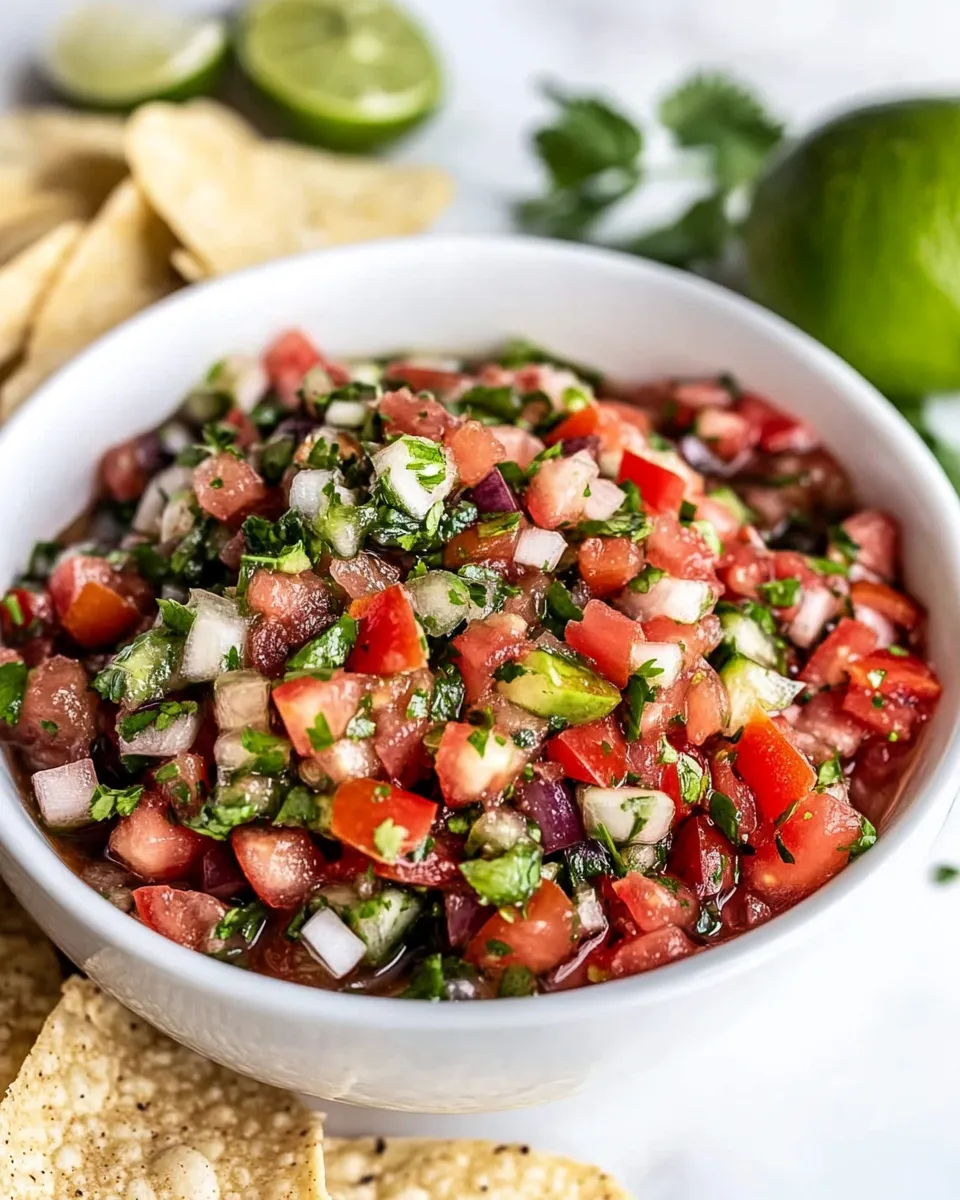
Ingredients
- 4 medium tomatoes, ripe — the base of the salsa; choose firm but ripe tomatoes (I recommend plum tomatoes) so the dice hold shape and the flavor is sweet and bright.
- 1 medium yellow onion — provides sharpness and crunch; finely dicing keeps the texture balanced with the tomatoes.
- 1 bunch cilantro/coriander, just the leaves — brings freshness and herbaceous lift; discard thick stems to avoid woody bits.
- 1 chili, serrano or jalapeño — gives heat; mince finely. Remove seeds and membrane for less heat.
- 1–2 limes — for acidity and brightness; start with one lime and add the second only if needed.
- 1 teaspoon salt — seasons and draws liquid from the tomatoes to meld flavors.
Stepwise Method: Pico De Gallo Salsa
- Rinse the tomatoes, cilantro, chili, and limes under cold water; pat dry.
- Core the 4 medium tomatoes and cut them into about 1/2-inch dice. Place the diced tomatoes in a medium mixing bowl.
- Peel the 1 medium yellow onion and finely dice it (small, even pieces). Add the diced onion to the bowl with the tomatoes.
- Pull the leaves from the 1 bunch cilantro and discard the thicker stems. Roughly chop the leaves and add them to the bowl.
- Remove the stem from the 1 serrano or jalapeño and finely mince the pepper. If you prefer less heat, remove the seeds and membrane before mincing. Add the minced chili to the bowl.
- Add 1 teaspoon salt to the bowl and stir gently to combine all ingredients.
- Squeeze the juice of 1 lime over the mixture, stir, then taste. If you want more acidity, squeeze the second lime (use the second lime only if needed).
- Let the salsa sit at room temperature for 5–10 minutes to allow the flavors to meld, then stir once more.
- Serve immediately.
Why You’ll Love This Recipe
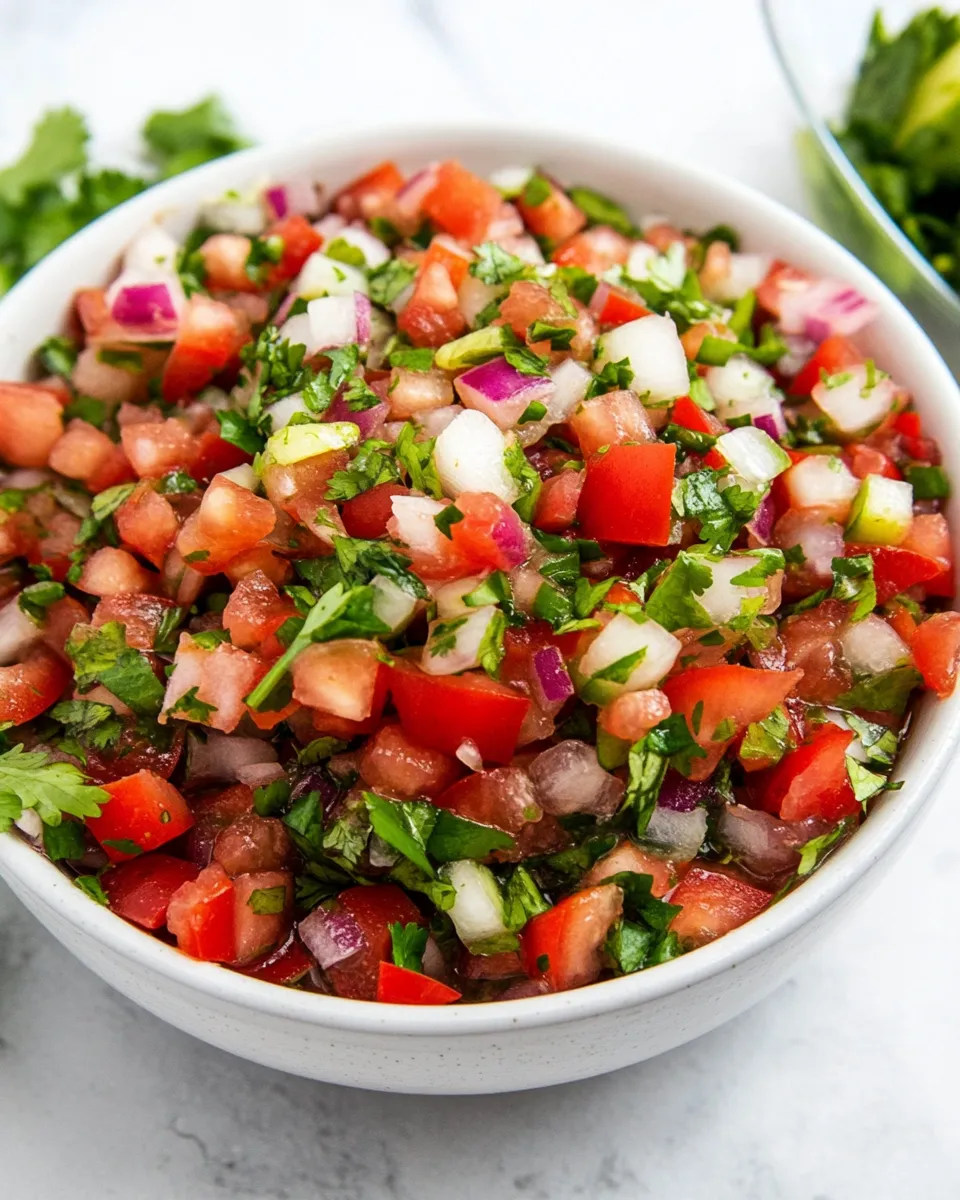
This Pico De Gallo Salsa is immediate and honest. It highlights fresh produce instead of masking it with oil or long cooking. The texture is a big part of the appeal — the tomatoes hold a pleasant bite, the onion gives a crisp counterpoint, and the cilantro and chili bring fragrant lift and heat. It’s simple, but when the ingredients are good, the result feels elevated.
The timing is forgiving. Letting it sit 5–10 minutes softens the raw edges and lets flavors marry, but it’s also fine the moment it’s mixed. It brightens nearly everything: grilled proteins, scrambled eggs, chips, rice bowls, and sandwiches. For anyone who wants maximum flavor with minimal fuss, this is the go-to salsa.
Healthier Substitutions
- Less salt: Reduce the salt slightly (start with 1/2 teaspoon) if you’re watching sodium. Taste after one lime and add more salt only if needed.
- Lower heat: Use the same chili but remove seeds and membrane to reduce capsaicin while keeping flavor.
- More herbs, less sodium: Increase cilantro if you want more herbal brightness and cut back on salt accordingly.
Essential Tools for Success
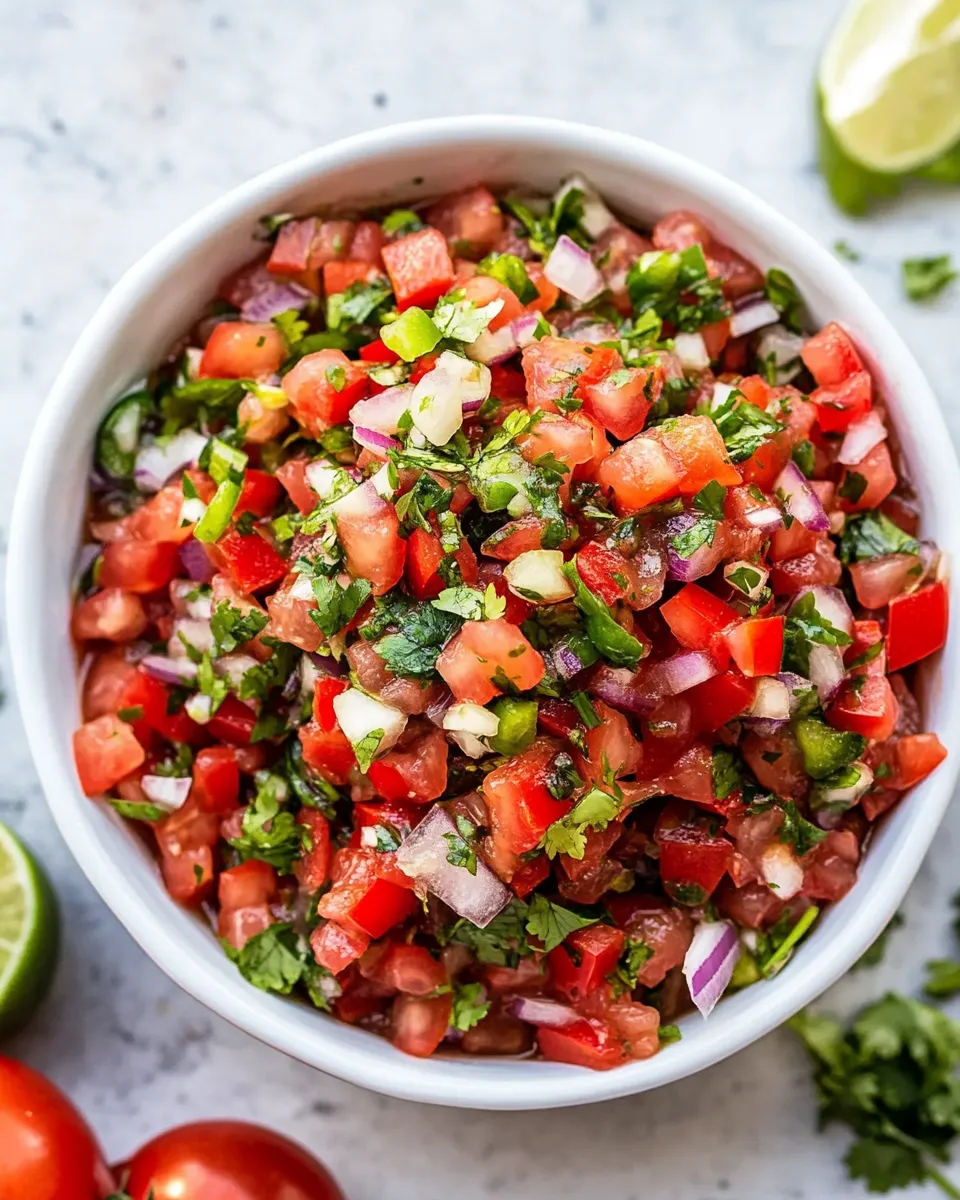
Must-haves
- Sharp chef’s knife: A good, sharp knife makes clean, even dice and keeps onion tears to a minimum.
- Cutting board: Large enough to work comfortably so you can dice at speed.
- Medium mixing bowl: Big enough to toss everything without spills.
Nice-to-haves
- Citrus juicer or reamer: Quick and efficient for getting all the lime juice without seeds.
- Kitchen towel or paper towels: For patting produce dry; drier ingredients mean a less watery salsa.
Watch Outs & How to Fix
If your salsa is watery: that often means very ripe or overripe tomatoes. To fix it, drain off excess liquid gently with a slotted spoon or let the mixture sit in a sieve over a bowl for a few minutes. You can also refrigerate briefly to let flavors settle before serving.
If the onion is overpowering: rinse diced onion in cold water for 30–60 seconds, drain, and then add to the bowl. That removes some sharpness while keeping crunch. A short soak also helps if you accidentally used a very strong onion.
If it’s too bland: taste for two things first — salt and acidity. Add a pinch more salt and another squeeze of lime as directed in the recipe. Salt unlocks flavor; lime brightens and balances richness.
If it’s too hot: removing seeds and membrane ahead of time is preventative. If you already mixed in too much heat, add more tomato, a small additional amount of chopped onion, and cilantro to dilute. A bit of neutral starch (plain cooked rice or a few tortilla chips on the side) will also tame the heat while keeping the flavor profile intact.
Smart Substitutions
- Tomatoes: If you don’t have plum tomatoes, any ripe tomato works. Choose one that’s firm enough to dice for better texture.
- Onion options: Red onion or sweet onion can be used for a milder, slightly sweeter note; dice finely to keep the balance.
- Chili choices: Serrano or jalapeño are on the list — use whichever you prefer for heat. For a smoky twist, a small amount of roasted poblano or charred jalapeño can be minced and added.
- Acidity: Lime is primary here, but if you’re in a pinch, a small splash of white wine vinegar or apple cider vinegar will work — add sparingly and taste as you go.
Chef’s Notes
Uniform chopping matters more than you might think. Aim for roughly 1/2-inch tomato dice and small, even onion pieces. The uniformity creates a balanced mouthfeel where every bite has a bit of each component. It also helps the salsa look attractive — and we eat with our eyes first.
Salt is not optional. The teaspoon of salt does two jobs: seasoning and pulling out tomato juices so the flavors mingle. If you’re reducing salt for health reasons, compensate with a slightly longer rest and a careful squeeze of the second lime to keep brightness.
Cilantro tends to wilt quickly. Add it toward the end of your prep and avoid packing the salsa for long storage with the cilantro fully mixed in if you plan to keep it longer than a day. Freshness counts — cilantro’s aromatic oils are strongest immediately after chopping.
Keep-It-Fresh Plan
Store pico de gallo in an airtight container in the refrigerator for up to 3 days. It’s best on day one; day two is still good for cooked dishes or as a topping, but the tomatoes start to soften and release more liquid. If you want to refresh it on day two, drain any excess liquid and briefly stir in a touch more lime and a pinch of salt.
Tip: If you plan to make this ahead, keep cilantro separate and add it just before serving for the brightest flavor and nicest texture. The salsa will keep, but the herb aroma diminishes with time.
Ask the Chef
Q: Can I make this milder for kids or guests who don’t like heat?
A: Yes. Remove the seeds and white membrane from the serrano or jalapeño before mincing, or simply halve the chili and discard it entirely if you don’t want heat at all. You’ll retain the pepper flavor without the burn.
Q: What if I only have very ripe tomatoes that are soft?
A: Use them — the flavor will be sweeter, but expect more liquid. Drain some of the juices before serving, or fold the salsa into warm rice to soak up the extra moisture.
Q: Can this be frozen?
A: Fresh pico loses texture when frozen because tomatoes and onions release water on thawing. I don’t recommend freezing. Make fresh when possible or use very ripe tomatoes to make a cooked salsa if you need to freeze.
Let’s Eat
Serve Pico De Gallo Salsa immediately as a bright topping for tacos, grilled fish, roasted chicken, or simply with tortilla chips. Spoon it over scrambled eggs, fold into a grain bowl, or use it as a fresh counterpoint to rich, creamy dishes. It’s a toolkit condiment: small effort, big payoff.
Make it a habit: keep the ingredients on hand and you’ll find yourself reaching for this quick, flavorful salsa all the time. Enjoy.
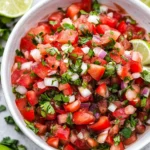
Pico De Gallo Salsa
Ingredients
Ingredients
- ?4 mediumtomatoesripe I recommend plum tomatoes
- ?1 mediumyellow onion
- ?1 bunchcilantro/corianderjust the leaves
- ?1 chiliserrano or jalapeno
- ?1-2 limes
- ?1 teaspoonsalt
Instructions
Instructions
- Rinse the tomatoes, cilantro, chili, and limes under cold water; pat dry.
- Core the 4 medium tomatoes and cut them into about 1/2-inch dice. Place the diced tomatoes in a medium mixing bowl.
- Peel the 1 medium yellow onion and finely dice it (small, even pieces). Add the diced onion to the bowl with the tomatoes.
- Pull the leaves from the 1 bunch cilantro and discard the thicker stems. Roughly chop the leaves and add them to the bowl.
- Remove the stem from the 1 serrano or jalapeño and finely mince the pepper. If you prefer less heat, remove the seeds and membrane before mincing. Add the minced chili to the bowl.
- Add 1 teaspoon salt to the bowl and stir gently to combine all ingredients.
- Squeeze the juice of 1 lime over the mixture, stir, then taste. If you want more acidity, squeeze the second lime (use the second lime only if needed).
- Let the salsa sit at room temperature for 5–10 minutes to allow the flavors to meld, then stir once more.
- Serve immediately.
Equipment
- Knife
- Cutting Board
- Mixing Bowl
- citrus juicer (optional)
Notes
Feel free to use 2 chilis instead of 1 if you like spicy salsa.
Can be stored in the fridge for up to 2 days.
Not suitable for freezing.