
This roasted butternut squash soup is the kind of weeknight recipe I come back to again and again: straightforward, forgiving, and comfortingly familiar. Roasting the squash brings out its natural sweetness and a little bit of color on the edges, while a quick sauté of onion and garlic builds a simple savory base. The result is a smooth, cozy soup that tastes like quiet dinner at home.
There are no heavy creams or complicated steps—just a little patience in the oven and a blender to finish. It’s an ideal recipe when you want something warm and nourishing without a lot of fuss. The recipe below follows a clear, tested sequence so you can get it right every time.
If you like, the soup is a blank canvas for a few finishing touches: a drizzle of oil, a sprinkle of spices, or crunchy seeds. The core technique is what matters—roast, sauté, simmer, blend—and I’ll walk you through each step and the small adjustments that make a big difference.
Ingredient List

- 1 kg butternut squash — the main ingredient; roast to concentrate sweetness and develop color.
- 1 tsp olive oil — divided; half goes on the squash for roasting, the rest for sautéing aromatics.
- 1 onion, diced — builds the savory base; sauté until translucent for best flavor.
- 2 cloves garlic, minced — adds aromatic depth; stir in near the end of the sauté so it doesn’t burn.
- 1 tsp curry powder (optional) — adds warmth and subtle complexity if you want a spiced profile.
- ¼ tsp ground black pepper (optional) — for a little background heat; sprinkle over the squash if using.
- ½ tsp garlic powder (optional) — an extra layer of garlic flavor if you like it more pronounced.
- 900 ml hot water — the cooking liquid; hot water keeps the cooking gentle and speeds the simmer.
- ½ tsp salt — divided; half seasons the squash while roasting, the rest is added after blending to taste.
How to Prepare (Roasted Butternut Squash Soup)
- Preheat the oven to 180°C. Peel, deseed and cut 1 kg butternut squash into evenly sized cubes.
- Arrange the squash cubes in a single layer on a baking sheet. Divide the 1 tsp olive oil in half: drizzle about half over the squash. Sprinkle optional 1/4 tsp ground black pepper (if using) and half of the 1/2 tsp salt (i.e., 1/4 tsp) over the squash. Toss to coat.
- Roast the squash for 20 minutes at 180°C, turning once halfway through, until the cubes are golden and tender.
- While the squash roasts, heat the remaining half of the 1 tsp olive oil in a large saucepan over medium heat. Add the diced onion and sauté until soft and translucent, about 5–8 minutes.
- Add the minced garlic (2 cloves) to the saucepan and cook for 1 minute, until fragrant.
- Stir in optional spices—1 tsp curry powder and/or 1/2 tsp garlic powder—if using, and cook for about 30 seconds to bloom the spices.
- Add the roasted squash to the saucepan and pour in 900 ml hot water. Bring to a gentle boil, then let simmer for 3 minutes.
- Use a stick blender to puree the soup in the saucepan until smooth (take care with hot liquid). Return the soup to low heat for 1–2 minutes, then add the remaining salt (the other 1/4 tsp). Stir and serve.
What You’ll Love About This Recipe

- True simplicity: a few pantry staples produce a rich, comforting soup with very little hands-on time.
- Roasting-first method: caramelized edges on the squash give depth and a naturally sweet flavor without added sugar.
- Fast finish: once roasting is done, the soup comes together quickly—blend and serve in under 10 minutes.
- Flexible flavor profile: optional spices let you nudge the soup toward warm curry notes or keep it classic and mild.
- Light on fat: just a teaspoon of olive oil total keeps the texture smooth without heaviness.
Substitutions by Category
If you need to adapt what’s on hand, here are practical swaps and options to keep the spirit of the recipe while changing textures or flavors.
- Squash alternative: Use another winter squash if you prefer a different texture or flavor profile—just match the weight/volume so cooking time stays similar.
- Fat: Any neutral oil can replace the olive oil if needed; the small amount mainly prevents sticking and aids browning.
- Aromatics: If you’re out of onion, use shallot for a milder, sweeter note or a small leek (white part only) for a gentler base.
- Garlic options: Fresh garlic is ideal, but garlic powder can add a milder garlic presence—use sparingly.
- Spice adjustments: Omit the curry powder for a simple, classic squash soup; add it (or a pinch of smoked paprika) if you want a bolder, spiced version.
- Liquid variations: While the recipe uses hot water, you can substitute low-sodium vegetable or chicken stock for extra savory depth.
- Salt control: Salt is divided in the recipe so you can season in stages; add less initially if you plan to finish with a salty garnish or broth-based swap.
What’s in the Gear List
- Baking sheet — to roast the squash in a single layer for even caramelization.
- Large saucepan — for sautéing aromatics and simmering the soup.
- Stick blender (immersion blender) — purees the soup directly in the pot for minimal transfer and cleanup.
- Vegetable peeler and sharp knife — for peeling and cubing the squash safely and evenly.
- Measuring spoons and measuring jug — to measure oil, spices, salt, and 900 ml of hot water accurately.
- Tongs or spatula — useful for turning squash on the baking sheet halfway through roasting.
Troubleshooting Tips
- Squash not browning: If the cubes steam instead of roast, they may be crowded on the sheet. Spread them into a single layer with some space between pieces and use a hot oven to encourage caramelization.
- Soup too thin: Simmer it a few more minutes to reduce slightly, or cook uncovered after blending to concentrate the flavor.
- Soup too thick: Stir in a little extra hot water (a splash at a time) until you reach the desired consistency.
- Bland flavor: Taste after blending and add the remaining salt; a squeeze of lemon or a small splash of vinegar brightens the overall flavor if you have it on hand.
- Garlic burning during sauté: Add minced garlic after the onion is softened and lower the heat to medium-low—garlic needs much less time than onion.
Seasonal Adaptations
This recipe is rooted in autumn and winter produce, but a few seasonal tweaks make it feel right year-round.
- Autumn/Winter: Double down on roasting for deeper caramelization. Finish with warming spices like the optional curry powder or a pinch of cinnamon for cozy notes.
- Spring: Keep it lighter—use less spice and finish with a bright herb like chopped chives or parsley to lift the soup.
- Summer: Serve it slightly cooled or at room temperature. Top with a dollop of yogurt or a chilled herb oil to make it refreshing.
- Holiday variations: Dress the soup with a small handful of toasted seeds or nuts for a festive texture contrast.
Behind the Recipe
I developed this version to celebrate the simplest possible technique: roast your vegetable to concentrate flavor, sauté a minimal aromatic base, then blend with hot liquid. The small amount of oil and short roast time keep the prep quick while still delivering the signature sweet-roasted notes that make butternut squash soup so comforting.
The recipe keeps the liquid plain (hot water) so you can control the final intensity and use whatever stock or liquid you have. Divide-and-conquer seasoning—salting partway through and finishing after blending—helps ensure an even, well-rounded flavor.
Cooling, Storing & Rewarming
Cool the soup at room temperature for no more than two hours, then transfer to airtight containers.
- Refrigerator: Store for 3–4 days. Reheat over low heat on the stove, stirring occasionally to prevent sticking.
- Freezer: Freeze in suitable containers for up to 2–3 months. Thaw overnight in the refrigerator before reheating.
- Reheating: Gently warm on the stovetop over low-medium heat, stirring, or microwave in short intervals, stirring between each, to avoid hot spots. If it’s thicker after chilling, stir in a little hot water while reheating to loosen the texture.
Troubleshooting Q&A
Q: Can I use stock instead of water?
A: Yes. Low-sodium stock adds savory depth—adjust the final salt because stock brings its own seasoning.
Q: My soup tastes flat after blending—what now?
A: Add the remaining salt, a touch of acid (lemon juice or a little vinegar), or a pinch more spice. Heat briefly to marry the flavors.
Q: Can I make this dairy-free or vegan?
A: The base recipe is already dairy-free and vegan when you use water or vegetable stock. For a richer finish without dairy, swirl in a little coconut milk or a splash of olive oil at the end.
Q: Is it okay to use a regular blender instead of a stick blender?
A: Yes. Work in batches and be very careful transferring hot liquid—vent the lid slightly and cover with a towel to avoid pressure build-up.
Let’s Eat
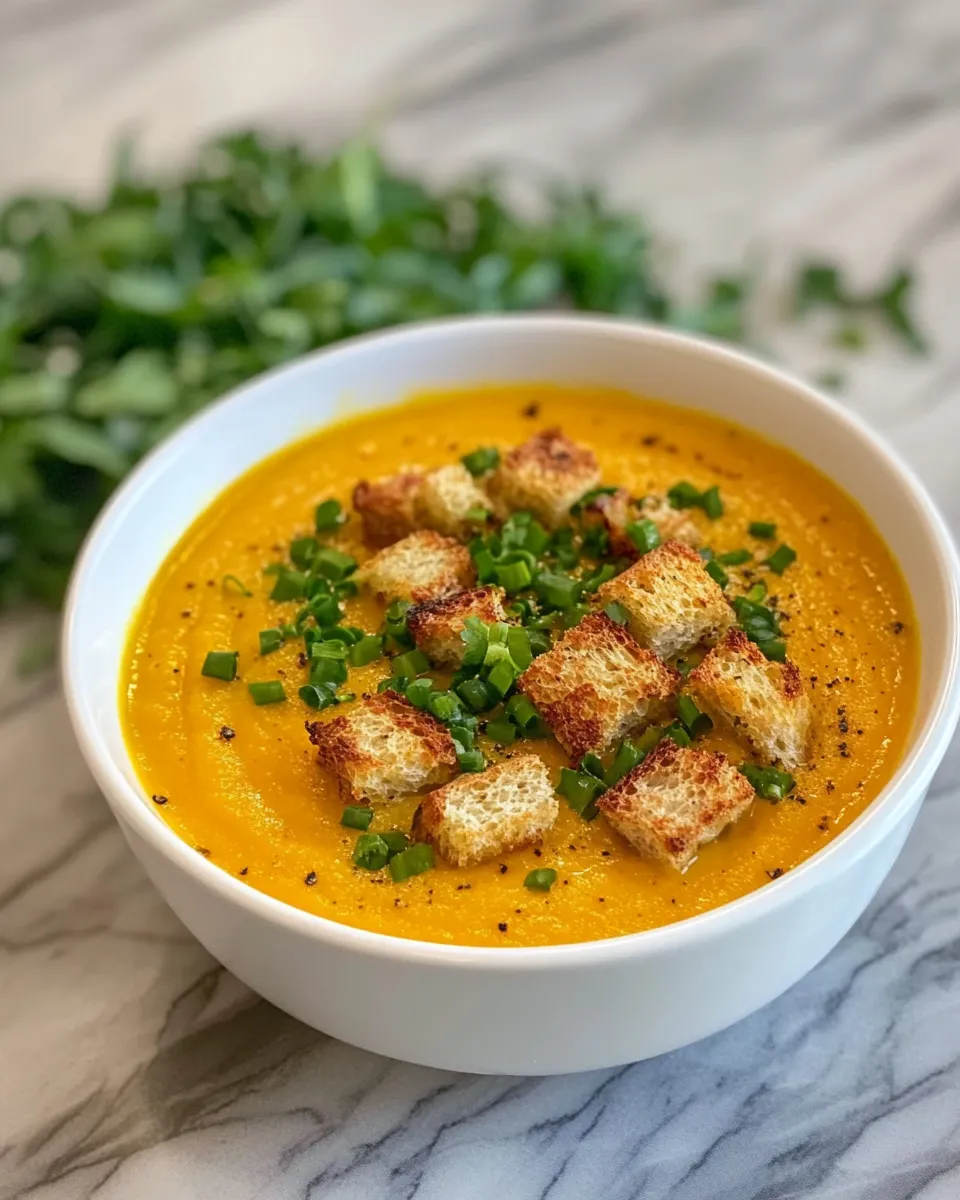
Serve this soup warm in bowls with a simple garnish: a drizzle of olive oil, a grind of black pepper, or the optional spices sprinkled on top. Crusty bread or a slice of toasted sourdough makes it a satisfying meal. For a heartier bowl, finish with roasted chickpeas or a spoonful of plain yogurt.
It’s an easy, reliable recipe to return to when you want something nourishing and cozy. Follow the roast-sauté-blend sequence, taste and adjust the salt at the end, and you’ll have a bowl of soup that feels like home.

Roasted Butternut Squash Soup
Ingredients
Ingredients
- ?1 kgbutternut squash
- ?1 tspolive oil
- ?1 oniondiced
- ?2 clovesgarlicminced
- ?1 tspcurry powderoptional
- ?1/4 tspground black pepperoptional
- ?1/2 tspgarlic powderoptional
- ?900 mlwaterhot
- ?1/2 tspsalt
Instructions
Instructions
- Preheat the oven to 180°C. Peel, deseed and cut 1 kg butternut squash into evenly sized cubes.
- Arrange the squash cubes in a single layer on a baking sheet. Divide the 1 tsp olive oil in half: drizzle about half over the squash. Sprinkle optional 1/4 tsp ground black pepper (if using) and half of the 1/2 tsp salt (i.e., 1/4 tsp) over the squash. Toss to coat.
- Roast the squash for 20 minutes at 180°C, turning once halfway through, until the cubes are golden and tender.
- While the squash roasts, heat the remaining half of the 1 tsp olive oil in a large saucepan over medium heat. Add the diced onion and sauté until soft and translucent, about 5–8 minutes.
- Add the minced garlic (2 cloves) to the saucepan and cook for 1 minute, until fragrant.
- Stir in optional spices—1 tsp curry powder and/or 1/2 tsp garlic powder—if using, and cook for about 30 seconds to bloom the spices.
- Add the roasted squash to the saucepan and pour in 900 ml hot water. Bring to a gentle boil, then let simmer for 3 minutes.
- Use a stick blender to puree the soup in the saucepan until smooth (take care with hot liquid). Return the soup to low heat for 1–2 minutes, then add the remaining salt (the other 1/4 tsp). Stir and serve.
Equipment
- Oven
- Baking Sheet
- Large Saucepan
- stick blender
Notes
Cut butternut squash into large cubes, about 3-4cm long.
Oven temprature should be 180c for fan oven, and 200c for regular oven.
This soup can last in the fridge for 4-5 days. It also freezes well, and can stay in the freezer for up to 6 months. If you chose to freeze the soup, then I strongly recommend that you freeze it within 2 hours of cooking covered in an airtight container.
Frozen butternut squash soup can last for 3-4 days after it has been thawed in the fridge. If it has been thawed in the microwave, then it needs to be eaten immediately after thawing.