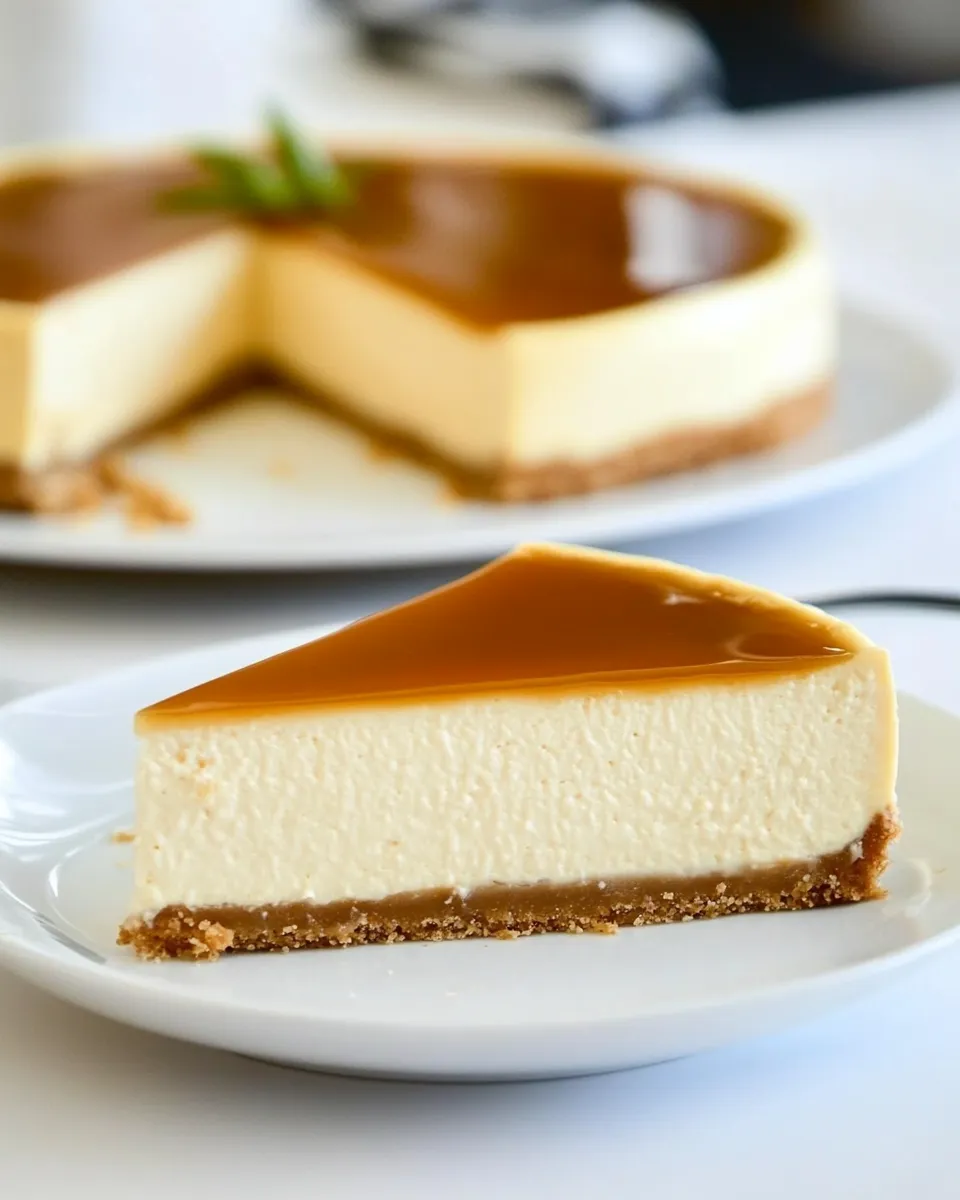
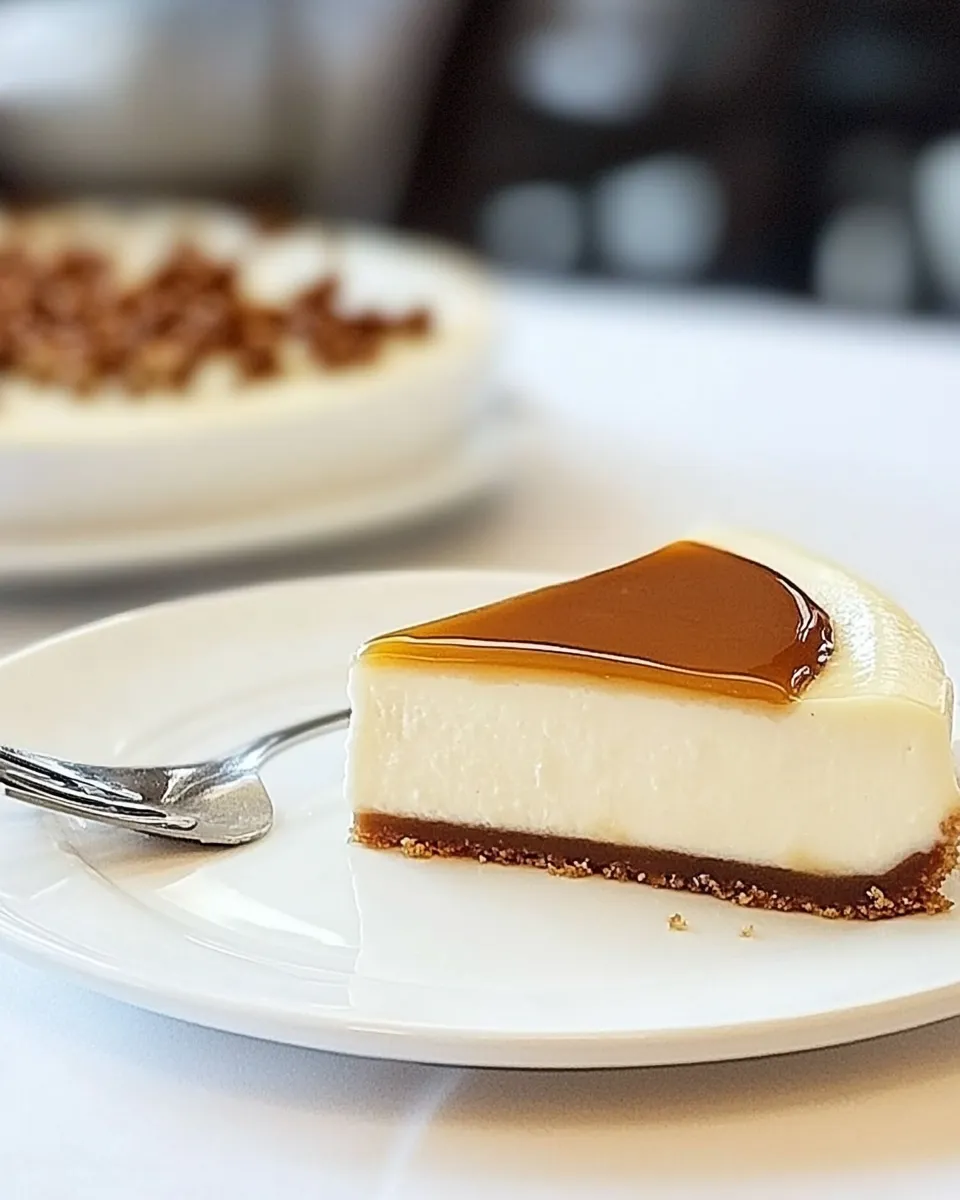
This is a cheesecake I make whenever I want something silky, a little indulgent, and impossible to mess up if you follow the steps. The salted caramel + pretzel crumb crust gives a crunchy, salty counterpoint to a classic creamy filling. It feels celebratory without being fussy.
I prefer to prep the crust and batter the night before for a stress-free bake day, but the timeline below will guide you through a same-day version too. Work methodically, keep ingredients at room temperature where noted, and you’ll be rewarded with a clean slice and layers of flavor.
Shopping List
Take a single pass through the grocery aisle: the specialty item is the Snyders Salted Caramel Pretzel Pieces, and everything else is pantry- or dairy-case familiar. Pick up a quality block cream cheese and Challenge salted butter if you can. If you already have a reliable homemade salted caramel sauce in the fridge, you’re set.
Ingredients
- 2 ⅓ cups Snyders Salted Caramel Pretzel Pieces (crushed in a food processor until they form fine crumbs) — forms the crunchy, salted-caramel crust; pulse until fine.
- 5 tablespoons salted Challenge Butter (melted) — binds and crisps the crust; melt and stir into the crumbs.
- 32 ounces cream cheese (room temperature) — the base of the filling; bring to room temperature for a lump-free batter.
- 1 cup granulated sugar — sweetens the filling and helps create a smooth texture.
- 4 large eggs; room temperature — add one at a time to ensure an even, stable batter.
- ½ cup heavy cream — adds richness and a silkier mouthfeel.
- 1 tablespoon pure vanilla extract or vanilla bean paste — flavor; vanilla bean paste gives flecks and a deeper scent.
- homemade salted caramel sauce — finish the slices with sauce for glossy, salty-sweet contrast.
The Method for Salted Caramel Cheesecake
- Preheat the oven to 325°F (162°C).
- Tightly wrap the outside of a 9-inch springform pan with heavy-duty foil to prevent leaks during a water bath. (Optional: you may also place the foil-wrapped pan inside an oven bag for extra leak protection.)
- In a medium bowl, combine 2 ⅓ cups Snyders Salted Caramel Pretzel Pieces (crushed to fine crumbs) and 5 tablespoons salted Challenge Butter (melted). Stir until the crumbs are evenly moistened.
- Press the crumb mixture evenly and firmly into the bottom of the prepared springform pan to form the crust.
- Bake the crust for 8 minutes. Remove from the oven and transfer the pan to a wire rack; let the crust cool completely.
- While the crust cools (or just before filling), bring a pot or kettle of water to a boil for the water bath.
- In the bowl of a stand mixer fitted with the paddle attachment, beat 32 ounces cream cheese (room temperature) on medium speed until smooth and free of lumps.
- Add 1 cup granulated sugar to the cream cheese and mix until combined and smooth.
- Add 4 large eggs (room temperature), one at a time, mixing just until each egg is fully incorporated before adding the next. Scrape down the bowl between each egg to ensure an even mixture.
- Add ½ cup heavy cream and 1 tablespoon pure vanilla extract or vanilla bean paste. Mix on low speed until the batter is smooth and homogeneous; avoid overmixing.
- Pour the cheesecake batter into the cooled crust and smooth the top with a spatula.
- Place the foil-wrapped springform pan into a larger roasting pan. Carefully pour the boiling water into the larger pan until the water reaches about halfway up the side of the springform pan (take care not to splash water into the batter).
- Bake at 325°F for 55–60 minutes. The edges should appear set while the center still has a slight jiggle.
- Turn off the oven, crack the oven door open about 1–2 inches, and let the cheesecake sit in the cooling oven for 1 hour to finish gently setting.
- After 1 hour, carefully lift the springform pan out of the water bath. Remove the foil (and oven bag, if used). Place the cheesecake on a cooling rack and let it cool completely to room temperature.
- Once cooled, refrigerate the cheesecake (still in the pan) for at least 8 hours or overnight.
- Before serving, run a thin knife around the edge to loosen, release the springform ring, and serve slices topped with homemade salted caramel sauce.
Why This Recipe is a Keeper
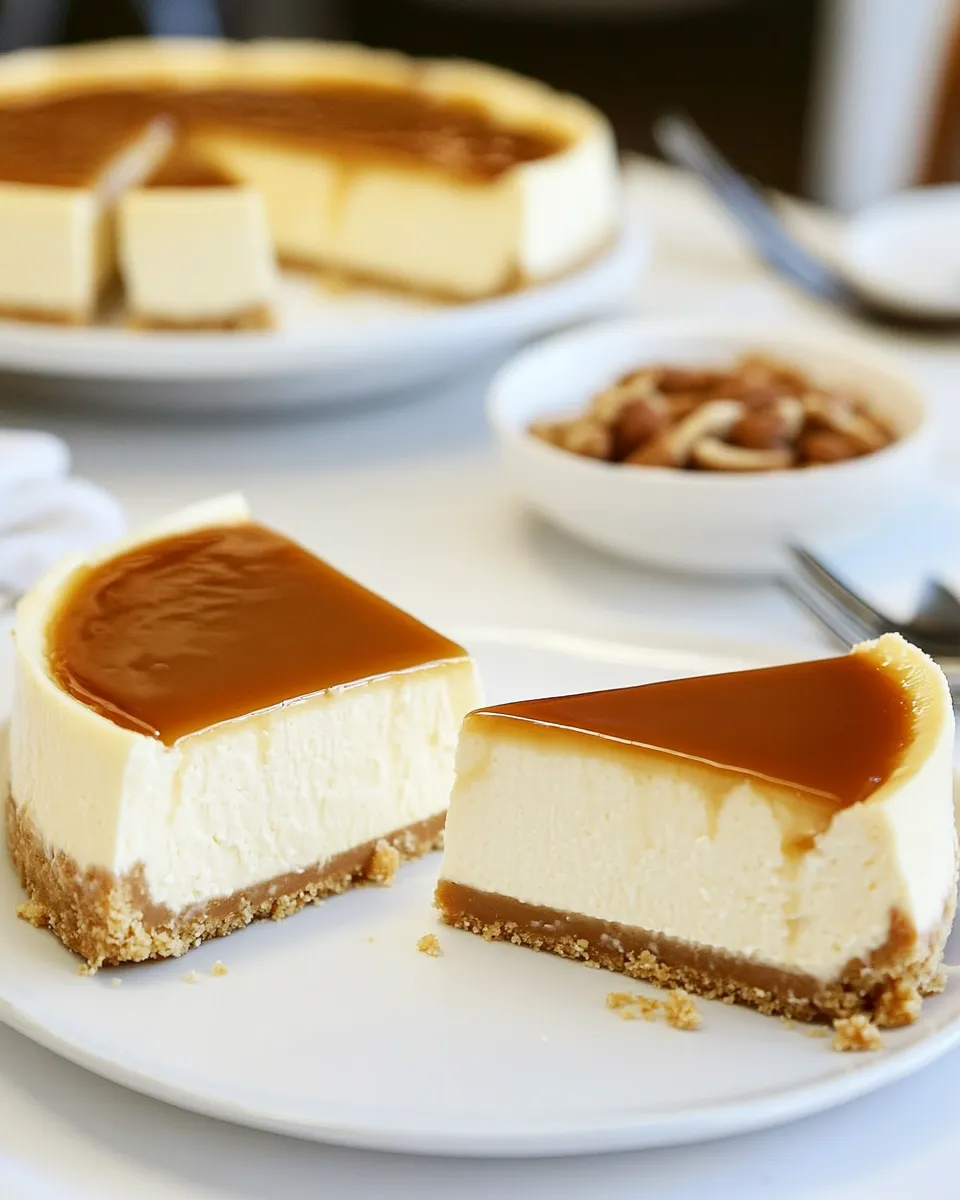
The texture is the first reason: a dense, silky interior that still has a slight wobble at the center when it comes out of the oven. The water bath and the low and slow finish in a cooling oven minimize cracking and give a uniformly set surface. The second reason is balance—salted caramel in the crust and on top cuts through the richness and keeps every bite interesting.
Finally, it’s forgiving. Room-temperature ingredients and short mixing intervals steer you away from common errors. The steps are straightforward, but they add up to a restaurant-quality cheesecake that’s approachable for home bakers.
Ingredient Swaps & Substitutions
Keep substitutions conservative so the texture and bake time stay the same.
- Snyders Salted Caramel Pretzel Pieces: If unavailable, use salted pretzel crumbs; the caramel flavor is key, though, so consider a lightly caramelized crumb if possible.
- Salted Challenge Butter: Any salted butter will work; the salt in the butter complements the pretzel crust.
- Cream cheese: Full-fat cream cheese is preferred for stability and flavor. Lower-fat versions change texture and may require baking adjustments.
- Vanilla extract or vanilla bean paste: Both are listed—vanilla bean paste adds visual flecks and a deeper aroma if you have it.
- Homemade salted caramel sauce: Use a high-quality store-bought salted caramel if you’re short on time, but homemade will give you finer control over salt and sweetness.
Kitchen Gear Checklist
- 9-inch springform pan (heavy-duty preferred)
- Heavy-duty aluminum foil and optional oven bag
- Stand mixer with paddle attachment (or a hand mixer and a sturdy bowl)
- Food processor (for crushing the pretzel pieces)
- Larger roasting pan for the water bath
- Kettle or pot to bring water to a boil
- Wire rack and spatula
- Measuring cups and spoons and a reliable kitchen scale if you prefer weights
Missteps & Fixes
Here are the typical problems and how to fix them quickly.
- Cracked top: Usually caused by overmixing or baking at too high a temperature. Fixes: mix on low and stop as soon as ingredients are combined; use the water bath and let the cake cool slowly in the oven as directed.
- Runny center after refrigeration: If it’s still very loose after chilling, it likely needed more time in the oven or longer refrigeration. Return to the oven for 10–15 minutes at 300°F in a water bath if the texture is dangerously loose—but check carefully; overbaking can dry it.
- Soggy crust: Press the crust firmly and bake it for the full 8 minutes to set before filling. Too much moisture from a still-warm crust can cause sogginess.
- Water in the cheesecake: That usually happens from splashing. When you pour the boiling water into the roasting pan, tip the springform slightly away and use a steady pour to keep water out of the pan.
In-Season Swaps
When fruit is at its peak, use it as a topping instead of or alongside caramel. Thin slices of fresh pear or poached pears in autumn, or roasted figs in late summer, pair beautifully with the salted caramel notes. Keep the base recipe intact and just add a fresh or lightly cooked fruit finish right before serving.
Chef’s Notes

Room Temperature Matters
Bring cream cheese and eggs to room temperature before you start. This reduces mixing time, avoids lumps, and helps the batter come together smoothly.
Water Bath and Leak Protection
Wrapping the pan tightly twice with foil is non-negotiable for me. If you worry about leaks, an oven bag over the foil-wrapped pan adds comfort. The goal is gentle, even heat from the steam around the pan.
Shelf Life & Storage
Keep the cheesecake covered in the refrigerator for up to 4 days. For longer storage, slice and freeze portions wrapped tightly in plastic and foil; they’ll keep for 1–2 months. Thaw overnight in the refrigerator before serving, then add the salted caramel sauce cold or warm it slightly to drizzle.
Handy Q&A
Q: Can I make this ahead?
A: Yes. Make it up to the refrigeration step and chill for at least 8 hours or overnight. You can also bake and freeze slices as noted above.
Q: Do I need a stand mixer?
A: A stand mixer speeds mixing and keeps lumps at bay, but a hand mixer works fine. Beat the cream cheese until smooth and scrape the bowl often.
Q: Why do you add eggs one at a time?
A: Adding eggs one at a time ensures they incorporate evenly and keeps air from getting whipped in, which reduces cracking.
Final Bite
This Salted Caramel Cheesecake lives at the intersection of simple technique and rewarding flavor. It looks impressive, slices cleanly, and slices topped with warm salted caramel are always the first to disappear. Take your time with the water bath and the cool-down — those steps do most of the heavy lifting. Bake it for a dinner party, make it for birthdays, or save it for when you need something reliably lovely. You’ll be glad you did.
Salted Caramel Cheesecake
Ingredients
Ingredients
- 2 1/3 cupsSnyders Salted Caramel Pretzel Piecescrushed in a food processor until they form fine crumbs
- 5 tablespoonssalted Challenge Buttermelted
- 32 ouncescream cheeseroom temperature
- 1 cupgranulated sugar
- 4 large eggs; room temperature
- 1/2 cupheavy cream
- 1 tablespoonpure vanilla extract or vanilla bean paste
- homemade salted caramel sauce
Instructions
Instructions
- Preheat the oven to 325°F (162°C).
- Tightly wrap the outside of a 9-inch springform pan with heavy-duty foil to prevent leaks during a water bath. (Optional: you may also place the foil-wrapped pan inside an oven bag for extra leak protection.)
- In a medium bowl, combine 2 ⅓ cups Snyders Salted Caramel Pretzel Pieces (crushed to fine crumbs) and 5 tablespoons salted Challenge Butter (melted). Stir until the crumbs are evenly moistened.
- Press the crumb mixture evenly and firmly into the bottom of the prepared springform pan to form the crust.
- Bake the crust for 8 minutes. Remove from the oven and transfer the pan to a wire rack; let the crust cool completely.
- While the crust cools (or just before filling), bring a pot or kettle of water to a boil for the water bath.
- In the bowl of a stand mixer fitted with the paddle attachment, beat 32 ounces cream cheese (room temperature) on medium speed until smooth and free of lumps.
- Add 1 cup granulated sugar to the cream cheese and mix until combined and smooth.
- Add 4 large eggs (room temperature), one at a time, mixing just until each egg is fully incorporated before adding the next. Scrape down the bowl between each egg to ensure an even mixture.
- Add ½ cup heavy cream and 1 tablespoon pure vanilla extract or vanilla bean paste. Mix on low speed until the batter is smooth and homogeneous; avoid overmixing.
- Pour the cheesecake batter into the cooled crust and smooth the top with a spatula.
- Place the foil-wrapped springform pan into a larger roasting pan. Carefully pour the boiling water into the larger pan until the water reaches about halfway up the side of the springform pan (take care not to splash water into the batter).
- Bake at 325°F for 55–60 minutes. The edges should appear set while the center still has a slight jiggle.
- Turn off the oven, crack the oven door open about 1–2 inches, and let the cheesecake sit in the cooling oven for 1 hour to finish gently setting.
- After 1 hour, carefully lift the springform pan out of the water bath. Remove the foil (and oven bag, if used). Place the cheesecake on a cooling rack and let it cool completely to room temperature.
- Once cooled, refrigerate the cheesecake (still in the pan) for at least 8 hours or overnight.
- Before serving, run a thin knife around the edge to loosen, release the springform ring, and serve slices topped with homemade salted caramel sauce.
Equipment
- 9-inch springform pan
- heavy-duty foil
- Roasting pan
- stand mixer with paddle attachment
- Food Processor
- Wire Rack
- Spatula
- Oven