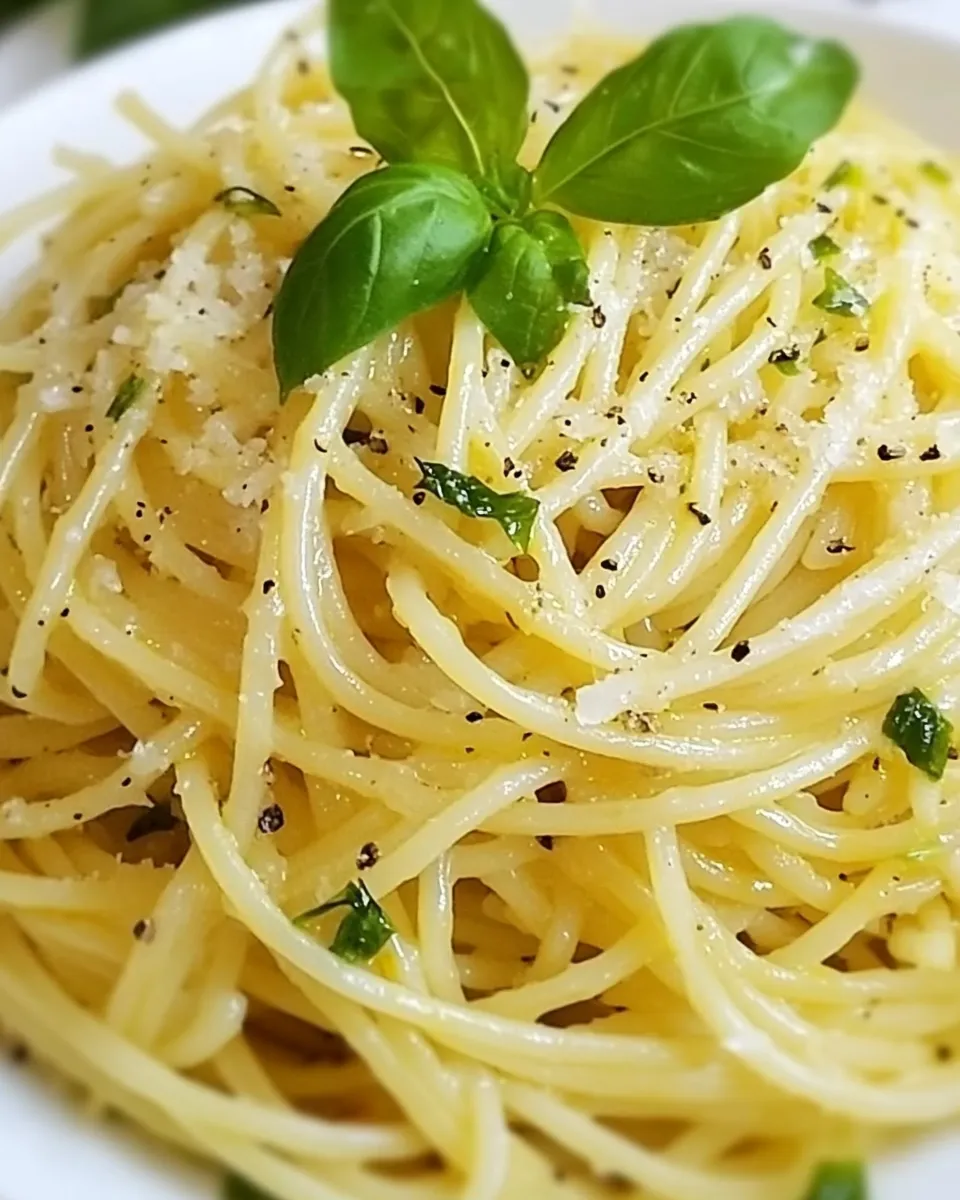
There are dishes that feel like home and dishes that feel like a small, perfect indulgence. Spaghetti with Olive Oil and Garlic is both. It’s the kind of pasta you can make on a weeknight with pantry staples, and it still tastes like you cared for it. The aromatics are simple: high-quality olive oil, garlic gently warmed until it releases sweetness, a little heat, and bright herbs to finish.
I write this recipe the way I cook it at home—practical, unfussy, and focused on technique rather than tricks. The payoff is in attention during a few short moments: warming the garlic gently, reserving pasta water, and tossing while everything is hot. Those steps are small, but they make the sauce cling to the pasta and transform a few ingredients into something generous.
Below you’ll find the ingredients, the step-by-step method I use, tips for making it your own, what to avoid, and how to store or reheat leftovers. Read straight through and then jump to the sections that help you most—this is a forgiving recipe, and the better you understand the simple chemistry, the better it will turn out, every time.
The Essentials
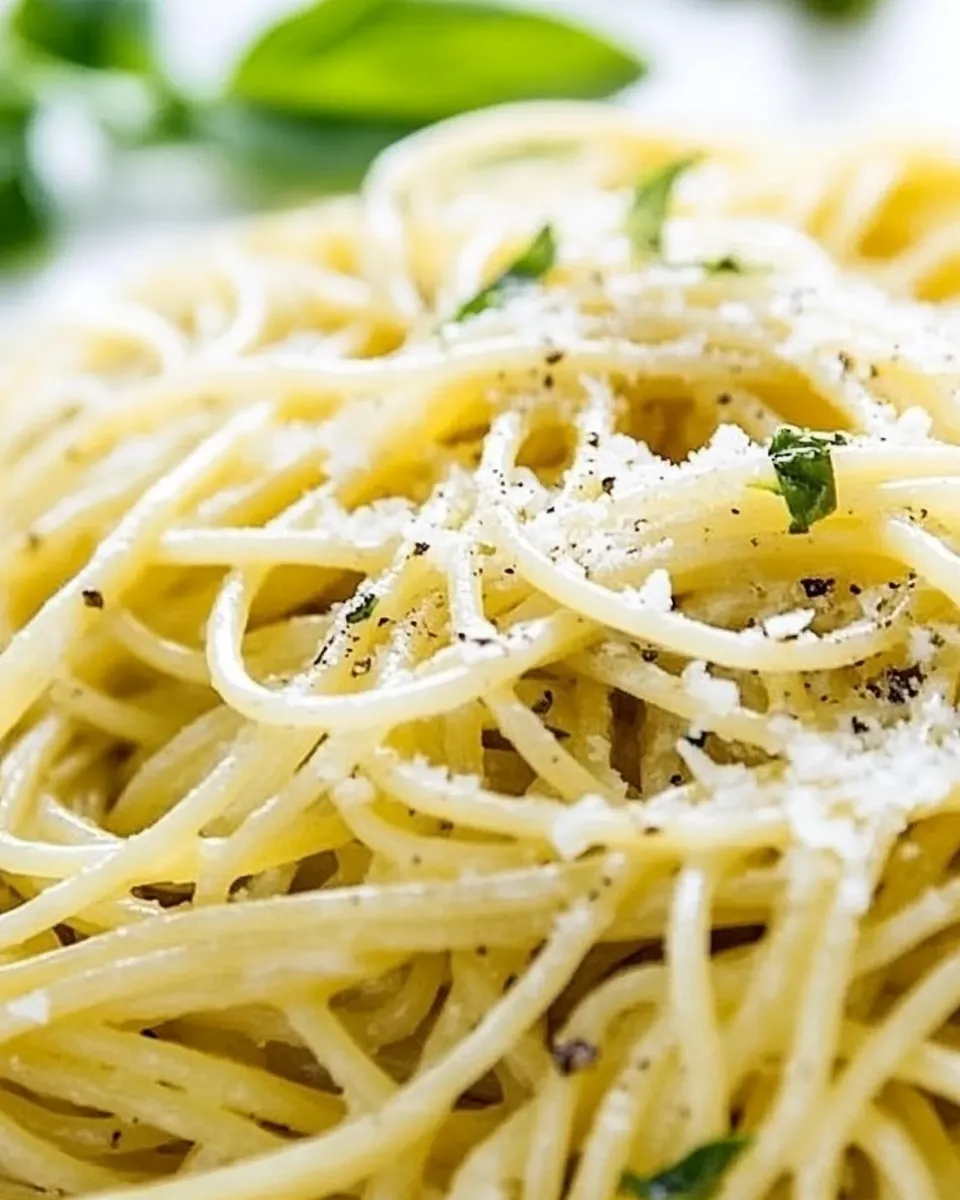
This is the kind of recipe that rewards patience more than fancy equipment. The two main moments that matter: don’t let the garlic burn, and use starchy pasta water to loosen the oil into a glossy sauce. Treat the garlic gently and stop it from cooking the instant it just begins to color.
Choose a neutral or fruity extra-virgin olive oil you enjoy. It’s a primary flavor here. Fresh parsley and optional basil give herbs that bright finishing lift. Parmesan brings savory richness and helps the sauce cling to the noodles.
Ingredients
- 1 lb spaghetti — the pasta backbone; cooks to a tender-but-slightly-firm bite and carries the sauce.
- ⅓ cup olive oil — the sauce base; choose a good-quality olive oil since you’ll taste it directly.
- 6 garlic cloves, peeled and sliced very thinly — thin slices soften and flavor the oil without burning; thin is key.
- ½ tsp. red pepper flakes — provides gentle heat; adjust to your tolerance.
- ⅓ cup fresh parsley, chopped — adds freshness and color; toss it in at the end for brightness.
- ¼ cup fresh basil, chopped — optional — fragrant and sweet if you have it; use sparingly so it doesn’t overpower.
- 1 cup Parmesan cheese, grated — salty, savory finish that helps bind the sauce to the pasta.
Spaghetti with Olive Oil and Garlic in Steps
- Bring a large pot of water to a rolling boil. Add the 1 lb spaghetti and cook, stirring occasionally, until al dente according to package directions. Before draining, scoop out and reserve 3/4 cup of the starchy pasta cooking water; then drain the spaghetti.
- While the pasta cooks, place 1/3 cup olive oil and the 6 peeled, very thinly sliced garlic cloves in a cold skillet.
- Set the skillet over low–medium heat and gently warm the oil and garlic together. Maintain a gentle simmer so the garlic softens without burning—cook about 6–7 minutes, until the garlic is softened and just beginning to turn light golden.
- When the garlic has softened and just started to brown, add the 1/2 tsp red pepper flakes and cook 30 seconds to bloom their flavor.
- Pour 1/2 cup of the reserved pasta water into the skillet to stop the garlic from cooking further and to loosen the oil into a sauce.
- Add the drained spaghetti to the skillet. Toss or stir thoroughly to coat the pasta with the garlic–olive oil sauce, adding enough of the remaining reserved pasta water (up to the remaining 1/4 cup) if the pasta seems dry and needs more sauce.
- Stir in the 1/3 cup chopped fresh parsley, the 1/4 cup chopped fresh basil (if using), and the 1 cup grated Parmesan until evenly distributed and the sauce clings to the pasta.
- Transfer to plates or a serving bowl and garnish as desired with Parmesan, red pepper flakes, parsley, and/or basil. Serve immediately.
Reasons to Love Spaghetti with Olive Oil and Garlic
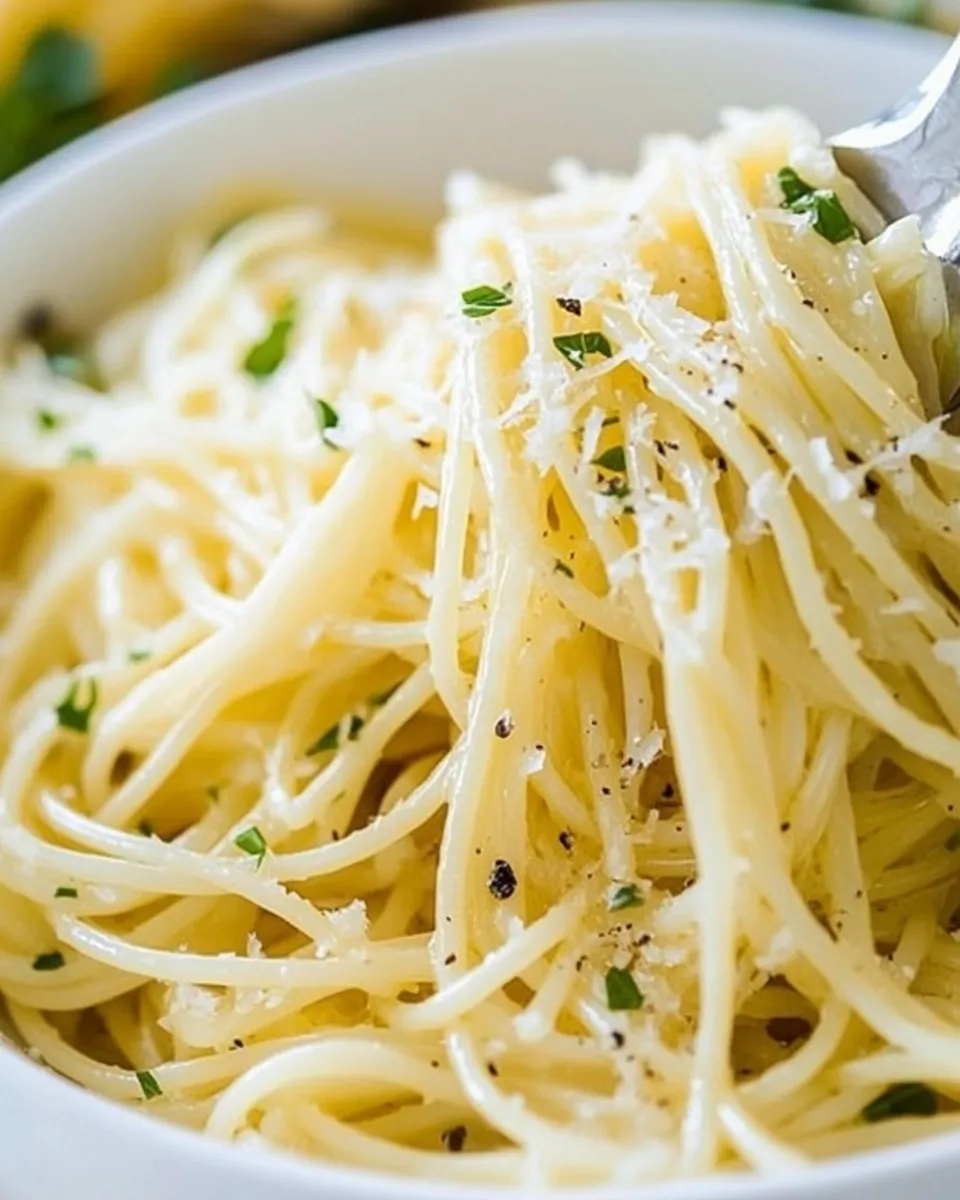
This recipe is quick but not rushed. It’s built on a small number of ingredients, so each one matters. That simplicity makes it dependable: when you use good olive oil and don’t scorch the garlic, the dish sings. It’s also flexible—add a squeeze of lemon, toss in wilted greens, or finish with crisped breadcrumbs for texture.
It’s also one of those recipes that scales both down and up with ease. Need a solo meal? Halve it. Hosting friends? Double it and keep the garlic oil warm, then toss the pasta right before serving. It’s comfort food without heaviness; bright herbs and cheese keep it balanced.
Budget & Availability Swaps
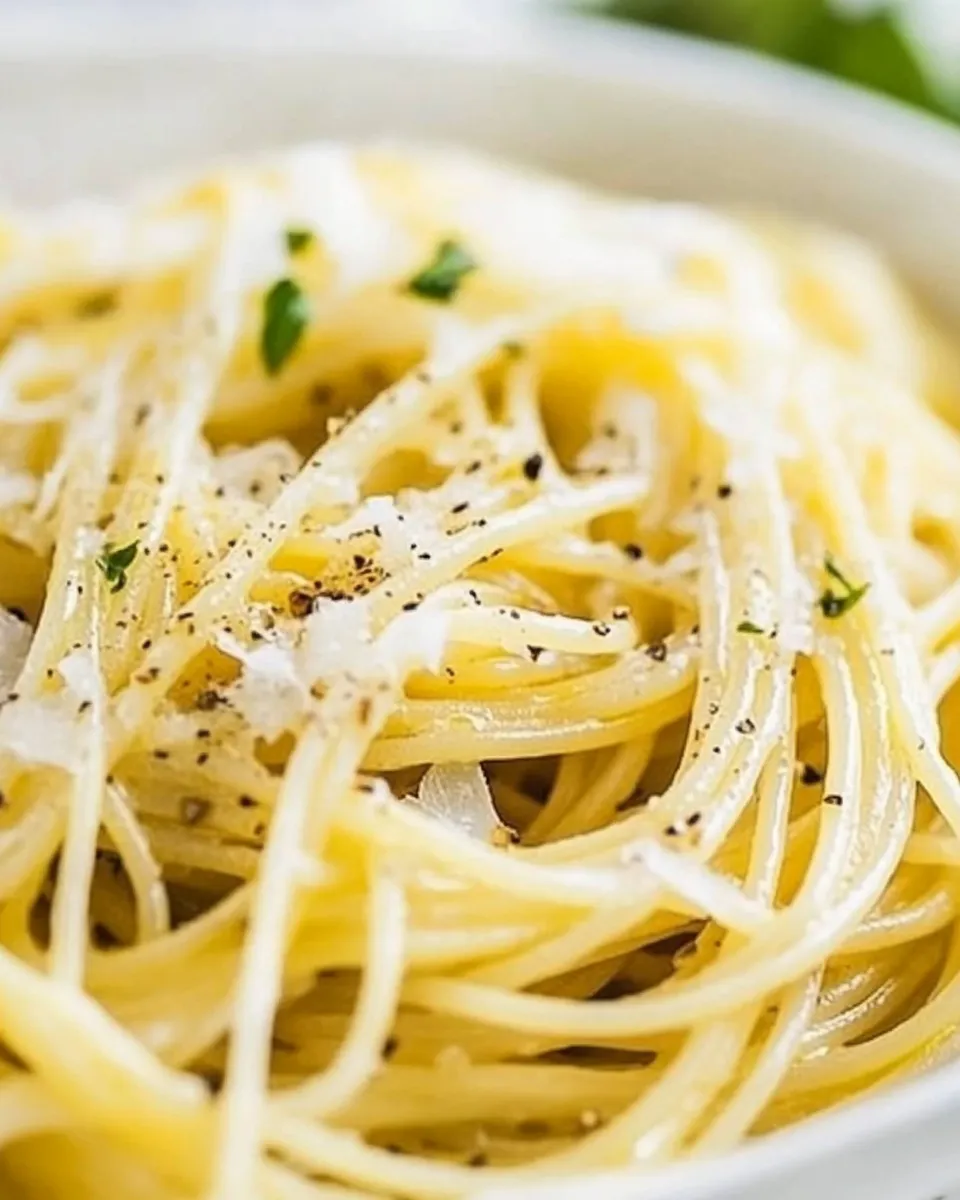
- If you don’t have spaghetti, use any long pasta you have on hand—linguine, bucatini, or even thin fettuccine work well.
- If fresh parsley is unavailable, use a smaller amount of dried parsley as a last resort and add it earlier while cooking. Fresh is best for brightness.
- No Parmesan? Substitute another hard, salty cheese you like (Pecorino or grated Asiago) but keep to the same amount so the sauce binds properly.
- If high-quality olive oil is limited, you can use a more neutral oil for part of the amount and finish with a drizzle of better olive oil at the end for flavor.
Equipment & Tools
- Large stockpot — for boiling the pasta without crowding.
- Slotted spoon or measuring cup — to reserve exactly 3/4 cup starchy pasta water before draining.
- Cold skillet with a lid-friendly rim — a wide pan gives the spaghetti space to toss and keeps the garlic slices from overlapping into clumps.
- Tongs or long-handled pasta fork — for tossing and serving.
- Box grater — for freshly grating Parmesan; it melds into the sauce better than pre-grated.
What Not to Do
Don’t crank the heat when the garlic is in the oil. Garlic goes from sweet to bitter in seconds when it browns too quickly. If you see dark brown bits, it’s better to start over with fresh sliced garlic and new oil. Don’t skip reserving pasta water; it contains starch that helps emulsify the oil into a sauce that clings to the noodles.
Avoid adding all your herbs at the beginning of cooking. Herbs are fragile; add them at the end so they remain bright. And don’t drown the pasta in oil—1/3 cup plus starchy water is plenty to create a glossy coating without making the dish greasy.
Make It Your Way
Want a twist? Try one of these practical options depending on mood and pantry:
- Add protein: toss in cooked shrimp, grilled chicken slices, or white beans at the end to make it heartier.
- Play with texture: fold in toasted breadcrumbs mixed with a pinch of salt for crunch.
- Brighten up: finish with a squeeze of lemon or a little lemon zest for acidity that lifts the oil and cheese.
- Greens: stir in handfuls of baby spinach or arugula right after tossing so they just wilt into the hot pasta.
What I Learned Testing
In multiple runs, the biggest difference-maker was the moment I poured pasta water into the skillet. Pouring 1/2 cup first stops the garlic from coloring further and creates the initial emulsion. Reserving extra water gives flexibility: you may or may not need the last 1/4 cup depending on pasta absorption and how long it sat before tossing.
Another consistent lesson: slice garlic very thinly. Thicker chunks don’t release the same sweet flavor and are more likely to brown unevenly. Slight color at the edges is perfect. I also learned to grate Parmesan fresh and add it off the heat so it melts gently into the warm pasta without clumping.
Storage & Reheat Guide
Leftovers are best eaten within 2 days. Store in an airtight container in the refrigerator. The sauce may tighten as it cools because the oil will firm up; to reheat, add a splash of water (or olive oil) and warm gently in a skillet over low heat while stirring until the pasta loosens and the sauce becomes glossy again.
Microwaving works in a pinch: sprinkle a tablespoon of water over the pasta, cover loosely, and heat in short bursts, stirring between them. Fresh herbs lose vibrancy when stored; add a few fresh sprigs or a quick sprinkle of parsley before serving to revive the dish.
Quick Questions
- Can I use garlic powder? Fresh sliced garlic is best here for flavor and texture. Garlic powder won’t replicate the sweet, toasted garlic slices and will alter the sauce.
- Is the basil required? No. It’s optional. Use it if you want a sweet, anise-like freshness; parsley provides bright green flavor on its own.
- Can I make the garlic oil ahead? Yes—make and chill the garlic oil in the fridge, then warm gently before adding pasta. Discard if kept longer than a couple of days.
Make It Tonight
Gather your ingredients and fill a large pot with water first—pasta waits for no one. While the water is coming to a boil, slice the garlic, grate the cheese, and chop the herbs. Start the oil and garlic in a cold pan, and watch it carefully as it warms. Time things so that when the garlic is lightly golden, the pasta is hot and ready to be finished in the skillet.
This is a dinner that rewards small attentions: low heat, a little starchy water, and a final toss. Serve it right away with extra Parmesan on the table and a simple green salad if you like. It’s uncomplicated, quick, and honest—exactly what I reach for on busy evenings that still deserve a proper meal.
Spaghetti with Olive Oil and Garlic
Ingredients
Ingredients
- 1 lb.spaghetti
- 1/3 cupolive oil
- 6 garlic cloves peeled and sliced very thinly
- 1/2 tsp.red pepper flakes
- 1/3 cupfresh parsley chopped
- 1/4 cupfresh basil choppedoptional
- 1 cupParmesan cheese grated
Instructions
Instructions
- Bring a large pot of water to a rolling boil. Add the 1 lb spaghetti and cook, stirring occasionally, until al dente according to package directions. Before draining, scoop out and reserve 3/4 cup of the starchy pasta cooking water; then drain the spaghetti.
- While the pasta cooks, place 1/3 cup olive oil and the 6 peeled, very thinly sliced garlic cloves in a cold skillet.
- Set the skillet over low–medium heat and gently warm the oil and garlic together. Maintain a gentle simmer so the garlic softens without burning—cook about 6–7 minutes, until the garlic is softened and just beginning to turn light golden.
- When the garlic has softened and just started to brown, add the 1/2 tsp red pepper flakes and cook 30 seconds to bloom their flavor.
- Pour 1/2 cup of the reserved pasta water into the skillet to stop the garlic from cooking further and to loosen the oil into a sauce.
- Add the drained spaghetti to the skillet. Toss or stir thoroughly to coat the pasta with the garlic–olive oil sauce, adding enough of the remaining reserved pasta water (up to the remaining 1/4 cup) if the pasta seems dry and needs more sauce.
- Stir in the 1/3 cup chopped fresh parsley, the 1/4 cup chopped fresh basil (if using), and the 1 cup grated Parmesan until evenly distributed and the sauce clings to the pasta.
- Transfer to plates or a serving bowl and garnish as desired with Parmesan, red pepper flakes, parsley, and/or basil. Serve immediately.
Equipment
- Large Pot
- Skillet
- Colander
- spoon or tongs
Notes
Do not let the garlic burn.Burnt garlic doesn't smell or taste good, so keep an eye as the cloves are cooking. They should be turning a light golden brown, but if that happens before the pasta is ready, add in the pasta water and then take the pan off the heat until the pasta is done.
Don’t forget the salt in the pasta water!The only way to really season pasta is through the water it absorbs, so make sure you don't forget to add salt to the water. It should be a generous amount, making your pasta water taste like the ocean. This will give the spaghetti great flavor.