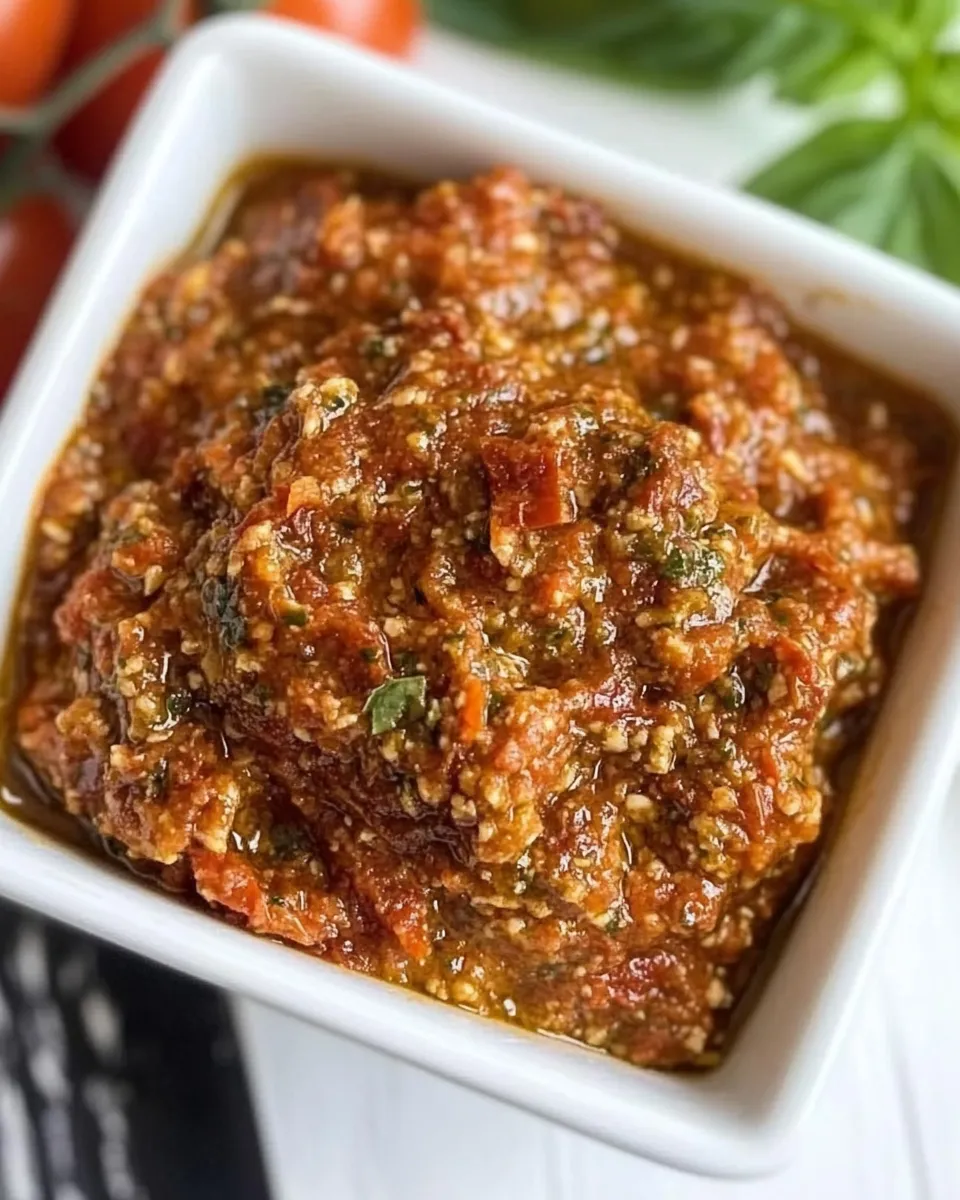
This sun dried tomato pesto is one of those pantry-powered sauces that feels indulgent but comes together in minutes. It’s bright, tangy, and deeply savory—perfect when you want something more than a jarred sauce without a complicated recipe. I reach for this when I want to dress pasta, lift a sandwich, or finish a bowl of roasted vegetables.
There’s a satisfying texture here: a creamy base from the pine nuts and olive oil, concentrated tomato flavor from the sun dried tomatoes, and that salty, umami snap from Parmesan. It’s straightforward, forgiving, and stores well, which makes it a weeknight favorite and a last-minute crowd pleaser.
I write recipes that I actually cook, so the notes below focus on what makes this pesto reliable: what to buy, what to watch for, and how to tweak it depending on the season or what’s in your pantry. Follow the steps as written, then use the tips to make it yours.
What to Buy
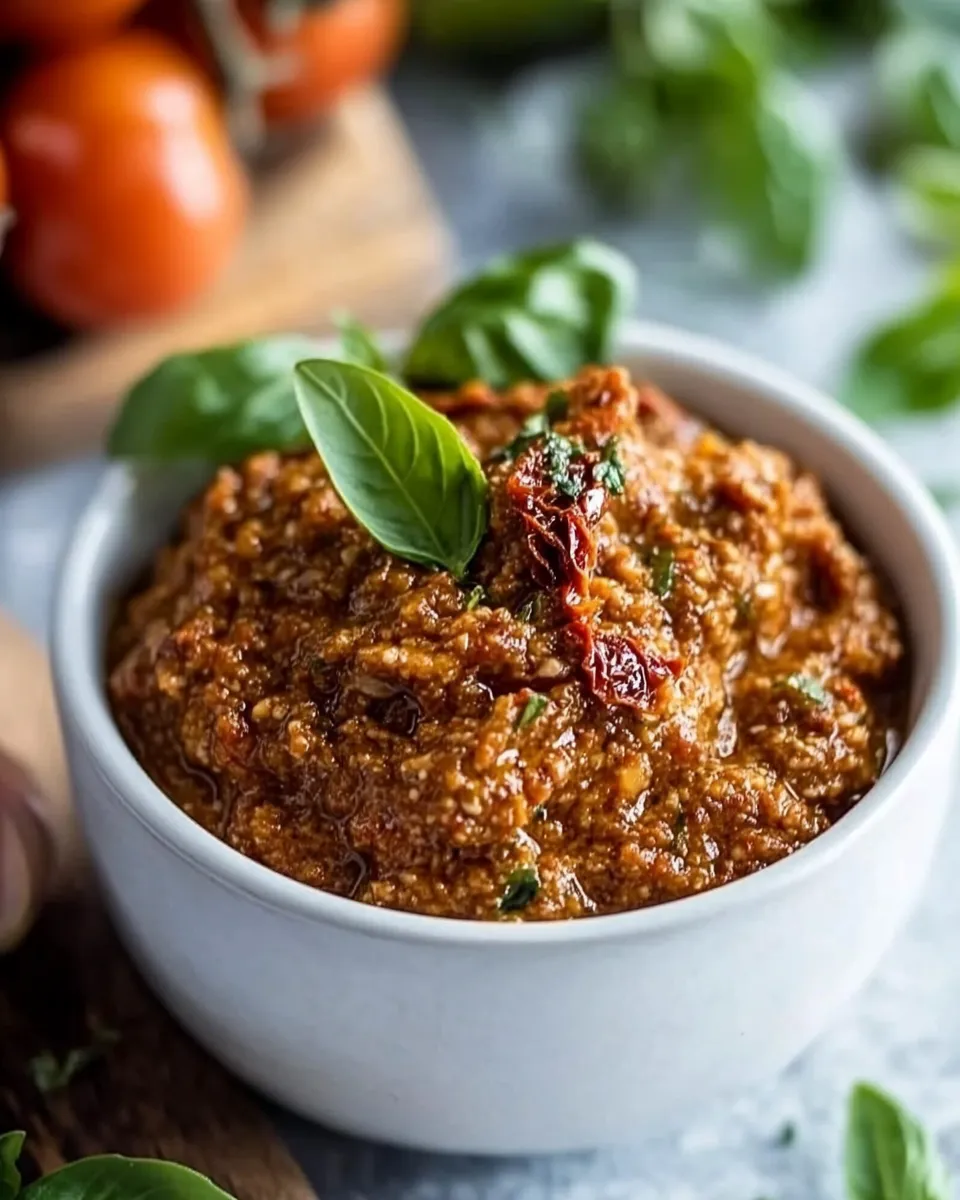
Start with good sun dried tomatoes packed in olive oil—those are the backbone of the flavor. You don’t need an artisanal jar, but avoid tomatoes that look dry and leathery in a bag; the oil-packed ones give a softer texture and richer taste right out of the jar.
Pine nuts are classic here for their buttery finish. They’re not cheap, so if cost is a concern, buy in small quantities or from a store with a good turnover so they’re fresh. Parmesan should be real Parmigiano-Reggiano or a similar aged hard cheese for that crystalline, savory finish. Use a medium-grade extra virgin olive oil you like; it will affect the final flavor.
Ingredients
- 3/4 cup sun dried tomatoes (packed in olive oil) — the concentrated tomato base; oil-packed gives texture and flavor.
- 1/3 cup pine nuts — provides creaminess and a slightly sweet, nutty backbone.
- 2 cloves garlic — adds bright savory bite; adjust if you prefer milder garlic.
- 1/3 cup Parmesan cheese — brings saltiness and umami; grate finely for easier blending.
- 1/2 cup olive oil — binds the pesto and smooths the texture; drizzle in slowly for an emulsion.
Sun Dried Tomato Pesto in Steps
- Place 3/4 cup sun dried tomatoes (packed in olive oil), 1/3 cup pine nuts, 2 cloves garlic, and 1/3 cup Parmesan cheese into a high‑speed blender or food processor.
- Pulse or blend until the ingredients are broken down and mostly combined, stopping to scrape down the sides with a spatula as needed.
- With the motor running on low, slowly drizzle in 1/2 cup olive oil in a thin stream; continue blending until the pesto is thick and smooth, stopping to scrape down the sides once or twice.
- Transfer the pesto to a bowl, cover, and let sit for 30 minutes to allow the flavors to meld.
Why Cooks Rave About It
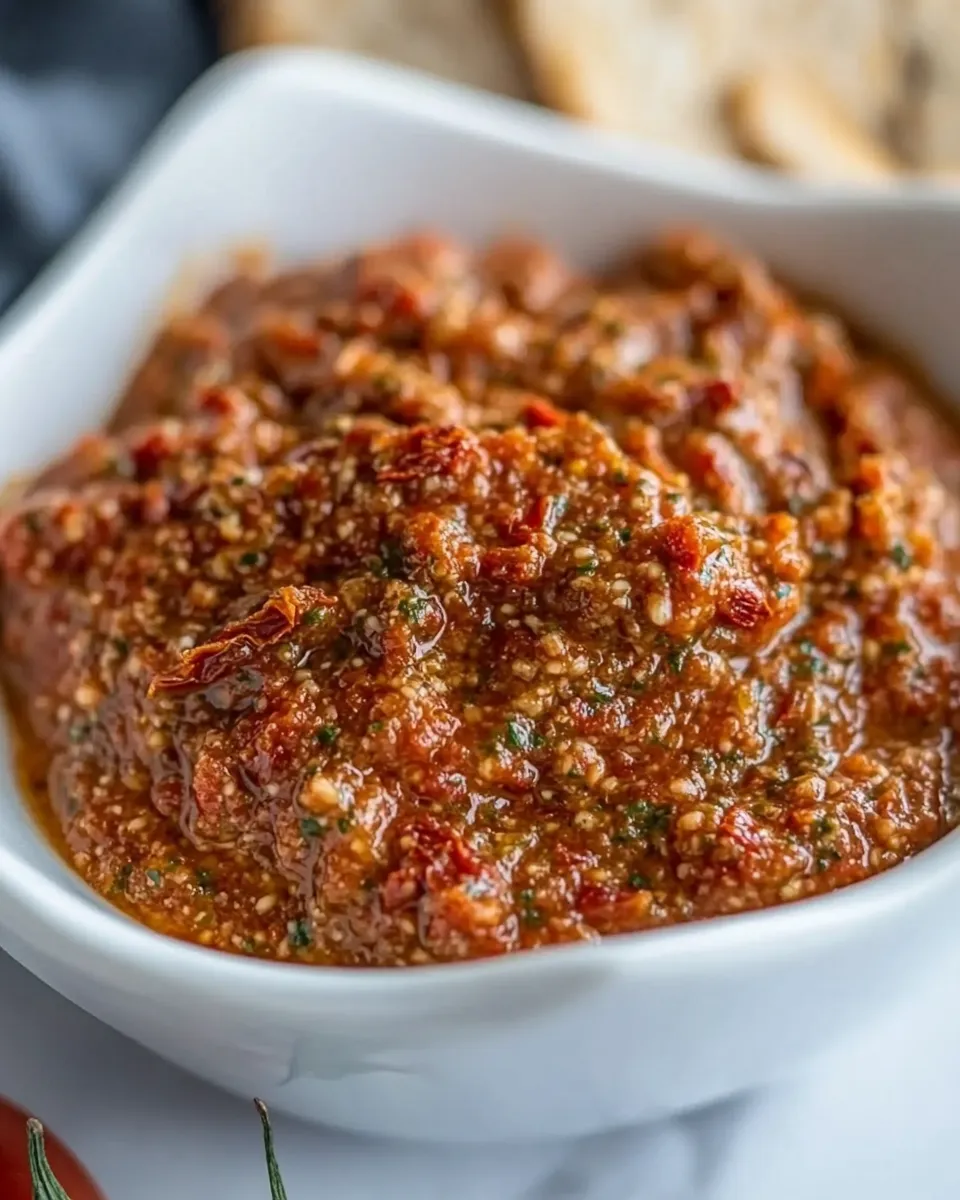
This pesto is concentrated flavor—sun-dried tomatoes give an intense, sweet-tart tomato note that’s different from fresh tomatoes or marinara. The oil-packed tomatoes mean you get tomato flavor and olive oil flavor together, which helps create a rich mouthfeel without needing long cooking.
Pine nuts and Parmesan round out the profile with creaminess and savory depth; that pairing is familiar and comforting, but the tomato focus keeps the sauce bright. It’s a flexible condiment: toss with pasta, spoon over grilled chicken or fish, stir into warm vegetables, or use as a sandwich spread. The simplicity is deceptive—one blend of these five ingredients yields a sauce that feels well-considered and versatile.
If You’re Out Of…
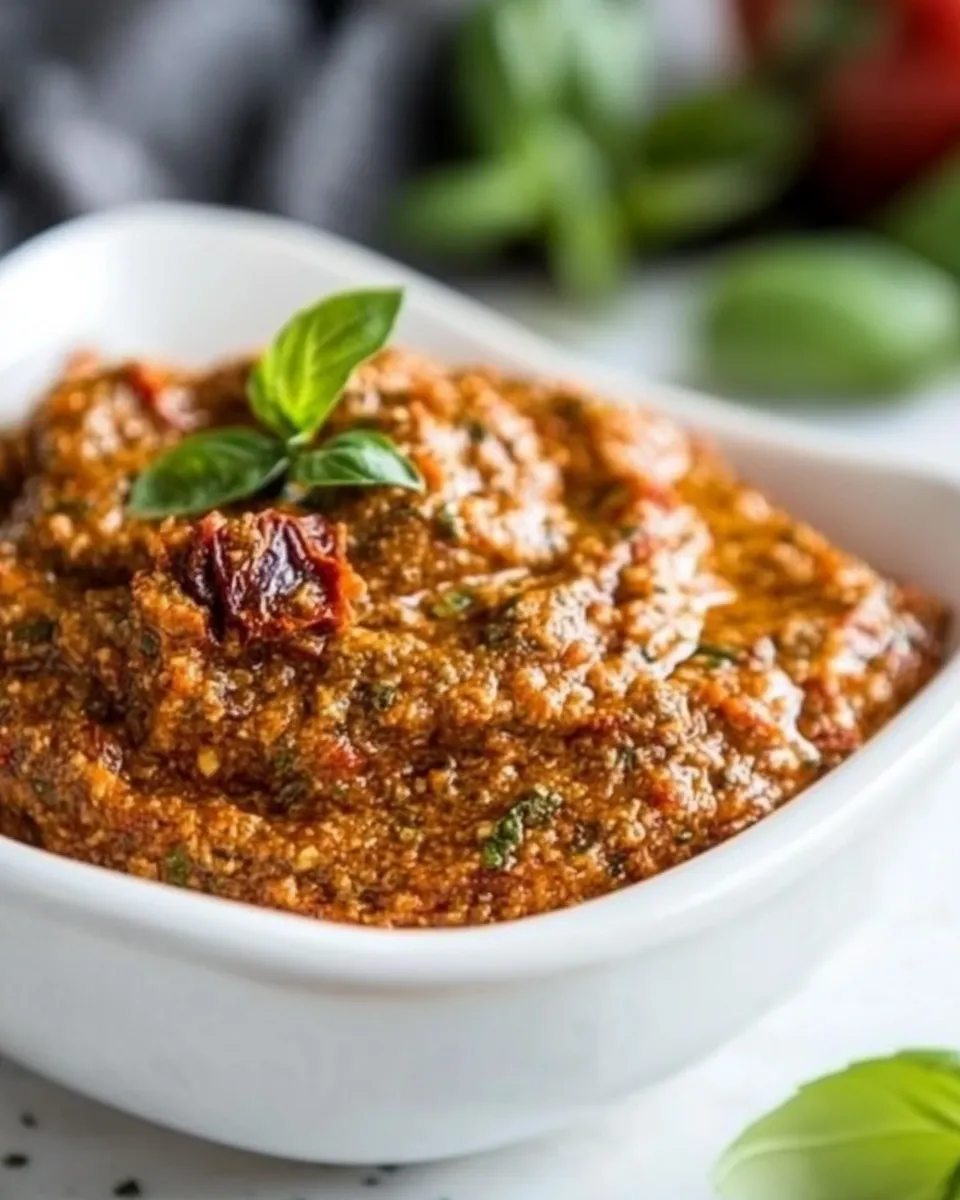
If you’re missing something, here are practical swaps that work when you need them:
- Pine nuts — toasted almonds or walnuts work as a nutty substitute; they’ll change the flavor slightly but maintain creaminess.
- Parmesan cheese — aged hard cheeses with similar salt and umami can stand in; grate finely before blending.
- Sun dried tomatoes (oil‑packed) — if you only have dry-packed tomatoes, rehydrate them briefly in warm water or olive oil to soften before blending.
- Olive oil — use a neutral oil only if necessary, but the olive oil contributes significantly to flavor; pick an oil you enjoy.
- Garlic — roasted garlic will give you a milder, sweeter note if you prefer less bite.
Toolbox for This Recipe
- High‑speed blender or food processor — for building a smooth pesto; a blender gives a silkier result while a processor keeps more texture.
- Measuring cups and spoons — the recipe balances concentrated ingredients, so the listed amounts matter.
- Spatula — for scraping the bowl so nothing is wasted.
- Fine grater — for fresh Parmesan; pre-grated cheese can be used but fresh will blend better.
- Jar or airtight container — for storing leftovers in the fridge.
Pitfalls & How to Prevent Them
Too oily: If you pour the olive oil in too quickly, the pesto can separate or be oil-heavy. Keep the motor on low and drizzle the oil slowly to form a stable emulsion.
Grainy texture: Overworking certain nuts at high speed can heat them and release too much oil, making the paste grainy. Pulse at first to combine, then blend in short bursts and scrape down the sides.
Too salty: Parmesan brings saltiness. If you’re sensitive to salt, taste after the pesto has rested and add no additional salt or use slightly less Parmesan next time.
Too bitter: Using a harsh-tasting olive oil will make the pesto bitter. If your oil tastes pungent on its own, choose a milder extra virgin olive oil for this recipe.
Season-by-Season Upgrades
Spring: Stir in a few fresh herbs after blending—basil or parsley complement the tomatoes without overwhelming the core flavor.
Summer: Use this as a finishing sauce for grilled vegetables or toss with pasta and fresh tomatoes for a lighter take. The concentrated tomato flavor balances summer produce well.
Fall: Add a handful of toasted seeds or a small splash of aged vinegar when serving to pair with roasted squash or root vegetables.
Winter: Fold in warm roasted peppers or use the pesto to finish a hearty soup or braised greens; its richness lifts heavier winter dishes.
Method to the Madness
The order of operations here is deliberate. Starting by blending the solids breaks them down uniformly so the oil can be incorporated smoothly. Drizzling the oil slowly while the blender or processor runs creates an emulsion, which gives the pesto a cohesive, glossy texture instead of an oily puddle.
Letting the pesto rest for 30 minutes is a small but important step. The rest time lets the garlic mellow and the flavors marry—pine nuts soften slightly, the Parmesan relaxes into the mix, and the concentrated tomato notes bloom. It’s a short wait for a noticeably better result.
Leftovers & Meal Prep
Store the pesto in an airtight container in the refrigerator for up to a week. Press a thin layer of olive oil on top before sealing to reduce surface oxidation and preserve color. For longer storage, freeze in small portions—ice cube trays work well so you can thaw only what you need.
Meal prep ideas: stir a spoonful into warm pasta with a splash of pasta water; spread on toasted bread with goat cheese for a quick crostini; mix into a grain bowl for instant flavor; or use as a finishing sauce on roasted proteins.
Helpful Q&A
Q: Can I use dry-packed sun dried tomatoes instead of oil-packed?
A: Yes—rehydrate them briefly in warm water or a little olive oil so they soften before blending. Dry-packed tomatoes will otherwise stay leathery and won’t mix smoothly.
Q: Can I make this nut-free?
A: You can omit the pine nuts and use a seed like sunflower or pumpkin if needed, though the texture and flavor will change. Leaving nuts out entirely will yield a thinner pesto, so adjust by reducing oil or adding a small spoonful of cheese to thicken.
Q: How can I keep the pesto bright and not overly oily?
A: Drizzle the oil slowly while blending and stop when the texture reaches your preferred thickness. Letting it sit also helps flavors integrate so you might find you need less oil than expected.
Q: Can I make this ahead?
A: Yes—pesto often tastes better the next day. Store in the fridge and bring to room temperature before using, or warm briefly if serving with hot pasta.
The Takeaway
This Sun Dried Tomato Pesto is a concentrated, pantry-friendly sauce that punches well above its weight. With five straightforward ingredients and a few simple rules—pulse first, drizzle oil slowly, let it rest—you get a versatile condiment that elevates pasta, sandwiches, roasted vegetables, and more. Keep a jar in the fridge, and you’ll find countless quick ways to brighten weeknight meals.
Sun Dried Tomato Pesto
Ingredients
Ingredients
- 3/4 cupsun dried tomatoespacked in olive oil
- 1/3 cuppine nuts
- 2 clovesgarlic
- 1/3 cupparmesan cheese
- 1/2 cupolive oil
Instructions
Instructions
- Place 3/4 cup sun dried tomatoes (packed in olive oil), 1/3 cup pine nuts, 2 cloves garlic, and 1/3 cup Parmesan cheese into a high‑speed blender or food processor.
- Pulse or blend until the ingredients are broken down and mostly combined, stopping to scrape down the sides with a spatula as needed.
- With the motor running on low, slowly drizzle in 1/2 cup olive oil in a thin stream; continue blending until the pesto is thick and smooth, stopping to scrape down the sides once or twice.
- Transfer the pesto to a bowl, cover, and let sit for 30 minutes to allow the flavors to meld.
Equipment
- High-Speed Blender
- Food Processor
- Spatula
- Bowl
Notes
If your pesto is too thick, add more olive oil.
TO STORE
: Leftover pesto can be stored in the refrigerator, covered, for up to four weeks.
TO FREEZE
: Place the pesto in a sterilized jar and store it in the freezer for up to 6 months.