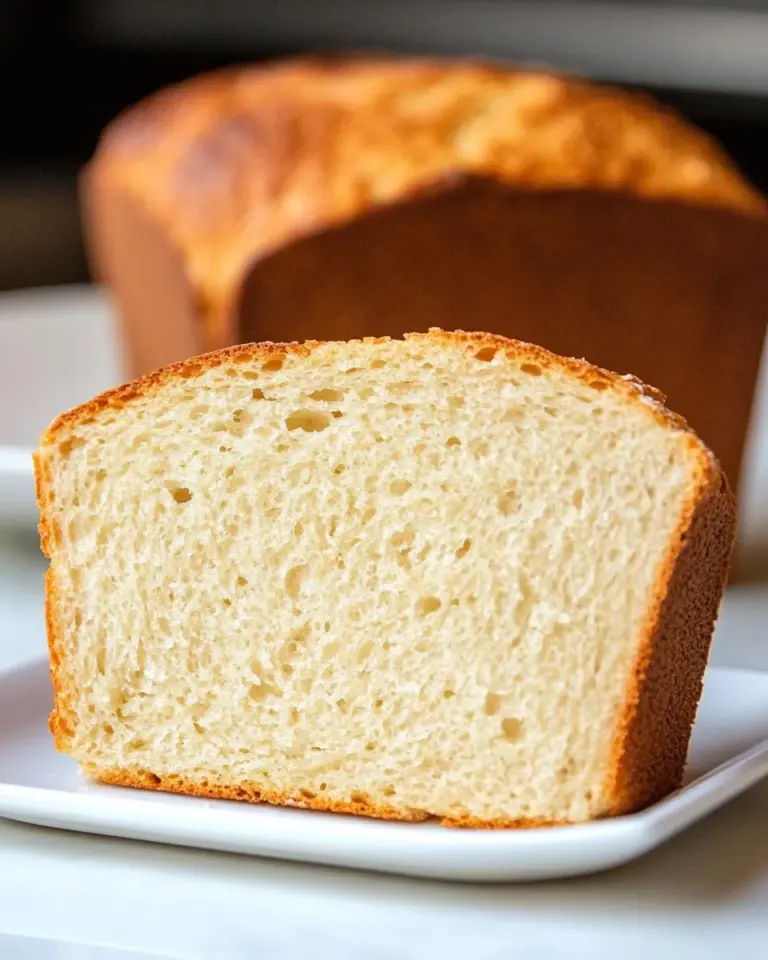
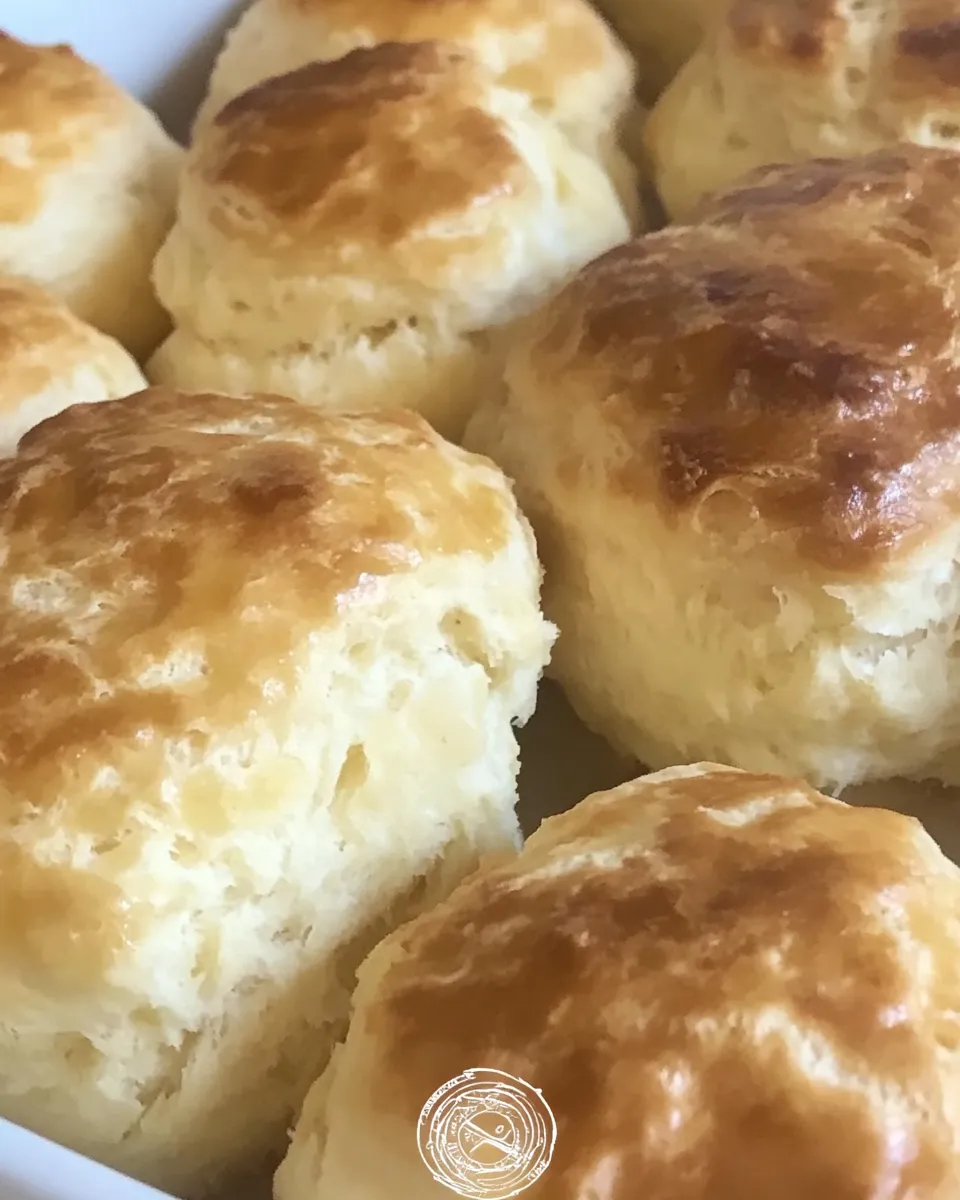
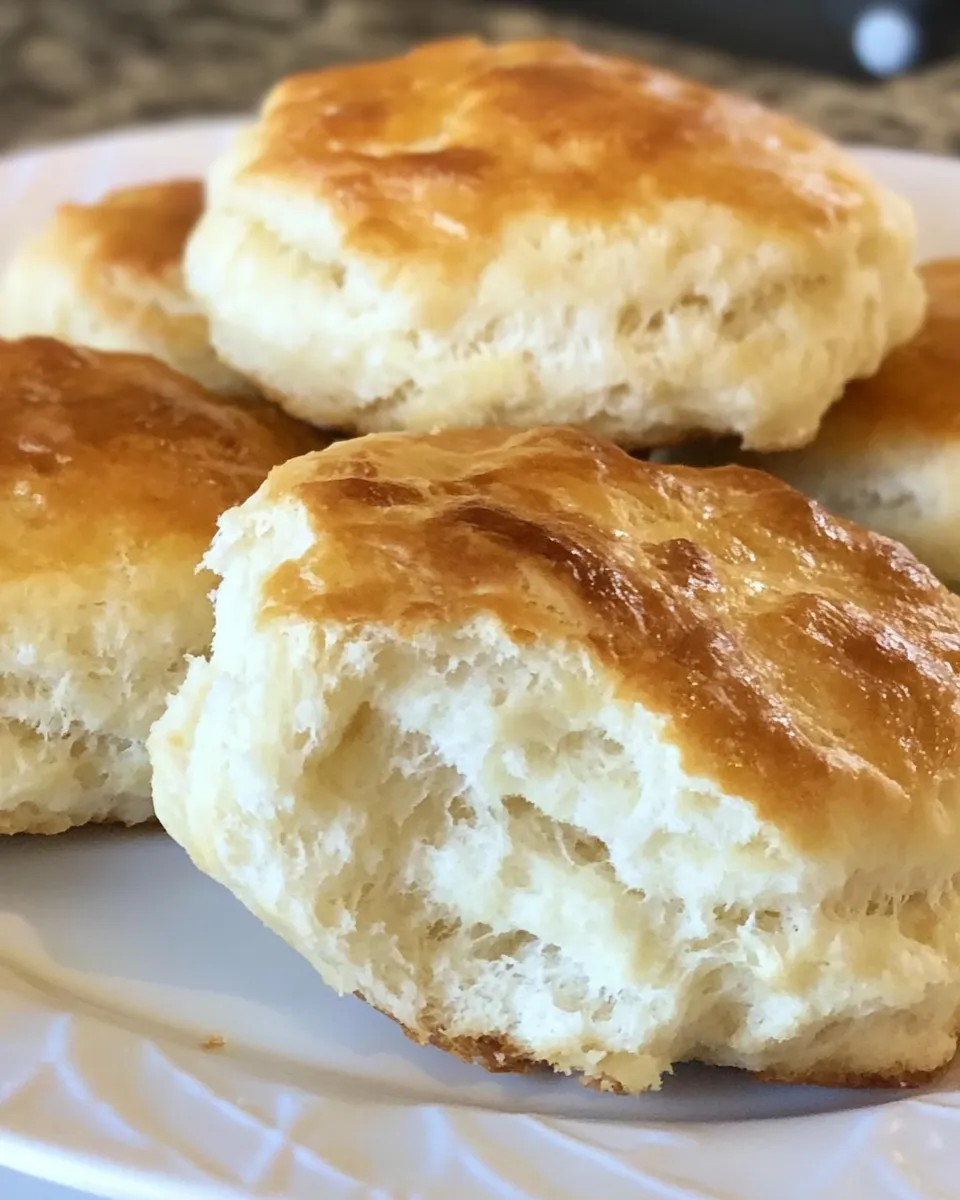
There’s a reason Southern biscuits feel like a warm invitation. They’re simple ingredients, honest technique, and a few small rules that turn ordinary flour and fat into layers of tender, flaky bread that soak up butter and jam like a dream. I test biscuits until the edges are golden and the crumb is airy, and I’ll give you the dependable method that works every time.
No tricks. No special equipment required. Just attention to cold, gentle handling, and heat. Read through the shopping notes, follow the steps in order, and use the post-bake butter brush like it’s the final magic touch. You’ll get biscuits that rise tall, break apart in sheets, and taste like the South.
I’ll include the exact ingredient list and the tested directions below, plus troubleshooting, variations, and storage tips so you can make these again and again with confidence.
Ingredients
- 4 cups self-rising flour — White Lily Soft Winter Wheat; plus extra for dusting the bread board and for kneading.
- 1 tablespoon baking powder — gives the lift beyond the self-rising base and ensures even rise.
- 1 teaspoon granulated white sugar — a touch of sweetness to balance flavor and boost browning.
- 1 ½ teaspoon kosher salt, divided — divided to season both the dough and the butter; do not skip.
- ⅔ cup Crisco shortening — cut into the flour for flaky layers; keep it cold.
- 2 cups very cold buttermilk — acid and liquid that activate the leaveners and tenderize; keep it refrigerated until use.
- ⅓ cup evaporated milk — for brushing the tops before baking to help color and create a delicate crust.
- 2 tablespoon unsalted sweet cream butter, melted — reserved to brush after baking.
- 6 tablespoon unsalted sweet cream butter, divided — 4 tablespoons to melt in the pan before baking and 2 tablespoons left unmelted at first (then melted for finishing).
Your Shopping Guide
Buy self-rising flour if you can find it; White Lily is the classic choice for Southern biscuits because of its soft-wheat profile, but any self-rising flour will work. If you must substitute, note that you’ll need to adjust leavening and salt—this recipe assumes self-rising flour so keep that in mind.
Keep the shortening and the buttermilk chilled. For best texture, the fat should be cold when incorporated and the buttermilk cold when added. If you prefer butter flavor, you’ll still use Crisco for the flaky lift; the butter in the recipe is used for flavoring and brushing, not as the primary shortening. Buy good-quality unsalted butter so you can control the salt in the dough.
Evaporated milk is easy to find on the baking aisle; it’s the key for a nicely bronzed top when brushed before baking. And pick up a tub of kosher salt if you don’t have it—the larger crystals are easier to manage when dividing the salt as directed.
Directions: Perfect Southern Biscuits
- Position an oven rack in the center and preheat the oven to 425°F (220°C). Put 4 tablespoons of the 6 tablespoons unsalted butter (from the “6 tablespoons … divided”) in a rimmed half-sheet (jelly-roll) pan and place the pan in the oven to melt as it heats. Watch so the butter bubbles and melts but does not burn. Set aside the remaining 2 tablespoons of that 6 tablespoons (leave them unmelted) and set aside the separate 2 tablespoons of melted butter (these will be used after baking).
- In a large mixing bowl whisk together 4 cups self-rising flour, 1 tablespoon baking powder, 1 teaspoon granulated sugar, and 1/2 teaspoon of the kosher salt.
- Add the 2/3 cup Crisco shortening to the dry mixture. Use a pastry cutter to cut the shortening into the flour until the fat is in small pieces and the mixture looks wet and clumpy. Do not use your hands to mix the shortening in.
- Keep the 2 cups very cold buttermilk in the refrigerator until ready. Add all 2 cups of the cold buttermilk to the flour mixture at once and stir with a rubber spatula just until the dough comes together; do not overmix.
- Lightly flour a bread board or work surface and turn the dough out onto it. Sprinkle a little flour on top of the dough. Fold the dough over on itself and knead by folding about 6–8 times, adding small amounts of flour as needed to keep it from sticking. The dough should be soft and smooth when done; it will still be slightly tacky.
- Using your hands, pat and press the dough into a flat circle about 1 inch thick. Do not use a rolling pin.
- Use a biscuit cutter to cut the biscuits by pressing straight down (do not twist). Re-shape and re-roll scraps as needed to cut remaining biscuits.
- Remove the hot buttered pan from the oven. Sprinkle 1/2 teaspoon of the kosher salt (half of the remaining salt) evenly into the melted butter in the pan.
- Gently place the cut biscuits into the hot butter in the pan; the biscuits may touch. Work quickly so the pan returns to the oven temperature.
- Brush the tops of the biscuits with the 1/3 cup evaporated milk using a pastry brush. Sprinkle the remaining 1/2 teaspoon kosher salt evenly over the tops.
- Return the pan to the oven and bake 18–25 minutes, until the biscuits are golden brown and well risen. Do not open the oven door for at least the first 10 minutes of baking.
- While the biscuits bake (or immediately after removing them), melt the reserved 2 tablespoons of butter from the 6 tablespoons if it is still solid (microwave briefly or warm in a small pan). On removing the biscuits from the oven, brush them with the hot 2 tablespoons melted butter listed in the ingredients plus the freshly melted 2 tablespoons you reserved (total 4 tablespoons brushed), then serve.
Reasons to Love Perfect Southern Biscuits
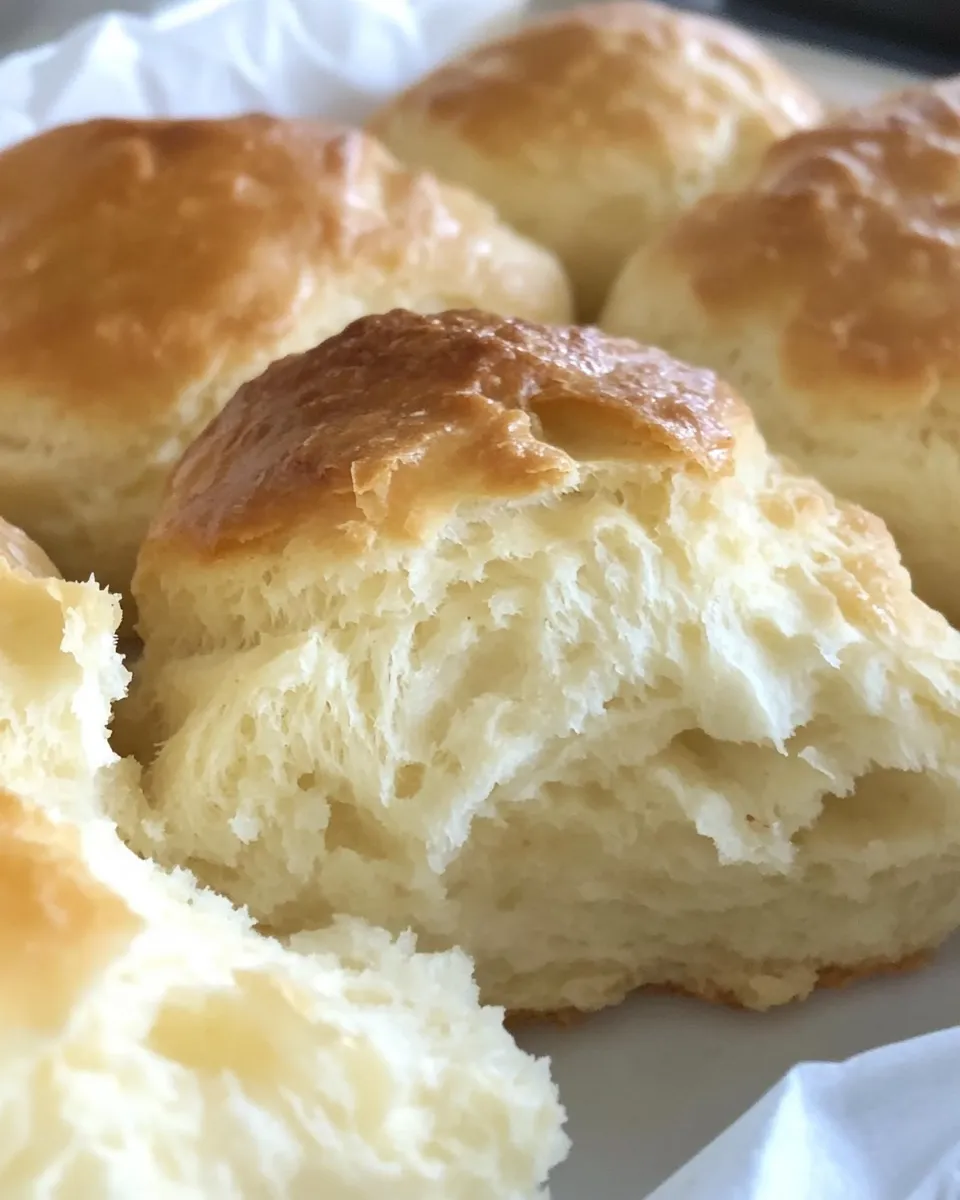
These biscuits are reliable. They come together quickly, and the method prioritizes texture: cold fat for flaky layers, gentle handling to keep the crumb tender, and a hot buttered pan to give a golden, savory base. The finish of brushing with additional butter after baking guarantees shine and that buttery, irresistible scent.
They’re versatile. Serve them split and buttered, with jam, gravy, or as a base for a breakfast sandwich. The short ingredient list and straightforward technique make them accessible for bakers of all levels, and once you know the rhythm—cold fat, quick mixing, warm pan—you can repeat it with confidence.
International Equivalents
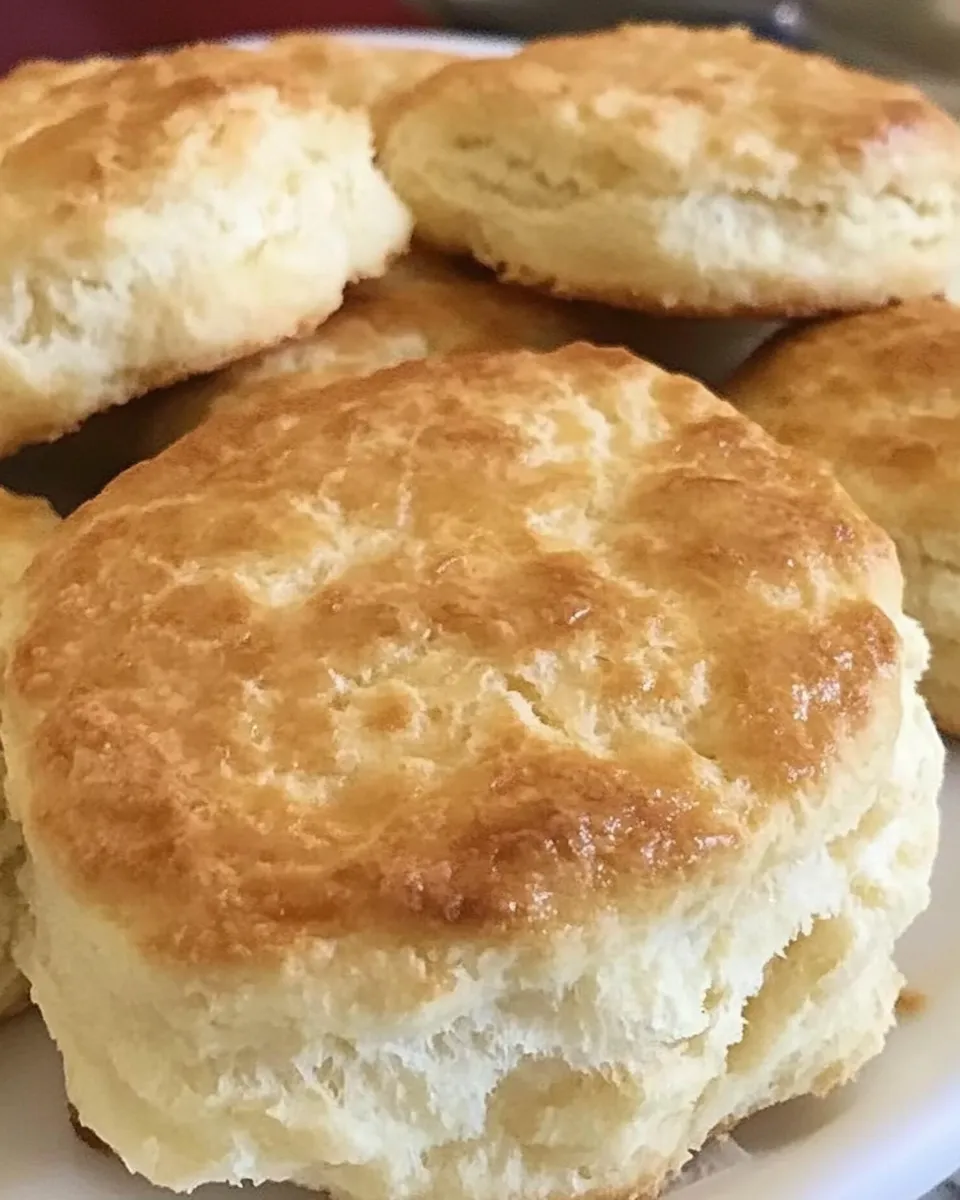
Biscuits in the American South are closest in technique to British soda scones in that they rely on chemical leavening and minimal liquid handling. If you’re outside the U.S. and can’t find self-rising flour, you can recreate it by adding leavening to plain flour; however, this recipe is written for self-rising so follow the ingredients exactly for best results.
In many countries, the word “biscuit” means a hard cookie. If you explain this as “Southern-style soft bread biscuits” or “American-style biscuits,” people will understand the flaky, soft bread you’re describing. For international readers who bake with metric measurements, weigh the flour where possible for the most consistent results; the texture matters more than precise grams here.
Tools & Equipment Needed
- Rimmed half-sheet (jelly-roll) pan — for melting the butter in the oven and baking the biscuits.
- Large mixing bowl — room to whisk and mix without overworking.
- Pastry cutter — to cut the Crisco shortening into the flour; preserves small cold pieces of fat.
- Rubber spatula — for gently bringing the dough together after adding buttermilk.
- Bread board or work surface — lightly floured for turning and kneading the dough.
- Biscuit cutter — to cut straight down without twisting (a sharp cookie cutter will do in a pinch).
- Pastry brush — for brushing evaporated milk before baking and melted butter after baking.
Watch Outs & How to Fix
Dry, tough biscuits: Most likely overworked dough or too much flour during kneading. Fix: Be gentler. Fold and knead the specified 6–8 times only. If the dough is sticky, dust with small amounts of flour; avoid turning it into a stiff dough.
Flat biscuits: Causes can be old leavening, warm fat, or overmixing after adding buttermilk. Fix: Use fresh baking powder and keep the shortening cold. Mix just until the dough comes together.
Burnt butter base: Melted butter in the pan should bubble but not brown excessively. Watch the pan as the oven heats. Fix: If the butter darkened, scrape the pan quickly and replace with fresh butter if necessary before placing biscuits in the pan.
Dense centers: Often a result of too-tight cutting (twisting the cutter) or packing the dough too firmly. Fix: Press the cutter straight down without twisting and re-shape scraps gently; don’t roll scraps thinner than recommended.
Variations for Dietary Needs
Gluten-free: This recipe depends on the structure and behavior of wheat flour and self-rising blends. For a gluten-free version, use a tested gluten-free self-rising flour blend formulated for quick breads and add binders as recommended by the blend’s instructions. Results will differ; treat this as a new recipe and test bake once.
Dairy-free: Replace evaporated milk and butter brushes with dairy-free alternatives—use full-fat coconut milk for brushing before baking and a plant-based butter for post-bake brushing. Keep the shortening as-is if it’s already dairy-free.
Lower-fat: Shortening provides the flaky lift; reducing it changes texture. For a lighter result, you can try substituting part of the shortening with cold, grated butter, but expect a small change in rise and flakiness.
Recipe Notes & Chef’s Commentary
Why cold ingredients matter: Cold shortening creates pockets of fat that steam during baking, forming layers. Warm shortening will blend too fully with the flour and produce a biscuit that’s closer to bread than layered pastry.
Why the hot buttered pan: Putting biscuits into bubbling butter gives lift and a golden bottom edge. It also flavors the underside so every bite tastes buttery, not just the top.
Evaporated milk vs. regular milk: Evaporated milk adds a little extra milk solids which promote color and a slightly richer crust. If you use whole milk, the biscuits will still bake fine but the top may not brown quite the same way.
Storing Tips & Timelines
Room temperature: Store leftover biscuits in an airtight container at room temperature for up to 2 days. Reheat briefly in a warm oven (300°F/150°C for 5–10 minutes) to restore crispness.
Refrigerator: You can refrigerate for up to 4 days, though they will dry out faster; reheat in the oven to revive them.
Freezing: Cool completely, then wrap tightly—individually or stacked—in foil and freeze for up to 3 months. Reheat from frozen in a 350°F (175°C) oven for 12–15 minutes or until heated through. For best texture, thaw overnight in the refrigerator and reheat briefly.
Helpful Q&A
Q: Can I substitute butter for Crisco shortening?
A: You can substitute part butter for part shortening, but Crisco helps create a signature lift and consistent flakiness. If you want more butter flavor, swap a portion—but keep some shortening for structure.
Q: Why shouldn’t I twist the biscuit cutter?
A: Twisting seals the edges and compresses layers, preventing the biscuits from rising properly. Press straight down and lift straight up.
Q: My biscuits come out uneven—any tips?
A: Make sure your thickness is even (about 1 inch) when you pat the dough. Work quickly when transferring to the hot pan so the oven heat doesn’t drop drastically, and space them as indicated (they may touch for taller biscuits).
The Last Word
Perfect Southern biscuits are not mysterious. They demand attention to temperature and respect for gentle handling. Keep the fat cold, the buttermilk cold, the mixing minimal, and the pan hot. Brush with butter and serve warm. If you follow the steps exactly, you’ll get tall, flaky biscuits every time—those that disappear first from the plate at the breakfast table.
Make a batch, slice one open, spread a pat of butter, and listen to that soft, satisfying sigh. That’s the sound of success.

THE SECRET TO PERFECT SOUTHERN BISCUITS
Ingredients
Ingredients
- 4 CupsSelf Rising FlourWhite Lily Soft Winter Wheat plus extra for dusting the bread board and for kneading.
- 1 tablespoonBaking Powder
- 1 teaspoonGranulated white sugar
- 1 1/2 teaspoonKosher salt divided
- 2/3 CupsCrisco Shortening
- 2 CupsVery Cold Buttermilk
- 1/3 CupEvaporated Milk
- 2 tablespoonunsalted sweet cream butter - melted
- 6 tablespoonunsalted sweet cream butter - divided
Instructions
Instructions
- Position an oven rack in the center and preheat the oven to 425°F (220°C). Put 4 tablespoons of the 6 tablespoons unsalted butter (from the "6 tablespoons … divided") in a rimmed half-sheet (jelly-roll) pan and place the pan in the oven to melt as it heats. Watch so the butter bubbles and melts but does not burn. Set aside the remaining 2 tablespoons of that 6 tablespoons (leave them unmelted) and set aside the separate 2 tablespoons of melted butter (these will be used after baking).
- In a large mixing bowl whisk together 4 cups self-rising flour, 1 tablespoon baking powder, 1 teaspoon granulated sugar, and 1/2 teaspoon of the kosher salt.
- Add the 2/3 cup Crisco shortening to the dry mixture. Use a pastry cutter to cut the shortening into the flour until the fat is in small pieces and the mixture looks wet and clumpy. Do not use your hands to mix the shortening in.
- Keep the 2 cups very cold buttermilk in the refrigerator until ready. Add all 2 cups of the cold buttermilk to the flour mixture at once and stir with a rubber spatula just until the dough comes together; do not overmix.
- Lightly flour a bread board or work surface and turn the dough out onto it. Sprinkle a little flour on top of the dough. Fold the dough over on itself and knead by folding about 6–8 times, adding small amounts of flour as needed to keep it from sticking. The dough should be soft and smooth when done; it will still be slightly tacky.
- Using your hands, pat and press the dough into a flat circle about 1 inch thick. Do not use a rolling pin.
- Use a biscuit cutter to cut the biscuits by pressing straight down (do not twist). Re-shape and re-roll scraps as needed to cut remaining biscuits.
- Remove the hot buttered pan from the oven. Sprinkle 1/2 teaspoon of the kosher salt (half of the remaining salt) evenly into the melted butter in the pan.
- Gently place the cut biscuits into the hot butter in the pan; the biscuits may touch. Work quickly so the pan returns to the oven temperature.
- Brush the tops of the biscuits with the 1/3 cup evaporated milk using a pastry brush. Sprinkle the remaining 1/2 teaspoon kosher salt evenly over the tops.
- Return the pan to the oven and bake 18–25 minutes, until the biscuits are golden brown and well risen. Do not open the oven door for at least the first 10 minutes of baking.
- While the biscuits bake (or immediately after removing them), melt the reserved 2 tablespoons of butter from the 6 tablespoons if it is still solid (microwave briefly or warm in a small pan). On removing the biscuits from the oven, brush them with the hot 2 tablespoons melted butter listed in the ingredients plus the freshly melted 2 tablespoons you reserved (total 4 tablespoons brushed), then serve.
Equipment
- Oven
- rimmed half-sheet pan (jelly-roll pan) or rimmed baking sheet
- Mixing Bowl
- Whisk
- Pastry Cutter
- Rubber spatula
- bread board or work surface
- biscuit cutter
- Pastry Brush
Notes
See the post for the Pro Tip!