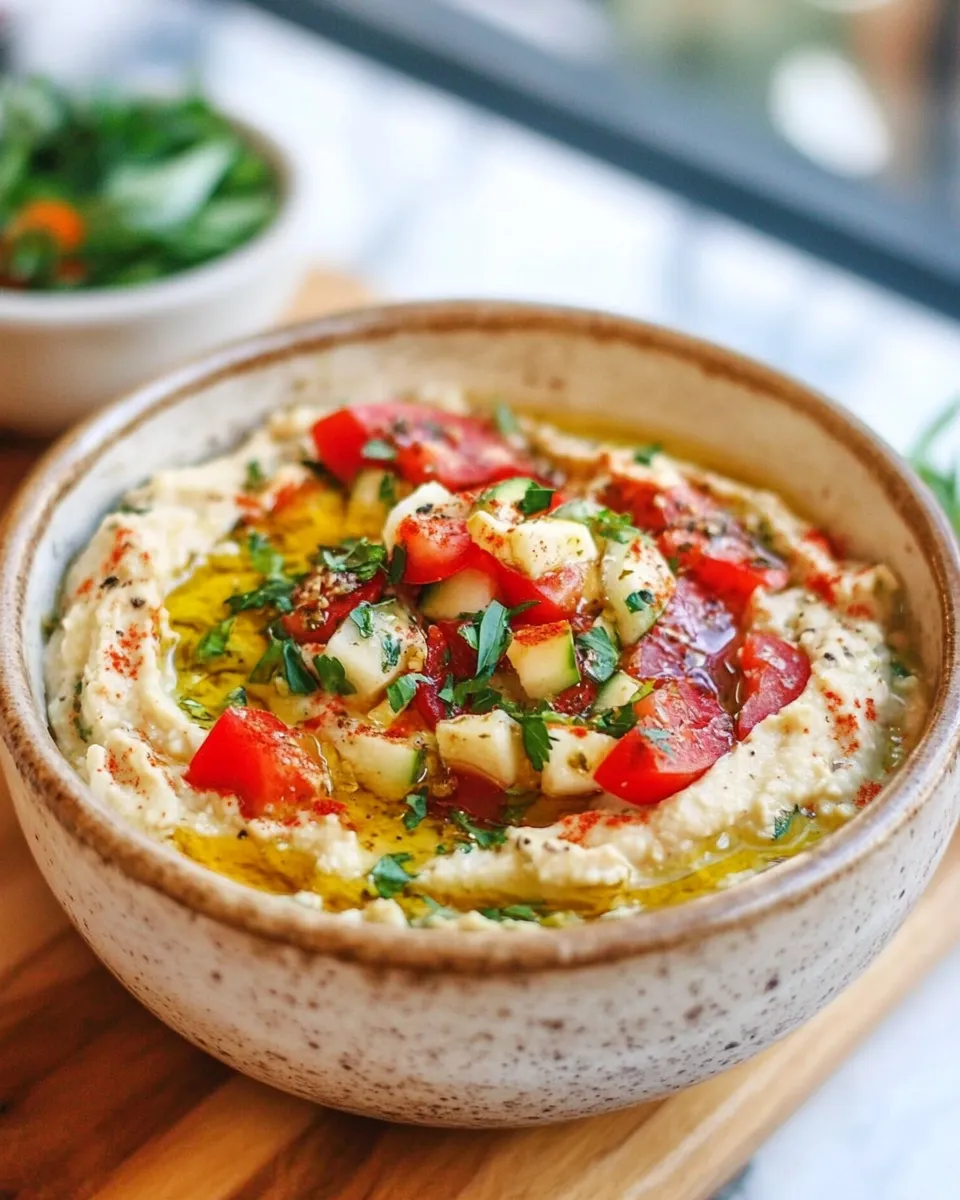
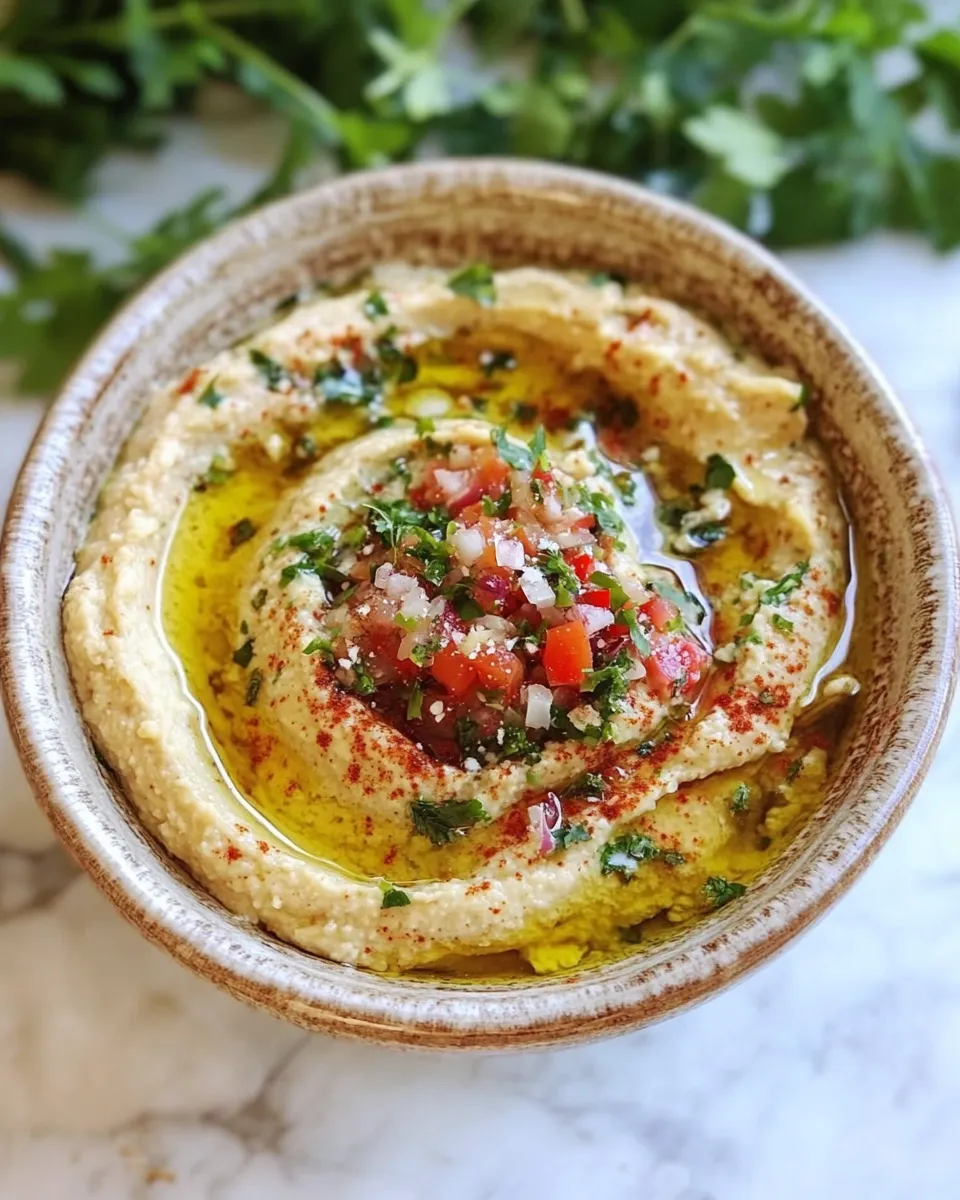
I love a simple dish that sings of its ingredients, and this Traditional Baba Ganoush does exactly that. It’s smoky, bright, and forgiving — the kind of recipe you can make any night of the week and still feel proud to serve. No tahini here; instead, the charred eggplant, fresh tomato, onion, parsley, garlic, lemon, and olive oil carry the dish with clarity.
I’ll walk you through roasting the eggplant over an open flame, the quick prep that follows, and a few small adjustments that keep the texture and flavor true to tradition. If you want a silky dip, there are small technique points to watch. If you prefer a bit more texture and brightness, this version accommodates that, too.
Below you’ll find the ingredients as written, step-by-step directions taken directly from the recipe’s source, and practical tips for success, storage, and easy substitutions. Read through once, prep your station, and you’ll have baba ganoush ready in under 30 minutes of active work.
What Goes In
Ingredients
- 1 eggplant — the star; roast until the skin is blackened and the pulp is very soft.
- 1 tomato, diced — adds freshness and a touch of acidity; drain excess juices if very watery.
- 1 onion, diced — for crunch and bite; red or white works depending on your preference.
- 2 cloves garlic — finely minced for a direct, aromatic hit.
- 2 tablespoons parsley — chopped; bright herb note. Reserve about 1 teaspoon for garnish if desired.
- ½ lemon, juiced — provides brightness and balances the smokiness.
- 1 tablespoon olive oil — used in the mix; set aside about 1 teaspoon for drizzling on top.
- ½ teaspoon salt — essential for seasoning; adjust to taste.
- 1 tablespoon pomegranate molasses (optional) — adds sweet-tart complexity if you like a syrupy counterpoint.
- sumac (optional) — a tangy sprinkle for finishing, if you have it.
- mint leaves (optional) — another finishing herb option for a cooler, fragrant note.
Traditional Baba Ganoush — Do This Next
- Prepare the fresh ingredients: if not already diced, dice the 1 tomato and the 1 onion. Finely mince the 2 cloves garlic. Chop the 2 tablespoons parsley and set aside about 1 teaspoon of the chopped parsley for garnish if desired. Have ½ lemon ready to juice.
- Roast the 1 eggplant directly over the flame on your stovetop, turning it every few minutes so all sides char evenly; roast about 15 minutes total until the skin is blackened and the pulp is very soft and tender.
- Let the roasted eggplant cool until you can handle it (several minutes). Peel off and discard the skin, remove the stem, and scoop the pulp into a bowl.
- Mash the eggplant pulp with a fork or potato masher until mostly smooth but still slightly textured.
- Before mixing, set aside about 1 teaspoon of the 1 tablespoon olive oil for drizzling at the end; add the remaining olive oil to the bowl along with the diced tomato, diced onion, minced garlic, the chopped parsley (except the small amount reserved for garnish), the juice of ½ lemon, and ½ teaspoon salt. Mix thoroughly to combine.
- If using, stir in 1 tablespoon pomegranate molasses now.
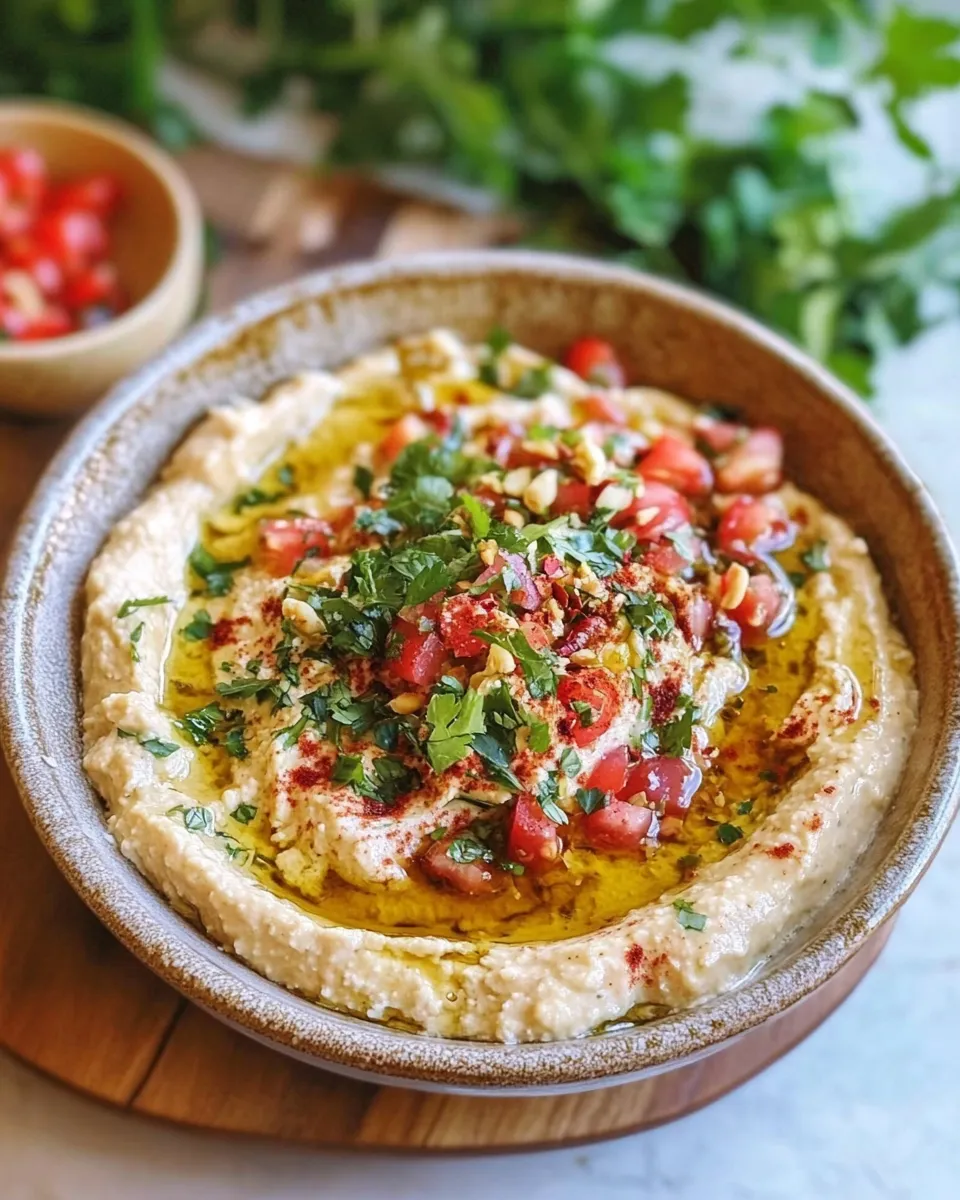
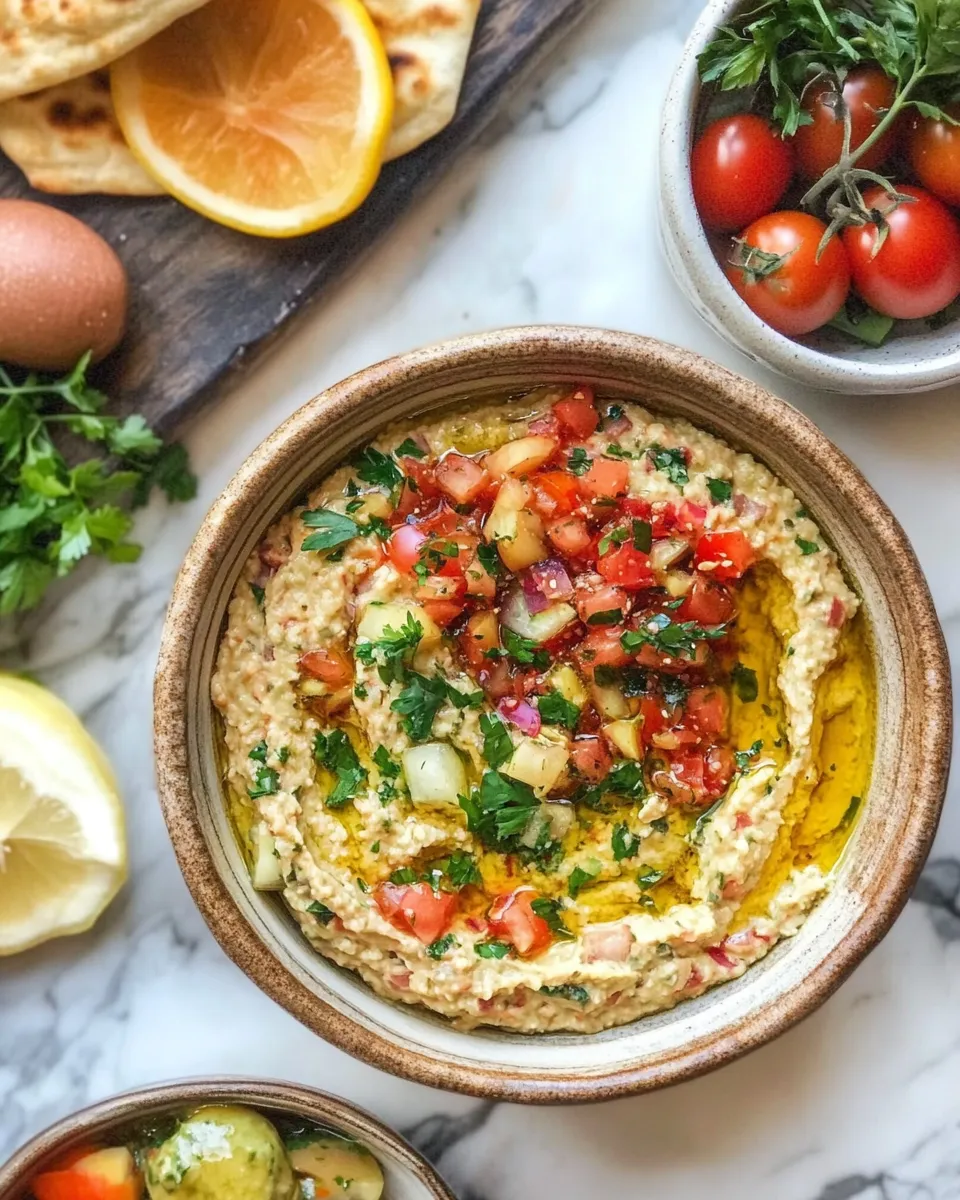
- Transfer the baba ganoush to a serving dish, drizzle the reserved olive oil over the top, and optionally sprinkle with sumac and garnish with the reserved parsley or mint leaves. Serve warm or cold.
What Sets This Recipe Apart
This version leans into the classic contrasts: bold smokiness from direct flame-roasting and clean, fresh brightness from tomato, lemon, and parsley. There’s no tahini to mute the smoke or change the texture. That keeps the eggplant the clear protagonist.
Two other distinctions: the texture. Mashing by fork or potato masher leaves a slightly textured dip rather than a whipped paste. And the small reserved drizzle of olive oil on top gives a glossy finish and immediate aroma when served.
Budget & Availability Swaps
Eggplant is the key ingredient. If you find small globe eggplants, use one or two to match size; the recipe calls for a single, standard eggplant. If fresh eggplant is scarce, check for pre-roasted eggplant in jars at the market — it will change the flavor slightly (less smoke), but the dish will still be satisfying.
If you don’t have pomegranate molasses (it’s optional), skip it rather than sub in a strong-flavored substitute. A little more lemon juice can add tartness without introducing an off character. For herbs, parsley and mint are interchangeable as garnish; use what’s available.
Essential Tools for Success
- Gas stovetop or open flame — for roasting the eggplant directly to get that char.
- Sharp knife and cutting board — for cleanly dicing tomato and onion; ease here improves texture.
- Fork or potato masher — for mashing the eggplant to the desired texture.
- Medium bowl — to combine the scooped eggplant with the other ingredients.
- Small spoon — to reserve the olive oil for drizzling at the end.
Pitfalls & How to Prevent Them
Eggplant Isn’t Soft or Smoky Enough
Problem: Under-roasted eggplant will be bitter and firm. Prevention: Roast directly over the flame, turning frequently, until the skin is black and the interior collapses. About 15 minutes is typical; thicker eggplants can take longer.
Dip Turns Out Watery
Problem: Very juicy tomatoes or insufficiently drained pulp make the dip loose. Prevention: Dice the tomato and, if it’s very ripe, spoon it into a sieve briefly to remove excess liquid before adding. Also, allow the roasted eggplant pulp to cool and drain briefly if it seems watery.
Too Bland or Too Salty
Problem: Imbalanced seasoning. Prevention: Start with the recipe’s ½ teaspoon salt, then taste after mixing. Fresh lemon juice brightens but can also hide underseasoning; adjust salt only after tasting with the lemon.
Seasonal Twists
Late summer: Use the ripest tomato you can find and dice it larger for a chunkier, fresher bite. Spring: Increase the fresh herbs — a mix of parsley and a few torn mint leaves at the end will lighten the dip. Winter: Lean into the optional pomegranate molasses for a deeper, warming counterpoint to the smoke.
Cook’s Notes
Texture preferences matter here. Leave the eggplant a bit chunky if you want rustic bites; mash more for a smoother, spreadable dip. The reserved teaspoon of olive oil at the end is small but important — it lifts the surface aromas and gives a pleasant sheen.
If you’re serving as part of a mezze, place the baba ganoush in a shallow dish, drizzle the reserved oil, sprinkle sumac or chopped parsley, and add a small pile of diced tomato or whole mint leaves to one side for color contrast.
Make Ahead Like a Pro
You can roast the eggplant up to 24 hours ahead and refrigerate the pulp. Keep the other ingredients separate and combine within a few hours of serving to preserve onion and tomato texture. If mixed ahead, the dip will hold for 1–2 days in the fridge; the flavors meld and the texture may loosen slightly — drain any excess liquid before serving and add a fresh drizzle of the reserved olive oil.
Ask & Learn
Q: Can I use the oven instead of a stovetop flame?
A: Yes. Roasting in a 450°F oven until the skin is blackened and the eggplant is very soft works, but the flavor will be less intensely smoky than direct flame.
Q: Should I remove the seeds from the tomato?
A: Not necessary. Dice and, if needed, drain excess juices. The seeds contribute moisture and flavor but can make the dip watery if the tomato is very ripe.
Q: Is pomegranate molasses essential?
A: No. It’s optional. It adds sweet-tart depth. Leave it out if you prefer a purer smoky-lemon profile.
Ready, Set, Cook
Set a pan of warm pita or crisp vegetables on the table. Roast the eggplant, mash gently, mix with the fresh ingredients, and taste. A final drizzle of olive oil and a sprinkle of parsley or sumac transforms this humble dip into something you’ll reach for again and again.
Make it tonight. Feed friends. Save the leftovers — they get better after a day. And when you make it, notice the contrast between char and citrus. That’s the whole point.

Traditional Baba Ganoush
Ingredients
Ingredients
- ?1 eggplant
- ?1 tomatodiced
- ?1 oniondiced
- ?2 clovesgarlic
- ?2 tablespoonsparsley
- ?1/2 lemonjuiced
- ?1 tablespoonolive oil
- ?1/2 teaspoonsalt
- ?1 tablespoonpomegranate molassesoptional
- ?sumacoptional
- ?mint leavesoptional
Instructions
Instructions
- Prepare the fresh ingredients: if not already diced, dice the 1 tomato and the 1 onion. Finely mince the 2 cloves garlic. Chop the 2 tablespoons parsley and set aside about 1 teaspoon of the chopped parsley for garnish if desired. Have ½ lemon ready to juice.
- Roast the 1 eggplant directly over the flame on your stovetop, turning it every few minutes so all sides char evenly; roast about 15 minutes total until the skin is blackened and the pulp is very soft and tender.
- Let the roasted eggplant cool until you can handle it (several minutes). Peel off and discard the skin, remove the stem, and scoop the pulp into a bowl.
- Mash the eggplant pulp with a fork or potato masher until mostly smooth but still slightly textured.
- Before mixing, set aside about 1 teaspoon of the 1 tablespoon olive oil for drizzling at the end; add the remaining olive oil to the bowl along with the diced tomato, diced onion, minced garlic, the chopped parsley (except the small amount reserved for garnish), the juice of ½ lemon, and ½ teaspoon salt. Mix thoroughly to combine.
- If using, stir in 1 tablespoon pomegranate molasses now.
- Transfer the baba ganoush to a serving dish, drizzle the reserved olive oil over the top, and optionally sprinkle with sumac and garnish with the reserved parsley or mint leaves. Serve warm or cold.
Equipment
- stovetop
- Bowl
- Knife
- Cutting Board
- Fork or Potato Masher
Notes
For better results, use very fresh eggplants to make Baba Ganoush. Overripe eggplants are bitter in taste and won’t taste as good. Fresh eggplants are shiny and are never soft or wrinkled.
Enjoy this dip either a bit cold or at room temperature. Store it in the fridge, and before consuming let it sit at room temperature for a bit.
This recipe serves up to 4, but can easily be doubled.
If you’re worried that your eggplant might be a bit bitter, just slice it in half, sprinkle with a little bit of salt, and soak for 20 minutes or so. Then rinse it very well with cold water and roast.
If you’re roasting the eggplant in the oven, and still want to get that smoky flavor, then add a little bit of smoked paprika once you mix the ingredients. Liquid smoke works well too.