
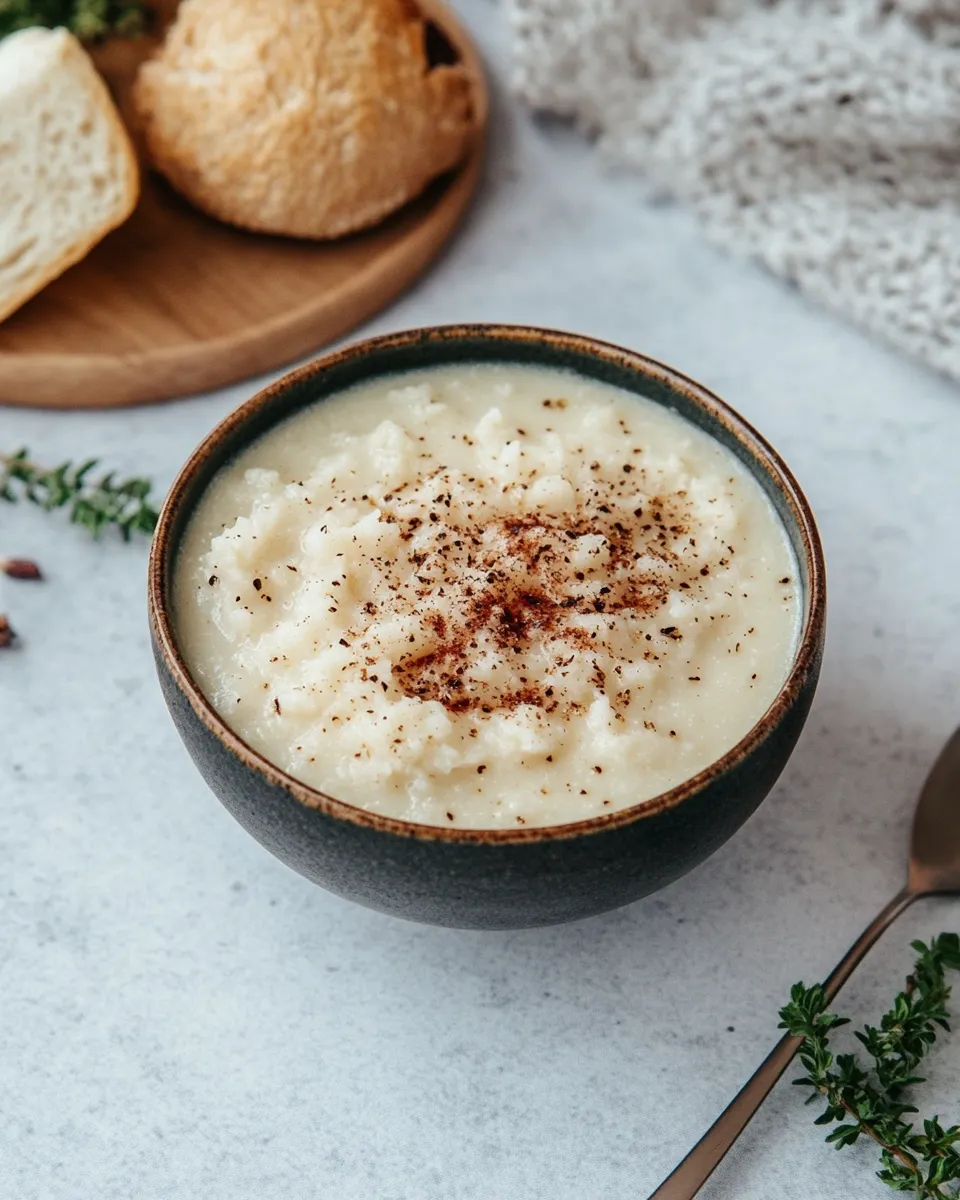
Bread sauce is one of those quietly brilliant accompaniments that turns simple roast meat into a comforting, old-fashioned feast. It’s creamy, gently spiced, and uses humble breadcrumbs to thicken a milk base that’s been perfumed with onion, bay and cloves. The result is rich without being heavy — a balance you reach by attention, not fuss.
I use this sauce when I want something familiar and soothing on the plate: roast chicken, turkey, or a platter of roasted winter vegetables. It’s fast to make, forgiving, and stores well for a couple of days. Once you understand the small steps that protect the milk from scorching and the timing that keeps the sauce smooth, it becomes a reliable side you’ll reach for again and again.
Below you’ll find a clear ingredient list, step-by-step directions taken straight from a trusted method, and practical notes from my kitchen: troubleshooting, tool recommendations, flexible swaps, and a few common questions. No fluff — just a warm, practical guide so you get consistent results every time.
Ingredient Rundown
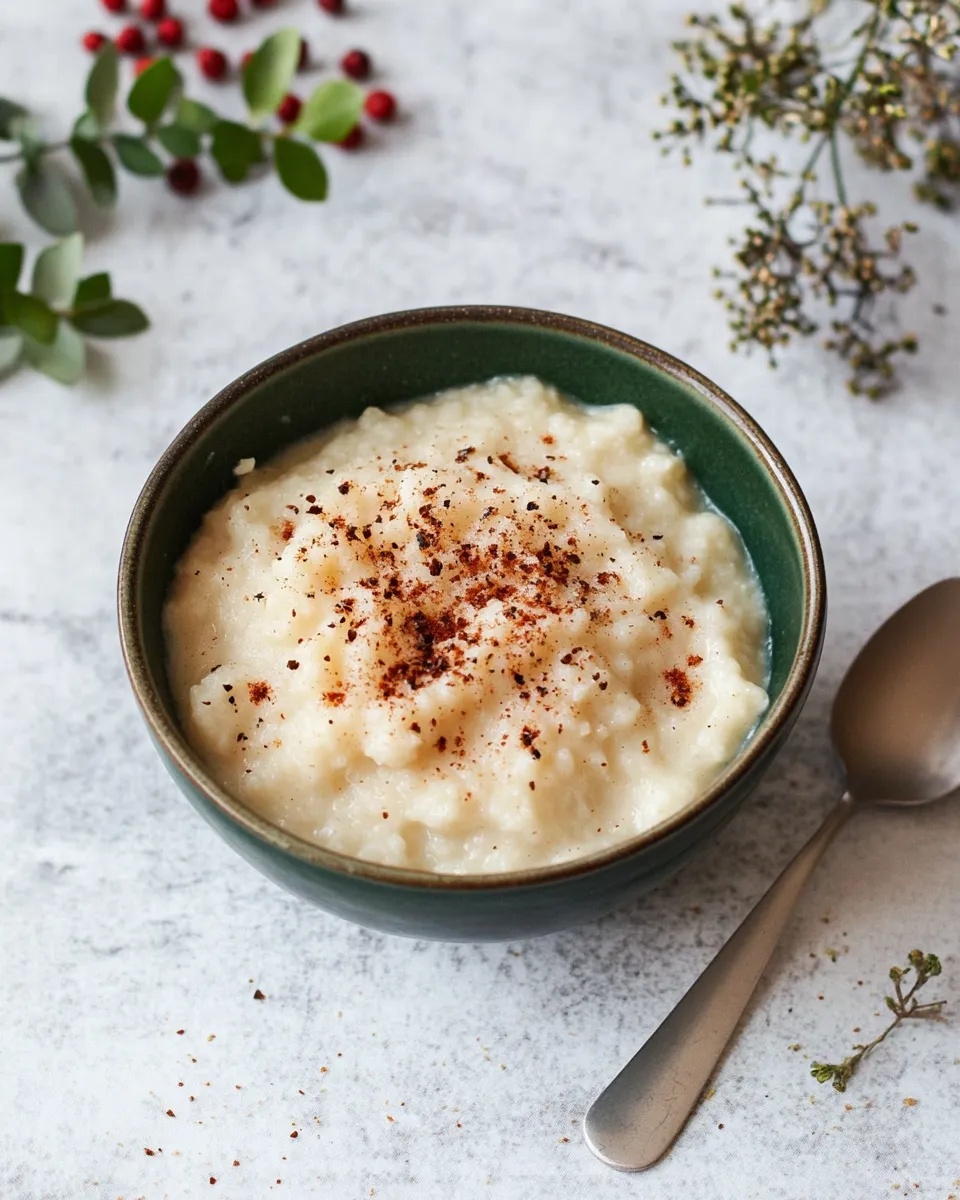
Ingredients
- 2 cups (500ml) (2 ¼ cups) whole milk — the sauce base; whole milk gives a silky texture and richer mouthfeel than low-fat options.
- 2 tablespoons (¾ oz) unsalted butter — adds a glossy finish and rounds the flavor; use unsalted so you control salt level.
- 1 medium (1) yellow onion, whole, peeled — studded with cloves to infuse the milk; choose a firm onion with intact skin.
- 2 medium cloves (2) garlic — left whole to provide gentle garlic warmth without aggressive bite.
- 9 (9) cloves — stud the onion with these to perfume the milk; remove before serving so the sauce tastes spiced, not clove-heavy.
- 2 (2) bay leaves — add a subtle herbal backbone; remove with the onion and garlic before thickening.
- 1½ cups (100g) (1 cup) fresh breadcrumbs — the thickener; fresh breadcrumbs absorb liquid better than dried crumbs and give a smoother texture.
- ¼ teaspoon (¼ tsp) ground nutmeg — warms and brightens the sauce in small measure; don’t skip unless you dislike nutmeg.
- ½ teaspoon (½ tsp) salt — seasons the sauce; adjust to taste but start with this amount to balance the milk and breadcrumbs.
Traditional Bread Sauce in Steps
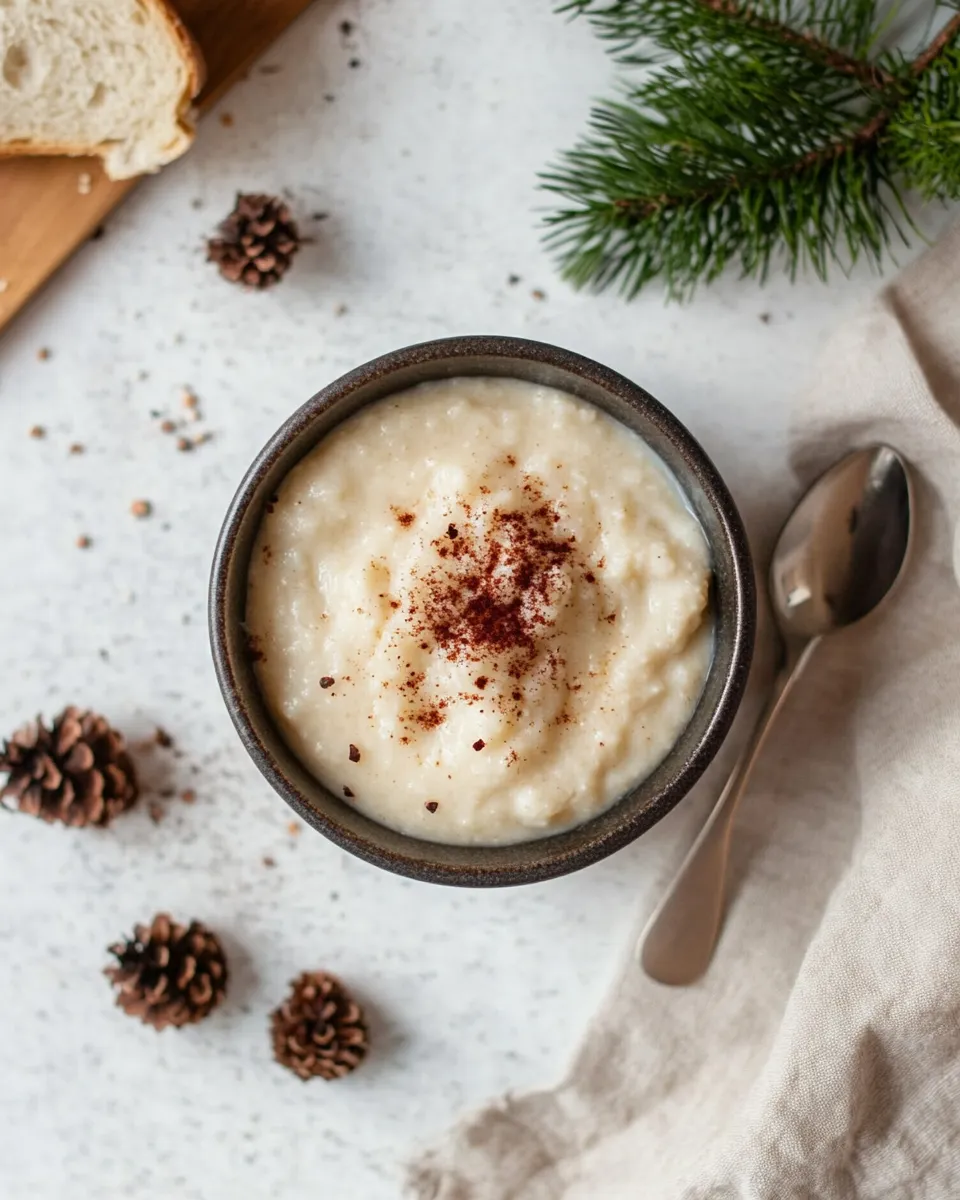
- Peel the onion and stud it all over with the 9 whole cloves. Peel the 2 garlic cloves and leave them whole.
- In a saucepan combine the milk and the unsalted butter. Add the clove-studded onion, the whole garlic cloves, and the 2 bay leaves.
- Heat over low–medium heat until the milk comes to a gentle simmer (small bubbles at the edges). Maintain a gentle simmer and cook for 15 minutes, stirring occasionally so the milk does not scorch.
- Use a slotted spoon to remove the onion, garlic and bay leaves. Pour the milk through a fine-mesh sieve into a clean saucepan or bowl to remove any loose bits (including any stray cloves), then return the strained milk to the saucepan.
- Reduce the heat to low. Add the fresh breadcrumbs and stir continuously until the breadcrumbs absorb the milk and the sauce thickens, about 2–3 minutes.
- Stir in the 1/4 teaspoon ground nutmeg and the 1/2 teaspoon salt. Mix until evenly combined.
- Serve the bread sauce warm.
Why This Recipe Belongs in Your Rotation
This bread sauce is straightforward, fast, and forgiving. It’s not a dramatic new flavor to learn; it’s a dependable companion that enhances roasted mains without stealing the show. The technique — infusing milk with aromatics and thickening with breadcrumbs — is simple, but it delivers a distinct, classic taste that pairs especially well with poultry.
It’s also economical. You’re using pantry basics and simple aromatics to create a sauce that feels celebratory. For those who entertain, it’s ideal because most of the active work happens quietly on the stovetop while your roast rests. The sauce finishes in minutes and carries well if you need to make it a short while ahead.
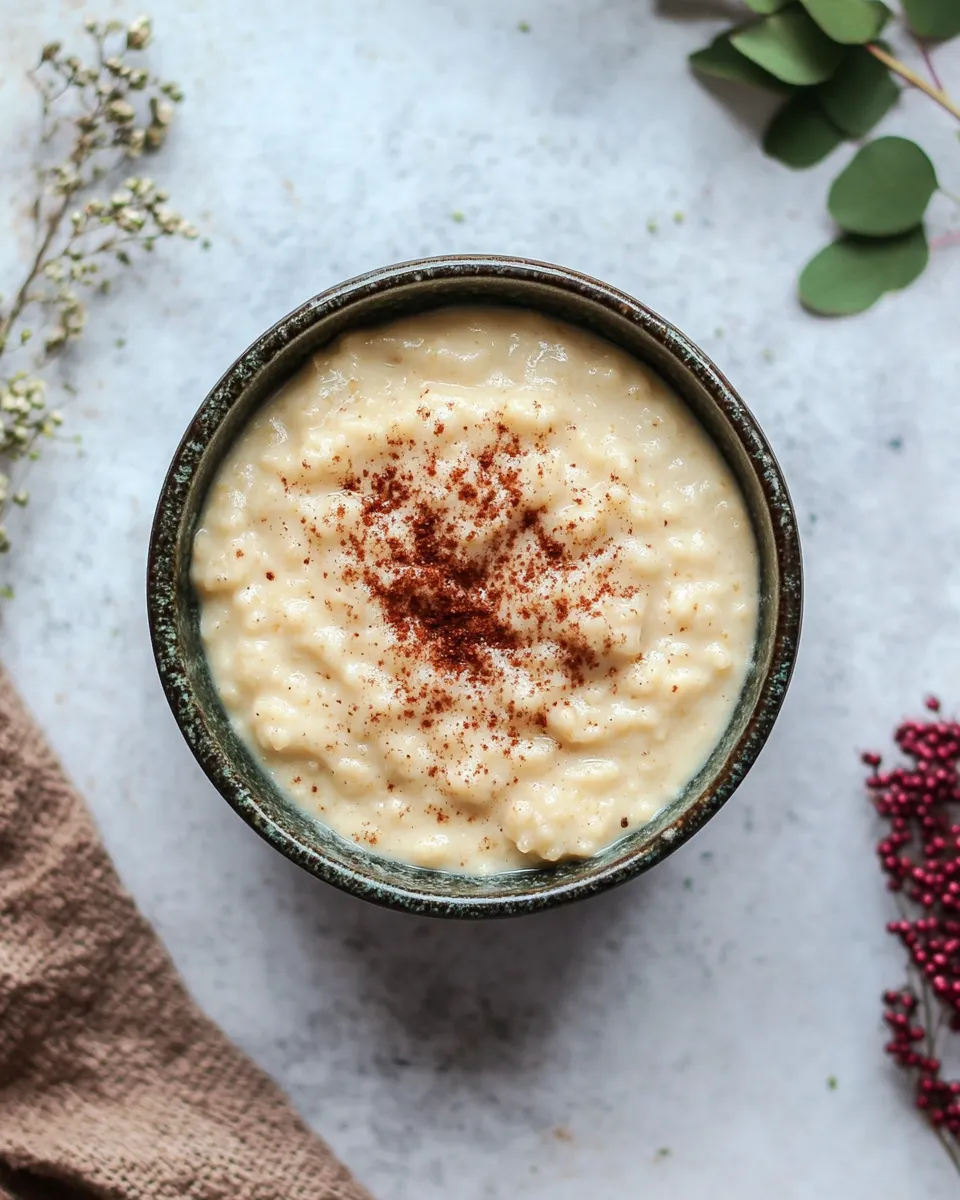
Ingredient Flex Options
- Milk — whole milk gives the creamiest result. If you must substitute, use 2% for a slightly lighter texture; avoid plant milks as they change flavor and thickness.
- Butter — salted butter can be used if you reduce added salt elsewhere. For a dairy-free adaptation, use a neutral oil, but expect a different mouthfeel.
- Breadcrumbs — fresh breadcrumbs make the smoothest sauce. If you only have dried crumbs, hydrate them first with a little warm milk before adding.
- Garlic / onion — you can omit garlic for a milder profile, or use a shallot instead of onion for a subtler, slightly sweeter tone.
- Nutmeg — if you don’t have ground nutmeg, a tiny pinch of ground mace works similarly; leave it out entirely if you dislike warm spices.
Toolbox for This Recipe
- Small-to-medium saucepan — large enough to allow bubbling without boiling over; a heavy-bottomed pan reduces scorching.
- Fine-mesh sieve — essential for straining the milk and removing stray bits and cloves.
- Slotted spoon — to remove the onion, garlic and bay leaves cleanly.
- Wooden spoon or heatproof spatula — for stirring the breadcrumbs constantly so the sauce doesn’t clump.
- Measuring spoons and cup — accurate salt and spice measures keep the seasoning balanced.
Learn from These Mistakes
Milk scalds and scorches when the heat is too high or left unattended. The recipe calls for a gentle simmer; that means small bubbles at the edges, not a rolling boil. Keep the heat low–medium and stir occasionally while infusing to prevent a scorched note in the finished sauce.
Another common misstep is leaving the clove-studded onion in too long during thickening. That can leave unexpected chunks or make the sauce grainy if bits break off. Remove the aromatics with a slotted spoon, and strain the milk to be safe — it’s a small step that keeps the texture clean.
Quick fixes
- Grainy texture: If the sauce feels too coarse after adding breadcrumbs, whisk vigorously off heat for a minute; the friction helps smooth it. For stubborn lumps, pass the sauce quickly through a sieve into a warmed bowl.
- Too thin: Simmer gently a minute longer with occasional stirring. Adding a tablespoon or two more fresh breadcrumbs will thicken without altering flavor.
- Too salty: Dilute with a splash of warm milk and heat through, tasting as you go.
Health-Conscious Tweaks
If you want a lighter version, swap whole milk for 2% and reduce butter to 1 teaspoon. The sauce will be a bit less rich but still pleasantly creamy. For a lower-sodium option, use unsalted butter (as written) and reduce added salt to 1/4 teaspoon, seasoning to taste at the table.
For dairy-free diets, consider a neutral plant milk with higher fat content, like full-fat oat milk. Use a neutral oil in place of the butter for richness. Note that the flavor profile changes; keep expectations that this is an adaptation rather than a direct replacement.
Behind the Recipe
Bread sauce is historic — a hallmark of English cooking — that dates back centuries. It began as a way to use stale bread as a thickener and create a warm, spiced accompaniment to meat. The spices (especially cloves and nutmeg) and bay leaves mirror classic winter flavors and were once prized for their ability to lift preserved or roasted meats.
The method here preserves the essence of the classic: infuse the milk deeply but gently, strain thoroughly, and rely on fresh breadcrumbs so you get a smooth, homely sauce with real body. The garlic and onion are left whole to impart flavor without aggressive raw sharpness. The modest nutmeg and salt finish the profile so the sauce complements rather than competes with your main dish.
Freezer-Friendly Notes
Bread sauce is best eaten fresh or within a couple of days in the fridge. Freezing isn’t ideal because the milk and breadcrumbs can separate and the texture becomes grainy after thawing. If you must freeze, cool completely, transfer to an airtight container, and freeze for up to one month. Thaw slowly in the fridge and reheat gently over low heat with a splash of milk, whisking to recombine, but expect a change in texture.
Common Qs About Traditional Bread Sauce
Can I make this ahead? Yes. Make it up to two days ahead. Store in the refrigerator in an airtight container. Reheat gently over low heat, stirring and adding a little milk if it has thickened too much.
Can I use dried breadcrumbs? You can, but fresh breadcrumbs absorb milk better and give a creamier texture. If using dried, hydrate them slightly with warm milk first, then proceed.
Why stud the onion with cloves? Studding infuses the milk with clove aroma without leaving loose cloves in the sauce. It gives a subtle spiced note that complements poultry well.
Is the garlic necessary? The whole garlic cloves add a gentle background warmth. If you don’t want any garlic flavor, omit them — the sauce will still be delicious and slightly more delicate.
Can I make it nut-free? Yes. The recipe uses ground nutmeg, not tree nuts. If you’re avoiding nutmeg altogether, simply omit it; the sauce will be milder but still comforting.
Let’s Eat
Serve bread sauce warm alongside roast chicken, turkey, or roasted root vegetables. Spoon a moderate pool next to slices of meat so each bite can get a touch of the sauce. It’s a classic pairing for a reason: the dairy and spice lift the savory meat, and the texture provides a satisfying contrast.
Leftover sauce is wonderful spooned over mashed potatoes or stirred into warm cooked greens for a little extra comfort at breakfast or lunch. Enjoy it as part of a relaxed, familiar meal — no ceremony required.

Traditional Bread Sauce
Ingredients
Ingredients
- ?2 cups 500 ml(2 1/4 cups)whole milk
- ?2 tablespoons 3/4 ozunsalted butter
- ?1 medium 1yellow onionwhole, peeled
- ?2 medium cloves 2garlic
- ?9 9cloves
- ?2 2bay leaves
- ?1 1/2 cups 100 g(1 cup)fresh breadcrumbs
- ?1/4 teaspoon 1/4 tspground nutmeg
- ?1/2 teaspoon 1/2 tspsalt
Instructions
Instructions
- Peel the onion and stud it all over with the 9 whole cloves. Peel the 2 garlic cloves and leave them whole.
- In a saucepan combine the milk and the unsalted butter. Add the clove-studded onion, the whole garlic cloves, and the 2 bay leaves.
- Heat over low–medium heat until the milk comes to a gentle simmer (small bubbles at the edges). Maintain a gentle simmer and cook for 15 minutes, stirring occasionally so the milk does not scorch.
- Use a slotted spoon to remove the onion, garlic and bay leaves. Pour the milk through a fine-mesh sieve into a clean saucepan or bowl to remove any loose bits (including any stray cloves), then return the strained milk to the saucepan.
- Reduce the heat to low. Add the fresh breadcrumbs and stir continuously until the breadcrumbs absorb the milk and the sauce thickens, about 2–3 minutes.
- Stir in the 1/4 teaspoon ground nutmeg and the 1/2 teaspoon salt. Mix until evenly combined.
- Serve the bread sauce warm.
Equipment
- Saucepan
- Slotted Spoon
- Fine-Mesh Sieve
- Bowl