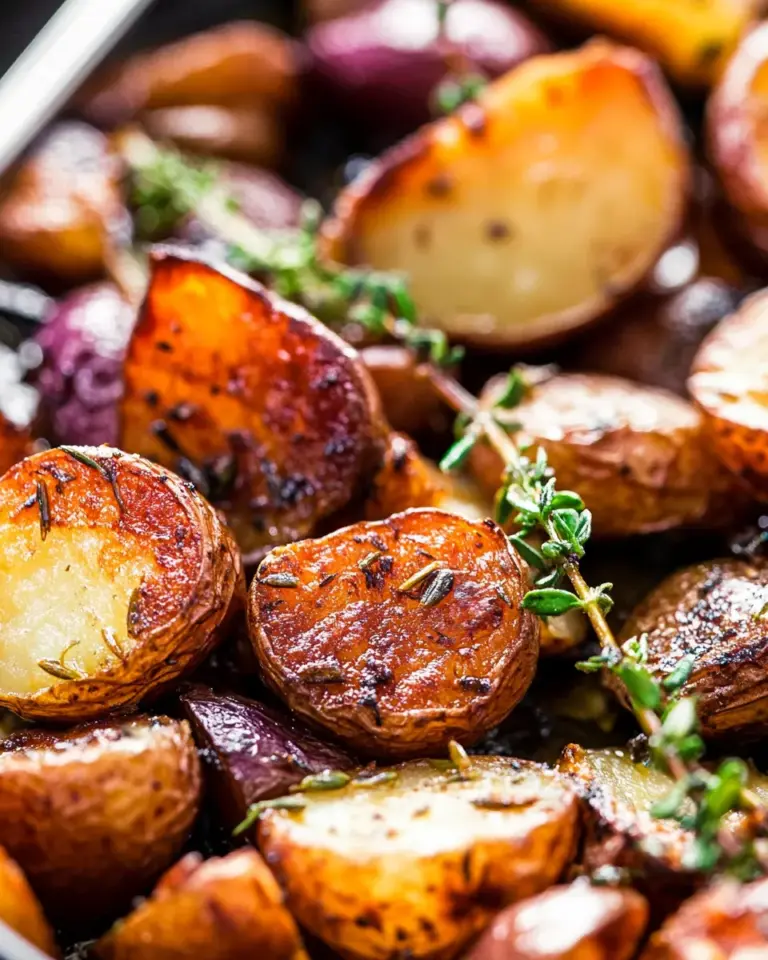
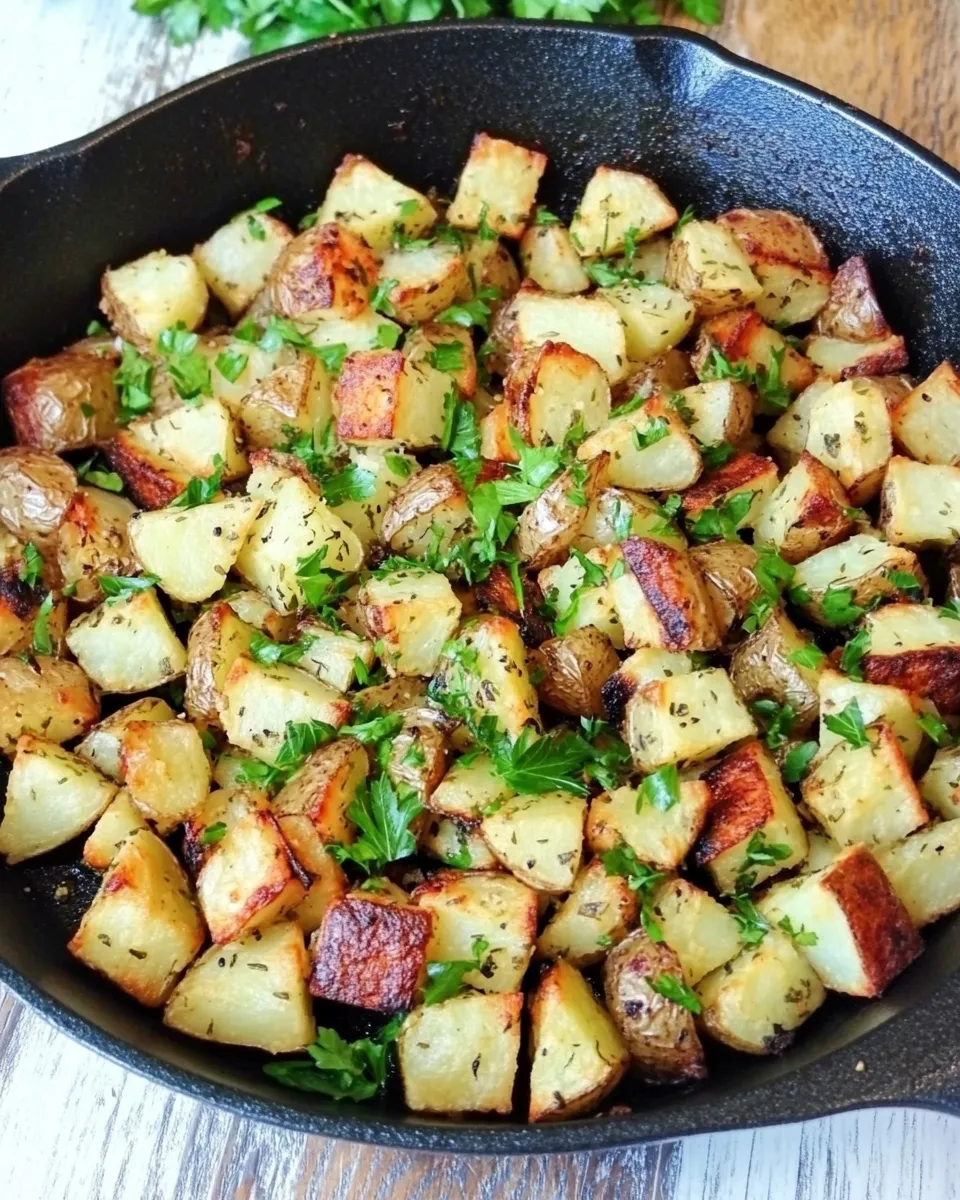
These skillet potatoes are a weekday workhorse. They take a handful of pantry basics and a quick oven finish to turn diced spuds into crisp-edged, tender-centered potatoes that pair with almost anything. I love them because they’re forgiving and fast—no babysitting at the stovetop, just a stir halfway through and you’re done.
The recipe is intentionally short: oil, salt, pepper, and fresh herbs. That’s it. The cast-iron skillet gives you a nice crust at the edges while the oven keeps the interior soft. You’ll get golden color where it counts and bright herb flavor at the end.
Read through the steps once, gather your gear, and you’ll have a reliable side that works for breakfast, weeknight dinners, or a crowd. Practical notes and troubleshooting follow so you can make this the one potato recipe you reach for again and again.
Ingredient List
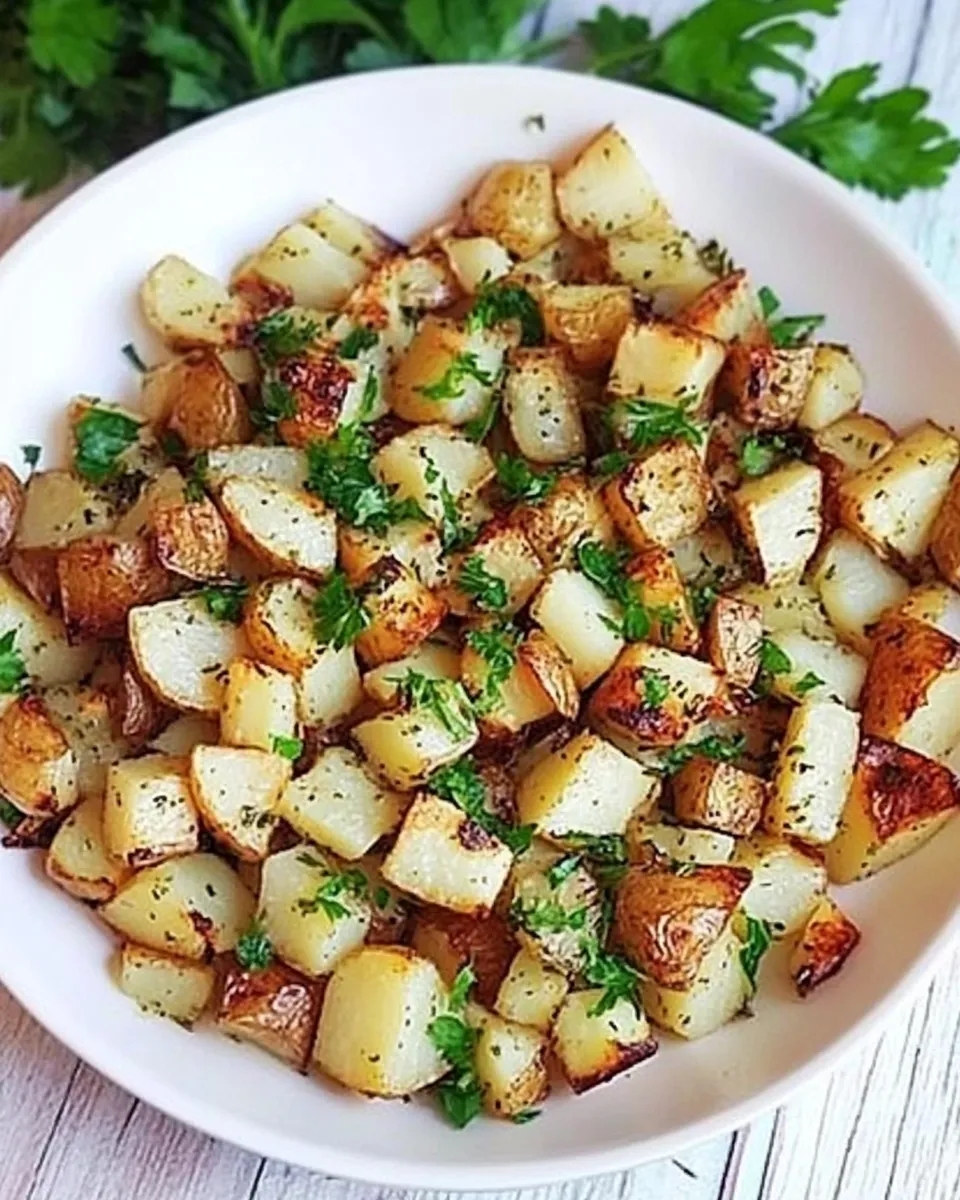
- 2 cups diced potatoes — the base of the dish; dice evenly so pieces cook at the same rate.
- 2 tablespoons olive oil — provides the fat for browning and helps herbs stick; use extra-virgin for flavor.
- 1/4 teaspoon kosher salt — seasons the potatoes; kosher salt is easier to control by hand.
- 1/4 teaspoon ground black pepper — adds a mild bite; freshly ground gives the best aroma.
- 2 tablespoons fresh herbs — finish with freshness; parsley, chives, or thyme all work well.
Directions: Herbed Skillet Potatoes
- Preheat oven to 425°F.
- Pour 2 tablespoons olive oil into the bottom of a cast-iron skillet.
- Add 2 cups diced potatoes to the skillet, then sprinkle 1/4 teaspoon kosher salt and 1/4 teaspoon ground black pepper over the potatoes. Toss gently to coat evenly with the oil, salt, and pepper.
- Spread the potatoes in an even single layer in the skillet.
- Bake in the preheated oven 20–30 minutes, until the potatoes are fork-tender and golden brown at the edges. About halfway through baking (10–15 minutes), stir or flip the potatoes once for even browning.
- Remove the skillet from the oven and sprinkle 2 tablespoons fresh herbs evenly over the potatoes; gently toss or stir to distribute the herbs.
- Serve immediately.
Why This Recipe Works
There’s power in simplicity. This method separates the cooking process into three clear functions: oil for browning, oven heat for even cooking, and fresh herbs to lift the finish. The cast-iron skillet conducts heat evenly and holds a steady high temperature so the edges crisp without burning. Spreading the potatoes in a single layer prevents steaming and soft, pale surfaces—the pieces that touch the skillet get that caramelized, nutty flavor that makes roasted potatoes special.
Timing matters less than technique here. The 20–30 minute window gives you leeway: smaller dice finish toward the low end, larger cubes need the full time. Stirring once halfway through encourages even browning without breaking the potatoes apart. Finishing with fresh herbs after the oven preserves their bright, leafy flavor instead of letting it dull under heat.
Low-Carb/Keto Alternatives
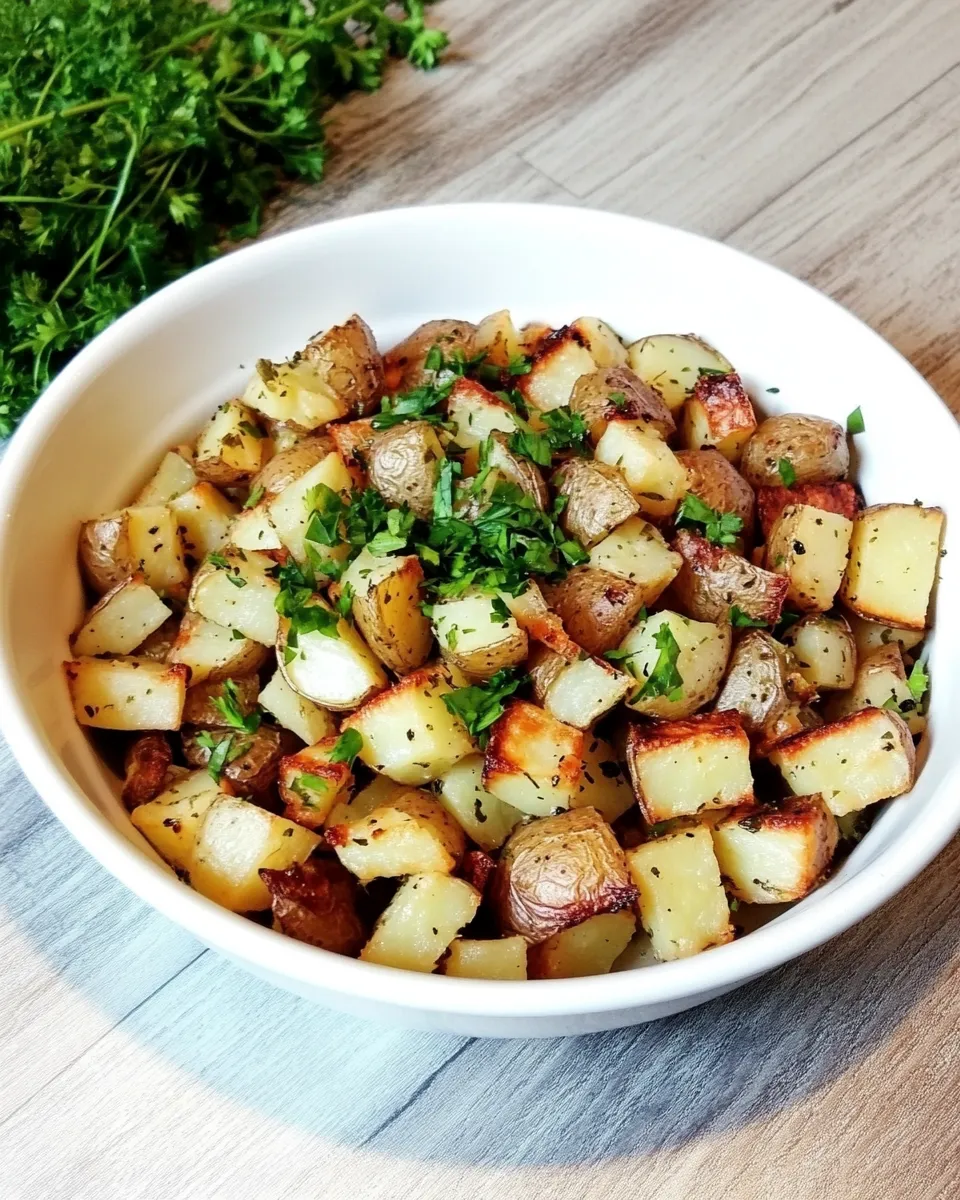
- Use cauliflower florets in place of diced potatoes for a lower-carb version; roast similarly after tossing in oil and seasonings.
- Try diced rutabaga or turnip as a slightly denser, lower-carb swap; they brown well and take on herbs nicely.
- Keep the herbs and oil the same to maintain flavor—those elements are what make the dish feel complete even if the starch changes.
What You’ll Need (Gear)
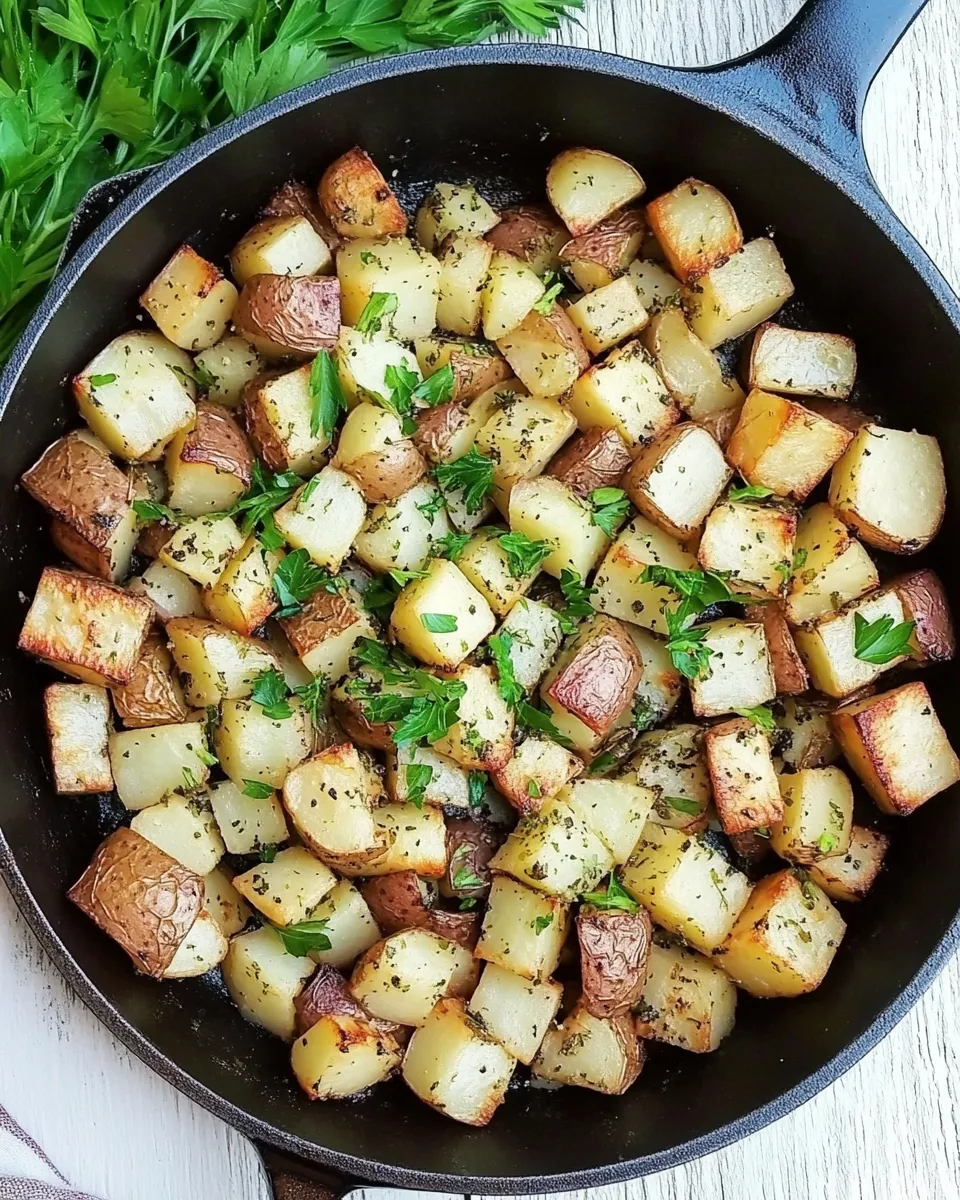
- Cast-iron skillet (10–12 inches preferred) — holds and distributes heat for even browning.
- Sharp chef’s knife and cutting board — for even dicing of the potatoes.
- Measuring spoons — to be accurate with salt and oil amounts.
- Heatproof spatula or tongs — to toss and flip halfway without scraping the skillet surface.
- Oven mitts — cast iron gets very hot; protect your hands when removing the skillet.
Mistakes That Ruin Herbed Skillet Potatoes
- Overcrowding the skillet — crowding causes steaming instead of browning; keep a single layer with space between pieces.
- Uneven dice — varied sizes lead to undercooked chunks or burnt edges. Aim for uniform pieces around 1/2-inch to 3/4-inch.
- Adding herbs too early — herbs will brown and lose fresh flavor if added before or during baking. Save them for the end.
- Too little oil — oil helps conduct heat and encourage browning. Skipping or skimping will give you pale, unappetizing potatoes.
- Neglecting to flip or stir halfway — without that movement, one side may burn while the other remains underdone.
Nutrition-Minded Tweaks
Small adjustments make this side lighter without sacrificing texture. You can reduce oil by using a light mist of oil spray and tossing the potatoes to coat instead of pouring. Leaving skins on the potatoes increases fiber and nutrients—just scrub them well and dice as usual. Swap kosher salt for a lower-sodium salt alternative if you’re watching sodium, but taste carefully since texture and crystal size differ.
For more volume and nutrients, mix 1 cup diced potatoes with 1 cup diced cauliflower or diced sweet potato (if you’re prioritizing flavor over carbs). The cooking time will be similar, but check for fork tenderness as different vegetables finish at different rates.
What Could Go Wrong
Even with a simple recipe, a few things can derail the result. If your potatoes come out soggy, either they were crowded, the oven temperature was off, or the pieces were too large. If they char too quickly, your oven may run hot, or the skillet was too close to the heat source. Use an oven thermometer if you suspect temperature inaccuracies.
If the herbs taste muted, they were likely exposed to high heat for too long. Always add delicate herbs after cooking. If you get uneven browning, flip early in the cooking window or give the pan a gentle shake before flipping pieces with a spatula or tongs.
Best Ways to Store
Cool the potatoes to room temperature for no more than two hours and transfer to an airtight container. Refrigerate for up to 4 days. To reheat, spread them on a sheet pan and warm in a 400°F oven for 8–10 minutes to revive the crisp edges; a hot skillet also works well to bring back texture. Avoid microwaving if you want to keep the crisp exterior—microwaves make them soft and rubbery.
Top Questions & Answers
- Can I use a different skillet? — Yes. A heavy oven-safe pan like stainless steel works, but cast iron gives the best crust. Avoid thin pans that heat unevenly.
- What size should I dice the potatoes? — Aim for roughly 1/2-inch to 3/4-inch cubes for a balance of tender interior and crisp edges.
- Which herbs are best? — Parsley, chives, and thyme are excellent. Parsley gives freshness, chives bring onion notes, and thyme adds earthiness.
- Can I prep ahead? — You can dice the potatoes and store them in cold water in the fridge for up to 24 hours to prevent browning. Drain and pat dry before proceeding so they brown properly.
- My potatoes stuck to the skillet—what happened? — If the skillet wasn’t hot enough before the potatoes went in or the oil was insufficient, sticking can occur. Also, letting the potatoes form a crust before disturbing them helps release them naturally.
Bring It Home
This recipe earns a permanent spot in my rotation because it’s straightforward and dependable. With just five ingredients and one pan, you get a side that’s versatile and honest. Treat the oven as your partner: give it the right temperature, keep the layer single, stir once, and finish with fresh herbs. The result is comfort—crispy, herbal, and straightforward—exactly what a good weekday side should be.
Make it tonight and note one change: try a different herb or keep the skins on for a slightly heartier finish. Small experiments teach you what you like and make the recipe yours. Happy cooking—these potatoes are ready when you are.
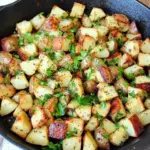
Simple Herbed Skillet Potatoes
Ingredients
Ingredients
- 2 cupsdiced potatoes
- 2 tablespoonsolive oil
- 1/4 teaspoonkosher salt
- 1/4 teaspoonground black pepper
- 2 tablespoonsfresh herbs
Instructions
Instructions
- Preheat oven to 425°F.
- Pour 2 tablespoons olive oil into the bottom of a cast-iron skillet.
- Add 2 cups diced potatoes to the skillet, then sprinkle 1/4 teaspoon kosher salt and 1/4 teaspoon ground black pepper over the potatoes. Toss gently to coat evenly with the oil, salt, and pepper.
- Spread the potatoes in an even single layer in the skillet.
- Bake in the preheated oven 20–30 minutes, until the potatoes are fork-tender and golden brown at the edges. About halfway through baking (10–15 minutes), stir or flip the potatoes once for even browning.
- Remove the skillet from the oven and sprinkle 2 tablespoons fresh herbs evenly over the potatoes; gently toss or stir to distribute the herbs.
- Serve immediately.
Equipment
- Cast-Iron Skillet
- Oven