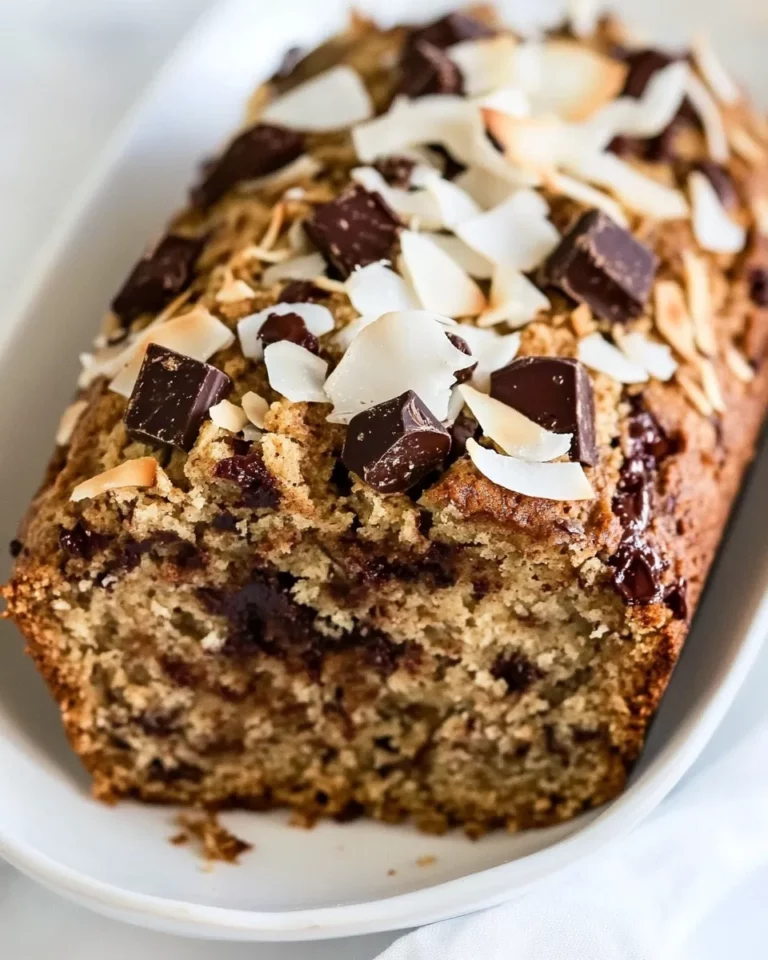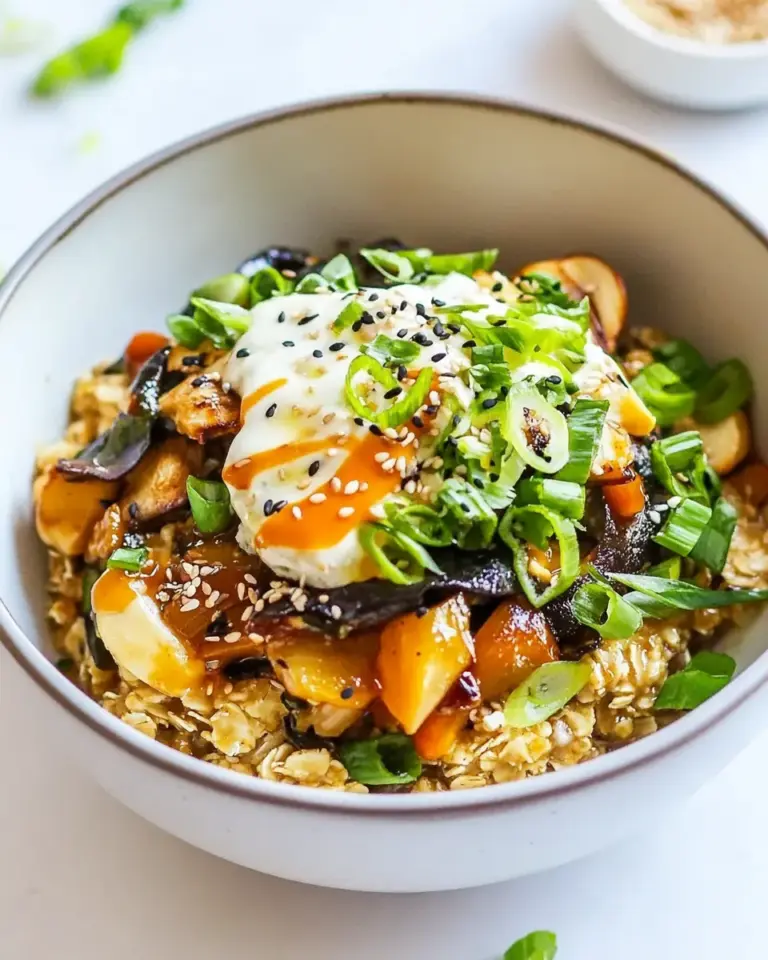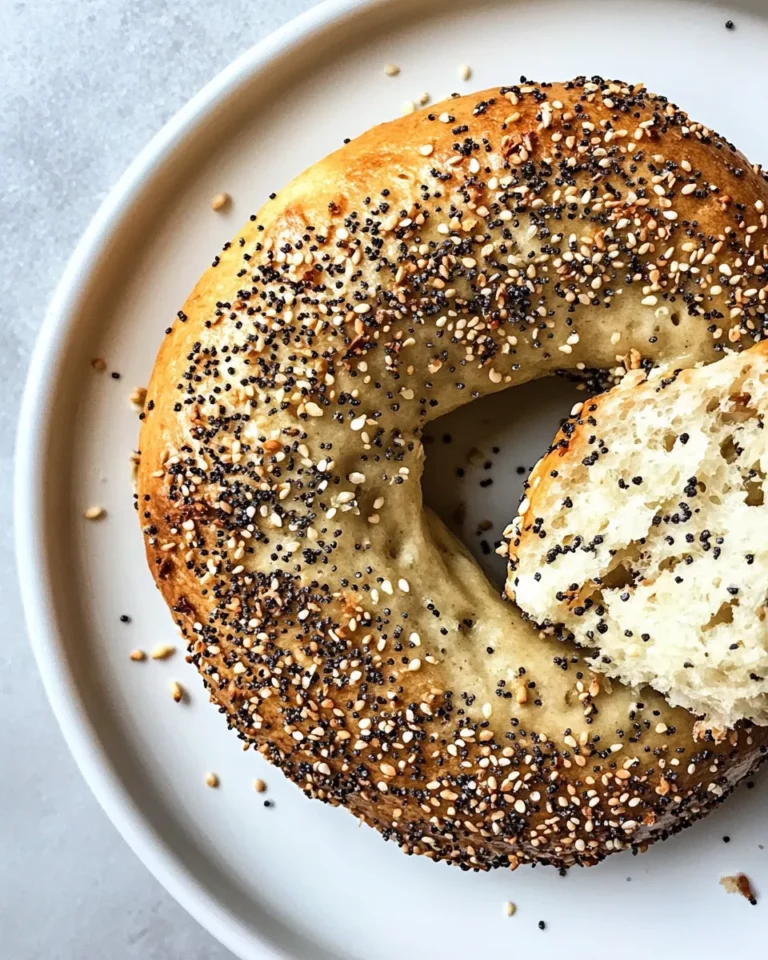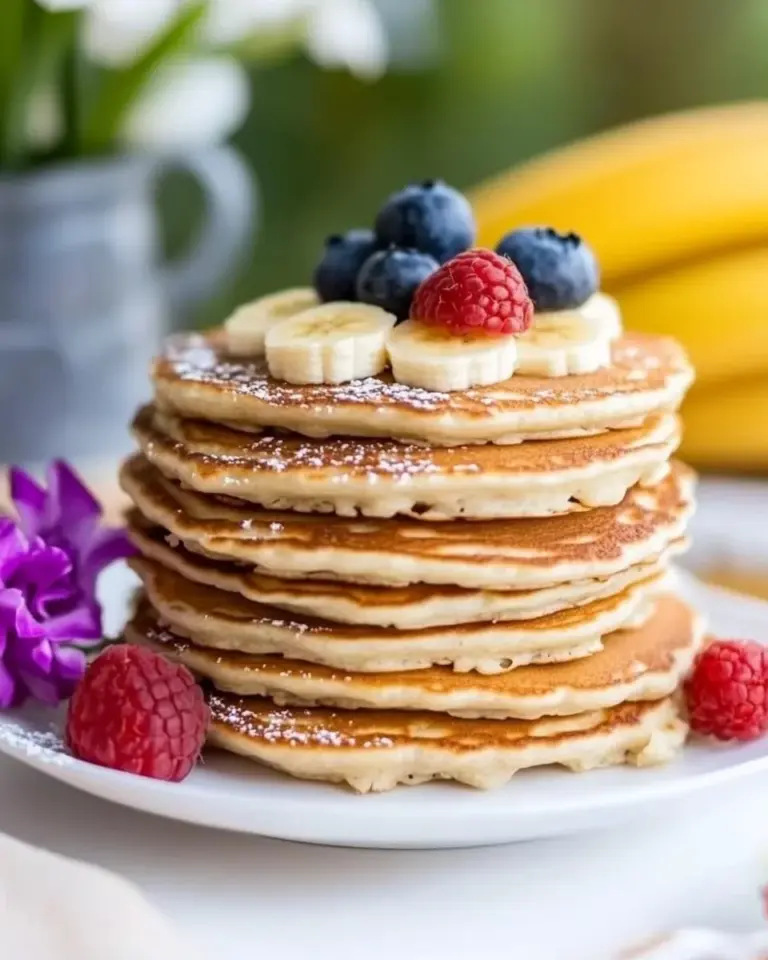
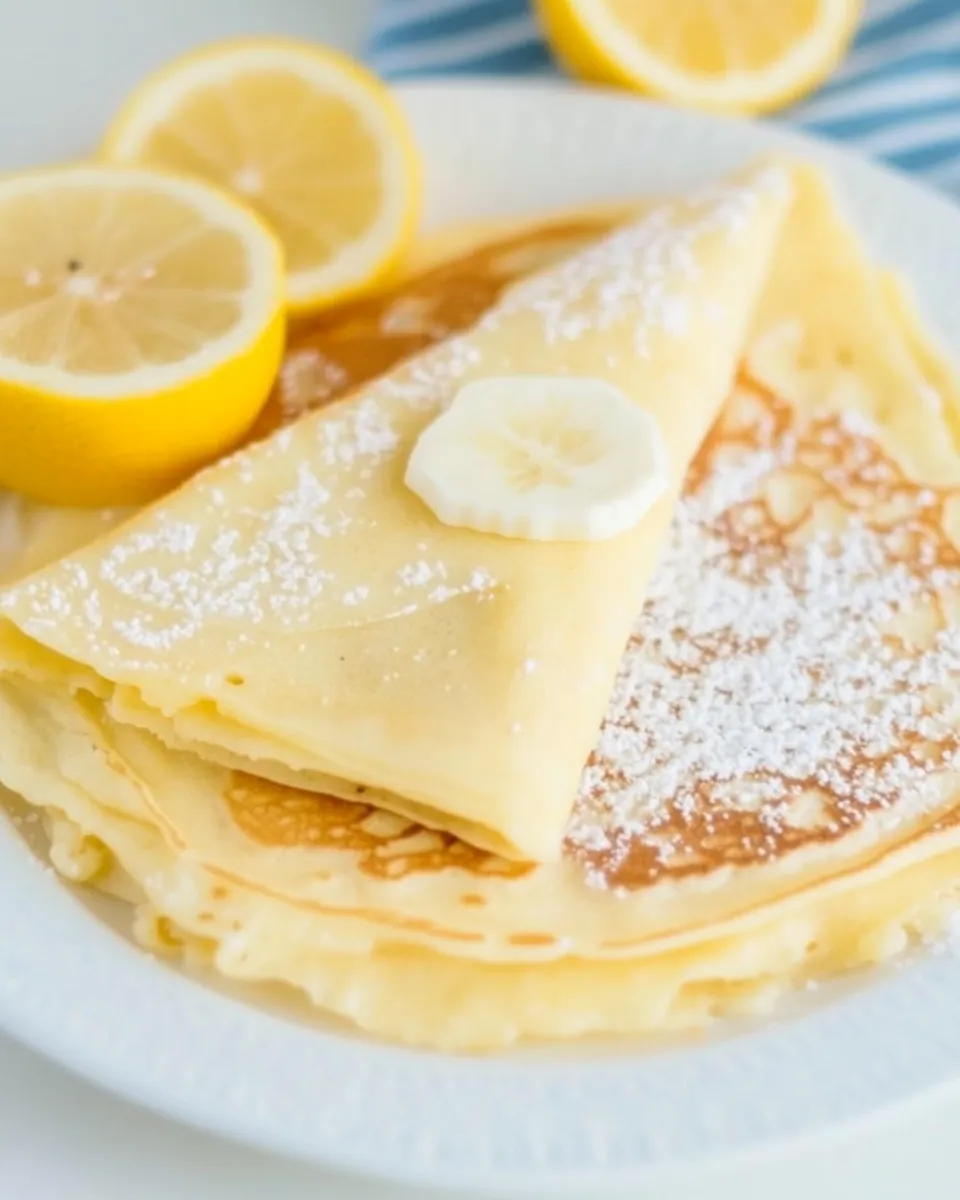
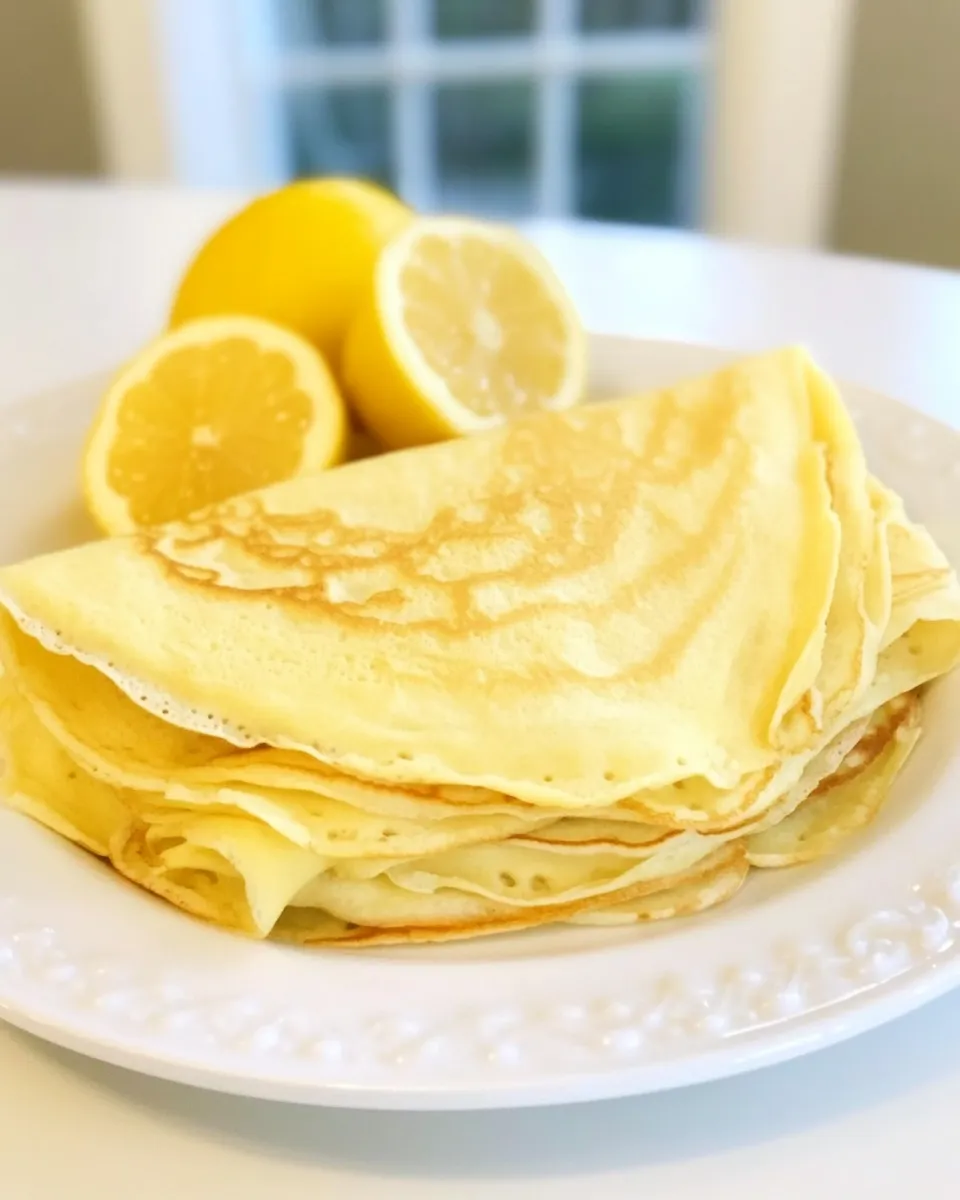
These are the thin, crepe-like pancakes you get across the UK — crisp at the edges, soft in the middle, and made from a simple batter you can whisk in minutes. No extra frills, no complex technique: just flour, eggs, milk and a little butter. They fold easily, top beautifully with lemon and caster sugar, and work both for quick weekday breakfasts and a relaxed weekend treat.
I test this batter repeatedly because it’s forgiving and consistent. Resting the batter helps, but if you’re hungry right now you can cook immediately and still get good results. The method below focuses on making repeatable pancakes with even colour and a light texture.
Read on for the exact ingredients and steps, plus practical tips on timing, equipment, storage and troubleshooting so your pan returns perfectly every time.
What Goes In
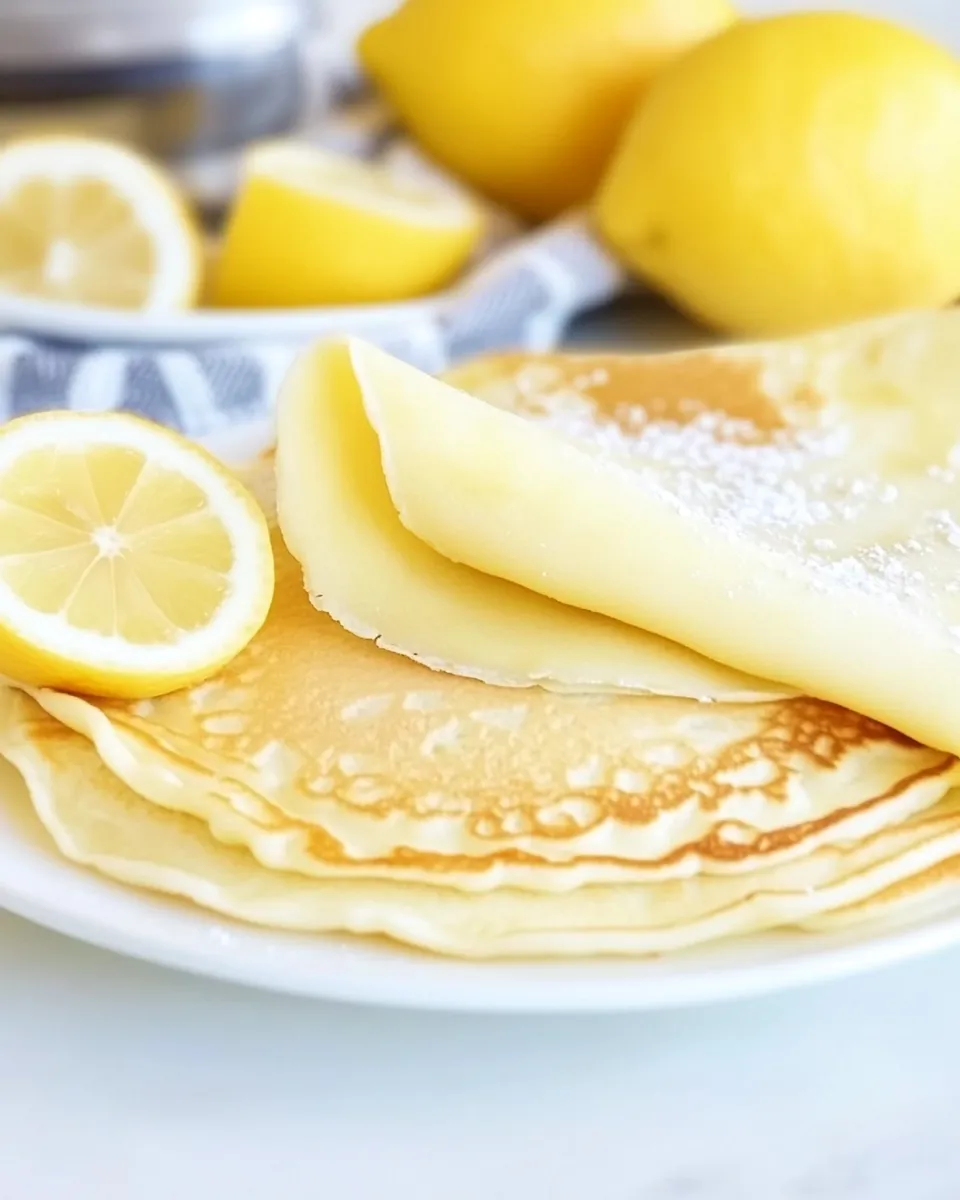
Ingredients
- 100 g all-purpose flour — the base of the batter; sifted for a lump-free texture.
- 2 eggs — bind and enrich the batter, help with colour and structure.
- 300 ml milk — thins the batter to a pourable consistency; room temperature if possible.
- 1 tablespoon melted butter, plus a little extra for frying — folded into the batter for flavour; extra used to lightly grease the pan.
- lemon wedges, optional — classic bright finish when paired with caster sugar.
- caster sugar, optional — fine sugar for sprinkling; it melts lightly on the hot pancake.
Step-by-Step: British Pancakes
- Melt 1 tablespoon of the butter and set aside a little extra butter for frying. In a large bowl add 300 ml milk, 2 eggs and the melted 1 tablespoon butter; whisk until combined.
- Sift 100 g all-purpose flour into the bowl (or through a sieve held over the bowl) and whisk in gradually until you have a smooth, lump-free, pourable batter.
- Cover and let the batter rest in the fridge for 15–30 minutes if possible, or start cooking immediately.
- Heat a medium non-stick frying pan over medium heat. Lightly brush or wipe the surface with a little of the reserved melted butter so the pan is just greased.
- When the pan is hot, pour a ladleful of batter into the centre and tilt the pan to spread the batter into a thin, even circle. Cook about 1 minute, until the edges are set and the underside is golden.
- Flip the pancake carefully with a spatula and cook about 1 more minute on the second side until golden. Transfer the cooked pancake to a warm plate.
- Repeat steps 5–6 with the remaining batter, brushing the pan with a little more butter as needed between pancakes.
- Serve immediately with lemon wedges and caster sugar on the side, or with your preferred filling.
Why This Recipe Belongs in Your Rotation
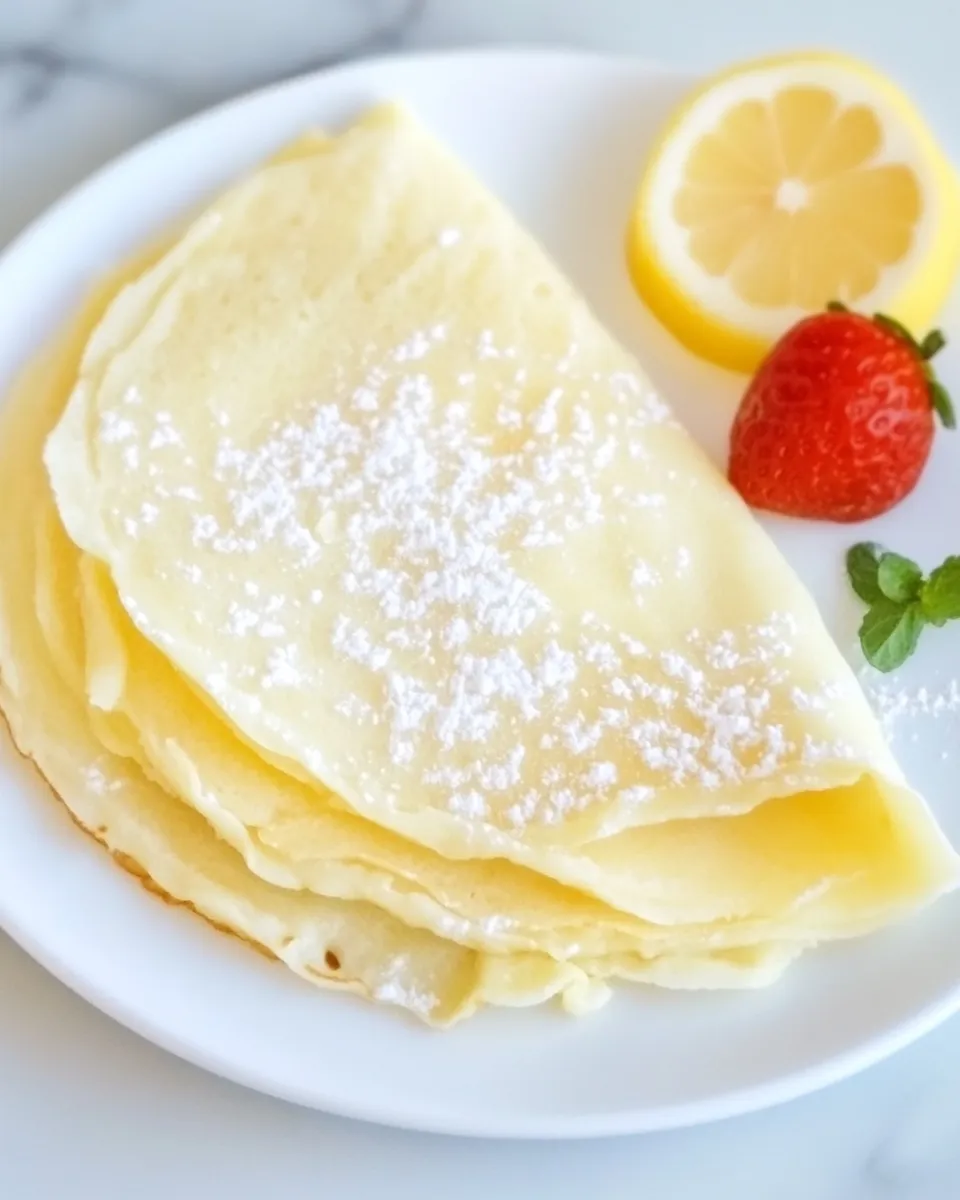
This recipe is a practical go-to because it is fast, predictable and flexible. The ingredient list is short and familiar. You don’t need special tools or hard-to-find ingredients. The batter is forgiving: a quick rest in the fridge improves texture, but skipping that step still produces good pancakes.
Because the pancakes are thin, they cook in about two minutes each. That makes them ideal when you want something homey but quick. They form a perfect base for both sweet and savoury toppings — lemon and sugar for a traditional finish, or bacon and maple for a British-meets-American twist.
No-Store Runs Needed
All ingredients are pantry staples. If you keep flour, eggs, milk and butter in your kitchen you can make these any day without a trip to the shop. For toppings, simple extras like sugar and lemon are optional but elevate the final plate.
Equipment & Tools
Minimal equipment required:
- Large mixing bowl — for whisking the batter and letting it rest.
- Whisk — or a fork; important for combining and removing lumps.
- Non-stick frying pan (medium) — key for easy flipping and even browning.
- Ladle or small measuring cup — for portioning batter evenly.
- Spatula — a thin, flexible one helps flip without tearing.
- Sieve or sifter (optional) — useful for sifting the flour straight into the bowl to avoid lumps.
Troubles You Can Avoid
Common issues and quick fixes
- Lumpy batter — sift the flour and whisk gradually. If lumps remain, strain the batter through a fine sieve.
- Pancakes tearing when flipped — ensure the pan is hot and the underside is set before flipping; use a thin spatula and flip confidently in one motion.
- Uneven browning — heat should be medium. Too hot will burn the edges before the centre cooks; too low and you won’t get that light golden colour.
- Pancakes sticking — use a non-stick pan or a well-conditioned pan lightly greased with butter. Wipe or brush between pancakes to avoid build-up.
- Batter too thick or thin — batter should be pourable. If it’s too thick, whisk in a splash of milk; if too thin, add a spoonful of flour and whisk well.
Better Choices & Swaps
Stick to the quantities in the recipe for consistent results, but small swaps are possible if needed:
- Milk alternatives — plant milks (oat, almond) will work, but they change texture slightly. Use unsweetened versions if you plan sweet toppings.
- Fat for frying — butter gives best flavour; a neutral oil can be used if you need a higher smoke point. Brush sparingly to avoid greasy pancakes.
- Flour variations — all-purpose flour gives the light, flexible texture expected in British pancakes. Wholewheat will make them denser and darker; adjust by mixing half wholewheat with white flour.
- Sweeteners and toppings — caster sugar and lemon are classic. Use golden syrup, jam, whipped cream or fresh fruit depending on preference.
Testing Timeline
These pancakes are fast to test and tune:
- 0–5 minutes — whisk batter; check consistency and adjust with a little milk if necessary.
- 15–30 minutes — optional rest in the fridge improves smoothness and lets flour hydrate; if rushed you can start cooking immediately.
- 30–45 minutes — cook a first pancake and use it as a gauge for pan temperature and browning rate; make adjustments after the first one.
- 45–60 minutes — you should have a stack of warm pancakes ready to serve within this window if you have a single medium pan.
Meal Prep & Storage Notes
If you plan ahead, the batter and cooked pancakes both store well with a few caveats:
- Batter — rest in the fridge for up to 24 hours. Give it a quick whisk before using; it may settle and thicken slightly.
- Cooked pancakes — stack with parchment between layers and keep in an airtight container in the fridge for up to 2 days. Reheat gently in a warm oven (150°C/300°F) for a few minutes, or in a warm pan.
- Freezing — pancakes freeze well. Flash-freeze single layers on a tray then transfer to a freezer bag. Reheat from frozen in a pan with a lid to steam through, or defrost in the fridge overnight.
British Pancakes FAQs
Can I make the batter ahead?
Yes. The batter keeps in the fridge for up to 24 hours. Resting improves texture because the flour fully hydrates, but if the batter thickens, whisk in a little milk to loosen it before cooking.
How do I get the edges thin and lacy?
Pour a ladleful into the centre of a hot pan and tilt the pan immediately to spread the batter thinly and evenly. The pan needs to be hot enough that the edges set quickly, which helps them crisp up.
Why did my pancakes come out rubbery?
Over-mixing or using very cold ingredients can lead to a tight gluten structure. Whisk gently to combine and allow the batter to rest. Also avoid cooking at too low a temperature, which can cause a chewy finish.
Can I flip without a spatula?
Yes, once you’re confident you can do a controlled flip by wrist motion, but a thin spatula is safer and more consistent, especially for thin British-style pancakes.
Final Thoughts
These British pancakes are reliable, quick and endlessly adaptable. The simple formula of flour, eggs, milk and butter gives you a base that’s easy to scale up or down, and straightforward enough for weeknight breakfasts yet elegant enough for weekend guests. Keep an eye on pan temperature, use a light brush of butter between batches, and lean into lemon and caster sugar for the classic pairing that never fails.
Try making a small practice pancake first — it’s the best way to dial in heat and portion size. Once you’ve found the rhythm, a stack will come together fast and taste like something you’d order in a café.
British Pancakes
Ingredients
Ingredients
- 100 gall-purpose flour
- 2 eggs
- 300 mlmilk
- 1 tablespoonmelted butter plus a little extra for frying
- lemon wedges optional
- caster sugar optional
Instructions
Instructions
- Melt 1 tablespoon of the butter and set aside a little extra butter for frying. In a large bowl add 300 ml milk, 2 eggs and the melted 1 tablespoon butter; whisk until combined.
- Sift 100 g all-purpose flour into the bowl (or through a sieve held over the bowl) and whisk in gradually until you have a smooth, lump-free, pourable batter.
- Cover and let the batter rest in the fridge for 15–30 minutes if possible, or start cooking immediately.
- Heat a medium non-stick frying pan over medium heat. Lightly brush or wipe the surface with a little of the reserved melted butter so the pan is just greased.
- When the pan is hot, pour a ladleful of batter into the centre and tilt the pan to spread the batter into a thin, even circle. Cook about 1 minute, until the edges are set and the underside is golden.
- Flip the pancake carefully with a spatula and cook about 1 more minute on the second side until golden. Transfer the cooked pancake to a warm plate.
- Repeat steps 5–6 with the remaining batter, brushing the pan with a little more butter as needed between pancakes.
- Serve immediately with lemon wedges and caster sugar on the side, or with your preferred filling.
Equipment
- Mixing Bowl
- Whisk
- sieve
- Ladle
- Non-stick Frying Pan
- Spatula
- Plate
Notes
Leftover pancakes will keep well for a day or two.
Place them on a plate and cover with plastic wrap, or store them in an airtight container and keep them in the refrigerator until needed.
You can then reheat them in the microwave for a few seconds before serving.