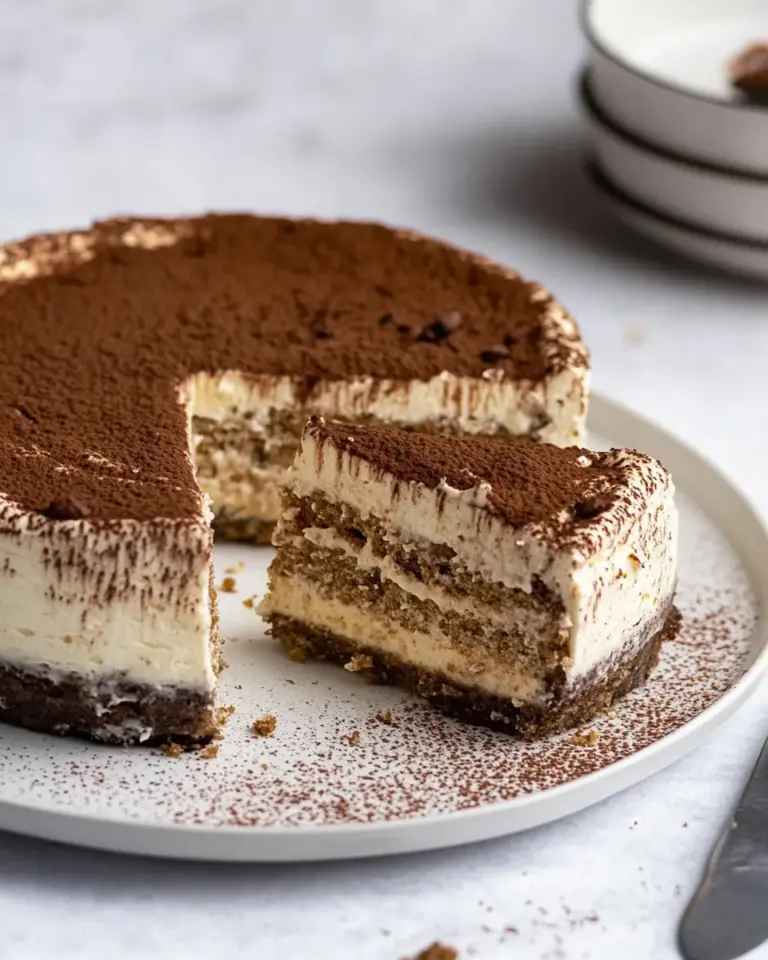

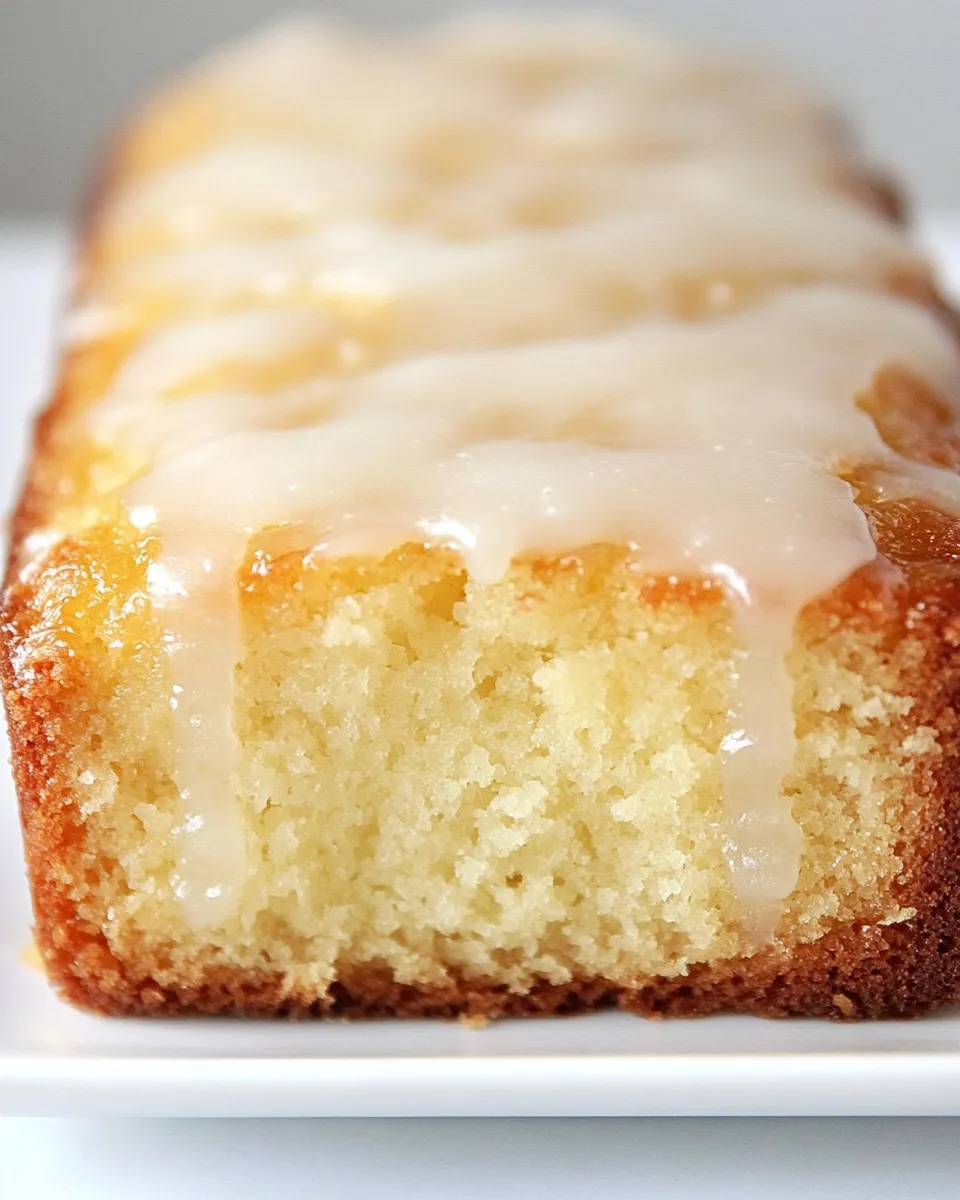
This lemon loaf is the kind of cake you keep making until someone finally brings the recipe to the table. Bright lemon, a tender crumb, and a simple syrup that soaks right through the loaf — those three things make it reliably good. It’s not fussy, but it rewards small care: room-temperature ingredients, freshly grated zest, and a gentle hand when you fold the batter.
I make a double batch and freeze one for mornings when I want a quick, special breakfast or an easy dessert for unexpected guests. The layers of flavor come from both lemon zest and juice, and the syrup keeps the loaves unbelievably moist while the optional glaze adds a sweet, slightly tart finish. It’s straightforward to follow, and the technique scales well.
Below you’ll find ingredient notes, the full step-by-step instructions straight from the recipe, troubleshooting tips, seasonal variations, and practical storage advice. If you want an unfussy, dependable lemon loaf that actually tastes like lemon, this is it.
Ingredient Notes

- 1-1/2 cups cake flour — gives a lighter, softer crumb than all-purpose alone; it keeps the loaf tender.
- 1-1/2 cups all-purpose flour — adds structure so the loaf holds up; combined with cake flour for balance.
- 2 teaspoon baking powder — primary leavening to help the loaf rise uniformly.
- 1/4 teaspoon baking soda — reacts with the acid in the lemon and sour cream for lift and tenderness.
- 1 teaspoon salt — enhances flavor and controls the sweetness.
- 2-1/4 cups sugar — sweetens and helps with browning; also contributes to a fine crumb.
- 8 large eggs, room temperature — build structure and add richness; room temperature eggs incorporate more evenly.
- 1/4 cup grated lemon zest (from about 4 lemons) — concentrated lemon oil; the main source of fresh lemon aroma.
- 1/4 cup fresh lemon juice — brightens the batter and reacts with leaveners for lift.
- 2 cups unsalted butter, melted and cooled — provides richness and keeps the loaf tender; cooling prevents cooking the eggs when added.
- 1/2 cup sour cream, room temperature — adds moisture and a slight tang; improves crumb and keeps the loaf tender.
- 2 teaspoons vanilla extract — rounds the citrus and adds depth of flavor.
- 1/3 cup fresh lemon juice — (for lemon syrup) concentrates lemon flavor and soaks into the loaf.
- 1/3 cup sugar — (for lemon syrup) dissolves into a simple syrup to hydrate and flavor the cake.
- 2 cups powdered sugar – sifted (more if needed) — (for lemon glaze) gives a smooth, glossy finish and sweet balance to the tart lemon.
- 4-6 tablespoons fresh lemon juice — (for lemon glaze) adjusts the glaze consistency; start with 4 and add to reach pourable thickness.
Lemon Loaf Cake Made Stepwise
- Preheat the oven to 350 degrees F. Spray the sides and bottom of two 9-by-5-by-3-inch loaf pans with nonstick cooking spray, line the bottom of each pan with parchment paper, and spray the parchment.
- Sift the cake flour, all-purpose flour, baking powder, baking soda, and salt together into a medium bowl and set aside.
- In a food processor, combine the sugar, eggs (room temperature), grated lemon zest, and lemon juice; pulse until combined.
- With the food processor motor running, drizzle in the melted and cooled butter through the feed tube. Add the sour cream (room temperature) and vanilla extract and pulse until just combined. Transfer the batter to a large bowl.
- Add the sifted flour mixture to the batter in three additions (one third at a time), folding gently after each addition until just combined. Do not overmix.
- Divide the batter evenly between the two prepared loaf pans and smooth the tops. Place the pans in the center of the oven and bake for 20 minutes.
- After 20 minutes, rotate the pans, reduce the oven temperature to 325 degrees F, and continue baking for another 30 to 35 minutes, or until a toothpick inserted into the center of each loaf comes out clean.
- Remove the pans from the oven and let the loaves cool in the pans for 15 minutes.
- While the loaves are cooling, make the lemon syrup: in a small saucepan over medium heat, combine 1/3 cup fresh lemon juice and 1/3 cup sugar. Heat, stirring, until the sugar is completely dissolved, then continue to cook for 3 more minutes. Remove from heat and set aside.
- Line a half-sheet pan with parchment paper. Invert the loaves onto the sheet pan. Use a toothpick to poke holes in the tops and sides of the loaves.
- Brush the tops and sides of the loaves with the warm lemon syrup. Allow the syrup to soak in, then brush again. Let the cakes cool completely, at least 30 minutes.
- (Optional) To make the lemon glaze, in a small bowl whisk together the sifted powdered sugar and 4 tablespoons fresh lemon juice until the mixture is thick but pourable. If it is too stiff, add up to 2 more tablespoons lemon juice, whisking until you reach the desired consistency; if it becomes too thin, add a little more powdered sugar. Pour the glaze over the top of each loaf and let it drip down the sides. Let the glaze harden about 15 minutes before serving.
- Storage: The soaked but unglazed loaves, wrapped in two layers of plastic wrap, can be frozen for up to 6 weeks. Glazed loaves, wrapped tightly in plastic wrap, will keep at room temperature for up to 3 days.
Why It’s Crowd-Pleasing
This loaf balances bright citrus with rich butter and the tenderness that comes from sour cream. The syrup is the secret: it adds moisture and intensifies the lemon without making the cake soggy. When you cut into a slice you get immediate citrus aroma from the zest and a soft, almost custardy crumb.
Presentation is effortless, which helps when you need something that looks like effort without the fuss. The optional glaze gives a polished, bakery-style finish. Serve it sliced, with tea or coffee, and people will ask where you bought it — and then ask for the recipe.
Allergy-Friendly Substitutes
- Dairy-free: swap unsalted butter for a solid plant-based butter suitable for baking and replace sour cream with a dairy-free cultured alternative or full-fat coconut yogurt (test texture first).
- Egg-free: use a commercial egg replacer or flax “eggs” (1 tbsp ground flax + 3 tbsp water per egg); texture will be slightly different, and rise may be reduced.
- Gluten-free: replace the combined cake and all-purpose flours with a 1:1 gluten-free baking blend that contains xanthan gum; expect a slightly different crumb and monitor doneness closely.
- Lower sugar: reduce sugar carefully — the loaf relies on sugar for texture as well as sweetness. If you must, reduce by no more than 1/3 cup and note texture will change.
Recommended Tools

- Two 9-by-5-by-3-inch loaf pans — the recipe is written for two loaves; even heat and shape matter here.
- Food processor — speeds through combining eggs, sugar, zest, juice, and butter for a smooth batter; a sturdy stand mixer may be substituted.
- Sifter or fine-mesh sieve — you’ll sift the dry ingredients and the powdered sugar for a lump-free glaze.
- Parchment paper and nonstick spray — for clean release and easy turning out of the loaves.
- Small saucepan — for making the lemon syrup; a heavy-bottomed pan gives stable heat.
- Half-sheet pan — to invert the loaves and catch any syrup or glaze runoff while finishing.
- Toothpick or skewer — to poke holes to help the syrup sink in evenly.
Common Errors (and Fixes)
- Dense or heavy crumb: overmixing after the flour goes in is usually the cause. Fold gently and stop as soon as the streaks disappear.
- Loaves underbaked in the center: your oven temperature may run cool or pans may be crowded. Use an oven thermometer and the toothpick test; if batter clings, bake a bit longer at the reduced temperature.
- Syrup pooling on the pan: poke holes across the surface so syrup sinks in; brush gradually and allow absorption between coats.
- Glaze too thin or too thick: follow the glaze instructions: add lemon juice a tablespoon at a time to thin, or powdered sugar to thicken.
- Bitter lemon flavor: avoid the white pith when zesting; only grate the yellow skin for zest.
Fresh Takes Through the Year
In spring and summer, serve thin slices with fresh berries for a bright, light combination. In cooler months, pair a slice with a spiced tea or a spoonful of mascarpone to add richness. You can also brush a little honey into the warm loaf for a floral finish if you want an alternate sweet note.
For a party, slice the loaf and top each piece with a small spoonful of lightly sweetened whipped cream and a curl of lemon zest. The loaf is versatile enough to lean breakfast, brunch, or dessert depending on how you plate it.
Little Things that Matter
Use freshly grated lemon zest for the most aromatic result. Room-temperature eggs and sour cream incorporate more smoothly and produce a more uniform texture. When adding melted butter to wet ingredients in the food processor, let the butter cool slightly so you don’t cook the eggs. And when you poke holes for the syrup, be generous: the syrup needs a path to penetrate the interior.
Prep Ahead & Store
Make the loaves ahead by baking and soaking with the lemon syrup, then freeze the soaked but unglazed loaves wrapped in two layers of plastic wrap for up to 6 weeks. Thaw at room temperature before glazing, if you plan to glaze. Glazed loaves, wrapped tightly in plastic wrap, will keep at room temperature for up to 3 days.
If you plan to serve over several days, glaze only the portion you’ll eat first; glaze can soften over time depending on humidity. For best texture, slice when fully cooled.
Reader Q&A
- Q: Can I make this in a single larger pan? A: Yes, but baking time and temperature will change. Bake until a toothpick comes out clean, and expect a longer bake time; check after the listed bake time and add increments as needed.
- Q: Why both cake flour and all-purpose? A: Cake flour lightens the crumb while all-purpose gives necessary structure. Together they balance tenderness and stability.
- Q: Can I skip the syrup? A: You can, but the syrup is what keeps the loaf exceptionally moist and lemon-forward. If you skip it, consider brushing with a lighter sugar-water-lemon mix so the loaf doesn’t dry out.
- Q: How do I know when the loaves are done? A: A toothpick inserted into the center should come out clean; the tops should be golden and spring back slightly when touched.
The Last Word
This Lemon Loaf Cake is reliably bright, tender, and crowd-pleasing. It’s the kind of recipe that rewards small attentions: fresh zest, gentle folding, and slow syruping. Make it for a casual coffee break or for company — it travels well and freezes beautifully. Follow the steps, give the loaves time to cool and absorb the syrup, and you’ll have slices that taste as if they were made with intention.
Keep the loaf simple, and let the lemon do the talking. Enjoy.

Lemon Loaf Cake
Ingredients
Ingredients
- For cake
- 1-1/2 cups cake flour
- 1-1/2 cups all-purpose flour
- 2 teaspoon baking powder
- 1/4 teaspoon baking soda
- 1 teaspoon salt
- 2-1/4 cups sugar
- 8 large eggs room temperature
- 1/4 cup grated lemon zest from about 4 lemons
- 1/4 cup fresh lemon juice
- 2 cups unsalted butter melted and cooled
- 1/2 cup sour cream room temperature
- 2 teaspoons vanilla extract
- For lemon syrup
- 1/3 cup fresh lemon juice
- 1/3 cup sugar
- For lemon glaze
- 2 cups powdered sugar - sifted more if needed
- 4-6 tablespoons fresh lemon juice
Instructions
Instructions
- Preheat the oven to 350 degrees F. Spray the sides and bottom of two 9-by-5-by-3-inch loaf pans with nonstick cooking spray, line the bottom of each pan with parchment paper, and spray the parchment.
- Sift the cake flour, all-purpose flour, baking powder, baking soda, and salt together into a medium bowl and set aside.
- In a food processor, combine the sugar, eggs (room temperature), grated lemon zest, and lemon juice; pulse until combined.
- With the food processor motor running, drizzle in the melted and cooled butter through the feed tube. Add the sour cream (room temperature) and vanilla extract and pulse until just combined. Transfer the batter to a large bowl.
- Add the sifted flour mixture to the batter in three additions (one third at a time), folding gently after each addition until just combined. Do not overmix.
- Divide the batter evenly between the two prepared loaf pans and smooth the tops. Place the pans in the center of the oven and bake for 20 minutes.
- After 20 minutes, rotate the pans, reduce the oven temperature to 325 degrees F, and continue baking for another 30 to 35 minutes, or until a toothpick inserted into the center of each loaf comes out clean.
- Remove the pans from the oven and let the loaves cool in the pans for 15 minutes.
- While the loaves are cooling, make the lemon syrup: in a small saucepan over medium heat, combine 1/3 cup fresh lemon juice and 1/3 cup sugar. Heat, stirring, until the sugar is completely dissolved, then continue to cook for 3 more minutes. Remove from heat and set aside.
- Line a half-sheet pan with parchment paper. Invert the loaves onto the sheet pan. Use a toothpick to poke holes in the tops and sides of the loaves.
- Brush the tops and sides of the loaves with the warm lemon syrup. Allow the syrup to soak in, then brush again. Let the cakes cool completely, at least 30 minutes.
- (Optional) To make the lemon glaze, in a small bowl whisk together the sifted powdered sugar and 4 tablespoons fresh lemon juice until the mixture is thick but pourable. If it is too stiff, add up to 2 more tablespoons lemon juice, whisking until you reach the desired consistency; if it becomes too thin, add a little more powdered sugar. Pour the glaze over the top of each loaf and let it drip down the sides. Let the glaze harden about 15 minutes before serving.
- Storage: The soaked but unglazed loaves, wrapped in two layers of plastic wrap, can be frozen for up to 6 weeks. Glazed loaves, wrapped tightly in plastic wrap, will keep at room temperature for up to 3 days.
Equipment
- 9x5-inch loaf pans
- Parchment Paper
- nonstick cooking spray
- Food Processor
- Mixing bowls
- Spatula
- Small Saucepan
- Whisk
- half-sheet pan
- toothpick
Notes
13. Storage: The soaked but unglazed loaves, wrapped in two layers of plastic wrap, can be frozen for up to 6 weeks. Glazed loaves, wrapped tightly in plastic wrap, will keep at room temperature for up to 3 days.