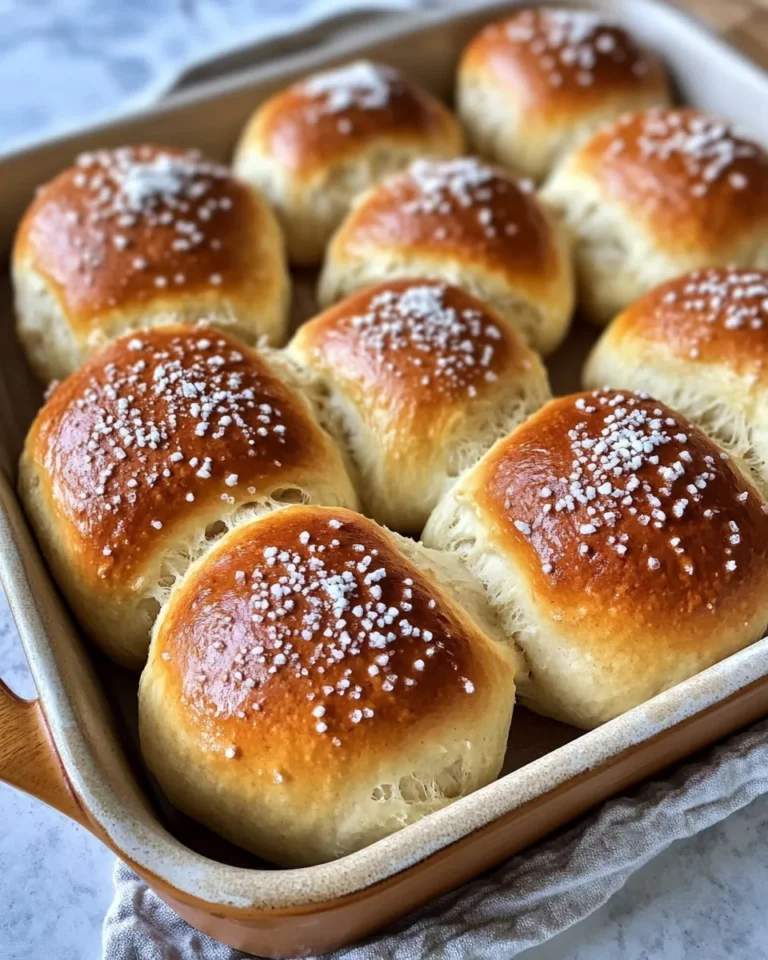
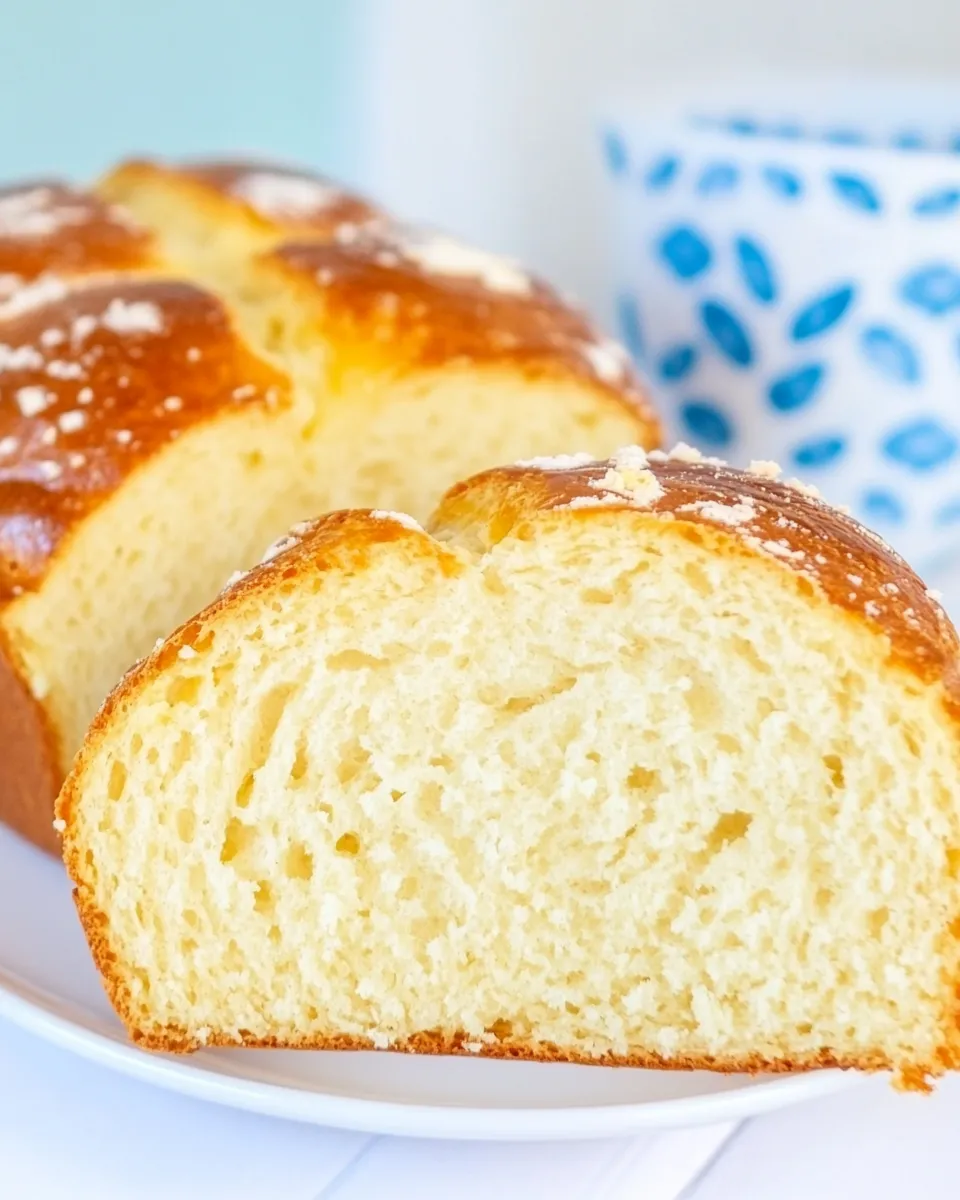
This is the kind of bread I make when I want something soft, a little sweet, and utterly reliable. Sally Lunn is an enriched yeast bread—think breakfast-worthy slices that toast up beautifully or sit warm on the table alongside butter and jam. It’s forgiving, which makes it a great weekend project even if you’re not comfortable with elaborate dough handling.
I test this recipe often because the texture matters: a tender crumb, golden top, and enough structure to slice without falling apart. The steps are straightforward, and the ingredients are pantry-friendly. Read through once, gather what you need, and follow the warm-up and rise times closely for the best results.
What You’ll Need
Ingredients
- 1 1/2 cups whole milk — warms and enriches the dough; cool to the specified temperature before adding yeast.
- 3/4 cup sugar — sweetens and feeds the yeast slightly; balances the rich butter and eggs.
- 1/2 cup butter — adds fat for tenderness and flavor; melt gently with milk.
- 1 teaspoon salt — essential for flavor and to control yeast activity.
- 2 (1/4-ounce) packets active dry yeast — the leavening agent; activate in warm water first.
- 1/2 cup warm water (100 to 110 degrees) — temperature matters for yeast activation; too hot will kill it.
- 2 large eggs — enrich the dough, improving color and crumb.
- 5 cups all-purpose flour — provides structure; add gradually to avoid over-dry dough.
From Start to Finish: Sally Lunn Bread
- In a saucepan, combine the 1 1/2 cups whole milk, 3/4 cup sugar, 1/2 cup butter, and 1 teaspoon salt. Heat over medium-low just until the butter melts and the sugar begins to dissolve. Do not boil.
- Remove the pan from the heat and let the milk mixture cool to 100–110°F (warm to the touch).
- While the milk mixture cools, pour the 1/2 cup warm water (100–110°F) into a small bowl. Sprinkle the 2 (1/4-ounce) packets active dry yeast over the water, stir gently, and let sit 5 minutes until the mixture is foamy.
- In a large mixing bowl, combine the cooled milk mixture, the activated yeast mixture, and the 2 large eggs. Beat with an electric mixer until blended.
- With the mixer running on low speed, gradually add the 5 cups all-purpose flour, a little at a time, until the flour is incorporated. The dough will be very sticky; this is normal.
- Cover the bowl with plastic wrap or a clean kitchen towel and place it in a warm, draft-free spot. Let the dough rise about 1 hour, or until it has doubled in bulk.
- Punch the dough down to release the air. Cover it again and let it rest and rise for an additional 30 minutes.
- Generously grease a Bundt pan (or use a baking spray with flour if you prefer). Transfer the dough into the prepared pan, smoothing the top as needed.
- Cover the pan and let the dough rise in the pan for 20–30 minutes, until slightly puffed.
- Preheat the oven to 350°F. Bake the bread at 350°F for 35–40 minutes, until the top is golden and a skewer inserted into the center comes out clean.
- Remove the bread from the oven and immediately invert it onto a wire rack to remove it from the pan. Let cool slightly before slicing.
What You’ll Love About This Recipe
You’ll love how forgiving Sally Lunn Bread is. The dough is sticky by design, so there’s no need to overwork or over-flour it. The final loaf has a tender, cake-like crumb but slices like a traditional loaf—perfect for both sweet and savory uses.
It’s rich without being heavy: the milk, butter, and eggs add flavor and color, while the sugar gives a gentle sweetness that plays well with butter, preserves, or even savory toppings. The baking time and temperature are modest, so you get a reliably golden top without fuss.
Substitutions by Category
Liquid & Dairy
- Whole milk — you can try 2% for a slightly lighter result, but whole milk gives the best tenderness and flavor.
Fat
- Butter — unsalted or salted will work; if using salted butter, reduce added salt slightly and taste the dough.
Flour & Sweetener
- All-purpose flour — you can swap a small portion (up to 1 cup) with bread flour for slightly more chew, but keep total flour 5 cups.
- Sugar — granulated sugar is specified; you might use a natural cane sugar one-to-one, but avoid liquid sweeteners unless you adjust other liquids.
Yeast
- Active dry yeast — instant yeast may work; if substituting, reduce the water temperature slightly and consider reducing proof time by a few minutes because instant tends to act faster.
Equipment & Tools
- Medium saucepan — to warm milk, butter, sugar, and salt gently.
- Small bowl — to bloom the yeast in warm water.
- Large mixing bowl and electric mixer — the mixer makes blending the wet ingredients and incorporating flour easier; a stand mixer with paddle or dough hook also works.
- Bundt pan — a generously greased Bundt pan is used in this recipe; a similarly sized tube pan or large loaf pans can be used with slight changes to bake time.
- Instant-read thermometer — optional but helpful to check milk and water temperatures (100–110°F is the sweet spot for yeast).
- Wire rack — for cooling and keeping the crust from sogginess after inverting.
What Not to Do
Do not let the milk mixture boil. Boiling will change the milk’s proteins and can affect the dough’s texture and the butter’s integration. Heat just enough to melt the butter and dissolve sugar.
Do not add all the flour at once. The dough is supposed to be sticky; forcing in too much flour will yield a dry, dense loaf. Add flour gradually as instructed.
Do not rush the proofing. Under-proofed dough will produce a tight crumb; over-proofed dough can collapse in the oven. Follow the rise times and use visual cues: doubled in bulk and slightly puffed in the pan.
Tailor It to Your Diet
If you need a dairy-free version, try swapping the whole milk for a full-fat plant milk (like oat or soy) and replace the butter with a neutral-tasting plant-based spread. Keep in mind texture will shift: the bread may be slightly less tender.
To reduce sugar, you can cut the sugar by about one-third with minimal impact to structure, but sugar also affects browning and crumb tenderness. I don’t recommend removing it entirely for this enriched loaf.
For an egg-free attempt, a commercial egg replacer could be used, but the bread will lose some richness and structure. If you need strict allergy-safe swaps, testing is essential.
Pro Perspective
Professional bakers rely on temperature control and timing. Aim for the specified 100–110°F when cooling the milk mixture and when proofing yeast in water—this range encourages yeast activity without damage. Use an instant-read thermometer if you bake frequently.
When you mix in the flour, keep the mixer’s speed low. High speed can develop gluten too quickly and generate heat. The dough’s stickiness is intentional; it means you’ll get a tender crumb. Avoid the temptation to keep adding flour to get a “neat” ball—work with the dough as-is.
Inverting the loaf immediately after baking helps preserve the top’s shape and prevents it from sweating in the pan. A slight cooling before slicing allows the crumb to set for cleaner slices.
Refrigerate, Freeze, Reheat
Refrigerate: If you plan to eat within 2–3 days, wrap the cooled loaf tightly in plastic wrap or store in an airtight container at room temperature. Refrigeration can dry bread, so it’s better to keep it at room temperature for a short window.
Freeze: Slice before freezing for convenient portions. Wrap slices individually or stack with parchment between and seal in a freezer bag. Frozen for up to 3 months maintains good quality.
Reheat: For day-old slices, toast them or warm in a 350°F oven for 8–10 minutes until the crust is crisp and the interior is warm. For frozen slices, toast from frozen or thaw at room temperature then toast.
Top Questions & Answers
- Can I use instant yeast instead of active dry? — Yes, you can, but reduce proof time slightly and consider mixing instant directly with flour or adding to the warm liquids; instant typically doesn’t require pre-blooming.
- Why is the dough so sticky? — The recipe is enriched and has a high hydration relative to the flour; sticky dough yields a softer crumb. Resist adding more flour unless the dough is unworkably wet for your pan.
- What if the top browns too quickly? — Tent the loaf loosely with foil for the last 10–15 minutes of baking to prevent over-browning while the center finishes baking.
- Can I bake this in a loaf pan? — Yes; expect shorter bake time or check earlier. You may need to divide the dough between two pans and adjust baking times accordingly.
Serve & Enjoy
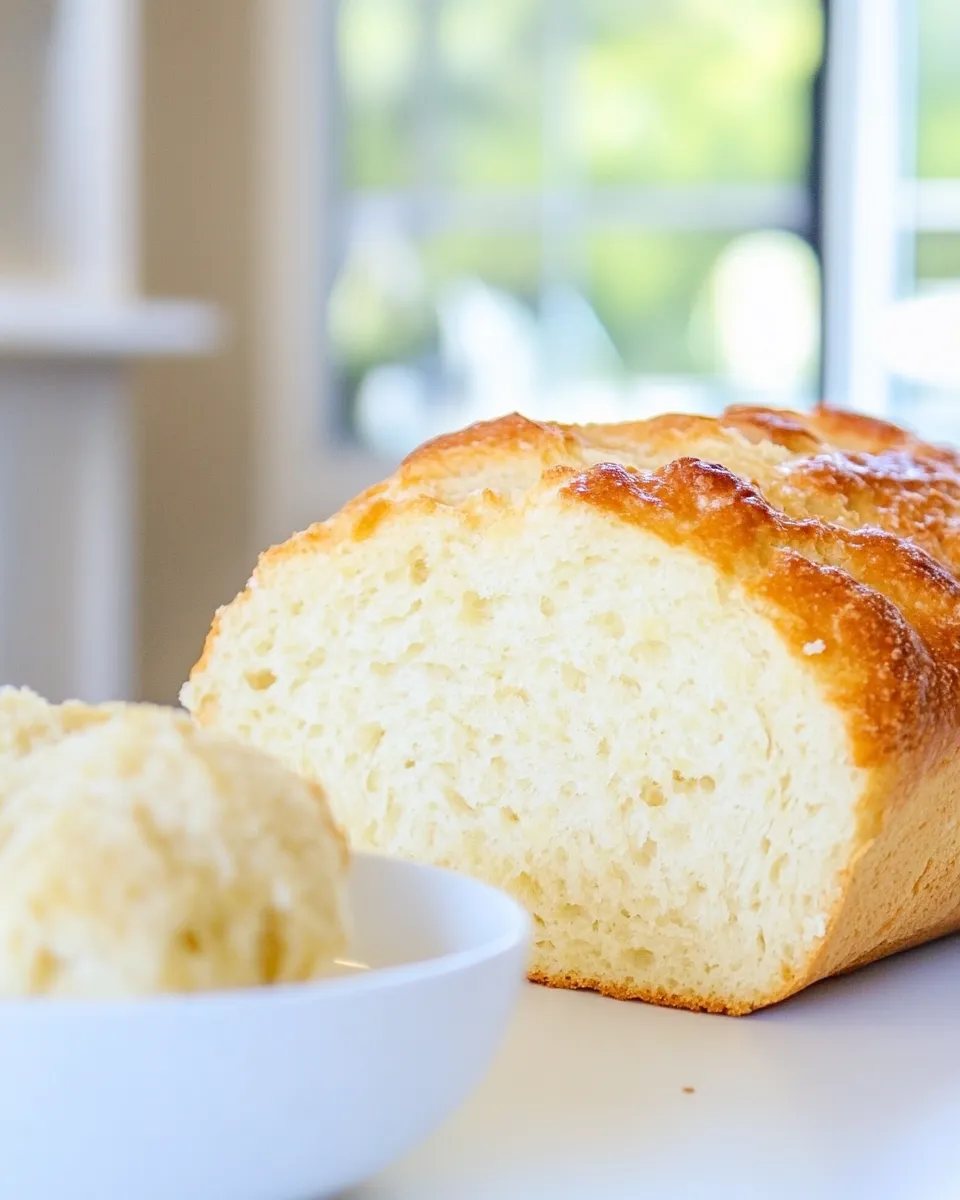
Serve Sally Lunn Bread slightly warm with plenty of butter and your favorite jam for breakfast, or use slices for elegant French toast. It also pairs beautifully with pâté or a savory spread for a casual dinner. Slices freeze and reheat well, so keep some tucked away for quick toast or sandwiches.
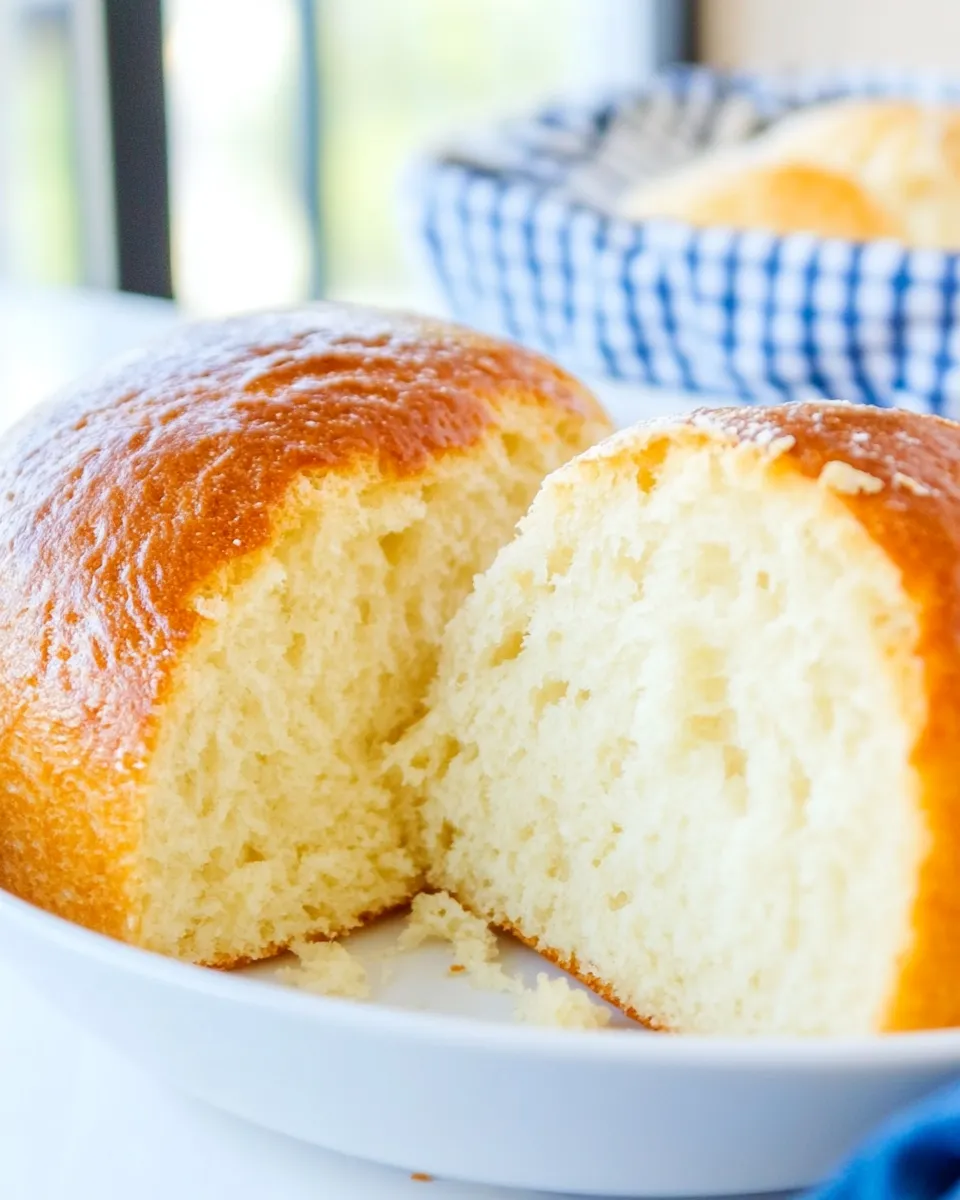
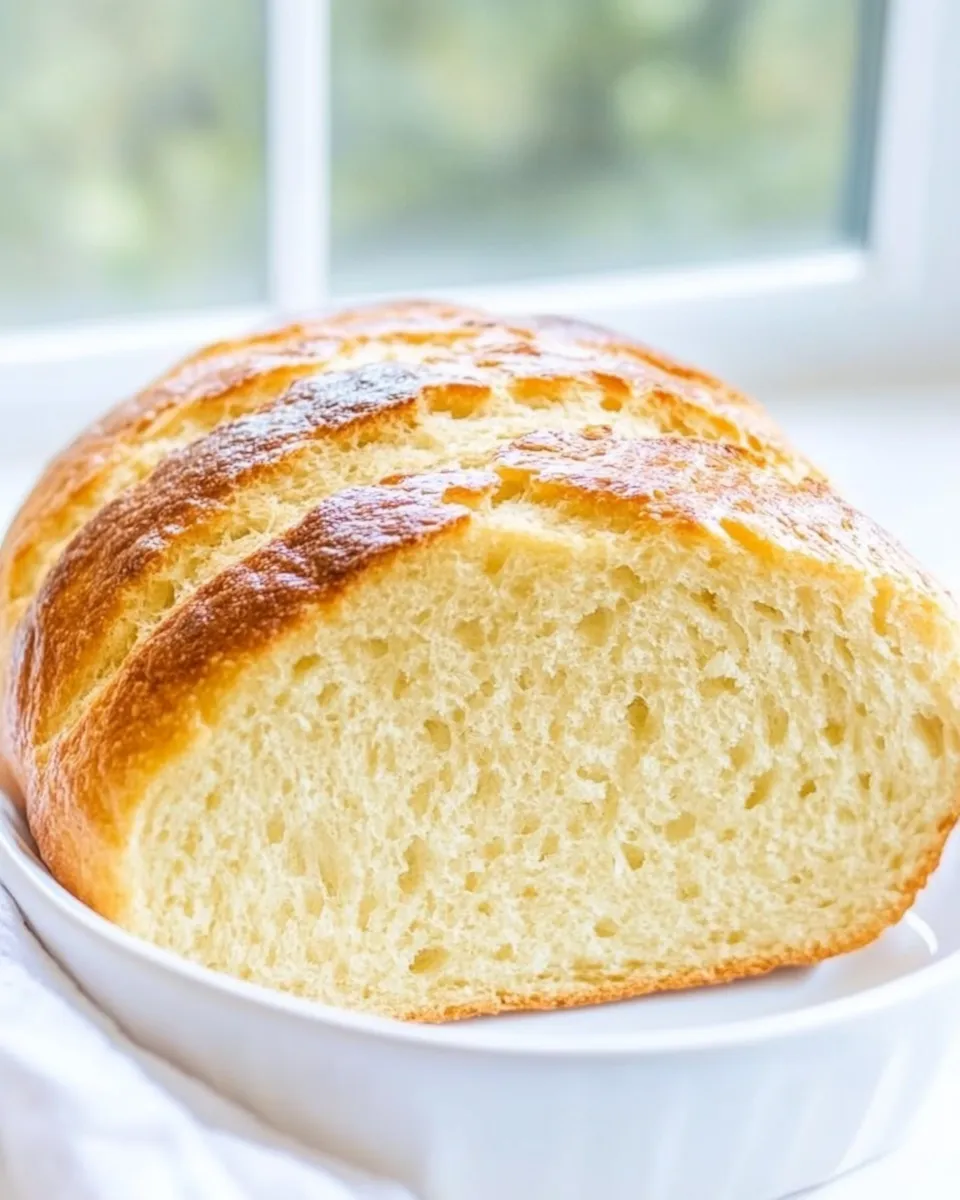
When I slice into a fresh Sally Lunn, the soft interior and golden crust make it hard not to reach for a second piece. Keep a simple knife and a good-quality butter nearby—this bread shines with minimal adornment.

Sally Lunn Bread
Ingredients
Ingredients
- 1 1/2 cupswhole milk
- 3/4 cupsugar
- 1/2 cupbutter
- 1 teaspoonsalt
- 2 1/4-ounce packetsactive dry yeast
- 1/2 cupwarm water 100 to 110 degrees
- 2 largeeggs
- 5 cupsall-purpose flour
Instructions
Instructions
- In a saucepan, combine the 1 1/2 cups whole milk, 3/4 cup sugar, 1/2 cup butter, and 1 teaspoon salt. Heat over medium-low just until the butter melts and the sugar begins to dissolve. Do not boil.
- Remove the pan from the heat and let the milk mixture cool to 100–110°F (warm to the touch).
- While the milk mixture cools, pour the 1/2 cup warm water (100–110°F) into a small bowl. Sprinkle the 2 (1/4-ounce) packets active dry yeast over the water, stir gently, and let sit 5 minutes until the mixture is foamy.
- In a large mixing bowl, combine the cooled milk mixture, the activated yeast mixture, and the 2 large eggs. Beat with an electric mixer until blended.
- With the mixer running on low speed, gradually add the 5 cups all-purpose flour, a little at a time, until the flour is incorporated. The dough will be very sticky; this is normal.
- Cover the bowl with plastic wrap or a clean kitchen towel and place it in a warm, draft-free spot. Let the dough rise about 1 hour, or until it has doubled in bulk.
- Punch the dough down to release the air. Cover it again and let it rest and rise for an additional 30 minutes.
- Generously grease a Bundt pan (or use a baking spray with flour if you prefer). Transfer the dough into the prepared pan, smoothing the top as needed.
- Cover the pan and let the dough rise in the pan for 20–30 minutes, until slightly puffed.
- Preheat the oven to 350°F. Bake the bread at 350°F for 35–40 minutes, until the top is golden and a skewer inserted into the center comes out clean.
- Remove the bread from the oven and immediately invert it onto a wire rack to remove it from the pan. Let cool slightly before slicing.
Equipment
- Electric Stand Mixer
- Bundt pan
Notes
After you let the yeast and water sit for 5 minutes, there should be bubbles that have formed on the top. If there aren’t any, toss it out. It is no good and your bread will not rise if you use it.