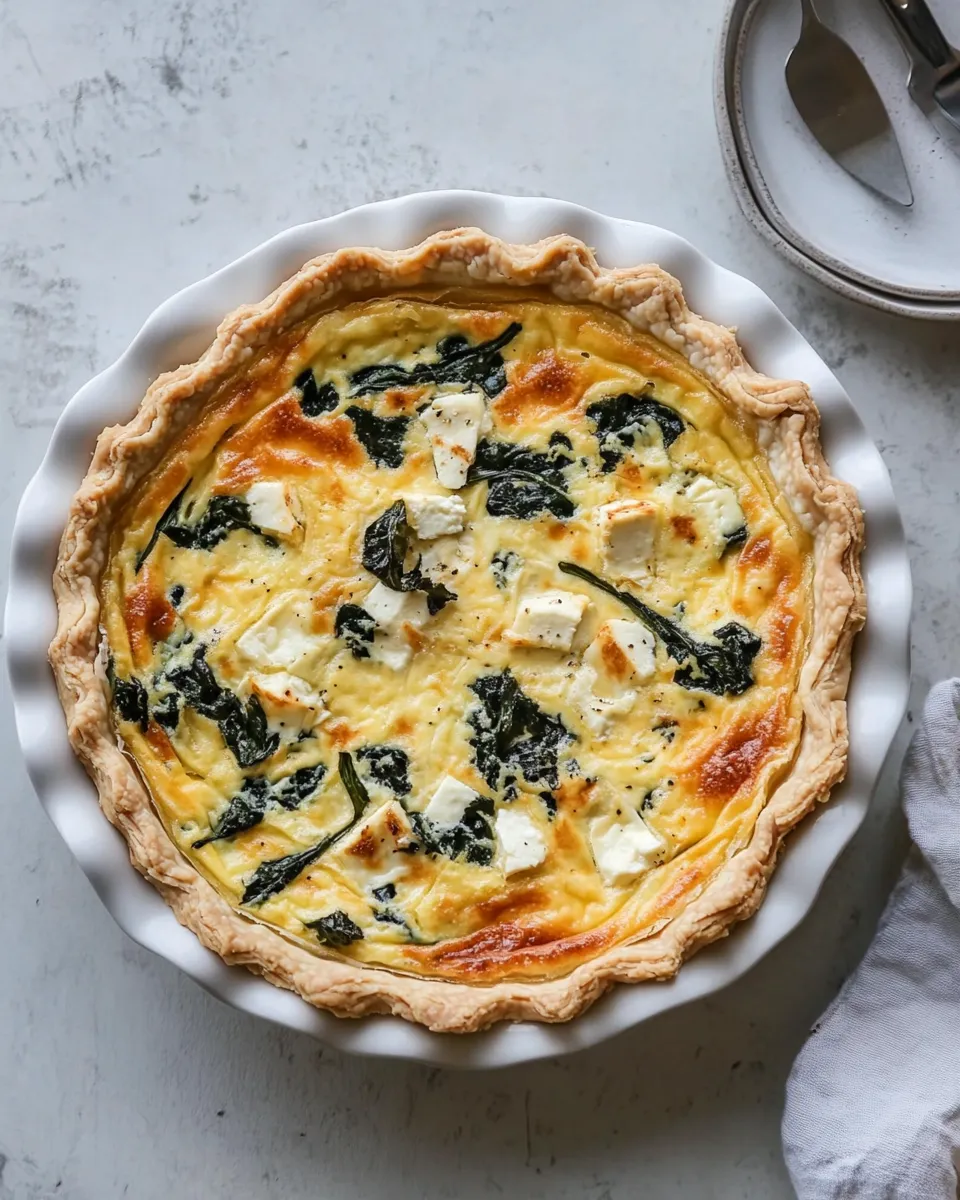
Quiche is a weeknight hero and a brunch showstopper at the same time. It’s forgiving, flavorful, and stores well — which means you can make it ahead and still look like you planned something elegant. This version focuses on reliable technique and clear timing so your crust and custard both behave.
I use a prebaked flaky pie crust and a simple egg-and-cream custard. That keeps the process straightforward and the flavors clean. With one cup of shredded cheese and two cups of cooked add-ins, the quiche holds together beautifully and slices neatly.
Below you’ll find the exact ingredients and step-by-step method I use. There are also tips for substitutions, common pitfalls and how to avoid them, plus storage and reheating guidance so this becomes a recipe you turn to again and again.
What’s in the Bowl
- 1 unbaked flaky pie crust — a ready-to-use crust saves time; flaky pastry gives a tender edge.
- 4 large eggs — the foundation of the custard, they set the quiche.
- 1/2 cup whole milk — adds moisture and lightness to the custard.
- 1/2 cup heavy cream — enriches the texture and helps the custard hold when sliced.
- 1/4 teaspoon salt — seasons the custard; adjust to taste if your cheese is salty.
- 1/4 teaspoon pepper — brightens the custard with gentle heat.
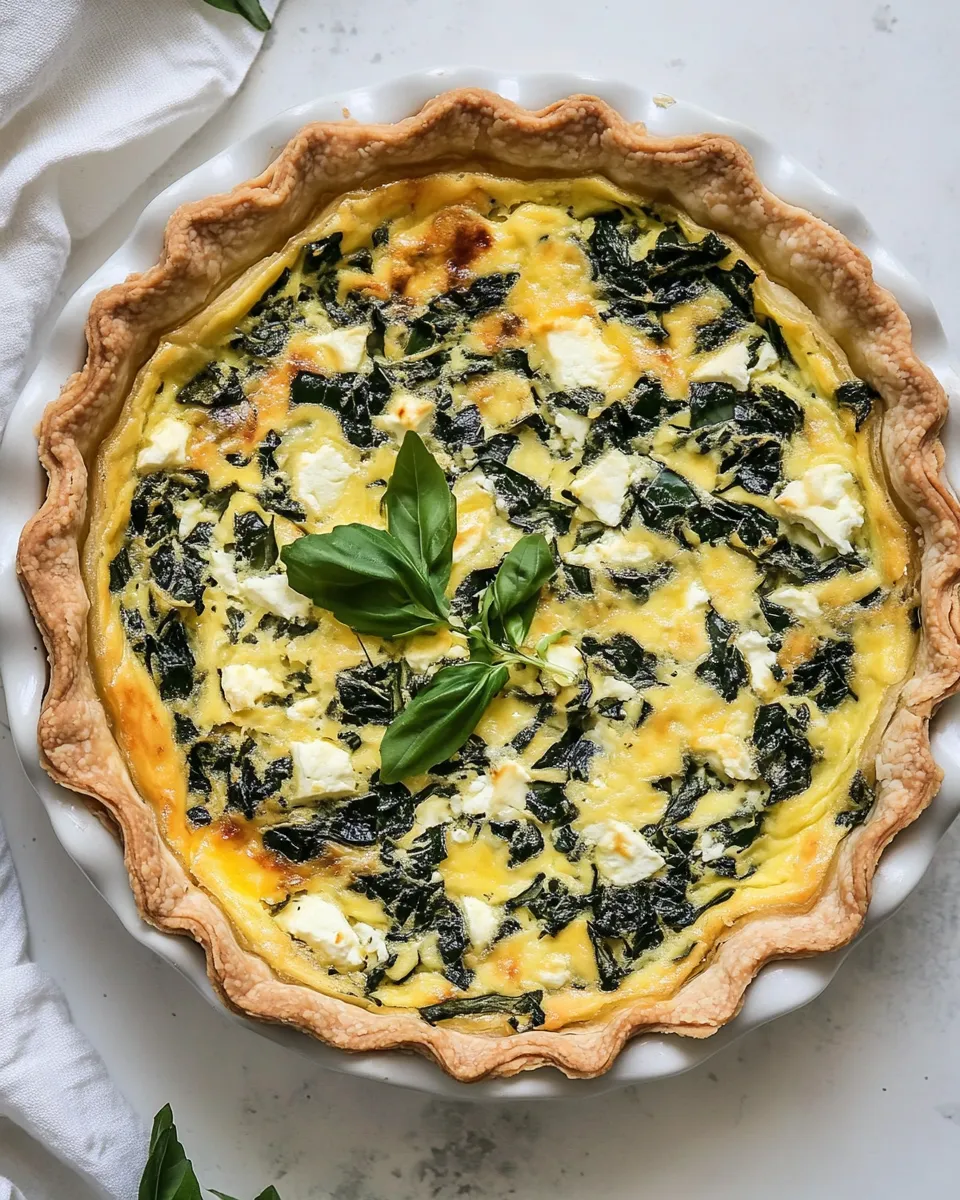
- 1 cup shredded cheese — feta, cheddar, goat, or Gruyère — provides savory flavor and helps bind add-ins; choose one you enjoy.
- 2 cups add-ins — cooked vegetables, meats, or herbs — pre-cook vegetables and meats so the quiche stays moist and the fillings are fully cooked.
- Optional toppings: extra cheese, chopped herbs, hollandaise sauce, freshly ground pepper — add these after baking for extra flavor and visual appeal.
Cook Quiche Like This
- Remove the unbaked flaky pie crust from its packaging and fit it into a 9-inch pie dish. Trim any overhang and crimp or flute the edge. Chill the filled crust in the refrigerator for at least 30 minutes to help prevent shrinking during baking.
- Preheat the oven to 375°F. Line the chilled crust with parchment paper and fill the paper with pie weights (or other suitable oven-safe weights if you have them).
- Blind-bake the crust at 375°F until the edges begin to brown, about 15–16 minutes. Carefully remove the parchment and weights, then return the crust to the oven and bake another 7–8 minutes until the bottom looks set. Remove the crust from the oven and reduce the oven temperature to 350°F.
- While the crust finishes, whisk together 4 large eggs, 1/2 cup whole milk, 1/2 cup heavy cream, 1/4 teaspoon salt, and 1/4 teaspoon pepper in a medium bowl until fully combined.
- Sprinkle 1 cup shredded cheese evenly into the prebaked crust. Distribute 2 cups of your cooked add-ins (vegetables, meats, or herbs) evenly over the cheese.
- Pour the egg-and-cream mixture slowly into the crust over the cheese and add-ins, leaving a small gap at the top of the crust to prevent overflow.
- Bake the quiche at 350°F for 45–55 minutes, until the center is set — it should have only a slight jiggle when the dish is gently shaken and no liquid remains. If the top is browning too quickly, tent loosely with foil.
- Remove the quiche from the oven and let it cool on a wire rack for 15 minutes before slicing. Serve with any optional toppings (extra cheese, chopped herbs, hollandaise sauce, or freshly ground pepper) as desired.
What Makes This Recipe Special
This recipe balances a flaky crust with a silky custard and a concentrated flavor punch from the cheese and add-ins. The two-stage prebake (weights first, then a short uncovered bake) prevents soggy bottoms while ensuring the crust is fully cooked.
The egg-to-dairy ratio here is modest: 4 eggs with equal parts milk and cream keeps the custard rich but not custardy-gelatinous. That makes slices clean and the texture pleasant across room temperature to warm servings.
Finally, the recipe is intentionally modular. The “2 cups add-ins” guideline encourages creativity without risking watery vegetables or raw meat surprises. Cook add-ins in advance and drain any excess liquid so the quiche bakes evenly.
Texture-Safe Substitutions
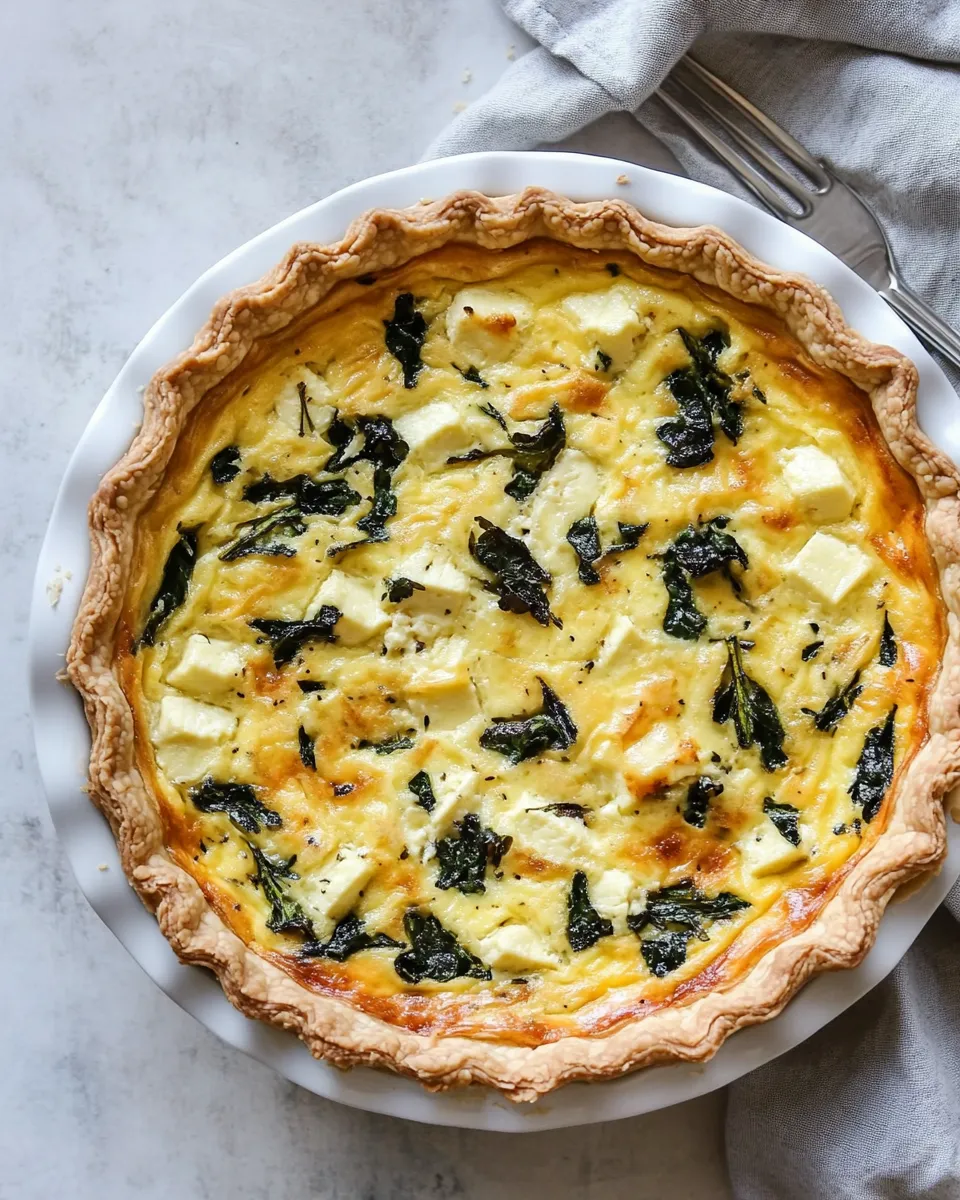
Not every cook has the same pantry. These swaps preserve texture and structure so your quiche still slices well.
Dairy & Eggs
- Heavy cream or all cream replaced: You can use 1 cup total of a 1:1 mix of whole milk and half-and-half if heavy cream isn’t available. This keeps the custard creamy without making it runny.
- Lower-fat option: Use 1/2 cup whole milk and 1/2 cup half-and-half instead of heavy cream, but expect a slightly less rich texture.
Cheese
- Softer cheeses: Use crumbled feta or goat cheese if you prefer tang; they add moisture but the 1 cup amount is safe so the custard won’t weep.
- Stronger cheeses: Gruyère or aged cheddar add depth and help the custard set because of lower moisture.
Add-ins
- Vegetables: Saute and drain watery vegetables (spinach, mushrooms, zucchini) before adding. Squeeze cooked spinach dry.
- Meats: Use fully cooked bacon, ham, or sausage. Chop small so distribution is even.
What’s in the Gear List
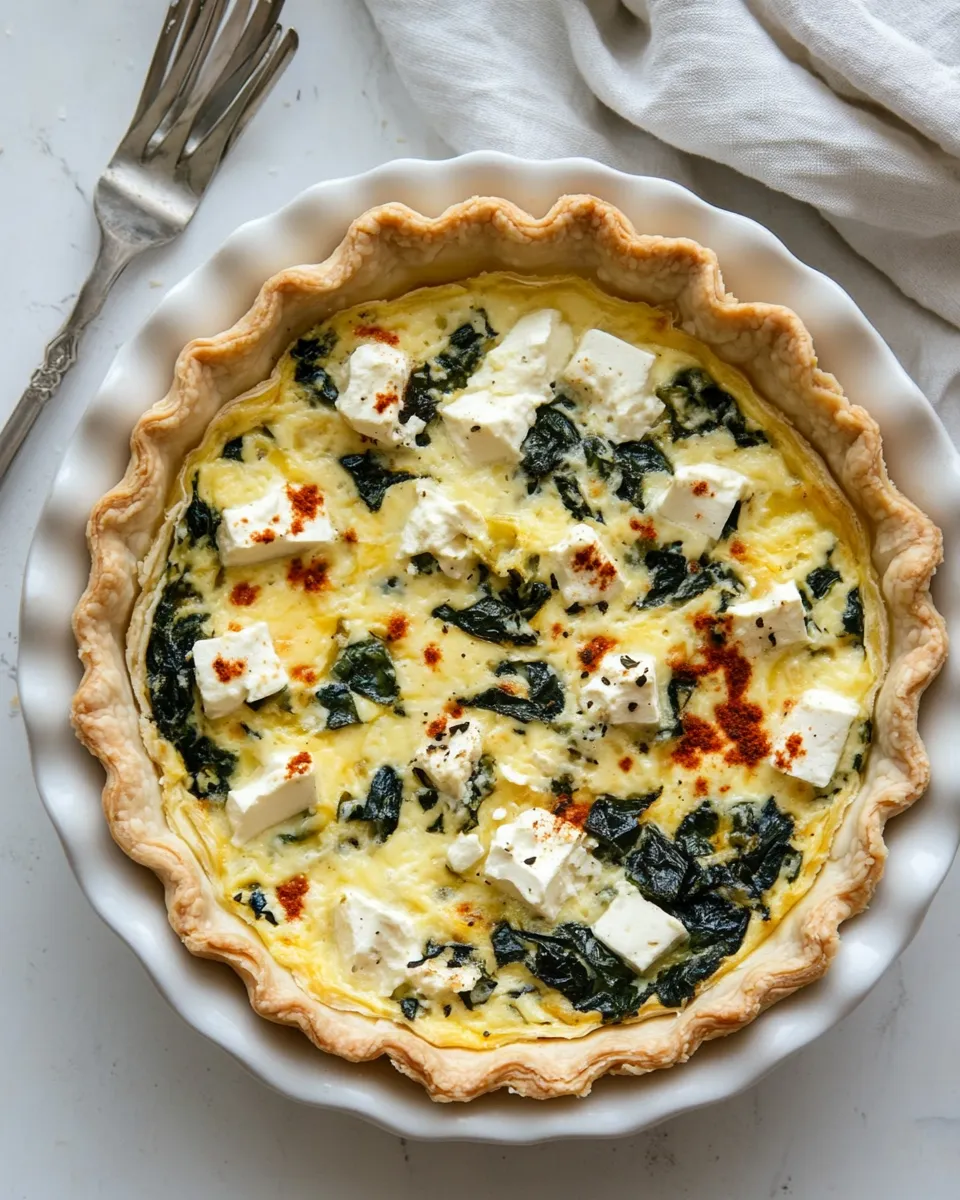
- 9-inch pie dish — provides the shape and size called for in the recipe.
- Parchment paper and pie weights (or dried beans) — necessary for blind-baking the crust evenly.
- Mixing bowl and whisk — for combining eggs and dairy into a smooth custard.
- Wire rack — cools the quiche evenly and prevents a soggy bottom.
- Oven thermometer (optional) — ensures your oven is accurate; helpful if bake times fluctuate.
Pitfalls & How to Prevent Them
Quiche problems usually come from three issues: a soggy crust, a rubbery custard, or overbrowned top. Here’s how to avoid each.
- Soggy bottom: Blind-bake the crust with weights, then bake a little longer after removing weights so the bottom sets. Also keep add-ins well-cooked and drained.
- Rubbery custard: Overcooking or too many eggs relative to dairy causes this. Follow the 4 eggs to 1/2 cup milk + 1/2 cup cream ratio and remove when the center only slightly jiggles.
- Overflow: Leave a small gap at the top of the crust when pouring the custard, and don’t overfill the pie dish.
- Top browning too fast: Tent with foil mid-bake to prevent excessive color while the center finishes.
Seasonal Flavor Boosts
Quiche is a canvas. Use seasonal produce to highlight freshness without changing technique.
- Spring: Peas, asparagus tips, and fresh tarragon or chives make light, bright quiches. Blanch asparagus quickly before adding.
- Summer: Roasted tomatoes, basil, and summer squash work beautifully. Roast tomatoes to concentrate flavor and avoid excess moisture.
- Autumn: Caramelized onions, roasted butternut squash, and sage add warmth. Dice squash small and roast until dry-edged.
- Winter: Leeks, mushrooms, and hearty greens like kale (well-sautéed) provide depth. Remove any tough stems from greens.
Cook’s Commentary
I make quiche when I want a meal that feels composed but doesn’t take over my day. The technique here — chill the crust, blind-bake thoroughly, cook and drain add-ins — is the difference between a homey pie and a reliably finished one. The timing windows are forgiving: blind-bake, then a short bake to set the crust; the final bake hangs around 45–55 minutes depending on your oven and how jam-packed the filling is.
One personal habit: I scatter the cheese first in the shell before the add-ins. That creates a barrier so add-ins don’t make the bottom soggy and helps the cheese melt into the custard in a way that binds slices together.
How to Store & Reheat
Cool the quiche completely to room temperature before storing. Wrapped tightly or in an airtight container, it keeps in the refrigerator for 3–4 days.
- Reheat slices: Place a slice on a baking sheet and warm at 325°F for 10–15 minutes until heated through. This preserves crust texture better than the microwave.
- Microwave option: Microwave a single slice for 60–90 seconds on medium power. Texture will be softer and crust less crisp.
- Freezing: You can freeze a fully cooled quiche wrapped well for up to 2 months. Thaw overnight in the refrigerator and reheat in a 325°F oven until warmed through (20–30 minutes for a whole quiche; less for slices).
Frequently Asked Questions
Can I use a homemade crust?
Yes. Use your preferred flaky pie dough and blind-bake the same way. The 9-inch size and prebake steps still apply.
Do I have to use both milk and cream?
The balance here gives richness without being overly heavy. If you must, replace the heavy cream with an equal amount of whole milk, but expect a slightly lighter texture.
How do I know when the quiche is done?
The center should have only a slight jiggle when you gently shake the pan. There should be no visible liquid. Overbaking causes dryness; underbaking leaves a runny center.
Can I make this ahead?
Yes. You can assemble the quiche, cover, and refrigerate for several hours before baking, or bake fully and reheat later. If refrigerating assembled and unbaked, add a few extra minutes to the bake time.
Save & Share
If you make this quiche, save the recipe and note what add-ins you used so you can repeat favorites. Share the results with friends or serve it at a casual gathering—quiche travels well and looks like effort without demanding too much time.
Tag a photo with your favorite add-ins and any adjustments you made. Personal notes — like “used smoked cheddar and caramelized onions” — turn a good recipe into a family favorite over time.

Best Quiche Recipe
Ingredients
Ingredients
- 1 unbaked flaky pie crust
- 4 large eggs
- 1/2 cupwhole milk
- 1/2 cupheavy cream
- 1/4 teaspoonsalt
- 1/4 teaspoonpepper
- 1 cupshredded cheesefeta cheddar, goat, or Gruyère
- 2 cupsadd-inscooked vegetables meats, or herbs
- Optional toppings: extra cheesechopped herbs hollandaise sauce, freshly ground pepper
Instructions
Instructions
- Remove the unbaked flaky pie crust from its packaging and fit it into a 9-inch pie dish. Trim any overhang and crimp or flute the edge. Chill the filled crust in the refrigerator for at least 30 minutes to help prevent shrinking during baking.
- Preheat the oven to 375°F. Line the chilled crust with parchment paper and fill the paper with pie weights (or other suitable oven-safe weights if you have them).
- Blind-bake the crust at 375°F until the edges begin to brown, about 15–16 minutes. Carefully remove the parchment and weights, then return the crust to the oven and bake another 7–8 minutes until the bottom looks set. Remove the crust from the oven and reduce the oven temperature to 350°F.
- While the crust finishes, whisk together 4 large eggs, 1/2 cup whole milk, 1/2 cup heavy cream, 1/4 teaspoon salt, and 1/4 teaspoon pepper in a medium bowl until fully combined.
- Sprinkle 1 cup shredded cheese evenly into the prebaked crust. Distribute 2 cups of your cooked add-ins (vegetables, meats, or herbs) evenly over the cheese.
- Pour the egg-and-cream mixture slowly into the crust over the cheese and add-ins, leaving a small gap at the top of the crust to prevent overflow.
- Bake the quiche at 350°F for 45–55 minutes, until the center is set — it should have only a slight jiggle when the dish is gently shaken and no liquid remains. If the top is browning too quickly, tent loosely with foil.
- Remove the quiche from the oven and let it cool on a wire rack for 15 minutes before slicing. Serve with any optional toppings (extra cheese, chopped herbs, hollandaise sauce, or freshly ground pepper) as desired.
Equipment
- 9-inch pie dish
- Parchment Paper
- pie weights
- Oven
- Medium Bowl
- Whisk
- Wire Rack
- Foil