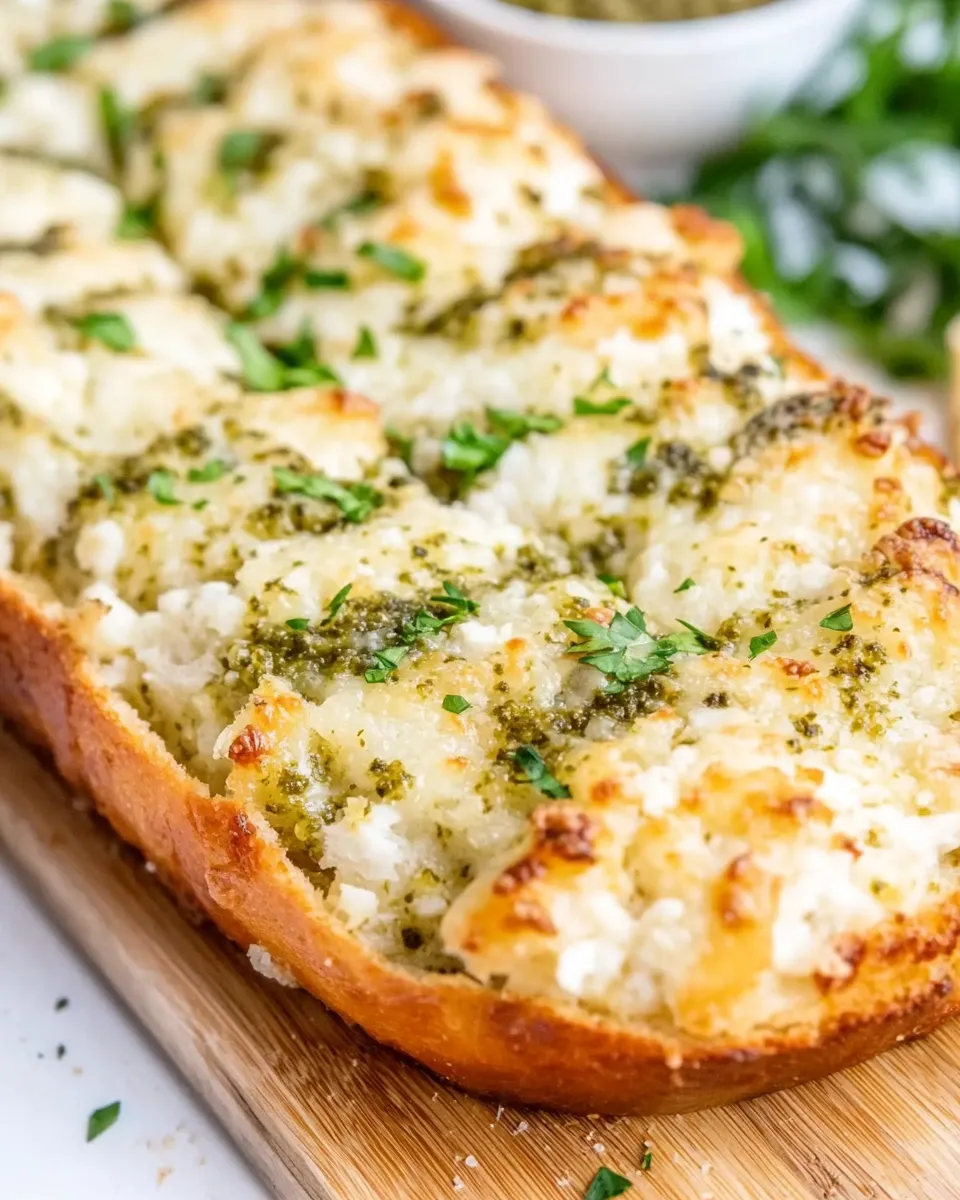
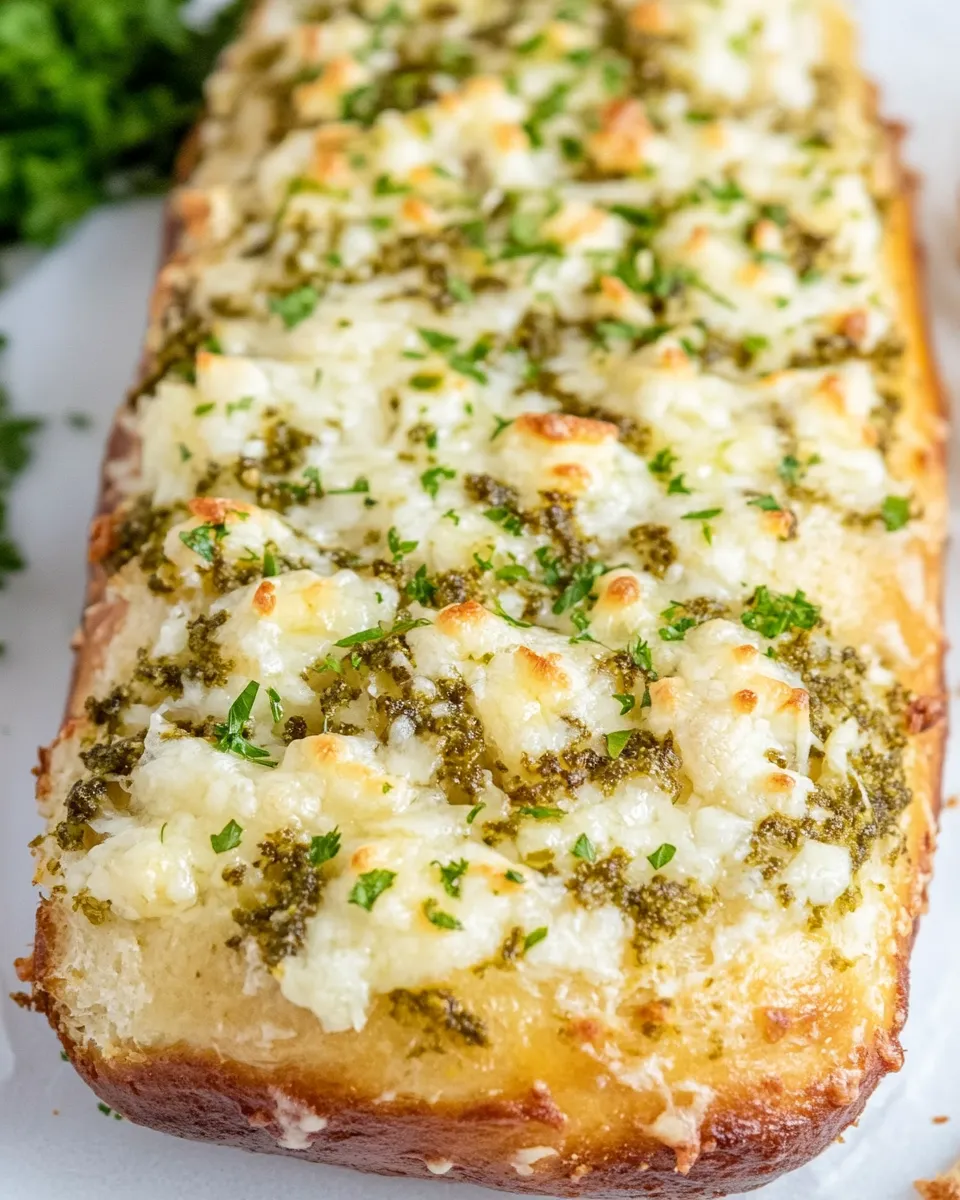
There’s something utterly satisfying about a loaf of bread transformed with bright pesto and gooey, bubbling cheese. This Pesto Cheese Bread is an everyday kind of magic: minimal hands-on time, familiar ingredients, and a result that makes plain bread feel special. It’s the kind of thing I turn to when I want a fast crowd-pleaser for a casual dinner, a picnic, or to top a weeknight pasta.
In practice, this recipe is forgiving and fast. The pesto brings fresh herbal lift, the mozzarella delivers stretch and melt, and the Parmesan adds that salty, nutty finish. You don’t need professional tools or long prep—just a hot oven and a willingness to watch the cheese for a minute or two at the end so it doesn’t go from perfectly browned to burnt.
I’ll walk you through the ingredient notes, the exact bake steps, common pitfalls, and options for different diets. Read through once, then follow the step-by-step instructions—this version is built to be reliable every time.
Ingredient Rundown
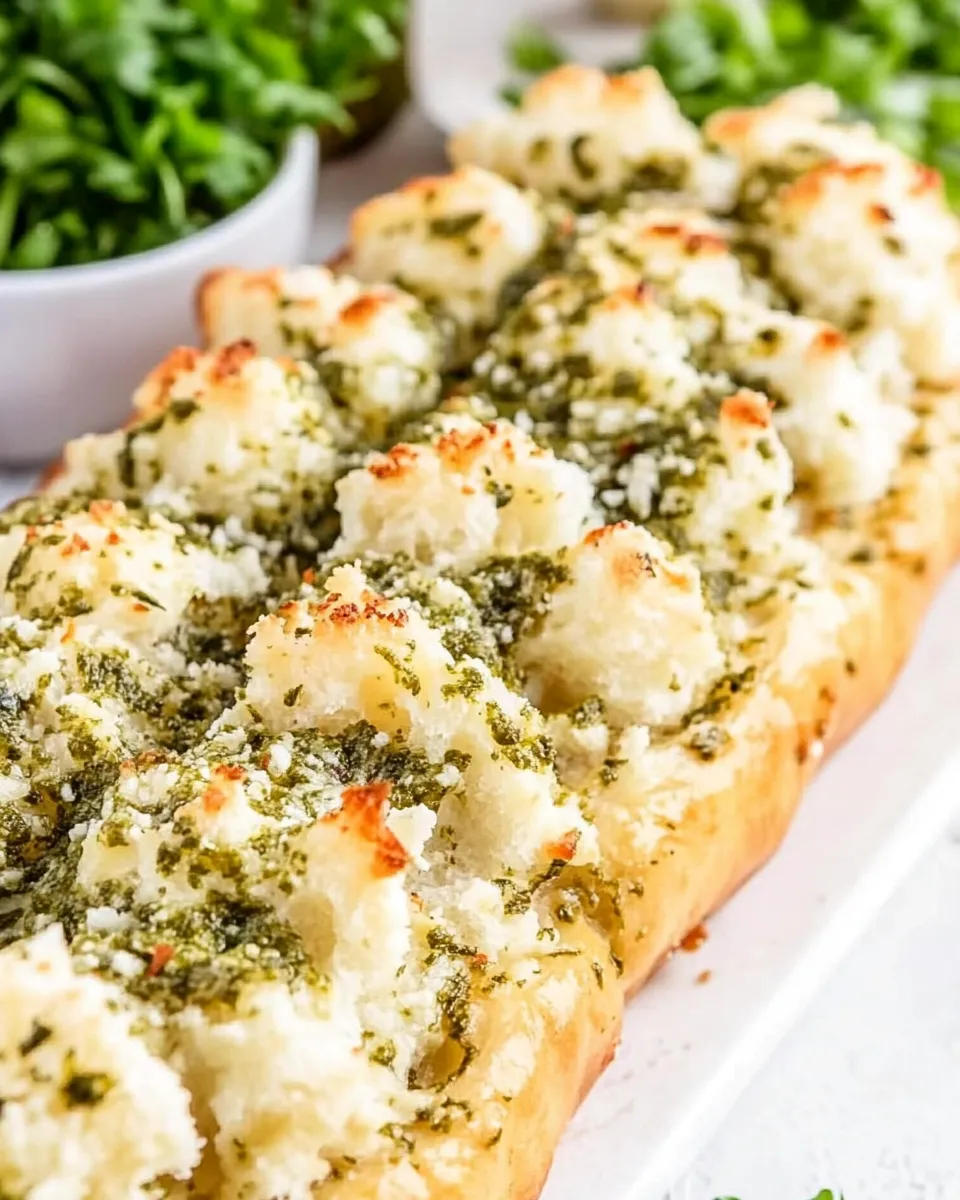
- 1 loaf French bread — provides the structure: a long, sturdy crust with a soft crumb that holds pesto and cheese without collapsing.
- 1/2 cup prepared pesto — the flavor driver; store-bought is fine, or use your homemade version. Spread it evenly to flavor every bite.
- 1 cup mozzarella, shredded — melts into a stretchy, milky blanket. Use whole-milk mozzarella if you want richer melt, low-moisture for less weeping.
- 1/4 cup parmesan, shredded — adds salty, nutty sharpness and helps the top brown attractively.
Pesto Cheese Bread, Made Easy
- Preheat oven to 425°F (220°C).
- Slice the loaf of French bread in half horizontally so you have two long pieces; place the cut sides up on a baking sheet.
- Spread 1/4 cup of the prepared pesto evenly over each cut side of the bread (use the full 1/2 cup total).
- Bake at 425°F for 5 minutes, or until the pesto is heated and the edges of the bread begin to brown.
- Remove the bread from the oven and evenly sprinkle the 1 cup shredded mozzarella and 1/4 cup shredded parmesan over the pesto-topped cut sides.
- Return the bread to the oven and bake an additional 3–4 minutes, or until the cheese is completely melted.
- Optional: For browned cheese, switch the oven to broil and broil on high for up to 1 minute—watch closely to avoid burning.
- Remove from oven, slice as desired, and serve.
Why Pesto Cheese Bread is Worth Your Time
This recipe rewards you in three ways: speed, flavor, and versatility. In under 15 minutes of oven time you turn a basic loaf into an appetizer or a centerpiece. The pesto does the heavy lifting flavor-wise—herbs, garlic, nuts, and oil concentrated into a spread that infuses every bite. Adding mozzarella and Parmesan gives textural contrast: gooey pull from the mozzarella and that savory snap from the Parmesan.
It’s also a social recipe. You can put one loaf on a board and watch people tear off pieces; it becomes a communal snack that pairs well with soup, salad, or a bowl of tangy tomato sauce for dipping. Because it’s straightforward, it’s great for cooks who want reliable results without fuss.
Finally, it showcases technique more than complexity. A short initial bake warms and slightly toasts the bread so the pesto heats without making the bread soggy. The second, short bake melts the cheese without drying it out. A brief broil is optional for color, but the real trick is timing—not overbaking.
International Equivalents
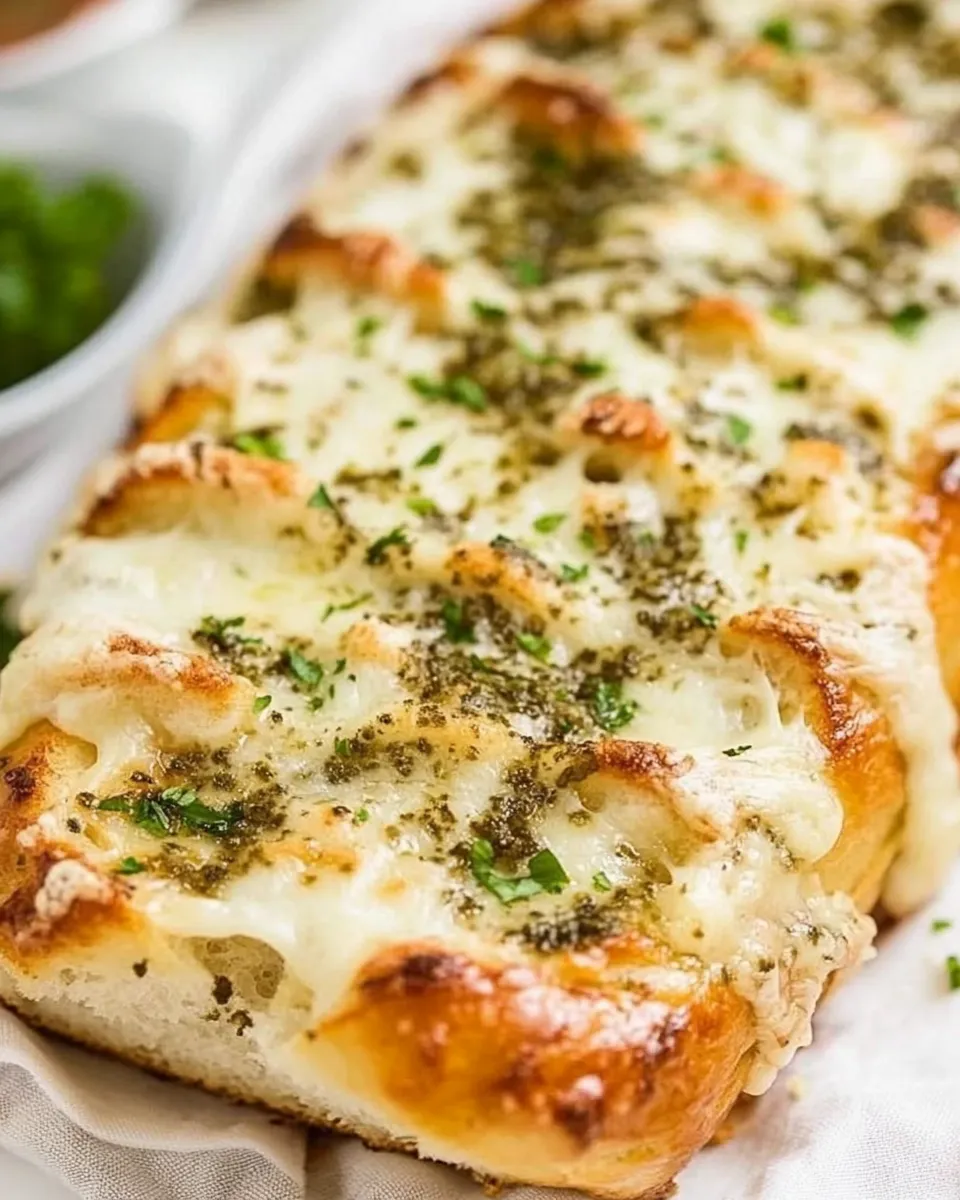
Every cuisine has a version of bread topped with flavorful spreads and cheese. In Italy, this lands closest to bruschetta and focaccia variations—simple ingredients, big flavor. In France, you’d recognize the technique in tartines. In the U.S., the closest relative is garlic bread with a cheese finish.
If you want regional spins: swap the pesto for a sun-dried tomato spread for a Mediterranean twist, or use a chimichurri-style herb blend for South American flair. In each case the method stays the same: a quick warm, then cheese, then finish. The idea—bread + flavor paste + melted cheese—is universal and adaptable without losing the quick bake advantage.
Equipment at a Glance
- Baking sheet — wide enough to lay the halved loaf flat; a rimmed sheet catches any drips.
- Sharp serrated knife — for a clean horizontal cut through the bread without crushing the crumb.
- Offset spatula or small knife — for spreading the pesto evenly and thinly.
- Oven mitts and a timer — precise timing matters; you want to watch the cheese in the final minute.
- Grater (optional) — if you prefer to shred mozzarella and Parmesan fresh for better melt and flavor.
Things That Go Wrong
Here are the problems I see most often, and how to avoid them.
Soggy center
Cause: too much wet topping or insufficient initial warming. Fix: spread pesto thin and bake the bread cut-side up at 425°F for the initial 5 minutes as directed. That short bake helps evaporate excess surface moisture so the bread stays pleasantly crisp under the cheese.
Burnt edges or blackened cheese
Cause: broiling too long or oven too hot. Fix: if you broil for color, move the rack a few inches away from the heating element and watch closely—one minute can be enough. If your oven runs hot, reduce broil time or skip it entirely; the cheese will still be melted and delicious after the final bake.
Uneven melting
Cause: uneven cheese distribution or overcrowding the oven. Fix: spread cheese and Parmesan evenly and avoid sliding other pans in the oven that block airflow. Smaller shreds melt more uniformly than large chunks.
Bread too hard or stale
Cause: using a loaf that’s past its prime—or slicing very thin. Fix: a slightly stale loaf is actually easier to slice cleanly, but if it’s rock-hard, refresh it by misting lightly with water and heating briefly before topping. Use a fresh loaf for the best texture.
Tailor It to Your Diet
Want to adjust for allergies or preferences? Here are straightforward swaps that keep the spirit of the recipe without inventing precise new quantities.
Gluten-free: use a gluten-free baguette or loaf. Watch bake times—some gluten-free breads brown faster.
Dairy-free: choose a plant-based shredded mozzarella alternative and a nut-free or dairy-free Parmesan substitute. Because some plant cheeses melt differently, check them a minute earlier and skip broiling if they scorch easily.
Lower sodium: use a low-sodium or unsalted pesto, and consider reducing or omitting the Parmesan on top, or using a lower-sodium hard cheese.
Nut allergies: many pestos contain pine nuts; use a pesto made without nuts (or a basil-garlic-oil spread) to keep the flavor without the allergens.
Chef’s Rationale
I love this recipe because it relies on short, controlled heat steps. The initial 5-minute bake at 425°F does two things: it warms the pesto enough to release aromas and it lightly toasts the bread edges so the final product isn’t wet or limp. Adding the cheeses after that first bake prevents the mozzarella from overheating and separating—when you add cheese too early it can become oily.
The alternate broil step is purely cosmetic; it gives attractive brown spots and additional flavor from the Maillard reaction on the Parmesan and the mozzarella’s edges. But it’s risky if you step away. That’s why I suggest watching closely if you opt to broil.
Finally, shredding your cheese (if you have the time) will improve melt. Pre-shredded cheese contains anti-caking agents that can slightly inhibit smooth melting. Freshly shredded cheese blends seamlessly into the pesto and creates a more luxurious texture.
Make Ahead Like a Pro
There are two practical make-ahead approaches that keep flavor and texture intact.
Option 1 — Assemble and refrigerate (same day): assemble the bread up through step 3 (spread the pesto). Cover tightly with plastic wrap and refrigerate up to 8 hours. When ready, continue with the bake steps 4–8. Let the bread come slightly toward room temperature for 10–15 minutes to reduce chill on the inside.
Option 2 — Freeze for later: assemble the bread completely through step 5 (pesto + cheese) on a baking sheet and freeze until solid. Wrap tightly and store up to one month. Bake from frozen, adding a few extra minutes to the final bake and watch the broil closely. Thawing first can make the bread soggy, so start from frozen if possible.
Troubleshooting Q&A
Q: My cheese is melted but not bubbly—why? A: If your oven temperature is correct, the cheese will melt without necessarily bubbling. For more visual activity, finish under the broiler for up to a minute, watching carefully.
Q: The pesto tastes a bit oily—what can I do? A: Pesto naturally contains oil. Spread it thinly so the bread absorbs just enough flavor without becoming greasy. Older pestos sometimes separate; stir them well before using.
Q: Can I add toppings like tomatoes or olives? A: Yes—slice tomatoes thin and pat them dry to prevent extra moisture. Add olives sparingly. If you add wet toppings, consider a slightly longer initial bake to dry the surface.
Q: My bread edges got too hard after baking—help. A: That can happen if the loaf is very thin or the oven is a touch hot. Next time, tent the loaf with foil for the final minute or reduce the final bake by a minute.
Q: How do I reheat leftovers without making them soggy? A: Reheat in a 350°F oven on a baking sheet for 7–10 minutes, uncovered. A toaster oven also works well—short bursts restore crispness without overcooking the cheese.
Serve & Enjoy
Slicing: use a serrated knife to make clean slices. If you want shareable pieces, cut the halved loaf into 1–1.5 inch slices crosswise. For loaves meant as an accompaniment, cut wider pieces for dipping.
Pairings: serve this with a bright, acidic side—arugula salad with lemon vinaigrette, a bowl of tomato soup, or marinated olives. A light red wine or crisp white will balance the oil and cheese nicely.
Storage: store leftovers in an airtight container in the refrigerator for up to 2 days. Reheat as described above to crisp the crust and refresh the melt.
Final thought: this Pesto Cheese Bread is simple, fast, and endlessly adaptable. Follow the steps, watch the broiler, and you’ll have a dependable, delicious result that elevates any meal or gathering.

Pesto Cheese Bread
Ingredients
Ingredients
- 1 loaffrench bread
- 1/2 cupprepared pesto
- 1 cupmozzarella shredded
- 1/4 cupparmesan shredded
Instructions
Instructions
- Preheat oven to 425°F (220°C).
- Slice the loaf of French bread in half horizontally so you have two long pieces; place the cut sides up on a baking sheet.
- Spread 1/4 cup of the prepared pesto evenly over each cut side of the bread (use the full 1/2 cup total).
- Bake at 425°F for 5 minutes, or until the pesto is heated and the edges of the bread begin to brown.
- Remove the bread from the oven and evenly sprinkle the 1 cup shredded mozzarella and 1/4 cup shredded parmesan over the pesto-topped cut sides.
- Return the bread to the oven and bake an additional 3–4 minutes, or until the cheese is completely melted.
- Optional: For browned cheese, switch the oven to broil and broil on high for up to 1 minute—watch closely to avoid burning.
- Remove from oven, slice as desired, and serve.
Equipment
- Oven
- Baking Sheet