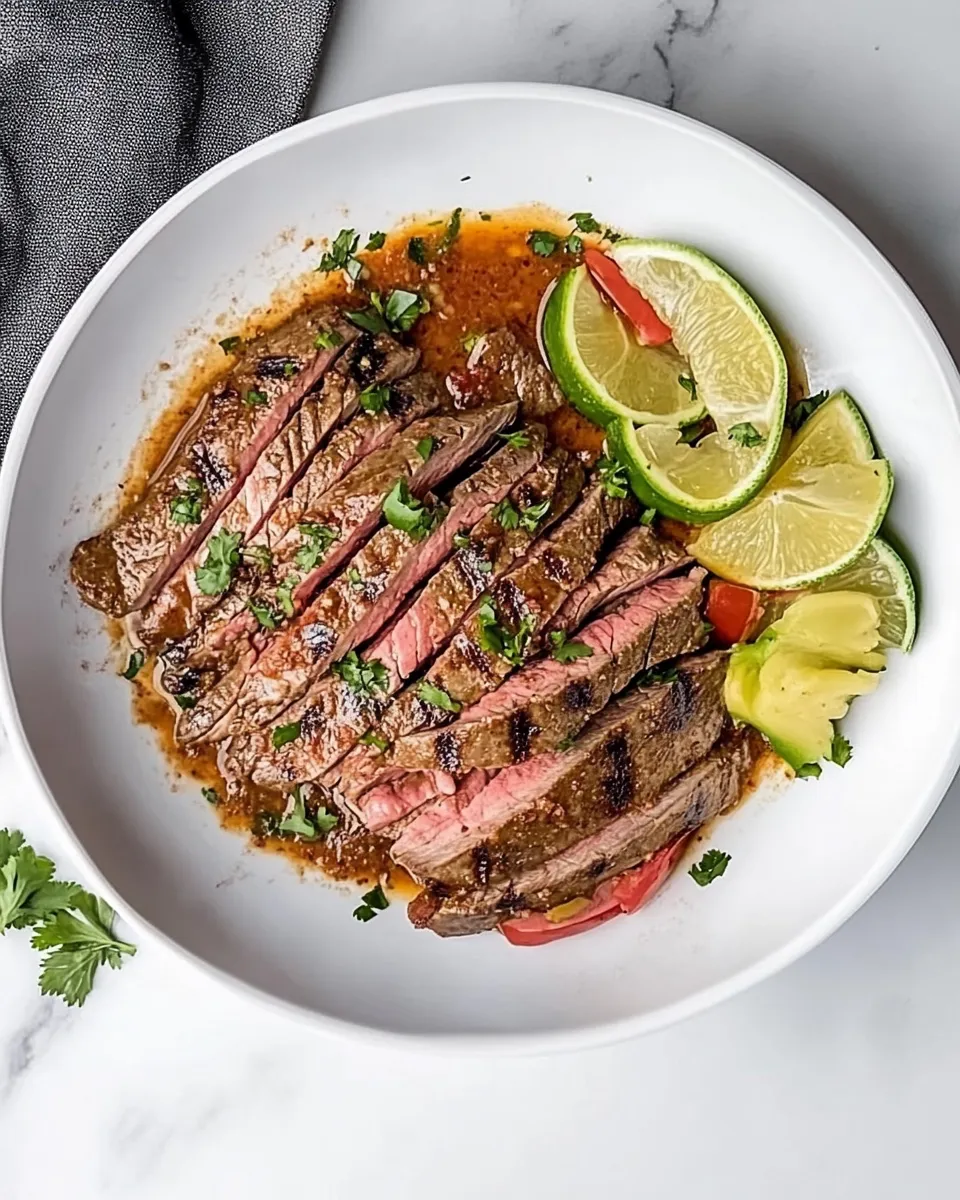
I fell in love with arrachera the first time I bit into a slice that still shimmered from the pan — smoky edges, tender inside, and that bright lime note dancing on the tongue. It’s deceptively simple: a boldly seasoned skirt steak, a short marinade, and high heat to finish. No fuss, big payoff. I make this when I want something celebratory but honest, something that feeds a crowd and leaves everyone asking for the recipe.
This post is practical: clear steps you can follow tonight, equipment that matters, and the small adjustments that rescue the dish if time or pantry space is tight. I include the exact ingredients and the step-by-step directions I use. Read through the whole post once, then get the steaks on the board — the cooking moves fast.
Before you start, clear a hot spot on the stove (cast iron is ideal), have a meat thermometer nearby, and resist the urge to over-marinate. With the right sear and a short rest, the skirt steak sings. Let’s dive in.
What We’re Using
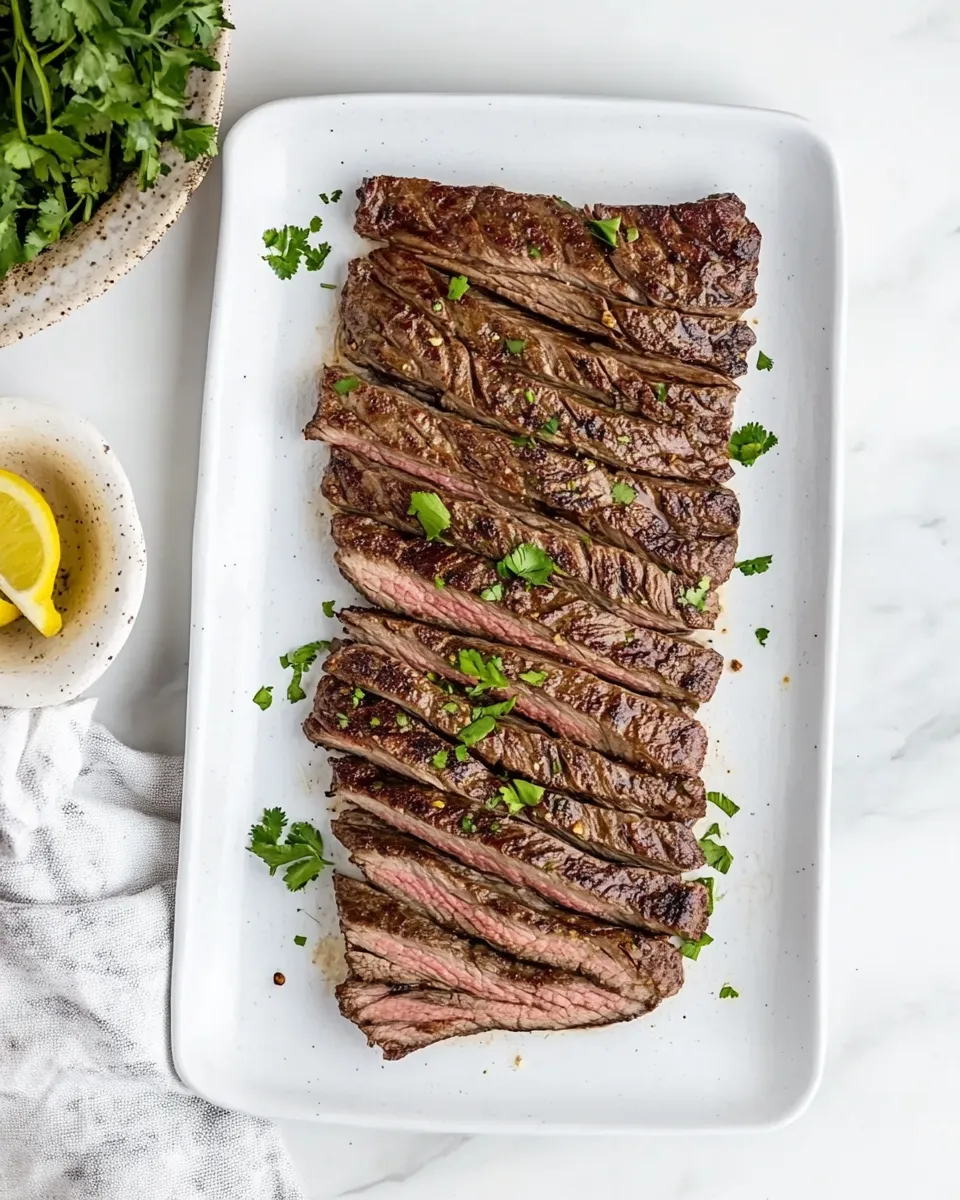
- 3poundsskirt steaksliced in half — the focal protein; skirt steak benefits from a quick sear and should be sliced against the grain for tenderness.
- 2tablespoonsMexican Oregano — adds aromatic, slightly citrusy herbal notes that pair beautifully with lime.
- 1teaspooncumin — earthiness and warmth; it deepens the savory profile without overwhelming the meat.
- 1tablespoonpaprika — for color and a sweet smokiness; gives the crust a nice tone when seared.
- 1teaspoonchili powder — a gentle heat and layered chili flavor; adjust in future cooks if you want more kick.
- 1tablespoonsalt — essential for seasoning and helping the steak form a flavorful crust.
- 1teaspoonblack pepper — freshly cracked is best; it gives bright spice to the exterior.
- 1/4cupolive oil — carries the garlic and lime across the surface and helps with searing.
- 4clovesgarlicminced — provides savory aromatics and a punch of flavor in the marinade.
- 1 1/2limesjuiced — acidity to brighten the meat and lightly tenderize the surface; don’t overdo citrus or the texture can change.
Directions: Arrachera
- Place the skirt steak halves on a cutting board, cover them with plastic wrap, and pound evenly with a meat mallet until about 1/2 inch thick.
- In a small bowl, mix the Mexican oregano (2 tablespoons), cumin (1 teaspoon), paprika (1 tablespoon), chili powder (1 teaspoon), salt (1 tablespoon), and black pepper (1 teaspoon). Rub this dry spice mixture evenly over both sides of the steaks.
- In another bowl, combine the olive oil (1/4 cup), minced garlic (4 cloves), and the juice of 1 1/2 limes. Pour this mixture over the seasoned steaks and rub to coat. Place the steaks and marinade in a shallow dish or a resealable bag and let them marinate for at least 10 minutes and up to 90 minutes.
- Heat a cast-iron skillet over high heat until it is very hot and sizzling.
- Place a steak in the hot skillet and sear for 2–3 minutes on the first side. Flip and sear the second side for 2–3 minutes, or until the steak reaches an internal temperature of 135°F for medium-rare.
- Transfer the cooked steak to a cutting board and let it rest for 10 minutes.
- Slice the rested steak against the grain and serve.
Why You’ll Keep Making It
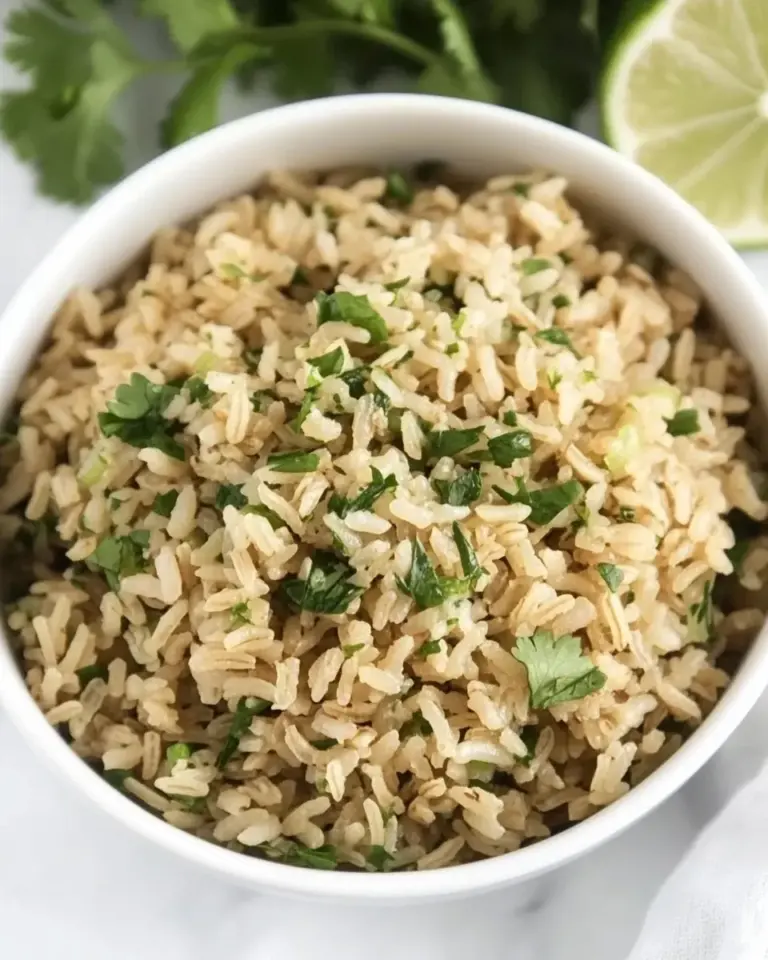
Arrachera is a reliable win for weeknight dinners and weekend gatherings. It’s fast — once the steak hits the hot pan, the clock runs tight and rewarding. The seasoning blend is bold without being fussy, and the lime and garlic deliver bright, familiar flavors that go with almost anything: tortillas, grilled vegetables, a simple salad, or rice.
You’ll come back to this for its texture and versatility. Skirt steak, when handled correctly, is meltingly tender. The sear gives contrast, and the short marinade is long enough to add flavor without turning the meat soft. It’s also forgiving: undercook slightly and you get juicy slices; overcook and you’ll notice a little more chew, but sliced thinly across the grain still makes a satisfying meal.
Ingredient Flex Options
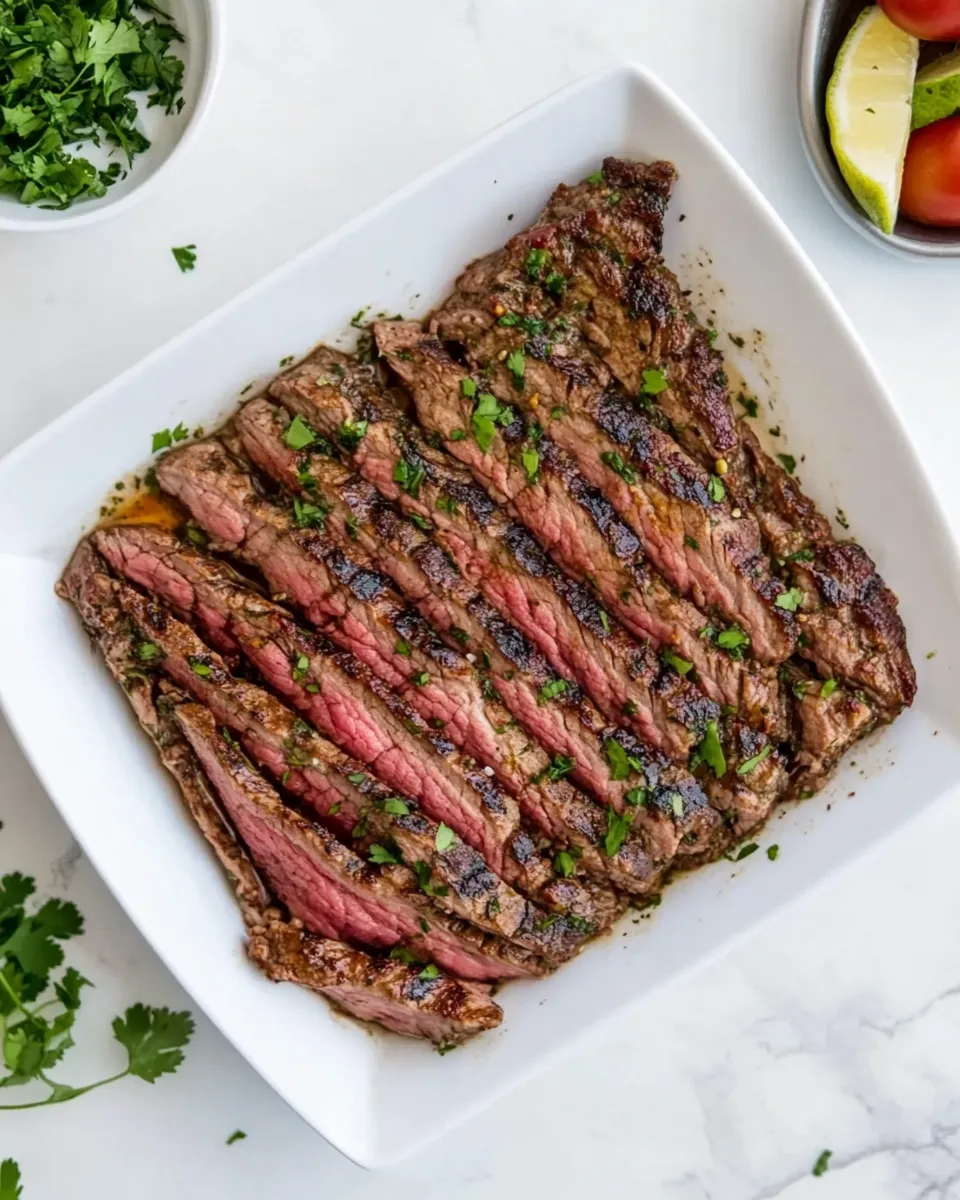
Stuck on one item or want to tweak the profile? These swaps keep you in the realm of the original while letting you adapt to what’s on hand.
- Mexican Oregano — If you don’t have Mexican oregano, use regular oregano and add a pinch of zest or dried lime if you have it. The goal is that herbaceous citrusy lift.
- Cumin — Toast whole cumin seeds briefly and grind for a brighter, fresher note. If you’re out of cumin, a touch of coriander can be an okay backup.
- Paprika — Smoked paprika deepens the flavor if you want a smokier finish. Sweet paprika keeps things milder and balances the lime.
- Chili powder — For more heat, add a pinch of cayenne. For milder, leave it out or use a sweet Spanish paprika instead.
- Olive oil — A neutral oil like canola or avocado oil works if you’re concerned about olive oil smoking at high heat, though olive oil brings flavor in the marinade.
- Garlic — Substitute 1 teaspoon garlic powder in a pinch, but fresh garlic gives the best aromatic impact.
- Lime juice — Lemon is an acceptable substitute; it will change the profile slightly but keeps the bright acidity necessary for balance.
Equipment & Tools
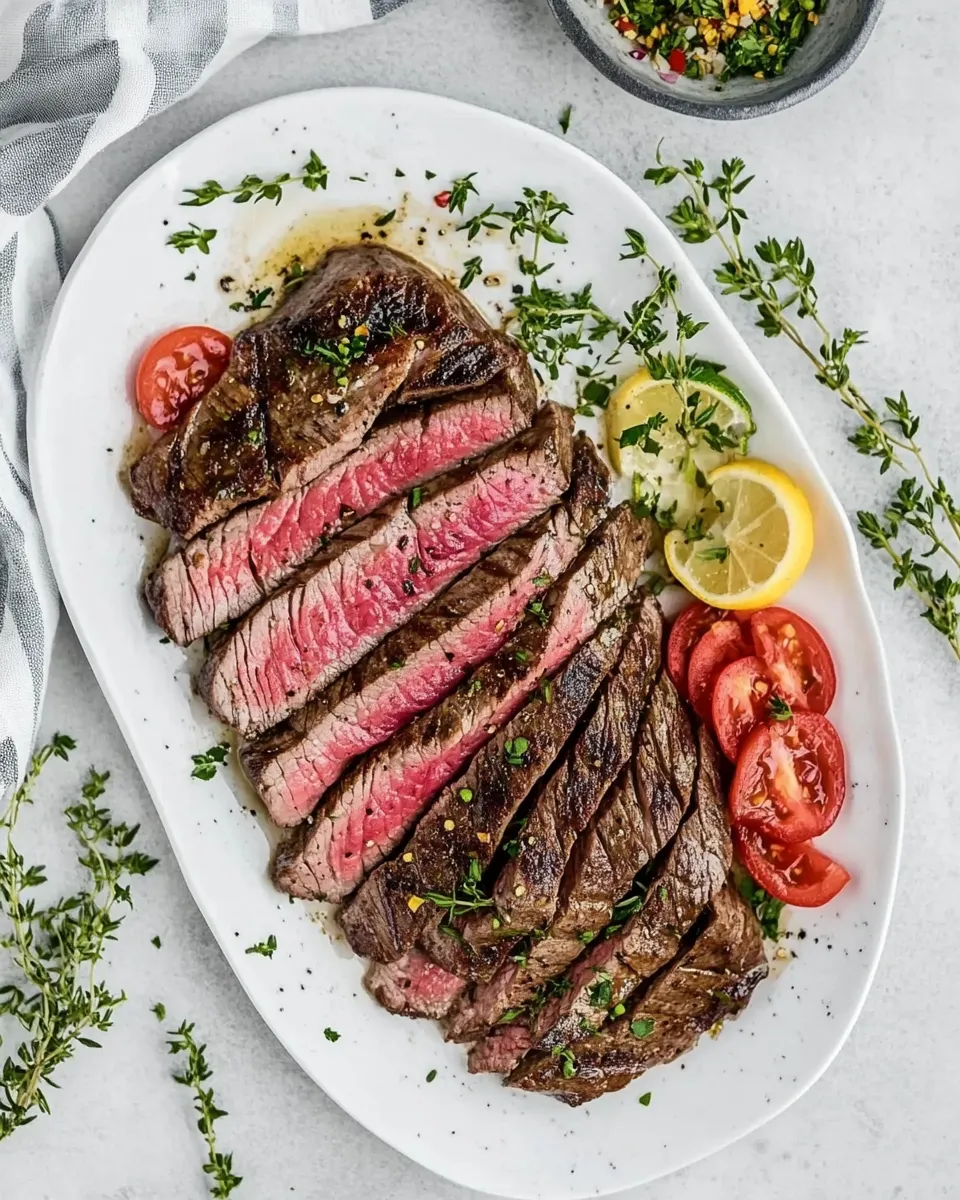
Good equipment doesn’t mean a complicated list. These are the essentials that make the biggest difference.
- Cast-iron skillet — I recommend one for consistent high heat and a reliable sear. It holds heat beautifully and creates the crust you want.
- Meat mallet — For pounding the steak to an even thickness so it cooks uniformly.
- Sharp chef’s knife — Vital for slicing thinly and against the grain; a dull knife will tear the meat and make it feel tougher.
- Meat thermometer — Quick, accurate doneness check; aim for 135°F for medium-rare as stated in the directions.
- Mixing bowls and a resealable bag or shallow dish — For combining spices and marinating.
Mistakes Even Pros Make
We all have kitchen missteps. Here are the ones that most often take a good arrachera off course — and how to avoid them.
- Skipping the pound: Not pounding the steak leaves uneven thickness and uneven doneness. Pound to about 1/2 inch as directed so every bite cooks the same.
- Over-marinating citrus: Letting the lime sit on the meat for too long can start cooking the surface and change the texture. Keep to the 10–90 minute window in the directions.
- Not getting the pan hot enough: If the skillet isn’t screaming hot, you won’t get a proper sear. Preheat until very hot and add the steak in small batches if needed.
- Slicing with the grain: Cutting along the grain yields long fibers and tougher bites. Slice against the grain, thinly.
- Resting too briefly: Cutting immediately steals juices. Rest the steak for 10 minutes to redistribute juices before slicing.
Customize for Your Needs
Make this arrachera your own without losing the intent of the dish. Here are practical, tested tweaks.
For meat lovers
Give the crust an extra boost: sprinkle a touch more salt right before searing (not during marinating). It amplifies the crust without drying the interior.
For lower-sodium needs
Reduce the salt in the dry rub to 1/2 tablespoon and add finishing salt to individual plates so people can control their intake.
For spicier appetites
Fold in 1/2 teaspoon crushed red pepper or substitute chili powder with a hotter blend. Taste and adjust on your next cook; small increments make for better control.
For make-ahead convenience
Marinate the steaks as directed and refrigerate for up to 90 minutes. You can also prep the dry rub and marinade separately a day ahead and assemble just before cooking to keep textures fresh.
Author’s Commentary
I’ve cooked this version of arrachera dozens of times, for family dinners and for friends who stop me mid-bite to ask “what’s in this?” The combination of Mexican oregano and lime is the secret handshake here — it brightens and complements the steak without hiding it. I prefer to keep the process direct: brief marinade, very hot pan, and a patient 10-minute rest. Those three choices are what consistently make the steak tender and flavorful.
One practical note: skirt steak varies in thickness and grain direction. When you slice it in half and pound it, observe the grain and adjust how you slice at the end. That small attention to detail will change the eating experience more than any extra spice mix.
Leftovers & Meal Prep
Leftover arrachera is a star in quick meals. Store cooled, sliced steak in an airtight container in the fridge for up to 3 days. Reheat gently in a hot skillet for a minute on each side or warm through in a pan with a splash of water or oil to prevent drying.
Use leftover slices for:
- Tacos: Warm tortillas, pickled onions, cilantro, a squeeze of lime — instant taco night.
- Salads: Thinly sliced steak on top of mixed greens with avocado and a citrus vinaigrette.
- Breakfast hash: Cube and toss with roasted potatoes and peppers, finish with eggs.
Frequently Asked Questions
Q: Can I use a different cut of beef?
A: Yes, skirt steak is ideal for its flavor and thinness, but flank steak can substitute. If you use a thicker cut, adjust pounding and cooking time accordingly. The goal is thin, quick-cooking slices.
Q: What if I don’t have a cast-iron skillet?
A: Use the heaviest pan you have. Stainless steel with good heat retention will work. The key is high, steady heat to get that sear.
Q: How do I know when it’s done?
A: A quick-read thermometer is the most reliable: 135°F for medium-rare. If you don’t have one, look for a browned crust and a warm, pink center when you slice a small test piece.
Q: Can I grill this instead of pan-searing?
A: Absolutely. Preheat the grill to high and cook 2–3 minutes per side, watching for flare-ups. The flavor will be slightly smokier, which many people prefer.
Ready, Set, Cook
Get your board, pound the steaks, mix the spices, and preheat your skillet. Follow the directions closely: short marinade, a hot pan, and a patient rest. Slice against the grain and build simple plates — warm tortillas, chopped onions, cilantro, and a wedge of lime are all you need to highlight the arrachera.
This recipe is about clean technique and confident heat. It rewards attention and is forgiving in a way that invites repetition. Cook it this week and you’ll understand why it becomes one of those dishes you return to again and again.
Arrachera
Ingredients
Ingredients
- 3 poundsskirt steaksliced in half
- 2 tablespoonsMexican Oregano
- 1 teaspooncumin
- 1 tablespoonpaprika
- 1 teaspoonchili powder
- 1 tablespoonsalt
- 1 teaspoonblack pepper
- 1/4 cupolive oil
- 4 clovesgarlicminced
- 1 1/2 limesjuiced
Instructions
Instructions
- Place the skirt steak halves on a cutting board, cover them with plastic wrap, and pound evenly with a meat mallet until about 1/2 inch thick.
- In a small bowl, mix the Mexican oregano (2 tablespoons), cumin (1 teaspoon), paprika (1 tablespoon), chili powder (1 teaspoon), salt (1 tablespoon), and black pepper (1 teaspoon). Rub this dry spice mixture evenly over both sides of the steaks.
- In another bowl, combine the olive oil (1/4 cup), minced garlic (4 cloves), and the juice of 1 1/2 limes. Pour this mixture over the seasoned steaks and rub to coat. Place the steaks and marinade in a shallow dish or a resealable bag and let them marinate for at least 10 minutes and up to 90 minutes.
- Heat a cast-iron skillet over high heat until it is very hot and sizzling.
- Place a steak in the hot skillet and sear for 2–3 minutes on the first side. Flip and sear the second side for 2–3 minutes, or until the steak reaches an internal temperature of 135°F for medium-rare.
- Transfer the cooked steak to a cutting board and let it rest for 10 minutes.
- Slice the rested steak against the grain and serve.
Equipment
- Cutting Board
- Meat Mallet
- Plastic Wrap
- Small Bowl
- Bowl
- shallow dish or resealable bag
- Cast-Iron Skillet
- Knife
Notes
TO STORE:Keep the leftovers in an airtight container or wrapped in aluminum foil in the fridge for up to 4 days.
TO FREEZE:The cooked steak also freezes well in an airtight container for up to 2 months. Let it thaw overnight in the fridge before reheating.
TO REHEAT:The best way to reheat leftover skirt steak without drying it out is in the oven at 250°F until the internal temperature reaches 110°F. Alternatively, you can reheat leftovers in a skillet over medium heat with a splash of water to keep the meat juicy.