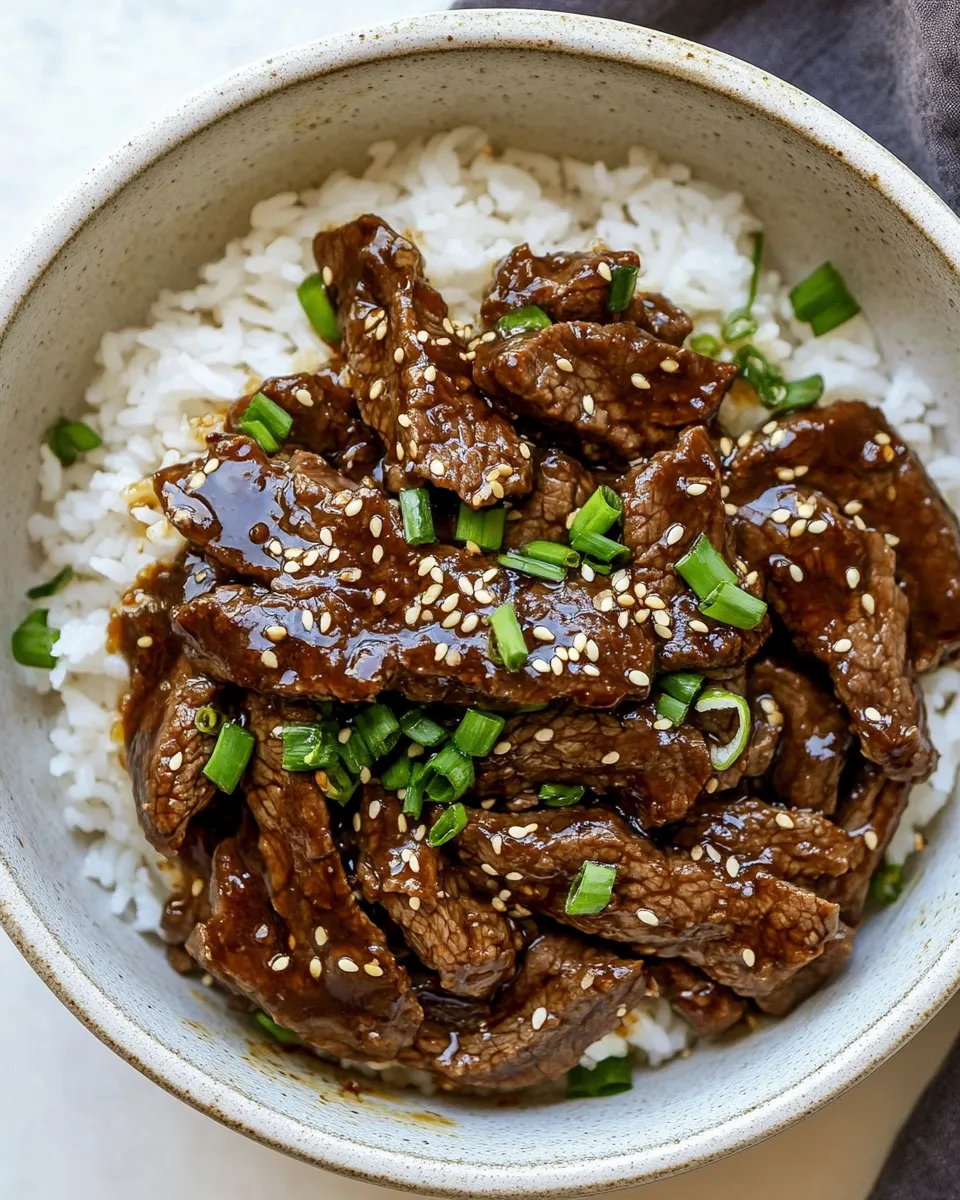
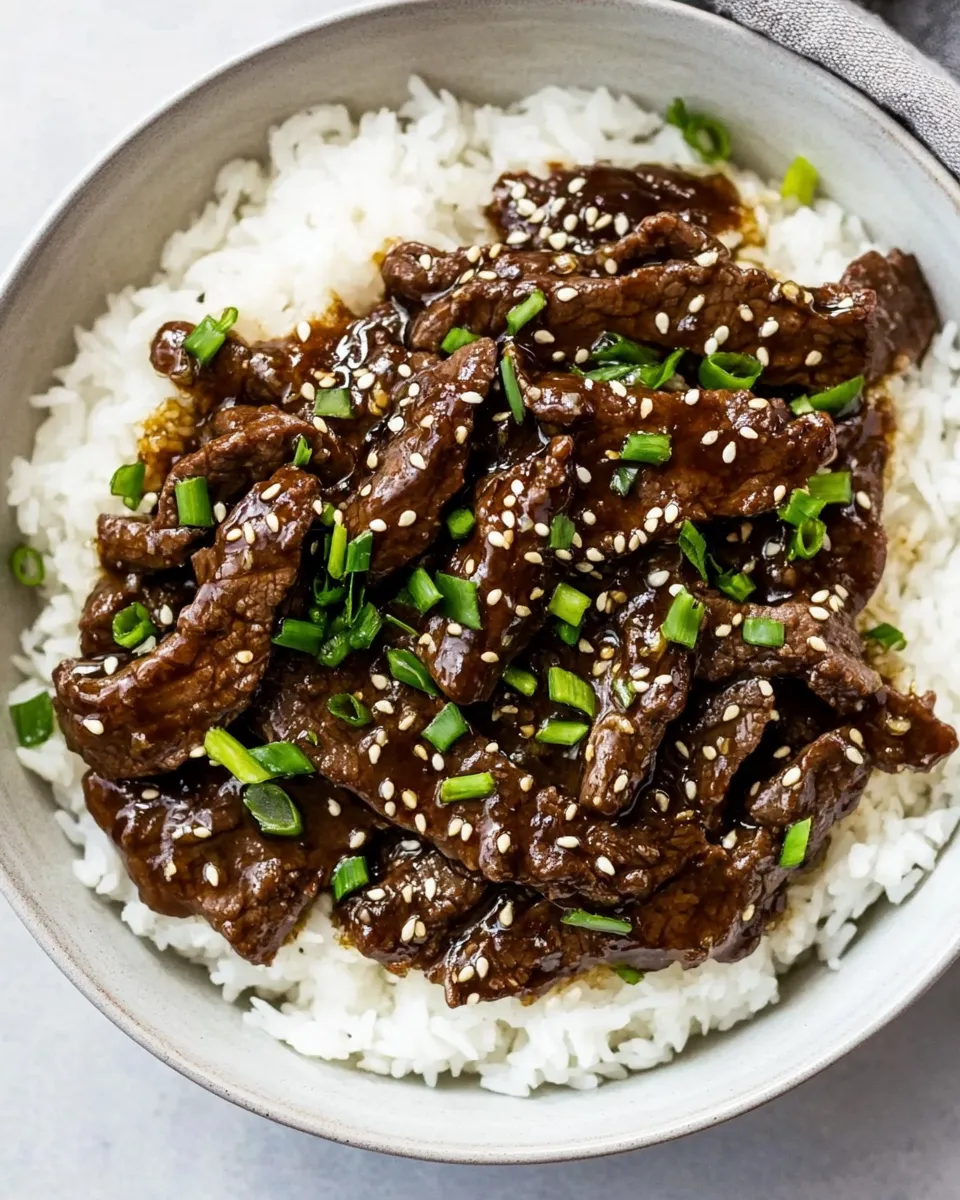
I make this recipe on busy weeknights and on nights when I want something that tastes restaurant-made but doesn’t take forever. It hits that sweet-and-savory teriyaki note, the beef stays tender, and the sauce glazes the meat without becoming cloying. It’s straightforward: a light cornstarch coating, a hot pan, and a quick sauce that comes together in minutes.
There are a few small techniques that make a big difference—how you coat the steak, how you manage the skillet heat, and when you add the slurry so the sauce finishes glossy without gumminess. The method below sticks to just a few steps, so you can focus on timing rather than fussing over a dozen ingredients.
Whether you serve this over steamed rice, toss it with noodles, or pile it onto a bento-style bowl with quick pickled veggies, the results are consistently tender and saucy. Read through the ingredients and the step-by-step instructions first, then follow the timing cues in the pan. You’ll have dinner on the table in about 30–40 minutes total.
Gather These Ingredients
- 1 ½–2 pounds flank steak, sliced into ¼-inch thick strips — the lean, long grain of flank cooks quickly and slices against the grain keep it tender.
- ⅓ cup cornstarch — creates a light crisp coating that thickens the sauce and helps the beef hold moisture.
- 2 tablespoons vegetable oil or other neutral oil — for high-heat searing without imparting extra flavor.
- ½ teaspoon sesame oil — a little goes a long way to add toasted sesame aroma at the finish.
- 2 teaspoons minced garlic (about 2 cloves) — adds savory punch; mince finely so it cooks quickly.
- 1 teaspoon fresh minced ginger — brightness and warmth; grate or mince very small so it disperses through the sauce.
- ½ cup low-sodium soy sauce — provides the salty backbone; low-sodium lets you control the overall saltiness.
- ⅓ cup lightly packed light brown sugar — balances the soy with a subtle molasses note; lightly packed means don’t press it down.
- ⅓ cup water — thins the sauce so it simmers to the right consistency.
- 1 tablespoon rice vinegar — brightens and cuts through the sweetness for balance.
- 1 tablespoon cornstarch for slurry — mixed with water to thicken the sauce without clumping.
- 2 tablespoons water for slurry — used to make the cornstarch slurry; add slowly to avoid lumps.
Tender Beef Teriyaki — Do This Next
- Place 1 ½–2 pounds flank steak (sliced into ¼-inch thick strips) and ⅓ cup cornstarch into a large zip-top bag. Seal the bag and shake vigorously until the beef is evenly coated. Let the coated beef rest in the bag for about 15 minutes.
- Heat a large skillet over medium-high heat. Add 1 tablespoon of the 2 tablespoons vegetable oil and heat until shimmering.
- Add half of the coated beef in a single layer (do not overcrowd). Cook undisturbed 3–4 minutes, then flip and cook another 3–4 minutes until browned. Transfer the cooked beef to a plate.
- Add the remaining 1 tablespoon vegetable oil to the skillet, heat until shimmering, then add the remaining half of the coated beef and cook the same way: 3–4 minutes per side until browned. Transfer that beef to the plate with the first batch.
- Reduce heat to medium. Add ½ teaspoon sesame oil to the skillet, then add 2 teaspoons minced garlic and 1 teaspoon minced fresh ginger. Cook, stirring, about 1 minute until fragrant.
- In a medium bowl, whisk together ½ cup low-sodium soy sauce, ⅓ cup lightly packed light brown sugar, ⅓ cup water, and 1 tablespoon rice vinegar. Pour the sauce into the skillet and cook, stirring, until the brown sugar is completely dissolved, about 2–3 minutes.
- In a small bowl, mix 1 tablespoon cornstarch with 2 tablespoons water to make a slurry. Stir the slurry into the sauce, then reduce heat to medium-low and simmer 1–2 minutes, stirring, until the sauce thickens.
- Return all the cooked beef to the skillet and stir to coat thoroughly with the sauce. Cook 1–2 minutes more until the beef is heated through.
- Remove from heat and serve immediately.
Why Tender Beef Teriyaki is Worth Your Time
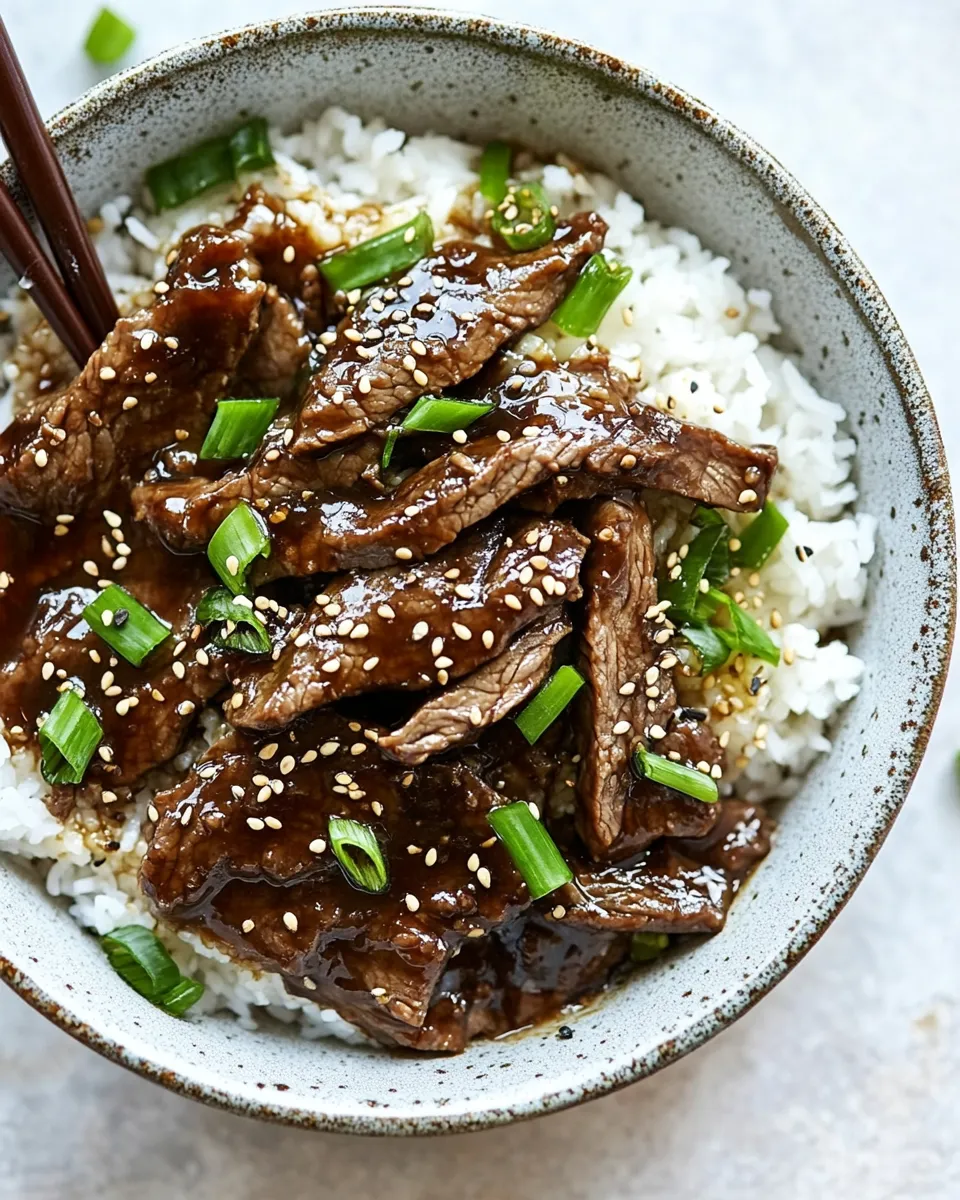
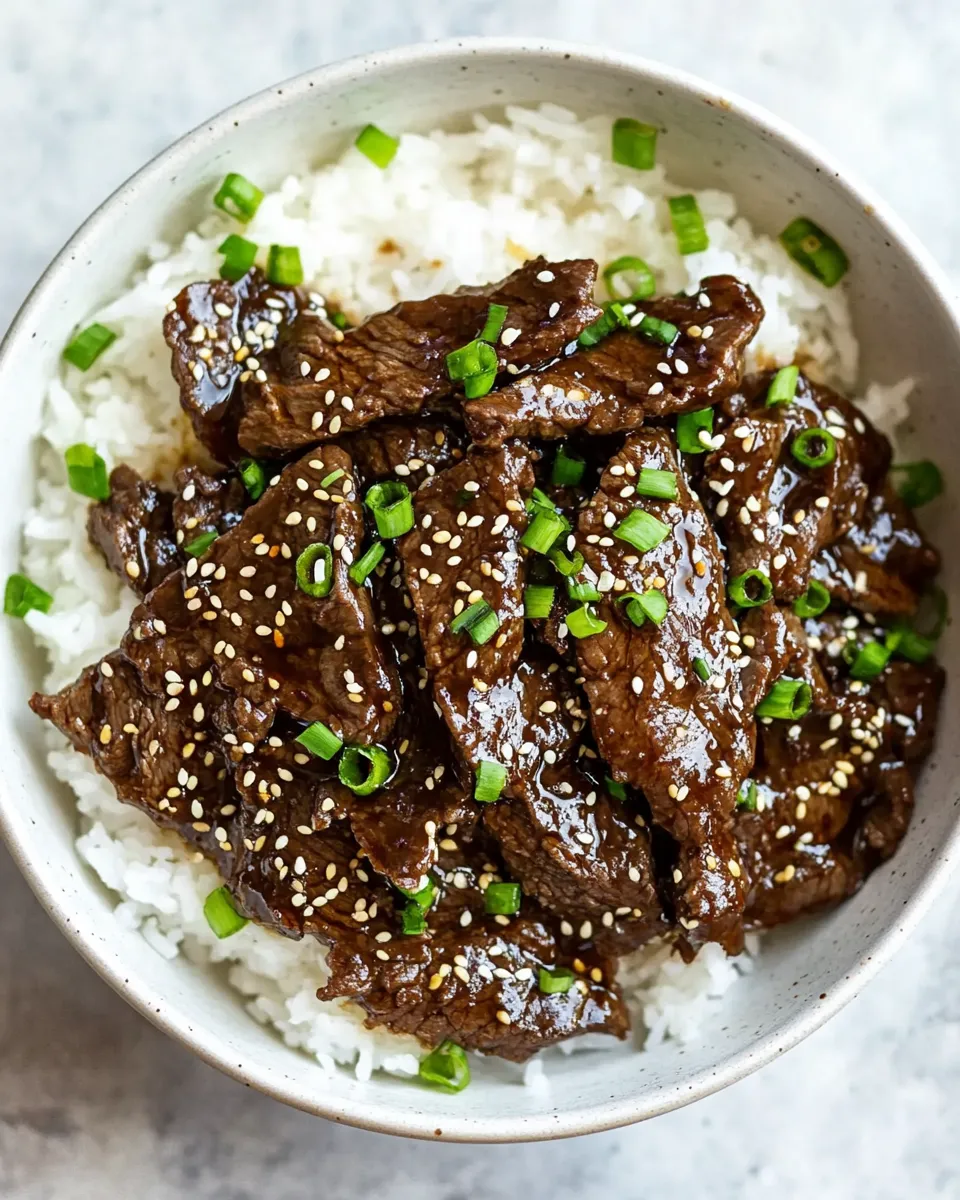
This recipe is worth the effort because it delivers concentrated flavor with a minimal ingredient list. You get a glossy, balanced sauce that clings to meat thanks to two applications of cornstarch—one on the beef for texture and moisture retention, and one as a slurry to finish the sauce. That technique gives you restaurant-style sheen without sticky excess.
It’s fast. The active cooking time is short: most of the time is spent searing in two quick batches and finishing the sauce. Because the steak is sliced thin and seared at high heat, you keep the interior tender instead of overcooking it. The method is forgiving: if your pan runs a touch hot and browns faster, you still finish the beef in the sauce and everything comes together.
Finally, it’s flexible. The recipe’s base is classic teriyaki balance—salty, sweet, and slightly acidic—so you can adjust the proportions to your taste, or use it as a starting point for bowls, salads, or sandwiches.
Healthier Substitutions
- Swap the flank steak for sirloin tip or top round if you want less fat; slice thinly and marinate briefly to keep tenderness.
- Use coconut sugar or a smaller amount of honey in place of light brown sugar if you prefer less refined sugar.
- Replace ⅓ cup water with low-sodium beef broth for a touch more depth without adding extra sodium.
- Use avocado oil instead of vegetable oil for a higher smoke point and a neutral flavor with better fats.
Gear Up: What to Grab
- Large zip-top bag — for coating the beef cleanly and evenly with cornstarch.
- Large skillet (preferably heavy-bottomed or cast iron) — holds heat for a good sear.
- Small and medium bowls — one for the sauce, one for the cornstarch slurry.
- Spatula or tongs — for flipping and stirring without tearing the strips.
- Measuring cups and spoons — precise amounts matter for balance here.
Errors to Dodge
- Overcrowding the skillet — it lowers the pan temperature and prevents a good sear. Cook in batches as directed.
- Skipping the resting step after coating — letting the cornstarch rest helps it adhere better and gives a more even crust.
- Adding the slurry too early — the sauce needs to be simmering and the sugar dissolved first; otherwise you risk lumps or under-thickened sauce.
- Using too high heat for the garlic/ginger step — sesame oil and aromatics cook fast; medium heat prevents burning and bitterness.
- Relying on one cornstarch application only — the initial coating protects the meat and improves texture; the slurry controls final thickness.
Spring to Winter: Ideas
- Spring: Serve this with a light cucumber and daikon salad, fresh herbs, and steamed jasmine rice for brightness.
- Summer: Toss the beef with chilled soba noodles and blanched green beans for a noodle salad that’s great at room temperature.
- Fall: Add roasted sweet potatoes or butternut squash cubes for a heartier bowl with warm, caramel notes.
- Winter: Pair with steamed bok choy or broccolini tossed in sesame oil and a mound of sticky rice for a comforting meal.
Recipe Notes & Chef’s Commentary
Two cornstarch steps are intentional. The first, used to coat the beef, creates a slight crust during searing so the meat keeps moisture and develops texture. The second, the slurry, is added to the simmering sauce to control thickness and gloss. If you prefer a thinner sauce, use a little less slurry; for a very clingy glaze, let it reduce a bit longer on medium-low after adding the slurry.
Slice the steak across the grain for tenderness. If your steak is very cold, let it sit at room temperature 10–15 minutes before searing so the cooking is even. Keep an eye on the pan when cooking the aromatics; they go from fragrant to burned quickly. When you return the beef to the pan, do it off high heat—just enough to warm through and let the sauce adhere.
If you like a bit more bite, stir in a quarter teaspoon of red pepper flakes with the garlic and ginger or finish with a splash of toasted sesame oil and a sprinkle of toasted sesame seeds right before serving.
Shelf Life & Storage
- Refrigerator: Store leftovers in an airtight container for up to 3–4 days. Reheat gently in a skillet over low heat with a splash of water to loosen the sauce.
- Freezer: You can freeze cooked beef teriyaki for up to 2 months. Thaw overnight in the refrigerator, then reheat slowly to preserve texture.
- Note on raw steak: Keep raw sliced flank steak refrigerated and use within 1–2 days of purchase, or freeze if not using immediately.
Helpful Q&A
- Can I make this with another cut of beef? Yes—sirloin or skirt steak works. Slice thin and against the grain; cooking times may vary slightly based on thickness.
- My sauce is too thick—how do I fix it? Stir in small amounts of water or soy sauce off heat until you reach the desired consistency and rewarm gently.
- Can I double the recipe? Yes. Work in batches when searing to avoid overcrowding the pan and adjust skillet size if needed.
- Is there a vegetarian alternative? You could swap the beef for firm tofu pressed, coated lightly in cornstarch and pan-fried, then finished with the same sauce, though flavor and texture will differ.
- Why low-sodium soy sauce? Low-sodium gives you better control over saltiness; you can always add a touch more if you like it saltier.
Final Bite
This Easy, Tender Beef Teriyaki is one of those dependable recipes I reach for when I want a quick, satisfying meal that still feels special. It’s practical—few ingredients, simple technique—and the payoff is a glossy, flavorful dish that works with rice, noodles, or a vegetable-forward bowl. Follow the sequence exactly for the best texture, keep your pan hot without overcrowding, and enjoy a weeknight dinner that tastes like you spent an hour in the kitchen even when you didn’t.
Easy, Tender Beef Teriyaki
Ingredients
Ingredients
- 1 1/2-2 poundsflank steak sliced into 1/4-inch thick strips
- 1/3 cupcornstarch
- 2 tablespoonsvegetable oilor other neutral oil
- 1/2 teaspoonsesame oil
- 2 teaspoonsminced garlicabout 2 cloves
- 1 teaspoonfresh minced ginger
- 1/2 cuplow-sodium soy sauce
- 1/3 cuplightly packed light brown sugar
- 1/3 cupwater
- 1 tablespoonrice vinegar
- 1 tablespooncornstarchfor slurry
- 2 tablespoonswaterfor slurry
Instructions
Instructions
- Place 1 ½–2 pounds flank steak (sliced into ¼-inch thick strips) and ⅓ cup cornstarch into a large zip-top bag. Seal the bag and shake vigorously until the beef is evenly coated. Let the coated beef rest in the bag for about 15 minutes.
- Heat a large skillet over medium-high heat. Add 1 tablespoon of the 2 tablespoons vegetable oil and heat until shimmering.
- Add half of the coated beef in a single layer (do not overcrowd). Cook undisturbed 3–4 minutes, then flip and cook another 3–4 minutes until browned. Transfer the cooked beef to a plate.
- Add the remaining 1 tablespoon vegetable oil to the skillet, heat until shimmering, then add the remaining half of the coated beef and cook the same way: 3–4 minutes per side until browned. Transfer that beef to the plate with the first batch.
- Reduce heat to medium. Add ½ teaspoon sesame oil to the skillet, then add 2 teaspoons minced garlic and 1 teaspoon minced fresh ginger. Cook, stirring, about 1 minute until fragrant.
- In a medium bowl, whisk together ½ cup low-sodium soy sauce, ⅓ cup lightly packed light brown sugar, ⅓ cup water, and 1 tablespoon rice vinegar. Pour the sauce into the skillet and cook, stirring, until the brown sugar is completely dissolved, about 2–3 minutes.
- In a small bowl, mix 1 tablespoon cornstarch with 2 tablespoons water to make a slurry. Stir the slurry into the sauce, then reduce heat to medium-low and simmer 1–2 minutes, stirring, until the sauce thickens.
- Return all the cooked beef to the skillet and stir to coat thoroughly with the sauce. Cook 1–2 minutes more until the beef is heated through.
- Remove from heat and serve immediately.
Equipment
- 1 14-inch skillet
Notes
Store & Reheat:
Store leftovers in the fridge for up to 5 days or freeze for up to 3 months. Reheat in the microwave or a skillet until hot and steaming.