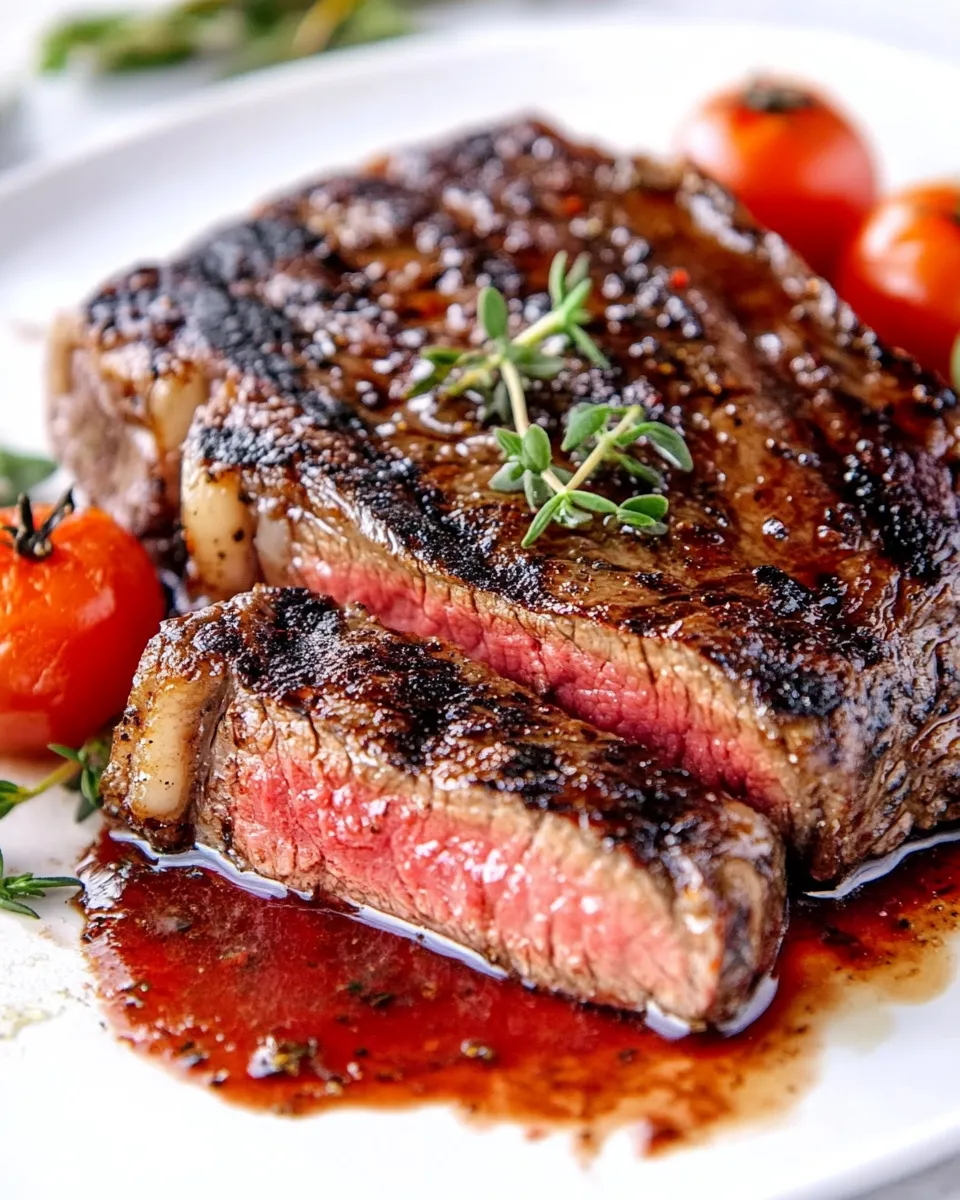
This ribeye recipe is exactly what I reach for when I want a steak that delivers immediate satisfaction: a deep sear, a juicy center, and a little sauce that lifts the whole thing. It’s straightforward, reliable, and built around clear technique rather than gimmicks. If you want a steak that tastes like the best version of itself, this is it.
I’ll walk you through exactly what to do, step by step, and why each move matters. There are optional moments to make the steak even better if you plan ahead, and quick fixes if you don’t. The instructions that follow are practical, precise, and tested so you don’t have to guess.
Ingredient Breakdown
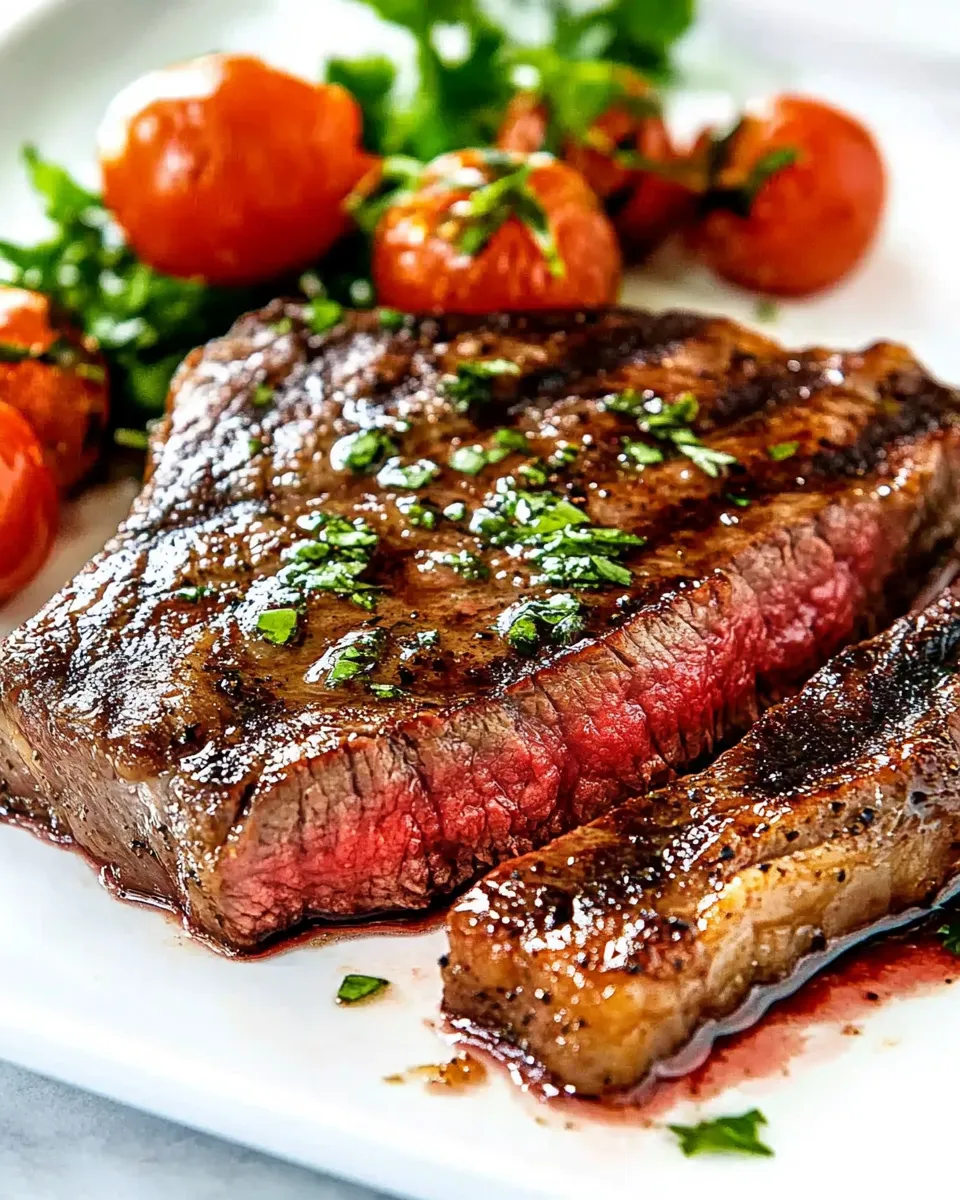
- 2 boneless ribeye steaks, 1 to 2” thick — Choose even thickness so they cook uniformly; room temperature steaks sear better unless you dry-brine.
- 2 teaspoons kosher salt (NOT table salt) — Kosher salt seasons cleanly; it’s the backbone of flavor here.
- 1 teaspoon freshly cracked pepper — Freshly cracked for texture and aroma; add just before cooking if you dry-brine.
- 1/4 tsp EACH garlic powder, paprika — Garlic powder adds depth; paprika gives color and a faint smoky note.
- 2 tablespoon vegetable, canola, or grapeseed oil (a high smoking point oil), divided — Use a high smoke point oil so you can get a proper sear without burning the fat.
- 3 tablespoons unsalted butter — For basting; it carries flavor and gives a glossy finish.
- 5 sprigs of rosemary — Aromatic when tossed into the pan; pairs beautifully with beef.
- 2 sprigs of thyme — Adds a subtle herb note that won’t overpower the meat.
- 1 bulb garlic, halved horizontally — Roasted in the pan; mellows and perfumes the butter for basting.
- 1 15‑oz. can tart cherries, juices separated — Tart cherries give a bright contrast to rich beef; keep the juices for the sauce slurry.
- 2/3 cup low sodium chicken broth — A neutral liquid to build the sauce and deglaze the pan.
- 1 teaspoon cornstarch — For the slurry that thickens the cherry sauce.
- 1 shallot, minced — Adds savory-sweet aromatics to the sauce; sautés quickly and lifts the cherries.
- 1 tablespoon honey — Balances the tartness with warmth without being cloying.
- 1 tablespoon Dijon mustard — Provides acidity and a subtle tang that ties the sauce to the beef.
- 2 teaspoons light brown sugar — Adds molasses notes and deepens color.
- 1 teaspoon balsamic vinegar — Brightens and adds complexity to the sauce.
- salt and pepper to taste — Final seasoning; adjust the sauce as needed after tasting.
Step-by-Step: Ribeye Steak
- Pat the 2 boneless ribeye steaks dry with paper towels. Season both sides evenly with 2 teaspoons kosher salt (NOT table salt), 1 teaspoon freshly cracked pepper, and 1/4 teaspoon each garlic powder and paprika. Press the seasonings into the meat (press, don’t rub).
- Optional dry brine: If you have time, place the seasoned steaks on a plate, leave uncovered in the refrigerator for 4 to 48 hours. If not dry brining, let the seasoned steaks sit at room temperature for 1 hour before cooking.
- If you dry-brined, remove the steaks from the refrigerator 60 minutes before cooking so they come to room temperature.
- Preheat a cast iron skillet over high heat until it is very hot and just beginning to smoke. Add 1 tablespoon of the 2 tablespoons high–smoke–point oil and swirl to coat.
- Reduce heat to medium-high. Place the steaks in the skillet and sear the first side without moving for 3 minutes.
- Flip the steaks. Add the halved garlic bulb to the pan, cut side down, and add all the fresh herbs (5 sprigs rosemary and 2 sprigs thyme) plus the remaining 1 tablespoon oil. Sear the second side for 3 minutes.
- Sear the edges of the steaks: hold each steak with tongs and sear the sides for about 30 seconds per edge to render fat and color the perimeter.
- Reduce heat to medium-low, add 3 tablespoons unsalted butter to the pan, tilt the pan slightly, and baste the steaks continuously with the melted butter for about 1 minute.
- Insert a meat thermometer into the thickest part of a steak. Continue to cook over medium-low heat, periodically basting with the butter, until the thermometer reads approximately 5°F lower than your target final temperature (the steaks will rise about 5°F while resting). Use these final desired doneness ranges as a guide: Medium Rare 130°–140°F, Medium 140°–145°F, Medium Well 150°–160°F.
- When the steaks reach the target minus 5°F, remove them to a cutting board or plate. Spoon any remaining butter from the pan over the steaks once more, loosely tent with foil, and let rest for 10 minutes before slicing against the grain.
- While the steaks rest, prepare the tart cherry sauce. Reserve the juices from the 15‑oz can of tart cherries (juices separated). In a small bowl, whisk 1 tablespoon of the reserved cherry juice with 2/3 cup low‑sodium chicken broth and 1 teaspoon cornstarch to make a slurry; set aside.
- Return the skillet to medium heat. Carefully drain off all but about 2 tablespoons of the butter/oil from the pan, leaving the garlic halves and herbs in the skillet.
- Add the minced shallot to the skillet and sauté until softened, about 3–5 minutes, stirring and scraping up browned bits from the bottom of the pan.
- Stir in the cherry-chicken-broth slurry and simmer, scraping the pan, until the sauce thickens and reduces slightly, about 2–3 minutes.
- Add the tart cherries (from the can), 1 tablespoon honey, 1 tablespoon Dijon mustard, 2 teaspoons light brown sugar, and 1 teaspoon balsamic vinegar to the skillet. Gently simmer just until the cherries are warmed through and the flavors meld, about 2–3 minutes.
- Taste the sauce and adjust if desired: add more honey or brown sugar for sweetness, or more balsamic for tang. Season with salt and pepper to taste.
- Slice the rested steaks against the grain and spoon the tart cherry sauce over the slices. Serve immediately.
Why Cooks Rave About It
Ribeye has rich marbling, which means flavor and juiciness. That fat renders during high-heat searing and bastes the meat from the inside. The simple salt-and-pepper-forward seasoning lets the beef’s natural character shine. We add garlic, rosemary, and thyme not to mask the steak but to emphasize its savory notes.
The tart cherry sauce is why this dish feels special without being fussy. It introduces acid, sweetness, and texture that cut through the richness. The pan fond — those browned bits — becomes concentrated flavor when deglazed and tied together with mustard, honey, and a splash of balsamic. It’s a balanced finish that works every time.
Flavor-Forward Alternatives
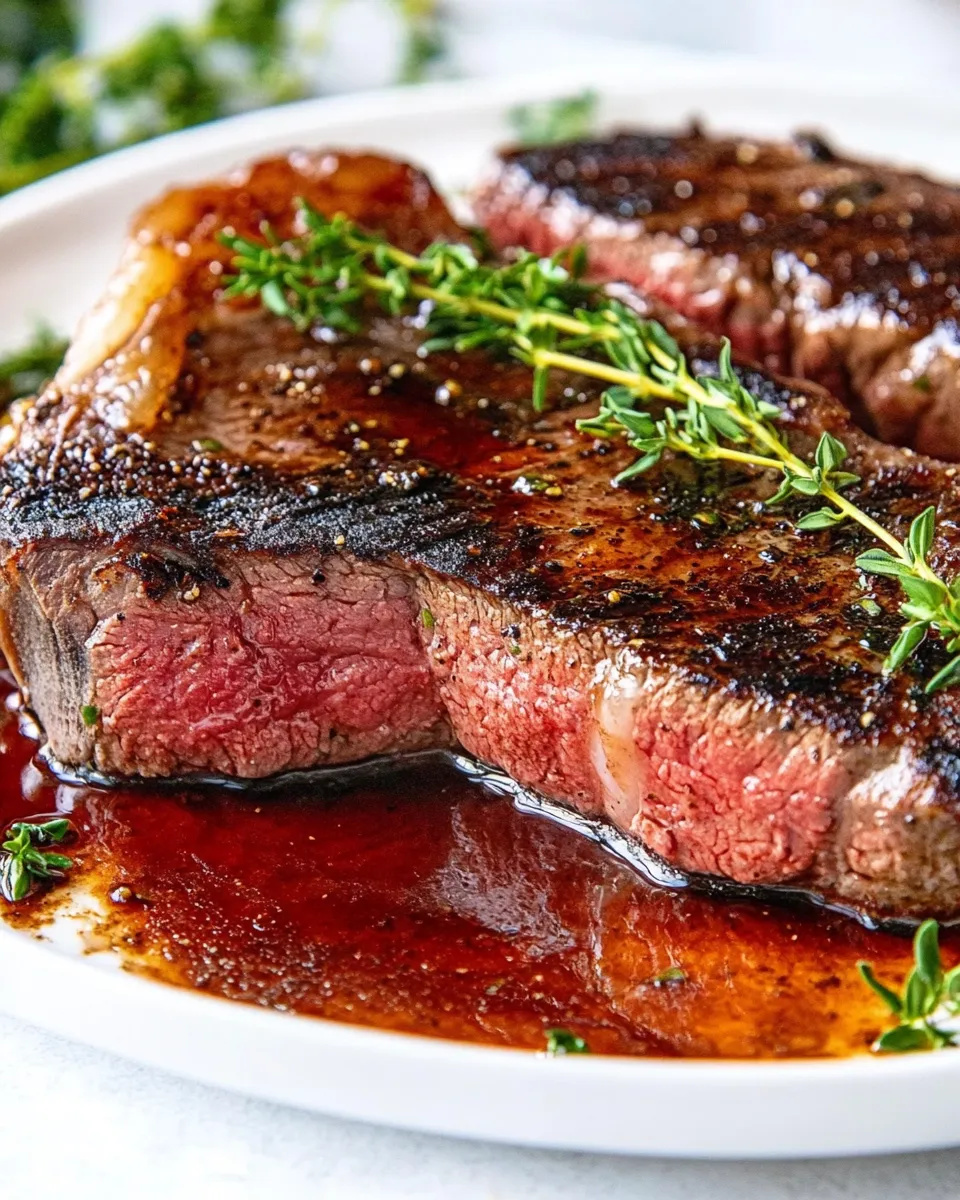
- Blue cheese and shallot pan sauce — Omit cherries; finish with crumbled blue cheese and a splash of cream for a tangy, savory sauce.
- Red wine reduction — Replace the cherry slurry with 1/2 cup red wine reduced to glaze consistency; add a knob of butter to finish.
- Miso-butter baste — Whisk 1 tablespoon white miso into the butter before basting for an umami punch.
- Smoky chipotle rub — Swap paprika for smoked paprika and add 1/4 tsp chipotle powder for heat and smoke.
Tools of the Trade
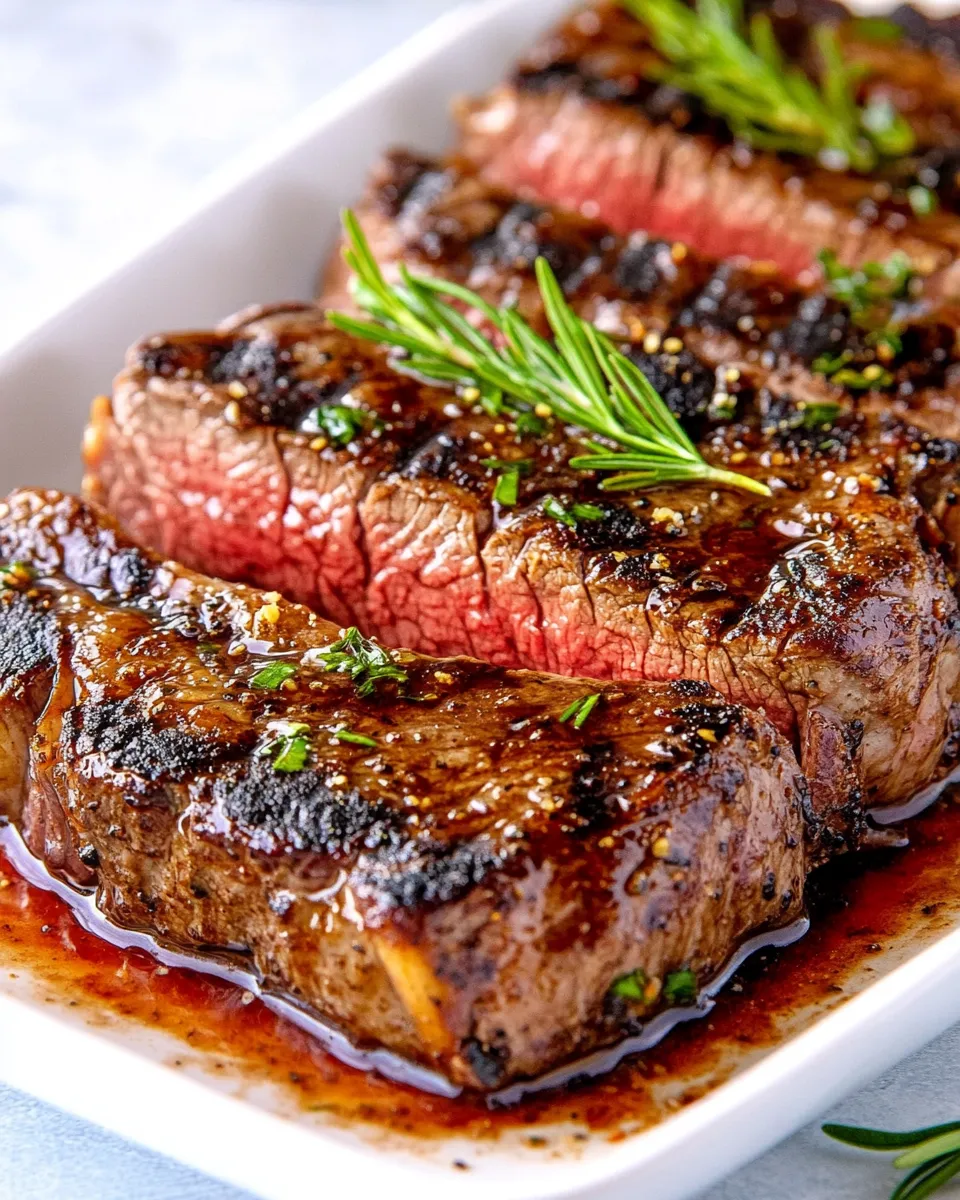
A heavy cast iron skillet is non-negotiable here; it holds heat and gives a consistent sear. A reliable instant-read meat thermometer is the other must-have — it removes guesswork and prevents overcooking. Use tongs with a good grip for turning and holding the steaks while searing the fat edges. A small whisk and heatproof spoon are useful for the sauce. Finally, a good-quality cutting board helps you rest and slice the steak cleanly.
Steer Clear of These
- Overcrowding the pan — It lowers the temperature and prevents a good sear. Work in one skillet with space or cook in batches.
- Using table salt — Table salt measures differently and tastes harsher; the recipe calls for kosher salt specifically.
- Skipping the rest — Cutting too early lets juices run out. Resting seals the deal on juiciness.
- Burning the butter — Start basting over medium-low once the sear is set to avoid burned flavors.
Seasonal Adaptations
Summer: Pair the steak with a ripe tomato and basil salad. The brightness of tomatoes complements the cherry sauce and keeps the plate feeling light. Grill the steaks outdoors if you prefer — follow the same searing and temperature guidelines.
Fall/Winter: Swap the tart cherries for a reduced cranberry or prune compote for deeper, warmer notes. Root vegetable sides like roasted carrots and parsnips feel appropriate and absorb the sauce nicely. Herbs like sage work well with richer winter preparations.
Little Things that Matter
Pat the steaks very dry before seasoning. Moisture equals steam, and steam inhibits browning. Press the seasonings into the meat — that helps them adhere without bruising the surface. When basting, tilt the pan so the butter pools; spooning it constantly intensifies flavor and encourages even cooking.
Use the thermometer in the thickest part and remove the steak at about 5°F shy of the target. Carryover heat is real, and that 5°F is what makes medium-rare perfect rather than past its peak. Finally, always slice against the grain — shorter muscle fibers mean more tender bites.
Leftovers & Meal Prep
Leftover slices make excellent quick meals. Keep them un-sauced and chilled for up to 3 days. Reheat gently in a low oven (250°F) wrapped in foil or briefly in a skillet with a splash of water to prevent drying. Thin slices tossed into salads or over fries work beautifully; warm them briefly and spoon a little of the reserved cherry sauce over the top.
If you plan meal prep, undercook by a degree or two for reheating; reheating continues to cook the meat. Use airtight containers and separate sauce from steak unless you’ll eat it within a single meal.
Ask & Learn
Wondering how to pick the best ribeye? Look for even marbling and a bright, fresh color. Want it more charred? Increase sear time by 30–60 seconds per side while watching the thermometer closely. Concerned about timing multiple components? Start the sauce as the steaks rest — it takes minutes and uses the pan’s flavors to maximum effect.
If you’re new to resting or carryover cooking, do a trial once with a thermometer and note how your oven or stove behaves. That small practice run removes anxiety and builds confidence for when dinner guests arrive.
Bring It Home
This Ribeye Steak method is a dependable way to get restaurant-style results at home. It’s not complicated, but it does reward attention: hot pan, proper seasoning, basting, and a thoughtful sauce. Follow the steps, trust the thermometer, and you’ll end up with a steak that’s beautifully seared, juicy, and balanced with that bright tart cherry finish.
Serve slices promptly, pour the warm sauce over them, and enjoy the payoff of technique and timing. This is my go-to when I want a steak that feels celebratory but is completely doable on a weeknight. Cook it once, and you’ll understand why it’s one of the easiest ways to impress with very little fuss.
Best Ribeye Steak Recipe
Ingredients
Ingredients
- 2 boneless ribeye steaks 1 to 2” thick
- 2 teaspoonskosher salt NOT table salt
- 1 teaspoonfreshly cracked pepper
- 1/4 tsp EACHgarlic powder paprika (or more to taste)
- 2 tablespoonvegetable canola, or grapeseed oil (a high smoking point oil), divided
- 3 tablespoonsunsalted butter
- 5 sprigs of rosemary
- 2 sprigs of thyme
- 1 bulb garlic halved horizontally
- 115 oz. cantart cherries juices separated
- 2/3 cuplow sodium chicken broth
- 1 teaspooncornstarch
- 1 shallot minced
- 1 tablespoonhoney
- 1 tablespoonDijon mustard
- 2 teaspoonslight brown sugar
- 1 teaspoonbalsamic vinegar
- salt and pepperto taste
Instructions
Instructions
- Pat the 2 boneless ribeye steaks dry with paper towels. Season both sides evenly with 2 teaspoons kosher salt (NOT table salt), 1 teaspoon freshly cracked pepper, and 1/4 teaspoon each garlic powder and paprika. Press the seasonings into the meat (press, don’t rub).
- Optional dry brine: If you have time, place the seasoned steaks on a plate, leave uncovered in the refrigerator for 4 to 48 hours. If not dry brining, let the seasoned steaks sit at room temperature for 1 hour before cooking.
- If you dry-brined, remove the steaks from the refrigerator 60 minutes before cooking so they come to room temperature.
- Preheat a cast iron skillet over high heat until it is very hot and just beginning to smoke. Add 1 tablespoon of the 2 tablespoons high–smoke–point oil and swirl to coat.
- Reduce heat to medium-high. Place the steaks in the skillet and sear the first side without moving for 3 minutes.
- Flip the steaks. Add the halved garlic bulb to the pan, cut side down, and add all the fresh herbs (5 sprigs rosemary and 2 sprigs thyme) plus the remaining 1 tablespoon oil. Sear the second side for 3 minutes.
- Sear the edges of the steaks: hold each steak with tongs and sear the sides for about 30 seconds per edge to render fat and color the perimeter.
- Reduce heat to medium-low, add 3 tablespoons unsalted butter to the pan, tilt the pan slightly, and baste the steaks continuously with the melted butter for about 1 minute.
- Insert a meat thermometer into the thickest part of a steak. Continue to cook over medium-low heat, periodically basting with the butter, until the thermometer reads approximately 5°F lower than your target final temperature (the steaks will rise about 5°F while resting). Use these final desired doneness ranges as a guide: Medium Rare 130°–140°F, Medium 140°–145°F, Medium Well 150°–160°F.
- When the steaks reach the target minus 5°F, remove them to a cutting board or plate. Spoon any remaining butter from the pan over the steaks once more, loosely tent with foil, and let rest for 10 minutes before slicing against the grain.
- While the steaks rest, prepare the tart cherry sauce. Reserve the juices from the 15‑oz can of tart cherries (juices separated). In a small bowl, whisk 1 tablespoon of the reserved cherry juice with 2/3 cup low‑sodium chicken broth and 1 teaspoon cornstarch to make a slurry; set aside.
- Return the skillet to medium heat. Carefully drain off all but about 2 tablespoons of the butter/oil from the pan, leaving the garlic halves and herbs in the skillet.
- Add the minced shallot to the skillet and sauté until softened, about 3–5 minutes, stirring and scraping up browned bits from the bottom of the pan.
- Stir in the cherry-chicken-broth slurry and simmer, scraping the pan, until the sauce thickens and reduces slightly, about 2–3 minutes.
- Add the tart cherries (from the can), 1 tablespoon honey, 1 tablespoon Dijon mustard, 2 teaspoons light brown sugar, and 1 teaspoon balsamic vinegar to the skillet. Gently simmer just until the cherries are warmed through and the flavors meld, about 2–3 minutes.
- Taste the sauce and adjust if desired: add more honey or brown sugar for sweetness, or more balsamic for tang. Season with salt and pepper to taste.
- Slice the rested steaks against the grain and spoon the tart cherry sauce over the slices. Serve immediately.
Equipment
- Cast-Iron Skillet
- Tongs
- Meat Thermometer
- Paper Towels
- Cutting Board
- Small Bowl
- Foil